


Portland gets 43 inches of rain annually, concentrated between October and May. This relentless moisture creates perfect conditions for water intrusion in homes across the metro area. Older homes in neighborhoods like Laurelhurst and Irvington were built before modern waterproofing standards existed. Basements flood during heavy rain events. Crawl spaces trap moisture against wooden beams. Gutters overflow and send water cascading down foundation walls.
Portland sits in the Willamette River floodplain. When winter storms hit the West Hills, runoff flows downhill into neighborhoods like Hillsdale and Multnomah Village. Homes near Johnson Creek in Southeast Portland face regular flood risks during peak rainfall. The Columbia River influences groundwater levels across North and Northeast Portland.
Our mild winters create another problem. Pipes freeze during rare cold snaps, then burst when temperatures rise. One frozen pipe releases hundreds of gallons into walls and ceilings before homeowners notice. Older homes lack proper insulation around plumbing. Dishwashers and washing machines fail without warning. Water heaters corrode and leak. These emergencies happen at 2 AM, on weekends, and during holidays when you need help most.
We have extracted water from Portland homes since 2008. Our crews know Portland's housing stock better than anyone in the restoration industry. We understand how water moves through 1920s bungalows in Sellwood differently than 1960s ranch homes in Beaverton. We know which basements flood first when Johnson Creek overflows. We track which neighborhoods call us during windstorms when trees fall through roofs.
Our dispatch center operates 24 hours every day of the year. When you call (503) 882-7766 at 3 AM because your basement is flooding, a real person answers and sends a crew immediately. Not an answering service. Not a voicemail. A trained dispatcher who coordinates your emergency response while you are still on the phone.
We deploy truck-mounted extraction units that remove water faster than portable equipment. Our thermal imaging cameras find hidden moisture in walls and ceilings before mold starts growing. We set up commercial dehumidifiers and air movers within the first hour to start the drying process. Speed determines whether you face a simple cleanup or a complete remodel.
Every crew member carries IICRC certification in water damage restoration. We follow strict protocols for contaminated water from sewage backups and toilet overflows. We document everything for your insurance claim with photos, moisture readings, and detailed reports. Most insurance adjusters in Portland know our work and trust our estimates. This makes your claim process faster and less stressful.
We are a Portland company. Our warehouse is located off McLoughlin Boulevard. Our crews live in the neighborhoods we serve. When you need us, we are minutes away, not driving from Salem or Vancouver.

We guarantee arrival within 60 minutes anywhere in Portland city limits. Our crews stage equipment across the metro area to reach you faster. When water is flooding your home, every minute increases damage and repair costs. We stop the clock before mold starts growing.

We work directly with every major insurance carrier operating in Oregon. Our estimators speak the same language as adjusters and document damage to industry standards. We handle claim filing, supplement negotiations, and all paperwork so you focus on getting your life back to normal.
Every crew member completes rigorous certification in water damage restoration, applied structural drying, and contamination protocols. We follow scientific drying standards that prevent mold growth and secondary damage. Our training exceeds state requirements and insurance company expectations for professional remediation work.
Our warehouse, equipment, and crews are based in Portland. We know Portland weather patterns, building codes, and housing construction methods. Our technicians live in the neighborhoods they serve and respond from nearby locations. You get local expertise and fast response because we are your neighbors.
Water damage restoration requires specialized equipment and trained technicians who understand how water moves through building materials. Evergreen Water Damage Restoration Portland handles every phase of recovery from initial emergency response through final reconstruction. We extract standing water, dry structural materials, prevent mold growth, and repair damage to return your property to pre-loss condition.
Our services cover all water damage categories defined by the IICRC. Clean water from broken supply lines requires different treatment than contaminated water from sewage backups. We assess the water source, determine the contamination level, and deploy appropriate safety protocols to protect your family and our crews.
We own our extraction equipment, drying equipment, and monitoring technology. This means we control quality and response time instead of waiting for rental equipment. Our truck-mounted extractors remove hundreds of gallons per hour. Our commercial dehumidifiers process thousands of cubic feet of air to pull moisture from walls, floors, and contents. Our thermal cameras detect hidden water that standard moisture meters miss.
Portland homes present unique restoration challenges. Crawl space flooding requires confined space safety equipment. Basement water removal often involves sump pump installation. Hardwood floors need specialized drying to prevent cupping and warping. We handle all of these scenarios daily across Portland neighborhoods.
When water floods your property, our emergency crews respond within one hour to stop damage progression. We extract standing water using truck-mounted pumps and portable extractors. We remove soaked contents to prevent permanent damage. We set up containment barriers to isolate affected areas. Our crews place air movers and dehumidifiers to begin structural drying immediately. Speed during the first 24 hours determines whether you face minor repairs or major reconstruction. We answer calls day and night, every day of the year.
Removing visible water is only the first step. Water saturates wood framing, insulation, drywall, and subfloors where you cannot see it. Our technicians use thermal imaging cameras and moisture meters to map hidden water. We calculate the precise number of dehumidifiers and air movers needed based on room size, materials, and saturation levels. We monitor drying progress daily with moisture readings and adjust equipment placement until all materials reach acceptable dry standards. This scientific approach prevents mold growth and structural damage.
After water extraction and drying, we rebuild your property to original condition or better. Our crews remove damaged drywall, insulation, and flooring. We treat framing for mold prevention. We install new materials to current building codes. Our carpenters, electricians, and plumbers handle all trades under one contract. You work with one company from emergency call through final walkthrough. We coordinate inspections, pull permits, and ensure work meets Portland building code requirements. Most projects qualify for insurance coverage.
Portland's climate and aging housing stock create constant water damage risks. Our technicians respond to hundreds of water emergencies each year across the metro area. Certain problems appear repeatedly in specific neighborhoods based on home age, construction type, and proximity to waterways.
Older Portland homes in inner neighborhoods like Alameda, Eastmoreland, and Ladd's Addition feature basements and crawl spaces that were not designed for modern waterproofing. Foundation cracks let groundwater seep through during heavy rain. Floor drains back up during storm events. Sump pumps fail and nobody notices until water rises.
Homes built between 1950 and 1980 across East Portland and inner Gresham often have cast iron drain pipes that corrode from inside. These pipes develop pinhole leaks that drip for months before homeowners discover water damage in ceilings below bathrooms. Galvanized steel supply lines fail suddenly and flood entire floors.
Modern homes are not immune. Poorly installed dishwashers leak slowly behind cabinets. Refrigerator ice makers drip into subflooring. Washing machine hoses burst and release 400 gallons before the water heater runs empty. These appliance failures cause billions in damage nationwide every year.
Portland receives most annual rainfall between October and May. Older homes lack exterior waterproofing and proper drainage. Water enters through foundation cracks and window wells. Crawl space flooding saturates floor joists and creates mold growth. Standing water damages HVAC equipment, water heaters, and stored belongings. Prompt extraction and drying prevent structural damage and health hazards.
Portland experiences occasional freezing temperatures that catch homeowners unprepared. Pipes in exterior walls, attics, and crawl spaces freeze when temperatures drop below 32 degrees. When pipes thaw, they burst and flood walls and ceilings. One burst pipe releases hundreds of gallons before you discover the leak. Emergency shutoff and fast extraction prevent catastrophic damage.
Heavy Portland rainfall overwhelms combined sewer systems in older neighborhoods. Sewage backs up through floor drains and toilets into basements and ground floors. Contaminated water contains bacteria, viruses, and parasites that create serious health risks. Professional remediation requires protective equipment, antimicrobial treatment, and disposal of contaminated materials. Insurance typically covers sewage backup if you carry the endorsement.
Slow leaks from supply lines, drain pipes, and appliances often go undetected for weeks or months. Water seeps into walls, ceilings, and subfloors where you cannot see it. The first sign is often mold growth, musty odors, or ceiling stains. By the time you notice, significant structural damage has occurred. Thermal imaging and moisture detection find hidden water before damage becomes severe.
Water damage creates panic. Your basement is flooding or your ceiling is dripping and you need help immediately. When you call our emergency line, you talk to a trained dispatcher who asks specific questions about your situation. Where is the water coming from? How much water do you see? Is it still flowing? These questions help us send the right equipment and crew size to your property.
Our dispatcher confirms your address and gives you an arrival time. Most Portland locations receive service within 60 minutes. While our crew drives to your property, the dispatcher walks you through emergency steps if you are able to safely take them. Shut off water at the main valve if a pipe burst. Move contents away from standing water. Turn off electricity to affected areas if you can reach the breaker panel safely.
When our crew arrives, they assess damage severity and explain what needs to happen immediately. They walk you through the extraction process, equipment placement, and expected timeline. You receive clear communication at every step because we understand this is your home and you deserve to know exactly what we are doing and why. Our goal is to remove your stress while we remove the water.
Our crew arrives with extraction equipment, moisture detection tools, and safety gear. We locate the water source and stop it if possible. We assess the damage category based on water contamination level. We identify affected materials including flooring, walls, insulation, and contents. We take photos and moisture readings to document initial conditions for insurance. This assessment takes 15 to 30 minutes and determines our mitigation plan.
You receive daily updates on drying progress with actual moisture readings from affected materials. Our project manager explains what equipment is running and why. We answer questions about insurance, timelines, and what to expect next. If we discover additional damage during demolition, we notify you immediately with photos and explain your options. You never face surprise costs or unexplained delays because we communicate proactively.
After materials reach dry standards, we remove drying equipment and begin reconstruction. Our crews rebuild walls, install new flooring, and repaint damaged areas. We match existing finishes and materials whenever possible. You receive a final walkthrough to inspect all completed work before we close the project. Our warranty covers workmanship on all repairs. Most customers are back in their homes within two to three weeks from initial emergency call.
We follow a systematic approach developed by the IICRC and refined through thousands of Portland water damage projects. This process ensures thorough drying, prevents mold growth, and gets you back home as quickly as possible.
Call (503) 882-7766 any time, day or night. Our dispatcher answers immediately and asks key questions about your emergency. We confirm your location and send the nearest crew with appropriate equipment. You receive an arrival time within minutes of your call. We dispatch crews to most Portland locations within 60 minutes. Our dispatcher may guide you through safety steps while you wait for our arrival.
Our crew extracts standing water using truck-mounted pumps and portable extractors. We remove soaked contents and materials that cannot be saved. We place commercial dehumidifiers and air movers based on room size and moisture levels. We monitor drying progress daily with moisture meters and thermal imaging. Materials must reach specific moisture content levels before we remove equipment. Drying typically takes three to seven days depending on saturation severity.
Once all materials reach acceptable dry standards, we begin reconstruction. We remove damaged drywall, insulation, and flooring. We treat exposed framing for mold prevention. We install new materials to match your existing finishes. Our crews handle all trades including carpentry, electrical, and plumbing. We coordinate inspections and ensure all work meets Portland building codes. You receive a final walkthrough before project completion.
Professional water damage restoration follows scientific protocols established by the Institute of Inspection Cleaning and Restoration Certification. These standards define water categories, material classifications, and acceptable drying goals. Insurance companies require IICRC compliance for covered claims.
Water is classified into three contamination categories. Category 1 is clean water from supply lines and does not pose immediate health risks. Category 2 is gray water from dishwashers, washing machines, and toilet tanks that contains some contamination. Category 3 is black water from sewage backups, flooding rivers, and toilet bowls that contains dangerous pathogens. Each category requires different safety protocols and disposal procedures.
Building materials are classified by porosity and drying difficulty. Class 1 materials like concrete and plywood have low porosity and dry relatively quickly. Class 2 materials like drywall and insulation absorb significant water. Class 3 materials include hardwood floors and plaster that require specialized drying. Class 4 materials like stone and hardwood require extended drying times with specialty equipment.
Portland follows Oregon Specialty Code which adopts the International Residential Code with state amendments. Water damage repairs that involve structural modifications, electrical work, or plumbing require building permits from the City of Portland Bureau of Development Services. Our crews pull necessary permits and coordinate required inspections.
Mold growth begins within 24 to 48 hours in wet materials at Portland's typical indoor temperatures. Professional drying prevents mold by reducing moisture content below growth thresholds. Wood framing must reach 15% moisture content or less. Drywall must reach 12% or less. We verify these levels with calibrated moisture meters before removing drying equipment.
Insurance policies typically cover sudden and accidental water damage but exclude gradual damage from maintenance issues. Burst pipes, appliance failures, and storm damage usually qualify for coverage. Slow leaks from deferred maintenance often do not. We document everything to help you maximize your claim.
The IICRC sets national standards for water damage restoration technicians. Certification courses cover water science, psychrometry, structural drying, and contamination protocols. Technicians must pass written exams and maintain continuing education. Insurance companies require IICRC certification for approved vendor lists. Our entire crew maintains current certification in water damage restoration and applied structural drying.
Water damage costs depend on water volume, contamination level, and affected materials. Clean water extraction costs less than sewage cleanup which requires disposal and antimicrobial treatment. Hardwood floor drying requires specialty equipment and extended time. Contents restoration adds labor for packout and storage. Most insurance policies cover reasonable costs for professional remediation when damage results from covered perils.
Emergency response happens within one hour for Portland locations. Water extraction takes four to eight hours depending on volume. Structural drying requires three to seven days based on material saturation and weather conditions. Reconstruction timelines vary by damage extent but typically take one to three weeks. We provide detailed schedules at project start and update you on any changes immediately.
Water damage repairs in Portland require building permits when work involves structural framing, electrical systems, or plumbing modifications. Simple drywall replacement often does not require permits. We determine permit requirements during initial assessment and handle all applications and inspections. Our work meets current Oregon Specialty Code standards. Proper permitting protects your property value and insurance coverage.
This video explains the professional water damage restoration process used by Evergreen Water Damage Restoration Portland. Viewers learn about emergency response procedures, water extraction methods, structural drying protocols, and reconstruction standards. The content covers Portland-specific water damage risks including basement flooding, burst pipes, and crawl space moisture problems. IICRC certified technicians demonstrate equipment and explain industry standards for water removal and mold prevention in Portland homes.
Evergreen Water Damage Restoration Portland serves the entire Portland metro area with fast emergency response and professional remediation. Our crews respond to properties throughout Multnomah County, Clackamas County, and Washington County.
In Northwest Portland, we serve older homes in the Alphabet District, Nob Hill, and the Pearl District where aging plumbing creates frequent water damage emergencies. These historic properties require careful restoration to preserve original features while meeting modern building standards. We understand how water moves through vintage construction and protect architectural details during extraction and drying.
Northeast Portland neighborhoods including Alameda, Irvington, and the Hollywood District call us for basement flooding during heavy rainfall and burst pipe emergencies during cold snaps. We respond quickly to properties near Lloyd Center and the Convention Center where commercial water damage disrupts business operations.
Southeast Portland presents diverse restoration challenges from Hawthorne and Division to Woodstock and Sellwood. Homes near Johnson Creek face regular flood risks during peak rainfall events. Our crews understand creek flooding patterns and deploy appropriate equipment for contaminated water removal. We serve properties throughout Eastmoreland, Westmoreland, and Creston-Kenilworth where older homes need expert care during water emergencies.
Southwest Portland includes hillside properties in the West Hills, Portland Heights, and Multnomah Village where drainage issues cause frequent basement flooding. Homes built on slopes face unique water intrusion risks. We deploy specialized equipment for difficult access situations and steep terrain. Our crews regularly serve properties near Portland State University, Hillsdale, and South Portland.
North Portland neighborhoods along the Columbia River including St. Johns, Cathedral Park, and Overlook face groundwater intrusion and occasional flood risks. We respond to industrial properties near Swan Island and residential areas throughout Portsmouth and University Park.
We extend service to Beaverton, Tigard, and Lake Oswego in Washington County where newer suburban homes experience appliance failures and plumbing emergencies. Our crews serve Milwaukie, Oregon City, and Clackamas in Clackamas County with the same rapid response and professional service Portland customers expect.
Our warehouse location off McLoughlin Boulevard provides quick access to Interstate 5, Interstate 205, and Highway 26. This central position lets us reach most Portland metro locations within 60 minutes any time of day or night. We maintain equipment staging areas across the metro to improve response times during peak emergency periods.
Water damage restoration costs in Portland typically range from $1,500 to $7,500, depending on the severity and source. A small toilet overflow affecting one room costs less than a burst pipe flooding multiple floors. Portland's older homes, especially in neighborhoods like Irvington or Laurelhurst, often face higher costs due to hardwood flooring and plaster walls that absorb water faster. Your final bill depends on extraction needs, structural drying time, antimicrobial treatment, and material replacement. Category 3 water (sewage) costs more than clean water damage. Get a detailed estimate before work begins.
Water damage restoration is worth it if you want to protect your home's structural integrity and avoid mold growth. Portland's wet climate means moisture lingers longer, creating perfect conditions for mold within 24 to 48 hours. Ignoring water damage leads to rotted framing, compromised subflooring, and toxic mold colonies that cost significantly more to fix later. Professional restoration also documents damage for insurance claims. If you plan to sell your home, unaddressed water damage tanks resale value. The investment prevents catastrophic failures and health risks down the line.
Stop the water source immediately if safe to do so. Shut off your main water valve for plumbing failures or turn off power to affected areas to prevent electrical hazards. Move furniture and valuables to dry areas. In Portland's rainy climate, check for roof leaks or foundation seepage and place buckets under active drips. Call a restoration company within the first hour. Document everything with photos for your insurance claim. Do not use a standard vacuum to remove standing water. Avoid entering rooms with ceiling sagging or electrical concerns.
Water damage restoration costs in Portland typically range from $1,500 to $7,500, depending on the severity and source. A small toilet overflow affecting one room costs less than a burst pipe flooding multiple floors. Portland's older homes, especially in neighborhoods like Irvington or Laurelhurst, often face higher costs due to hardwood flooring and plaster walls that absorb water faster. Your final bill depends on extraction needs, structural drying time, antimicrobial treatment, and material replacement. Category 3 water (sewage) costs more than clean water damage. Get a detailed estimate before work begins.
Water damage restoration is worth it if you want to protect your home's structural integrity and avoid mold growth. Portland's wet climate means moisture lingers longer, creating perfect conditions for mold within 24 to 48 hours. Ignoring water damage leads to rotted framing, compromised subflooring, and toxic mold colonies that cost significantly more to fix later. Professional restoration also documents damage for insurance claims. If you plan to sell your home, unaddressed water damage tanks resale value. The investment prevents catastrophic failures and health risks down the line.
Stop the water source immediately if safe to do so. Shut off your main water valve for plumbing failures or turn off power to affected areas to prevent electrical hazards. Move furniture and valuables to dry areas. In Portland's rainy climate, check for roof leaks or foundation seepage and place buckets under active drips. Call a restoration company within the first hour. Document everything with photos for your insurance claim. Do not use a standard vacuum to remove standing water. Avoid entering rooms with ceiling sagging or electrical concerns.
Water damage restoration includes water extraction, structural drying, dehumidification, antimicrobial treatment, and reconstruction. Technicians use moisture meters to map affected areas, then deploy industrial extractors and air movers to pull water from carpets, walls, and subflooring. In Portland homes with crawl spaces, crews check for standing water beneath floors. Dehumidifiers run for days to reach proper moisture levels. Teams remove unsalvageable materials like drywall or insulation. Final steps include sanitizing surfaces, odor removal, and rebuilding damaged areas. The process ensures your home returns to pre-loss condition.
Insurance typically covers sudden and accidental water damage, like burst pipes or appliance malfunctions. Portland homeowners with basement flooding from storm surges may need separate flood insurance, as standard policies exclude groundwater intrusion. Gradual damage from slow leaks or deferred maintenance gets denied. Your policy should cover extraction, drying, and restoration if the cause qualifies. File your claim immediately and document everything with photos. Restoration companies work directly with adjusters to streamline approval. Review your policy exclusions, deductibles, and coverage limits before disaster strikes.
Servpro and similar franchises typically complete water damage restoration in three to five days for minor incidents, but severe flooding can take two weeks or longer. Portland's high humidity slows drying times compared to drier climates. The timeline depends on water category, affected square footage, and material saturation levels. Crews must monitor moisture levels daily and adjust equipment. Reconstruction adds additional time. Every project differs. Ask for a detailed timeline estimate during the initial assessment. Delays happen when hidden moisture is discovered behind walls or under flooring.
The average water damage insurance claim in the United States runs between $7,000 and $11,000, though Portland claims often skew higher due to older housing stock and hardwood floors. Minor claims for localized leaks may settle for $2,500, while catastrophic flooding reaches $30,000 or more. Your payout depends on coverage limits, deductible, and adjuster assessments. Document every damaged item and repair need. Many Portland homeowners underestimate hidden damage in crawl spaces or wall cavities. Get a professional estimate before accepting a settlement to avoid leaving money on the table.
Mold begins growing within 24 to 48 hours after water exposure in Portland's damp climate. High indoor humidity and poor ventilation accelerate growth, especially in basements, crawl spaces, and bathrooms. Porous materials like drywall, insulation, and carpet provide ideal breeding grounds. You may see visible mold colonies within three to five days if moisture persists. Some mold spores release mycotoxins that cause respiratory issues. Fast action prevents colonization. Professional restoration includes antimicrobial treatment to kill spores before they spread. Delays turn a manageable cleanup into a full remediation project.
If you cannot afford professional mold remediation in Portland, address small areas yourself using proper safety gear. Wear an N95 mask, gloves, and goggles. Scrub hard surfaces with detergent and water, then dry completely. Discard porous materials like drywall or carpet that show mold growth. Run dehumidifiers to keep indoor humidity below 50 percent. Contact your insurance company to verify coverage. Some Portland nonprofits offer emergency home repair assistance for low-income residents. Do not ignore mold. It worsens over time and creates serious health risks for vulnerable family members.
Do not delay calling professionals. Every hour increases damage and mold risk in Portland's humid conditions. Do not use household vacuums to extract standing water, as you risk electrical shock and equipment failure. Avoid turning on ceiling fans if drywall is saturated, as added weight may cause collapse. Do not ignore safety hazards like electrical panels near water. Do not assume contents are salvageable without proper drying. Avoid using heat sources like space heaters to speed drying, which can warp floors and walls. Document everything before moving items for your insurance claim.
Water damage restoration includes water extraction, structural drying, dehumidification, antimicrobial treatment, and reconstruction. Technicians use moisture meters to map affected areas, then deploy industrial extractors and air movers to pull water from carpets, walls, and subflooring. In Portland homes with crawl spaces, crews check for standing water beneath floors. Dehumidifiers run for days to reach proper moisture levels. Teams remove unsalvageable materials like drywall or insulation. Final steps include sanitizing surfaces, odor removal, and rebuilding damaged areas. The process ensures your home returns to pre-loss condition.
Insurance typically covers sudden and accidental water damage, like burst pipes or appliance malfunctions. Portland homeowners with basement flooding from storm surges may need separate flood insurance, as standard policies exclude groundwater intrusion. Gradual damage from slow leaks or deferred maintenance gets denied. Your policy should cover extraction, drying, and restoration if the cause qualifies. File your claim immediately and document everything with photos. Restoration companies work directly with adjusters to streamline approval. Review your policy exclusions, deductibles, and coverage limits before disaster strikes.
Servpro and similar franchises typically complete water damage restoration in three to five days for minor incidents, but severe flooding can take two weeks or longer. Portland's high humidity slows drying times compared to drier climates. The timeline depends on water category, affected square footage, and material saturation levels. Crews must monitor moisture levels daily and adjust equipment. Reconstruction adds additional time. Every project differs. Ask for a detailed timeline estimate during the initial assessment. Delays happen when hidden moisture is discovered behind walls or under flooring.
The average water damage insurance claim in the United States runs between $7,000 and $11,000, though Portland claims often skew higher due to older housing stock and hardwood floors. Minor claims for localized leaks may settle for $2,500, while catastrophic flooding reaches $30,000 or more. Your payout depends on coverage limits, deductible, and adjuster assessments. Document every damaged item and repair need. Many Portland homeowners underestimate hidden damage in crawl spaces or wall cavities. Get a professional estimate before accepting a settlement to avoid leaving money on the table.
Mold begins growing within 24 to 48 hours after water exposure in Portland's damp climate. High indoor humidity and poor ventilation accelerate growth, especially in basements, crawl spaces, and bathrooms. Porous materials like drywall, insulation, and carpet provide ideal breeding grounds. You may see visible mold colonies within three to five days if moisture persists. Some mold spores release mycotoxins that cause respiratory issues. Fast action prevents colonization. Professional restoration includes antimicrobial treatment to kill spores before they spread. Delays turn a manageable cleanup into a full remediation project.
If you cannot afford professional mold remediation in Portland, address small areas yourself using proper safety gear. Wear an N95 mask, gloves, and goggles. Scrub hard surfaces with detergent and water, then dry completely. Discard porous materials like drywall or carpet that show mold growth. Run dehumidifiers to keep indoor humidity below 50 percent. Contact your insurance company to verify coverage. Some Portland nonprofits offer emergency home repair assistance for low-income residents. Do not ignore mold. It worsens over time and creates serious health risks for vulnerable family members.
Do not delay calling professionals. Every hour increases damage and mold risk in Portland's humid conditions. Do not use household vacuums to extract standing water, as you risk electrical shock and equipment failure. Avoid turning on ceiling fans if drywall is saturated, as added weight may cause collapse. Do not ignore safety hazards like electrical panels near water. Do not assume contents are salvageable without proper drying. Avoid using heat sources like space heaters to speed drying, which can warp floors and walls. Document everything before moving items for your insurance claim.
Evergreen Water Damage Restoration proudly serves Portland and the surrounding areas, providing rapid and reliable water damage solutions whenever you need us. While our physical office is located conveniently for local operations, our dedicated teams are mobile and ready to deploy across the region. View our service area on the map to understand our reach, or simply call us to confirm if we cover your specific location. We are committed to extending our expert services to every community in need.
Address:
Portland, OR, 97209
Comparing the best smart home leak detectors for Portland homeowners Portland homeowners face unique water damage risks from our wet climate and aging infrastructure. The right smart leak detector can alert you to problems before…
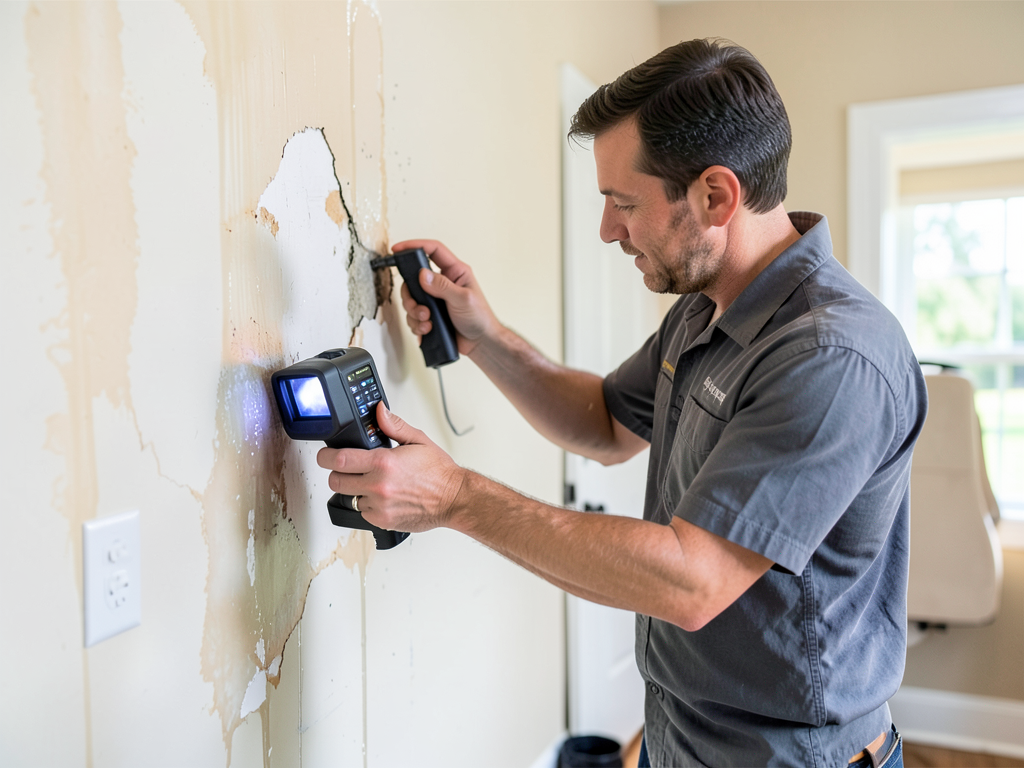
How the massive trees in Crestwood can cause your gutters to flood your interior walls…
Why copper pipe pinhole leaks are a growing problem for older Portland homes Copper pipe…
Water damage risks for artist studios and industrial makerspaces in Sunderland Artist studios and industrial…
Water damage gets worse every hour you wait. Our crews respond within 60 minutes across Portland. We answer phones 24/7 every day of the year. Call (503) 882-7766 now to dispatch emergency service to your property.