Menu

Business Interruption Mitigation in Portland | Minimizing Commercial Downtime with Industrial-Grade Water Damage Response

Evergreen Water Damage Restoration Portland delivers rapid commercial water damage containment and extraction designed to keep your Portland business operational through restoration, reducing revenue loss and protecting your bottom line.

Slider Image 1
Slider Image 2
Slider Image 3
Slider Image 4
Slider Image 5
Slider Image 7
Slider Image 8
Slider Image 9
Slider Image 10
Slider Image 11

How Water Damage Threatens Business Continuity in Portland

Portland's 43 inches of annual rainfall creates relentless pressure on commercial roofing systems, flat roof drainage, and aging plumbing infrastructure in older buildings throughout the Pearl District, Lloyd District, and industrial zones near the Columbia River. When a pipe bursts or a roof membrane fails, the clock starts on revenue loss immediately.

Every hour your retail space, restaurant, or warehouse sits flooded translates to lost sales, employee wages with no productivity, inventory damage, and potential lease violations. For businesses operating on tight margins, a three-day shutdown can mean the difference between meeting payroll and bankruptcy.

Minimizing business downtime requires more than extraction equipment. You need a restoration partner who understands the commercial stakes. Reducing operational downtime means coordinating with your property manager, documenting loss for insurance claims, and deploying enough personnel and equipment to handle 5,000 square feet of wet commercial carpet in hours, not days.

Business continuity restoration in Portland also means understanding local code enforcement timelines. The City of Portland requires commercial spaces meet specific ventilation and moisture standards before reopening. Mitigating commercial downtime means knowing these requirements upfront and building your restoration schedule around inspection availability, not guesswork.

Water damage in a Portland commercial facility is not a homeowner problem scaled up. It is a liability event, a potential lease default, and a direct threat to your operating capacity. Limiting business disruption requires industrial dehumidification capacity, antimicrobial treatments for food service environments, and the ability to work overnight shifts to meet your reopening deadline.

How Water Damage Threatens Business Continuity in Portland
Our Commercial Water Damage Response Protocol

Our Commercial Water Damage Response Protocol

Evergreen Water Damage Restoration Portland deploys a commercial-grade response that prioritizes operational continuity over cosmetic concerns. We arrive with truck-mounted extraction units capable of removing hundreds of gallons per hour, LGR dehumidifiers sized for your square footage, and moisture mapping technology that identifies hidden saturation in wall cavities and subfloors.

Our first action is source containment. We isolate the affected zone using polyethylene barriers and negative air pressure to prevent cross-contamination into operational areas. This allows your unaffected departments to continue business while we address the damage. For restaurants and food service clients, we follow FDA and Oregon Health Authority protocols for sanitizing food prep surfaces and documenting compliance.

We do not guess at drying times. We use thermal imaging cameras to track moisture levels in real time and place remote monitoring sensors that feed data to our project manager. You receive documented proof of drying progress every 24 hours, which your insurance adjuster and landlord require.

For retail and office spaces, we coordinate with your IT department to protect servers and data infrastructure. We work with your security team to maintain access control during overnight restoration shifts. We communicate directly with your general contractor if buildout work is required post-drying.

Our extraction process removes water from carpets, padding, and subflooring without tearing out materials prematurely. We test moisture content in concrete slabs and wood framing using penetrating probes, not surface readings. If demolition is necessary, we document it with photos and moisture readings before cutting the first piece of drywall. This protects you during insurance negotiations and prevents disputes over scope creep.

How We Execute Business Interruption Mitigation

Business Interruption Mitigation in Portland | Minimizing Commercial Downtime with Industrial-Grade Water Damage Response
01

Immediate Damage Containment

We deploy within two hours of your call with commercial extraction units and containment barriers. Our crew isolates the affected area, stops water migration into unaffected zones, and begins extraction immediately. We document the loss scene with photos and moisture readings for your insurance claim while our equipment runs. You receive an initial damage assessment and projected timeline within the first four hours onsite.
02

Controlled Environment Drying

We establish a drying chamber using industrial dehumidifiers, air movers, and HEPA filtration to meet IICRC S500 standards for commercial drying. Our team monitors temperature, humidity, and airflow continuously. We adjust equipment placement based on moisture meter readings every 12 hours. Your space is dried to pre-loss moisture levels, verified with documentation that satisfies code inspectors and insurance adjusters before we demobilize equipment.
03

Clearance and Reopening Coordination

We provide certified dry-out documentation showing moisture levels in all affected materials meet Portland building code requirements. Our project manager coordinates with your contractor for any reconstruction work and schedules city inspections if required. You receive a final report with moisture maps, equipment logs, and antimicrobial treatment records. We confirm your certificate of occupancy is cleared before considering the project complete, ensuring zero delays in reopening your business.

Why Portland Businesses Choose Evergreen for Water Damage Mitigation

Commercial water damage in Portland requires more than residential-scale equipment and good intentions. You need a restoration contractor with the personnel capacity to deploy six technicians and 12 air movers at 6 a.m. on a Sunday morning. You need someone who understands that your Pearl District retail lease includes a 72-hour notification requirement for any structural work, and that missing that deadline triggers penalty clauses.

Evergreen Water Damage Restoration Portland maintains commercial-grade extraction and drying equipment specifically for large-loss events. Our truck-mounted units pull 200 gallons per hour. Our LGR dehumidifiers are rated for 10,000 cubic feet, not the 1,500 cubic foot units used in basements. We own this equipment outright, which means we do not wait on rental availability when you call.

We are familiar with Portland's commercial building stock. The brick and timber warehouses in the Central Eastside Industrial District require different drying protocols than the concrete tilt-up buildings in Clackamas. We know that older buildings near the Willamette River often have perimeter drains that fail during heavy rain, and we check those systems during our initial assessment.

Our project managers communicate in terms you understand. We do not bury you in jargon. We tell you how many days until you can reopen, what it will cost, and what your insurance will likely cover. We coordinate directly with your adjuster and provide the documentation they require without you having to ask twice.

We also understand the financial pressure. A closed business burns cash on rent, utilities, and payroll with zero revenue. We prioritize speed without sacrificing quality. That means working overnight shifts, coordinating with your cleaning crew, and having enough staff to complete in three days what a smaller company would stretch to seven.

What to Expect from Our Commercial Water Damage Service

Rapid Response and Mobilization

We answer our phone 24 hours a day, 365 days a year. You speak to a project manager who dispatches a crew immediately, not an answering service that takes a message. Our average response time for commercial water damage calls in Portland is under two hours. We arrive with enough equipment and personnel to begin extraction and containment immediately. You do not wait until the next business day for an estimate. You receive an initial assessment, projected timeline, and cost estimate within four hours of our arrival. Speed matters when every hour closed costs you revenue.

Comprehensive Damage Assessment

Our initial assessment includes thermal imaging to locate hidden moisture in walls, ceilings, and subfloors. We use penetrating moisture meters to measure water content in concrete slabs and wood framing, not just surface readings. You receive a written moisture map showing affected areas and a drying plan specific to your building materials and square footage. We identify secondary damage risks like mold growth potential in HVAC ducts or insulation. Our assessment includes photos, moisture readings, and a scope of work your insurance adjuster can review immediately. This documentation prevents disputes and speeds claim approval.

Documented Drying and Restoration

We dry your facility to IICRC S500 standards using industrial dehumidifiers, air movers, and continuous monitoring. You receive daily moisture logs showing drying progress in each affected zone. We do not remove equipment based on appearance. We remove equipment when moisture meters confirm all materials have returned to pre-loss levels. You receive certified documentation showing compliance with Portland building codes and insurance requirements. Our final report includes before and after photos, equipment logs, moisture maps, and antimicrobial treatment records. This documentation protects you during lease disputes and insurance audits.

Post-Restoration Support and Coordination

We do not disappear after equipment removal. Our project manager coordinates with your general contractor for any reconstruction work required. We schedule city inspections if structural repairs triggered permit requirements. We provide referrals to commercial cleaning companies for final janitorial work before reopening. If your insurance claim includes business interruption coverage, we provide detailed timelines documenting when you could not operate. We remain available for insurance adjuster questions and provide supplemental documentation if your claim requires additional support. Your business continuity matters beyond the drying process.

Frequently Asked Questions

You Have Questions,
We Have Answers

What does business interruption coverage cover? +

Business interruption coverage pays for lost income and operating expenses when your Portland facility closes due to covered property damage. Policies cover payroll, rent, loan payments, and taxes during downtime. Most policies also cover extra expenses to reopen faster, like temporary relocation costs or equipment rentals. Coverage activates after physical damage from fire, water, or storm events. Portland businesses face specific risks from winter flooding and aging infrastructure failures. The policy only covers losses during the restoration period, which ends when you could reasonably resume operations. Review your policy limits against actual operating costs to ensure adequate protection during extended closures.

What actions can be taken to reduce or mitigate business risks? +

Document your facility conditions through regular inspections and photography. Install backflow preventers and sump pumps in Portland buildings vulnerable to basement flooding from heavy rain. Maintain your roof drainage systems to handle the region's wet winters. Create detailed emergency response protocols and cross-train staff for critical functions. Store digital backups offsite and maintain updated vendor contact lists. Develop relationships with emergency restoration contractors before you need them. Implement preventive maintenance schedules for HVAC, plumbing, and electrical systems. Review your insurance coverage annually and adjust limits to match current revenue. Establish alternate supplier agreements and identify backup work locations to minimize revenue loss during closures.

Is business interruption insurance worth it? +

For Portland businesses, the answer depends on your revenue stability and cash reserves. Companies operating on thin margins or seasonal businesses need this protection. Portland's wet climate creates higher water damage risks, and aging infrastructure increases failure probability. If a two-week closure would threaten your viability, you need coverage. Calculate your monthly operating expenses and compare that to your emergency fund. Businesses with commercial leases, employees, and loan obligations face the highest exposure. The premium cost typically represents a fraction of one day's revenue loss. Coverage becomes more valuable as your fixed costs increase and your ability to absorb downtime decreases.

What is not covered under business interruption? +

Business interruption excludes losses from undamaged property, pandemics, utility failures outside your premises, and ordinance compliance costs that extend restoration time. The policy will not pay if your business was already struggling before the loss. Coverage excludes closures from civil authority orders unless tied to direct property damage nearby. Portland businesses cannot claim losses from routine maintenance, gradual deterioration, or code upgrade requirements. The policy does not cover lost contracts, market share, or goodwill.Ware and tear, employee dishonesty, and voluntary closure decisions fall outside coverage. Your policy also excludes losses occurring after the restoration period ends, even if revenue remains below pre-loss levels.

What triggers a business interruption claim? +

A covered physical loss triggers business interruption claims. Fire, water damage, wind, and equipment breakdown must cause direct property damage that forces partial or complete closure. The damage must prevent normal operations at your Portland location. Simply losing power or access does not trigger coverage unless tied to covered property damage. Your building does not need total destruction. Partial losses that reduce capacity or force temporary closure qualify. Submit your claim immediately after the incident, document all damage with photos, and preserve evidence. Track revenue loss and continuing expenses from day one. Portland businesses must prove the causal link between property damage and income loss.

What is the 80% rule in insurance? +

The 80% rule requires you to insure your property for at least 80% of its replacement value to avoid coinsurance penalties. If you underinsure, the carrier reduces your claim payment proportionally. For a building valued at $1 million, you need $800,000 in coverage. Carry only $600,000 and the insurer pays 75% of any claim, leaving you to absorb the difference. This rule protects carriers from businesses gaming the system with low premiums. Portland commercial properties have appreciated significantly, making annual appraisals critical. Many policies include agreed value endorsements that waive coinsurance, but you pay higher premiums for that certainty.

What are 5 examples of mitigation? +

Install redundant sump pumps with battery backup in Portland basements prone to groundwater infiltration. Relocate critical equipment and inventory to upper floors above flood zones. Establish vendor agreements for rapid equipment replacement after losses. Create offsite data backup systems with cloud storage and physical copies stored separately. Develop cross-training programs so multiple employees can perform essential functions. Maintain emergency cash reserves equal to 30 days of operating expenses. Upgrade aging plumbing systems before catastrophic failures occur. Install water detection sensors near high-risk areas like water heaters and supply lines. Weatherproof exterior openings and loading docks against Portland's winter storms.

What are the 5 mitigation strategies? +

Accept the risk when loss probability and impact remain low. Avoid activities or locations with unacceptable exposure levels. Reduce risk through preventive maintenance, training, and facility improvements. Transfer risk through insurance coverage and contractual indemnification. Share risk through partnerships or joint ventures that distribute exposure. Portland businesses must evaluate each strategy against regional hazards like seismic activity and water damage. Accepting risk works for minor equipment with low replacement costs. Avoidance applies to flood-prone locations or high-liability operations. Reduction includes sprinkler systems and emergency protocols. Transfer means comprehensive insurance coverage. Most businesses use multiple strategies simultaneously based on specific exposures and risk tolerance.

What are the 4 risk mitigation strategies? +

Avoidance eliminates the risk entirely by choosing not to engage in certain activities or occupy vulnerable locations. Reduction implements controls and safeguards to lower probability or severity. Transfer shifts financial consequences to insurance carriers or other parties through contracts. Acceptance acknowledges the risk and prepares to absorb potential losses. Portland commercial operations combine these approaches. Avoid basement storage in flood zones. Reduce fire risk with sprinkler systems and regular inspections. Transfer financial exposure through business interruption coverage. Accept minor risks with low-cost solutions like self-insuring small equipment losses. Your strategy depends on your industry, location, and financial capacity to weather disruptions.

What is an example of the types of damages covered by business interruption insurance? +

Lost net profit during the restoration period represents the primary covered damage. Continuing expenses like rent, utilities, and payroll continue despite closure. Extra expenses to reduce downtime qualify, including temporary facility costs and expedited equipment shipping. Portland businesses can claim losses from employee wages needed to retain key staff during closure. Tax obligations, loan payments, and advertising costs to maintain market presence receive coverage. Relocation expenses to temporary facilities while repairs proceed fall under extra expense provisions. Professional fees for accountants documenting losses are reimbursable. The policy covers lost revenue from cancelled orders and contracts disrupted by the closure, provided you can prove the causal connection to covered property damage.

Why Portland's Rain and Aging Infrastructure Make Business Interruption Planning Critical

Portland receives over 40 inches of rain annually, with the wettest months from November through March creating sustained pressure on commercial roof drainage systems and perimeter waterproofing. Many commercial buildings in the Pearl District, Old Town Chinatown, and Central Eastside Industrial District date to the early 1900s and feature brick construction with outdated plumbing and inadequate foundation drainage. When a cast iron drain line fails or a flat roof membrane develops leaks, water intrusion happens quickly and affects large areas. Business interruption mitigation requires understanding how water moves through these older structures and deploying enough drying capacity to handle thousands of square feet of saturation before mold growth begins within 48 hours.

Evergreen Water Damage Restoration Portland has restored commercial properties throughout Multnomah County for years, giving us familiarity with local building code requirements and inspection processes. We understand that Portland Development Services requires permits for certain demolition work, even during emergency restoration. We know which insurance adjusters handle commercial claims for the major carriers operating in Oregon. Our relationships with local contractors, plumbers, and electricians mean we can coordinate reconstruction quickly without waiting on vendor availability. Choosing a local restoration company means working with people who understand your landlord likely requires 72-hour notice before structural work and that your business license renewal depends on maintaining code compliance through the restoration process.
Water Damage Restoration Services in The Portland Area

Evergreen Water Damage Restoration proudly serves Portland and the surrounding areas, providing rapid and reliable water damage solutions whenever you need us. While our physical office is located conveniently for local operations, our dedicated teams are mobile and ready to deploy across the region. View our service area on the map to understand our reach, or simply call us to confirm if we cover your specific location. We are committed to extending our expert services to every community in need.

Address:
Evergreen Water Damage Restoration Portland, 239 NW 13th Ave, Portland, OR, 97209

Additional Services We Offer

Our news updates

Latest Articles & News from The Blogs

What happens when a well pump or pressure tank leaks in your Mapleton garage When a well pump or pressure…

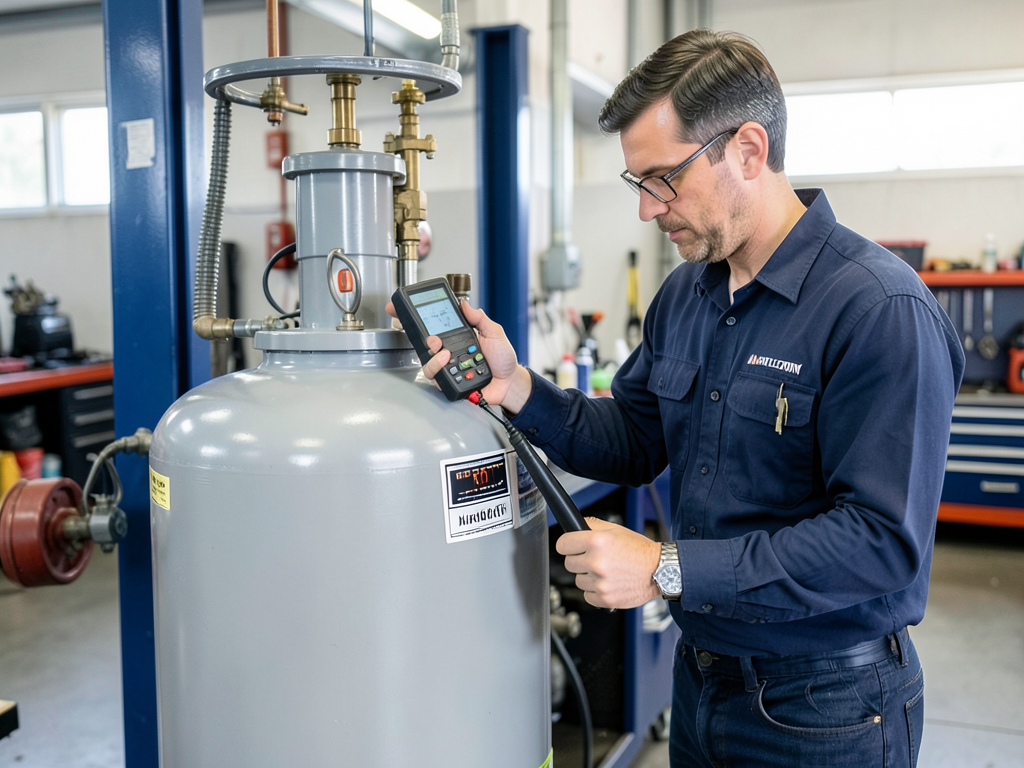
What happens when a well pump or pressure tank leaks in your Mapleton garage

What happens when a well pump or pressure tank leaks in your Mapleton garage When a well pump or pressure…

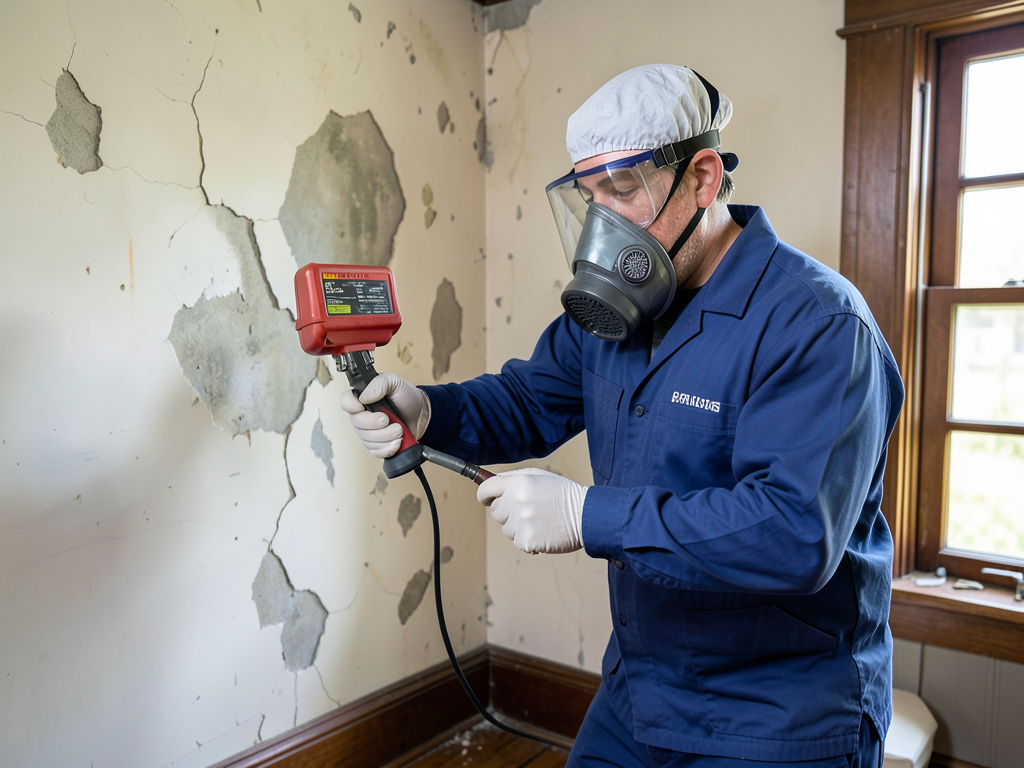
Dealing with lead and asbestos during water damage repairs in older Portland neighborhoods

Dealing with lead and asbestos during water damage repairs in older Portland neighborhoods Portland's historic neighborhoods face unique challenges when…

Why converting your University Park basement into a bedroom requires extra moisture protection

Why converting your University Park basement into a bedroom requires extra moisture protection Portland’s University Park neighborhood, nestled near the…

Contact Us

Every hour your business sits closed costs revenue you cannot recover. Call Evergreen Water Damage Restoration Portland now at (503) 882-7766 for immediate commercial water damage response. Our crews deploy within two hours with industrial extraction and drying equipment designed to minimize your downtime and get you reopened fast.