Menu

Water Damage Restoration in Portland – Complete Mitigation from Moisture Assessment to Final Dry-Out

Evergreen Water Damage Restoration Portland delivers comprehensive water damage repair, cleanup, and remediation across the greater Portland metro, addressing everything from initial moisture intrusion to structural drying and mold prevention.

Slider Image 1
Slider Image 2
Slider Image 3
Slider Image 4
Slider Image 5
Slider Image 7
Slider Image 8
Slider Image 9
Slider Image 10
Slider Image 11

Why Portland Properties Face Constant Water Damage Threats

Portland's climate creates a perfect storm for water intrusion. The city receives over 40 inches of rain annually, with sustained wet periods from October through May. This relentless moisture saturates building envelopes and overwhelms aging gutter systems common in Northeast Portland's historic bungalows and Alberta Arts District craftsman homes.

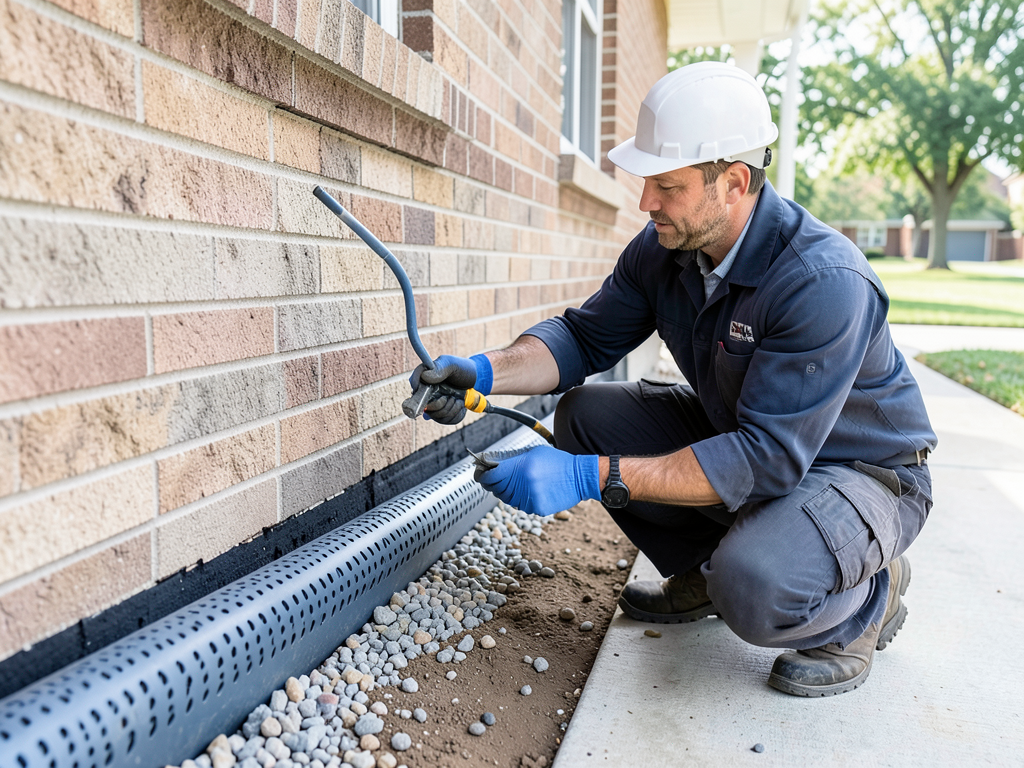
The Willamette River corridor and seasonal flooding in low-lying areas near Johnson Creek compound these risks. When winter storms hit, properties throughout Sellwood-Moreland and Eastmoreland experience foundation seepage and crawl space flooding. Older homes with outdated vapor barriers face chronic moisture accumulation.

Water damage remediation becomes urgent when basements flood during heavy rainfall or when supply lines burst during Portland's occasional freeze events. The combination of high water tables in areas near the Columbia Slough and vintage plumbing in pre-1950s homes creates ongoing vulnerability.

You need water removal services that understand Portland's specific challenges. Generic approaches fail because they ignore the mold growth rates accelerated by our humidity levels. Properties in Overlook and St. Johns neighborhoods face unique risks from combined sewer overflow backup during peak rainfall. Water damage mitigation requires local knowledge of building codes, moisture patterns, and the structural quirks of Pacific Northwest construction.

The longer water sits in your walls or under your flooring, the more extensive the damage becomes. Portland's moderate temperatures prevent rapid natural drying, allowing water to migrate through porous building materials and create hidden pockets of saturation.

Why Portland Properties Face Constant Water Damage Threats
How Professional Water Damage Restoration Stops Structural Deterioration

How Professional Water Damage Restoration Stops Structural Deterioration

Water damage cleanup begins with moisture mapping using thermal imaging cameras and penetrating moisture meters. We identify saturation zones you cannot see, including water trapped behind baseboards, inside wall cavities, and beneath subfloors. This diagnostic phase separates professional water damage repair from amateur approaches.

Extraction comes next. Commercial-grade truck-mount extractors remove standing water at rates exceeding 100 gallons per minute. For severe flooding, we deploy submersible pumps and portable extractors to clear water from basements and crawl spaces quickly.

The critical phase is structural drying. We position commercial air movers to create controlled airflow patterns across wet surfaces, accelerating evaporation rates. Low-grain refrigerant dehumidifiers pull moisture from the air, preventing it from reabsorbing into building materials. We monitor grain depression and vapor pressure differentials daily until moisture content returns to normal ranges.

Water damage remediation includes antimicrobial application to affected surfaces. Portland's humidity allows mold colonization within 48 hours of water exposure. We apply EPA-registered antimicrobials to framing, subfloors, and wall cavities to prevent microbial growth.

Restoration phase addresses damaged materials. We remove unsalvageable drywall, insulation, and flooring. Hardwood floors require specialized drying mats that create negative pressure to extract moisture from wood fibers without removing the flooring. We document moisture levels throughout the process for insurance claims.

Water damage mitigation differs from simple cleanup. Mitigation stops ongoing damage and prevents secondary issues like structural weakening and indoor air quality problems. You get detailed moisture readings, equipment logs, and photographic documentation showing the progression from saturated to dry conditions.

What Happens During Your Water Damage Restoration Project

Water Damage Restoration in Portland – Complete Mitigation from Moisture Assessment to Final Dry-Out
01

Emergency Assessment and Water Extraction

We arrive within hours of your call to assess the water source, shut off supply lines if needed, and begin immediate extraction. Our technicians document moisture levels in all affected areas using calibrated meters, photograph damage for your insurance claim, and map the full extent of water migration. Portable extractors remove standing water while containment barriers prevent spread to unaffected areas.
02

Structural Drying and Monitoring

Commercial air movers and dehumidifiers run continuously to dry structural components to acceptable moisture content levels. We monitor progress daily using moisture meters and adjust equipment placement based on drying patterns. This phase typically requires three to five days but varies based on saturation depth and building materials. You receive daily updates on moisture readings and drying progress throughout the process.
03

Restoration and Final Verification

Once moisture levels normalize, we remove damaged materials and begin rebuilding. Drywall replacement, subfloor repair, and finish work return your property to pre-loss condition. Final moisture verification confirms all building components have dried completely. You receive a comprehensive completion report with before-and-after moisture readings and photographic documentation. We coordinate directly with your insurance adjuster throughout the entire restoration process.

Why Portland Properties Need Local Water Damage Expertise

Water damage restoration in Portland requires understanding Pacific Northwest construction methods. Homes in Eastmoreland and Laurelhurst feature plaster walls over wood lath, which absorb water differently than modern drywall. These historic materials need specialized drying techniques to prevent irreversible damage.

We know Portland's building stock. The city's craftsman bungalows and vintage homes often lack vapor barriers in crawl spaces, creating chronic moisture problems. Properties in Northwest Portland's hillside neighborhoods face drainage challenges from slope topography. We address these location-specific issues during every water damage repair project.

Local code compliance matters. Portland requires specific procedures for mold remediation and structural repairs after water damage. Our technicians understand Oregon building codes and Portland's residential permit requirements. You avoid complications during insurance claims or property sales because our work meets all regulatory standards.

Evergreen Water Damage Restoration Portland maintains relationships with local insurance adjusters and property managers throughout the metro area. We understand which carriers require specific documentation and how to streamline the claims process for Portland homeowners. This local knowledge speeds up approval and payment.

Seasonal patterns affect our approach. We prepare properties differently for water damage mitigation during Portland's wet season versus summer months. Winter flooding requires different extraction strategies than summer supply line failures. Our equipment staging accounts for Portland's traffic patterns and response times across neighborhoods from Beaverton to Gresham.

You need a team familiar with Willamette Valley humidity levels and how they affect drying times. National chains apply generic protocols that extend drying periods and increase costs. We optimize equipment placement based on Portland's specific climate conditions, achieving faster dry-out times and lower overall expenses.

What to Expect from Professional Water Damage Services

Response Time and Availability

We dispatch teams 24 hours a day, seven days a week, including holidays. Most Portland-area properties receive service within two hours of your call. Emergency response matters because water damage accelerates exponentially. The first 24 hours determine whether you face minor repairs or major reconstruction. Our trucks carry extraction equipment, air movers, and dehumidifiers to begin mitigation immediately upon arrival. You do not wait for equipment delivery or scheduling delays. Night and weekend calls receive the same priority as weekday requests. This rapid response minimizes damage severity and reduces overall restoration costs.

Comprehensive Damage Assessment

Initial assessment includes moisture mapping of all potentially affected areas, not just visible water damage. We use thermal imaging to detect hidden moisture in wall cavities, ceilings, and subfloors. You receive a detailed scope of work outlining all affected materials, required repairs, and estimated timeline. Our technicians identify the water source and category (clean water, gray water, or black water), which determines appropriate remediation protocols. Assessment includes detailed photography and moisture content readings for insurance documentation. We explain findings in clear language, showing you exactly what needs repair and why. This transparency helps you make informed decisions about your property.

Quality of Completed Restoration

Final restoration returns your property to pre-loss condition with materials matching existing finishes. We do not leave mismatched paint, uneven flooring, or visible repair seams. Structural components receive proper treatment before concealment. Subfloors get antimicrobial application, wall cavities receive appropriate insulation, and all moisture barriers get reinstalled correctly. You receive final moisture verification readings confirming complete dry-out. Our work passes insurance company inspections and third-party assessments. The restoration phase includes coordination with specialized trades for electrical, plumbing, or HVAC repairs if water damage affected these systems. Your property returns to safe, functional condition.

Documentation and Insurance Coordination

We handle direct insurance billing for most major carriers serving Portland homeowners. You receive detailed documentation including moisture logs, equipment placement diagrams, daily progress photos, and itemized repair estimates. Our estimates follow Xactimate pricing, the industry standard insurance adjusters use. This alignment prevents disputes over repair costs. We communicate directly with your adjuster, providing technical documentation they need for claim approval. You avoid the burden of managing contractor-insurance company communication. All work gets coded properly for insurance purposes, separating emergency mitigation from restoration repairs. This documentation protects you if questions arise months later about work performed or materials used during the restoration project.

Frequently Asked Questions

You Have Questions,
We Have Answers

How much does restoration cost for water damage? +

Restoration costs vary based on damage extent, water category, and affected materials. Minor cleanup from a broken pipe might run a few hundred dollars. Major flood events requiring structural drying, mold remediation, and reconstruction cost more. Portland homes with crawl spaces or basements face higher bills due to moisture retention in our damp climate. Insurance often covers sudden incidents like burst pipes. Factors include square footage affected, demolition needs, and mold growth. Get a detailed estimate from a licensed contractor who inspects your property. Most companies offer free assessments and work directly with your insurance adjuster to document all damage.

What does water damage restoration include? +

Restoration includes water extraction, structural drying, dehumidification, mold prevention, and repairs. Technicians remove standing water with pumps and extractors, then place air movers and commercial dehumidifiers to dry walls, floors, and subflooring. Moisture meters track progress. Antimicrobial treatments prevent mold growth. Portland's high humidity makes thorough drying critical. Damaged drywall, insulation, or flooring gets removed and replaced. Content cleaning salvages personal items. The process includes documentation for insurance claims, tear-out of unsalvageable materials, odor removal, and final reconstruction. Complete restoration returns your property to pre-loss condition with all structural integrity verified.

Can water damage be repaired? +

Yes, water damage can be repaired if addressed quickly. The first 24 to 48 hours are critical. Prompt extraction and drying prevent secondary damage like warping, rot, and mold colonization. Portland's rain and humidity accelerate deterioration, so speed matters. Structural materials like framing lumber can be saved if dried properly. Drywall, insulation, and carpeting often require replacement. Hardwood floors sometimes recover with professional drying. The key is thorough moisture removal and antimicrobial treatment. Delaying repair allows mold spores to germinate and wood to weaken. Professional assessment determines what can be saved and what needs replacement.

Is water damage restoration worth it? +

Yes, restoration is worth it. Unaddressed water damage leads to structural failure, toxic mold, and health hazards. Portland's damp climate creates ideal mold conditions within 48 hours. Restoration prevents progressive rot in framing, subflooring, and joists. It protects your investment and maintains property value. Insurance typically covers sudden water events, making professional restoration financially smart. DIY attempts miss hidden moisture in wall cavities and crawl spaces, causing future problems. Certified technicians use thermal imaging and moisture meters to find all affected areas. Proper restoration eliminates liability, stops ongoing damage, and ensures your home remains safe and habitable.

Does insurance pay for water restoration? +

Insurance typically pays for sudden, accidental water damage like burst pipes, appliance failures, or storm damage. Policies usually cover extraction, drying, demolition, and repairs. Portland homeowners should review their coverage for flood exclusions. Standard policies do not cover gradual leaks or maintenance issues. Filing requires prompt notification and documentation. Take photos, save damaged items, and mitigate further loss. Restoration companies work directly with adjusters, providing detailed estimates and moisture readings. Some policies include temporary housing if your home is uninhabitable. Deductibles apply. Always read your policy declarations and understand what types of water damage qualify for coverage.

How to dry out a house after water damage? +

Start by stopping the water source and ensuring electrical safety. Remove standing water with pumps or a wet vacuum. Open windows if outside humidity is lower than inside, common during Portland's drier summer months. Run fans and dehumidifiers continuously. Pull up wet carpeting and padding. Remove soaked insulation and drywall at least 12 inches above the waterline. Increase air circulation in crawl spaces and basements. Monitor moisture levels with a meter. Professionals use commercial equipment that dries structures faster and more completely than consumer units. Inadequate drying allows mold to colonize, so thorough moisture removal is critical.

How likely is mold after water damage? +

Mold becomes likely after 24 to 48 hours in wet conditions. Portland's humidity accelerates growth, especially in fall and winter. Mold spores are always present but need moisture to colonize. Porous materials like drywall, insulation, and carpet are most vulnerable. Hidden moisture in wall cavities and under flooring creates invisible mold problems. Professional drying with dehumidifiers and air movers prevents colonization. If you see discoloration or smell musty odors, mold is already growing. Prompt extraction and antimicrobial treatment stop spore germination. Delaying restoration almost guarantees mold, requiring separate remediation that increases costs and health risks.

Will insurance pay out for water damage? +

Insurance pays for covered water damage events. Policies typically cover sudden accidents like burst pipes, appliance malfunctions, or roof leaks from storms. Portland homeowners face exclusions for flood damage, requiring separate flood insurance. Gradual leaks from poor maintenance are not covered. File claims immediately after discovering damage. Document everything with photos and keep damaged items for inspection. Mitigation is required to prevent further loss. Restoration companies provide detailed estimates and moisture documentation for adjusters. Coverage includes extraction, drying, demolition, and repairs minus your deductible. Review your policy to understand specific inclusions, exclusions, and limits before damage occurs.

What does category 3 damage look like? +

Category 3 water damage involves grossly contaminated water with pathogens, toxins, or sewage. It appears black or brown with visible debris and produces foul odors. Sources include sewer backups, toilet overflows with feces, flooding from rivers or streams, and stagnant water with bacterial growth. Portland properties near the Willamette River or Columbia River face Category 3 risks during floods. This water contains harmful bacteria, viruses, and parasites. All porous materials like drywall, insulation, and carpeting require removal and disposal. Workers wear protective equipment. Restoration involves antimicrobial treatment and thorough disinfection before reconstruction begins.

What not to do after water damage? +

Do not delay calling professionals or your insurance company. Do not enter standing water without confirming electrical safety. Do not use regular household vacuums on water, which causes electrocution risk. Do not leave wet materials in place hoping they dry on their own. Portland's humidity prevents adequate air drying. Do not use fans before extraction, which spreads contamination. Do not ignore hidden moisture in walls or under flooring. Do not attempt Category 3 cleanup yourself due to biohazard exposure. Do not throw away damaged items before documentation and adjuster inspection. Fast action prevents mold, but wrong actions worsen damage and void insurance coverage.

How Portland's Wet Climate Accelerates Water Damage Timelines

Portland's extended wet season from October through May creates elevated baseline humidity levels that slow natural drying. When water intrusion occurs during these months, ambient moisture prevents evaporation. Properties stay saturated longer, giving mold spores ideal colonization conditions. The moderate temperatures common in Northwest Portland and Hawthorne neighborhoods maintain the 70-90 degree range where mold thrives. This combination makes water damage remediation more urgent here than in drier climates. You face mold growth within 48 hours instead of the 72-hour window typical in arid regions.

Portland requires specific approaches to water damage cleanup based on local construction patterns. Many properties in Sellwood and Brooklyn neighborhoods feature balloon framing, where wall cavities extend from foundation to roof without fire stops. Water travels vertically through these cavities, affecting multiple floors from a single leak source. We understand these architectural features and adjust moisture detection accordingly. Local building inspectors expect specific remediation protocols for historic properties. Our familiarity with Portland's code enforcement standards ensures your water damage repair meets city requirements and passes final inspection without delays or additional work.
Water Damage Restoration Services in The Portland Area

Evergreen Water Damage Restoration proudly serves Portland and the surrounding areas, providing rapid and reliable water damage solutions whenever you need us. While our physical office is located conveniently for local operations, our dedicated teams are mobile and ready to deploy across the region. View our service area on the map to understand our reach, or simply call us to confirm if we cover your specific location. We are committed to extending our expert services to every community in need.

Address:
Evergreen Water Damage Restoration Portland, 239 NW 13th Ave, Portland, OR, 97209

Additional Services We Offer

Our news updates

Latest Articles & News from The Blogs

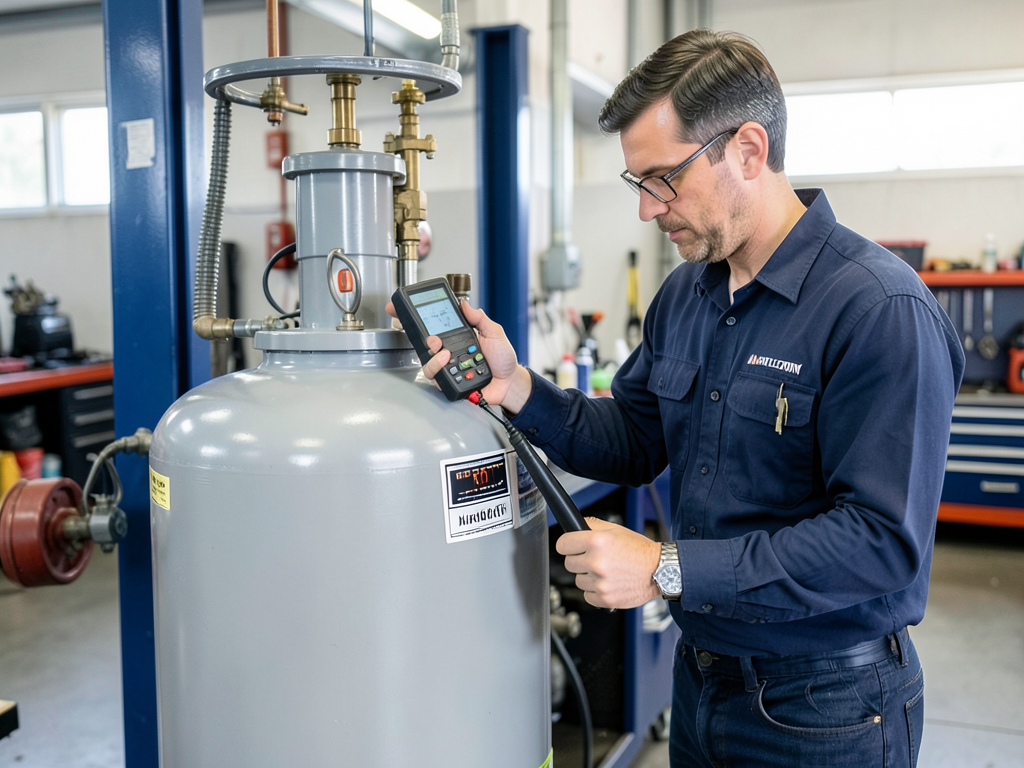
What happens when a well pump or pressure tank leaks in your Mapleton garage When a well pump or pressure…

What happens when a well pump or pressure tank leaks in your Mapleton garage

What happens when a well pump or pressure tank leaks in your Mapleton garage When a well pump or pressure…

Dealing with lead and asbestos during water damage repairs in older Portland neighborhoods

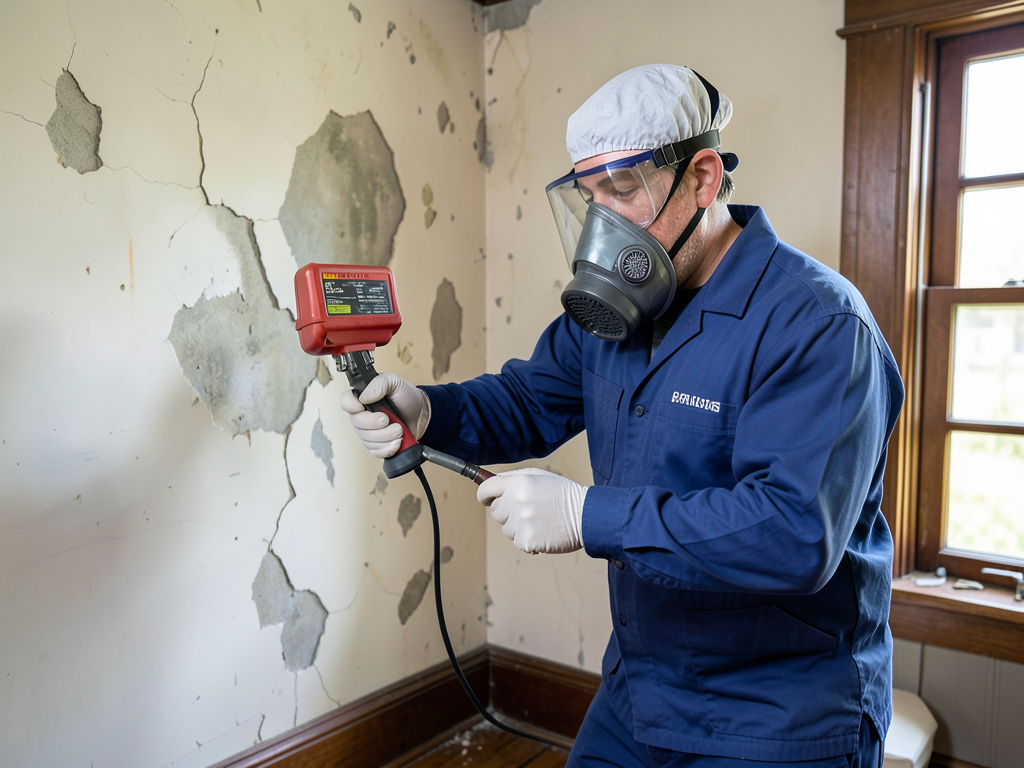
Dealing with lead and asbestos during water damage repairs in older Portland neighborhoods Portland's historic neighborhoods face unique challenges when…

Why converting your University Park basement into a bedroom requires extra moisture protection

Why converting your University Park basement into a bedroom requires extra moisture protection Portland’s University Park neighborhood, nestled near the…

Contact Us

Water damage worsens every hour. Call Evergreen Water Damage Restoration Portland now at (503) 882-7766 for 24-hour emergency response. Our crews dispatch immediately with professional extraction and drying equipment. Do not wait until minor water intrusion becomes major reconstruction.