Menu

Water Heater Burst Cleanup in Portland – 60-Minute Emergency Response Stops Structural Damage

When your water heater ruptures, every minute counts. Our rapid-dispatch team arrives within the hour to extract standing water, stabilize your property, and prevent mold growth before permanent damage sets in.

Slider Image 1
Slider Image 2
Slider Image 3
Slider Image 4
Slider Image 5
Slider Image 7
Slider Image 8
Slider Image 9
Slider Image 10
Slider Image 11

Your Water Heater Just Failed. Here's What Happens Next in Portland Homes.

A ruptured water heater dumps 40 to 80 gallons across your floor in minutes. In Portland homes built on crawl spaces, that water doesn't just sit on the surface. It seeps through subflooring, saturates insulation, and pools in confined spaces where you cannot reach it. The Pacific Northwest's high ambient humidity makes this worse. Even after you mop up the visible water, moisture trapped beneath flooring or inside wall cavities feeds mold growth within 24 to 48 hours.

Portland's frequent freeze-thaw cycles during winter months stress aging water heaters. Sediment buildup from the Bull Run Watershed's mineral-rich water accelerates corrosion inside the tank. When the tank wall finally gives out, the release is sudden and total. You are not dealing with a slow leak. You are dealing with a flood.

Burst hot water tank cleanup requires more than towels and a wet vac. You need commercial-grade extraction equipment to pull water from carpet padding, hardwood subflooring, and crawl space insulation. You need thermal imaging to map hidden moisture pockets. You need dehumidification equipment calibrated to Portland's baseline humidity levels. Emergency water heater water removal must happen fast, or you are looking at flooring replacement, structural rot, and a mold remediation bill that doubles your loss.

Water heater flood damage restoration is time-sensitive. The longer water sits, the deeper it migrates. Drywall wicks moisture upward. Baseboards swell and delaminate. If your home has original hardwood common in Portland's Eastmoreland or Laurelhurst neighborhoods, prolonged exposure can cup or buckle planks that are impossible to replace.

You need ruptured water heater cleanup services that respond now, not tomorrow.

Your Water Heater Just Failed. Here's What Happens Next in Portland Homes.
How We Stabilize Your Property After a Burst Water Heater

How We Stabilize Your Property After a Burst Water Heater

When you call Evergreen Water Damage Restoration Portland, we dispatch a crew within the hour. Our first task is containment. We shut off your water supply if you have not already done so, then move furniture and belongings out of the affected area. Speed matters because water spreads fast through grout lines, under cabinets, and into adjacent rooms.

We use truck-mounted extractors to remove standing water. These machines generate vacuum pressure strong enough to pull water from deep inside carpet padding and subfloor seams. Portable extractors handle tight spaces like closets and bathroom corners. We do not just surface-dry your floors. We pull moisture from every layer.

Next, we deploy infrared moisture meters and thermal imaging cameras. These tools show us exactly where water has traveled, even behind walls or under vinyl flooring. Portland homes often have plywood subflooring over floor joists with 16-inch spacing. Water collects in the gaps between joists, creating hidden reservoirs that standard drying misses. We drill small weep holes when necessary to vent trapped moisture and insert drying mats that apply negative pressure to pull water upward through the subfloor.

Air movers and dehumidifiers run 24/7 for three to five days depending on material saturation levels. We position air movers to create circulatory airflow across wet surfaces, which accelerates evaporation. Dehumidifiers condense airborne moisture and dump it into collection trays or external drains. We monitor drying progress twice daily using calibrated hygrometers. Your home is not dry just because it looks dry. We measure moisture content in wood and drywall until readings return to baseline.

Burst water heater extraction is not a DIY job. If you skip professional drying, you invite secondary damage that costs far more than the initial cleanup.

What Happens During Emergency Water Heater Flood Cleanup

Water Heater Burst Cleanup in Portland – 60-Minute Emergency Response Stops Structural Damage
01

Immediate Water Extraction

We arrive with truck-mounted extractors and portable pumps to remove every gallon of standing water from your floors, crawl space, or basement. This is not mopping. This is industrial-grade suction that pulls water from carpet fibers, subfloor seams, and tile grout lines. We remove the bulk water first because every minute it sits increases absorption depth and secondary damage risk.
02

Moisture Mapping and Monitoring

We use thermal imaging and penetrating moisture meters to locate hidden water pockets behind baseboards, under vinyl flooring, and inside wall cavities. We document moisture levels in every affected material, then track drying progress daily. This data tells us when your home has returned to safe moisture thresholds. Guessing puts you at risk for mold colonization and structural rot.
03

Structural Drying and Verification

We install commercial dehumidifiers and air movers positioned to maximize airflow and evaporation across all wet surfaces. Equipment runs continuously for three to five days depending on saturation depth. We take daily moisture readings and adjust equipment placement to target stubborn wet spots. Once all materials register dry on our meters, we remove the equipment and provide you with a documented drying log for your insurance claim.

Why Portland Homeowners Trust Us for Water Heater Burst Cleanup

We know Portland construction. Homes in Irvington, Alameda, and Sellwood have crawl space foundations with limited ventilation. When a water heater bursts, water drains into that crawl space and sits on vapor barriers or bare dirt. Standard fans will not dry a crawl space. You need negative air machines and industrial dehumidifiers sized for confined, unheated spaces. We own that equipment and know how to deploy it.

We understand Portland's wet climate. Outdoor humidity runs 70 to 90 percent for six months of the year. That makes indoor drying slower and more complex. If we just open your windows and run fans, we are pulling humid air into your home. That prolongs drying time and increases mold risk. We create controlled drying environments using sealed containment and calibrated dehumidification. We manipulate vapor pressure to force moisture out of materials, not into the air.

We work directly with your insurance adjuster. Burst water heater claims are common, and we know what documentation your carrier requires. We photograph damage, log moisture readings, and provide detailed scope sheets that justify every piece of equipment we deploy. Most Portland homeowners have replacement cost policies that cover emergency water heater water removal and drying. We help you maximize your claim so you are not paying out of pocket for covered losses.

We respond fast because we are local. Our trucks are staged in Portland, not Vancouver or Beaverton. When you call at 2 a.m. because your water heater just dumped 50 gallons into your hallway, we are on-site within the hour. Speed is the difference between a cleanup bill and a reconstruction bill.

Evergreen Water Damage Restoration Portland has handled hundreds of ruptured water heater cleanup services across every neighborhood in the metro. We know what works. We know what fails. We know how to dry your home the right way the first time.

What You Can Expect During the Cleanup Process

Response Time and Availability

We answer calls 24 hours a day, seven days a week. When your water heater bursts at 3 a.m., you do not get voicemail. You get a live dispatcher who sends a crew to your door within 60 minutes. We do not schedule emergency water heater water removal for next Tuesday. We show up now because the first six hours determine whether you need simple drying or full flooring replacement. Our trucks are stocked and ready to roll the moment you call.

Initial Assessment and Scope

When we arrive, we walk every room and crawl space to assess damage extent. We use moisture meters to check walls, subfloors, and insulation. We take photos and document findings. You get a written scope that explains what materials are wet, what equipment we will deploy, and how long drying will take. We explain the process in plain language. No jargon. No upselling. Just a clear breakdown of what needs to happen and why. You make informed decisions with full transparency.

Drying Results and Documentation

You are not dry just because your floor looks dry. We measure moisture content in wood, drywall, and concrete using calibrated meters. We document every reading and track progress daily. When drying is complete, we provide you with a final moisture report showing before and after readings. This documentation proves to your insurance company that the job was done correctly. It also protects you from future claims denials if mold appears later because someone else cut corners.

Follow-Up and Prevention Guidance

After we remove equipment, we walk the property one final time to confirm everything is dry and damage-free. We explain what caused your water heater to fail and how to prevent it from happening again. We recommend inspection intervals for replacement water heaters and show you where to install leak detection devices. If you need reconstruction services, we coordinate with trusted local contractors who understand Portland building codes. We stay available for questions even after the job closes. You are not just a ticket number.

Frequently Asked Questions

You Have Questions,
We Have Answers

What to do when your hot water heater explodes? +

Shut off the water supply immediately at the main valve or the cold water line feeding the heater. Turn off the power source. If it is electric, flip the breaker. If it is gas, turn the valve to off. Do not enter standing water if electrical wiring is exposed. Evacuate the area if you smell gas. Call a professional water damage restoration team right away. Document the damage with photos for insurance claims. Portland homes with older plumbing systems face higher burst risks during freeze events, so speed matters.

What happens if your hot water heater bursts? +

When a water heater bursts, it releases 40 to 80 gallons of water in minutes. This floods floors, saturates drywall, and seeps into subfloors and crawl spaces. In Portland homes, water migrates quickly through older wood framing and can reach adjacent rooms or basements. Mold growth starts within 24 to 48 hours in damp conditions. Electrical systems may short circuit. Structural damage worsens as water spreads. You need immediate extraction, drying, and inspection to prevent secondary damage and health hazards.

Can I do laundry with a broken water heater? +

You can do laundry with a broken water heater if your washing machine can operate on cold water alone. Most modern machines offer a cold wash cycle. However, if the water heater burst caused flooding or contamination in the laundry area, do not use the machine until the space is cleaned and dried. Check for electrical hazards and water damage near outlets. If the heater leaked sewage or contaminated water, professional sanitization is required before you resume any activities in the affected area.

How much does it cost to have a water heater flushed? +

Flushing a water heater typically costs between $80 and $200 in Portland, depending on the service provider and tank condition. This maintenance task removes sediment buildup that can cause overheating and pressure issues. Regular flushing extends heater lifespan and reduces burst risk. If you need emergency water heater burst cleanup, flushing is not the priority. You need extraction, drying, and damage assessment first. Once repairs are complete, schedule annual maintenance to prevent future failures. Portland's mineral-rich water accelerates sediment accumulation.

How Portland's Crawl Space Construction Complicates Water Heater Flood Damage Restoration

Most Portland homes built before 1980 sit on crawl space foundations with minimal ventilation and dirt floors or thin vapor barriers. When a water heater bursts in a utility room or garage, water flows downward through floorboards and collects in the crawl space. The confined space traps moisture, and Portland's year-round high humidity prevents natural evaporation. Mold begins colonizing floor joists and insulation within 48 hours. Standard fans cannot reach these spaces. You need negative air machines and low-profile dehumidifiers designed for tight clearances. Burst hot water tank cleanup in Portland requires equipment and expertise specific to crawl space drying, or you are left with hidden rot and mold that surfaces months later.

Portland's building codes require proper moisture remediation before closing walls or replacing flooring after water damage. Insurance adjusters in the metro are familiar with local restoration standards and expect documented drying logs, thermal imaging reports, and moisture content verification. Hiring a company without local experience risks claim delays or partial denials if the work does not meet adjuster expectations. Evergreen Water Damage Restoration Portland works with every major carrier operating in Multnomah, Clackamas, and Washington counties. We know what documentation your adjuster needs, and we provide it without you having to ask. Local knowledge protects your claim and your wallet.
Water Damage Restoration Services in The Portland Area

Evergreen Water Damage Restoration proudly serves Portland and the surrounding areas, providing rapid and reliable water damage solutions whenever you need us. While our physical office is located conveniently for local operations, our dedicated teams are mobile and ready to deploy across the region. View our service area on the map to understand our reach, or simply call us to confirm if we cover your specific location. We are committed to extending our expert services to every community in need.

Address:
Evergreen Water Damage Restoration Portland, 239 NW 13th Ave, Portland, OR, 97209

Additional Services We Offer

Our news updates

Latest Articles & News from The Blogs

What happens when a well pump or pressure tank leaks in your Mapleton garage When a well pump or pressure…

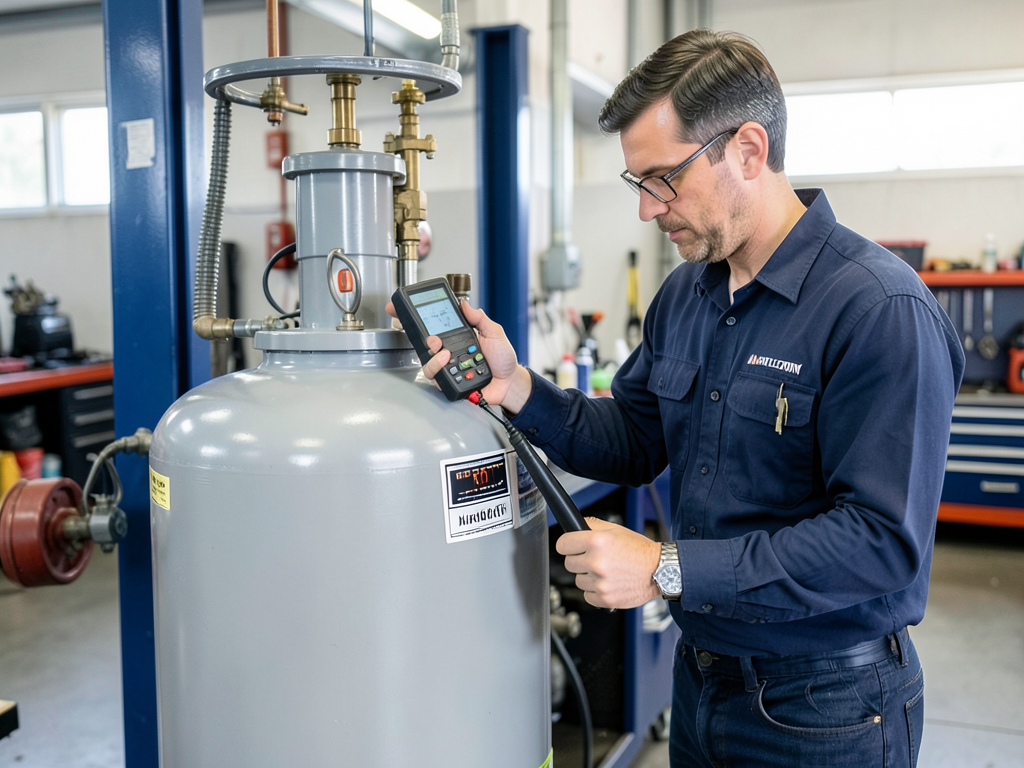
What happens when a well pump or pressure tank leaks in your Mapleton garage

What happens when a well pump or pressure tank leaks in your Mapleton garage When a well pump or pressure…

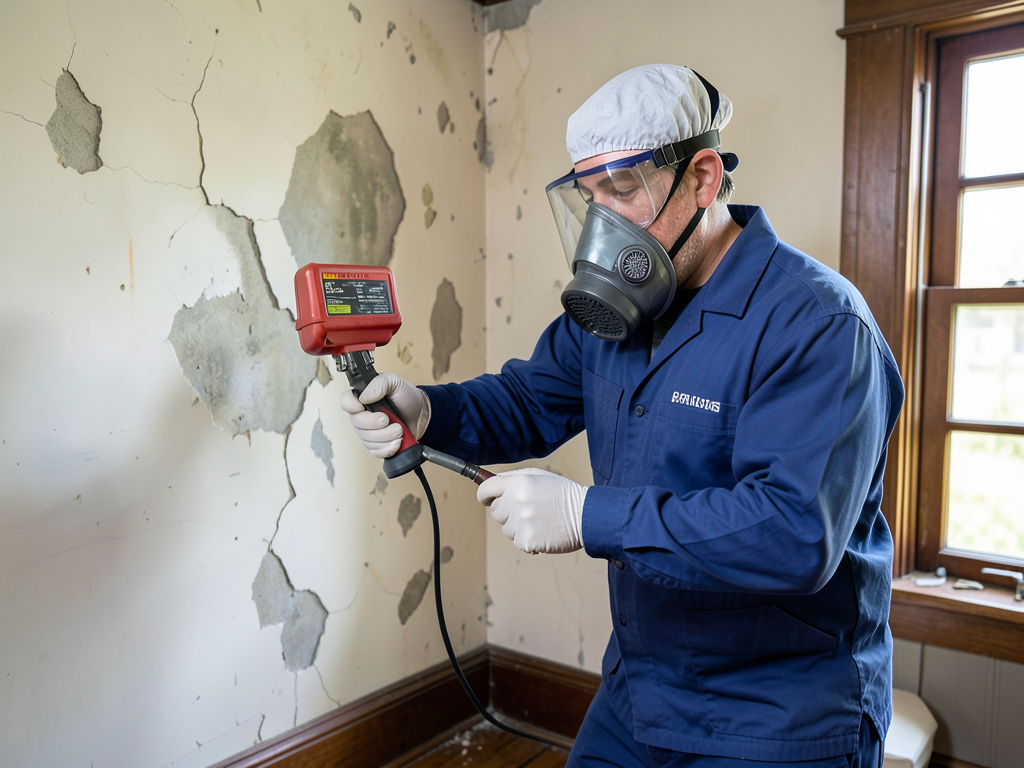
Dealing with lead and asbestos during water damage repairs in older Portland neighborhoods

Dealing with lead and asbestos during water damage repairs in older Portland neighborhoods Portland's historic neighborhoods face unique challenges when…

Why converting your University Park basement into a bedroom requires extra moisture protection

Why converting your University Park basement into a bedroom requires extra moisture protection Portland’s University Park neighborhood, nestled near the…

Contact Us

Your water heater burst. The clock is running. Call Evergreen Water Damage Restoration Portland at (503) 882-7766 right now. We dispatch a crew within the hour to extract water, stabilize your property, and start drying before mold takes hold. Do not wait until morning.