Menu

How Long Does Drying Take in Portland? | Get Accurate Timelines for Complete Water Damage Recovery

Understanding structural drying duration helps you plan your recovery after water damage. Our Portland restoration experts explain the factors that determine how long does drying take, from initial extraction through final moisture readings.

Slider Image 1
Slider Image 2
Slider Image 3
Slider Image 4
Slider Image 5
Slider Image 7
Slider Image 8
Slider Image 9
Slider Image 10
Slider Image 11

Why Portland Water Damage Drying Times Vary More Than You Think

You need a number. Three days? A week? Two weeks? The truth is that water restoration drying timelines depend on factors you cannot control and some you can.

Portland's unique climate creates specific drying challenges. Our wet winters and humid springs slow evaporation rates. When your basement floods in January, the cold air holds less moisture than summer air would. That extends structural drying duration by days. The constant marine layer from the Pacific adds ambient moisture to the air, which works against drying equipment.

Your building materials matter. Drywall absorbs water like a sponge but releases it relatively fast. Hardwood flooring in Portland's older homes, particularly in neighborhoods like Laurelhurst and Irvington, can take twice as long to dry properly because the wood swells and traps moisture between layers. Concrete foundation walls common in Portland construction can hold moisture for weeks.

The amount of water matters more than the source. A broken supply line dumps clean water fast, but the volume soaks deeper into subflooring and insulation. Category 3 water from sewage backups requires additional antimicrobial treatment time before drying even starts. Basement floods that sit overnight penetrate structural elements that surface water would not reach.

Water damage drying time also depends on how quickly you start. Every hour water sits increases the time to dry out water damage by allowing deeper penetration into porous materials. Portland's older homes with plaster walls and original hardwood complicate the drying process length because these materials were not designed with modern moisture barriers.

Why Portland Water Damage Drying Times Vary More Than You Think
The Science Behind Accurate Water Restoration Drying Timelines

The Science Behind Accurate Water Restoration Drying Timelines

Professional drying is not about pointing fans at wet walls. We measure specific humidity, temperature, and material moisture content to calculate precise water damage drying time.

We start with psychrometric measurements. This measures the moisture-holding capacity of air at current temperature and pressure. Portland's average indoor humidity hovers around 65 percent in winter. We need to drop that to below 50 percent in affected areas to create a vapor pressure gradient. Without that gradient, moisture stays trapped in materials.

Thermal imaging identifies hidden moisture pockets behind walls and under flooring. Moisture meters give us exact readings in wood, drywall, and concrete. We establish baseline readings for dry materials in unaffected areas, then track affected areas back to those baselines. When readings match, drying is complete.

We use desiccant dehumidifiers in Portland's cooler months because they work better in low temperatures than refrigerant models. These units remove moisture regardless of air temperature. We calculate grain depression, which measures how much moisture our equipment removes from the air per hour. This tells us our structural drying duration before we even start.

Air movement matters more than you think. We position axial fans to create laminar airflow across wet surfaces. This constant air movement accelerates evaporation. We monitor airflow patterns with smoke tests to ensure we are not creating dead zones where moisture lingers.

Temperature control speeds drying. We may use heating equipment to raise ambient temperature, which increases air's moisture-holding capacity. Warmer air accepts more water vapor, reducing the time to dry out water damage by 30 to 40 percent in some cases.

What Happens During Your Portland Water Damage Drying Process

How Long Does Drying Take in Portland? | Get Accurate Timelines for Complete Water Damage Recovery
01

Initial Assessment and Documentation

We arrive within hours to measure the extent of water intrusion using moisture meters and thermal cameras. You receive a detailed moisture map showing affected areas and initial readings. We document everything with photos and measurements for your insurance claim. This assessment determines our equipment needs and provides the first estimate of structural drying duration for your specific situation.
02

Equipment Deployment and Monitoring

We position commercial dehumidifiers and air movers based on your floor plan and moisture distribution. Equipment runs continuously while we visit daily to take fresh moisture readings and adjust placement. You see progress through daily logs showing moisture levels dropping in walls, floors, and structural elements. We track psychrometric conditions to ensure optimal drying efficiency throughout the water restoration drying timeline.
03

Final Verification and Clearance

Drying is complete when moisture readings match unaffected areas and remain stable for 24 hours. We provide final documentation showing all areas returned to dry standards. You receive a completion certificate with before and after readings for your records and insurance. We remove equipment only after verifying every affected area meets industry drying standards, ensuring no hidden moisture remains to cause future problems.

Why Portland Property Owners Trust Our Drying Timeline Accuracy

Generic drying estimates waste your time and risk your property. We provide accurate water damage drying time projections because we understand Portland's specific conditions.

Portland's building stock varies dramatically. A 1920s bungalow in Eastmoreland has different drying characteristics than a 1970s ranch in Beaverton or a new condo in the Pearl District. We have dried properties in every Portland neighborhood and know how different construction methods affect structural drying duration. Original plaster walls require different approaches than modern drywall. Post-and-beam construction in older homes creates hidden cavities where moisture collects.

We know Portland's weather patterns. When we start a job during a wet November week, we account for the 85 percent ambient humidity slowing our equipment. We adjust our calculations for seasonal variables that generic restoration companies ignore. This experience means our initial timeline estimates prove accurate, which helps you plan temporary housing, insurance claims, and contractor scheduling.

Our equipment inventory matches Portland's needs. We stock enough desiccant dehumidifiers to handle large-scale flooding during our wet season when dozens of properties need service simultaneously. You do not wait days for equipment availability while water soaks deeper into your structure.

We communicate in plain terms. You get daily updates showing actual moisture readings, not vague progress reports. When factors extend the drying process length, we explain exactly why and what changed. You know whether to expect three days or ten days based on real data, not guesswork.

Our technicians hold IICRC Water Damage Restoration certification and use the latest moisture detection technology. This combination of training and equipment means faster identification of problem areas and more efficient drying strategies.

What Your Water Damage Drying Timeline Actually Looks Like

Typical Drying Timeframes by Material Type

Standard drywall and carpet dry in three to five days with proper equipment. Hardwood flooring requires seven to fourteen days depending on thickness and finish type. Concrete slabs and foundation walls need ten to twenty-one days because concrete holds moisture deep within its porous structure. Insulation often requires removal rather than drying because it loses effectiveness when saturated. Plaster walls common in Portland's historic homes need seven to ten days because they are denser than drywall. These timeframes assume immediate professional response and continuous equipment operation.

Factors That Extend Structural Drying Duration

Delayed response adds one day of drying for every four hours water sits untreated. Category 3 water requires antimicrobial treatment before drying begins, adding 24 to 48 hours to your timeline. Humidity above 60 percent slows evaporation by up to 40 percent. Temperatures below 60 degrees reduce drying efficiency significantly. Multiple affected floors or areas require more equipment and longer timelines. Hidden moisture in wall cavities extends timelines because we must verify drying behind finished surfaces. Portland's older homes with balloon framing allow water to travel vertically through walls, requiring more extensive monitoring and longer drying times.

How Professional Equipment Speeds Recovery

Commercial dehumidifiers remove 10 to 20 times more moisture than residential units. Professional air movers create the air velocity needed to overcome surface tension and pull moisture from materials. Desiccant systems work in cold conditions where refrigerant dehumidifiers fail. We use multiple equipment types simultaneously to create optimal drying conditions. Thermal imaging identifies problem areas before they become visible issues. Daily monitoring ensures equipment works efficiently and we adjust as conditions change. Professional restoration typically cuts water restoration drying timelines in half compared to consumer equipment or natural air drying.

Post-Drying Verification and Documentation

We do not pull equipment until moisture readings stabilize at dry standards for 24 consecutive hours. You receive detailed documentation showing initial moisture levels, daily readings throughout the drying process, and final clearance measurements. This documentation satisfies insurance requirements and protects you from liability. We provide written certification that drying meets IICRC S500 standards. You also receive recommendations for any materials that require replacement rather than drying. Follow-up moisture checks verify no hidden moisture returns after equipment removal, giving you confidence your property is truly dry.

Frequently Asked Questions

You Have Questions,
We Have Answers

How long does drying usually take? +

Water damage drying in Portland takes 3 to 5 days on average, depending on the extent of saturation, materials affected, and humidity levels. Our damp climate can slow evaporation, so professional equipment like air movers and dehumidifiers accelerates the process. Hardwood floors may take longer than drywall. Structural drying requires monitoring moisture levels daily until readings reach industry standards. Rushed drying invites mold growth, which thrives in Portland's moisture. Complete drying protects your investment and prevents secondary damage. Professional restoration ensures the job is done right the first time.

How long is a normal dryer cycle? +

A standard home dryer cycle runs 30 to 45 minutes for most loads. Heavy items like towels or bedding may need 60 minutes. Modern dryers with moisture sensors adjust time automatically, stopping when clothes reach the desired dryness. Older models use timed cycles, which can over-dry or under-dry depending on load size. Portland's humidity can affect drying efficiency, especially in homes without proper ventilation. If your dryer consistently runs longer than 60 minutes, check the lint trap and exhaust vent. Blocked vents reduce airflow and extend drying time significantly.

Is 20 minutes enough to dry clothes? +

Twenty minutes is not enough for most dryer loads. Lightweight items like athletic wear or thin shirts may feel dry, but thicker fabrics retain moisture. Under-dried clothes develop musty odors and promote mildew, a common issue in Portland's damp climate. Most standard loads need 30 to 45 minutes. Sensor-dry settings automatically adjust time based on moisture levels, preventing premature stops. If you remove clothes early for ironing or hanging, that is fine. Otherwise, allow the full cycle to complete. Proper drying prevents odor and fabric damage over time.

Is 2 hours too long to dry clothes? +

Two hours is too long for a typical dryer cycle. Standard loads should finish in 30 to 60 minutes. Extended drying suggests a problem with your dryer's performance. Common causes include clogged lint traps, blocked exhaust vents, or failing heating elements. Portland homes with poor ventilation face moisture buildup, which forces dryers to work harder. Over-drying damages fabrics, shrinks clothes, and wastes energy. Inspect your dryer's vent system first. If the vent is clear and the problem persists, call a technician. Efficient drying saves money and extends appliance life.

Can overloading a dryer cause damage? +

Yes, overloading a dryer causes significant damage. Clothes need space to tumble and allow hot air circulation. Overloading strains the motor, damages bearings, and reduces heating efficiency. It also increases drying time and leaves clothes wrinkled or damp. In Portland's humid climate, damp clothes invite mold and mildew. Overloaded dryers force the drum to work harder, leading to premature wear. Fill the drum only halfway to two-thirds full for optimal performance. Smaller loads dry faster, use less energy, and protect your investment. Respect your dryer's capacity to avoid costly repairs.

Is 40 minutes too long to dry clothes? +

Forty minutes is normal for medium-weight fabrics like jeans, sweatshirts, or mixed loads. Lightweight items dry faster, while heavy towels or bedding may need 60 minutes. If your dryer consistently runs longer than 40 minutes for standard loads, check the lint trap and exhaust vent. Portland's moisture can slow drying if your home lacks ventilation. Sensor-dry settings adjust time automatically based on moisture levels. Timed cycles do not adapt to load size or fabric type. Forty minutes is not too long if clothes come out dry and wrinkle-free.

How long is too long for a dryer? +

Any dryer cycle exceeding 90 minutes is too long and signals a problem. Standard loads should finish in 30 to 60 minutes. Extended cycles waste energy, damage fabrics, and indicate reduced airflow. Common culprits include clogged lint traps, blocked vents, or failing heating elements. Portland's damp climate exacerbates drying issues, especially in poorly ventilated laundry rooms. Prolonged heat exposure weakens fibers, shrinks clothes, and increases fire risk. Inspect your dryer's vent system immediately. If the issue persists after cleaning, call a technician. Efficient drying protects your appliance and your home.

Is it cheaper to air dry or use a dryer? +

Air drying is cheaper than using a dryer. Dryers consume significant electricity, costing roughly 50 cents per load depending on energy rates. Air drying is free and gentler on fabrics. Portland's mild summers support outdoor drying, but our rainy winters make indoor drying slow and impractical without proper ventilation. Indoor air drying can increase humidity, promoting mold growth in damp homes. For year-round efficiency, use a dryer for heavy items and air dry delicates. Consider Portland's climate when choosing your method. Cost savings matter, but convenience and home health do too.

Why are my clothes still wet after 2 hours in the dryer? +

Clothes stay wet after 2 hours because of airflow restrictions, overloading, or appliance failure. Check the lint trap first. A clogged trap blocks hot air circulation and extends drying time. Next, inspect the exhaust vent for obstructions. Portland homes with long or poorly installed vent runs face moisture buildup. Overloading the drum prevents tumbling and traps moisture. Failing heating elements or thermostats also cause poor performance. If the dryer runs but does not heat, call a technician. Persistent wetness invites mildew, especially in our humid climate. Address the issue immediately.

What's the quickest way to dry clothes? +

The quickest way to dry clothes is using a high-heat dryer with a clean lint trap and unobstructed vent. Separate loads by fabric weight. Dry lightweight items separately from heavy towels or bedding. Add a dry towel to wet loads to absorb moisture faster. Avoid overloading the drum. Portland's humidity slows air drying, so mechanical drying is faster year-round. For urgent needs, use high heat for 20 minutes, then switch to medium to prevent damage. Proper airflow and load management cut drying time significantly. Efficiency starts with maintenance.

How Portland's Marine Climate Affects Your Water Damage Drying Time

Portland sits 70 miles from the Pacific Ocean, close enough that marine air keeps our humidity elevated year-round. This coastal influence extends structural drying duration because ambient moisture slows evaporation. During our wet season from October through May, outdoor humidity often reaches 90 percent. This creates a smaller vapor pressure gradient between wet materials and surrounding air. Drying equipment must work harder to overcome this natural disadvantage. Properties in west Portland neighborhoods closer to the Coast Range experience even higher humidity levels. Understanding how marine air affects water restoration drying timelines prevents unrealistic expectations and allows proper planning.

Portland's Building Code requires specific moisture barriers in new construction, but most of our housing stock predates these requirements. Homes built before 1980 lack modern vapor barriers, which means water penetrates deeper into wall assemblies and takes longer to extract. We have worked with Portland's unique housing inventory long enough to predict drying timelines based on construction era and neighborhood. Our familiarity with local building methods helps us identify hidden moisture paths that out-of-town restoration companies miss. This local knowledge produces accurate water damage drying time estimates you can trust for insurance claims and contractor scheduling.
Water Damage Restoration Services in The Portland Area

Evergreen Water Damage Restoration proudly serves Portland and the surrounding areas, providing rapid and reliable water damage solutions whenever you need us. While our physical office is located conveniently for local operations, our dedicated teams are mobile and ready to deploy across the region. View our service area on the map to understand our reach, or simply call us to confirm if we cover your specific location. We are committed to extending our expert services to every community in need.

Address:
Evergreen Water Damage Restoration Portland, 239 NW 13th Ave, Portland, OR, 97209

Additional Services We Offer

Our news updates

Latest Articles & News from The Blogs

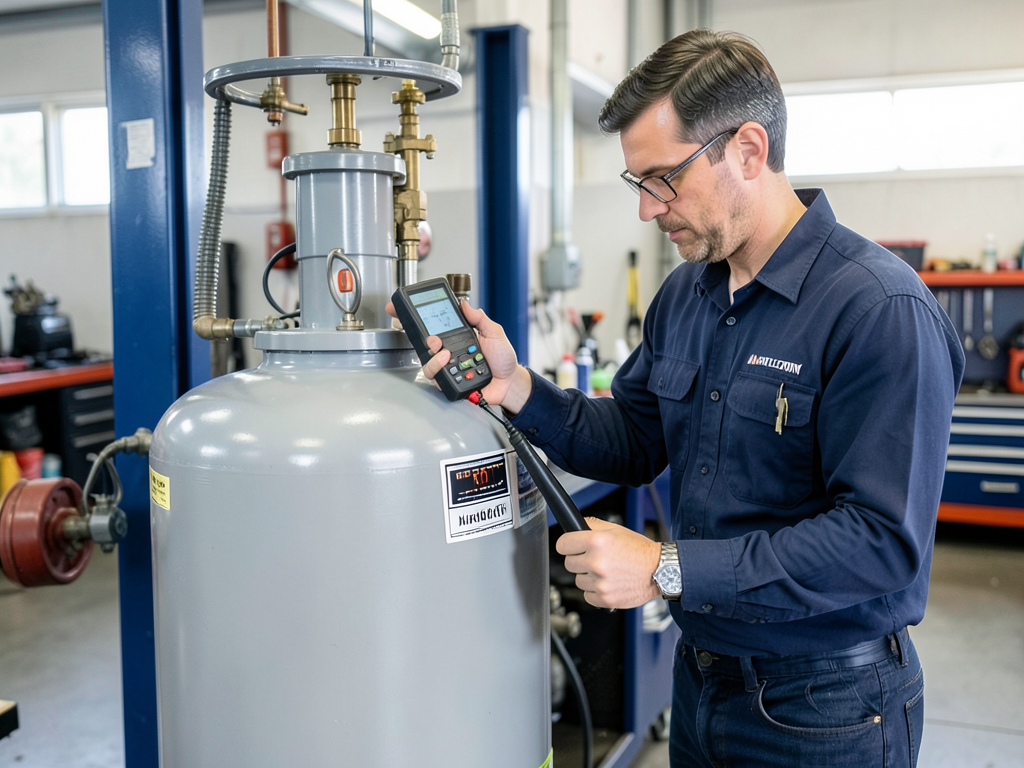
What happens when a well pump or pressure tank leaks in your Mapleton garage When a well pump or pressure…

What happens when a well pump or pressure tank leaks in your Mapleton garage

What happens when a well pump or pressure tank leaks in your Mapleton garage When a well pump or pressure…

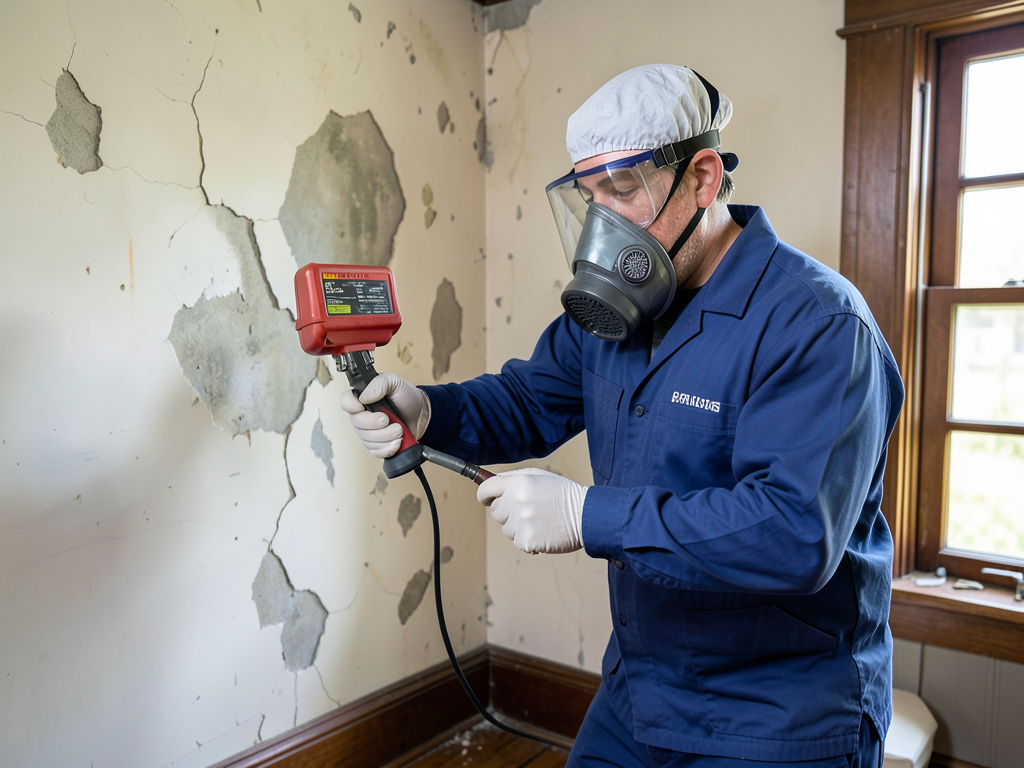
Dealing with lead and asbestos during water damage repairs in older Portland neighborhoods

Dealing with lead and asbestos during water damage repairs in older Portland neighborhoods Portland's historic neighborhoods face unique challenges when…

Why converting your University Park basement into a bedroom requires extra moisture protection

Why converting your University Park basement into a bedroom requires extra moisture protection Portland’s University Park neighborhood, nestled near the…

Contact Us

Stop guessing about your water restoration drying timeline. Call (503) 882-7766 now for immediate assessment and precise drying projections. We provide written estimates, daily progress reports, and guaranteed completion timelines based on your specific situation.