


Gresham sits in the shadow of the Cascades where Pacific storms dump heavy rainfall from October through May. The city receives 43 inches of rain annually, and when combined with the Columbia River Gorge wind patterns, properties near Powell Valley Road and the Johnson Creek watershed face flooding risks during winter storm events. Homes built in the 1960s and 70s throughout Rockwood and Centennial neighborhoods often have older plumbing systems prone to slab leaks and pipe failures.
The soil composition in Gresham shifts from volcanic deposits in the southern hills to clay-heavy ground near the floodplain. Clay soil expands when saturated, pushing hydrostatic pressure against basement walls and foundation slabs. This creates seepage problems in crawl spaces common to ranch-style homes in East Gresham. Spring snowmelt from Mount Hood combined with heavy rain events can overwhelm storm drains along Burnside Street and Division Street, causing backup flooding into commercial properties.
Gresham building codes require proper drainage systems, but older properties may lack modern waterproofing. The city's rapid growth means many homes were built quickly without adequate attention to grading and drainage. Water finds its way into the smallest cracks and causes thousands in damage before homeowners notice the problem.
We have been pulling water out of Gresham basements, crawl spaces, and commercial buildings since our founding. Our technicians know the difference between storm surge flooding near Fairview Creek and a burst washing machine hose in a Wilkes East apartment. That knowledge saves you time and money because we bring the right equipment and approach the first time.
Every truck carries commercial-grade extractors, air movers, dehumidifiers, and moisture detection equipment. We do not rent equipment or send inexperienced crews. Our IICRC-certified technicians complete Water Damage Restoration training and continuing education on structural drying science. When we say your property will be dry in three days, we mean it because we measure moisture content in framing lumber and drywall with calibrated meters, not guesswork.
We work directly with insurance adjusters from State Farm, Allstate, Farmers, and every other carrier serving Gresham. You make one phone call to us, and we handle documentation, moisture readings, and damage assessment photos your adjuster needs. We know what Oregon insurance policies cover and how to present claims for maximum approval. Most customers pay only their deductible.
Our dispatch center operates around the clock because water damage happens at 2 a.m. on Sundays. We answer the phone, assess the situation, and send a crew to your Gresham property within the hour. Speed matters because every hour of standing water increases damage severity and restoration costs. We stop the clock on water damage fast.

When you call our emergency line, a certified technician answers immediately, not an answering service. We deploy fully-equipped crews to Gresham properties within one hour, day or night. Our trucks carry industrial water extractors and drying equipment, ready to stop damage progression the moment we arrive at your door.

We document every aspect of water damage with detailed photos, moisture readings, and equipment logs your insurance company requires. Our estimators speak the same language as adjusters and know Oregon policy coverage standards. Most Gresham customers pay only their deductible because we handle the claims paperwork and follow-up.
Our water damage restoration specialists complete rigorous training through the Institute of Inspection Cleaning and Restoration Certification. They understand structural drying science, mold prevention protocols, and advanced moisture detection. We use calibrated meters to track drying progress in walls and subfloors, ensuring complete moisture removal before reconstruction begins.
We know which Gresham neighborhoods face seasonal flooding, which soil types create foundation pressure, and how local construction methods affect water intrusion patterns. Our crews understand the difference between a Johnson Creek overflow and a sewer backup. That local expertise means faster diagnosis and more effective water removal for your specific situation.
Water intrusion takes many forms in Gresham properties. A basement flood from storm runoff requires different equipment and techniques than a slow plumbing leak that has been saturating wall cavities for weeks. We provide specialized water damage remediation services matched to your specific emergency. Our comprehensive approach addresses immediate water removal, structural drying, contamination concerns, and reconstruction needs.
Each water damage scenario demands proper assessment before restoration begins. We inspect the water source, measure moisture levels in affected materials, and classify the damage severity according to IICRC standards. Clean water from a supply line receives different treatment than gray water from an appliance or black water from a sewer backup. Our technicians identify these distinctions and apply appropriate protocols for safe, thorough water damage cleanup.
Gresham property owners call us for everything from burst pipe emergencies to storm flooding to sewage backups. We handle residential homes, apartment complexes, retail spaces, and commercial buildings throughout the greater Gresham area. Our service categories cover emergency water extraction, complete structural drying, mold prevention treatment, and full reconstruction services that return your property to pre-loss condition.
When water invades your property, every minute increases damage and costs. Our emergency water removal service deploys immediately to extract standing water using commercial truck-mounted extractors and portable pumps. We handle basement floods, crawl space saturation, multi-story building intrusions, and storm damage events. Crews arrive with moisture detection equipment to identify hidden water in wall cavities and under flooring. We remove soaked contents, pull carpet padding, and begin air circulation within the first hour to minimize structural damage and prevent mold colonization.
Visible water represents only part of the problem. Water absorbs into drywall, framing lumber, insulation, and concrete. Our structural drying service uses industrial dehumidifiers and high-velocity air movers positioned according to psychrometric calculations. We monitor moisture levels daily with penetrating and non-invasive meters, tracking progress in real time. Proper drying prevents warping, swelling, and microbial growth. We maintain detailed drying logs and equipment placement diagrams required by insurance companies. Most properties reach dry standard in three to five days.
Sewer backups and toilet overflows introduce dangerous bacteria and pathogens into your living space. Our sewage cleanup service follows strict contaminated water protocols with protective equipment, antimicrobial treatments, and complete sanitization procedures. We remove contaminated materials that cannot be safely cleaned, treat affected surfaces with hospital-grade disinfectants, and use air scrubbers with HEPA filtration to remove airborne contaminants. This category three water damage requires specialized training and equipment to protect your family's health and safety.
Gresham's climate and geography create specific water intrusion risks that differ from drier Oregon communities. Heavy winter rainfall tests roof valleys, gutter systems, and foundation drainage. Spring temperature swings cause freeze-thaw cycles that crack pipes and stress plumbing connections. Summer brings rare but intense thunderstorms that overwhelm drainage systems designed for steady Pacific rain.
The city's mix of older and newer construction creates varied vulnerability. Homes built before modern building codes may lack proper vapor barriers, foundation waterproofing, or adequate drainage grading. Properties near Johnson Creek, Fairview Creek, and other waterways face periodic flooding when storm systems stall over the Portland metro area. Commercial buildings in downtown Gresham and along Burnside often have flat roofs prone to ponding and membrane failure.
Gresham's rapid development means many residents live in homes less than 20 years old. New construction quality varies, and some builders cut corners on waterproofing details that become critical during the rainy season. Plumbing systems age faster than expected, and supply line failures create sudden, destructive flooding. These common water damage scenarios require immediate professional response to minimize loss.
Gresham's clay-heavy soil does not absorb water quickly during prolonged rain events. Hydrostatic pressure builds against foundation walls and forces water through cracks, cold joints, and window wells. Crawl space flooding damages floor joists, insulation, and creates mold growth in hidden areas. We pump out standing water, dry structural members, and identify entry points for permanent waterproofing solutions.
Supply lines fail without warning, releasing hundreds of gallons before homeowners discover the leak. Washing machine hoses rupture, water heaters crack, and frozen pipes burst when winter cold snaps hit Gresham. These sudden floods saturate flooring, drywall, and insulation within minutes. Quick water extraction and structural drying prevent permanent damage, but speed determines whether you need minor repairs or major reconstruction.
Water heaters, dishwashers, refrigerators, and air conditioning systems contain water lines and drain pans that fail over time. These slow leaks often go unnoticed for weeks, saturating subfloors and wall cavities before visible damage appears. Hidden moisture creates mold growth and structural rot. We use thermal imaging and moisture meters to find concealed water damage behind appliances and inside wall assemblies.
Water damage creates chaos and stress. You need someone who answers the phone immediately, arrives fast, and takes control of the situation with confidence. Our process starts the moment you call and continues until your property returns to normal. We handle every detail from emergency response through final reconstruction.
When you contact our emergency line, you speak directly with a trained technician who asks specific questions about your water damage. Where is the water coming from? How much standing water do you see? Is it affecting multiple rooms or floors? These questions help us send the right equipment and crew size to your Gresham property. We give you an accurate arrival time and call when we are ten minutes away.
Our goal is simple. Stop water damage progression, dry your property completely, and restore what was lost. We keep you informed at every step, document everything for insurance purposes, and answer questions whenever they arise. You should never wonder what happens next or feel confused about the restoration timeline. Clear communication and reliable execution define our service.
Our crew arrives within 60 minutes and begins with a thorough inspection of all affected areas. We identify the water source, shut it off if possible, and assess damage severity. Technicians document everything with photos and detailed notes for insurance claims. We explain what needs to happen, provide a timeline, and answer your questions before starting any work. You receive a written scope of work and understand costs before we extract the first gallon of water from your property.
Structural drying takes three to five days depending on materials and saturation levels. Our technicians return daily to check moisture readings, adjust equipment placement, and document drying progress. You receive updates on what we find and when areas will reach dry standard. We coordinate with your insurance adjuster and provide detailed logs showing moisture levels at each inspection. This documentation proves the property was dried properly according to industry standards.
Once materials reach acceptable moisture levels, we begin reconstruction. Our crews replace drywall, install new flooring, repaint affected areas, and restore your property to pre-loss condition. We handle everything in-house without subcontractors, maintaining quality control throughout the project. Before we call the job complete, we walk through every repaired area with you to confirm satisfaction. You sign off only when the work meets your standards.
Water damage restoration follows a proven sequence that prioritizes damage control, complete drying, and quality restoration. Each phase builds on the previous work to ensure nothing gets missed.
We arrive at your Gresham property with truck-mounted extractors that remove hundreds of gallons per minute. Crews pull standing water from all affected rooms, extract moisture from carpet and padding, and remove soaked contents that need off-site drying or disposal. We set up initial air movers and dehumidifiers to begin the drying process immediately. The first four hours determine how much secondary damage occurs, so we work fast to remove water and start air circulation throughout the structure.
Industrial dehumidifiers remove moisture from the air while high-velocity air movers create airflow across wet surfaces and inside wall cavities. We position equipment based on moisture meter readings and the specific materials involved. Technicians return daily to take new readings, adjust equipment, and document progress. We track drying in framing lumber, drywall, insulation, and flooring until everything reaches industry-standard moisture levels. This phase typically takes three to five days for most residential water damage.
After confirming all materials are completely dry, our reconstruction team rebuilds damaged areas. We replace drywall, install new flooring, repair cabinets, paint walls, and restore trim work. All reconstruction meets Oregon building codes and matches existing finishes as closely as possible. We handle electrical, plumbing, and HVAC repairs needed to complete the restoration. The final step includes professional cleaning and a detailed walkthrough to confirm every repair meets your approval before we close the project.
Professional water damage restoration follows standards established by the Institute of Inspection Cleaning and Restoration Certification. These standards define water categories based on contamination level and damage classes based on evaporation rate and absorption. Understanding these classifications explains why restoration approaches vary between different water damage scenarios.
Category 1 water originates from sanitary sources like supply lines, faucets, and water heaters. This clean water poses no immediate health risk but can degrade to Category 2 if left standing for 48 hours. Category 2 water contains contamination that may cause discomfort or illness, including washing machine discharge, dishwasher overflow, and toilet bowl water without feces. Category 3 water is grossly contaminated and contains pathogenic agents. Sewage backups, flooding from rivers or streams, and any water that has contacted soil or other contaminated sources falls into this category. Oregon health regulations require specific handling procedures for Category 3 water, including protective equipment, antimicrobial treatment, and controlled material disposal.
Drying classes predict how long materials will take to dry. Class 1 involves minimal absorption into materials with low evaporation rate. Class 2 affects entire rooms with significant moisture absorption into walls and structural materials. Class 3 involves water coming from overhead, saturating walls, ceilings, insulation, and structural cavities. Class 4 includes specialty drying situations like hardwood floors, concrete, or plaster that require longer drying times and specialized equipment. Most Gresham basement floods fall into Class 3 because water typically saturates insulation, framing, and foundation materials.
We calculate drying time using psychrometric principles that measure temperature, humidity, and moisture content relationships. Dehumidifiers remove specific amounts of water per day based on their capacity and the affected area's volume. Air movers create evaporation by increasing airflow across wet surfaces. The combination of dehumidification and air movement creates controlled drying that prevents secondary damage while ensuring complete moisture removal. We adjust equipment daily based on new moisture readings to optimize drying efficiency.
Insurance companies require detailed documentation proving proper drying procedures were followed. We maintain equipment logs showing placement, daily moisture readings at multiple locations, and psychrometric calculations demonstrating appropriate equipment for the size and severity of damage. This documentation protects you if questions arise about the scope of work or drying timeline. Oregon insurance regulations allow policyholders to choose their restoration company, so you control who performs the work regardless of insurer recommendations.
The Institute of Inspection Cleaning and Restoration Certification establishes national standards for water damage restoration. Our technicians maintain current IICRC certification in Water Damage Restoration and Applied Structural Drying. These credentials require initial training, written examinations, and continuing education to remain current. IICRC protocols guide every aspect of our restoration process from initial assessment through final moisture verification.
Water damage restoration costs depend on water category, affected square footage, materials involved, and damage severity. Category 3 sewage cleanup requires specialized equipment and disposal procedures that increase costs compared to clean water extraction. Hardwood floor drying takes longer than carpet drying, affecting equipment rental duration. Insurance typically covers sudden water damage from failed plumbing or appliances but may exclude gradual leaks or maintenance-related issues.
Most residential water damage dries completely within three to five days with proper equipment and monitoring. Concrete and masonry require seven to ten days because these dense materials release moisture slowly. Hardwood floors need careful attention to prevent cupping and may take five to seven days. Weather affects drying time as high humidity slows evaporation. We never remove equipment until moisture meters confirm all materials have reached acceptable levels.
Oregon requires proper licensing for water damage restoration contractors performing work over a certain dollar threshold. We maintain current Oregon Construction Contractors Board licensing, general liability insurance, and workers compensation coverage. Our technicians complete bloodborne pathogen training required for Category 3 water handling. All reconstruction work meets Oregon building codes and requires proper permits for electrical, plumbing, and structural modifications when applicable.
Expert overview of professional water damage restoration services in Gresham, Oregon. Covers emergency water extraction procedures, structural drying science, water damage categories, insurance coordination, and restoration timelines. Explains why Gresham properties face specific water intrusion risks from climate, soil conditions, and building characteristics. Demonstrates proper water removal techniques and equipment used by IICRC-certified technicians to prevent mold growth and ensure complete moisture removal.
Evergreen Water Damage Restoration Portland serves the entire Gresham community from the historic downtown core along Main Street to the growing residential developments in Pleasant Valley and Springwater. We respond to water damage emergencies throughout Rockwood, where older apartment complexes and multi-family buildings face plumbing failures and storm drainage issues. The Centennial neighborhood near Gresham High School calls us for basement flooding caused by the area's poor natural drainage and clay soil conditions.
Eastward along Burnside Street and Division Street, commercial properties face different water intrusion challenges. Flat roofs on retail buildings pond water during Gresham's prolonged winter rain, and aging storefront buildings lack modern waterproofing systems. We have dried restaurants, medical offices, and retail spaces throughout the Gresham Station area and East Gresham business corridors. Our commercial response includes after-hours service that minimizes business interruption and gets you back to operations quickly.
Residential neighborhoods along Powell Valley Road and near Powell Butte face unique water damage risks from their proximity to Johnson Creek and Kelley Creek watersheds. Spring runoff combines with storm events to create periodic flooding that affects crawl spaces and lower levels. Homes in Wilkes East and Wilkes neighborhood built in the 1970s and 80s often have outdated sump pump systems that fail during peak rainfall. We serve these communities with rapid response and local expertise about seasonal water patterns.
The northern sections of Gresham near Fairview and Wood Village see water damage from failed water heaters, burst supply lines, and appliance malfunctions common to all residential areas. These newer developments include townhomes and condominiums where water travels between units, affecting multiple families from a single plumbing failure. We coordinate with property management companies and HOA boards to handle multi-unit water damage efficiently.
Southwest Gresham neighborhoods near Hogan Butte and the city limits toward Portland include both established communities and new construction. We respond to these areas for storm damage, roof leaks, and foundation seepage caused by improper lot grading. The mix of housing ages means varied water intrusion vulnerabilities, from 1960s ranch homes with aging plumbing to new construction with warranty-related water damage from defective materials or installation errors.
We maintain rapid response times across all Gresham zip codes because our dispatch system routes the closest available crew to your emergency. Whether you live near Gresham City Hall, in the northern neighborhoods approaching Troutdale, or in the southern residential areas near Orient, you receive the same fast service and expert care. Distance from our service center does not affect response quality or equipment availability.
Water damage restoration timelines vary based on damage severity and affected area size. Minor incidents take 3-5 days for complete drying and restoration. Moderate damage requires 1-2 weeks for extraction, drying, and repairs. Severe flooding or structural damage extends the process to 3-4 weeks or longer. Gresham's wet climate adds complexity, as high humidity slows drying times. Professional teams use industrial equipment to speed up moisture removal. Your restoration company provides a detailed timeline after inspecting your property. Factors like material types, water source, and mold presence affect duration. Quick response reduces overall restoration time significantly.
Restoration expenses vary widely based on damage extent, water source, and affected square footage. Minor incidents affecting one room typically run lower, while whole-house flooding requires significant investment. Clean water damage costs less than sewage contamination, which needs specialized cleaning. Your specific situation determines final expenses. Gresham restoration companies assess your property and provide detailed estimates before starting work. Insurance coverage often reduces your out-of-pocket expenses substantially. Get multiple quotes from local companies to compare pricing. Most firms offer free inspections and work directly with your insurance provider to streamline the claims process and billing.
Coverage depends on your policy terms and the water damage source. Most homeowners policies cover sudden, accidental incidents like burst pipes or appliance failures. Flood damage from external sources requires separate flood insurance. Gradual damage from neglected maintenance gets denied regularly. Review your policy declarations page to understand your coverage limits and deductibles. Gresham homeowners should document all damage with photos and videos immediately. Contact your insurance agent before hiring restoration services to confirm coverage. Your restoration company works with your adjuster to document losses and support your claim. Keep all receipts and communication records throughout the process.
Water damage restoration timelines vary based on damage severity and affected area size. Minor incidents take 3-5 days for complete drying and restoration. Moderate damage requires 1-2 weeks for extraction, drying, and repairs. Severe flooding or structural damage extends the process to 3-4 weeks or longer. Gresham's wet climate adds complexity, as high humidity slows drying times. Professional teams use industrial equipment to speed up moisture removal. Your restoration company provides a detailed timeline after inspecting your property. Factors like material types, water source, and mold presence affect duration. Quick response reduces overall restoration time significantly.
Restoration expenses vary widely based on damage extent, water source, and affected square footage. Minor incidents affecting one room typically run lower, while whole-house flooding requires significant investment. Clean water damage costs less than sewage contamination, which needs specialized cleaning. Your specific situation determines final expenses. Gresham restoration companies assess your property and provide detailed estimates before starting work. Insurance coverage often reduces your out-of-pocket expenses substantially. Get multiple quotes from local companies to compare pricing. Most firms offer free inspections and work directly with your insurance provider to streamline the claims process and billing.
Coverage depends on your policy terms and the water damage source. Most homeowners policies cover sudden, accidental incidents like burst pipes or appliance failures. Flood damage from external sources requires separate flood insurance. Gradual damage from neglected maintenance gets denied regularly. Review your policy declarations page to understand your coverage limits and deductibles. Gresham homeowners should document all damage with photos and videos immediately. Contact your insurance agent before hiring restoration services to confirm coverage. Your restoration company works with your adjuster to document losses and support your claim. Keep all receipts and communication records throughout the process.
Choose a company with IICRC certification, which demonstrates proper training in water damage restoration. Check online reviews on Google and Yelp for recent customer experiences. Verify the company maintains proper licensing for Gresham operations. Ask about response times, as immediate action prevents additional damage. Request references from recent Gresham clients with similar damage types. Confirm they have experience with your insurance provider and claims process. Look for companies offering 24/7 emergency services, as water damage worsens quickly. Get written estimates from three companies before deciding. Choose a firm with local experience understanding Gresham's unique weather challenges and building types.
Your ability to stay home depends on damage severity and safety concerns. Minor water damage in one room allows you to remain in unaffected areas. Extensive flooding requiring whole-house drying makes staying uncomfortable and potentially unsafe. Health risks from contaminated water or mold growth require temporary relocation. Loud drying equipment running 24/7 disrupts sleep and daily activities. Your restoration team assesses safety conditions and recommends the best approach. Some families stay during daytime hours and sleep elsewhere. Insurance policies sometimes cover temporary housing expenses during major restoration work. Prioritize your family's health and safety when making this decision.
Mitigation refers to immediate actions stopping further damage and stabilizing your property. This includes water extraction, removing wet materials, and beginning the drying process. Mitigation happens within 24-48 hours of the incident. Restoration involves repairing and rebuilding your home to pre-damage condition. This includes replacing drywall, flooring, painting, and reconstructing damaged areas. Restoration begins after complete drying and typically takes longer. Gresham companies often provide both services under one contract. Understanding this difference helps you communicate with your insurance company and restoration team. Quick mitigation prevents extensive restoration needs, saving time and reducing expenses.
Call immediately after discovering water damage, ideally within the first hour. Water spreads rapidly through porous materials, causing more destruction each hour. The first 24 hours prove critical for preventing mold growth and structural damage. Gresham's humid climate accelerates deterioration, making speed essential. Most restoration companies offer 24/7 emergency response for urgent situations. While you wait, stop the water source if safe and move valuables to dry areas. Document damage with photos before removing items. Delaying professional help increases repair complexity and expenses significantly. Water wicks through walls and floors faster than most homeowners realize, requiring professional extraction equipment.
Most Gresham restoration companies work with major insurance providers and understand the claims process. Established firms have relationships with adjusters from State Farm, Allstate, Farmers, and other carriers. They submit documentation, photos, and estimates directly to your insurance company. Some restoration companies prefer certain insurers based on payment reliability and claims processes. Ask your chosen company about experience with your specific insurance provider. They should offer direct billing options, reducing your upfront payment burden. Reputable firms never require you to use them as a condition of insurance coverage. Your insurance company cannot mandate one specific restoration contractor.
Professional teams use industrial-grade equipment far more powerful than household fans. Truck-mounted water extractors remove standing water quickly from floors and carpets. Commercial dehumidifiers pull moisture from air at high rates, accelerating drying. Air movers create airflow patterns that evaporate moisture from wet materials. Moisture meters detect hidden water in walls, floors, and ceilings. Thermal imaging cameras identify wet areas invisible to the naked eye. Air scrubbers filter contaminants and odors during restoration. Hygrometers measure humidity levels throughout your home. This specialized equipment significantly reduces drying time compared to DIY methods, preventing mold growth and structural damage.
Speed is your best mold prevention tool. Begin drying within 24 hours of water exposure to prevent spore growth. Remove wet porous materials like carpet padding, drywall, and insulation that absorb moisture. Run dehumidifiers and fans continuously until moisture levels normalize. Monitor humidity levels, keeping them below 50 percent. Clean all affected surfaces with antimicrobial solutions. Professional restoration teams apply mold inhibitors to vulnerable areas. Fix the original water source completely to prevent recurrence. Gresham's wet climate makes professional drying equipment essential for thorough moisture removal. Regular inspection during and after restoration ensures mold stays away from your home.
Choose a company with IICRC certification, which demonstrates proper training in water damage restoration. Check online reviews on Google and Yelp for recent customer experiences. Verify the company maintains proper licensing for Gresham operations. Ask about response times, as immediate action prevents additional damage. Request references from recent Gresham clients with similar damage types. Confirm they have experience with your insurance provider and claims process. Look for companies offering 24/7 emergency services, as water damage worsens quickly. Get written estimates from three companies before deciding. Choose a firm with local experience understanding Gresham's unique weather challenges and building types.
Your ability to stay home depends on damage severity and safety concerns. Minor water damage in one room allows you to remain in unaffected areas. Extensive flooding requiring whole-house drying makes staying uncomfortable and potentially unsafe. Health risks from contaminated water or mold growth require temporary relocation. Loud drying equipment running 24/7 disrupts sleep and daily activities. Your restoration team assesses safety conditions and recommends the best approach. Some families stay during daytime hours and sleep elsewhere. Insurance policies sometimes cover temporary housing expenses during major restoration work. Prioritize your family's health and safety when making this decision.
Mitigation refers to immediate actions stopping further damage and stabilizing your property. This includes water extraction, removing wet materials, and beginning the drying process. Mitigation happens within 24-48 hours of the incident. Restoration involves repairing and rebuilding your home to pre-damage condition. This includes replacing drywall, flooring, painting, and reconstructing damaged areas. Restoration begins after complete drying and typically takes longer. Gresham companies often provide both services under one contract. Understanding this difference helps you communicate with your insurance company and restoration team. Quick mitigation prevents extensive restoration needs, saving time and reducing expenses.
Call immediately after discovering water damage, ideally within the first hour. Water spreads rapidly through porous materials, causing more destruction each hour. The first 24 hours prove critical for preventing mold growth and structural damage. Gresham's humid climate accelerates deterioration, making speed essential. Most restoration companies offer 24/7 emergency response for urgent situations. While you wait, stop the water source if safe and move valuables to dry areas. Document damage with photos before removing items. Delaying professional help increases repair complexity and expenses significantly. Water wicks through walls and floors faster than most homeowners realize, requiring professional extraction equipment.
Most Gresham restoration companies work with major insurance providers and understand the claims process. Established firms have relationships with adjusters from State Farm, Allstate, Farmers, and other carriers. They submit documentation, photos, and estimates directly to your insurance company. Some restoration companies prefer certain insurers based on payment reliability and claims processes. Ask your chosen company about experience with your specific insurance provider. They should offer direct billing options, reducing your upfront payment burden. Reputable firms never require you to use them as a condition of insurance coverage. Your insurance company cannot mandate one specific restoration contractor.
Professional teams use industrial-grade equipment far more powerful than household fans. Truck-mounted water extractors remove standing water quickly from floors and carpets. Commercial dehumidifiers pull moisture from air at high rates, accelerating drying. Air movers create airflow patterns that evaporate moisture from wet materials. Moisture meters detect hidden water in walls, floors, and ceilings. Thermal imaging cameras identify wet areas invisible to the naked eye. Air scrubbers filter contaminants and odors during restoration. Hygrometers measure humidity levels throughout your home. This specialized equipment significantly reduces drying time compared to DIY methods, preventing mold growth and structural damage.
Speed is your best mold prevention tool. Begin drying within 24 hours of water exposure to prevent spore growth. Remove wet porous materials like carpet padding, drywall, and insulation that absorb moisture. Run dehumidifiers and fans continuously until moisture levels normalize. Monitor humidity levels, keeping them below 50 percent. Clean all affected surfaces with antimicrobial solutions. Professional restoration teams apply mold inhibitors to vulnerable areas. Fix the original water source completely to prevent recurrence. Gresham's wet climate makes professional drying equipment essential for thorough moisture removal. Regular inspection during and after restoration ensures mold stays away from your home.
Evergreen Water Damage Restoration proudly serves Portland and the surrounding areas, providing rapid and reliable water damage solutions whenever you need us. While our physical office is located conveniently for local operations, our dedicated teams are mobile and ready to deploy across the region. View our service area on the map to understand our reach, or simply call us to confirm if we cover your specific location. We are committed to extending our expert services to every community in need.
Address:
Gresham, OR, 97080
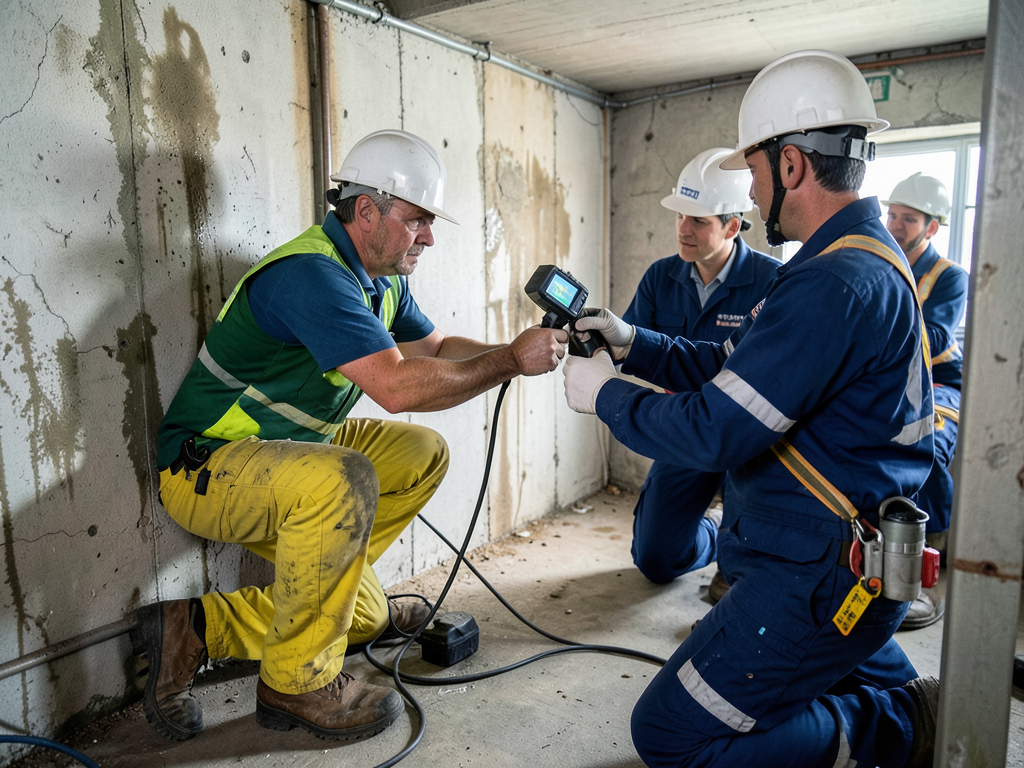
How an atmospheric river affects Portland basement flooding and what you should do When an atmospheric river hits Portland it brings more than heavy rain. These massive bands of moisture from the Pacific can dump…
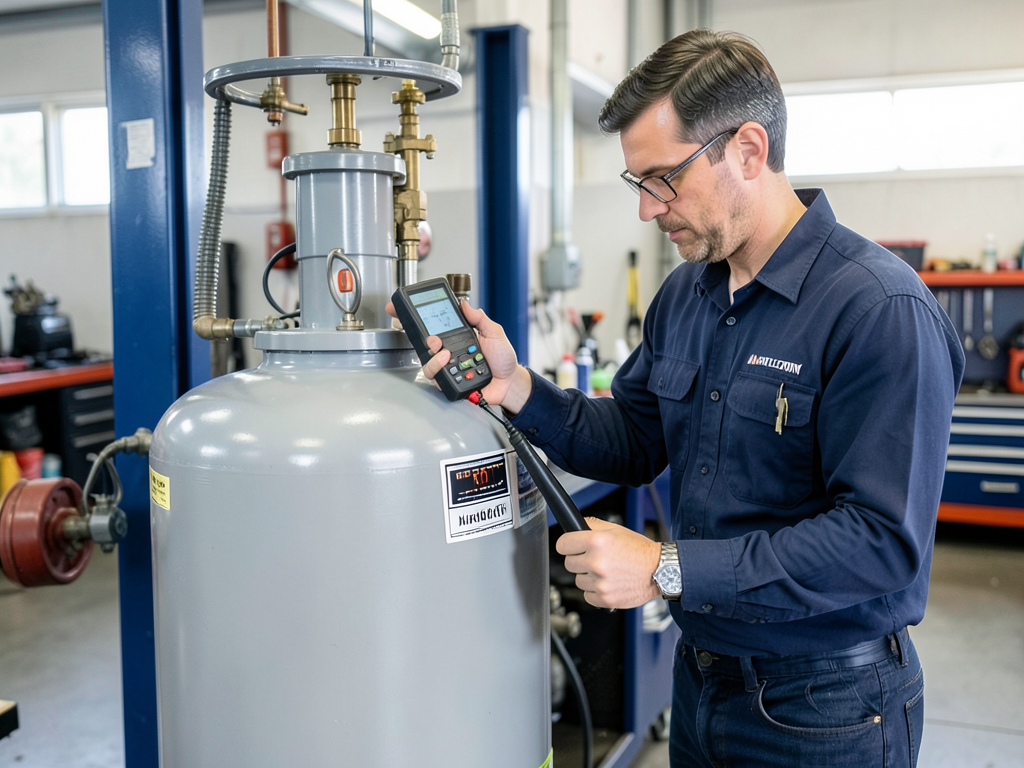
What happens when a well pump or pressure tank leaks in your Mapleton garage When…
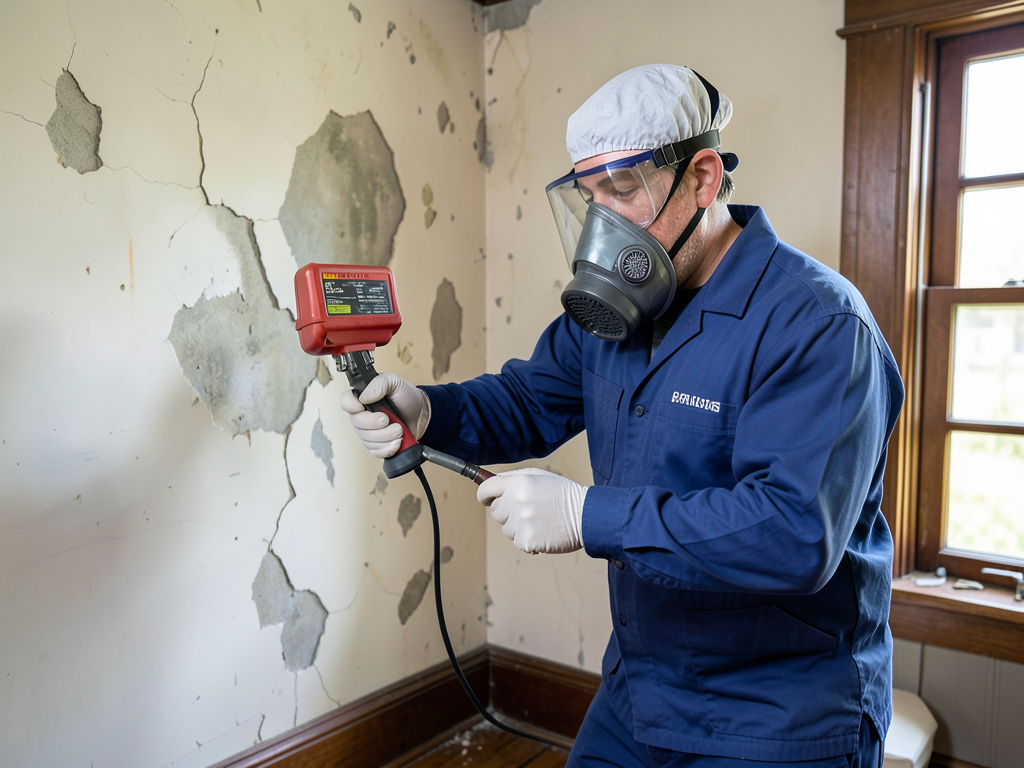
Dealing with lead and asbestos during water damage repairs in older Portland neighborhoods Portland's historic…
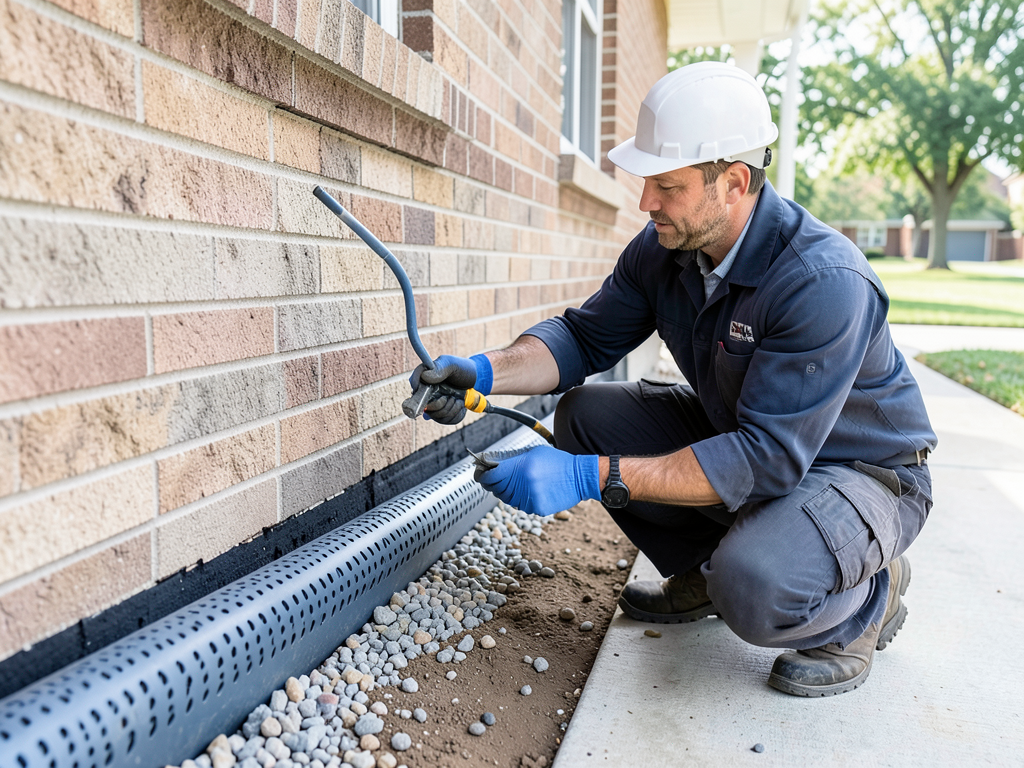
Why converting your University Park basement into a bedroom requires extra moisture protection Portland’s University…
Every hour of delay increases damage and restoration costs. Our emergency crews are ready now to stop water damage in your Gresham property. Call Evergreen Water Damage Restoration Portland at (503) 882-7766 for immediate dispatch. We answer 24/7 and arrive within one hour.