Menu

Steps to Take After a Flood in Portland – Your Complete Post-Flood Recovery Checklist

Immediate Actions After Flooding Can Prevent Mold Growth, Structural Damage, and Insurance Complications – Learn the Exact Water Damage Clean Up Steps Portland Homeowners Need Right Now

Slider Image 1
Slider Image 2
Slider Image 3
Slider Image 4
Slider Image 5
Slider Image 7
Slider Image 8
Slider Image 9
Slider Image 10
Slider Image 11

Why Portland Floods Create Unique Challenges for Homeowners

Portland sits in the Willamette Valley, where heavy winter rains combine with saturated clay soil to create perfect conditions for basement flooding and foundation water intrusion. When the Willamette River swells or a winter storm dumps three inches in six hours, your home faces risks most other cities never see.

You need to know what to do after a house flood because the clock starts ticking the moment water enters your home. Within 24 hours, drywall begins wicking moisture upward. Within 48 hours, mold spores colonize damp surfaces. Within 72 hours, structural wood starts degrading.

Portland's moderate temperatures create another problem. While you might think our mild climate helps, it actually keeps indoor humidity levels high enough to sustain mold growth year-round. That wet insulation in your crawlspace will not dry on its own. That soaked subfloor under your hardwood will warp and buckle if you wait.

Most homeowners make critical mistakes in those first hours. They assume opening windows will dry things out. They think a shop vacuum can extract enough water. They delay calling their insurance company because they are not sure about their deductible.

This guide to handling flood damage walks you through the immediate actions after flooding that protect your home, your health, and your insurance claim. These water damage clean up steps are specific to Portland homes and Portland weather patterns. Generic advice from national websites will not account for our clay soil, our crawlspace construction, or our mold-friendly humidity levels.

Why Portland Floods Create Unique Challenges for Homeowners
The First 24 Hours: Critical Water Damage Clean Up Steps

The First 24 Hours: Critical Water Damage Clean Up Steps

Your post-flood recovery checklist starts before you even enter the flooded area. If water is still rising or if electrical outlets are submerged, you stay out. Period. Call a professional immediately. Standing water and electricity kill people every year.

Once safe entry is confirmed, document everything before you touch anything. Your insurance adjuster needs to see the extent of damage. Take photos and videos from multiple angles. Capture water lines on walls, soaked belongings, and standing water depth.

Next, identify your water source. Clean water from a supply line requires different treatment than gray water from an appliance or black water from sewage backup. Black water contains pathogens and requires professional remediation. Do not attempt DIY cleanup if sewage is involved.

Start extraction immediately. Professional-grade extractors remove 10 times more water than shop vacuums. We use truck-mounted systems that pull moisture from carpet padding, subfloors, and wall cavities. Surface drying is not enough. Portland's clay soil prevents water from draining naturally beneath your foundation, so moisture migrates upward through capillary action into floor joists and rim boards.

Remove wet contents fast. Furniture sitting in water for six hours will wick moisture into cushions and frames. Hardwood furniture warps. Upholstery becomes a mold farm. Move salvageable items to dry areas or outside if weather permits.

Air movement comes next. We position commercial air movers to create cyclonic airflow patterns that accelerate evaporation. Dehumidifiers then capture that moisture before it condenses on cooler surfaces. Portland homes need both systems running simultaneously because our ambient humidity sits at 70 percent most of the year.

How Professional Flood Response Works in Portland

Steps to Take After a Flood in Portland – Your Complete Post-Flood Recovery Checklist
01

Emergency Contact and Assessment

You call our emergency line at any hour. We dispatch a technician to your Portland home within 90 minutes. The initial assessment identifies water category, affected zones, and immediate safety hazards. We use thermal imaging cameras to map hidden moisture in wall cavities and under flooring. This technology reveals saturation invisible to the naked eye, which matters because Portland's older homes often hide water damage behind lath and plaster walls.
02

Water Extraction and Containment

Our truck-mounted extraction systems remove standing water and subsurface moisture from carpet padding and subflooring. We set up containment barriers to prevent cross-contamination and control humidity in unaffected areas. Portland homes with crawlspaces require vapor barriers and drainage systems to address the clay soil moisture problem. We also apply antimicrobial treatments to surfaces exposed to contaminated water, which prevents bacterial growth during the drying phase.
03

Drying and Restoration Verification

We monitor moisture levels daily using pin and pinless meters until all materials reach acceptable dryness standards. Wood framing must drop below 15 percent moisture content. Concrete must reach equilibrium with ambient conditions. Once verified dry, we remove equipment and provide documentation for your insurance claim. This final verification prevents the mold growth that plagues Portland homes when restoration companies pull equipment too early.

Why Portland Homeowners Choose Evergreen Water Damage Restoration Portland

Portland's unique construction challenges require local expertise. Most homes east of I-205 sit on expansive clay soil that holds water like a sponge. Homes in Eastmoreland and Laurelhurst feature crawlspaces instead of basements, which creates different drainage and ventilation requirements than slab foundations. Older homes in neighborhoods like Irvington and Alameda have plaster walls that absorb water differently than modern drywall.

We have worked in every Portland neighborhood. We know which homes have combined sewer systems that backflow during heavy rains. We know which areas flood when Johnson Creek overtops its banks. We understand how Portland's building codes affect restoration work, especially in historic districts where permits and materials must meet preservation standards.

Our technicians hold IICRC certifications in water damage restoration and applied structural drying. That training matters because improper drying creates bigger problems than the original flood. We have seen competitors leave equipment for three days, declare the job done, and walk away while moisture still saturates the rim joists. Six weeks later, the homeowner calls us to remediate mold growth.

We coordinate directly with your insurance company. Portland homeowners carry policies from State Farm, Allstate, Farmers, and regional carriers like Oregon Mutual. We speak their language. We provide the documentation adjusters need. We help you navigate coverage questions about whether your loss qualifies under your flood policy or your homeowners policy.

Speed matters in water damage restoration. We stock our Portland facility with enough equipment to handle multiple large losses simultaneously. When the Willamette Valley gets hit with an atmospheric river event and dozens of homes flood in one night, we have the capacity to respond. You will not wait three days for another company to finish a previous job.

What to Expect During Flood Damage Restoration

Emergency Response Timeline

We answer emergency calls 24 hours a day, 365 days a year. A live person picks up the phone, not an answering service. We dispatch a crew to your Portland home within 90 minutes of your call during standard hours, often faster during overnight emergencies. The initial assessment takes 30 to 45 minutes. Water extraction begins immediately after assessment. Equipment setup and containment typically require two to three hours for an average residential loss. The drying process runs three to five days depending on the extent of saturation and affected materials.

Detailed Moisture Assessment Process

Our technicians map your entire home using thermal imaging and moisture meters. We check wall cavities, ceiling planes, and subfloor assemblies. We document moisture readings in multiple locations to establish baseline conditions and track drying progress. Portland homes often hide moisture in crawlspace insulation and rim band areas where floor assemblies meet foundation walls. We inspect these vulnerable zones carefully because they are the first places mold colonizes. You receive a detailed moisture map showing affected areas and moisture content percentages. This documentation supports your insurance claim and proves all affected materials reached acceptable dryness levels.

Restoration Quality Standards

We follow IICRC S500 standards for water damage restoration. Materials must reach specific dryness thresholds before we remove equipment. Wood framing dries to below 15 percent moisture content. Concrete slabs reach equilibrium relative humidity levels below 75 percent. Drywall returns to baseline moisture levels matching unaffected areas. We verify dryness in multiple locations and provide final documentation with moisture readings. Portland's humid climate means we often run dehumidifiers longer than companies in drier regions would. This extra time prevents the callback visits that happen when equipment gets pulled too early and materials reabsorb ambient moisture.

Post-Restoration Monitoring and Prevention

We provide a final walkthrough explaining what happened, what we fixed, and how to prevent future water damage. Portland homeowners should inspect crawlspace vapor barriers annually, clean gutters twice yearly, and check appliance supply lines every few years. We offer moisture monitoring services for homes with previous water damage history. A quick check every six months catches problems before they escalate. If you experience another water event within the first year, we prioritize your call because we already know your home's construction and vulnerability points. Prevention advice is specific to your home's age, foundation type, and neighborhood flood risk.

Frequently Asked Questions

You Have Questions,
We Have Answers

What steps to take after a flood? +

Turn off electricity at the main breaker if standing water is present. Document all damage with photos and video before touching anything. Contact your insurance company immediately. Remove standing water with pumps or wet vacuums. Move salvageable items to a dry location. Open windows to increase airflow if weather permits. In Portland's damp climate, mold can start growing within 24 to 48 hours, so speed matters. Call a certified restoration company to assess structural damage and begin professional drying. Do not use electrical appliances until a professional inspects your system.

What should I do after the flood? +

Prioritize safety first. Wear rubber boots and gloves when entering flooded areas. Check for structural damage like sagging ceilings or compromised walls before walking through your home. Extract water quickly to prevent secondary damage. Remove wet carpeting, padding, and soaked drywall within 24 hours. Set up dehumidifiers and air movers to dry out the space. Portland's humidity can slow natural drying, so mechanical drying is essential. Disinfect all surfaces that contacted floodwater to prevent contamination. File your insurance claim promptly and keep all receipts for restoration work.

What precautions should be taken after a flood? +

Avoid contact with floodwater, which often contains sewage, chemicals, and debris. Wear protective gear including gloves, boots, and masks when cleaning. Do not use contaminated water for drinking, cooking, or washing until tested. Watch for structural hazards like weakened floors or ceilings. Turn off gas lines if you smell gas. In Portland, check your crawl space for standing water that can cause foundation issues. Discard any food that contacted floodwater. Monitor for mold growth in the weeks following the flood. Keep children and pets away from affected areas until professional cleaning is complete.

What step should be taken when there is a flood? +

Evacuate immediately if authorities issue an order. Move to higher ground and avoid walking or driving through floodwater. Once safe, call your insurance company to report the loss. Do not enter your home until authorities declare it safe. When you return, take photos of all damage before cleanup begins. Shut off utilities if you can do so safely. Remove standing water and begin drying within 24 hours to minimize damage. Contact a water damage restoration company to handle extraction, drying, and sanitization. Save all receipts and document your cleanup efforts for insurance purposes.

What to spray on walls after a flood? +

Apply an EPA-registered antimicrobial or disinfectant solution to all surfaces that contacted floodwater. A bleach solution (one cup bleach per gallon of water) works for non-porous surfaces, but test first to avoid discoloration. For porous materials like drywall, use a commercial antimicrobial designed for flood restoration. In Portland's climate, apply a mold inhibitor after disinfecting to prevent future growth. Spray from bottom to top, allow proper dwell time, then wipe clean. Do not paint over wet or contaminated surfaces. Professional restoration companies use hospital-grade disinfectants that are more effective than household products.

What are the 5 steps of disaster recovery? +

Disaster recovery follows five phases. First, assessment evaluates the extent of damage and safety hazards. Second, water extraction removes standing water using pumps and vacuums. Third, drying and dehumidification use industrial equipment to remove moisture from structures and contents. Fourth, cleaning and sanitizing disinfect all affected surfaces to prevent contamination and mold. Fifth, restoration repairs or rebuilds damaged areas to pre-loss condition. In Portland, the drying phase often takes longer due to high ambient humidity. Professional restoration companies manage all five phases systematically, ensuring thorough recovery and preventing secondary damage from incomplete drying.

Do you have to throw everything away after a flood? +

Not everything requires disposal after a flood. Hard, non-porous items like metal, glass, and solid wood furniture can be cleaned and disinfected. Electronics may be salvageable if dried properly by professionals. However, porous materials that absorbed contaminated water must go. This includes carpeting, padding, upholstered furniture, mattresses, and drywall that wicked up floodwater. Food, medications, and cosmetics that contacted water must be discarded. In Portland, items stored in damp basements or crawl spaces are at higher mold risk. When in doubt, consult a restoration professional who can assess what is salvageable and what poses a health risk.

How long to dry out a house after a flood? +

Complete drying takes three to five days with professional equipment running continuously. Factors include the amount of water, affected materials, and ambient humidity. Portland's climate can extend drying times, especially during wet seasons when outdoor humidity is high. Structural cavities, insulation, and subflooring take longer to dry than surface areas. Moisture meters must show readings below 15 percent before reconstruction begins. Rushing this process leads to trapped moisture, mold growth, and structural rot. Professional restoration companies monitor progress daily and adjust equipment placement. Attempting to dry a flooded home without industrial equipment often takes weeks and rarely succeeds completely.

What are 5 ways to prepare for a flood? +

Know your flood risk by checking FEMA flood maps for your Portland neighborhood. Purchase flood insurance, as standard homeowners policies exclude flood damage. Create an emergency kit with water, food, flashlights, and important documents in waterproof containers. Identify evacuation routes and higher ground locations near your home. Install a sump pump with battery backup in your basement or crawl space. Elevate valuable items and utilities above potential flood levels. Clear gutters and downspouts to direct water away from your foundation. Grade your yard to slope away from the house. Store emergency contact numbers, including your insurance agent and a restoration company.

What should be avoided after floods? +

Do not enter floodwater or flooded buildings until declared safe. Avoid driving through standing water, as six inches can stall vehicles and twelve inches can sweep cars away. Do not touch electrical equipment while wet or standing in water. Avoid eating food that contacted floodwater. Do not use contaminated water for drinking or washing. Skip the temptation to delay cleanup, as mold starts growing within 24 hours. In Portland, do not ignore standing water in crawl spaces, which can cause foundation settlement and structural issues. Avoid cleaning without proper protective equipment. Do not attempt electrical or gas repairs yourself. Wait for professional inspection.

How Portland's Clay Soil and Rain Patterns Complicate Flood Recovery

Portland sits on Willamette Valley clay soil that absorbs water slowly and drains even slower. When winter storms drop two to three inches of rain in 24 hours, that water has nowhere to go. It pools on the surface, runs toward foundations, and seeps into crawlspaces through cracks and penetrations. Clay soil also expands when wet, creating hydrostatic pressure against foundation walls that forces water through concrete pores. This creates the damp crawlspaces and wet basements Portland homeowners battle every winter. Effective flood recovery requires addressing both the water inside your home and the saturated soil surrounding your foundation.

Portland's building codes and historic preservation requirements add complexity to water damage restoration work. Homes in the Irvington Historic District or Alphabet District must maintain period-appropriate materials and finishes. You cannot simply rip out water-damaged plaster and replace it with drywall. Restoration work requires permits and review by the Historic Landmarks Commission. Evergreen Water Damage Restoration Portland understands these requirements. We have completed projects in every historic district and work with preservation specialists when necessary. Choosing a restoration company without local experience means delays, permit problems, and potential code violations that complicate your insurance claim.
Water Damage Restoration Services in The Portland Area

Evergreen Water Damage Restoration proudly serves Portland and the surrounding areas, providing rapid and reliable water damage solutions whenever you need us. While our physical office is located conveniently for local operations, our dedicated teams are mobile and ready to deploy across the region. View our service area on the map to understand our reach, or simply call us to confirm if we cover your specific location. We are committed to extending our expert services to every community in need.

Address:
Evergreen Water Damage Restoration Portland, 239 NW 13th Ave, Portland, OR, 97209

Additional Services We Offer

Our news updates

Latest Articles & News from The Blogs

What happens when a well pump or pressure tank leaks in your Mapleton garage When a well pump or pressure…

What happens when a well pump or pressure tank leaks in your Mapleton garage

What happens when a well pump or pressure tank leaks in your Mapleton garage When a well pump or pressure…

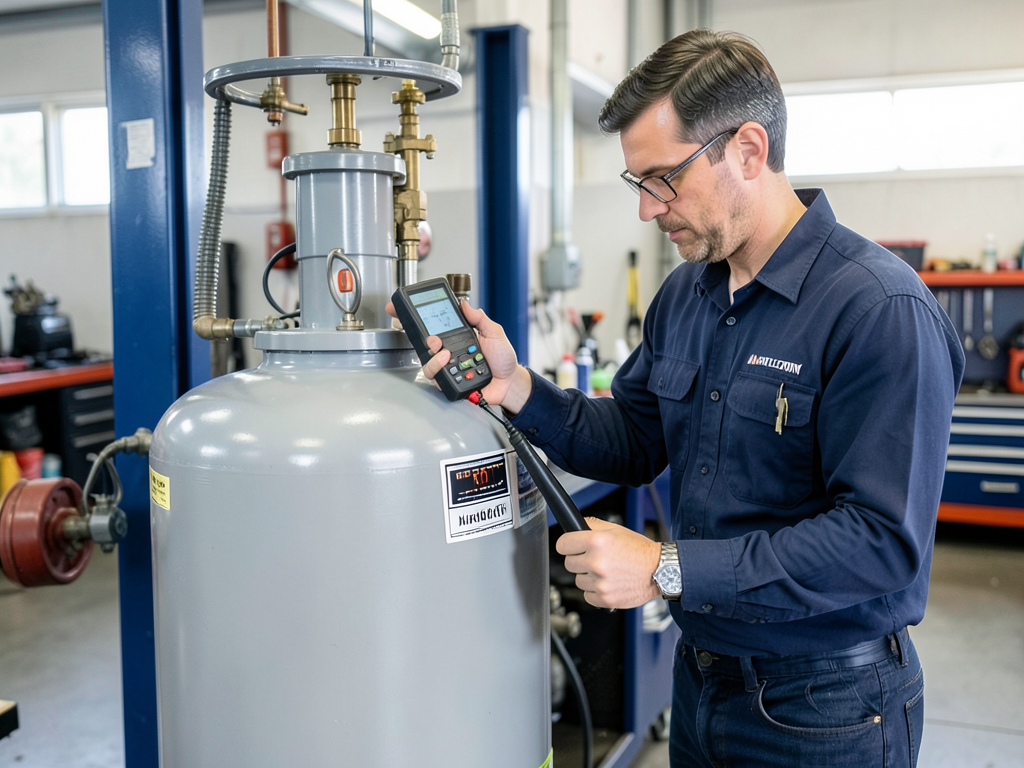
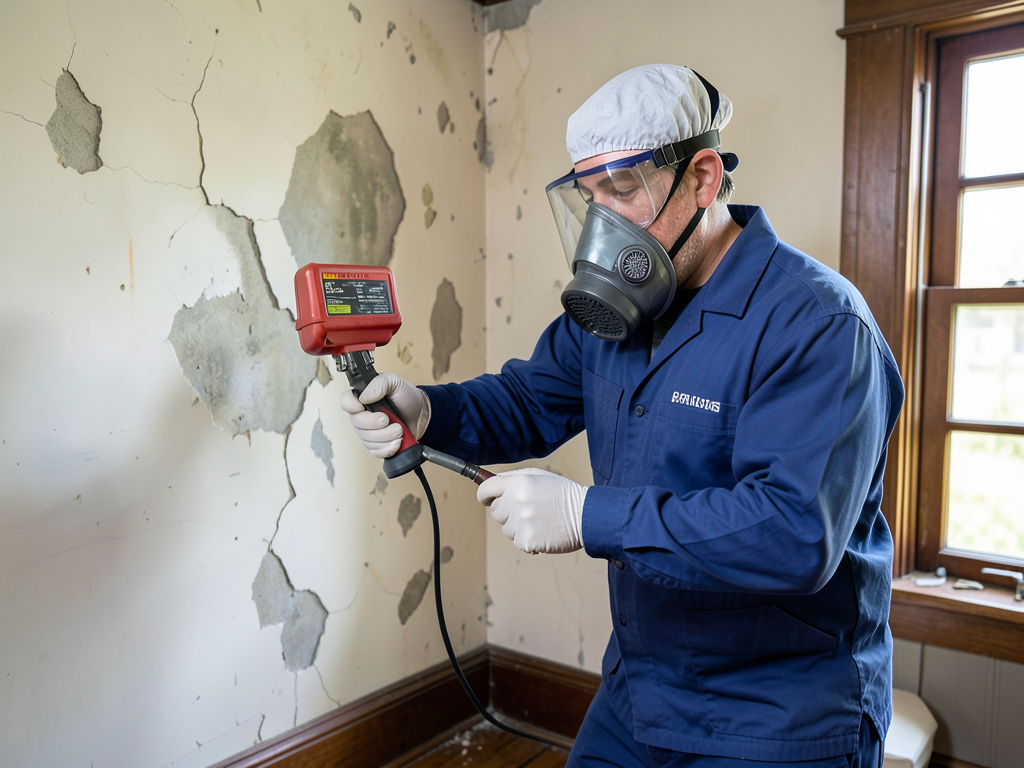
Dealing with lead and asbestos during water damage repairs in older Portland neighborhoods

Dealing with lead and asbestos during water damage repairs in older Portland neighborhoods Portland's historic neighborhoods face unique challenges when…

Why converting your University Park basement into a bedroom requires extra moisture protection

Why converting your University Park basement into a bedroom requires extra moisture protection Portland’s University Park neighborhood, nestled near the…

Contact Us

Water damage gets worse every hour you wait. Call Evergreen Water Damage Restoration Portland right now at (503) 882-7766. We answer 24/7 and dispatch crews within 90 minutes. Let us handle your post-flood recovery the right way.