


Happy Valley sits at the base of Mount Scott where elevation changes and soil composition create specific vulnerabilities to water intrusion. The clay-heavy soil common throughout neighborhoods like Scouters Mountain and Rock Creek drains poorly, causing water to pool around foundations during Oregon's heavy winter rains. Homes built in the 1990s and early 2000s that dominate areas near Clatsop Street often have crawl spaces prone to moisture accumulation.
The Clackamas County freeze-thaw cycle hits Happy Valley hard between November and March. Temperatures drop below freezing overnight, then climb above 40 degrees by afternoon. This pattern causes pipes to expand and contract, leading to burst water lines inside walls. Properties near Johnson Creek face additional flood risk during spring snowmelt and atmospheric river events that dump 3-5 inches of rain in 24 hours.
Happy Valley's rapid development means newer homes share the grid with aging infrastructure. Sewer backups from overwhelmed stormwater systems affect properties along Sunnyside Road during heavy precipitation. Basements in the Crossroads and Altamont areas flood when sump pumps fail or French drains clog with debris. These regional factors demand immediate water removal and thorough drying protocols to prevent long-term structural damage and dangerous mold growth.
Evergreen Water Damage Restoration Portland operates from our Clackamas County service hub, putting our crews less than 15 minutes from any Happy Valley address. We maintain equipment staged specifically for this region, including truck-mounted water extraction units and industrial dehumidifiers calibrated for Oregon's humidity levels. When you call our emergency line at 3 AM because a pipe burst, we dispatch immediately, not after the sun comes up.
Our technicians train specifically on Happy Valley's construction patterns. We know which subdivisions used polybutylene plumbing that fails without warning. We understand how Happy Valley's building codes evolved and where older homes lack proper vapor barriers. This knowledge means we assess damage faster and implement the right drying strategy the first time.
We maintain direct relationships with insurance adjusters who handle Clackamas County claims. Your adjuster receives our documentation in the format they need, with moisture readings, thermal imaging, and itemized scopes that match Oregon restoration standards. We advocate for complete repairs, not patch jobs that leave hidden moisture to destroy your home months later.
Every water damage call gets assigned a project manager who stays with your case from extraction through final walk-through. You receive daily updates, not silence. We coordinate with plumbers, electricians, and contractors to restore your property completely. Our warehouse stocks materials that match Happy Valley homes, so reconstruction starts immediately after drying completes. We do not subcontract critical work or disappear when insurance negotiations get complicated.

Our Clackamas County staging facility keeps extraction equipment, air movers, and dehumidifiers ready for immediate deployment to Happy Valley properties. We arrive within 60 minutes of your call, 24 hours a day, 365 days a year. Faster response means less damage and lower restoration costs for your property.

We document water damage using protocols Oregon insurance adjusters require. Our estimates include moisture mapping, thermal imaging, and material testing that support your claim. We communicate directly with your adjuster and advocate for complete restoration, not minimal repairs that fail within months.
Every crew member holds current IICRC Water Damage Restoration certification and completes ongoing training in structural drying science. We follow industry standards for moisture measurement, equipment placement, and drying verification. Your property gets restored using proven methods, not guesswork that leaves moisture behind.
One dedicated project manager oversees your entire restoration from water extraction through final repairs. You get daily updates and a single point of contact who coordinates plumbers, contractors, and insurance communications. We stay on your job until you can move back in or reopen for business.
Water damage restoration requires different responses depending on the source, extent, and duration of water intrusion. Evergreen Water Damage Restoration Portland provides complete water removal services from initial emergency response through final reconstruction. We handle clean water from burst supply lines, contaminated water from sewage backups, and storm flooding that brings debris and sediment into your building.
Our restoration process addresses both visible damage and hidden moisture that threatens your structure and indoor air quality. We extract standing water, dry building materials to safe moisture levels, remove unsalvagable contents, treat for microbial growth, and rebuild damaged areas. Every project receives moisture monitoring throughout the drying process to verify complete water removal before reconstruction begins.
Happy Valley properties require different service approaches depending on building type, water source, and damage severity. A crawl space flood demands different equipment and techniques than a kitchen supply line failure. We categorize our services based on how water enters your property and what restoration steps your specific situation requires. This ensures you receive the exact response your emergency demands without paying for services you do not need.
Our emergency teams respond within one hour to extract standing water from Happy Valley homes and businesses. We use truck-mounted pumps and portable extractors to remove thousands of gallons quickly, preventing water from spreading to unaffected areas. Immediate extraction stops secondary damage to flooring, drywall, and personal belongings. We establish drying equipment the same day to begin moisture removal from building materials. This rapid response minimizes restoration costs and prevents mold colonization that begins within 24-48 hours of water intrusion.
After water extraction, building materials remain saturated and vulnerable to structural damage and mold growth. We deploy industrial dehumidifiers and high-velocity air movers positioned based on moisture readings and thermal imaging. Our technicians monitor humidity levels and material moisture content daily, adjusting equipment placement until all surfaces reach dry standards. Hardwood floors, drywall, insulation, and framing require different drying approaches. We document the entire process with detailed logs that satisfy insurance requirements and prove your property is safe for occupancy.
Once structural drying completes, we rebuild damaged areas to pre-loss condition or better. Our crews remove unsalvagable materials like saturated drywall, contaminated insulation, and warped flooring. We treat framing for microbial growth, install new insulation and vapor barriers, hang and finish drywall, and install flooring that matches your existing surfaces. All reconstruction meets current Oregon building codes and includes proper waterproofing to prevent future damage. We coordinate with licensed plumbers and electricians when repairs involve building systems damaged by water intrusion.
Happy Valley's climate, soil conditions, and housing stock create predictable water damage scenarios throughout the year. Winter brings freezing temperatures that burst pipes, while spring atmospheric rivers overwhelm drainage systems. Summer rarely brings water issues, but fall rains saturate the clay soil around foundations before freeze-thaw cycles begin again.
Properties in specific Happy Valley neighborhoods face recurring problems based on age, construction methods, and topography. Homes built before 2000 often lack adequate crawl space ventilation and vapor barriers. Newer construction in higher elevations drains better but uses engineered lumber that absorbs water faster than solid wood framing. Understanding these regional patterns helps property owners recognize warning signs before minor moisture becomes catastrophic damage.
The water damage problems below affect Happy Valley properties repeatedly. Each requires immediate professional response to prevent escalating repair costs and health hazards from mold contamination. Waiting even 24 hours allows water to migrate through building assemblies, destroying materials that could have been saved with rapid intervention.
Happy Valley's winter temperature swings cause water inside pipes to freeze overnight, expand, and crack copper or PEX supply lines. When temperatures rise above freezing, ice melts and water floods through the damaged pipe. Pipes in exterior walls, crawl spaces, and attics face the highest risk. A single burst pipe can release hundreds of gallons before you discover the leak.
Clay soil around Happy Valley foundations drains slowly, creating hydrostatic pressure that forces groundwater through foundation walls and into crawl spaces. Standing water under homes destroys floor joists, breeds mold, and compromises structural integrity. Inadequate vapor barriers and ventilation in older homes worsen moisture accumulation. Crawl space flooding requires immediate water removal and dehumidification to prevent permanent damage.
Supply hoses on washing machines deteriorate and burst without warning, flooding laundry rooms and adjacent spaces. Water heaters reaching the end of their 10-12 year lifespan develop tank leaks that release 40-50 gallons onto floors. These failures often occur when homeowners are away, allowing water to spread throughout the home before discovery. Appliance water damage requires fast extraction to save flooring and prevent water from migrating into wall cavities.
Pacific storms dump several inches of rain on Happy Valley in short periods, overwhelming gutters, downspouts, and drainage systems. Water pools against foundations, enters through basement windows, and backs up through floor drains. Properties near Johnson Creek face flooding during heavy rain events. Stormwater carries contamination and debris, requiring specialized cleaning and treatment beyond standard water removal.
Water damage creates chaos and panic. Your home is flooding, possessions are ruined, and you need help now. When you call Evergreen Water Damage Restoration Portland, you reach a live person immediately, not an answering service. We dispatch a crew to your Happy Valley property while you are still on the phone. Our goal is to stop water damage from worsening and start the restoration process within one hour of your call.
From the moment our truck arrives, you work with trained professionals who have managed hundreds of water damage emergencies. We explain what happened, what needs to happen next, and how long restoration will take. You receive straight answers about costs, insurance coverage, and whether you can stay in your home during repairs. We document everything for your insurance claim and provide daily updates as your project progresses.
Water damage restoration is disruptive, but it should not be confusing or adversarial. We treat your property like our own and communicate clearly at every step. The expectations below define how we operate and what you can count on throughout your restoration project.
Our emergency line connects you to a live dispatcher who sends a crew to your location immediately. We arrive within 60 minutes, assess the damage source and extent, and begin water extraction while explaining our plan. You receive an initial scope of work and timeline before we leave your property. Our technicians stop the water source if possible, extract standing water, and establish drying equipment the same day. Speed matters because every hour of delay increases damage severity and restoration costs.
Your project manager calls you daily with progress updates and answers questions as they arise. We document all damage with photos, moisture readings, and detailed notes that support your insurance claim. Our estimates follow Xactimate pricing that adjusters recognize, reducing disputes and claim delays. We communicate directly with your insurance company, provide required documentation, and advocate for complete repairs. You never wonder what is happening or when work will finish.
We do not leave your property until moisture levels verify completely dry and all repairs meet your approval. Our final walk-through reviews every aspect of the restoration, and you sign off only when satisfied with the work. We provide documentation showing all materials reached safe moisture levels before reconstruction. Your home returns to pre-loss condition or better, with improvements that reduce future water damage risk. We stand behind our work with warranties on labor and materials.
Water damage restoration follows a proven sequence that removes water, dries structures, and rebuilds damaged areas. We customize each step based on water category, affected materials, and damage extent.
Call our emergency line at (503) 882-7766 any time water damages your Happy Valley property. Our dispatcher gathers essential information about the water source, affected areas, and safety concerns. We send a crew immediately with equipment appropriate for your situation. Our team arrives within one hour, assesses damage severity, stops the water source if safe to do so, and begins emergency water extraction. We document initial conditions with photos and moisture readings that establish your claim baseline.
We extract all standing water using truck-mounted pumps and portable extractors, then position industrial dehumidifiers and air movers based on moisture mapping and thermal imaging. Our technicians monitor your property daily, recording humidity levels and material moisture content until all surfaces reach dry standards. Drying typically requires 3-7 days depending on water volume, affected materials, and building construction. We adjust equipment placement as conditions change and provide daily progress reports to you and your insurance adjuster.
Once moisture readings confirm complete drying, we remove damaged materials and rebuild affected areas to match existing finishes. Our crews install new drywall, insulation, flooring, and trim as needed. All work meets current Oregon building codes and includes improvements that prevent future water damage. We schedule a final walk-through where you inspect completed repairs and verify satisfaction. You receive documentation of all work performed and moisture verification readings that prove your property is safe and dry.
The Institute of Inspection, Cleaning and Restoration Certification establishes water damage restoration standards that govern professional practice throughout Oregon. IICRC S500 defines water categories based on contamination level and specifies drying protocols for different building materials. These standards protect property owners and ensure restoration achieves safe, dry conditions that prevent microbial growth.
Water categorization determines which materials can be saved and what safety precautions restoration requires. Category 1 water originates from sanitary sources like supply lines and poses no health threat. Category 2 water contains contamination that may cause illness, such as washing machine discharge or toilet overflow without feces. Category 3 water is grossly contaminated and includes sewage, flooding from rivers or streams, and any water that contacted contaminated surfaces. Category 2 and 3 water require specialized cleaning, antimicrobial treatment, and often disposal of porous materials like drywall and carpet.
Oregon building codes require restoration work to meet current standards even when repairing older construction. Crawl space repairs must include vapor barriers rated at 6 mil thickness minimum. Insulation replacement requires materials with appropriate R-values for Clackamas County climate zone 4C. Any electrical or plumbing work performed during restoration requires licensed contractors and inspection approval. These code requirements protect your investment and prevent restoration shortcuts that fail within months.
Moisture measurement drives drying decisions and determines when restoration can proceed to reconstruction. We use moisture meters calibrated to wood and drywall, measuring material moisture content as a percentage. Structural lumber must dry below 15 percent moisture content before reconstruction begins. Drywall typically requires moisture levels under 12 percent. We also monitor ambient humidity using psychrometers, maintaining indoor relative humidity between 30-50 percent during drying. Documentation of these readings proves to insurance companies and future buyers that your property was restored correctly.
Water damage classification determines restoration protocols and safety requirements. Category 1 clean water can often be dried in place. Category 2 gray water requires antimicrobial treatment and evaluation of porous materials. Category 3 black water demands removal of all porous materials that contacted contamination. All Category 2 water becomes Category 3 if left untreated for 48 hours as bacteria multiply.
Water damage restoration costs depend on water volume, contamination category, affected square footage, and material damage severity. Emergency water extraction typically costs less than drying and reconstruction. Category 3 water damage requires disposal of contaminated materials and costs more than clean water restoration. Most insurance policies cover sudden water damage minus your deductible. Gradual damage from long-term leaks may not be covered.
Structural drying requires 3-7 days for most residential water damage when proper equipment and monitoring occur. Hardwood floors may need 10-14 days depending on wood species and saturation depth. Concrete and tile dry slowly and may require several weeks. We cannot rush drying without risking trapped moisture that causes mold growth and material failure later. Patient, monitored drying saves money compared to premature reconstruction that fails.
All reconstruction must meet current Oregon Residential Specialty Code even when repairing older homes. Electrical work requires licensed electricians and inspection approval. Plumbing repairs need permits for anything beyond simple fixture replacement. Crawl space work must include proper vapor barriers and ventilation. Insurance companies require code-compliant repairs, and non-compliant work can void coverage or affect property resale value.
This video explains water damage restoration services in Happy Valley, Oregon. Topics include emergency water extraction, structural drying protocols, insurance claim coordination, and complete property reconstruction. Evergreen Water Damage Restoration Portland discusses Happy Valley's specific water damage risks including freeze-thaw pipe failures, crawl space flooding from clay soil, and storm damage from atmospheric rivers. Viewers learn IICRC restoration standards, moisture measurement requirements, and Oregon building code compliance for water damage repairs.
Evergreen Water Damage Restoration Portland serves every neighborhood and business district throughout Happy Valley and the greater Clackamas County area. Our central staging facility near Interstate 205 allows rapid response to properties from the Scouters Mountain area down to the newer developments along SE 162nd Avenue. We maintain detailed knowledge of construction patterns, drainage issues, and recurring water damage problems specific to each Happy Valley community.
Homes in the Crossroads neighborhood near Happy Valley Town Center face unique challenges from aging infrastructure and commercial development that altered natural drainage patterns. Properties along Rock Creek Parkway benefit from newer construction but still deal with clay soil saturation during winter atmospheric rivers. The Altamont area on Happy Valley's north side includes both established homes from the 1980s and recent construction, requiring different restoration approaches based on building methods and materials used.
Neighborhoods surrounding Mount Scott Elementary and Happy Valley Middle School represent some of Happy Valley's oldest residential development. These properties often have crawl spaces with inadequate vapor barriers and ventilation systems designed before current moisture control standards. We frequently respond to foundation seepage and crawl space flooding in this area, particularly after heavy rainfall saturates the clay soil common throughout the Sunnyside Road corridor.
Properties east of 172nd Avenue toward Damascus represent Happy Valley's growth frontier, with larger lots and homes built primarily after 2005. These newer structures use engineered lumber that absorbs water faster than solid wood framing, demanding rapid extraction and aggressive drying to prevent permanent damage. The elevation changes in this area create runoff that concentrates around homes at the bottom of slopes, overwhelming French drains and foundation waterproofing during storm events.
We also serve commercial properties throughout Happy Valley, including retail centers along King Road, medical offices near Providence Medical Plaza, and industrial facilities in the Clackamas Industrial Area. Commercial water damage often involves specialized equipment, sensitive documents, and business interruption concerns that demand immediate response and accelerated drying timelines. Our crews handle everything from restaurant equipment failures to roof leaks affecting multi-tenant buildings, with emergency service that minimizes revenue loss and operational disruption.
Water damage restoration in Happy Valley takes anywhere from 3 to 7 days for most projects. Minor water damage from a small leak takes 3 to 5 days. Severe flooding or extensive damage takes 7 to 14 days or longer. The timeline depends on how much water entered your home, what materials got wet, and how quickly you called for help. Drying alone takes 3 to 5 days. Repairs and reconstruction add more time. Fast response speeds up the entire process and prevents mold growth.
Water damage restoration pricing in Happy Valley depends on the extent of damage and affected areas. Minor incidents involving one room require less investment than whole-home flooding. The final amount reflects water extraction, drying equipment, affected materials, and reconstruction needs. Your specific situation determines total expenses. Get a detailed estimate from local restoration companies after they inspect your property. Most companies work directly with insurance providers to help manage expenses. Focus on quick response to minimize damage spread and reduce overall restoration needs.
Most homeowners insurance policies in Happy Valley cover sudden and accidental water damage. Burst pipes, appliance malfunctions, and storm damage typically qualify for coverage. Gradual damage from slow leaks or poor maintenance usually does not. Flood damage requires separate flood insurance. Review your policy details to understand what your plan covers. Document all damage with photos and videos. Contact your insurance company immediately after discovering water damage. A restoration company helps you navigate the claims process and works directly with your adjuster.
Water damage restoration in Happy Valley takes anywhere from 3 to 7 days for most projects. Minor water damage from a small leak takes 3 to 5 days. Severe flooding or extensive damage takes 7 to 14 days or longer. The timeline depends on how much water entered your home, what materials got wet, and how quickly you called for help. Drying alone takes 3 to 5 days. Repairs and reconstruction add more time. Fast response speeds up the entire process and prevents mold growth.
Water damage restoration pricing in Happy Valley depends on the extent of damage and affected areas. Minor incidents involving one room require less investment than whole-home flooding. The final amount reflects water extraction, drying equipment, affected materials, and reconstruction needs. Your specific situation determines total expenses. Get a detailed estimate from local restoration companies after they inspect your property. Most companies work directly with insurance providers to help manage expenses. Focus on quick response to minimize damage spread and reduce overall restoration needs.
Most homeowners insurance policies in Happy Valley cover sudden and accidental water damage. Burst pipes, appliance malfunctions, and storm damage typically qualify for coverage. Gradual damage from slow leaks or poor maintenance usually does not. Flood damage requires separate flood insurance. Review your policy details to understand what your plan covers. Document all damage with photos and videos. Contact your insurance company immediately after discovering water damage. A restoration company helps you navigate the claims process and works directly with your adjuster.
You need water damage restoration in Happy Valley if you see visible water pooling, wet walls or ceilings, or warped floors. Musty odors indicate hidden moisture and possible mold growth. Discolored patches on walls or ceilings signal water intrusion. Peeling paint or wallpaper shows moisture beneath surfaces. Increased humidity or condensation points to water problems. Act immediately when you notice these signs. Water spreads quickly through building materials. Waiting increases damage severity and raises restoration complexity. Professional assessment identifies all affected areas, including hidden moisture.
Staying in your Happy Valley home during restoration depends on damage severity and location. Minor water damage confined to one room allows you to stay. Major flooding or contaminated water requires temporary relocation for safety. Loud drying equipment runs 24 hours and makes normal activities difficult. Water damage affecting multiple rooms limits usable space. Your restoration company assesses safety concerns and recommends whether to stay or leave. They consider air quality, electrical safety, and structural stability. Follow their guidance to protect your health.
Water damage restoration in Happy Valley follows a structured process. First, technicians inspect and assess all damage. Next, they extract standing water using pumps and vacuums. Then, they set up industrial dehumidifiers and air movers for drying. This takes 3 to 5 days. Technicians monitor moisture levels daily. They remove damaged materials like drywall or carpet if needed. After complete drying, they clean and sanitize affected areas. Finally, reconstruction repairs replace removed materials. The entire process restores your home to pre-damage condition.
Call for water damage restoration in Happy Valley within the first hour of discovering water damage. Water spreads through floors, walls, and belongings in minutes. Mold begins growing within 24 to 48 hours in wet conditions. Quick response limits damage spread and reduces restoration time. Immediate extraction prevents water from soaking deeper into building materials. Fast action protects your belongings and reduces overall damage. Emergency restoration services in Happy Valley operate around the clock. Do not wait to see if the problem resolves itself. Call immediately.
Burst pipes cause most water damage in Happy Valley homes during winter freezes. Appliance failures from washing machines, dishwashers, and water heaters rank second. Roof leaks during heavy Pacific Northwest rain storms damage ceilings and walls. Clogged gutters overflow and send water into foundations. Sewer backups affect basements and lower levels. Sump pump failures during storms allow flooding. Poor drainage around foundations creates water intrusion. Regular maintenance prevents many of these issues. Inspect appliances, plumbing, and roofs seasonally to catch problems early.
Water damage restoration companies in Happy Valley work directly with insurance companies. They document damage with detailed photos and moisture readings. Many provide direct billing to your insurance carrier. They communicate with adjusters throughout the restoration process. Experienced companies understand insurance requirements and documentation needs. They help you file claims correctly and advocate for proper coverage. This partnership simplifies the claims process for you. Choose a restoration company familiar with major insurance providers. Their experience helps maximize your claim approval and speeds up payment processing.
Choose a water damage restoration company in Happy Valley with rapid emergency response times. Look for companies offering 24-hour availability. Check online reviews and ratings from past customers. Verify they use professional-grade extraction and drying equipment. Ask about their experience with insurance claims. Request references from recent Happy Valley projects. Confirm they employ trained technicians. Choose a local company familiar with regional water damage issues like winter freezes and heavy rainfall. Get written estimates before work begins. Select a company offering comprehensive services from extraction through final reconstruction.
You need water damage restoration in Happy Valley if you see visible water pooling, wet walls or ceilings, or warped floors. Musty odors indicate hidden moisture and possible mold growth. Discolored patches on walls or ceilings signal water intrusion. Peeling paint or wallpaper shows moisture beneath surfaces. Increased humidity or condensation points to water problems. Act immediately when you notice these signs. Water spreads quickly through building materials. Waiting increases damage severity and raises restoration complexity. Professional assessment identifies all affected areas, including hidden moisture.
Staying in your Happy Valley home during restoration depends on damage severity and location. Minor water damage confined to one room allows you to stay. Major flooding or contaminated water requires temporary relocation for safety. Loud drying equipment runs 24 hours and makes normal activities difficult. Water damage affecting multiple rooms limits usable space. Your restoration company assesses safety concerns and recommends whether to stay or leave. They consider air quality, electrical safety, and structural stability. Follow their guidance to protect your health.
Water damage restoration in Happy Valley follows a structured process. First, technicians inspect and assess all damage. Next, they extract standing water using pumps and vacuums. Then, they set up industrial dehumidifiers and air movers for drying. This takes 3 to 5 days. Technicians monitor moisture levels daily. They remove damaged materials like drywall or carpet if needed. After complete drying, they clean and sanitize affected areas. Finally, reconstruction repairs replace removed materials. The entire process restores your home to pre-damage condition.
Call for water damage restoration in Happy Valley within the first hour of discovering water damage. Water spreads through floors, walls, and belongings in minutes. Mold begins growing within 24 to 48 hours in wet conditions. Quick response limits damage spread and reduces restoration time. Immediate extraction prevents water from soaking deeper into building materials. Fast action protects your belongings and reduces overall damage. Emergency restoration services in Happy Valley operate around the clock. Do not wait to see if the problem resolves itself. Call immediately.
Burst pipes cause most water damage in Happy Valley homes during winter freezes. Appliance failures from washing machines, dishwashers, and water heaters rank second. Roof leaks during heavy Pacific Northwest rain storms damage ceilings and walls. Clogged gutters overflow and send water into foundations. Sewer backups affect basements and lower levels. Sump pump failures during storms allow flooding. Poor drainage around foundations creates water intrusion. Regular maintenance prevents many of these issues. Inspect appliances, plumbing, and roofs seasonally to catch problems early.
Water damage restoration companies in Happy Valley work directly with insurance companies. They document damage with detailed photos and moisture readings. Many provide direct billing to your insurance carrier. They communicate with adjusters throughout the restoration process. Experienced companies understand insurance requirements and documentation needs. They help you file claims correctly and advocate for proper coverage. This partnership simplifies the claims process for you. Choose a restoration company familiar with major insurance providers. Their experience helps maximize your claim approval and speeds up payment processing.
Choose a water damage restoration company in Happy Valley with rapid emergency response times. Look for companies offering 24-hour availability. Check online reviews and ratings from past customers. Verify they use professional-grade extraction and drying equipment. Ask about their experience with insurance claims. Request references from recent Happy Valley projects. Confirm they employ trained technicians. Choose a local company familiar with regional water damage issues like winter freezes and heavy rainfall. Get written estimates before work begins. Select a company offering comprehensive services from extraction through final reconstruction.
Evergreen Water Damage Restoration proudly serves Portland and the surrounding areas, providing rapid and reliable water damage solutions whenever you need us. While our physical office is located conveniently for local operations, our dedicated teams are mobile and ready to deploy across the region. View our service area on the map to understand our reach, or simply call us to confirm if we cover your specific location. We are committed to extending our expert services to every community in need.
Address:
Happy Valley, OR, 97086
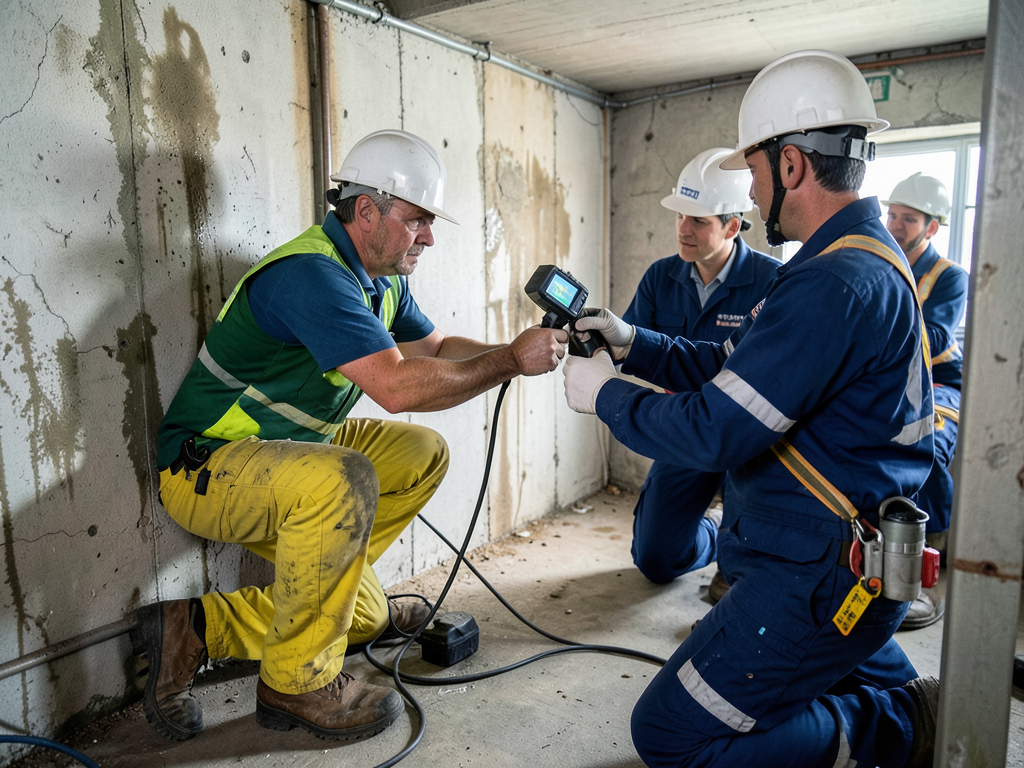
How an atmospheric river affects Portland basement flooding and what you should do When an atmospheric river hits Portland it brings more than heavy rain. These massive bands of moisture from the Pacific can dump…
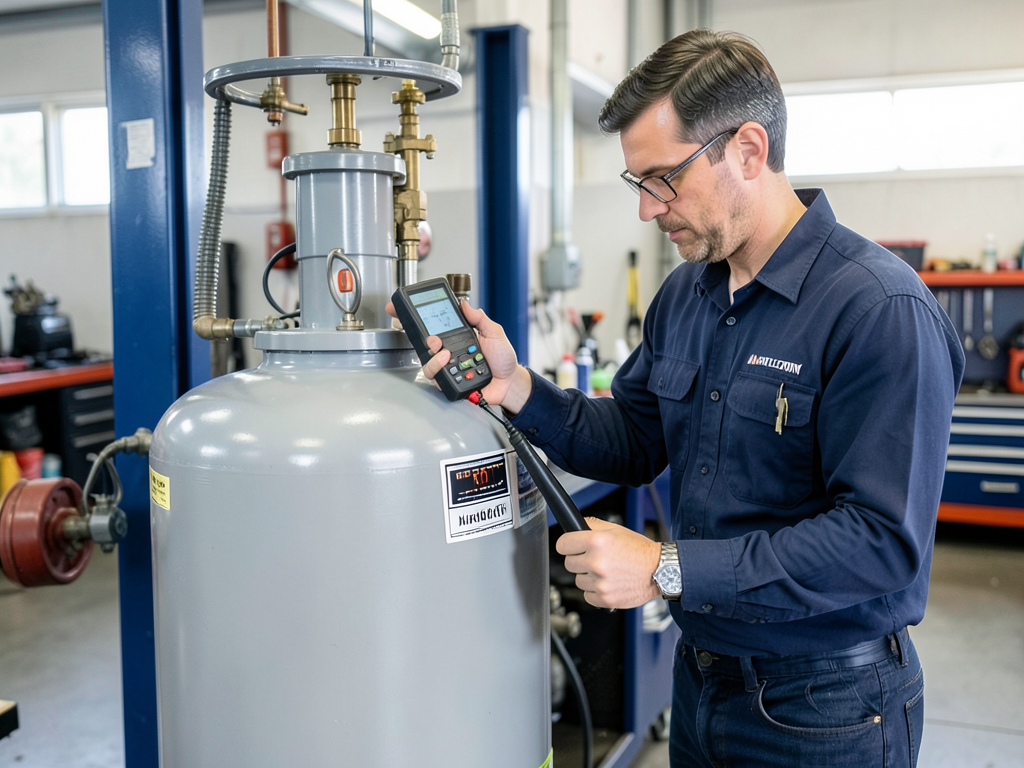
What happens when a well pump or pressure tank leaks in your Mapleton garage When…
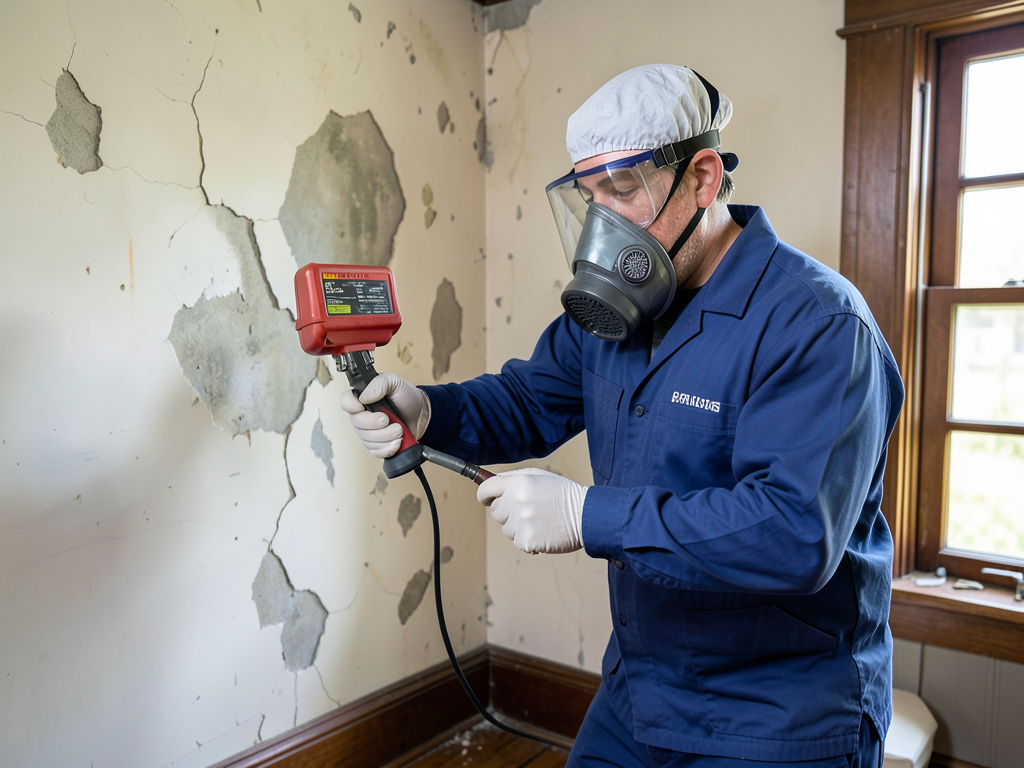
Dealing with lead and asbestos during water damage repairs in older Portland neighborhoods Portland's historic…
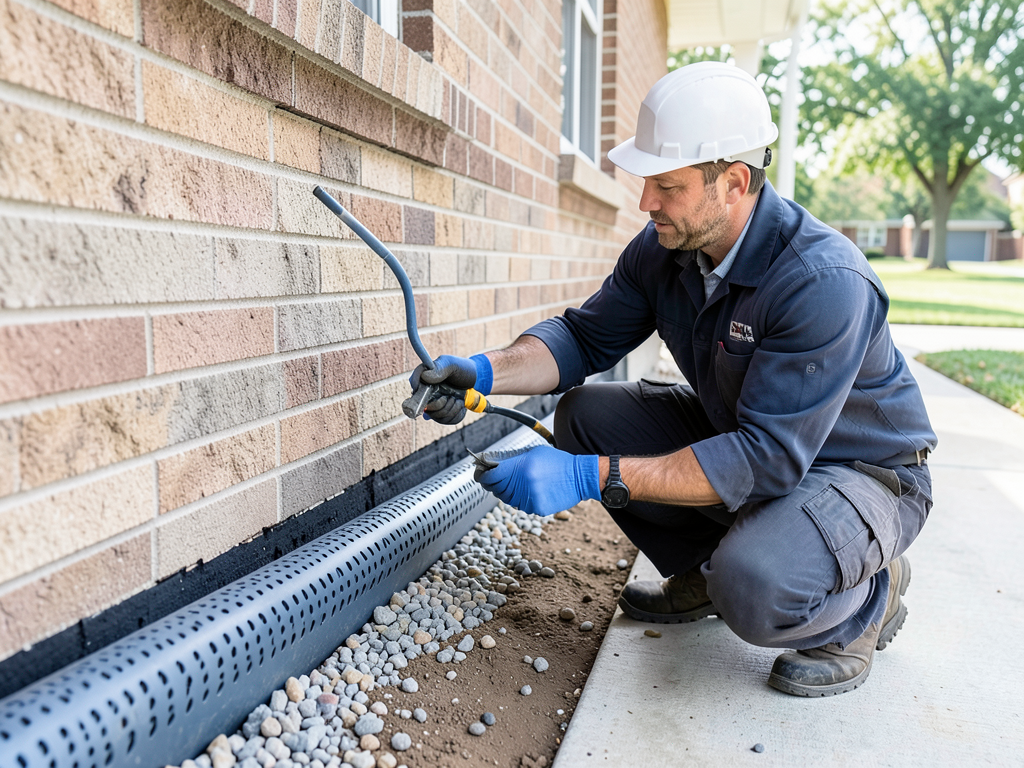
Why converting your University Park basement into a bedroom requires extra moisture protection Portland’s University…
Every minute counts when water invades your property. Call Evergreen Water Damage Restoration Portland now at (503) 882-7766 for immediate dispatch to your Happy Valley location. Our crews are standing by 24/7 with equipment ready to stop damage and start restoration.