Menu

Sewage Backup Cleanup in Portland – 24/7 Emergency Response Within 60 Minutes

When raw sewage floods your property, every minute matters. Our certified technicians arrive fast with industrial-grade extraction equipment and EPA-approved disinfection protocols to protect your health and restore your space safely.

Slider Image 1
Slider Image 2
Slider Image 3
Slider Image 4
Slider Image 5
Slider Image 7
Slider Image 8
Slider Image 9
Slider Image 10
Slider Image 11

Why Portland Properties Face High Sewage Backup Risk

Portland's aging combined sewer system and heavy winter rainfall create the perfect storm for sewage backups. When the Willamette River rises during prolonged rain events, the city's older neighborhoods, particularly those in North Portland, St. Johns, and parts of Southeast Portland, experience increased pressure on sewer lines built in the 1920s and 1930s. These cast iron and clay pipes deteriorate over time, creating blockages that force raw sewage back into basements and ground-level drains.

The region's mature trees compound the problem. Root intrusion from Douglas firs, maples, and oaks is the leading cause of residential sewer line failures across Multnomah County. Roots seek moisture and nutrients, infiltrating cracked pipes and creating dense blockages that municipal crews cannot clear from the street level.

When sewage backs up into your property, you are dealing with Category 3 water damage, the most hazardous classification. Raw sewage carries E. coli, hepatitis A, salmonella, and other pathogens that pose immediate health risks. Porous materials like drywall, insulation, and subflooring absorb contaminated water within minutes, creating breeding grounds for harmful bacteria and black mold.

Sewage remediation requires specialized equipment and training. Standard water extraction methods spread contamination. Professional sewage removal involves containment protocols, antimicrobial treatments, and proper disposal of contaminated materials according to Oregon DEQ regulations. Attempting DIY cleanup exposes your family to serious illness and often results in incomplete decontamination that creates long-term health hazards.

Why Portland Properties Face High Sewage Backup Risk
Our Category 3 Water Extraction and Decontamination Process

Our Category 3 Water Extraction and Decontamination Process

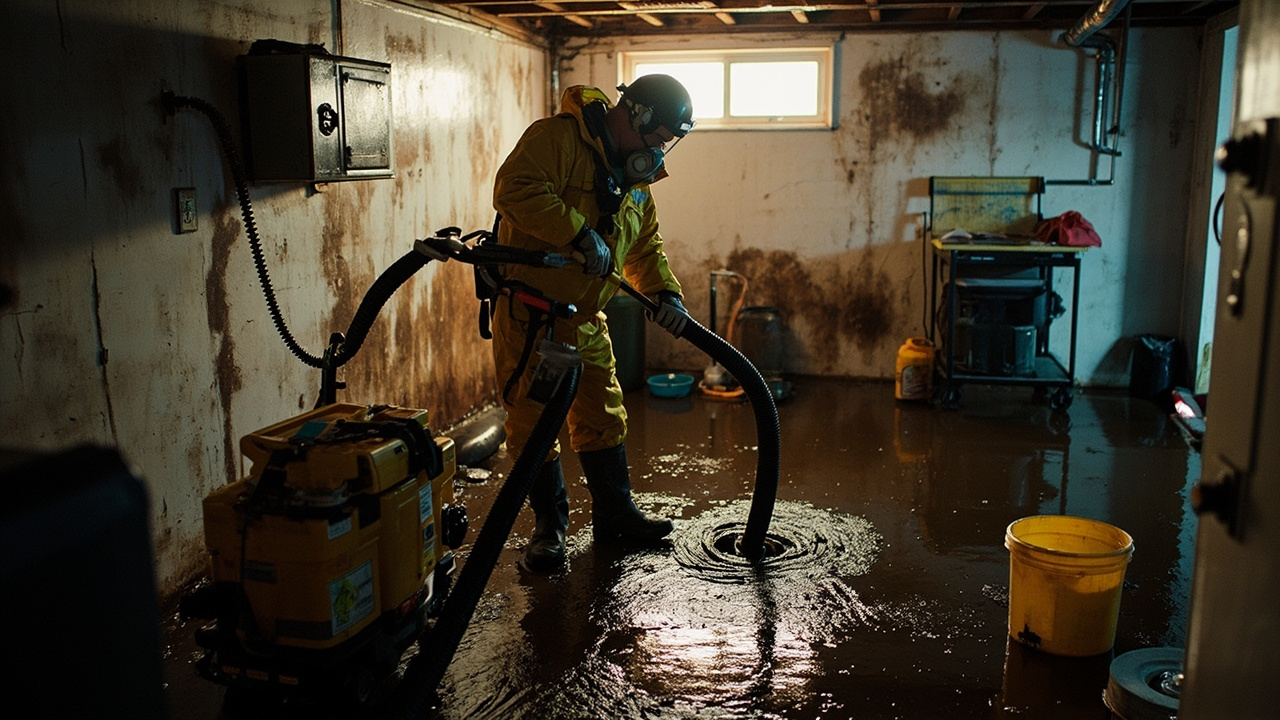
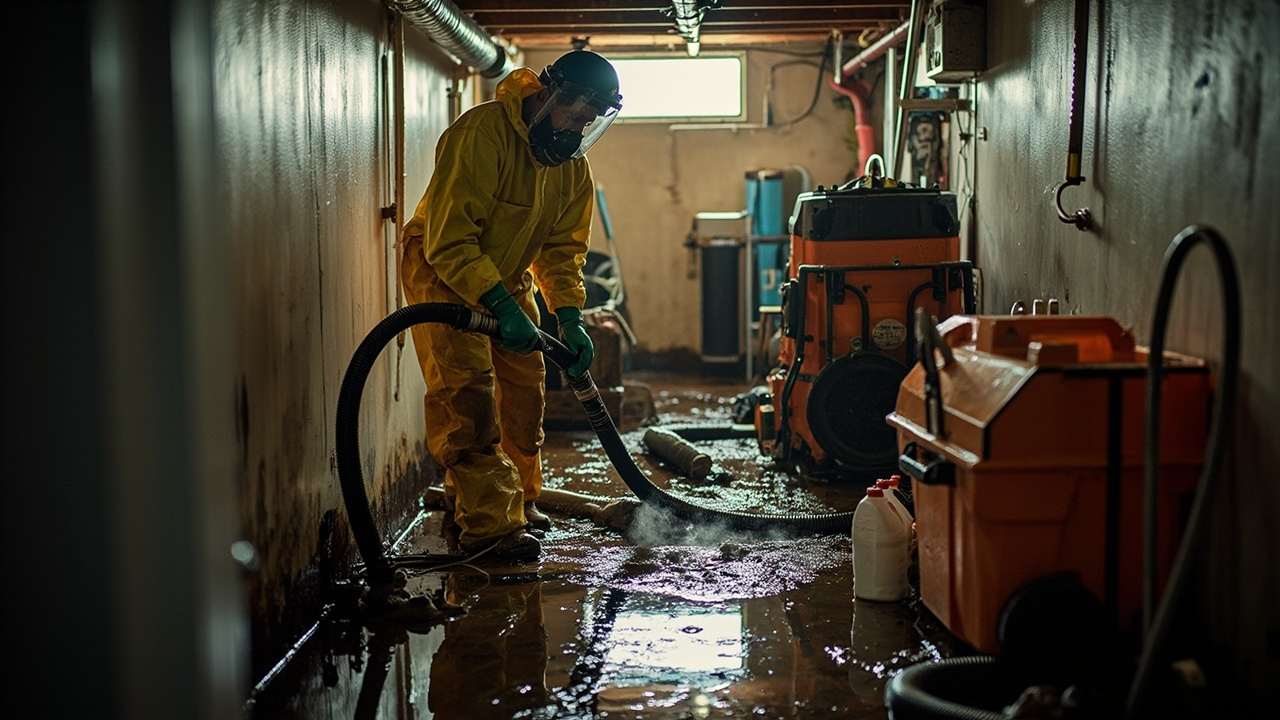
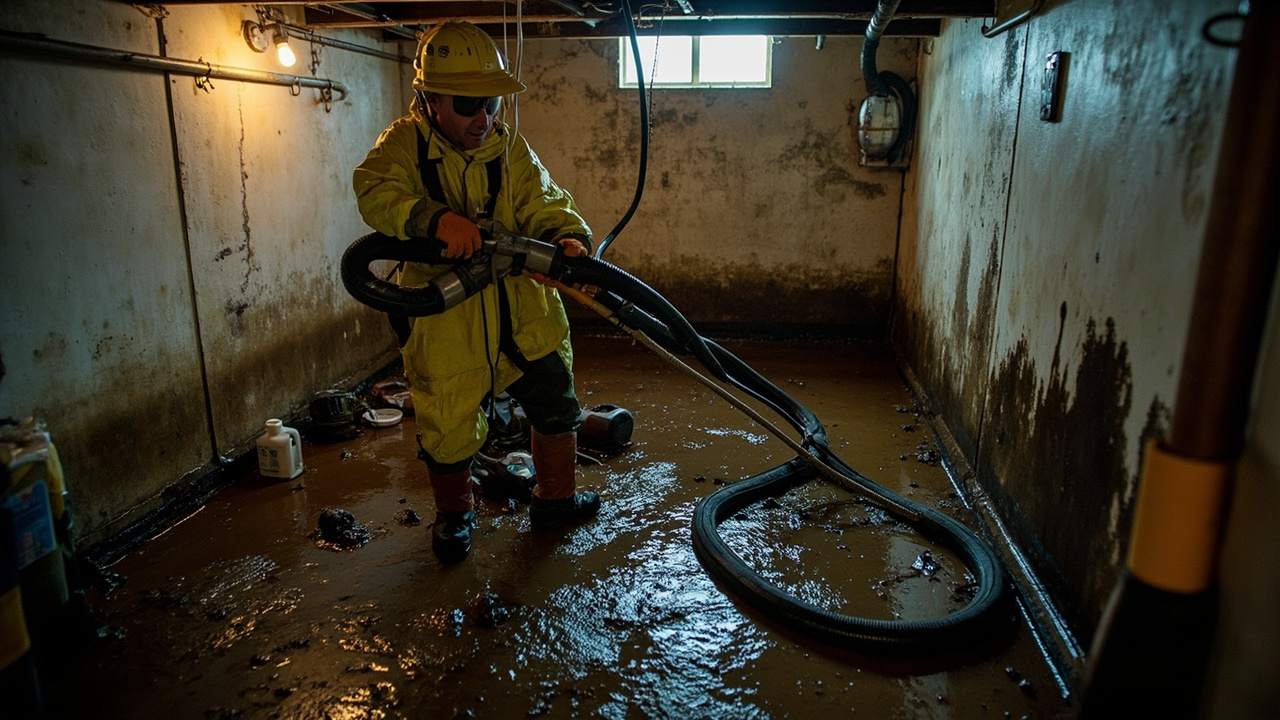
Sewage damage restoration is not water removal. It is hazardous waste remediation. Our technicians arrive in full PPE with truck-mounted extraction units capable of removing standing sewage and solid waste. We establish containment barriers using polyethylene sheeting and negative air pressure to prevent cross-contamination to unaffected areas of your property.

We use submersible trash pumps rated for solids up to two inches, not standard water extractors that clog and fail with sewage. Once we remove standing water, we apply EPA-registered antimicrobial agents specifically formulated for fecal matter and bloodborne pathogens. We do not use generic disinfectants. Hospital-grade quaternary ammonium compounds and oxidizing agents penetrate porous surfaces to kill bacteria at the cellular level.

Sewer backup cleaning requires removing all affected porous materials. Drywall, insulation, carpeting, and padding cannot be salvaged after sewage contact. We follow IICRC S500 standards for Category 3 water damage, which mandate removal of materials that contacted sewage, plus an additional two feet of unaffected material in all directions to ensure complete decontamination.

After demolition, we treat all remaining structural elements with antimicrobial coatings and seal concrete with epoxy barriers to prevent microbial growth. We deploy commercial dehumidifiers and air scrubbers with HEPA filtration to remove airborne pathogens and bring humidity levels below 50 percent. Our hydroxyl generators neutralize odor-causing compounds at the molecular level without using toxic chemicals that require evacuation.

Every sewage cleanup concludes with ATP testing to verify surface cleanliness and moisture mapping to confirm complete drying before reconstruction begins.

What Happens During Emergency Sewage Removal

Sewage Backup Cleanup in Portland – 24/7 Emergency Response Within 60 Minutes
01

Immediate Containment and Extraction

Our crew establishes contamination barriers and begins removing sewage within minutes of arrival. We use truck-mounted vacuum systems and submersible pumps to extract standing water and solid waste, preventing further absorption into structural materials. All contaminated water goes directly into sealed holding tanks for proper disposal at approved facilities. We document pre-existing damage and photograph affected areas for insurance claims before beginning extraction work.
02

Antimicrobial Treatment and Demolition

After extraction, we apply hospital-grade disinfectants to all surfaces that contacted sewage. We remove contaminated drywall, insulation, flooring, and baseboards according to IICRC Category 3 protocols. Non-porous materials like metal studs and concrete receive intensive cleaning and antimicrobial treatment. We bag and dispose of all contaminated materials following Oregon hazardous waste regulations. Our technicians use moisture meters and thermal imaging to identify hidden saturation in wall cavities and subflooring.
03

Structural Drying and Verification

We deploy industrial dehumidifiers and air movers to dry structural elements to pre-loss moisture levels. HEPA air scrubbers run continuously to remove airborne contaminants and odors. We monitor temperature, humidity, and moisture readings twice daily until all materials reach dry standard. Before signing off on the project, we conduct ATP surface testing to verify successful decontamination and provide documentation for insurance carriers and future property transactions. Your space is certified safe before reconstruction begins.

Why Portland Property Owners Choose Evergreen Water Damage Restoration Portland

Raw sewage cleanup requires expertise that most restoration companies lack. We hold IICRC Applied Microbial Remediation Technician certification and maintain specialized equipment specifically for Category 3 water damage. Our technicians complete bloodborne pathogen training and follow OSHA hazardous waste handling protocols that protect both our crew and your property.

We understand Portland's unique infrastructure challenges. The city's combined sewer overflows during heavy rain affect properties differently based on elevation and proximity to the Willamette and Columbia rivers. Homes in the Sellwood, Brooklyn, and Eastmoreland neighborhoods face different risks than properties in the West Hills or Alameda Ridge. We assess your specific vulnerability based on sewer line age, tree coverage, and drainage patterns unique to your location.

Our relationships with Portland-area plumbers who specialize in sewer line repair streamline the restoration process. While we handle decontamination and structural drying, we coordinate with licensed plumbers to address the root cause, whether that is root intrusion, pipe collapse, or municipal main line issues. This integrated approach prevents repeat incidents and gets you back to normal life faster.

We work directly with all major insurance carriers and understand Oregon's specific requirements for sewage damage claims. We provide detailed documentation, including photographs, moisture logs, and disposal receipts that satisfy adjuster requirements. Most sewage backups qualify for full coverage under standard homeowner policies, and we help you navigate the claims process to maximize your reimbursement.

Time matters with sewage exposure. We answer emergency calls 24/7 and dispatch crews within 60 minutes to properties across Multnomah, Clackamas, and Washington counties. Our rapid response limits contamination spread and reduces the scope of demolition required.

What to Expect During Sewage Damage Restoration

Emergency Response Time

We dispatch crews within 60 minutes of your call, 24 hours a day, seven days a week. Our technicians arrive with full PPE, extraction equipment, and containment materials to begin work immediately. Most residential sewage extractions take three to six hours, depending on the volume and affected area. We work through the night if necessary to remove standing sewage and establish containment before contamination spreads. You receive hourly updates during the initial response phase and a detailed scope of work before demolition begins. We understand sewage emergencies cannot wait for business hours.

Comprehensive Damage Assessment

After initial extraction, we conduct a thorough inspection using thermal imaging cameras and penetrating moisture meters to identify all affected materials. We document damage with photographs and detailed notes for insurance purposes. Our assessment includes testing adjacent areas that appear dry but may have wicking or hidden saturation. We provide a written estimate that breaks down demolition, cleaning, drying, and disposal costs. You receive an itemized scope of work that explains which materials require removal and why, along with projected timelines for each phase. We never begin demolition without your approval and insurance adjuster sign-off.

Certified Decontamination Standards

Every sewage cleanup meets IICRC S500 standards for Category 3 water damage. We use EPA-registered antimicrobials proven effective against fecal coliform bacteria, hepatitis A, and other pathogens found in raw sewage. All contaminated materials go to approved disposal facilities with documented chain of custody. Before signing off on your project, we conduct ATP testing to verify surface cleanliness meets hospital standards. You receive a certificate of decontamination that provides peace of mind for your family and documentation for future property sales. Our work protects your health and your investment with protocols that exceed industry minimums.

Post-Restoration Support

After completing structural drying and decontamination, we coordinate with licensed contractors to rebuild affected areas. We provide detailed moisture mapping and material recommendations to ensure proper reconstruction. If issues arise during the drying period, we respond immediately to adjust equipment or address concerns. We maintain detailed project files including moisture logs, equipment placement diagrams, and daily progress photos. You receive copies of all documentation for insurance records and future reference. We stand behind our decontamination work and remain available to answer questions long after project completion. Your safety is our priority from first call to final walkthrough.

Frequently Asked Questions

You Have Questions,
We Have Answers

How to clean up after sewer back up? +

Do not attempt sewage cleanup yourself. Raw sewage contains dangerous pathogens like E. coli and hepatitis A that require professional extraction and disinfection. Turn off electricity to affected areas immediately. Contact a certified restoration company that follows IICRC S500 protocols. Professionals use industrial pumps to remove standing sewage, apply antimicrobial treatments, and verify contamination is eliminated through ATP testing. Portland homes built before 1980 often have combined sewer systems that complicate backups during heavy rain. Professionals also document damage for insurance claims and coordinate with plumbers to address the source issue before restoration begins.

How much does sewage backup cleanup cost? +

Sewage cleanup costs range based on contamination level and affected square footage. A small bathroom backup typically costs less than a full basement flood. Category 3 water damage requires extensive antimicrobial treatment, structural drying, and potential material removal. Portland homes with crawl spaces face higher costs due to difficult access and moisture retention in our damp climate. Your insurance may cover most costs if you have sewer backup endorsement coverage. Professional companies provide detailed estimates after inspection, breaking down extraction, disinfection, drying, and disposal fees. Never delay cleanup to save money. Sewage contamination spreads rapidly through porous materials.

Is it safe to live in a house after sewage backup? +

No. Do not occupy areas affected by sewage backup until professional cleanup and disinfection are complete. Raw sewage releases airborne pathogens and toxic gases like hydrogen sulfide and methane that cause respiratory illness. Porous materials like drywall, insulation, and carpeting absorb contamination and must be removed. Portland's humid climate accelerates mold growth within 24 to 48 hours after sewage exposure. Children, elderly residents, and those with compromised immune systems face severe health risks. A certified restoration company must verify the space is safe through air quality testing and moisture readings before you return. Temporary relocation is often necessary for your safety.

Is it safe to clear a sewer line clog myself? +

No. Attempting to clear sewer line clogs yourself exposes you to dangerous Category 3 contamination and can worsen the blockage. Store-bought drain cleaners damage older pipes common in Portland homes and create toxic fumes when mixed with sewage. Sewer augers require proper technique to avoid pipe perforation. Portland's clay soil shifts seasonally, causing root intrusion and pipe misalignment that require camera inspection to diagnose correctly. Licensed plumbers use video inspection equipment to identify the exact blockage location and appropriate clearing method. They also verify the line is clear and flowing properly. Leave sewer line work to professionals with proper protective equipment and training.

How long do sewage bacteria last on surfaces? +

Sewage bacteria survive on surfaces for days to months depending on the pathogen and environmental conditions. E. coli persists for weeks on hard surfaces and months in porous materials. Hepatitis A remains infectious for months in dried sewage particles. Portland's mild, damp climate extends bacterial survival times compared to drier regions. Standard household cleaners do not eliminate sewage contamination. Professional restoration companies apply EPA-registered antimicrobial treatments that kill specific pathogens and follow with verification testing. Affected porous materials like drywall, insulation, and carpeting cannot be adequately disinfected and require removal and disposal according to biohazard protocols. Surface cleaning alone is never sufficient after sewage exposure.

Does homeowner insurance cover sewer backup? +

Standard homeowner policies typically exclude sewer backup damage. You need a separate sewer backup endorsement or rider, which costs minimal additional premium but covers extraction, cleanup, and restoration. This coverage is critical in Portland, where aging infrastructure and heavy rainfall cause frequent backups. Review your policy declarations page or call your agent to verify coverage. Some policies cap sewer backup coverage at lower limits than your main dwelling coverage. File claims immediately after a backup occurs. Professional restoration companies document damage and work directly with insurance adjusters to streamline the claims process and ensure you receive appropriate coverage for contamination remediation.

Do plumbers clean up sewage? +

Plumbers fix the sewer line issue but do not perform biohazard cleanup and restoration. Their role is diagnosing blockages, clearing lines, and repairing damaged pipes. Sewage cleanup requires certified restoration technicians trained in IICRC protocols for Category 3 water damage. These specialists extract contaminated water, remove unsalvageable materials, apply antimicrobial treatments, and verify complete decontamination through testing. Portland restoration companies coordinate with plumbers to ensure the source problem is resolved before beginning cleanup. You need both services after a sewage backup. The plumber stops the inflow. The restoration company eliminates contamination and returns your property to safe, pre-loss condition.

Why is my sewer bill 200 dollars? +

This question relates to billing, not cleanup services. Portland sewer bills reflect water consumption measured by your meter, as sewer charges are calculated based on water usage. High bills result from increased usage, meter inaccuracies, or undetected leaks. The Portland Bureau of Environmental Services manages sewer rates and billing. Your bill also includes stormwater management fees. If you suspect billing errors, contact the city's customer service department for meter verification. This is separate from sewage backup issues. A high sewer bill does not indicate a backup problem. If you experience actual sewage backing into your home, that requires immediate professional restoration services, not bill adjustments.

How do I know if my main sewer line is clogged? +

Warning signs include multiple drain backups, gurgling toilets, slow drains throughout the home, sewage odors, and water pooling near the sewer cleanout. In Portland, you may notice soggy patches in your yard above the sewer line or lush grass growth indicating a leak. Main line clogs cause simultaneous problems in multiple fixtures, especially lower-level drains. When you flush a toilet, water may back up into your shower or sink. Tree roots are common culprits in Portland neighborhoods with mature landscaping. Contact a licensed plumber immediately for camera inspection if you notice these symptoms. Delaying diagnosis leads to catastrophic backups requiring extensive restoration work.

Can I shower if my sewer is backed up? +

No. If sewage backs up anywhere in your home, stop using all water immediately. Water from showers, sinks, and toilets flows to the same blocked sewer line and worsens the backup, causing sewage to overflow onto floors and into living spaces. This creates dangerous contamination and extensive damage. Portland homes with basement bathrooms or lower-level fixtures experience backups first when main lines clog. Using water upstairs forces sewage up through these lower drains. Turn off water at fixtures and contact a plumber immediately to clear the line. Once the blockage is cleared and a professional restoration company confirms no contamination remains, you can safely resume water use.

How Portland's Combined Sewer System Increases Sewage Backup Risk

Portland operates a combined sewer system in older neighborhoods where stormwater and sewage share the same pipes. During heavy rainfall, the system becomes overwhelmed and sewage backs up into the lowest entry points, typically basement floor drains and toilets. The city's Bureau of Environmental Services has documented over 50 combined sewer overflow events annually in recent years, with the highest frequency occurring in North Portland, St. Johns, and inner Southeast neighborhoods built before 1950. Properties near the Willamette River face additional risk when river levels rise during winter storms, creating backpressure in lateral lines that forces sewage into homes. Understanding your property's connection to Portland's sewer infrastructure helps predict vulnerability and implement preventive measures like backwater valves.

Sewage remediation in Portland requires knowledge of local disposal regulations and municipal coordination. Oregon DEQ mandates specific handling procedures for Category 3 water damage, and disposal facilities require documentation of waste origin and composition. We maintain relationships with Metro South and Columbia Boulevard transfer stations that accept hazardous waste from sewage cleanup projects. Our familiarity with City of Portland inspection requirements and Multnomah County Health Department protocols ensures your property meets all regulatory standards before reconstruction. Local expertise matters when navigating insurance claims, municipal inspections, and coordination with city crews addressing main line issues. We speak the language of Portland building inspectors and understand local expectations for sewage damage documentation.
Water Damage Restoration Services in The Portland Area

Evergreen Water Damage Restoration proudly serves Portland and the surrounding areas, providing rapid and reliable water damage solutions whenever you need us. While our physical office is located conveniently for local operations, our dedicated teams are mobile and ready to deploy across the region. View our service area on the map to understand our reach, or simply call us to confirm if we cover your specific location. We are committed to extending our expert services to every community in need.

Address:
Evergreen Water Damage Restoration Portland, 239 NW 13th Ave, Portland, OR, 97209

Additional Services We Offer

Our news updates

Latest Articles & News from The Blogs

Evaluating the water damage risks of a daylight basement in Bridlemile Daylight basements in Bridlemile face significant water intrusion risks…

Evaluating the water damage risks of a daylight basement in Bridlemile

Evaluating the water damage risks of a daylight basement in Bridlemile Daylight basements in Bridlemile face significant water intrusion risks…

How to identify Category 3 black water and why you shouldn't try to clean it yourself

How to identify Category 3 black water and why you shouldn’t try to clean it yourself When water floods your…

What to ask a restoration contractor before they start work on your historic Ladd's Addition home

What to ask a restoration contractor before they start work on your historic Ladd’s Addition home \n\n Water damage in…

Contact Us

Sewage exposure threatens your health every minute it remains in your property. Our certified technicians are standing by 24/7 to respond to your emergency. Call (503) 882-7766 now for immediate dispatch. We arrive within 60 minutes with industrial extraction equipment and start protecting your property immediately.