Menu

Commercial Sewage Cleanup in Portland – Minimizing Downtime with Industrial-Grade Extraction and Code-Compliant Remediation

When sewage backup threatens your facility, speed and compliance matter. Our commercial sewage remediation teams deploy extraction equipment within hours to protect your operations, meet Oregon environmental codes, and restore safe working conditions across Portland metro commercial properties.

Slider Image 1
Slider Image 2
Slider Image 3
Slider Image 4
Slider Image 5
Slider Image 7
Slider Image 8
Slider Image 9
Slider Image 10
Slider Image 11

Why Portland Commercial Properties Face Elevated Sewage Backup Risk

Portland's aging combined sewer system creates a liability most property managers underestimate. When heavy rain overwhelms the system, the runoff does not separate cleanly. Sewage flows backward into commercial buildings through floor drains, toilets, and basement access points. This is not theoretical. The Bureau of Environmental Services documents hundreds of annual events across the downtown core, Pearl District, and industrial zones near the Willamette.

The problem compounds in buildings constructed before 1970. Original drain lines were sized for lower capacity. When a backup occurs, you are dealing with Category 3 water. This is raw sewage carrying pathogens, chemicals, and solid waste. The health risk is immediate. The liability exposure is severe. Oregon OSHA requires commercial facilities to document remediation efforts and verify microbial clearance before reoccupying affected spaces.

Most general contractors lack the equipment for industrial sewage cleanup. You need truck-mounted extractors, containment barriers, and HEPA filtration systems designed for black water extraction. Standard wet vacuums push contaminated air back into the workspace. That creates aerosol transmission risk and violates ventilation codes.

Commercial sewer backup cleaning demands a different response protocol than residential water damage. Your timeline is compressed. Every hour offline translates to lost revenue, payroll costs, and potential contract penalties. You need a crew that understands commercial sewage removal logistics, can coordinate with your facility team, and executes the work without disrupting adjacent operations.

Why Portland Commercial Properties Face Elevated Sewage Backup Risk
How Professional Commercial Sewage Remediation Protects Your Facility

How Professional Commercial Sewage Remediation Protects Your Facility

Commercial black water extraction begins with containment. We establish negative air pressure in the affected zone using air scrubbers with activated carbon filters. This prevents cross-contamination to clean areas. We then extract standing sewage using truck-mounted pumps that discharge directly into approved waste handling systems. No intermediate storage. No secondary contamination risk.

After extraction, we remove all porous materials that contacted sewage. This includes drywall up to 24 inches above the high-water line, insulation, ceiling tiles, and any flooring that absorbed contaminated water. Oregon building codes do not allow remediation of sewage-damaged porous materials. The microbial load is too high. Attempting to clean rather than remove creates long-term mold liability and fails clearance testing.

We then apply EPA-registered antimicrobial agents to all hard surfaces. Concrete slab floors, metal studs, and structural elements get treated with oxidizing disinfectants that break down organic matter at the molecular level. This is not surface cleaning. We are eliminating the nutrient base that allows bacterial colonies to establish.

The final phase involves environmental verification. We conduct ATP surface testing and air quality sampling to confirm microbial levels meet ANSI/IICRC S500 standards for occupancy. You receive documented proof that the space is safe. This documentation satisfies insurance requirements, protects you from worker compensation claims, and provides defensible records if tenant disputes arise.

Commercial sewage cleanup is not about speed alone. It is about executing a methodical process that satisfies regulatory requirements, protects your liability position, and delivers a workspace that meets industrial hygiene standards.

The Commercial Black Water Remediation Workflow

Commercial Sewage Cleanup in Portland – Minimizing Downtime with Industrial-Grade Extraction and Code-Compliant Remediation
01

Emergency Containment and Extraction

Our crew arrives with containment barriers and negative air machines to isolate the contaminated zone. We deploy truck-mounted extractors to remove standing sewage and prevent lateral migration through drain systems. All contaminated water gets discharged into approved waste handling infrastructure. This initial response typically takes 2-4 hours depending on facility size and access constraints. Speed here determines how much secondary damage occurs to surrounding spaces.
02

Demolition and Antimicrobial Treatment

After extraction, we remove all porous materials that contacted sewage. Drywall, insulation, and flooring get bagged and removed from the site. We then apply hospital-grade antimicrobial agents to structural elements, using electrostatic sprayers for uniform coverage. Hard surfaces get scrubbed with oxidizing disinfectants. This phase eliminates the biological contamination that causes long-term odor and health issues. We maintain containment barriers throughout to prevent airborne particle migration to clean zones.
03

Verification and Clearance Documentation

We conduct ATP surface testing and air quality sampling to verify microbial levels meet occupancy standards. You receive a clearance report documenting compliance with ANSI/IICRC S500 protocols. This report satisfies insurance requirements and protects your liability position. We coordinate final inspections with your facility management team to confirm the space is ready for reconstruction. Most commercial sewage remediation projects move to rebuild phase within 5-7 days of initial extraction.

Why Portland Facility Managers Choose Local Commercial Sewage Specialists

Commercial sewage backup cleaning requires knowledge of Portland's specific infrastructure vulnerabilities. We know which zones connect to combined sewer systems. We understand how the Willamette River's elevation affects basement drain risk in Old Town and the Central Eastside Industrial District. We have worked with the Bureau of Environmental Services on dozens of events and know their documentation requirements.

That local expertise translates to faster permitting and smoother coordination with municipal inspectors. When you need emergency sewer line access or temporary discharge permits, we have the relationships that prevent delays. General contractors from outside the metro area struggle with these regulatory details. Those delays extend your downtime and increase your costs.

Our equipment staging sites are located in Portland. When your facility experiences a backup at 2 AM, our trucks roll from local yards. We do not dispatch from Seattle or Eugene. Response time matters because every hour of sewage exposure increases demolition costs. The longer contaminated water sits, the more it wicks into wall cavities and structural elements.

We also understand Oregon's specific liability landscape. Commercial property owners face strict requirements around tenant notification, worker safety documentation, and environmental compliance. We provide the clearance reports and chain of custody documentation that satisfy Oregon OSHA and protect you from derivative claims. That documentation often matters more than the physical cleanup when disputes arise.

Industrial sewage cleanup demands technical capability, but it also demands local knowledge. You need a crew that understands Portland's sewer system limitations, knows the inspection process, and can coordinate with your insurance adjuster using the documentation standards Pacific Northwest carriers expect.

What Commercial Clients Should Expect from Professional Sewage Remediation

Response Timeline and Crew Deployment

We deploy extraction crews within 2-3 hours of your call. Our trucks carry containment barriers, negative air machines, and truck-mounted pumps designed for black water removal. Initial extraction typically takes 2-4 hours depending on the volume of sewage and facility access constraints. We work overnight and on weekends to minimize business disruption. Most commercial properties can isolate the affected zone and maintain partial operations during remediation. We coordinate with your facility management team to establish safe access routes and protect sensitive equipment or inventory in adjacent areas.

Scope Assessment and Regulatory Compliance

After extraction, we document the extent of contamination using moisture meters and thermal imaging. You receive a written scope that identifies all materials requiring removal, explains the antimicrobial treatment protocol, and outlines the clearance testing process. We reference specific Oregon building codes and ANSI/IICRC standards that govern the work. This documentation satisfies insurance requirements and provides your legal team with defensible records if tenant disputes arise. We also coordinate with environmental consultants if your facility requires third-party verification for industrial operations or food service licensing.

Final Clearance and Space Turnover

Your space receives ATP surface testing and air quality sampling to verify microbial levels meet occupancy standards. We provide a clearance certificate documenting compliance with IICRC S500 protocols and Oregon environmental codes. The report includes photographic documentation, lab results, and chain of custody records for all waste removal. This documentation protects you from worker compensation claims and satisfies insurance carrier requirements. We coordinate final walkthrough with your facility team to confirm the space is ready for reconstruction and that all contaminated materials have been properly disposed of through licensed waste handlers.

Prevention Planning and System Upgrades

After remediation, we provide recommendations for backflow prevention and drain system upgrades. Many Portland commercial properties benefit from backwater valves on basement floor drains or sump pump systems with battery backup. We coordinate with licensed plumbers to assess your facility's vulnerability based on sewer line elevation and system capacity. These upgrades often qualify for insurance premium reductions and prevent future events. We also document your remediation history to support any claims related to recurring infrastructure failures. That documentation becomes valuable if you pursue cost recovery from municipal sewer authorities.

Frequently Asked Questions

You Have Questions,
We Have Answers

How much does it cost to clean up sewage? +

Commercial sewage cleanup costs vary based on contamination level, square footage, and structural damage. Category 3 water (raw sewage) requires specialized extraction, antimicrobial treatment, and disposal following OSHA standards. Expect costs to scale with affected areas, necessary demolition, and drying time. Portland properties with basement flooding or aging infrastructure may face higher expenses due to access challenges. Multi-unit buildings or facilities requiring business continuity plans add complexity. Most commercial policies cover sudden sewage backups, but preventable maintenance issues get denied. Request itemized estimates that separate extraction, sanitization, and reconstruction to verify scope and cost allocation.

How much does it cost to unclog sewage? +

Unclogging a commercial sewer line ranges from simple snaking to full hydro-jetting or pipe replacement. Cost depends on blockage location, line diameter, and accessibility. Portland's clay soil and root intrusion from mature trees in older districts increase complications. Main line blockages affecting multiple units cost more than isolated branch clogs. Video camera inspection identifies the exact problem before work begins, preventing unnecessary expenses. Grease buildup in restaurant drains or tenant misuse can void landlord responsibility, shifting costs. Factor in potential permit requirements if excavation becomes necessary. Obtain diagnostic findings in writing before authorizing work to control budget exposure.

Does insurance cover sewage cleanup? +

Most commercial policies cover sudden sewage backups caused by system failures, not gradual maintenance neglect. Coverage depends on your policy endorsements and exclusion clauses. Backup from municipal lines typically requires separate sewer backup coverage. Portland properties near the Willamette River or low-lying areas face higher denial rates without flood riders. Document everything immediately: photos, extraction logs, and repair invoices. Business interruption coverage may apply if operations halt during remediation. Policies often cap sewage cleanup at lower limits than standard water damage. Review your declarations page before loss occurs. Insurers scrutinize maintenance records, so keep drain cleaning and inspection documentation current to protect claims.

How often should sewage be cleaned? +

Commercial properties should schedule professional drain maintenance quarterly, with high-use facilities requiring monthly service. Restaurants, medical offices, and manufacturing sites generate heavier waste loads that accelerate buildup. Portland's older sewer infrastructure in downtown and inner eastside districts demands more frequent inspections due to root infiltration and settling lines. Preventive hydro-jetting costs far less than emergency backups that halt operations. Establish a documented maintenance schedule to satisfy insurance requirements and limit liability exposure. Seasonal factors matter: fall leaf accumulation and winter freeze-thaw cycles in the metro area increase blockage risk. Consistent maintenance protects tenant relationships and reduces costly downtime.

Is sewer jetting worth it? +

Hydro-jetting delivers ROI for commercial properties with recurring blockages or heavy waste systems. High-pressure water streams remove grease, scale, and root masses that snaking cannot address. Portland properties with mature landscaping or restaurants benefit most from annual or biannual jetting. The process extends line lifespan and reduces emergency callouts that disrupt operations. Jetting costs more upfront than basic snaking but prevents compounding issues that lead to line replacement. Video inspection before and after confirms results and identifies structural problems. For multi-tenant buildings, jetting protects against cross-contamination and liability claims. Budget jetting as operational maintenance, not reactive repair, to minimize total cost of ownership.

Why is my sewer bill 200 dollars? +

This question pertains to utility billing, not commercial sewage cleanup services. High sewer bills typically reflect water consumption rates, stormwater fees, or billing errors. Portland meters commercial properties separately, and charges scale with usage volume. Check for leaks, unauthorized use, or meter malfunctions that inflate readings. Review your billing breakdown to identify whether charges stem from base fees or overage rates. Contact Portland Water Bureau directly for billing disputes. If your question relates to sewage damage costs affecting operations, that involves remediation expenses, not monthly utility charges. Clarify whether you need utility billing assistance or emergency sewage cleanup to address the correct issue.

How Portland's Combined Sewer System Increases Commercial Sewage Backup Frequency

Portland operates one of the largest combined sewer systems in the United States. During heavy rain, stormwater and sewage flow through the same pipes. When capacity is exceeded, the system backs up into commercial buildings through floor drains and basement access points. The Bureau of Environmental Services has invested billions in the Big Pipe project to reduce overflow events, but the downtown core, Pearl District, and Northwest Industrial areas remain vulnerable. Buildings constructed before 1970 face the highest risk because original drain lines were sized for lower capacity. Commercial property managers in these zones need relationships with industrial sewage cleanup contractors who can respond immediately when backups occur.

Oregon environmental codes require specific documentation for commercial sewage remediation. You must verify microbial clearance before reoccupying affected spaces. You must document proper disposal of contaminated materials through licensed waste handlers. You must maintain chain of custody records that satisfy Oregon OSHA if worker exposure claims arise. These requirements exceed residential standards and demand contractors with commercial black water extraction experience. Working with a Portland-based team ensures your remediation meets local code requirements and provides the documentation Pacific Northwest insurance carriers expect when processing claims.
Water Damage Restoration Services in The Portland Area

Evergreen Water Damage Restoration proudly serves Portland and the surrounding areas, providing rapid and reliable water damage solutions whenever you need us. While our physical office is located conveniently for local operations, our dedicated teams are mobile and ready to deploy across the region. View our service area on the map to understand our reach, or simply call us to confirm if we cover your specific location. We are committed to extending our expert services to every community in need.

Address:
Evergreen Water Damage Restoration Portland, 239 NW 13th Ave, Portland, OR, 97209

Additional Services We Offer

Our news updates

Latest Articles & News from The Blogs

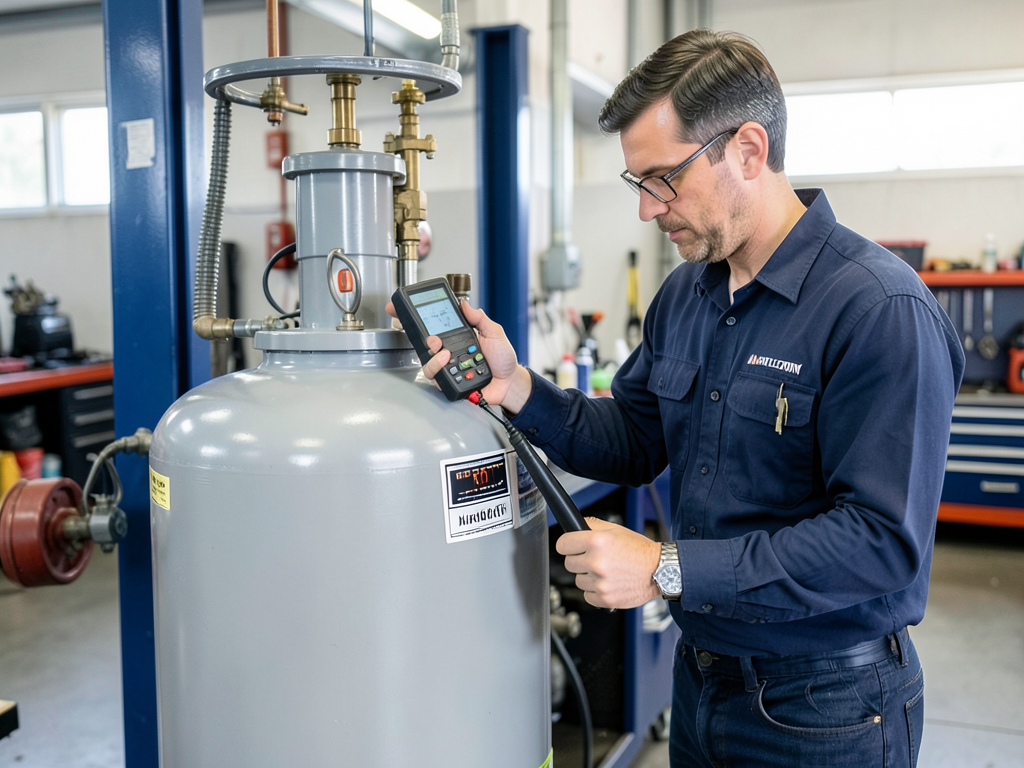
What happens when a well pump or pressure tank leaks in your Mapleton garage When a well pump or pressure…

What happens when a well pump or pressure tank leaks in your Mapleton garage

What happens when a well pump or pressure tank leaks in your Mapleton garage When a well pump or pressure…

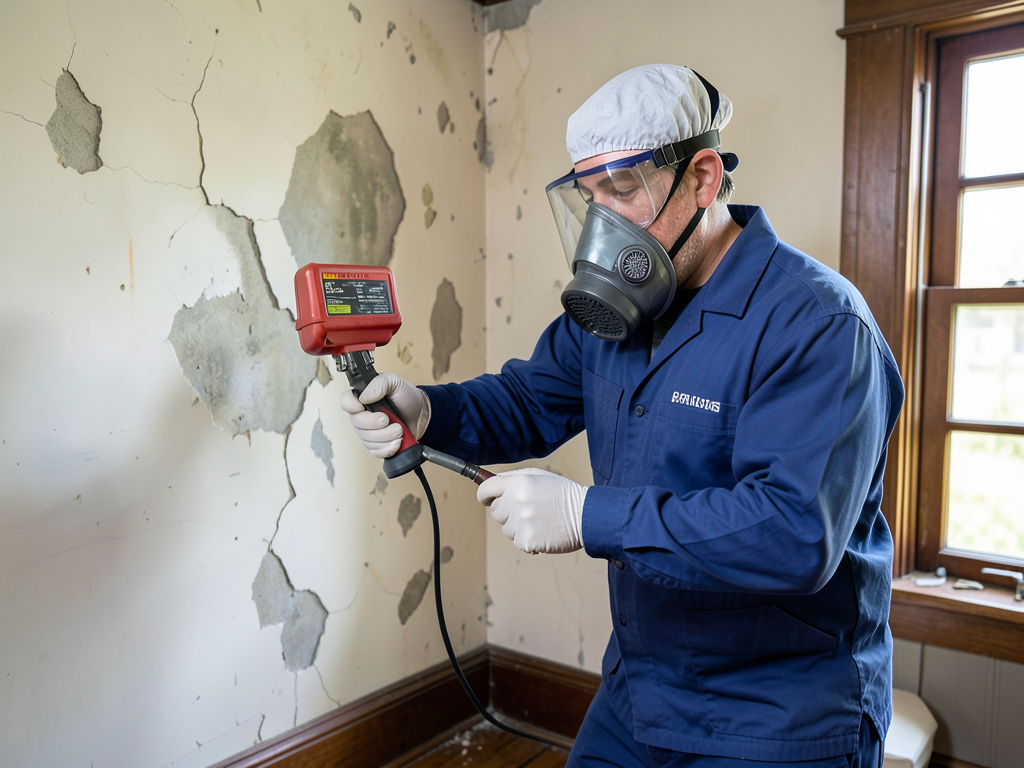
Dealing with lead and asbestos during water damage repairs in older Portland neighborhoods

Dealing with lead and asbestos during water damage repairs in older Portland neighborhoods Portland's historic neighborhoods face unique challenges when…

Why converting your University Park basement into a bedroom requires extra moisture protection

Why converting your University Park basement into a bedroom requires extra moisture protection Portland’s University Park neighborhood, nestled near the…

Contact Us

Sewage backup creates immediate liability exposure and operational disruption. Contact our commercial remediation team at (503) 882-7766 for 24-hour emergency response. We deploy extraction crews within hours and coordinate with your facility management team to minimize downtime and meet Oregon compliance requirements.