


Sherwood sits in the Tualatin River floodplain where seasonal rainfall and high water tables create persistent moisture problems. Homes in Woodhaven and Sherwood Crossing neighborhoods see frequent basement seepage during winter storms when the ground becomes saturated. The area's clay-heavy soil prevents proper drainage, forcing water toward foundation walls instead of percolating downward.
Oregon's wet climate means Sherwood receives 42 inches of rain annually, concentrated between October and March. This extended moisture exposure overwhelms older homes built before modern waterproofing standards. Crawl spaces stay damp for months, creating perfect conditions for mold colonization within 48 hours of water intrusion.
Aging infrastructure compounds these natural challenges. Many homes near Old Sherwood Village have original plumbing from the 1970s and 1980s, with supply lines approaching failure points. Pipe bursts during freezing nights can dump hundreds of gallons into walls before homeowners wake up. The combination of heavy rain, poor drainage, and aging systems makes professional water removal services necessary, not optional, for Sherwood property owners.
Evergreen Water Damage Restoration Portland has served Washington County properties for over a decade, building a reputation on speed and thorough work. Our crews know Sherwood's neighborhoods because we work here constantly. We understand which subdivisions have chronic drainage issues, which areas flood first during heavy rain, and how local construction methods affect drying strategies.
We maintain equipment staging in nearby Tigard, cutting response times to under an hour for most Sherwood addresses. When you call at 2 AM because a pipe burst, we arrive with truck-mounted extractors and commercial dehumidifiers while other companies are still answering their phones. Fast response prevents secondary damage, the expensive kind that develops when water sits for hours soaking into subfloors and insulation.
Our approach focuses on complete moisture removal, not surface drying. We use thermal imaging to find hidden water in wall cavities and moisture meters to verify materials have returned to normal levels before we leave. This thoroughness prevents the mold growth that happens when restoration crews declare victory too early. Insurance companies know our documentation meets their requirements, which means fewer claim disputes and faster approvals.
Every project gets a dedicated supervisor who coordinates with your insurance adjuster, answers questions, and ensures the crew completes work properly. We don't disappear after extraction. Our team monitors drying progress daily, adjusts equipment placement, and validates results with testing equipment. This level of attention separates professional restoration from guys with shop vacs.

Our Tigard equipment staging facility puts professional water extraction crews at Sherwood properties within one hour of your call. We arrive with truck-mounted pumps, industrial air movers, and commercial dehumidifiers ready to deploy. Fast response stops water migration through building materials, preventing the expensive secondary damage that develops when moisture sits overnight.

We use thermal imaging cameras and penetrating moisture meters to find water hiding in wall cavities, under flooring, and inside insulation. Every wet material gets documented and tracked through the drying process. This scientific approach ensures nothing stays damp enough to grow mold, protecting your indoor air quality and preventing future problems.
Our project supervisors communicate directly with your insurance adjuster, providing the documentation and moisture readings they need for claim approval. We photograph damage, create drying logs, and generate reports that meet carrier requirements. This expertise speeds up approvals and reduces the back-and-forth that delays restoration work and extends your displacement.
We have restored hundreds of Sherwood properties and know the area's specific challenges. Our crews understand local construction methods, recognize which neighborhoods have chronic drainage issues, and adapt drying strategies to match the building materials common in different subdivisions. This local knowledge makes restoration faster and more thorough than companies learning your home's characteristics on the fly.
Evergreen Water Damage Restoration Portland handles every aspect of water damage recovery, from initial emergency response through final repairs. Our service range covers sudden catastrophic events like pipe bursts and appliance failures, ongoing moisture problems from poor drainage or roof leaks, and complex situations involving sewage contamination or insurance claims.
We organize our water damage mitigation services around three core capabilities. Emergency water removal stops active flooding and extracts standing water before it spreads. Structural drying addresses moisture trapped in building materials using commercial equipment and scientific monitoring. Restoration and repairs rebuild damaged areas to pre-loss condition after materials dry completely.
This comprehensive approach means one call handles your entire problem. You don't coordinate between emergency crews, drying technicians, and repair contractors. Our team manages every phase, maintaining continuity from first response through final walkthrough. We track moisture levels daily, document progress for insurance purposes, and ensure drying completes before reconstruction begins. This integration prevents the gaps and delays that happen when multiple companies work in sequence without communication.
Our emergency crews respond immediately to active flooding, deploying truck-mounted extractors that remove thousands of gallons per hour. We contain water spread using temporary barriers, extract standing water from all affected areas, and remove saturated contents that cannot be saved. This rapid response minimizes damage scope and prevents water from migrating to unaffected areas. We also handle emergency board-up and roof tarping when needed to stop ongoing water intrusion.
After extraction, our crews deploy industrial air movers and commercial dehumidifiers to remove moisture from building materials. We use moisture meters and thermal imaging to track drying progress, adjusting equipment placement daily to target remaining wet areas. This process typically takes three to five days depending on materials and saturation levels. We verify complete drying with scientific measurements before declaring materials ready for reconstruction, preventing trapped moisture that leads to mold growth.
Once materials reach proper moisture content, our reconstruction crews repair or replace damaged components. We handle drywall replacement, flooring installation, cabinet work, painting, and trim carpentry. This turnkey approach means you deal with one company from emergency through completion, with consistent quality standards and coordinated scheduling. We match existing finishes and materials to restore your property to pre-loss condition, completing projects faster than traditional general contractors.
Sherwood's location in the Tualatin Valley creates specific water damage patterns that repeat across neighborhoods. The area's high water table means basements and crawl spaces stay perpetually vulnerable to seepage, especially during Oregon's wet season from November through April. Clay soil prevents drainage and channels surface water toward foundations instead of allowing percolation.
These geographic factors combine with aging housing stock to create predictable failure points. Many homes in established neighborhoods like Woodhaven and Sunset Creek have original plumbing and appliances approaching end of life. Water heaters installed in the 1990s fail without warning, flooding garages and utility rooms. Supply lines develop pinhole leaks that spray water inside walls for days before occupants notice ceiling stains.
The problems below represent the most frequent water damage scenarios our crews encounter across Sherwood properties. Understanding these common issues helps homeowners recognize warning signs before minor moisture problems become major restoration projects requiring extensive structural drying and reconstruction.
Saturated soil forces groundwater through foundation walls and into crawl spaces during heavy rain periods. Standing water contacts floor joists and insulation, creating mold growth and wood rot. Poor vapor barriers and inadequate drainage systems allow moisture accumulation that persists for months. This chronic dampness compromises structural integrity and creates musty odors that penetrate living spaces above.
Homes built in the 1980s and 1990s have supply lines reaching failure age. Corrosion creates pinhole leaks that spray water inside walls, soaking insulation and drywall before visible damage appears. Sudden pipe bursts during cold snaps flood rooms with hundreds of gallons, requiring immediate extraction and structural drying. Deteriorating washing machine hoses and water heater connections cause similar catastrophic releases.
Sherwood's heavy rainfall exposes weaknesses in aging roof systems. Failed flashing around chimneys and skylights allows water into attic spaces where it soaks insulation and drips onto ceilings below. Wind-driven rain penetrates worn shingles and deteriorated valleys. By the time ceiling stains appear, significant moisture damage has already occurred in framing and insulation requiring professional water damage cleanup.
Dishwasher supply line failures and washing machine overflows dump water onto floors, seeping into subfloors and cabinets. Water heaters reaching end of life develop tank cracks that release entire contents. These appliance failures often happen when homeowners are away, allowing water to spread through multiple rooms before discovery. Rapid response and thorough extraction prevent permanent damage to flooring and cabinetry.
The moments after discovering water damage feel overwhelming. You need help immediately but worry about costs, disruption, and whether contractors will show up when promised. Evergreen Water Damage Restoration Portland removes that uncertainty with a clear process focused on speed, communication, and documented results.
From your first call, you work with experienced professionals who understand that water emergencies cause stress. Our intake team asks specific questions about the water source, affected areas, and immediate safety concerns. We dispatch crews immediately for emergencies while gathering information needed for insurance claims. You receive a firm arrival time, not a vague window, and our crews call when they are 15 minutes out.
The expectations below describe exactly what happens when you hire Evergreen Water Damage Restoration Portland for water damage remediation in Sherwood. We believe transparency reduces anxiety, so you always know what comes next, why specific work is necessary, and when your property will return to normal condition.
When you call (503) 882-7766, you reach a real person who dispatches crews immediately for emergencies. We provide specific arrival times and call ahead when en route. Our team explains findings when they arrive, outlining the work needed and expected timeline. You receive daily updates on drying progress, with moisture readings that show measurable improvement. This constant communication eliminates the anxiety of wondering what's happening or when work will complete.
Our crews photograph damage before starting work, create detailed moisture maps of affected areas, and maintain daily logs tracking equipment placement and readings. This documentation meets insurance carrier requirements and supports your claim with objective evidence. We communicate directly with adjusters when authorized, providing the technical information they need for approval. This expertise prevents claim delays caused by incomplete or improper documentation that forces carriers to request additional proof.
We don't guess when materials are dry. Our technicians use calibrated moisture meters to measure exact water content in drywall, framing, and subfloors. We compare readings to manufacturer specifications for each material type, only removing equipment when measurements confirm complete drying. This scientific approach prevents the mold growth and odor problems that develop when crews declare victory based on surface appearance instead of verified moisture content.
Effective water damage repair follows a specific sequence. Skipping steps or rushing work creates problems that surface weeks later. Our three-phase process ensures thorough moisture removal and proper reconstruction.
Our crew arrives within 60 minutes, assesses damage scope, and identifies the water source. We stop active intrusion when possible, then deploy truck-mounted extractors to remove standing water. Saturated contents are moved to dry areas or removed entirely. We photograph conditions, document affected materials, and create an initial scope of work. This immediate action prevents water migration and limits total damage requiring restoration.
After extraction, we position industrial air movers to create airflow across wet surfaces and place commercial dehumidifiers to remove moisture from the air. Technicians take moisture readings twice daily, adjusting equipment placement to target remaining wet areas. We use thermal imaging to verify drying behind walls and in concealed spaces. This phase continues until moisture meters confirm all building materials have returned to normal levels, typically three to five days.
Once drying completes, our reconstruction crews repair or replace damaged materials. We handle drywall installation, flooring replacement, cabinet work, and finish painting. Materials are matched to existing finishes so repairs blend seamlessly. Final walkthrough ensures work meets quality standards and addresses any concerns. You receive documentation showing moisture readings before reconstruction began, proving materials were properly dried before rebuild.
Professional water damage restoration follows specific protocols established by the Institute of Inspection, Cleaning and Restoration Certification. These standards define proper procedures for different water categories, required drying times for various building materials, and acceptable final moisture content levels. Understanding these technical requirements helps homeowners recognize thorough work versus shortcuts that create future problems.
Water is classified into three categories based on contamination level. Category 1 is clean water from supply lines or rain. Category 2 contains some contamination from washing machines or dishwashers. Category 3 involves sewage or flood water carrying dangerous bacteria. Each category requires different handling procedures and safety equipment. Crews must use proper protective gear for Category 2 and 3 water to prevent illness.
Structural drying success depends on controlling four environmental factors: temperature, humidity, airflow, and time. Commercial dehumidifiers remove moisture from air while air movers create circulation that promotes evaporation from wet materials. The combination must run continuously for materials to dry properly. Turning equipment off at night or removing it too early leaves residual moisture that supports mold growth.
Oregon requires water damage restoration companies to follow state building codes when reconstruction involves structural changes or electrical work. Permits are necessary for significant repairs, ensuring work meets safety standards. Professional companies understand these requirements and handle permit applications, saving homeowners from code violations that complicate insurance claims or future property sales.
Documentation requirements have increased as insurance carriers demand proof of proper mitigation. Daily moisture logs showing progressive drying validate that work followed industry standards. Final readings below 15 percent moisture content for wood framing and 5 percent for concrete prove materials dried completely before reconstruction. This data protects homeowners if mold appears later, demonstrating restoration was performed correctly.
The IICRC defines three water categories requiring different handling procedures. Category 1 clean water needs standard extraction and drying. Category 2 gray water requires antimicrobial treatment. Category 3 black water demands complete removal of porous materials and thorough disinfection. Proper classification determines equipment needs, safety protocols, and disposal requirements. Misidentifying water category leads to inadequate treatment and health hazards.
Water damage restoration costs depend on affected area size, water category, saturation depth, and materials involved. Carpet drying costs less than hardwood floor restoration. Category 3 sewage cleanup requires disposal of porous materials that Category 1 projects can save. Structural drying time affects equipment rental duration and labor costs. Hidden damage behind walls increases scope once inspection reveals full extent.
Building materials require specific drying times based on density and saturation level. Drywall typically dries in three days with proper airflow. Dense materials like hardwood flooring need five to seven days. Wood framing must reach below 15 percent moisture content before reconstruction. Concrete should measure under 5 percent. Removing equipment before materials hit these targets guarantees mold growth and material failure within weeks.
Oregon requires permits for water damage repairs involving structural changes, electrical work, or plumbing modifications. Washington County inspectors verify work meets state building codes before approving final completion. Professional restoration companies handle permit applications and coordinate inspections. Skipping permits creates code violations that block insurance payouts and complicate property sales. Proper permitting protects homeowners from liability and ensures safe repairs.
This video explains professional water damage restoration procedures for Sherwood, Oregon properties. Topics include IICRC water damage categories, proper structural drying timelines, moisture measurement standards, and why Sherwood's geography creates unique water intrusion risks. Evergreen Water Damage Restoration Portland demonstrates emergency extraction techniques, commercial drying equipment deployment, and documentation requirements for insurance claims. Viewers learn what to expect during water damage cleanup and how to identify thorough restoration work.
Evergreen Water Damage Restoration Portland serves all Sherwood neighborhoods, from established areas near Old Sherwood Village to newer developments like Sherwood Crossing and Woodhaven. We respond throughout the Tualatin River corridor where properties face elevated flood risk during winter storms. Our crews know the area's geography because we work here constantly, responding to water emergencies across every part of the city.
The Woodhaven neighborhood sees frequent crawl space flooding due to high water tables and clay soil that prevents drainage. Homes along Tualatin-Sherwood Road experience basement seepage when ground saturation peaks between December and February. Properties near Stella Olsen Park face unique challenges from mature trees whose root systems infiltrate aging sewer lines, causing backups that flood basements with contaminated water requiring Category 3 cleanup.
Newer subdivisions around Sherwood Crossing and Cedar Creek have different water damage patterns. These homes feature modern construction but face risks from construction defects and warranty-period plumbing failures. We handle emergency response when new appliances malfunction or defective supply lines fail, protecting homeowners from extensive damage while builders determine liability. Our documentation supports warranty claims and insurance coordination.
The area near Sunset Boulevard toward Tualatin includes a mix of housing ages and styles. Ranch homes from the 1970s have original plumbing approaching failure while newer construction deals with modern fixtures that develop leaks. Our equipment staging in Tigard puts crews at any Sherwood address within an hour, whether you live near Highway 99W or in subdivisions off Edy Road.
We also serve surrounding Washington County communities including Tualatin, Tigard, King City, and Durham. Properties along the Tualatin River basin share similar water damage risks, and our regional presence ensures consistent response times across the entire service area. Distance from our facility doesn't affect service quality because we maintain full equipment inventories that deploy with every crew.
Understanding local geography helps our teams work efficiently. We know which areas lose power during storms, affecting sump pump operation and allowing basement flooding. We recognize neighborhoods built on filled wetlands where foundation settlement creates drainage problems. This intimate knowledge of Sherwood's built environment and natural features makes water damage mitigation faster and more thorough.
Water damage restoration costs in Sherwood typically range based on severity and affected area size. Minor leaks affecting one room cost less than major flooding across multiple levels. Factors include water category (clean, gray, or black water), extraction needs, drywall replacement, and structural drying time. Oregon's higher moisture levels can extend drying periods, affecting labor costs. Most projects include inspection, water removal, dehumidification, antimicrobial treatment, and repairs. Insurance often covers sudden damage like burst pipes. Get a written estimate that breaks down each phase so you understand what you're paying for.
Yes. Professional restoration prevents compounding problems that cost far more later. Unaddressed water damage in Sherwood homes leads to mold growth within 24 to 48 hours due to our humid climate. Structural wood rot, foundation issues, and compromised electrical systems follow. Insurance companies may deny claims if you delay mitigation, viewing it as neglect. DIY attempts miss hidden moisture in wall cavities and subfloors, creating long-term health hazards. Professional equipment like thermal imaging cameras and industrial dehumidifiers detect and eliminate moisture you cannot see. The upfront investment protects your property value and family health.
Yes, if addressed quickly. Surface moisture on hardwood floors or trim can be dried and refinished. Structural wood like studs and joists require assessment. If water exposure was brief and the wood hasn't warped, swelled, or developed rot, drying and treatment work. Oregon's douglas fir framing absorbs moisture faster than other species, so timing matters. Technicians use moisture meters to check internal saturation levels. Wood reading above 20 percent moisture content needs professional drying. Severe cases with black water contamination or visible rot require replacement. Quick action within 24 hours gives wood the best survival odds.
Water damage restoration costs in Sherwood typically range based on severity and affected area size. Minor leaks affecting one room cost less than major flooding across multiple levels. Factors include water category (clean, gray, or black water), extraction needs, drywall replacement, and structural drying time. Oregon's higher moisture levels can extend drying periods, affecting labor costs. Most projects include inspection, water removal, dehumidification, antimicrobial treatment, and repairs. Insurance often covers sudden damage like burst pipes. Get a written estimate that breaks down each phase so you understand what you're paying for.
Yes. Professional restoration prevents compounding problems that cost far more later. Unaddressed water damage in Sherwood homes leads to mold growth within 24 to 48 hours due to our humid climate. Structural wood rot, foundation issues, and compromised electrical systems follow. Insurance companies may deny claims if you delay mitigation, viewing it as neglect. DIY attempts miss hidden moisture in wall cavities and subfloors, creating long-term health hazards. Professional equipment like thermal imaging cameras and industrial dehumidifiers detect and eliminate moisture you cannot see. The upfront investment protects your property value and family health.
Yes, if addressed quickly. Surface moisture on hardwood floors or trim can be dried and refinished. Structural wood like studs and joists require assessment. If water exposure was brief and the wood hasn't warped, swelled, or developed rot, drying and treatment work. Oregon's douglas fir framing absorbs moisture faster than other species, so timing matters. Technicians use moisture meters to check internal saturation levels. Wood reading above 20 percent moisture content needs professional drying. Severe cases with black water contamination or visible rot require replacement. Quick action within 24 hours gives wood the best survival odds.
Floor water damage repair in Sherwood depends on flooring type and saturation depth. Hardwood refinishing after drying costs less than full replacement. Laminate and engineered wood rarely survive water exposure and need replacement. Subfloor damage adds cost since it requires removal of finished flooring first. Concrete slab moisture issues need specialty drying equipment. Tile floors may survive, but grout and underlayment often need work. Insurance adjusters evaluate whether restoration or replacement makes financial sense. Get documentation with moisture readings before any work starts to support your claim and ensure the substrate is dry enough for new materials.
Standard homeowner policies cover sudden and accidental water damage like burst pipes, appliance malfunctions, and roof leaks from storm damage. Insurance does not cover gradual damage from neglected maintenance or flooding (you need separate flood insurance for that). In Sherwood, winter freeze damage and seasonal rain intrusion are common claims. Your policy pays for mitigation, drying, and repairs minus your deductible. Document everything with photos and keep all receipts. Most insurers require immediate action to prevent further damage. Delays can result in claim denial. Review your policy's water damage exclusions and consider adding sewer backup coverage.
Response time varies by location and current workload. National franchises like Servpro typically arrive within hours for emergencies. Complete restoration takes three to five days for minor damage, one to two weeks for major flooding. Sherwood has multiple restoration companies, so you have options. Local firms often respond faster since they serve smaller territories. Drying time depends on materials affected and equipment used. Do not wait for any single company if you have active water intrusion. The first 24 hours determine whether you face minor repairs or major reconstruction. Call multiple providers and choose whoever can start immediately.
The average water damage claim in the United States falls between several thousand dollars, but Sherwood claims vary widely. A toilet overflow affecting one bathroom costs less than a water heater failure flooding a finished basement. Oregon's higher construction costs and moisture-related complications can push claims higher. Insurance adjusters consider water category, square footage affected, and necessary demolition. Claims involving black water or mold remediation cost more. Your actual claim depends on your coverage limits, deductible, and policy exclusions. Keep detailed records and get independent estimates if the adjuster's assessment seems low. Document everything before cleanup starts.
Mold spores begin colonizing within 24 to 48 hours in wet conditions. Sherwood's climate accelerates this timeline due to ambient humidity. Porous materials like drywall, insulation, and carpet grow mold fastest. You may not see visible growth immediately, but microscopic colonization starts quickly. Temperature between 60 and 80 degrees (typical indoor conditions) promotes rapid spore germination. By 72 hours, mold becomes established and requires professional remediation. This is why immediate water extraction and dehumidification matter. Waiting even two days turns a straightforward drying job into a mold remediation project, increasing costs and health risks significantly.
Address it immediately before health problems worsen and costs escalate. Some restoration companies offer payment plans or work directly with insurance to reduce upfront costs. If insurance does not cover it, get multiple quotes. Small isolated areas under 10 square feet can sometimes be cleaned with proper safety equipment and EPA-registered fungicides, but this risks incomplete removal. Community health departments sometimes offer resources or low-cost inspections. Do not ignore mold. It damages your home's structure and causes respiratory issues. Sherwood's moisture levels mean mold spreads fast. Prioritize containment and source moisture elimination even if full remediation gets phased over time.
Wood can stay wet 24 to 48 hours before mold takes hold, but damage begins immediately. Oregon's humidity shortens this window. Structural lumber starts swelling and losing integrity within hours. Surface mold appears by day three, but hidden mold in wall cavities starts sooner. Untreated lumber is most vulnerable. Pressure-treated or sealed wood resists slightly longer but not indefinitely. This tight timeline is why you need industrial fans and dehumidifiers running within hours of water intrusion. Moisture meters confirm when wood returns to safe levels (below 20 percent). Do not rely on air-drying alone in Sherwood's climate.
Floor water damage repair in Sherwood depends on flooring type and saturation depth. Hardwood refinishing after drying costs less than full replacement. Laminate and engineered wood rarely survive water exposure and need replacement. Subfloor damage adds cost since it requires removal of finished flooring first. Concrete slab moisture issues need specialty drying equipment. Tile floors may survive, but grout and underlayment often need work. Insurance adjusters evaluate whether restoration or replacement makes financial sense. Get documentation with moisture readings before any work starts to support your claim and ensure the substrate is dry enough for new materials.
Standard homeowner policies cover sudden and accidental water damage like burst pipes, appliance malfunctions, and roof leaks from storm damage. Insurance does not cover gradual damage from neglected maintenance or flooding (you need separate flood insurance for that). In Sherwood, winter freeze damage and seasonal rain intrusion are common claims. Your policy pays for mitigation, drying, and repairs minus your deductible. Document everything with photos and keep all receipts. Most insurers require immediate action to prevent further damage. Delays can result in claim denial. Review your policy's water damage exclusions and consider adding sewer backup coverage.
Response time varies by location and current workload. National franchises like Servpro typically arrive within hours for emergencies. Complete restoration takes three to five days for minor damage, one to two weeks for major flooding. Sherwood has multiple restoration companies, so you have options. Local firms often respond faster since they serve smaller territories. Drying time depends on materials affected and equipment used. Do not wait for any single company if you have active water intrusion. The first 24 hours determine whether you face minor repairs or major reconstruction. Call multiple providers and choose whoever can start immediately.
The average water damage claim in the United States falls between several thousand dollars, but Sherwood claims vary widely. A toilet overflow affecting one bathroom costs less than a water heater failure flooding a finished basement. Oregon's higher construction costs and moisture-related complications can push claims higher. Insurance adjusters consider water category, square footage affected, and necessary demolition. Claims involving black water or mold remediation cost more. Your actual claim depends on your coverage limits, deductible, and policy exclusions. Keep detailed records and get independent estimates if the adjuster's assessment seems low. Document everything before cleanup starts.
Mold spores begin colonizing within 24 to 48 hours in wet conditions. Sherwood's climate accelerates this timeline due to ambient humidity. Porous materials like drywall, insulation, and carpet grow mold fastest. You may not see visible growth immediately, but microscopic colonization starts quickly. Temperature between 60 and 80 degrees (typical indoor conditions) promotes rapid spore germination. By 72 hours, mold becomes established and requires professional remediation. This is why immediate water extraction and dehumidification matter. Waiting even two days turns a straightforward drying job into a mold remediation project, increasing costs and health risks significantly.
Address it immediately before health problems worsen and costs escalate. Some restoration companies offer payment plans or work directly with insurance to reduce upfront costs. If insurance does not cover it, get multiple quotes. Small isolated areas under 10 square feet can sometimes be cleaned with proper safety equipment and EPA-registered fungicides, but this risks incomplete removal. Community health departments sometimes offer resources or low-cost inspections. Do not ignore mold. It damages your home's structure and causes respiratory issues. Sherwood's moisture levels mean mold spreads fast. Prioritize containment and source moisture elimination even if full remediation gets phased over time.
Wood can stay wet 24 to 48 hours before mold takes hold, but damage begins immediately. Oregon's humidity shortens this window. Structural lumber starts swelling and losing integrity within hours. Surface mold appears by day three, but hidden mold in wall cavities starts sooner. Untreated lumber is most vulnerable. Pressure-treated or sealed wood resists slightly longer but not indefinitely. This tight timeline is why you need industrial fans and dehumidifiers running within hours of water intrusion. Moisture meters confirm when wood returns to safe levels (below 20 percent). Do not rely on air-drying alone in Sherwood's climate.
Evergreen Water Damage Restoration proudly serves Portland and the surrounding areas, providing rapid and reliable water damage solutions whenever you need us. While our physical office is located conveniently for local operations, our dedicated teams are mobile and ready to deploy across the region. View our service area on the map to understand our reach, or simply call us to confirm if we cover your specific location. We are committed to extending our expert services to every community in need.
Address:
Sherwood, OR, 97140
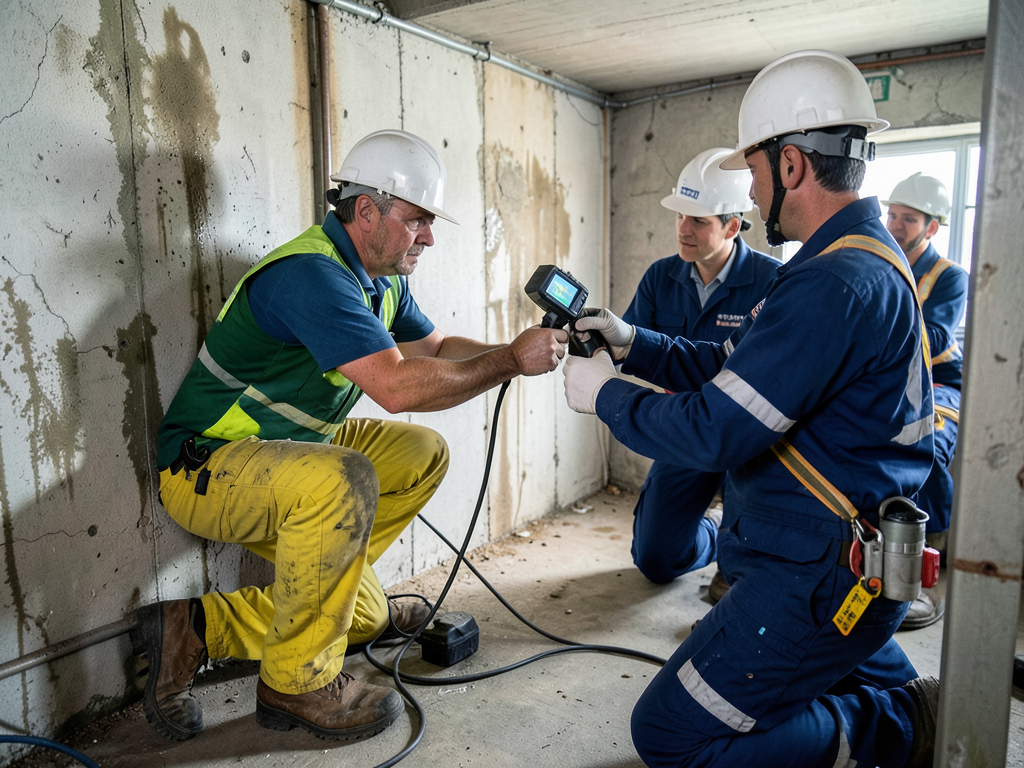
How an atmospheric river affects Portland basement flooding and what you should do When an atmospheric river hits Portland it brings more than heavy rain. These massive bands of moisture from the Pacific can dump…
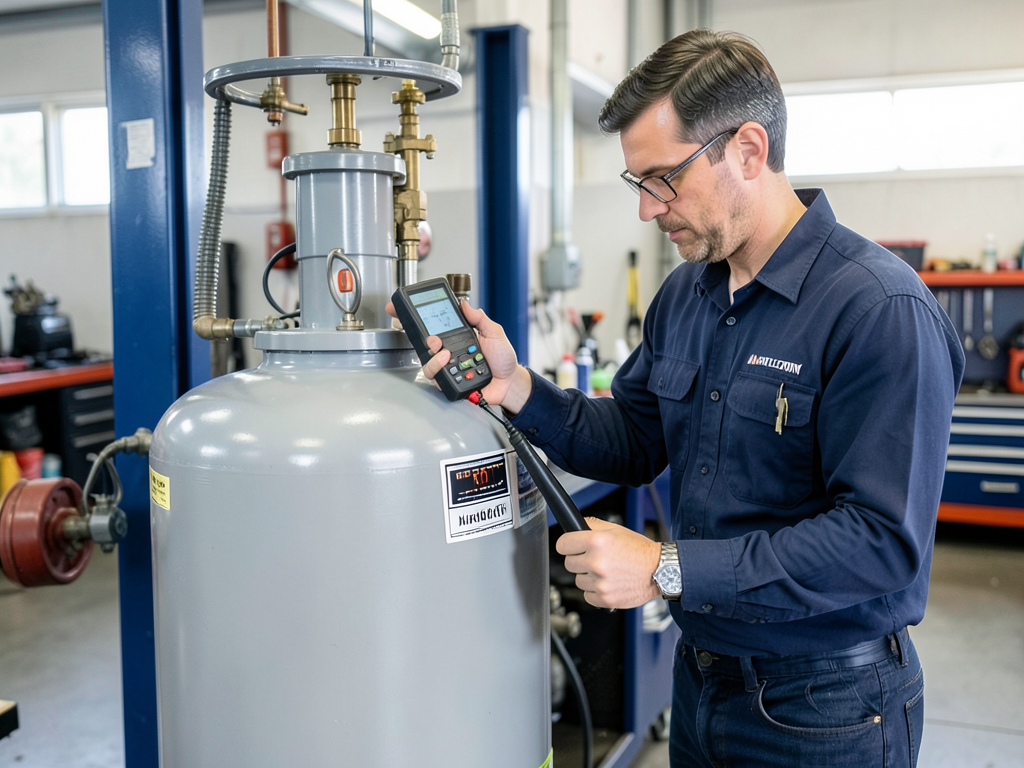
What happens when a well pump or pressure tank leaks in your Mapleton garage When…
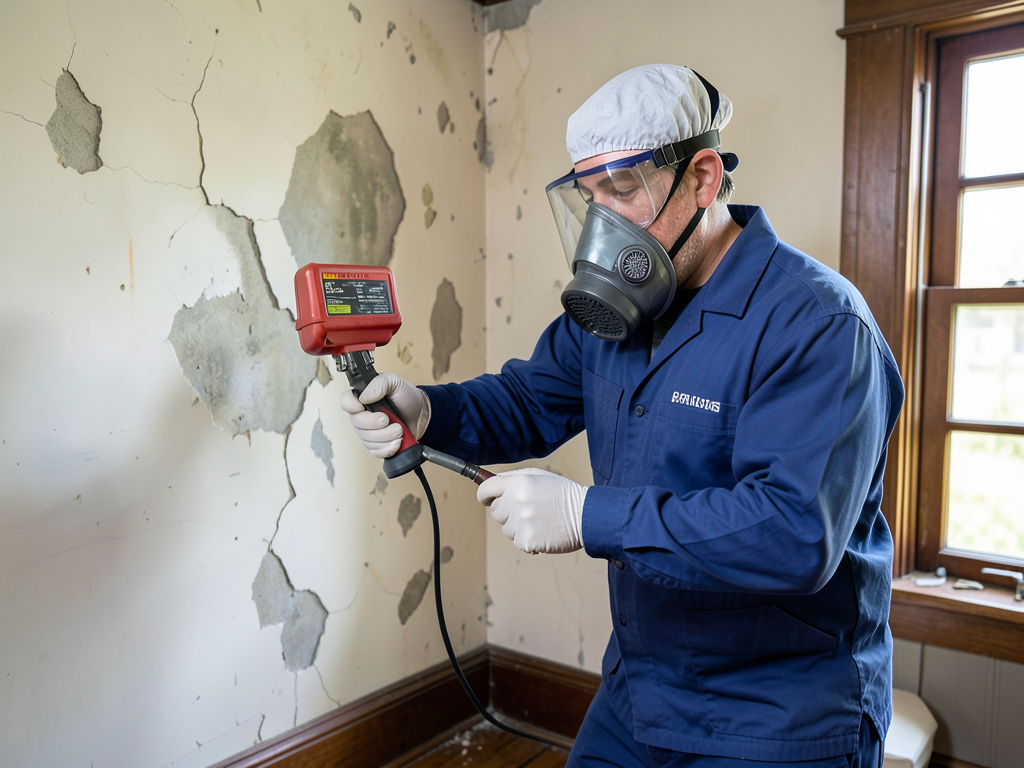
Dealing with lead and asbestos during water damage repairs in older Portland neighborhoods Portland's historic…
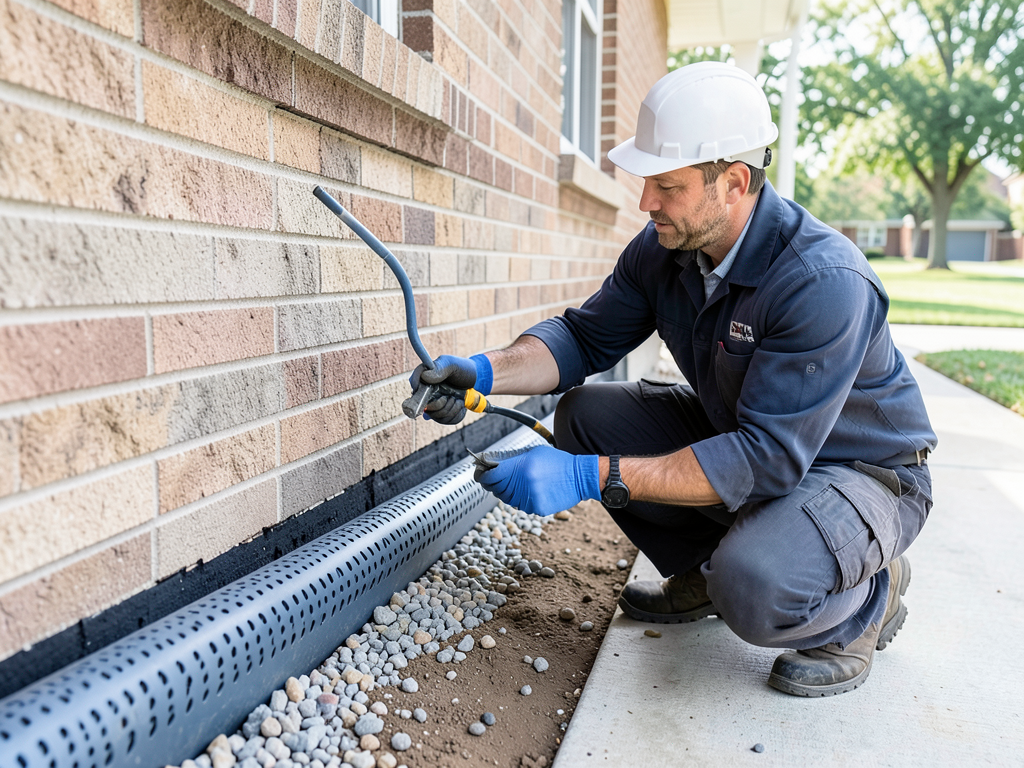
Why converting your University Park basement into a bedroom requires extra moisture protection Portland’s University…
Water damage gets worse every hour. Call Evergreen Water Damage Restoration Portland now at (503) 882-7766 for emergency response. Our crews are standing by 24/7 with equipment ready to deploy. Stop the damage before it spreads.