Menu

Black Mold Symptoms in Portland – Expert Detection Stops Health Risks Fast

Persistent coughing, headaches, and skin irritation are warning signs of black mold exposure in your Portland home. Our certified remediation team identifies stachybotrys chartarum symptoms within hours and eliminates toxic mold health risks at the source.

Slider Image 1
Slider Image 2
Slider Image 3
Slider Image 4
Slider Image 5
Slider Image 7
Slider Image 8
Slider Image 9
Slider Image 10
Slider Image 11

Portland's Rain Creates Perfect Conditions for Toxic Mold

Portland receives over 42 inches of rain annually, and that moisture does not just sit on your roof. It seeps into crawl spaces, attics, and wall cavities, creating hidden breeding grounds for stachybotrys chartarum. You might notice a musty smell in your basement or dark spots near windows, but the real danger hides behind drywall and under flooring.

Signs of black mold exposure often appear gradually. You wake up with a scratchy throat that will not quit. Your kids develop persistent coughs that doctors cannot explain. Headaches become routine. Skin rashes flare up without cause. These are not allergies. These are toxic mold health effects triggered by spores you cannot see.

The Pacific Northwest climate keeps humidity levels high year-round. When water damage occurs from a burst pipe, roof leak, or foundation seepage, mold colonies establish within 24 to 48 hours. By the time you spot visible growth, the infestation has already spread through porous materials like drywall, insulation, and subflooring.

Black mold poisoning symptoms mimic common illnesses, which is why many Portland residents ignore them. Fatigue, respiratory distress, and cognitive fog can drag on for months while the mold colony expands. The health risks escalate when children, elderly family members, or anyone with compromised immune systems breathe contaminated air daily. You need professional detection and remediation, not surface cleaning and hope.

Portland's Rain Creates Perfect Conditions for Toxic Mold
How We Identify and Remove Toxic Mold Safely

How We Identify and Remove Toxic Mold Safely

Evergreen Water Damage Restoration Portland uses thermal imaging and moisture meters to locate hidden water intrusion points that feed mold growth. We do not guess. We map the exact areas where humidity levels exceed safe thresholds, then trace the contamination back to its source.

Our team establishes negative air pressure containment zones before disturbing any mold colonies. This prevents cross-contamination to unaffected rooms during removal. We use HEPA filtration systems rated to capture particles as small as 0.3 microns, which includes mold spores and mycotoxins released during remediation.

All contaminated materials are removed following IICRC S520 standards. Drywall, insulation, and carpeting that cannot be salvaged are bagged, sealed, and disposed of properly. We then treat structural elements like studs and joists with antimicrobial solutions that kill remaining spores and prevent regrowth.

After removal, we address the moisture problem that caused the outbreak. This might involve repairing foundation cracks, improving crawl space ventilation, or replacing damaged flashing around chimneys and skylights. Mold returns if the water source remains.

We verify remediation success through post-clearance air sampling. Independent labs analyze samples to confirm spore counts return to normal background levels. You receive documentation that proves your indoor environment is safe, which matters if you plan to sell your property or need proof for insurance claims. Surface cleaning and bleach do not eliminate black mold health risks. Professional remediation does.

What Happens During Mold Detection and Remediation

Black Mold Symptoms in Portland – Expert Detection Stops Health Risks Fast
01

Initial Health and Property Assessment

We document your symptoms and inspect areas where moisture accumulates. Thermal cameras detect temperature variations behind walls that indicate hidden water damage. Moisture meters measure humidity levels in building materials. We collect air samples if you report respiratory symptoms or notice musty odors without visible mold. This diagnostic phase takes 60 to 90 minutes and identifies contamination you cannot see with bare eyes.
02

Containment and Safe Removal

We seal off affected areas with polyethylene sheeting and create negative air pressure to prevent spore migration. HEPA air scrubbers run continuously during removal. Contaminated materials are bagged and removed through exterior access points when possible. We treat all surfaces with EPA-registered antimicrobial agents. This phase varies based on contamination extent but typically requires one to three days for residential properties.
03

Verification and Prevention

After remediation, we conduct clearance testing to verify spore counts return to safe levels. Independent lab results confirm your home is habitable. We provide a detailed report outlining the moisture source, repairs completed, and prevention recommendations. You receive documentation that satisfies insurance requirements and protects your property value. We also identify ventilation improvements or drainage solutions that prevent future outbreaks in Portland's wet climate.

Why Portland Homeowners Trust Local Mold Experts

Evergreen Water Damage Restoration Portland understands how this region's weather patterns create mold conditions that differ from drier climates. We know which neighborhoods experience chronic foundation seepage due to clay soil, which older homes in areas like Laurelhurst and Irvington have outdated vapor barriers, and how the Willamette River's proximity affects humidity in Sellwood-Moreland.

Generic mold removal companies follow checklists without understanding local building codes or the specific mold species common to the Pacific Northwest. We tailor remediation strategies to Portland's construction styles, from post-war bungalows with minimal crawl space ventilation to newer builds with improperly installed rain screens.

Our technicians recognize when mold growth stems from Portland's unique challenges like moss-covered roofs that trap moisture, improperly graded yards that direct runoff toward foundations, or aging sewer laterals that leak behind walls. We do not just remove mold. We solve the underlying moisture problems that standard remediation misses.

You also need a local team that responds quickly. Mold colonies double in size every 24 to 48 hours under optimal conditions. When you call our Portland location, we dispatch crews directly from the metro area, not from regional hubs hours away. Fast response limits contamination spread and reduces remediation costs.

We work directly with Oregon insurance adjusters who understand state regulations and coverage limitations. You get accurate documentation that supports your claim without the back-and-forth delays that out-of-state companies create. Local expertise means faster approvals and fewer disputes over covered repairs.

What to Expect During Professional Mold Remediation

Rapid Response Availability

We dispatch assessment teams within four hours of your call during business hours and within six hours for after-hours emergencies. Initial inspections take 60 to 90 minutes. If lab testing is required, you receive results within 48 to 72 hours. Containment and removal begin immediately after approval. Most residential projects finish within three to five days depending on contamination extent. We prioritize occupied homes with children or residents experiencing respiratory symptoms. You do not wait weeks for scheduling. Portland's mold problems demand immediate action.

Comprehensive Mold Testing

Our assessment includes visual inspection, moisture mapping, and air quality sampling. We use borescopes to examine inside wall cavities without unnecessary demolition. Thermal imaging identifies hidden water damage behind tile, under flooring, and above ceilings. Air samples capture spore counts in affected rooms and control areas for comparison. Surface samples identify specific mold species when health symptoms are severe. You receive a written report detailing contamination locations, moisture sources, and recommended remediation scope before any work begins.

Complete Contamination Removal

We remove all porous materials colonized by mold, including drywall, insulation, carpeting, and ceiling tiles. Non-porous surfaces like studs, joists, and concrete are treated with antimicrobial solutions and sealed. HEPA vacuuming removes settled spores from all surfaces. Air scrubbers run continuously during and after removal to capture airborne particles. We do not paint over mold or use ozone treatments that mask odors without eliminating contamination. You get verifiable removal that protects your family's health and your property value long-term.

Post-Remediation Verification

Clearance testing confirms spore counts return to normal background levels after remediation. Independent labs analyze final air samples to verify your home is safe for reoccupancy. You receive a detailed report with lab results, photos documenting all work completed, and a scope of moisture repairs performed. This documentation satisfies insurance requirements and provides proof of professional remediation if you sell your property. We also provide maintenance recommendations specific to Portland's climate to prevent future mold growth.

Frequently Asked Questions

You Have Questions,
We Have Answers

How long does it take to recover from mold toxicity? +

Recovery time from mold toxicity varies widely. Mild exposure symptoms can resolve in days to weeks after removing yourself from the contaminated environment. Severe cases may take months or longer, especially if you have chronic respiratory issues or immune problems. Recovery depends on exposure duration, mold type, and your overall health. In Portland's damp climate, ongoing exposure is common in older homes with poor ventilation. You must eliminate the source completely. Work with your doctor on symptom management while a certified mold remediation specialist addresses the contamination. Recovery cannot begin until the environment is clean.

How do you tell if you have mold sickness? +

Mold sickness presents with persistent respiratory symptoms like coughing, wheezing, and nasal congestion that worsen at home. You may experience headaches, fatigue, skin rashes, or eye irritation. Symptoms improve when you leave the house and return when you come back. Portland residents often mistake mold symptoms for seasonal allergies due to our wet climate. Look for visible mold growth, musty odors, or water damage in your home. If symptoms persist beyond typical cold duration or align with time spent indoors, consider professional mold testing. Document when symptoms occur to identify patterns linking them to specific rooms or weather conditions.

How to get rid of black mold in a house? +

Black mold removal requires professional remediation. Do not attempt DIY removal on areas larger than 10 square feet. Professionals contain the area, use HEPA filtration, remove contaminated materials, and treat surfaces with antimicrobial solutions. Portland's high moisture levels mean the underlying cause like leaks, condensation, or poor ventilation must be fixed permanently. Small surface mold on non-porous materials can be cleaned with detergent and water, but if mold returns quickly, you have a deeper moisture problem. Never paint over mold or use bleach on porous surfaces. Address the water source first or mold will return.

How to test for black mold exposure? +

Professional mold testing identifies species and concentration levels in your Portland home. Air sampling captures airborne spores, while surface sampling tests visible growth. Indoor air quality tests compare indoor spore counts to outdoor baseline levels. For personal exposure testing, doctors can order blood tests for mold antibodies or mycotoxin levels, though these tests are controversial in medical communities. Urine mycotoxin tests are available but not universally accepted. If you suspect exposure, document symptoms and timing. Professional environmental testing of your home provides more actionable data than personal medical tests. Focus on finding and removing the source.

How to flush mold out of your system? +

Your body naturally eliminates mold toxins through liver and kidney function. Support detoxification by drinking plenty of water, eating antioxidant-rich foods, and maintaining regular bowel movements. Some practitioners recommend binders like activated charcoal or bentonite clay, though evidence is limited. Sweating through exercise or sauna use may help eliminate toxins. Focus on removing yourself from the contaminated environment first. In Portland's moisture-rich climate, ensure your living space is mold-free before attempting detox protocols. Consult a physician familiar with environmental illness. No supplement can compensate for ongoing exposure. Source removal is mandatory for recovery.

What happens if you breathe in black mold? +

Breathing black mold spores triggers immune responses in most people. Healthy individuals may experience minor irritation, coughing, or congestion. Those with asthma, allergies, or compromised immune systems face more severe reactions including respiratory infections, chronic sinusitis, or asthma attacks. Prolonged exposure can lead to hypersensitivity pneumonitis or chronic inflammatory response syndrome. Portland's persistent dampness increases exposure risk in poorly ventilated homes. Symptoms range from immediate allergic reactions to delayed systemic responses. If you discover black mold, limit exposure immediately. Vulnerable populations including children, elderly, and immunocompromised individuals should leave the property until professional remediation is complete.

What are the 10 warning signs of mold toxicity? +

Ten common mold toxicity warning signs include chronic fatigue that sleep does not resolve, brain fog and memory problems, persistent headaches, respiratory issues like coughing or wheezing, sinus congestion, skin rashes or irritation, joint pain without injury, digestive problems, mood changes including anxiety or depression, and sensitivity to light or sound. Portland residents often experience worsening symptoms during fall and winter when homes are sealed tight. Symptoms typically improve away from the contaminated environment. If you experience multiple symptoms that align with time spent at home, inspect for water damage, visible mold, or musty odors. Professional testing confirms suspicions.

Can air purifiers remove mold spores? +

Air purifiers with true HEPA filters can capture airborne mold spores but cannot eliminate the mold source. HEPA filtration removes 99.97 percent of particles 0.3 microns or larger, which includes most mold spores. However, purifiers do not address mold growing in walls, under floors, or in HVAC systems. In Portland's damp climate, air purifiers provide symptom relief but are not a solution. They help reduce airborne spore counts after professional remediation. Place purifiers in bedrooms or main living areas. Change filters regularly. Do not rely on purifiers as your only defense. You must find and eliminate the moisture source feeding mold growth.

Can doctors run tests for mold exposure? +

Doctors can order several tests for mold exposure, though interpretation remains debated. Blood tests measure mold-specific antibodies (IgE, IgG) indicating immune response. Urine mycotoxin tests detect mold toxins but lack standardized reference ranges. Some physicians order skin prick tests for mold allergies. Complete blood counts may show elevated eosinophils. No single definitive test exists for mold toxicity. Many conventional doctors dismiss mold illness, while functional medicine practitioners may overdiagnose. Focus discussions on documented symptoms and known home exposure. Environmental testing of your Portland home provides clearer evidence than personal medical tests. Symptom correlation with location is often most diagnostic.

What kills mold permanently? +

Nothing kills mold permanently if moisture remains. Mold needs water to grow. Professional remediation removes contaminated materials, treats surfaces with antimicrobial solutions, and addresses moisture sources. Concrobium, hydrogen peroxide, and specialized fungicides kill surface mold on non-porous materials. Porous materials like drywall, insulation, and carpet usually require removal. Portland's climate demands aggressive moisture control through proper ventilation, dehumidification, and leak repairs. Fix roof leaks, improve drainage, seal crawl spaces, and ventilate bathrooms. Mold will return within days if humidity exceeds 60 percent. Permanent elimination requires both treatment and environmental control. Address the water problem or face recurring growth.

Why Portland's Wet Winters Make Black Mold Detection Critical

Portland's extended rainy season from October through May keeps indoor humidity elevated for months. Homes built before 1980 often lack proper vapor barriers in crawl spaces, and many properties in areas like Southeast Portland sit on poorly draining clay soil. Water accumulates under floors and inside walls where you cannot see it. Stachybotrys chartarum thrives in these dark, damp environments. By the time visible growth appears, the colony has been releasing spores into your living space for weeks. Professional detection with moisture meters and thermal imaging locates hidden contamination before health symptoms become severe.

Evergreen Water Damage Restoration Portland has remediated mold in thousands of local homes across Multnomah County. We understand Oregon building codes, work directly with Portland-area insurance adjusters, and know which moisture problems are common to specific neighborhoods. Our technicians live and work in this community. We respond from local dispatch, not regional call centers. When you need fast, reliable mold remediation that addresses Portland's unique climate challenges, you need a team that knows this city inside and out. Local expertise matters when your family's health is at risk.
Water Damage Restoration Services in The Portland Area

Evergreen Water Damage Restoration proudly serves Portland and the surrounding areas, providing rapid and reliable water damage solutions whenever you need us. While our physical office is located conveniently for local operations, our dedicated teams are mobile and ready to deploy across the region. View our service area on the map to understand our reach, or simply call us to confirm if we cover your specific location. We are committed to extending our expert services to every community in need.

Address:
Evergreen Water Damage Restoration Portland, 239 NW 13th Ave, Portland, OR, 97209

Additional Services We Offer

Our news updates

Latest Articles & News from The Blogs

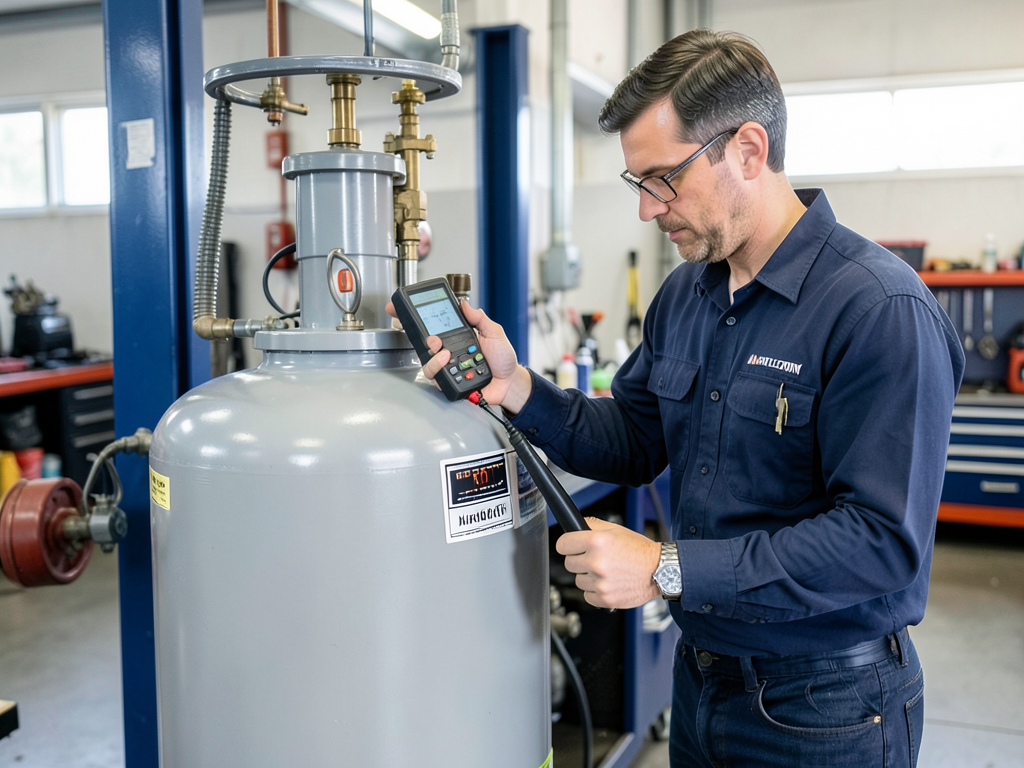
What happens when a well pump or pressure tank leaks in your Mapleton garage When a well pump or pressure…

What happens when a well pump or pressure tank leaks in your Mapleton garage

What happens when a well pump or pressure tank leaks in your Mapleton garage When a well pump or pressure…

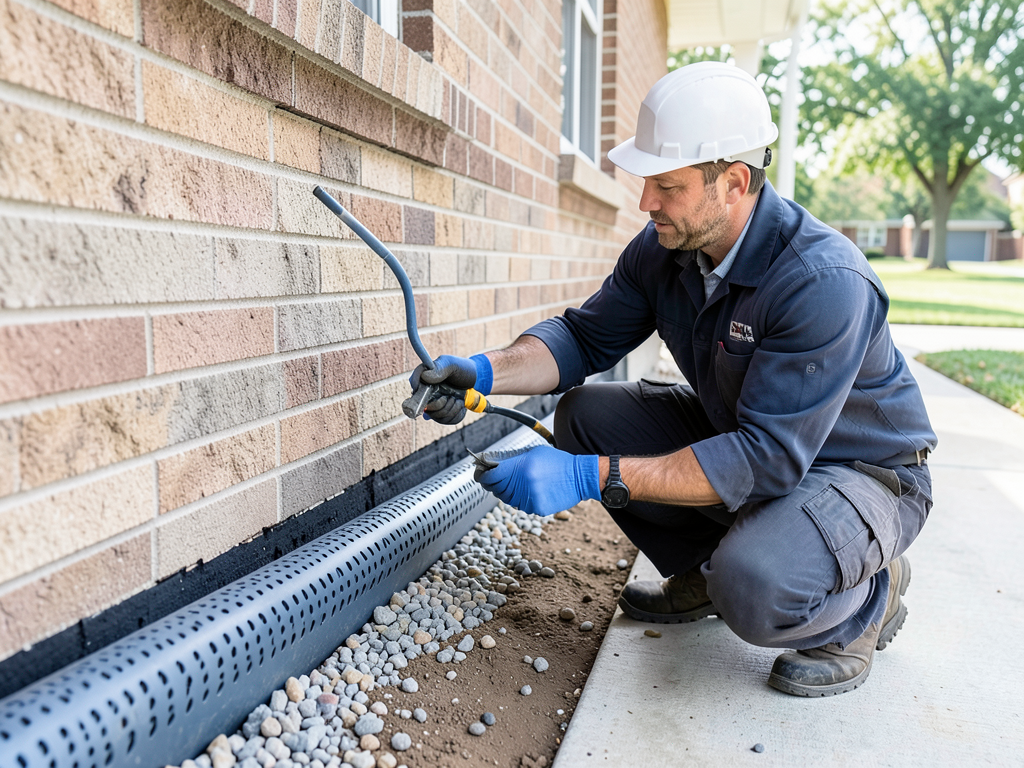
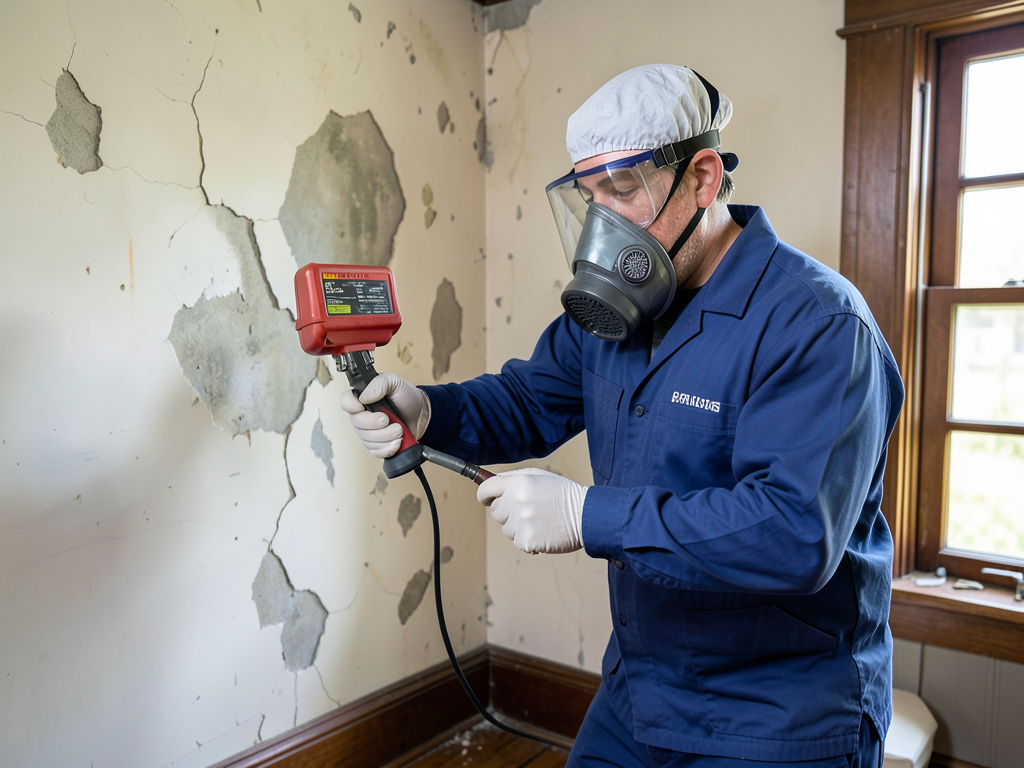
Dealing with lead and asbestos during water damage repairs in older Portland neighborhoods

Dealing with lead and asbestos during water damage repairs in older Portland neighborhoods Portland's historic neighborhoods face unique challenges when…

Why converting your University Park basement into a bedroom requires extra moisture protection

Why converting your University Park basement into a bedroom requires extra moisture protection Portland’s University Park neighborhood, nestled near the…

Contact Us

Do not wait for symptoms to worsen. Call Evergreen Water Damage Restoration Portland at (503) 882-7766 for same-day mold detection. We provide honest assessments, transparent pricing, and fast remediation that eliminates toxic mold at the source. Protect your family now.