Menu

Swollen Baseboards & Trim in Portland – Expert Diagnosis & Permanent Moisture Repair

Our water damage specialists identify hidden moisture sources causing swollen baseboards and warped trim in Portland homes, then eliminate the problem at the source before replacing damaged materials the right way.

Slider Image 1
Slider Image 2
Slider Image 3
Slider Image 4
Slider Image 5
Slider Image 7
Slider Image 8
Slider Image 9
Slider Image 10
Slider Image 11

Why Portland Baseboards Buckle, Swell, and Warp

You notice the gap first. Your baseboard has pulled away from the wall, or the trim around your door frame looks bloated. Run your hand along it and the surface feels soft, spongy, almost crumbly. This is not normal wear. You have moisture swollen baseboards, and Portland's climate makes this problem worse than you think.

Portland gets 43 inches of rain each year. Most of that falls between October and May. All that water finds its way into crawl spaces, through foundation cracks, and behind exterior walls. Older homes in neighborhoods like Sellwood and Irvington were built with less effective vapor barriers. Newer homes in Happy Valley and West Linn often use MDF trim, which absorbs water like a sponge.

Water damaged baseboards signal a bigger issue. The swelling you see is just the symptom. Somewhere nearby, water is actively leaking or condensing. It could be a slow plumbing leak behind the wall. It could be groundwater wicking up through a cracked foundation. It could be condensation from poor attic ventilation dripping down inside the wall cavity.

Expanded MDF trim will not shrink back when it dries. The wood fibers have separated. Warped baseboard molding is the same story. Once the material swells, it stays deformed. Painting over bloated wood trim just hides the damage temporarily. The real fix requires finding the water source, stopping it, drying the structure completely, and replacing the damaged materials with moisture-resistant products installed correctly.

Why Portland Baseboards Buckle, Swell, and Warp
How We Stop the Water and Fix the Damage Permanently

How We Stop the Water and Fix the Damage Permanently

Most contractors see swollen trim and think replacement job. We see a diagnostic problem. Evergreen Water Damage Restoration Portland starts with moisture mapping. We use thermal imaging cameras and pin-type moisture meters to trace elevated moisture content through wall cavities, subflooring, and framing members. This tells us where the water is coming from and how far it has traveled.

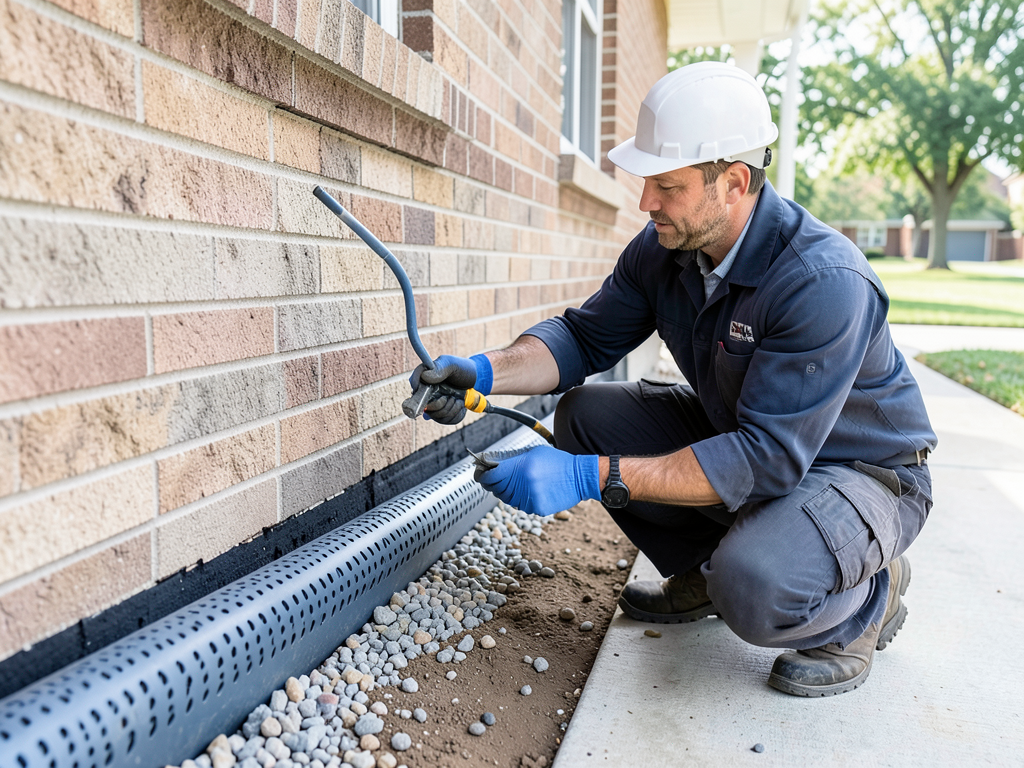
Once we identify the source, we address it first. If a supply line is leaking, we coordinate with a licensed plumber to make the repair. If foundation drainage is failing, we install or repair perimeter drains and vapor barriers. If the problem is condensation from HVAC ductwork, we insulate and seal the ducts properly. You cannot fix swollen baseboards without fixing the water problem. Any contractor who skips this step is setting you up for repeat damage.

After source control, we dry the structure using commercial dehumidifiers and air movers. We monitor moisture levels daily with calibrated meters. Drywall and framing lumber must reach equilibrium moisture content before we close walls or install new trim. Rushing this phase traps moisture and invites mold growth.

When the structure is dry, we remove all water damaged baseboards and trim. We inspect the wall framing and subfloor for rot or mold. If we find compromised framing, we sister in new lumber or replace sections entirely. Then we install new trim using moisture-resistant materials like PVC or primed pine. We caulk every seam and apply a water-resistant finish. The result is trim that looks clean and stays stable, even in Portland's wet climate.

What Happens When You Call Us About Swollen Trim

Swollen Baseboards & Trim in Portland – Expert Diagnosis & Permanent Moisture Repair
01

Moisture Investigation

We arrive with moisture detection equipment and inspect the affected areas. Using thermal imaging and moisture meters, we map moisture levels in walls, floors, and framing. This shows us exactly where water is entering, how far it has spread, and what materials are compromised. You get a clear explanation of what we find and what needs to happen next.
02

Source Elimination and Drying

We stop the water at the source, whether that means repairing plumbing, improving drainage, or fixing ventilation issues. Then we set up drying equipment and monitor moisture levels daily. Structural drying takes time. We do not move forward with repairs until moisture readings confirm the framing and subfloor are dry. This prevents trapped moisture and future mold growth.
03

Trim Replacement and Sealing

After verifying dry conditions, we remove damaged trim and inspect the framing behind it. We replace any rotted wood or mold-affected material. Then we install new moisture-resistant trim, caulk all joints, and apply a protective finish. The new trim fits tight, looks clean, and resists future moisture damage. You get documentation of all work and moisture readings for your records.

Why Portland Homeowners Choose Evergreen Water Damage Restoration

Most restoration companies focus on speed. They want to dry the area fast, replace the trim, and move to the next job. That approach fails in Portland because it ignores the underlying water source. You get new trim that looks good for six months, then the swelling starts again.

We have worked in Portland homes for years. We know the common failure points in older homes in Eastmoreland and Laurelhurst. We know how new construction in Bethany and Cedar Mill handles moisture differently. We know which crawl spaces flood every winter and which foundation types crack under our soil conditions. That local knowledge matters when you are diagnosing hidden water intrusion.

We also understand Portland's building codes and permit requirements. Structural drying and mold remediation work must follow IICRC S500 and S520 standards. If we need to open walls or replace framing, permits may be required depending on the scope. We handle that process so you do not have to navigate city requirements on your own.

Our approach combines water damage restoration expertise with carpentry skill. We do not just pull out swollen trim and nail up new boards. We address moisture at the source, dry the structure properly, and install materials that resist future damage. We document the entire process with photos and moisture readings. If you need to file an insurance claim, you have the evidence you need to support it.

You also get straight answers. If your warped baseboard molding is cosmetic and the moisture issue is minor, we tell you that. If the problem is serious and requires invasive drying or structural repair, we explain why and show you the readings that support our recommendation. No upselling. No scare tactics. Just honest assessment and quality work.

What to Expect When We Handle Your Baseboard and Trim Damage

Response Time and Availability

We respond to service requests within 24 hours for non-emergency situations. If you have active water intrusion or visible mold growth, we can often arrive the same day. Our initial inspection takes one to two hours depending on the size of the affected area. You get a written assessment and scope of work before we start any repairs. We schedule the work around your availability, and most jobs are completed within three to five days once drying is finished.

How the Inspection Process Works

Our technician starts by visually inspecting all swollen or warped trim. We check adjacent areas for hidden damage. We use moisture meters to measure water content in walls, floors, and framing. Thermal imaging cameras reveal temperature differences that indicate moisture presence or air leaks. We test for mold if conditions suggest growth. You get a full verbal explanation during the inspection and a written report afterward. The report includes photos, moisture readings, and a detailed scope of work with material specifications.

Quality of Materials and Installation

We use moisture-resistant trim products appropriate for Portland's climate. PVC trim works well in high-moisture areas like bathrooms and basements. Primed pine or poplar works for general living spaces when properly sealed. We prime all cut ends before installation. Every joint gets caulked with paintable, flexible caulk. Nail holes are filled and sanded smooth. The final finish matches your existing trim profile and paint color. You get trim that looks original and performs better than what was there before.

Post-Repair Support and Monitoring

After installation, we provide care instructions and recommendations for preventing future moisture problems. If your issue involved foundation drainage or plumbing, we give you specific maintenance steps to watch for. We follow up 30 days after completion to check for any new moisture intrusion. If you notice problems within the first year, we come back to investigate at no charge. You also get access to our team for questions about moisture control, ventilation, or maintenance concerns.

Frequently Asked Questions

You Have Questions,
We Have Answers

How to fix a swollen baseboard? +

First, identify and stop the moisture source causing the swelling. In Portland, this often means addressing plumbing leaks, crawl space moisture, or poor exterior drainage. Remove the damaged baseboard carefully. Let the wall dry completely using fans and dehumidifiers. This takes 3-5 days in Portland's damp climate. If the baseboard is solid wood and slightly swollen, it may shrink back after drying. If it stays warped or if it is MDF or particle board, replace it. Prime all sides of the new baseboard before installation to prevent future moisture absorption. Address the root cause or swelling will return.

What is the 7 rule for baseboards? +

The 7 rule states that baseboard height should be approximately 7 percent of your wall height. For standard 8-foot walls, this means 5 to 7-inch baseboards. For 9-foot walls common in newer Portland homes, you would use 6 to 8-inch baseboards. Taller baseboards suit larger rooms and higher ceilings, while shorter baseboards work in compact spaces. This guideline creates visual balance. However, personal preference and architectural style matter more than strict formulas. Historic Portland homes often feature taller baseboards, while mid-century ranches use shorter profiles. Match existing trim profiles when renovating.

Why do baseboards swell? +

Baseboards swell when wood fibers absorb moisture and expand. Common causes in Portland include plumbing leaks behind walls, crawl space moisture rising through floor joists, poor exterior grading directing rain toward the foundation, and HVAC condensation. MDF and particle board baseboards are especially vulnerable because they act like sponges when wet. Even minor leaks cause significant swelling in these materials. Older Portland homes with minimal vapor barriers face higher risk during wet winter months. High indoor humidity from cooking or showering without ventilation also contributes. Swollen baseboards signal an active moisture problem that needs immediate attention.

Can you repair swollen particle board? +

Swollen particle board cannot be truly repaired. Once particle board absorbs water, the wood fibers separate and the material loses structural integrity permanently. Even after drying, it remains weak, crumbly, and warped. You can temporarily fill small damaged sections with wood filler and paint over them, but this is cosmetic only. The proper fix is replacement with moisture-resistant materials. For Portland homes prone to dampness, consider solid wood or PVC baseboards instead of particle board or MDF. These resist moisture better in our climate. Remove swollen particle board completely and address the moisture source before installing new trim.

How to shrink swollen wood? +

You cannot reliably shrink swollen wood back to original dimensions. If the wood is solid and only mildly swollen, dry it slowly in a well-ventilated space away from direct heat. Use fans and dehumidifiers. Rapid drying causes cracking and further warping. The wood may partially return to normal size after 7 to 10 days, but expect some permanent distortion. Portland's high humidity makes this process slower. If the wood stays warped after complete drying, replace it. MDF and particle board never recover from swelling. Prevention through proper sealing and moisture control is the only reliable solution.

Is it expensive to replace baseboards? +

Baseboard replacement costs vary based on material choice, room size, and labor rates. In Portland, expect to pay more for solid wood versus MDF or vinyl options. Simple ranch-style baseboards cost less than ornate Victorian profiles common in older Portland neighborhoods. Labor costs increase if you need wall repair behind damaged baseboards or if moisture remediation is required first. DIY installation saves money but requires tools and skill for clean mitered corners. Replacing baseboards after water damage often costs more because you are addressing the underlying moisture problem simultaneously. Budget for both the trim and the root cause.

What is the new trend for baseboards? +

Current baseboard trends favor taller profiles, typically 5 to 7 inches, creating a more substantial look. Clean, simple designs with minimal detailing suit modern aesthetics. Many Portland homeowners choose painted white or off-white baseboards regardless of wall color for a crisp, timeless appearance. PVC and composite materials gain popularity for moisture resistance, especially relevant in Portland bathrooms and basements. Some designers skip baseboards entirely in ultra-modern spaces, using flush wall treatments instead. In historic Portland renovations, matching original trim profiles remains important. The best trend is choosing durable materials suited to your specific moisture conditions.

What are common baseboard installation mistakes? +

Common baseboard installation mistakes include inadequate wall prep, leaving bumps that create gaps behind trim. Poorly cut miters at corners look unprofessional and open over time. Skipping primer on bare wood or MDF allows moisture absorption. Installing baseboards before drywall texture dries traps moisture. Using finish nails without glue causes separation as wood moves seasonally. In Portland, failing to address moisture issues before installing new baseboards wastes money when they swell again. Not caulking the top seam between baseboard and wall allows drafts and looks unfinished. Always acclimate wood trim to indoor humidity before cutting and installing.

Should you paint doors the same color as trim and baseboards? +

Painting doors, trim, and baseboards the same color creates a cohesive, unified look that many designers recommend. White or off-white trim with white doors simplifies decisions and suits most Portland home styles from Craftsman to Contemporary. This approach makes rooms feel larger and highlights wall colors. However, contrasting door colors can add character, especially in historic Portland homes where dark-stained doors complement painted trim. The key is intentional consistency. Avoid accidental mismatches where some trim is bright white and other pieces are cream. Test samples in your specific lighting before committing to gallons of paint.

Will a swollen wood floor go back to normal? +

Swollen wood floors rarely return to completely normal after drying. Solid hardwood may partially recover if you catch the moisture quickly and dry thoroughly. Engineered wood and laminate floors usually sustain permanent damage from swelling. The wood fibers compress and deform, leaving cupped or crowned boards even after moisture leaves. In Portland, where high humidity is common, slow drying with dehumidifiers gives the best chance for minimal permanent damage. Floors exposed to standing water for over 24 hours typically need replacement. Address the moisture source immediately. Waiting worsens the damage and increases replacement costs significantly.

How Portland's Rain and Soil Create Baseboard Problems in Older Homes

Portland sits in a rain shadow between the Coast Range and the Cascades, but we still get more precipitation than most West Coast cities. That moisture combines with our clay-heavy soil to create hydrostatic pressure against foundation walls. Older homes built before 1980 often lack proper foundation drainage or vapor barriers. Water seeps through foundation cracks or wicks up through concrete, saturating the bottom plates and rim joists. This moisture travels into wall cavities and saturates the back of baseboards. MDF trim absorbs water quickly and swells within days. Solid wood baseboards fare better but still warp when moisture content exceeds 15 percent.

Evergreen Water Damage Restoration Portland specializes in diagnosing moisture intrusion in homes across Multnomah County. We understand how Portland's seasonal rainfall patterns affect different foundation types and construction eras. Our technicians are trained in IICRC water damage restoration standards and use calibrated equipment to measure moisture levels accurately. We work directly with Portland-area insurance adjusters and understand local building permit requirements. When you choose a local company with specific Portland experience, you get faster diagnosis, better solutions, and repairs that account for our unique climate and construction challenges.

Water Damage Restoration Services in The Portland Area

Evergreen Water Damage Restoration proudly serves Portland and the surrounding areas, providing rapid and reliable water damage solutions whenever you need us. While our physical office is located conveniently for local operations, our dedicated teams are mobile and ready to deploy across the region. View our service area on the map to understand our reach, or simply call us to confirm if we cover your specific location. We are committed to extending our expert services to every community in need.

Address:
Evergreen Water Damage Restoration Portland, 239 NW 13th Ave, Portland, OR, 97209

Additional Services We Offer

Our news updates

Latest Articles & News from The Blogs

What happens when a well pump or pressure tank leaks in your Mapleton garage When a well pump or pressure…

What happens when a well pump or pressure tank leaks in your Mapleton garage

What happens when a well pump or pressure tank leaks in your Mapleton garage When a well pump or pressure…

Dealing with lead and asbestos during water damage repairs in older Portland neighborhoods

Dealing with lead and asbestos during water damage repairs in older Portland neighborhoods Portland's historic neighborhoods face unique challenges when…

Why converting your University Park basement into a bedroom requires extra moisture protection

Why converting your University Park basement into a bedroom requires extra moisture protection Portland’s University Park neighborhood, nestled near the…

Contact Us

Call Evergreen Water Damage Restoration Portland at (503) 882-7766 today. We will inspect your moisture damaged trim, identify the water source, and give you a clear plan to fix it permanently. Do not wait until the problem spreads to your walls and flooring.