


Beaverton sits in the Tualatin Valley where seasonal rainfall exceeds 40 inches per year, and the region's clay-heavy soil creates drainage problems that funnel water toward foundations. Homes near Johnson Creek, Fanno Creek, and the Tualatin River face elevated flood risk during winter storm systems that roll through the Columbia River Gorge. Neighborhoods built in the 1960s and 1970s, common throughout the Cedar Hills and Five Oaks areas, often have original plumbing and aging water heaters prone to catastrophic failure.
The combination of moisture-saturated air and moderate temperatures creates ideal conditions for rapid mold colonization. Spores can begin growing within 24 to 48 hours after water intrusion. Properties in the Bethany area with crawl spaces face additional risks when groundwater rises during heavy rain events. Washington County building codes require proper vapor barriers and ventilation, but older properties may lack these protections. Burst pipes during occasional freeze events, combined with delayed discovery in vacation homes or rental properties, compound damage severity and restoration costs across Beaverton.
We have served Beaverton property owners for years with a single focus: stop damage fast, dry correctly, and restore completely. Our technicians train on IICRC standards for water damage restoration and hold certifications in structural drying, applied microbial remediation, and water damage restoration. We invest in commercial-grade equipment including truck-mounted extraction units, low-grain refrigerant dehumidifiers, and FLIR thermal cameras that detect hidden moisture in wall cavities and subfloors.
Speed determines outcome in water damage events. Our average response time to Beaverton addresses is under 60 minutes because we maintain strategically located equipment and staff throughout the Portland metro area. When you call our emergency line, you reach a trained restoration technician who can dispatch a crew immediately, not an answering service that takes messages. We arrive with extraction equipment already loaded and ready to work.
Insurance coordination separates professional restoration from amateur cleanup. We document damage with detailed photo records, moisture readings, and thermal imaging before starting work. Our estimators use Xactimate software, the same platform used by major insurance carriers, which reduces disputes and speeds claim approval. We communicate directly with adjusters and provide detailed scope documents that justify every line item. You get an advocate who understands policy language and fights for full coverage while we handle the restoration work. Our goal is to remove the burden of managing contractors, insurance companies, and timelines so you can focus on returning to normal life.

We dispatch crews to Beaverton properties within one hour of your call, 24 hours per day, 365 days per year. Our trucks carry industrial extraction equipment, dehumidifiers, air movers, and moisture detection tools so we start mitigation work immediately upon arrival. Fast response prevents secondary damage and reduces total restoration costs.

Every technician on our crews holds current IICRC certification in water damage restoration and applied structural drying. We follow Institute of Inspection, Cleaning and Restoration Certification protocols for moisture mapping, psychrometric calculations, and drying chamber setup. Certification ensures we apply proven science to every job, not guesswork.
We work directly with your insurance carrier to document damage, provide detailed estimates, and justify scope items using Xactimate software. Our team communicates with adjusters throughout the process and handles claim paperwork so you avoid disputes and delays. We advocate for complete coverage while managing the restoration timeline.
We maintain equipment and staffing to serve all Beaverton neighborhoods from Downtown to Bethany, Cedar Hills to Cooper Mountain. Our technicians know local construction methods, common plumbing configurations in older properties, and flood risks near Fanno Creek and the Tualatin River. Location-specific knowledge improves response speed and restoration quality.
Water damage restoration requires coordinated services from initial emergency response through final repairs. We provide complete mitigation, drying, remediation, and reconstruction under one contract so you deal with a single point of contact instead of managing multiple contractors. Our crews handle everything from burst pipe emergencies to sewage backups, roof leak cleanup to foundation flooding.
Emergency water removal stops active damage and prevents contamination spread. Structural drying uses industrial dehumidifiers and air movers to eliminate moisture from building materials before mold colonizes. Content restoration salvages personal property through specialized cleaning and drying techniques. Reconstruction rebuilds damaged structures to pre-loss condition with proper moisture barriers and ventilation.
We categorize water by contamination level following IICRC S500 standards. Category 1 clean water from supply lines requires different handling than Category 3 black water from sewage backups or river flooding. Our technicians assess contamination risk, select appropriate safety equipment, and follow disposal protocols that protect your family and comply with Washington County health regulations. Proper categorization determines drying methods, antimicrobial application, and material disposal requirements that affect both timeline and total cost.
We respond to active water emergencies across Beaverton with truck-mounted extraction units that remove thousands of gallons per hour from flooded basements, crawl spaces, and living areas. Our crews shut off water sources, extract standing water, remove saturated materials that cannot be saved, and set up drying equipment within hours of arrival. Emergency board-up services secure properties after storm damage or pipe bursts that compromise windows, doors, or roofing. Fast mitigation prevents secondary damage, reduces microbial growth risk, and lowers total restoration costs.
Proper drying requires more than fans pointed at wet carpet. We use low-grain refrigerant dehumidifiers, axial air movers, and thermal imaging cameras to create controlled drying chambers that pull moisture from structural materials. Our technicians take daily moisture readings in walls, subfloors, and ceilings using penetrating and non-invasive meters. We calculate grain depression and vapor pressure to determine when materials reach equilibrium moisture content. Drying chambers remain in place until moisture readings meet IICRC S500 standards, preventing callback jobs and hidden mold growth.
Water damage creates conditions for mold colonization within 24 to 48 hours. We follow IICRC S520 standards for mold remediation, starting with containment barriers and negative air pressure to prevent spore spread during removal. Our crews remove contaminated materials, HEPA vacuum surfaces, apply antimicrobial treatments, and verify clearance with post-remediation testing when required. Prevention includes identifying moisture sources, improving ventilation, and installing vapor barriers in crawl spaces where Beaverton's high humidity and clay soil create ongoing risk.
Beaverton's climate and geography create specific water damage patterns that affect homes and businesses throughout the area. Winter storms deliver sustained rainfall that saturates soil and overwhelms drainage systems. Properties near creeks and low-lying areas face seasonal flooding while homes on slopes deal with surface water intrusion through foundation cracks. Aging infrastructure in established neighborhoods increases burst pipe and water heater failure risk.
The Tualatin Valley's clay soil drains poorly, creating hydrostatic pressure against foundation walls that forces water through cracks, cold joints, and deteriorated waterproofing. Crawl spaces common in mid-century construction collect standing water during heavy rain events, creating humidity that migrates upward into floor systems and promotes rot. Homes with finished basements face hidden damage when water intrudes behind wall finishes or under flooring. Early detection requires professional moisture mapping because visible signs appear only after extensive damage has occurred.
Supply line failures, aging galvanized pipes, and water heater ruptures cause sudden flooding that damages multiple rooms before discovery. A single burst pipe can discharge hundreds of gallons per hour, saturating drywall, insulation, flooring, and personal property. Quick shutoff and extraction prevent catastrophic loss, but hidden moisture in wall cavities requires thermal imaging and professional drying to prevent mold growth and structural damage.
Heavy rainfall overwhelms aging roofs, clogged gutters, and deteriorated flashing around chimneys and skylights. Water intrusion often goes undetected until ceiling stains appear or insulation becomes saturated. Attic moisture promotes mold growth on roof decking and framing while compromising insulation effectiveness. Professional inspection identifies leak sources and determines the extent of concealed damage requiring removal and replacement.
Blocked sewer lines, root intrusion, and municipal system overflows cause Category 3 black water backups containing harmful bacteria, viruses, and parasites. Contaminated water requires immediate extraction, disposal of porous materials, and antimicrobial treatment of surfaces. Exposure creates health risks that demand proper safety equipment and disposal methods. Insurance coverage for sewage backups depends on policy endorsements that many homeowners lack.
Poor drainage, high groundwater, and inadequate vapor barriers allow moisture accumulation in crawl spaces under homes throughout Beaverton. Standing water and elevated humidity rot floor joists, promote mold growth on subfloors, and create conditions for wood-destroying fungi. Proper remediation includes water removal, structural drying, vapor barrier installation, and improved ventilation to prevent recurrence. Neglected crawl space moisture compromises structural integrity and indoor air quality.
Water damage creates panic and confusion about what to do first. Our process removes uncertainty by providing immediate guidance, rapid response, and clear communication from emergency call through project completion. You reach a trained restoration technician when you call our emergency line, not an answering service. We ask specific questions about water source, affected areas, and safety concerns, then dispatch a crew while providing instructions to minimize damage before we arrive.
Our goal is to take control of the situation so you can focus on safety and immediate needs rather than managing contractors and insurance companies. We document everything with photos, moisture readings, and detailed notes that support insurance claims. You receive regular updates about drying progress, timeline changes, and any unexpected findings that affect scope or cost. Transparency builds trust and eliminates surprises that create conflict on restoration projects.
We arrive within 60 minutes of your call with extraction equipment and moisture detection tools ready to work. Our crew performs a detailed inspection using thermal imaging cameras and moisture meters to map affected areas, identify hidden damage, and determine contamination category. We photograph conditions, take moisture readings, and create a preliminary scope before starting mitigation work. You receive a copy of all documentation for your records and insurance claim. Assessment determines equipment needs, drying timeline, and estimated project cost.
We assign a project manager who serves as your single point of contact from start to finish. You receive daily updates during active drying, copies of moisture readings, and photos showing progress. Any unexpected findings like hidden mold or structural damage are documented and discussed before proceeding with additional work. We coordinate directly with your insurance adjuster, provide requested documentation, and handle claim questions so you avoid confusion about coverage. Scheduled check-ins ensure you know what is happening and when to expect completion.
Our work does not end when your property is dry. We coordinate reconstruction to rebuild what was damaged, matching materials and finishes to existing conditions. Subfloor replacement, drywall installation, texture matching, painting, and finish carpentry restore your home or business to pre-loss condition. Final inspection verifies all moisture readings meet industry standards and reconstruction meets your expectations. We warranty our work and remain available if any issues arise after project completion.
We follow a proven methodology that addresses immediate damage, eliminates moisture completely, and restores your property to pre-loss condition. Each phase has specific objectives and completion criteria.
Our crew arrives within 60 minutes to stop active water intrusion, extract standing water, and remove materials that cannot be saved. We set up industrial dehumidifiers and air movers to begin the drying process immediately. Truck-mounted extraction units remove thousands of gallons from flooded areas. We document pre-loss conditions with photos and detailed notes, then create containment barriers to isolate affected areas and prevent contamination spread. Emergency board-up services secure compromised openings. This phase typically completes within 24 hours of arrival.
Professional drying takes three to seven days depending on materials affected, extent of saturation, and environmental conditions. We take daily moisture readings in walls, floors, and ceilings using penetrating meters and thermal imaging cameras. Dehumidifiers and air movers remain in place until moisture content reaches equilibrium standards set by IICRC protocols. We adjust equipment placement based on drying progress and psychrometric calculations. Antimicrobial treatments prevent mold growth during the drying period. This phase ends when multiple moisture readings confirm materials have dried completely.
Once drying verifies complete, we rebuild damaged structures to pre-loss condition. This includes subfloor replacement, drywall installation, insulation, texture matching, painting, trim work, and flooring installation. We coordinate with your insurance carrier to ensure scope accuracy and coverage. Our reconstruction crews match existing finishes and materials so repairs blend seamlessly. Final inspection confirms all work meets building codes and your quality expectations. We provide warranty documentation and remain available for any post-completion concerns.
Professional water damage restoration follows science-based protocols established by the Institute of Inspection, Cleaning and Restoration Certification. The IICRC S500 Standard guides water damage restoration from initial assessment through final verification. These protocols ensure thorough mitigation regardless of damage severity or property type.
Water categorization determines handling requirements. Category 1 clean water originates from sanitary sources like supply lines and water heaters. Category 2 gray water contains contamination from appliances, toilet overflow with urine, or washing machine discharge. Category 3 black water contains sewage, river flooding, or any water that contacted contaminated surfaces. Categories 2 and 3 require antimicrobial treatment and disposal of porous materials that cannot be disinfected.
Drying verification requires measuring moisture content in affected materials until readings reach equilibrium moisture content standards. We use penetrating pin-type meters for wood framing and subflooring, non-invasive meters for finished surfaces, and thermo-hygrometers to calculate psychrometric conditions. Materials are considered dry when moisture readings match unaffected reference areas and remain stable for 24 hours. Visual inspection is insufficient because hidden moisture promotes mold growth and rot invisible behind wall finishes.
Washington County building codes require permits for reconstruction work including electrical, plumbing, and structural modifications. Our crews pull necessary permits and schedule required inspections so all work meets code. Properties in Beaverton's floodplain require additional compliance with National Flood Insurance Program regulations for substantial improvement calculations when reconstruction costs exceed 50 percent of property value. We work with local building departments to ensure compliance and avoid permit violations that affect resale value or insurance coverage.
All restoration technicians must hold current IICRC Water Damage Restoration certification that covers moisture science, psychrometrics, drying systems, and documentation protocols. Advanced certifications in Applied Structural Drying use mathematical calculations to determine equipment needs and verify drying progress. Continuing education maintains current knowledge of evolving techniques, equipment, and safety standards that protect both workers and property owners throughout restoration projects.
Restoration costs depend on water category, affected square footage, materials damaged, and drying duration. Category 3 sewage backups cost more than clean water events because of disposal requirements and antimicrobial treatment. Finished basements require removing drywall and insulation that conceals moisture. Hardwood flooring may be salvageable with professional drying or require complete replacement depending on saturation level and wood species. Insurance coverage varies by policy and deductible amount.
Structural drying typically requires three to seven days for standard construction materials under optimal conditions. Dense materials like concrete, plaster, or hardwood take longer to dry than drywall or carpet. High humidity, cold temperatures, or limited airflow extend drying time. Multilevel moisture intrusion or concealed wall cavities require longer monitoring. Rushing the drying process leaves residual moisture that promotes mold growth and structural damage months after apparent completion.
Homeowner policies typically cover sudden and accidental water damage like burst pipes but exclude flooding from external sources without separate flood insurance. Gradual damage from long-term leaks often faces coverage disputes. We document damage thoroughly with photos, moisture readings, and detailed notes that support claims. Our Xactimate estimates match insurance carrier software to reduce disputes. Direct communication with adjusters speeds claim approval and ensures adequate coverage for complete restoration work.
This video explains the complete water damage restoration process for Beaverton Oregon properties including emergency response, water extraction, structural drying, mold prevention, and reconstruction services. Viewers learn what to expect when calling for professional water damage cleanup, how IICRC certified technicians handle different water categories, drying verification protocols, and insurance coordination. Content covers common water damage causes in Beaverton including burst pipes, flooding, roof leaks, and sewage backups affecting residential and commercial properties throughout Washington County.
Evergreen Water Damage Restoration Portland maintains rapid response capabilities throughout Beaverton and the surrounding Tualatin Valley. We serve properties from Downtown Beaverton near the MAX stations east to the Cedar Hills neighborhood where mid-century homes face aging plumbing systems. Our crews respond quickly to the Bethany area north of Highway 26 where newer developments built on sloped terrain experience drainage problems during heavy rainfall.
The Five Oaks and Sexton Mountain neighborhoods see frequent water damage calls related to properties built in the 1970s with original water heaters and supply lines reaching end of service life. We work extensively near the Progress Ridge and Cooper Mountain areas where rapid growth has stressed municipal drainage infrastructure. Properties in the Denney Whitford corridor near Highway 217 face unique challenges from traffic vibration affecting plumbing connections and foundation settlement.
South Beaverton neighborhoods near Scholls Ferry Road and the Washington County border deal with seasonal flooding near Fanno Creek and the Tualatin River. We understand the flood risk mapping and insurance requirements that affect properties in FEMA designated floodplains. The Raleigh Hills area along the Beaverton-Portland boundary receives the same rapid response as addresses throughout Washington County.
Our service area extends beyond Beaverton city limits to include Aloha, Tigard, Hillsboro, and the unincorporated areas of Washington County. We respond to commercial properties throughout the Sunset Corridor and industrial areas near Highway 217 where large-scale water damage requires specialized equipment and extended crews. Local knowledge matters because we understand construction methods common to different development eras, soil conditions that affect foundation drainage, and proximity to water sources that elevate flood risk. This expertise improves response efficiency and restoration outcomes across the region.
Water damage restoration costs in Beaverton typically range from a few hundred to several thousand dollars. The price depends on the damage extent, water category (clean, gray, or black water), affected square footage, and structural materials involved. A burst pipe in a crawlspace costs less than flooding across multiple rooms with hardwood floors. Most restoration companies offer free inspections and work directly with your insurance carrier to minimize out-of-pocket expenses. Oregon's wet climate means local contractors understand moisture penetration patterns in homes built with cedar siding or older pier-and-beam foundations, which affects pricing.
Water damage restoration is worth it because unaddressed moisture causes structural decay, mold growth, and plummeting property values. In Beaverton, where annual rainfall exceeds 40 inches, water intrusion damages subfloors, wall cavities, and insulation quickly. Professional restoration prevents secondary damage that costs far more than initial repairs. You also avoid health risks from mold spores and bacteria. Insurance typically covers sudden water events, making professional restoration affordable. Homes near Fanno Creek or low-lying areas face higher flood risk, making prompt restoration critical to protect your investment and family health.
Stop the water source if safe, then call a restoration company immediately. Move furniture and valuables to dry areas. Do not enter standing water if electrical outlets are submerged. Document everything with photos for insurance claims. Remove wet rugs and open cabinets to promote airflow. If you have a wet/dry vacuum, extract standing water. In Beaverton's humid climate, water spreads fast through drywall and insulation. Turn off HVAC systems to prevent mold spore circulation. Avoid using household fans, which can spread contamination. Professional extraction within 24 hours prevents mold and structural damage.
Water damage restoration costs in Beaverton typically range from a few hundred to several thousand dollars. The price depends on the damage extent, water category (clean, gray, or black water), affected square footage, and structural materials involved. A burst pipe in a crawlspace costs less than flooding across multiple rooms with hardwood floors. Most restoration companies offer free inspections and work directly with your insurance carrier to minimize out-of-pocket expenses. Oregon's wet climate means local contractors understand moisture penetration patterns in homes built with cedar siding or older pier-and-beam foundations, which affects pricing.
Water damage restoration is worth it because unaddressed moisture causes structural decay, mold growth, and plummeting property values. In Beaverton, where annual rainfall exceeds 40 inches, water intrusion damages subfloors, wall cavities, and insulation quickly. Professional restoration prevents secondary damage that costs far more than initial repairs. You also avoid health risks from mold spores and bacteria. Insurance typically covers sudden water events, making professional restoration affordable. Homes near Fanno Creek or low-lying areas face higher flood risk, making prompt restoration critical to protect your investment and family health.
Stop the water source if safe, then call a restoration company immediately. Move furniture and valuables to dry areas. Do not enter standing water if electrical outlets are submerged. Document everything with photos for insurance claims. Remove wet rugs and open cabinets to promote airflow. If you have a wet/dry vacuum, extract standing water. In Beaverton's humid climate, water spreads fast through drywall and insulation. Turn off HVAC systems to prevent mold spore circulation. Avoid using household fans, which can spread contamination. Professional extraction within 24 hours prevents mold and structural damage.
Water damage restoration includes water extraction, structural drying, dehumidification, antimicrobial treatment, and content restoration. Technicians use moisture meters and thermal imaging to detect hidden water in walls and subfloors. They remove damaged materials like drywall, insulation, and flooring when necessary. Industrial air movers and dehumidifiers dry the structure completely. Companies document moisture levels daily and provide reports for insurance. In Beaverton homes with crawl spaces, vapor barrier inspection and foundation drying are common additions. The process ends with sanitization, odor removal, and final moisture testing to confirm complete drying.
Insurance typically pays for sudden and accidental water damage, like burst pipes, appliance failures, or storm-related leaks. Policies exclude gradual damage from neglect or lack of maintenance. Coverage depends on your specific policy and the water source. Most Beaverton restoration companies work directly with carriers, handling paperwork and documentation. They photograph damage, document moisture readings, and provide detailed estimates. Oregon law requires insurers to respond to claims promptly. Review your policy for exclusions related to flooding, which requires separate flood insurance through FEMA, especially in areas near Tualatin River or Fanno Creek.
Restoration timelines vary by damage severity, not company brand. Typical water damage restoration takes three to seven days for drying and initial repairs. Extraction and equipment placement happen within hours of the call. Structural drying requires 72 hours minimum, often longer in Beaverton's damp climate where humidity slows evaporation. Reconstruction adds days or weeks depending on materials replaced. Any reputable restoration company monitors moisture daily and adjusts equipment as needed. The timeline depends on water category, affected materials, and weather conditions. Fast response matters more than company name for preventing mold and secondary damage.
The average water damage claim in the United States ranges from $7,000 to $10,000, but amounts vary widely based on damage scope and regional labor costs. In Beaverton, claims involving crawl space flooding or multiple-room events trend higher due to material costs and Oregon's building codes requiring proper moisture barriers. Small leaks caught early may result in claims under $3,000, while basement flooding or sewage backups exceed $15,000. Your actual claim depends on water category, square footage affected, and whether structural elements like framing or electrical systems sustained damage. Document everything thoroughly.
Mold begins growing within 24 to 48 hours after water exposure in the right conditions. Beaverton's mild, humid climate accelerates mold growth, especially during fall and winter when indoor moisture levels rise. Porous materials like drywall, insulation, and carpet provide ideal breeding grounds. You may not see visible mold immediately, but spores colonize quickly behind walls and under flooring. Temperature between 60 and 80 degrees promotes rapid growth. Professional restoration companies extract water and dry structures within this critical window to prevent mold. Delayed response almost guarantees mold remediation costs on top of water damage repairs.
Call a water restoration company immediately when you discover water damage, regardless of the source or time. Waiting even a few hours allows water to penetrate deeper into walls, subfloors, and insulation. Contact professionals for any standing water, ceiling leaks, appliance floods, or sewage backups. In Beaverton, where older homes may have crawl space moisture issues or roof leaks from heavy rain, early intervention prevents structural rot and mold. If you notice musty odors, warped floors, or water stains, call right away. Most companies offer 24/7 emergency response and free inspections.
Insurance pays for water damage when it results from sudden, accidental events covered under your homeowner's policy. Covered incidents include burst pipes, appliance malfunctions, roof leaks from storms, and accidental overflows. Policies exclude gradual damage, maintenance issues, and flooding from external water sources. Beaverton homeowners near floodplains need separate flood insurance through the National Flood Insurance Program. Your insurer requires prompt notification and documentation. Work with restoration companies experienced in insurance claims to maximize coverage. Read your policy carefully and understand deductibles, coverage limits, and exclusions before filing. Most carriers cover reasonable restoration costs when damage meets policy terms.
Water damage restoration includes water extraction, structural drying, dehumidification, antimicrobial treatment, and content restoration. Technicians use moisture meters and thermal imaging to detect hidden water in walls and subfloors. They remove damaged materials like drywall, insulation, and flooring when necessary. Industrial air movers and dehumidifiers dry the structure completely. Companies document moisture levels daily and provide reports for insurance. In Beaverton homes with crawl spaces, vapor barrier inspection and foundation drying are common additions. The process ends with sanitization, odor removal, and final moisture testing to confirm complete drying.
Insurance typically pays for sudden and accidental water damage, like burst pipes, appliance failures, or storm-related leaks. Policies exclude gradual damage from neglect or lack of maintenance. Coverage depends on your specific policy and the water source. Most Beaverton restoration companies work directly with carriers, handling paperwork and documentation. They photograph damage, document moisture readings, and provide detailed estimates. Oregon law requires insurers to respond to claims promptly. Review your policy for exclusions related to flooding, which requires separate flood insurance through FEMA, especially in areas near Tualatin River or Fanno Creek.
Restoration timelines vary by damage severity, not company brand. Typical water damage restoration takes three to seven days for drying and initial repairs. Extraction and equipment placement happen within hours of the call. Structural drying requires 72 hours minimum, often longer in Beaverton's damp climate where humidity slows evaporation. Reconstruction adds days or weeks depending on materials replaced. Any reputable restoration company monitors moisture daily and adjusts equipment as needed. The timeline depends on water category, affected materials, and weather conditions. Fast response matters more than company name for preventing mold and secondary damage.
The average water damage claim in the United States ranges from $7,000 to $10,000, but amounts vary widely based on damage scope and regional labor costs. In Beaverton, claims involving crawl space flooding or multiple-room events trend higher due to material costs and Oregon's building codes requiring proper moisture barriers. Small leaks caught early may result in claims under $3,000, while basement flooding or sewage backups exceed $15,000. Your actual claim depends on water category, square footage affected, and whether structural elements like framing or electrical systems sustained damage. Document everything thoroughly.
Mold begins growing within 24 to 48 hours after water exposure in the right conditions. Beaverton's mild, humid climate accelerates mold growth, especially during fall and winter when indoor moisture levels rise. Porous materials like drywall, insulation, and carpet provide ideal breeding grounds. You may not see visible mold immediately, but spores colonize quickly behind walls and under flooring. Temperature between 60 and 80 degrees promotes rapid growth. Professional restoration companies extract water and dry structures within this critical window to prevent mold. Delayed response almost guarantees mold remediation costs on top of water damage repairs.
Call a water restoration company immediately when you discover water damage, regardless of the source or time. Waiting even a few hours allows water to penetrate deeper into walls, subfloors, and insulation. Contact professionals for any standing water, ceiling leaks, appliance floods, or sewage backups. In Beaverton, where older homes may have crawl space moisture issues or roof leaks from heavy rain, early intervention prevents structural rot and mold. If you notice musty odors, warped floors, or water stains, call right away. Most companies offer 24/7 emergency response and free inspections.
Insurance pays for water damage when it results from sudden, accidental events covered under your homeowner's policy. Covered incidents include burst pipes, appliance malfunctions, roof leaks from storms, and accidental overflows. Policies exclude gradual damage, maintenance issues, and flooding from external water sources. Beaverton homeowners near floodplains need separate flood insurance through the National Flood Insurance Program. Your insurer requires prompt notification and documentation. Work with restoration companies experienced in insurance claims to maximize coverage. Read your policy carefully and understand deductibles, coverage limits, and exclusions before filing. Most carriers cover reasonable restoration costs when damage meets policy terms.
Evergreen Water Damage Restoration proudly serves Portland and the surrounding areas, providing rapid and reliable water damage solutions whenever you need us. While our physical office is located conveniently for local operations, our dedicated teams are mobile and ready to deploy across the region. View our service area on the map to understand our reach, or simply call us to confirm if we cover your specific location. We are committed to extending our expert services to every community in need.
Address:
Beaverton, OR, 97005
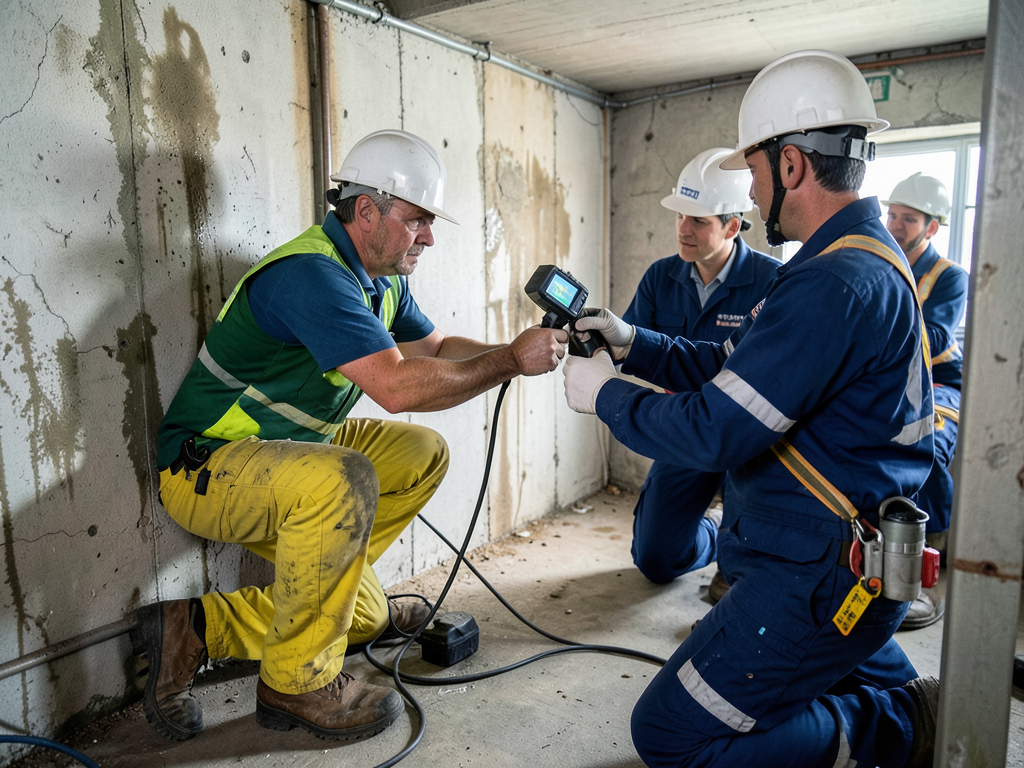
How an atmospheric river affects Portland basement flooding and what you should do When an atmospheric river hits Portland it brings more than heavy rain. These massive bands of moisture from the Pacific can dump…
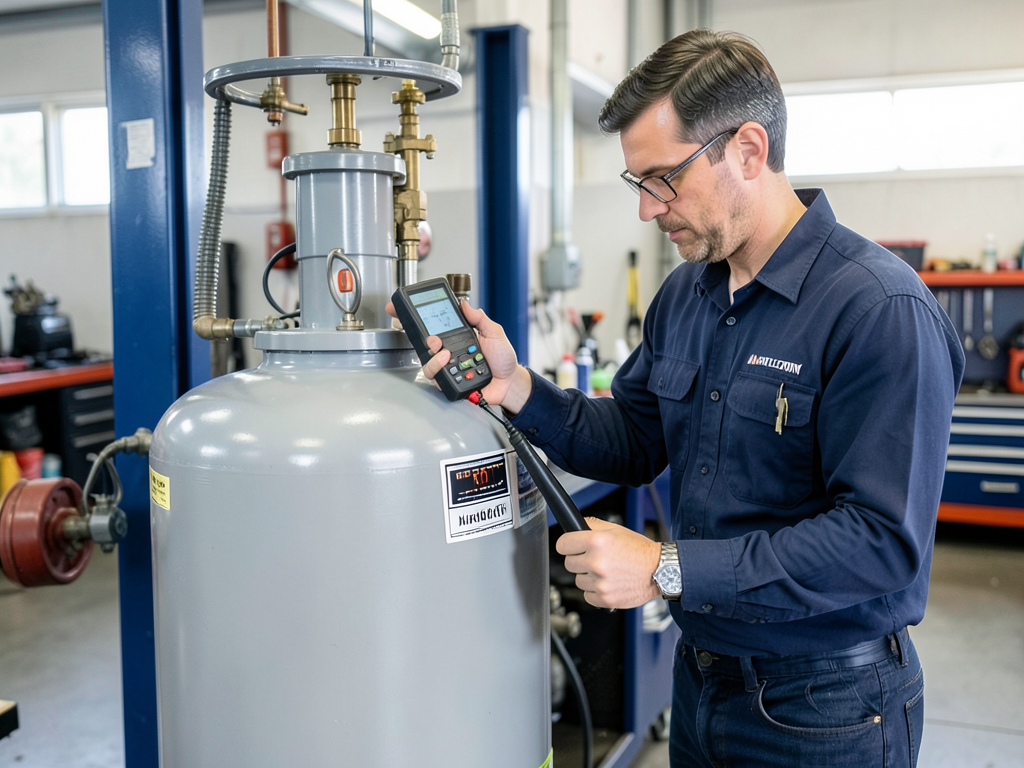
What happens when a well pump or pressure tank leaks in your Mapleton garage When…
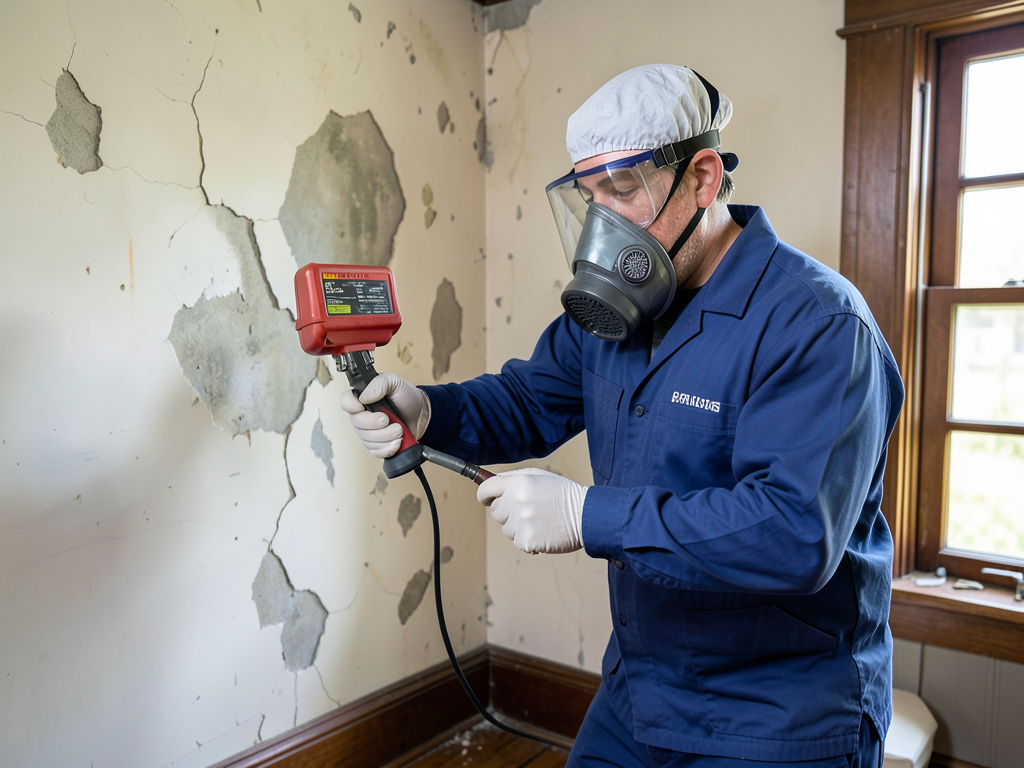
Dealing with lead and asbestos during water damage repairs in older Portland neighborhoods Portland's historic…
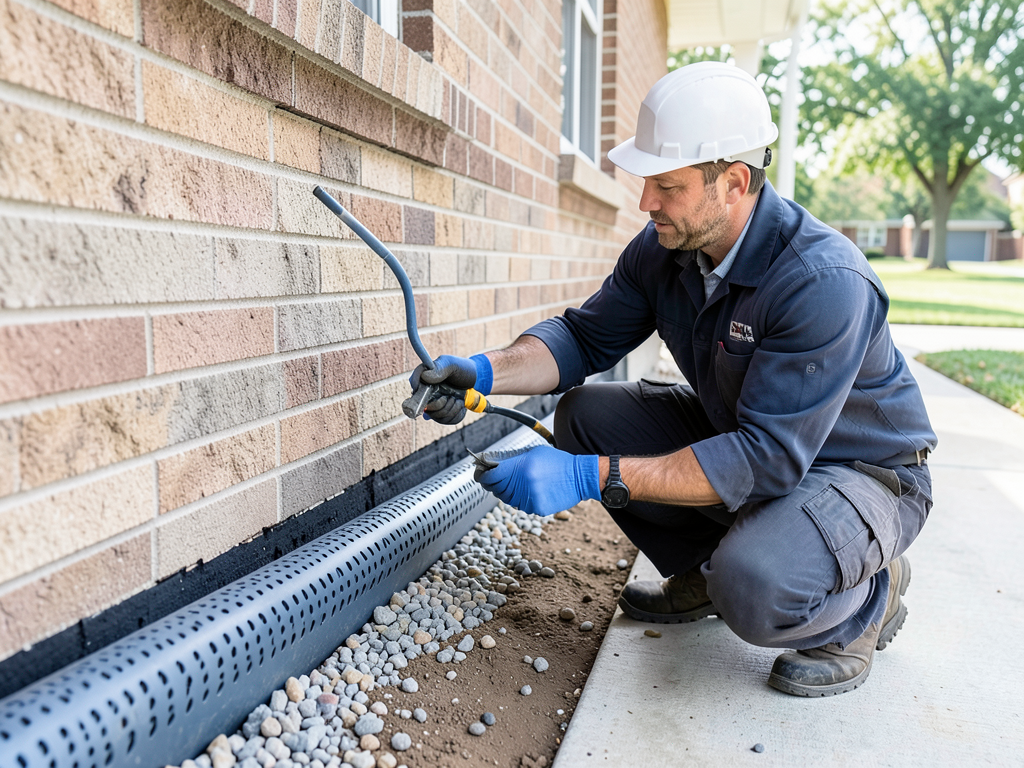
Why converting your University Park basement into a bedroom requires extra moisture protection Portland’s University…
Water damage worsens every hour you wait. Call Evergreen Water Damage Restoration Portland at (503) 882-7766 right now for 60-minute emergency response anywhere in Beaverton. Our crews are standing by 24/7 with equipment ready to stop damage and start drying your property immediately.