Menu

Peeling Paint & Wallpaper in Portland – Expert Diagnosis and Water Damage Solutions

If you are seeing bubbling paint, blistering wall paint, or lifting wallpaper in your Portland home, you are likely dealing with hidden water damage that needs immediate attention.

Slider Image 1
Slider Image 2
Slider Image 3
Slider Image 4
Slider Image 5
Slider Image 7
Slider Image 8
Slider Image 9
Slider Image 10
Slider Image 11

Why Portland Homes Suffer from Peeling Paint and Lifting Wallpaper

Portland's wet climate creates the perfect conditions for water damage to hide behind your walls. When you see flaking paint or loose wallpaper, you are not just looking at a cosmetic issue. You are seeing the visible sign of moisture infiltration that has likely been building for weeks or months.

The Pacific Northwest receives an average of 36 inches of rain annually, and Portland homes face constant exposure to moisture from October through May. This relentless dampness penetrates through roof valleys, window frames, and foundation cracks. Once water gets behind your drywall, it creates a breeding ground for mold and wood rot.

Blistering wall paint happens when water vapor gets trapped between your wall surface and the paint film. The moisture creates pressure, forcing the paint to bubble and separate. Lifting wallpaper follows the same pattern. The adhesive breaks down when exposed to moisture, and the paper pulls away from the substrate.

Many Portland homeowners ignore these early warning signs, thinking they can repaint or re-wallpaper later. This approach only masks the problem. The water source remains active, and the damage continues spreading through wall cavities, insulation, and structural framing. By the time you see visible damage on your walls, the hidden damage behind them is often three to five times worse.

If you are seeing any form of paint bubbling or wallpaper separation in your Portland home, you need a professional moisture assessment before you make any cosmetic repairs. Evergreen Water Damage Restoration Portland specializes in finding the source, not just covering up the symptoms.

Why Portland Homes Suffer from Peeling Paint and Lifting Wallpaper
How We Find and Fix the Real Problem Behind Your Peeling Paint

How We Find and Fix the Real Problem Behind Your Peeling Paint

When you call us about peeling paint or wallpaper, we do not start with a paint scraper. We start with diagnostic equipment designed to map moisture through building materials without creating unnecessary demolition.

Our technicians use thermal imaging cameras to scan your wall surfaces. These cameras detect temperature differentials that indicate wet building materials. Water evaporation creates cooling, and our thermal sensors pick up these cold spots even when the surface feels dry to the touch. We also use pin-type and non-invasive moisture meters calibrated for drywall, plaster, and wood substrates common in Portland construction.

Once we map the extent of moisture intrusion, we trace it back to the source. Common culprits in Portland homes include failed window flashing, compromised roof underlayment around penetrations, leaking supply lines behind walls, and foundation seepage that wicks up through wall studs. We document everything with photos and moisture readings so you understand exactly what is happening inside your walls.

The repair protocol depends on the source and severity. If we find active plumbing leaks, we coordinate with licensed plumbers to make the repair before we address the water damage. If the issue stems from exterior water intrusion, we identify the vulnerable area and recommend proper flashing, grading, or gutter modifications.

For the damaged wall assembly, we remove affected drywall, insulation, and any compromised framing. We treat exposed cavities with antimicrobial solutions to address any mold contamination. We then install commercial dehumidifiers and air movers to dry the structural cavity to acceptable moisture content levels, typically below 15 percent for wood and below 1 percent for drywall. Only after verified drying do we rebuild the wall assembly with new materials.

What Happens When You Call About Peeling Paint or Wallpaper

Peeling Paint & Wallpaper in Portland – Expert Diagnosis and Water Damage Solutions
01

Initial Moisture Assessment

Our technician arrives with thermal imaging and moisture detection equipment. We scan all affected walls plus adjacent areas to map the full extent of water intrusion. We document baseline moisture readings and take reference photos. This diagnostic process typically takes 45 to 90 minutes depending on the size of the affected area. You receive a written moisture map showing exact locations and severity levels before any demolition begins.
02

Source Identification and Containment

We trace moisture patterns back to the entry point. This might involve inspecting attic spaces, crawl spaces, exterior cladding, or plumbing access panels. Once we identify the water source, we implement containment measures to stop further intrusion. For exterior issues, this might mean emergency tarping or temporary flashing. For plumbing failures, we shut off supply lines and coordinate immediate repairs. Stopping active water intrusion is the priority before any restoration work begins.
03

Controlled Drying and Restoration

After removing damaged materials, we establish a controlled drying environment using commercial-grade equipment. Air movers create circulation through wall cavities while dehumidifiers extract moisture from the air. We monitor moisture levels daily until readings stabilize in the acceptable range. The drying phase typically runs three to seven days depending on saturation levels and weather conditions. Once verified dry, we rebuild the wall assembly and prepare surfaces for your finish contractor or handle the complete restoration in-house.

Why Portland Homeowners Choose Evergreen Water Damage Restoration

Portland has no shortage of handymen who will scrape your peeling paint and slap on a fresh coat. That approach might look fine for six months, but it guarantees you will be dealing with the same problem again next year because the water source was never addressed.

We specialize in water damage restoration, not cosmetic cover-ups. Our technicians understand building science, moisture dynamics, and how Portland's climate interacts with residential construction. We know that homes in neighborhoods like Laurelhurst and Eastmoreland have different vulnerabilities than newer construction in areas like Cedar Mill. Historic homes built in the 1920s often lack vapor barriers and have different ventilation patterns than homes built after 1980.

This local knowledge matters when diagnosing moisture problems. A technician who understands Portland construction methods can quickly identify whether your issue stems from failed exterior water management, interior humidity problems, or plumbing failures. We have worked in hundreds of Portland homes across every neighborhood and every construction era.

Our process follows IICRC S500 water damage restoration standards. This certification ensures we use proper moisture mapping, appropriate drying equipment, and verified drying protocols. We do not guess when materials are dry. We measure and document.

Many homeowners discover water damage when dealing with insurance claims after a visible event like a pipe burst or roof leak. We work directly with all major insurance carriers and understand how to document losses properly for claims processing. We provide detailed moisture maps, photo documentation, and line-item estimates that meet insurance adjuster requirements.

If your peeling paint or wallpaper stems from a sudden water event covered by your policy, we handle the claims coordination and direct billing. You are not stuck paying out of pocket and waiting for reimbursement.

What to Expect When You Work With Us

Response Time and Scheduling

We schedule initial assessments within 24 to 48 hours of your call. If you are dealing with active water intrusion or you discovered the problem through a burst pipe or major leak, we provide same-day emergency response. Our assessment appointments typically run 60 to 90 minutes. We provide you with findings and recommendations before you commit to any work. For non-emergency restoration projects, we typically schedule demolition and drying within three to five business days of your approval. Our goal is to get your home back to normal as quickly as possible without cutting corners on proper drying protocols.

The Assessment Process

During the initial visit, our technician conducts a room-by-room evaluation using thermal imaging and moisture meters. We document moisture readings on all affected surfaces plus control readings on known dry areas for comparison. We inspect adjacent rooms, attic spaces, and crawl spaces as needed to trace moisture patterns. You receive a written report with moisture maps, photos, and our assessment of the water source. We explain our findings in plain language and answer all your questions before discussing any work proposals. There is no pressure and no obligation beyond the assessment fee.

The Final Result

Our work is complete when your wall assemblies are verified dry, structurally sound, and ready for finish work. You receive final moisture readings showing all affected areas have returned to normal levels. If we performed the complete restoration including drywall and texture, your walls are ready for paint. If you prefer to use your own finish contractor, we provide a clean, dry substrate ready for their work. All removed materials are disposed of properly, and work areas are left clean. You receive documentation of all work performed including pre and post moisture readings.

Follow-Up and Prevention

After your restoration is complete, we provide recommendations for preventing future moisture problems. This might include gutter maintenance, exterior grading improvements, ventilation upgrades, or routine inspection of vulnerable areas. We offer optional follow-up moisture checks at 30 and 90 days post-restoration for homeowners who want verification that moisture has not returned. If you experience any concerns after project completion, we respond promptly to assess the situation. Our goal is not just to fix your current problem but to give you the knowledge and resources to protect your home from future water damage.

Frequently Asked Questions

You Have Questions,
We Have Answers

Why is my paint peeling like wallpaper? +

Paint peels in thick sheets when moisture gets trapped between the paint film and the wall surface. Portland's high humidity and frequent rain create ideal conditions for this problem. Water infiltrates through exterior walls, bathroom steam, or plumbing leaks. The moisture prevents proper paint adhesion and causes the coating to lift away from the substrate. Poor surface preparation or painting over glossy finishes without sanding also contributes. If you see this pattern, you have a moisture intrusion issue that needs immediate attention. Fix the water source first before repainting or the problem will return.

What to do if paint is peeling off the wall? +

Stop and identify the moisture source before doing anything else. Check for roof leaks, failed caulking around windows, or plumbing issues. Portland homes often see peeling from poor attic ventilation or exterior water intrusion during rainy months. Scrape away all loose paint using a putty knife or wire brush. Sand the edges smooth so they blend with surrounding areas. Repair any substrate damage. Prime bare spots with a moisture-blocking primer. Once the underlying issue is fixed and surfaces are dry, you can repaint. Painting over active moisture problems wastes time and money.

Is it cheaper to paint or peel and stick wallpaper? +

Peel and stick wallpaper costs more upfront than paint but requires less labor and prep work. Paint for an average room runs cheaper on materials but demands extensive surface preparation, multiple coats, and drying time. Portland's humidity can extend paint drying periods. Peel and stick goes up faster and works for renters who need removable options. Paint lasts longer when done correctly. For damaged walls with peeling issues, paint requires more repair work before application. Your choice depends on the wall condition, timeline, and whether you own or rent the space.

Can I wallpaper over peeling paint? +

No. Wallpaper over peeling paint creates a disaster waiting to happen. The wallpaper adhesive adds moisture that accelerates paint failure. When the old paint lets go, your new wallpaper comes down with it. You end up removing both materials and starting over. Portland's moisture levels make this approach even riskier. Remove all loose paint first. Sand the surface smooth. Repair any wall damage. Prime the bare areas. Let everything dry completely. Only then can you apply wallpaper safely. Skipping proper prep doubles your work and triples your frustration.

Will Kilz stop peeling paint? +

Kilz primer will not stop paint that is currently peeling. You must remove all loose, flaking material first. Kilz works as a sealer over properly prepared surfaces but cannot glue down failing paint. The primer creates a barrier against stains and seals porous surfaces, which helps prevent future peeling. In Portland homes with moisture issues, Kilz alone will not solve the root problem. Address water intrusion from rain or condensation first. Scrape off loose paint, sand smooth, then apply Kilz to clean, dry, stable surfaces. Use it as part of proper prep, not a shortcut.

Can I paint over paint that's peeling? +

No. Painting over peeling paint guarantees failure. The new coat adds weight and moisture to an already compromised surface. Portland's wet climate accelerates the deterioration. Within weeks or months, both the old and new paint will peel together in larger sections. You must scrape away all loose material down to a stable surface. Sand the edges where sound paint meets bare spots. This creates a smooth transition. Prime any exposed substrate. Only paint over solid, well-adhered existing coatings. Proper prep takes time but prevents doing the job twice.

What is the difference between flaking and peeling paint? +

Flaking paint comes off in small chips or fragments while peeling paint lifts away in larger sheets or strips. Flaking often results from age, UV exposure, or poor quality paint breaking down at the surface. Peeling indicates adhesion failure between the paint and substrate, usually from moisture intrusion or inadequate prep. Portland homes see both issues. Exterior paint flakes from sun and rain cycles. Interior paint peels from bathroom humidity or water damage. Both require scraping and proper prep, but peeling signals a deeper moisture problem that you must fix first.

Should I scrape off all the peeling paint? +

Yes. Remove every bit of loose, peeling paint before repair work. Half measures fail. Use a putty knife, wire brush, or paint scraper to clear all compromised material. Test surrounding areas by pressing firmly. If paint lifts easily, keep scraping. Portland's moisture issues mean peeling often extends beyond what you see initially. Stop only when you reach paint that stays firmly bonded. Feather the edges with sandpaper so transitions feel smooth. Prime all bare spots. Leaving any loose paint guarantees your new finish will fail in the same spots within months.

Can you put primer over peeling paint? +

No. Primer cannot bond loose paint to the wall. Remove all peeling material first by scraping down to stable surfaces. Primer works only on properly prepared substrates. Apply primer to bare wood, drywall, or plaster after scraping and sanding. In Portland homes, check for moisture problems before priming. Primer seals porous surfaces and improves topcoat adhesion, but it cannot fix mechanical failure. If you prime over peeling paint, both the primer and topcoat will fail together. Do the prep work right. Scrape, sand, repair, then prime clean, solid surfaces for lasting results.

What is the cost of painting a 1000 sq ft house? +

Painting costs vary significantly based on wall condition, ceiling height, and prep requirements. Homes with peeling paint need extensive scraping, sanding, and repair work that increases labor hours. Portland's older housing stock often requires more prep than new construction. Material costs stay relatively consistent, but labor dominates the expense. Rooms with water damage demand substrate repairs before painting begins. Get written estimates from multiple contractors. Expect higher costs if your walls show signs of moisture intrusion or previous paint failure. Proper prep and quality materials cost more upfront but prevent expensive redo work later.

How Portland's Rain Season Creates Hidden Water Damage Behind Your Walls

Portland receives the majority of its annual rainfall between October and May, creating prolonged periods of high exterior moisture. This extended wet season allows water to find weak points in your home's building envelope. Unlike sudden flooding events, this chronic exposure lets moisture accumulate slowly behind siding, through window frames, and around roof penetrations. By the time you see bubbling paint or lifting wallpaper, the framing, insulation, and sheathing behind it have often been wet for months. Homes in the West Hills face additional challenges from wind-driven rain, while properties near the Willamette River deal with elevated groundwater and foundation moisture. Understanding these location-specific moisture patterns is critical for proper diagnosis and permanent solutions.

Portland has specific building codes related to moisture management, and homes built before these codes were implemented often lack proper water barriers and flashing details. Evergreen Water Damage Restoration Portland works throughout the metro area and understands how construction methods vary by neighborhood and building era. We know which homes are vulnerable to specific moisture problems and how to address them properly. Our familiarity with local insurance adjusters, building inspectors, and construction standards means your project moves smoothly from assessment through restoration. When you choose a local specialist rather than a national franchise, you get someone who understands Portland homes specifically.
Water Damage Restoration Services in The Portland Area

Evergreen Water Damage Restoration proudly serves Portland and the surrounding areas, providing rapid and reliable water damage solutions whenever you need us. While our physical office is located conveniently for local operations, our dedicated teams are mobile and ready to deploy across the region. View our service area on the map to understand our reach, or simply call us to confirm if we cover your specific location. We are committed to extending our expert services to every community in need.

Address:
Evergreen Water Damage Restoration Portland, 239 NW 13th Ave, Portland, OR, 97209

Additional Services We Offer

Our news updates

Latest Articles & News from The Blogs

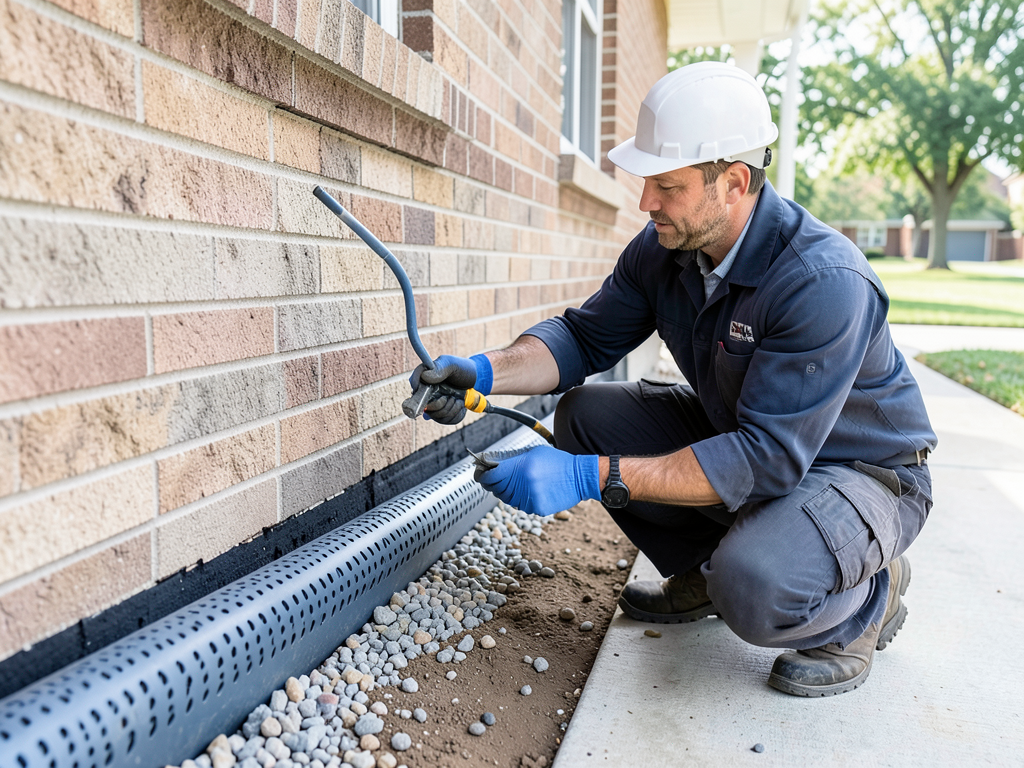
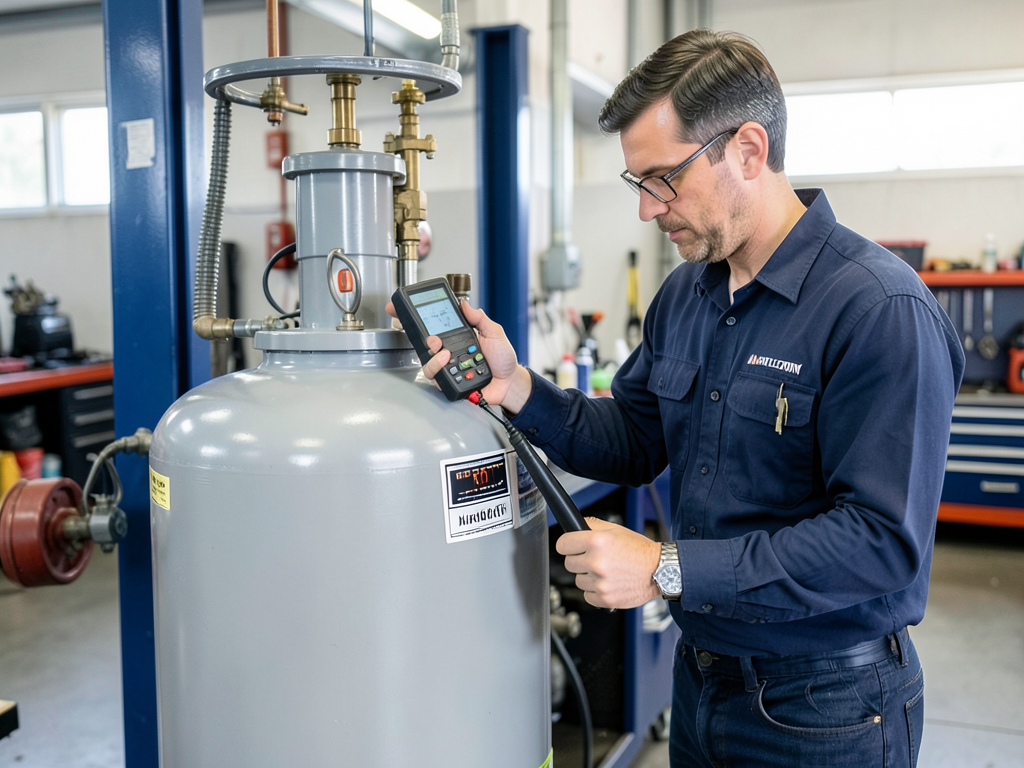
What happens when a well pump or pressure tank leaks in your Mapleton garage When a well pump or pressure…

What happens when a well pump or pressure tank leaks in your Mapleton garage

What happens when a well pump or pressure tank leaks in your Mapleton garage When a well pump or pressure…

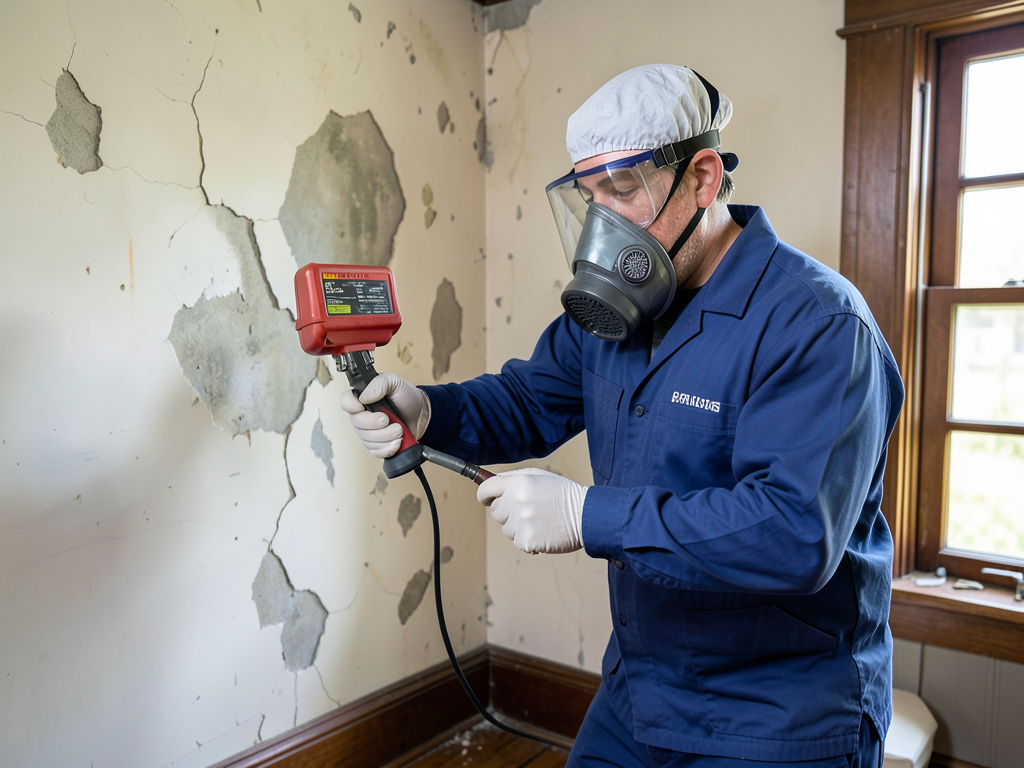
Dealing with lead and asbestos during water damage repairs in older Portland neighborhoods

Dealing with lead and asbestos during water damage repairs in older Portland neighborhoods Portland's historic neighborhoods face unique challenges when…

Why converting your University Park basement into a bedroom requires extra moisture protection

Why converting your University Park basement into a bedroom requires extra moisture protection Portland’s University Park neighborhood, nestled near the…

Contact Us

Do not repaint over water damage. Call Evergreen Water Damage Restoration Portland at (503) 882-7766 for a thorough moisture assessment. We find the source, fix it properly, and restore your walls the right way.