Menu

Burst Pipe Water Damage Portland – 24/7 Emergency Response and Complete Water Extraction

When a ruptured pipe floods your Portland home or business, every minute counts. Evergreen Water Damage Restoration Portland delivers rapid containment, industrial water extraction, and structural drying to prevent mold growth and permanent damage.

Slider Image 1
Slider Image 2
Slider Image 3
Slider Image 4
Slider Image 5
Slider Image 7
Slider Image 8
Slider Image 9
Slider Image 10
Slider Image 11

Why Portland Properties Face Higher Burst Pipe Risks

Portland's freeze-thaw cycles put immense stress on aging copper and galvanized supply lines. When temperatures drop below freezing, water inside pipes expands. The pressure builds until the weakest point ruptures, releasing hundreds of gallons per hour into walls, ceilings, and subfloors.

The Pacific Northwest's high water table compounds the problem. Properties in low-lying neighborhoods near the Willamette River or Columbia Slough experience hydrostatic pressure against foundation walls. When an interior supply line fails, water follows gravity into basements and crawl spaces. The combination creates ideal conditions for secondary damage.

Older homes in Laurelhurst, Irvington, and Alameda feature plaster walls and hardwood floors. These materials absorb water quickly. Within 48 hours, broken pipe water damage triggers mold colonization behind walls where you cannot see it. The spores spread through HVAC systems, affecting air quality throughout the structure.

Portland's clay-heavy soil also shifts with seasonal moisture changes. This movement stresses pipe connections at the foundation entry point. A small leak becomes a full rupture without warning. You discover the problem when you see ceiling stains, hear running water inside walls, or notice a sudden spike in your water bill.

Burst pipe flooding does not wait for business hours. Water damage from burst pipe incidents requires immediate containment to prevent category migration. Clean water becomes contaminated when it contacts building materials, sewage lines, or stored chemicals.

Why Portland Properties Face Higher Burst Pipe Risks
Our Systematic Approach to Ruptured Pipe Water Damage

Our Systematic Approach to Ruptured Pipe Water Damage

We start with source control. Before extraction begins, we locate the failed pipe section and verify the water supply is shut off. Many homeowners close the wrong valve or miss secondary shutoffs. We inspect the entire run from the street connection to the fixture to confirm zero flow.

Next comes moisture mapping using thermal imaging cameras and penetrating moisture meters. We document water migration patterns through wall cavities, under flooring systems, and within insulation batts. This data determines extraction equipment placement and identifies hidden saturation pockets that visual inspection misses.

For burst pipe water cleanup, we deploy truck-mounted extractors that pull standing water at 200 CFM. Portable units cannot match this capacity. The faster we remove bulk water, the less it penetrates into subflooring and structural lumber. We extract until moisture readings drop below 15 percent on our pin-type meters.

Structural drying requires precise psychrometric calculations. We measure temperature, relative humidity, and dew point to set up proper vapor pressure differentials. Low-grain refrigerant dehumidifiers run 24/7, processing 150 pints per day. Air movers create laminar airflow across wet surfaces at 2,500 feet per minute. This accelerates evaporation at the molecular level.

We monitor drying progress twice daily using the same meter grid pattern. When readings match the dry standard for your material type, we know the structure has returned to equilibrium. We never rely on surface observations. Wood framing can read 8 percent on the face while the core remains at 19 percent. That differential guarantees mold growth within two weeks.

What Happens During Emergency Pipe Rupture Response

Burst Pipe Water Damage Portland – 24/7 Emergency Response and Complete Water Extraction
01

Immediate Water Shutoff

Our technician arrives within 90 minutes and locates your main water shutoff valve. We verify closure by checking pressure at the nearest fixture. If the rupture occurred at a supply line to a single fixture, we may isolate that branch instead of shutting down the entire house. We inspect the failed pipe section to determine if it was caused by freezing, corrosion, or mechanical stress. This informs the repair strategy and helps prevent future failures.
02

Water Extraction and Containment

We deploy truck-mounted extractors to remove standing water from all affected rooms. For water that has migrated into wall cavities, we drill small weep holes at the base of drywall to allow drainage. Containment barriers prevent cross-contamination into unaffected areas. We place absorbent pads under furniture legs and wrap woodwork with protective film. All porous materials get documented with moisture readings. Carpet padding is typically non-salvageable and gets removed immediately to prevent microbial amplification.
03

Structural Drying and Monitoring

We install a drying chamber using commercial dehumidifiers and air movers positioned according to psychrometric principles. Equipment runs continuously for three to seven days depending on material saturation levels. We return every 24 hours to log moisture readings and adjust airflow patterns. Drying is complete when wood framing reads below 12 percent and gypsum board reads below 1 percent on our moisture scale. We provide a detailed drying log with timestamped readings for your insurance claim documentation.

Why Portland Property Owners Choose Evergreen Water Damage Restoration

Portland's building stock ranges from 1920s bungalows to modern LEED-certified construction. We understand how water behaves differently in balloon-framed walls versus platform framing. We know that homes in the West Hills require different drying protocols than slab-on-grade ranch homes in East Portland.

Our technicians hold IICRC certifications in Water Damage Restoration and Applied Structural Drying. These are not weekend seminars. The training covers building science, microbial remediation, and psychrometrics. We understand vapor drive, dew point depression, and how to calculate grain depression in closed drying systems.

We respond to broken pipe water damage calls in Sellwood, Pearl District, St. Johns, and every neighborhood in between. Our dispatch center operates around the clock. When you call at 2 AM, you speak to a trained coordinator, not an answering service. We give you a firm arrival window and text you when our truck is 15 minutes out.

Insurance coordination is built into our process. We photograph all damage, document pre-loss conditions, and provide detailed estimates using Xactimate software. Most carriers recognize our line-item pricing. We communicate directly with adjusters to expedite claims. You should not have to translate contractor language to your insurance company.

We also understand Portland's permit requirements. The City of Portland requires permits for certain water damage repairs, especially when electrical systems or structural members are affected. We handle the permit application and coordinate inspections. This protects you from compliance issues that could surface during future home sales.

What to Expect During Burst Pipe Water Cleanup

Response Time and Availability

We dispatch technicians 24 hours a day, 365 days per year. Our average arrival time is 90 minutes from your initial call. We do not put you on a callback list or schedule for the next business day. Burst pipe flooding requires immediate intervention. Every hour of delay adds to the total damage cost. Our trucks carry extraction equipment, moisture detection tools, and containment supplies. We begin mitigation work immediately upon arrival. You receive a detailed scope of work before we start, including projected drying timelines and equipment placement plans.

Initial Assessment and Moisture Mapping

Our assessment takes 45 to 90 minutes depending on property size and damage extent. We use thermal imaging cameras to identify hidden moisture in wall cavities and ceiling spaces. Penetrating moisture meters give us exact readings in wood framing, drywall, and insulation. We photograph all affected areas and create a floor plan showing moisture distribution. This becomes the baseline for tracking drying progress. You receive a copy of the assessment report within 24 hours. The report includes moisture readings, affected material types, and our recommended drying strategy.

Drying Results and Structural Integrity

Complete structural drying typically requires three to seven days for water damage from burst pipe incidents. We verify dryness using the same meter grid pattern established during initial assessment. Materials must return to their dry standard, not just feel dry to the touch. We provide a completion certificate with final moisture readings. This document is critical for insurance claims and proves that your property has been restored to pre-loss condition. If hidden moisture remains, it will cause mold growth, wood rot, and odor problems within weeks.

Follow-Up Inspections and Mold Prevention

We schedule a follow-up inspection five to seven days after equipment removal. This confirms that no residual moisture has migrated from adjacent materials. If we detect elevated readings, we redeploy drying equipment at no additional charge. Proper drying is the only way to prevent mold growth after ruptured pipe water damage. We also provide guidance on pipe repair options and recommendations for freeze protection measures. Portland winters are unpredictable. Insulating vulnerable supply lines in crawl spaces and attics prevents repeat failures. We can connect you with licensed plumbers who understand regional pipe stress factors.

Frequently Asked Questions

You Have Questions,
We Have Answers

Does insurance cover water damage from a burst pipe? +

Most homeowners insurance policies cover sudden and accidental water damage from burst pipes. This includes damage to walls, floors, and belongings. However, coverage gets denied if the insurer determines you failed to maintain your home or left it unheated during Portland's winter freezes. Policies typically exclude gradual leaks or damage from poor maintenance. Review your specific policy declarations page and check for water damage exclusions. Document everything immediately with photos and contact your insurance agent within 24 hours. In Portland's freeze-thaw climate, proving the burst was sudden and unforeseeable strengthens your claim.

Who is responsible for burst water pipes? +

Responsibility depends on where the pipe bursts and who owns the property. Homeowners are responsible for all pipes inside their property lines, including those under slabs or in crawl spaces. The city of Portland maintains water mains in the street up to the meter. Landlords must repair burst pipes in rental properties and cover resulting damage unless tenant negligence caused the failure. If you share walls in a condo or townhome, your HOA governing documents specify responsibility. For commercial properties, the lease agreement dictates who handles pipe repairs and water damage restoration between landlord and tenant.

What to do immediately after a pipe bursts? +

Shut off your main water valve immediately to stop flooding. The valve sits near your water heater or where the main line enters your home. Turn off electricity at the breaker if water contacts outlets or appliances. Move furniture and valuables to dry areas. Open cabinet doors under sinks to release pressure and allow warm air circulation. Call a 24-hour emergency plumber to repair the pipe. Contact your insurance company and document all damage with photos before cleanup begins. In Portland homes with crawl spaces, check for standing water immediately to prevent foundation issues and mold growth.

How many hours below freezing to freeze pipes? +

Pipes can freeze after just 6 hours when temperatures drop to 20 degrees or below, but Portland's climate creates unique risks. Our homes often lack the insulation common in colder regions. Pipes in exterior walls, crawl spaces, and unheated garages freeze fastest. Wind chill accelerates freezing by pulling heat from exposed pipes. Homes built before 1980 in Portland neighborhoods often have minimal crawl space insulation. When forecasts predict sustained temperatures below 32 degrees for several hours, let faucets drip and open cabinet doors. Pipes that froze previously or run along exterior walls need extra protection during cold snaps.

What is the average insurance payout for water damage? +

Average payouts range from $2,500 to $10,000, but amounts vary significantly based on damage severity and coverage limits. A small burst pipe with minimal water spread might settle for $3,000. Extensive flooding requiring drywall replacement, structural drying, and mold remediation can exceed $25,000. Your payout depends on your coverage limits, deductible amount, and whether you carry replacement cost or actual cash value coverage. Portland homes with finished basements or hardwood floors see higher claims due to material costs. Insurance adjusters evaluate square footage affected, water category, and how quickly you mitigated damage. Document everything thoroughly to support your claim amount.

Do insurance companies pay out for burst pipes? +

Yes, insurance companies pay for burst pipe damage when the failure qualifies as sudden and accidental. They will cover water extraction, structural drying, demolition, and repairs to affected areas. However, they investigate whether you maintained your property and took reasonable precautions during freezing weather. Claims get denied if pipes burst due to neglect, lack of heat in winter, or deferred maintenance on old plumbing. In Portland, where freezing temperatures strike occasionally but severely, insurers expect you to winterize exposed pipes and maintain heat. File your claim immediately, provide thorough documentation, and never admit fault when speaking with adjusters.

How much does it cost to fix a busted water pipe? +

Repairing the pipe itself costs $150 to $500 for accessible breaks in standard locations. The real expense comes from water damage restoration. Drying services run $1,000 to $4,000 depending on square footage and water category. Drywall replacement adds $500 to $3,000. Flooring replacement varies from $1,500 for vinyl to $8,000 for hardwood. Portland homes with crawl space flooding face higher costs due to vapor barrier replacement and foundation drying. Total project costs range from $2,000 for minor damage to $20,000 for extensive flooding. Insurance typically covers restoration costs minus your deductible if the event qualifies.

How long does your water have to be off before compensation? +

No legal requirement exists for water utilities to compensate for service interruptions in Portland. The city maintains water mains but does not pay customers for shutoffs during repairs or emergencies. If a utility company causes damage to your property during maintenance, you can file a claim for repair costs. For private properties, landlords must restore water service within 24 hours or provide temporary accommodations under Oregon landlord-tenant law. If your water stays off due to internal plumbing failures, you bear the repair costs and any related expenses. Business interruption insurance might cover commercial losses from extended water outages if you carry that coverage.

Is a burst pipe negligence? +

A burst pipe becomes negligence when you fail to take reasonable preventive measures. Leaving a Portland home unheated during a freeze warning constitutes negligence. Ignoring visible leaks or corroded pipes that later burst shows failure to maintain your property. However, sudden failures in properly maintained systems are not negligent. Insurance companies investigate maintenance records, weather conditions, and property winterization efforts. Landlords face negligence claims if they ignore tenant reports of freezing pipes or fail to insulate exposed plumbing. In legal disputes, courts examine whether you acted as a reasonable property owner would under similar circumstances. Proper maintenance documentation protects you from negligence findings.

How much should it cost to fix a burst pipe? +

Pipe repair alone costs $150 to $500 for standard copper or PEX replacements in accessible locations. Breaks inside walls or under slabs increase costs to $500 to $2,000 due to access work. Emergency after-hours service adds 50 to 100 percent to base rates. Portland plumbers charge $90 to $150 per hour for standard work. The real cost comes from water damage restoration, not the pipe itself. You need structural drying, mold prevention, and reconstruction. Total project costs average $3,000 to $8,000 for typical residential burst pipe incidents. Get multiple quotes, verify licensing, and ensure the contractor coordinates with your insurance adjuster to maximize coverage.

How Portland's Plumbing Infrastructure Affects Burst Pipe Frequency

Many Portland homes were built between 1900 and 1950, when galvanized steel pipe was the standard for supply lines. These pipes corrode from the inside out over 60 to 80 years. The Interior diameter narrows as rust accumulates, increasing water pressure at weak points. When a freeze event occurs, the corroded section ruptures first. Neighborhoods with original plumbing, like Eastmoreland and Westmoreland, see higher rates of burst pipe water damage during cold snaps. The solution involves repiping with PEX or copper, but until that happens, rapid response and thorough water extraction remain your best defense against permanent structural damage and mold contamination.

Portland's building codes require specific backflow prevention devices and seismic shut-off valves for water supply systems. These regulations affect how we approach ruptured pipe water damage restoration. We coordinate with licensed plumbers who understand local code requirements for pipe replacement and pressure testing. The City of Portland also mandates permits for certain repairs that involve structural alterations or electrical system exposure. Our familiarity with these requirements prevents compliance issues that could delay your insurance claim or create problems during future property transactions. Local expertise matters when dealing with broken pipe water damage in older Portland homes.
Water Damage Restoration Services in The Portland Area

Evergreen Water Damage Restoration proudly serves Portland and the surrounding areas, providing rapid and reliable water damage solutions whenever you need us. While our physical office is located conveniently for local operations, our dedicated teams are mobile and ready to deploy across the region. View our service area on the map to understand our reach, or simply call us to confirm if we cover your specific location. We are committed to extending our expert services to every community in need.

Address:
Evergreen Water Damage Restoration Portland, 239 NW 13th Ave, Portland, OR, 97209

Additional Services We Offer

Our news updates

Latest Articles & News from The Blogs

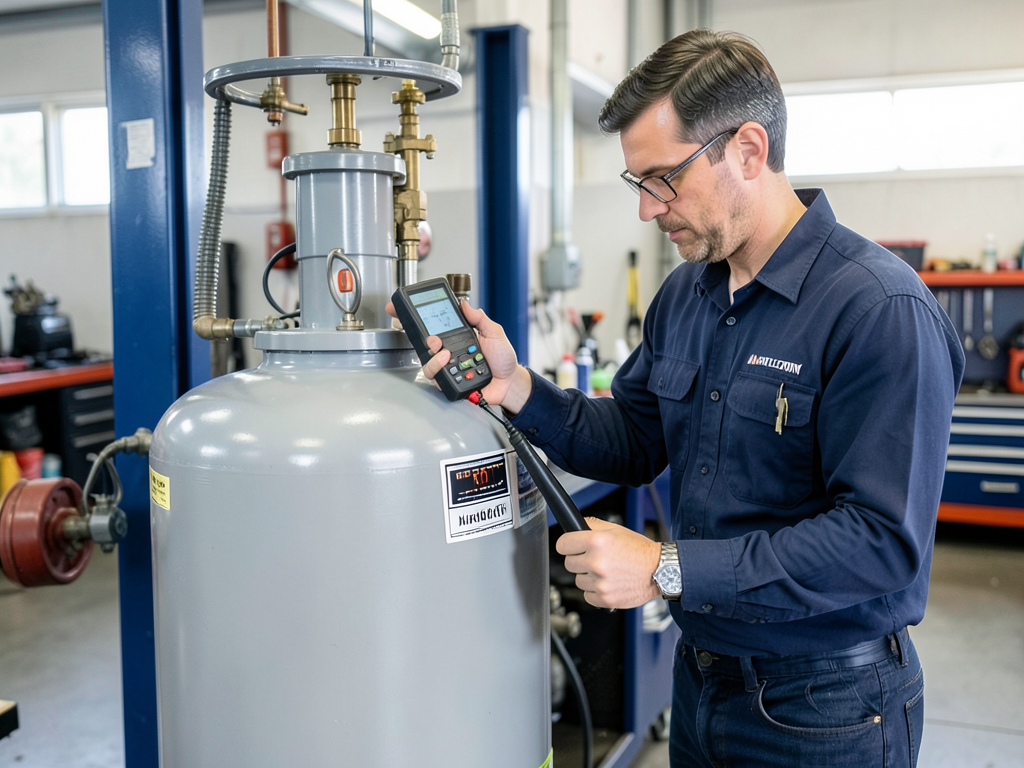
What happens when a well pump or pressure tank leaks in your Mapleton garage When a well pump or pressure…

What happens when a well pump or pressure tank leaks in your Mapleton garage

What happens when a well pump or pressure tank leaks in your Mapleton garage When a well pump or pressure…

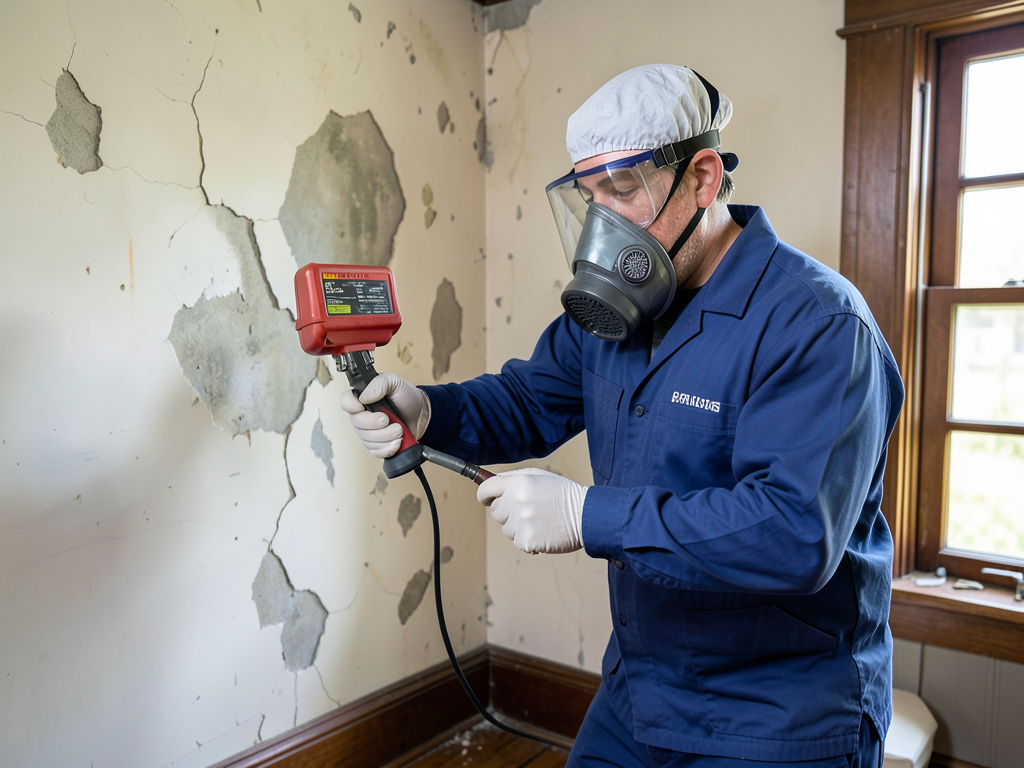
Dealing with lead and asbestos during water damage repairs in older Portland neighborhoods

Dealing with lead and asbestos during water damage repairs in older Portland neighborhoods Portland's historic neighborhoods face unique challenges when…

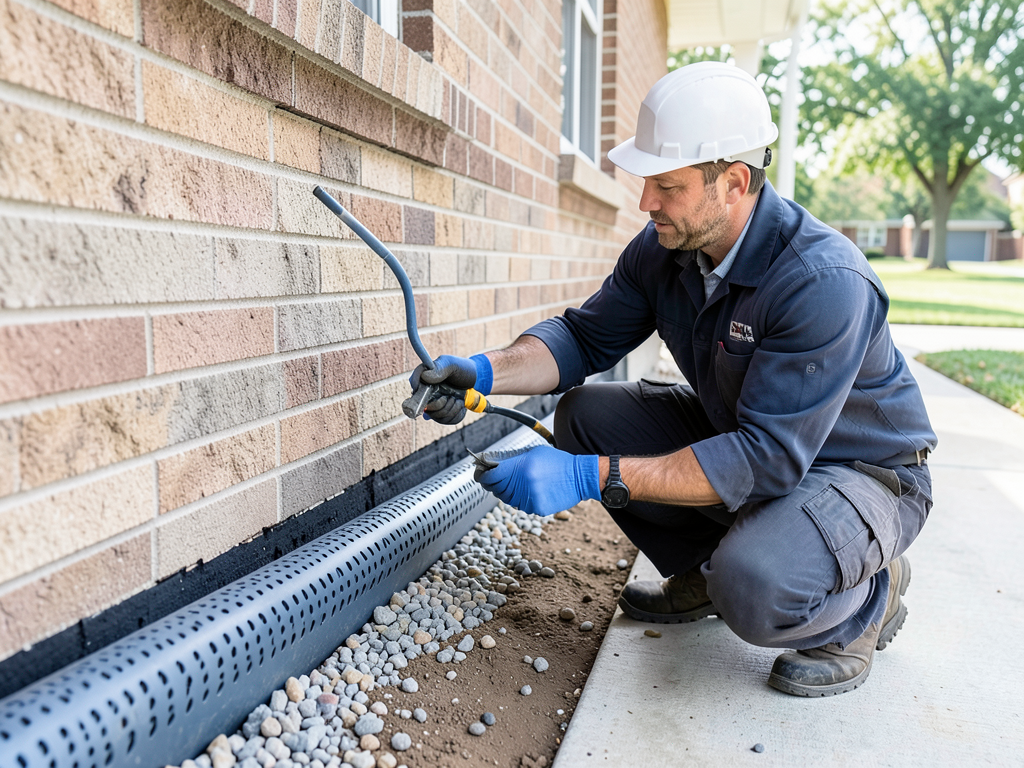
Why converting your University Park basement into a bedroom requires extra moisture protection

Why converting your University Park basement into a bedroom requires extra moisture protection Portland’s University Park neighborhood, nestled near the…

Contact Us

Water is spreading through your property right now. Call Evergreen Water Damage Restoration Portland at (503) 882-7766 for immediate dispatch. Our technicians arrive in 90 minutes with industrial extraction equipment and moisture detection tools. We work directly with your insurance company.