Menu

Sump Pump Failure Cleanup in Portland – 24/7 Emergency Response Stops Water Damage Fast

When your sump pump fails and water floods your basement, every minute counts. Evergreen Water Damage Restoration Portland arrives within 60 minutes to extract standing water, dry structural materials, and prevent mold growth before your property suffers permanent damage.

Slider Image 1
Slider Image 2
Slider Image 3
Slider Image 4
Slider Image 5
Slider Image 7
Slider Image 8
Slider Image 9
Slider Image 10
Slider Image 11

Why Sump Pump Failures Flood Portland Basements Without Warning

Portland receives 42 inches of rain annually, with the wettest months from November through March creating relentless groundwater pressure around basement foundations. Your sump pump is the only barrier between that water and your finished basement. When it fails, you face a crisis.

Sump pump backup water removal becomes urgent when pumps can't keep pace with Portland's heavy winter storms. A broken sump pump water damage restoration need often starts with a power outage during a storm, a clogged discharge line filled with debris from the Willamette River watershed, or a float switch that freezes during rare cold snaps.

The clay-heavy soil common in neighborhoods like Eastmoreland and Laurelhurst holds water like a sponge. When your pump stops working, groundwater pushes through foundation cracks with enough force to flood a basement in under an hour. You'll see water pooling around the sump pit first, then spreading across the floor toward furnaces, water heaters, and stored belongings.

Portland's aging housing stock compounds the problem. Many homes in Sellwood and Richmond were built before modern drainage codes. Original sump systems installed 30 to 40 years ago fail without warning. Emergency sump pump cleanup services can't wait until morning. Water wicks into drywall, seeps under laminate flooring, and creates conditions for black mold within 24 to 48 hours.

You need sump pump failure water extraction now, not next week. Standing water dissolves the glue in carpet backing, warps subflooring, and damages electrical systems. The longer water sits, the more you'll pay in repairs.

Why Sump Pump Failures Flood Portland Basements Without Warning
How We Extract Water and Restore Your Property After Sump Pump Failure

How We Extract Water and Restore Your Property After Sump Pump Failure

Sump pump overflow cleanup requires immediate water extraction using truck-mounted pumps that remove hundreds of gallons per minute. We don't use shop vacs. Our technicians deploy submersible pumps that handle heavy volumes, pulling standing water out of your basement before it migrates into wall cavities.

After extraction, we assess moisture levels using thermal imaging cameras and penetrating moisture meters. These tools detect hidden water trapped in concrete block cores, behind finished walls, and under tile flooring. Portland's mild humidity means water doesn't evaporate quickly on its own. We place commercial dehumidifiers that pull 150 pints per day, lowering relative humidity below 50 percent to stop microbial growth.

Air movers create circulation patterns that dry structural materials from the inside out. We position them at specific angles to force air under baseboards, behind cabinets, and into tight corners where water pools. This isn't guesswork. We calculate grain depression and vapor pressure to determine exact drying times for Douglas fir subflooring common in Portland homes.

Broken sump pump water damage restoration includes repairing what caused the failure. We inspect discharge lines for blockages, test check valves, and verify the pump's float switch operates correctly. If your pump is undersized for Portland's water table, we recommend upgrades to prevent future failures.

We document moisture readings daily and provide reports your insurance adjuster needs. Most policies cover sudden sump pump failures if you act fast. We work directly with carriers like State Farm and Allstate to streamline claims for emergency sump pump cleanup services.

Our goal is simple. Remove water, dry the structure, and verify your basement is safe before we leave.

What Happens During Emergency Sump Pump Cleanup

Sump Pump Failure Cleanup in Portland – 24/7 Emergency Response Stops Water Damage Fast
01

Immediate Water Extraction

We arrive within 60 minutes and begin pumping water out of your basement using truck-mounted extraction equipment. Our technicians remove standing water first, then use weighted wands to pull moisture from carpets and pad. This prevents water from spreading into adjacent rooms and limits damage to flooring and drywall. You'll see measurable results within the first hour.
02

Structural Drying Setup

After extraction, we place industrial dehumidifiers and air movers throughout the affected area. We monitor temperature and humidity levels, adjusting equipment placement to create optimal drying conditions. Our technicians remove wet baseboards, drill weep holes in walls if needed, and document moisture content in framing lumber. This phase typically runs three to five days depending on how long water sat before we arrived.
03

Final Inspection and Verification

We take final moisture readings to confirm all materials meet industry dry standards before removing equipment. You receive a detailed report showing before and after readings, photos of affected areas, and documentation that your basement is safe for reconstruction. We also inspect your sump pump system and provide recommendations to prevent future failures. Your space is certified dry and ready for repairs.

Why Portland Homeowners Trust Evergreen Water Damage Restoration for Sump Pump Emergencies

We've responded to sump pump failures in every Portland neighborhood from Forest Park to Lents. We know the water table shifts with seasonal rain. We understand how homes built in the 1920s through 1950s handle groundwater differently than new construction in South Waterfront. That local knowledge means faster, smarter decisions when your basement floods at 2 a.m.

Our technicians carry commercial extraction pumps, thermal cameras, and moisture detection equipment on every truck. We don't need to rent gear or wait for equipment delivery. When you call, we roll. Most competitors use residential-grade dehumidifiers that take twice as long to dry a space. We deploy commercial units that pull moisture out of concrete and wood framing in half the time.

Portland building codes require specific ventilation and moisture barriers in below-grade spaces. We work with these requirements daily. Our restoration process meets IICRC S500 standards for water damage, which insurance adjusters recognize and approve without argument. That saves you time and eliminates claim disputes.

We also understand Portland's quirks. Many older homes have combined storm and sanitary sewers. When heavy rains overwhelm the system, sewage backs up through floor drains near sump pits. We handle contaminated water differently than clean groundwater, using antimicrobial treatments and following contamination protocols to protect your family.

You need a company that shows up fast, brings the right equipment, and knows how Portland homes are built. We've dried out basements in Eastmoreland bungalows, mid-century ramblers in Montavilla, and new townhomes in the Pearl District. Every structure requires different drying strategies. We adapt our approach based on your home's age, construction type, and the severity of water intrusion.

What You Can Expect During Sump Pump Failure Cleanup

60-Minute Emergency Response Time

When your sump pump fails and water floods your basement, we dispatch a crew within 60 minutes. Our technicians work nights, weekends, and holidays because water doesn't wait for business hours. You'll receive a call when the crew is en route, and we begin extraction the moment we arrive. Speed matters. The faster we remove standing water, the less damage your property suffers. Most jobs start with water removal in the first hour, then transition to drying and monitoring over the next three to five days.

Complete Moisture Assessment and Monitoring

We inspect every affected area using thermal imaging and penetrating moisture meters to find hidden water. Our technicians check behind walls, under flooring, and inside mechanical chases where water migrates. You receive a written report showing moisture content in all materials. We return daily to take new readings and adjust drying equipment until everything meets dry standards. This documentation is critical for insurance claims. We provide detailed logs showing how moisture levels dropped each day, which proves proper mitigation and supports your claim for coverage.

Dry, Certified, and Ready for Repairs

When we finish drying your basement, you'll have proof the space is safe. We provide a certificate of completion showing final moisture readings in wood framing, drywall, and concrete. These readings meet industry standards that insurance companies and contractors require before reconstruction begins. Your basement won't have that damp smell. Floors won't feel spongy. Walls won't show moisture stains. We don't leave until testing confirms everything is dry. You can move forward with repairs knowing mold won't develop later because of trapped moisture.

Sump System Inspection and Prevention

After we dry your basement, we inspect your sump pump system to identify what failed. We check the pump motor, float switch, check valve, and discharge line for defects. If your pump is undersized for Portland's groundwater conditions, we recommend capacity upgrades. We also evaluate backup power options like battery systems that keep your pump running during outages. Many basement floods happen during storms that knock out power. A backup system prevents future disasters. We provide written recommendations so you can make informed decisions about protecting your home long-term.

Frequently Asked Questions

You Have Questions,
We Have Answers

How to clean up after sump pump failure? +

Turn off electricity to the pump immediately. Remove standing water with a wet vac or pump. Extract soaked carpets, padding, and furniture to prevent mold. Use fans and dehumidifiers to dry the space fast. Portland's high humidity slows drying, so speed matters. Scrub hard surfaces with a disinfectant solution. Document everything with photos for insurance. If you see more than an inch of water or damage spreads beyond the basement, call a professional. Mold starts growing in 24 to 48 hours. Act now.

What to do when a sump pump fails? +

Stop the water source if possible. Shut off power to the sump pump at the breaker. Move valuables and electronics away from water. Start removing standing water with a shop vac or portable pump. Check if your backup pump failed too. Portland's rainy season means basements flood fast when pumps quit. Contact your insurance company right away. Take photos of all damage. If water exceeds your cleanup capacity or touches drywall, you need professional extraction and drying. Do not wait. Time creates mold and structural damage.

How do you clean sludge out of a sump pump? +

Unplug the pump and remove it from the pit. Rinse the exterior with a hose. Use a putty knife or scraper to remove thick sludge from the intake screen and impeller. Flush internal components with clean water. For stubborn buildup, soak parts in a vinegar solution for 20 minutes. Check the float switch for debris. Portland's clay soil and groundwater often carry sediment that clogs pumps quickly. Reassemble and test before reinstalling. If sludge buildup caused flooding, you need immediate water extraction and drying services.

How much does it cost to clean a sump pump pit? +

Professional sump pit cleaning typically ranges from budget-friendly to moderate, depending on sediment buildup and pit depth. DIY cleaning costs almost nothing but takes time and effort. Portland homes with older systems or high water tables may need more frequent cleaning. Costs increase if the pump failed and caused flooding. Then you pay for water extraction, drying, and possible mold remediation on top of pit maintenance. Regular maintenance every year prevents expensive emergency cleanups. Get quotes from local contractors familiar with Portland's wet climate and soil conditions.

Can I put a chlorine tablet in my sump pump? +

No. Chlorine tablets create toxic fumes in enclosed spaces and corrode pump components. They do not prevent mold or bacteria effectively in sump systems. Portland's damp basements need proper ventilation and drainage, not chemical shortcuts. If you smell odors from your pit, the problem is stagnant water or organic debris. Clean the pit, check your discharge line, and ensure the pump cycles correctly. If flooding already happened, chlorine will not fix water damage. You need extraction, drying, and disinfection by professionals who understand Portland's moisture challenges.

How long does it take for mold to grow after flooding? +

Mold spores germinate within 24 to 48 hours after flooding. Visible growth appears in three to five days. Portland's cool, damp climate accelerates mold spread. Basements stay wet longer here. If your sump pump failed and water sat for more than a day, assume mold started. You cannot see it inside walls or under flooring yet, but it grows. Fast water extraction and industrial drying prevent colonization. Waiting even two days risks health problems and expensive remediation. Act immediately after pump failure. Speed stops mold.

What is the most common reason for sump pump failure? +

Power failure during storms tops the list. Portland's heavy winter rains often coincide with outages. Float switch malfunctions come second. Debris clogs the switch or it wears out. Discharge line freezes or clogs with mud, especially in clay soil common around Portland. Pump age matters too. Most fail between year seven and ten. Lack of maintenance accelerates failure. Sediment buildup burns out motors. No backup system means one failure floods your basement. Check your pump before storm season. Test it monthly. Replace it before it quits.

What is the typical lifespan of a sump pump? +

Seven to ten years with proper maintenance. Cheaper pumps fail sooner. Pumps running constantly in high water table areas, common in Portland's low-lying neighborhoods near the Willamette River, wear out faster. Lack of cleaning shortens lifespan. Sediment and debris kill motors early. If your pump runs more than usual or makes grinding noises, replace it now. Do not wait for failure during a storm. Portland gets 36 inches of rain yearly. Your pump works hard. Budget for replacement every eight years. Keep a backup pump or battery system ready.

How to sanitize a floor after a flood? +

Remove all standing water first. Scrub floors with hot water and detergent. Rinse thoroughly. Apply a disinfectant solution: one cup bleach per gallon of water. Let it sit for ten minutes. Rinse again. Portland's damp climate keeps floors wet longer, so use fans and dehumidifiers aggressively. Concrete floors need less care than wood. If water soaked wood subfloors, they may need replacement. Porous materials trap bacteria. Do not just mop and hope. If flooding was severe, hire professionals with commercial-grade antimicrobials and drying equipment.

How to clean out a sump pump without removing it? +

Unplug the pump but leave it in the pit. Use a wet vac to remove water and loose debris around the unit. Reach in with a small brush or cloth to wipe the exterior and intake screen. Pour a bucket of clean water into the pit to flush sediment. Let the pump cycle and eject the dirty water. Repeat until water runs clear. Check the float switch for obstructions. This method works for light maintenance. If your pump failed and caused flooding in your Portland home, cleaning it in place will not fix water damage. You need professional extraction immediately.

Why Portland's High Water Table Makes Sump Pump Backup Water Removal Critical Year-Round

Portland sits in the Willamette Valley where groundwater levels rise significantly from November through April. The water table in neighborhoods near the Willamette River like Johns Landing and Brooklyn can sit just three to five feet below basement floors during wet months. Heavy rain saturates the ground faster than it drains, creating hydrostatic pressure against foundation walls. Sump pumps in these areas run almost constantly during storms. When a pump fails, water enters through foundation cracks, cove joints, and floor drains within minutes. The clay-heavy soil common throughout East Portland holds water like a reservoir, which means basements stay wet longer after flooding. This makes emergency sump pump cleanup services essential. You can't wait for the ground to dry naturally.

Portland's building codes require proper drainage systems in below-grade spaces, but many older homes were built before these standards existed. We work with local building inspectors and understand current requirements for sump discharge, backwater valves, and moisture barriers. Our technicians have restored basements in homes throughout Multnomah County, from historic properties in Irvington to newer developments in Happy Valley. We know which foundation types are common in each neighborhood and how water behaves in different soil conditions. Choosing a local company means you get crews who've worked in homes like yours and understand Portland-specific challenges. We don't treat every basement flood the same way because every Portland neighborhood drains differently.
Water Damage Restoration Services in The Portland Area

Evergreen Water Damage Restoration proudly serves Portland and the surrounding areas, providing rapid and reliable water damage solutions whenever you need us. While our physical office is located conveniently for local operations, our dedicated teams are mobile and ready to deploy across the region. View our service area on the map to understand our reach, or simply call us to confirm if we cover your specific location. We are committed to extending our expert services to every community in need.

Address:
Evergreen Water Damage Restoration Portland, 239 NW 13th Ave, Portland, OR, 97209

Additional Services We Offer

Our news updates

Latest Articles & News from The Blogs

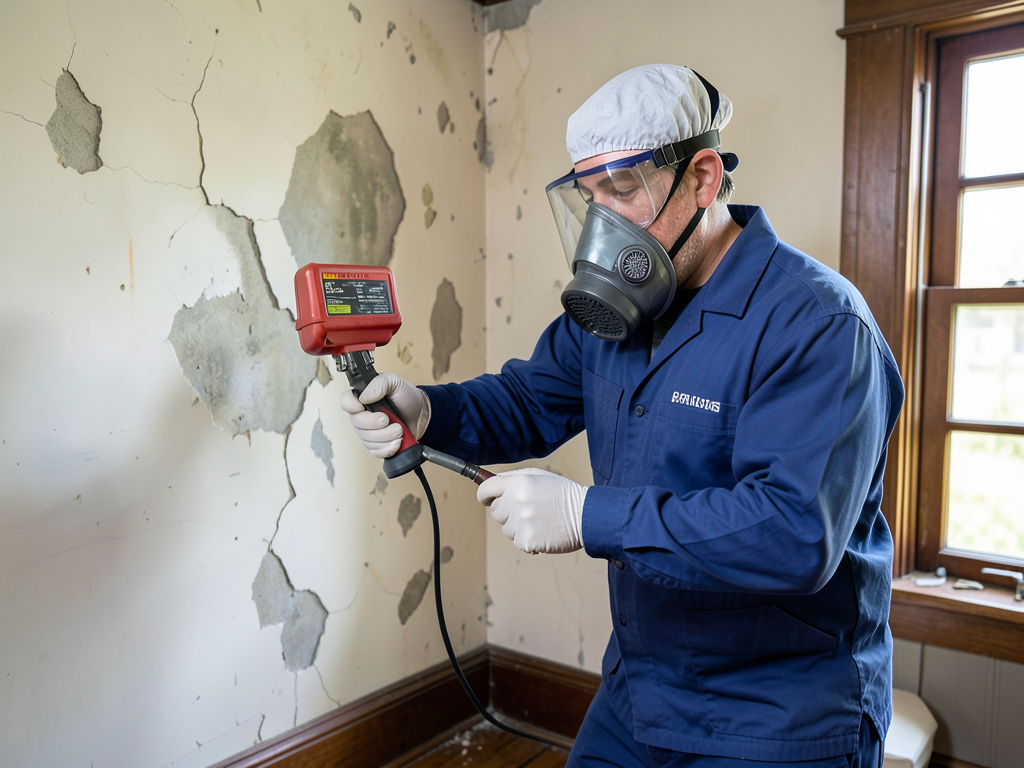
What happens when a well pump or pressure tank leaks in your Mapleton garage When a well pump or pressure…

What happens when a well pump or pressure tank leaks in your Mapleton garage

What happens when a well pump or pressure tank leaks in your Mapleton garage When a well pump or pressure…

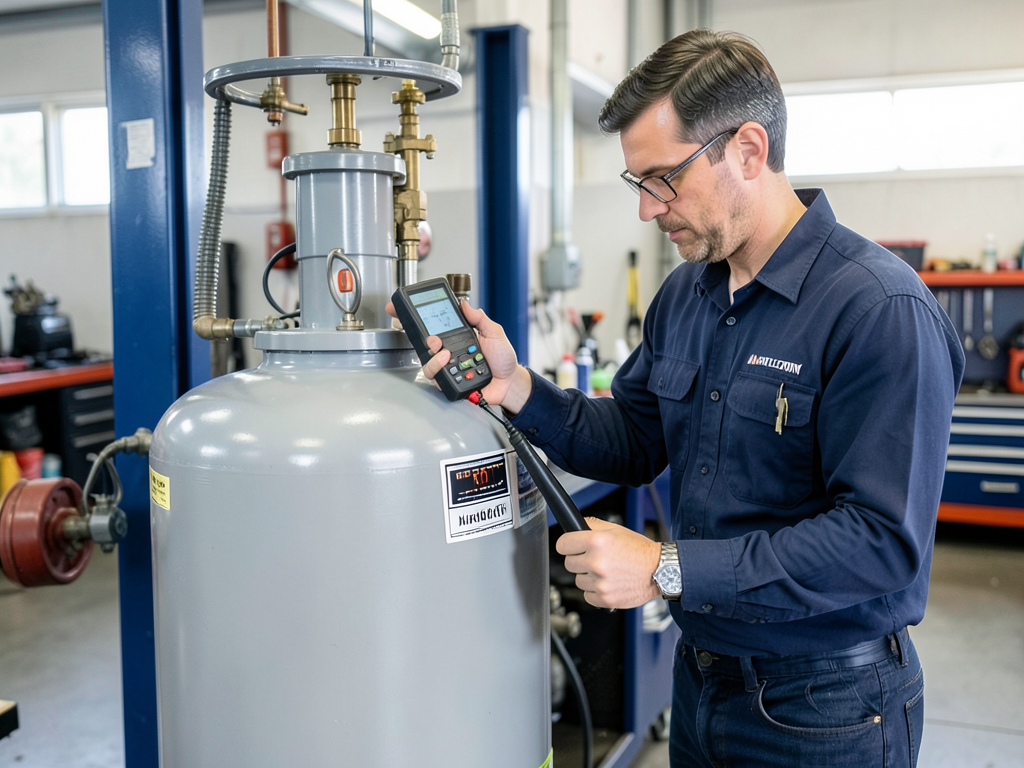
Dealing with lead and asbestos during water damage repairs in older Portland neighborhoods

Dealing with lead and asbestos during water damage repairs in older Portland neighborhoods Portland's historic neighborhoods face unique challenges when…

Why converting your University Park basement into a bedroom requires extra moisture protection

Why converting your University Park basement into a bedroom requires extra moisture protection Portland’s University Park neighborhood, nestled near the…

Contact Us

Your basement is flooding right now. Every minute you wait, water spreads deeper into walls and flooring. Call Evergreen Water Damage Restoration Portland at (503) 882-7766. We'll dispatch a crew immediately and start extracting water within the hour. Don't let a sump pump failure destroy your home.