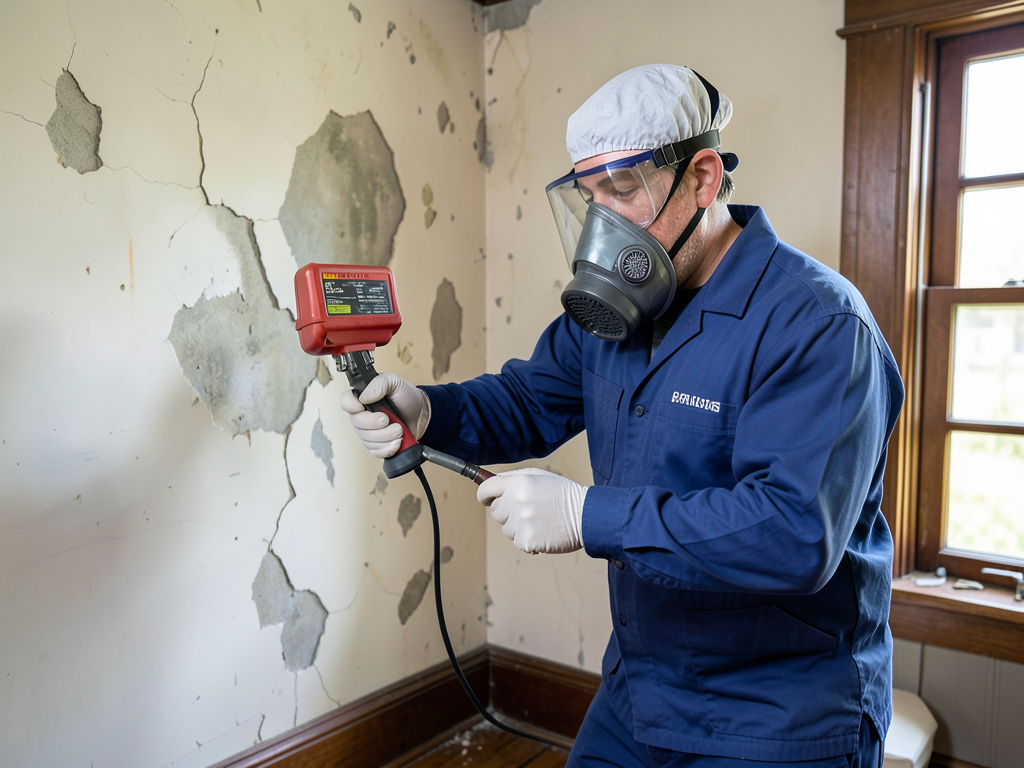
Portland receives most of its annual rainfall between October and May, saturating soils and raising groundwater tables across the metro area. Clay soils, common in Southeast Portland, Eastmoreland, and the West Hills, hold water rather than drain it quickly. This creates prolonged hydrostatic pressure against foundations, forcing moisture through concrete pores and carrying dissolved salts to the surface. Older homes built before vapor barriers became standard practice in the 1980s are especially vulnerable. Concrete poured directly on grade without a capillary break wicks groundwater upward, depositing mineral salts on concrete as the moisture evaporates. This seasonal cycle explains why you see more crystalline deposits on concrete in late winter and early spring when soil saturation peaks.
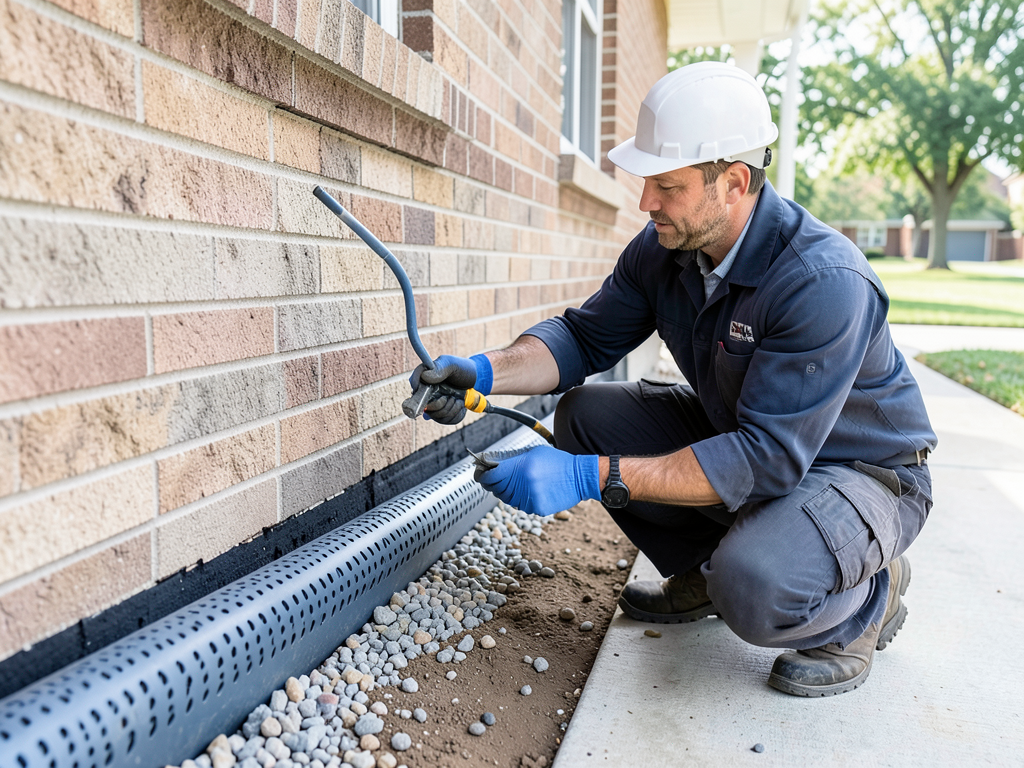
Evergreen Water Damage Restoration Portland has worked in this region long enough to understand which foundation types fail first and which drainage solutions hold up in Portland's soil and climate. We know that perimeter drains installed in heavy clay require proper aggregate backfill and outlet routing to function through wet winters. We know that homes near the Willamette River or in low-lying areas like St. Johns face higher groundwater tables that demand more aggressive waterproofing. We work with local building inspectors, follow Portland building codes, and use contractors familiar with the city's permitting requirements. When you hire us, you get a team that knows Portland foundations as well as you know your own neighborhood.