Menu

School & University Restoration in Portland – Minimize Downtime and Protect Your Educational Investment

Evergreen Water Damage Restoration Portland delivers rapid-response educational facility water damage restoration that keeps campuses operational, protects irreplaceable resources, and meets strict safety and compliance standards across Portland's schools and universities.

Slider Image 1
Slider Image 2
Slider Image 3
Slider Image 4
Slider Image 5
Slider Image 7
Slider Image 8
Slider Image 9
Slider Image 10
Slider Image 11

Water Damage Threatens Academic Operations Across Portland Campuses

Portland's persistent rainfall and aging infrastructure create perfect conditions for catastrophic water events in educational facilities. When pipes burst in residence halls, roofs fail over libraries, or HVAC condensation floods computer labs, the financial and operational consequences extend far beyond immediate property damage.

A single water intrusion event can disrupt classroom schedules, damage research equipment, destroy archival materials, and trigger mold growth that forces building closures. Portland State University, Reed College, and K-12 facilities throughout the metro area face unique vulnerabilities due to building age and density. Many educational structures were constructed before modern waterproofing standards, making them susceptible to lateral moisture migration through masonry and compromised building envelopes.

The stakes are higher in educational settings. You answer to students, parents, accreditors, and taxpayers. Delayed academic building water damage repair creates liability exposure, threatens Title IX compliance for housing facilities, and jeopardizes accreditation status if safety conditions deteriorate. Portland's clay-heavy soil compounds foundation settlement issues that can crack utility lines and create chronic moisture pathways into basements and ground-floor spaces.

University flood cleanup services require specialized protocols that generic restoration contractors cannot provide. You need teams who understand the difference between remediating a dormitory and a biology lab, who can coordinate work around academic calendars, and who maintain the chain of custody for damaged equipment that may need forensic documentation for insurance claims. School disaster recovery services must address immediate safety concerns while planning for minimal academic disruption.

Water Damage Threatens Academic Operations Across Portland Campuses
Strategic Water Damage Mitigation for Educational Environments

Strategic Water Damage Mitigation for Educational Environments

Educational facility water damage restoration requires compartmentalized response strategies that standard commercial protocols cannot address. Evergreen Water Damage Restoration Portland deploys segmented extraction and drying zones that allow unaffected building areas to remain operational while we contain and remediate damaged sections.

Our methodology begins with moisture mapping using thermal imaging and calibrated hygrometers to identify all affected materials, including concealed wall cavities and above-ceiling spaces where moisture accumulates undetected. Portland's moderate climate creates year-round condensation risks in HVAC plenums and building cavities, requiring comprehensive moisture detection beyond surface-level assessment.

We establish negative air pressure containment barriers using HEPA-filtered air scrubbers to prevent cross-contamination between remediation zones and occupied spaces. This is non-negotiable in facilities with vulnerable populations or sensitive research areas. Our industrial dehumidification systems process thousands of pints per day while maintaining precise humidity targets that prevent secondary microbial amplification without over-drying materials that could create structural stress.

College campus water remediation demands documentation rigor that residential work does not. We maintain detailed moisture logs, photographic evidence, and material disposal records that satisfy insurance adjusters, risk managers, and regulatory inspectors. Our technicians understand IICRC S500 standards for water damage restoration and apply them within the operational constraints of active educational environments.

Antimicrobial application follows EPA-registered protocols appropriate for occupied buildings. We never use chemical treatments that create indoor air quality concerns or require extended building closures. Our approach prioritizes physical removal of contaminated materials over chemical dependency, reducing liability exposure and allowing faster return to normal operations. For Portland schools operating on tight budgets, this efficiency translates directly to cost containment.

How Campus Water Damage Restoration Actually Works

School & University Restoration in Portland – Minimize Downtime and Protect Your Educational Investment
01

Emergency Assessment and Containment

Our initial response team arrives within 90 minutes to stop water intrusion at the source, document conditions with calibrated moisture meters, and establish physical containment barriers. We coordinate with your facilities management to identify critical infrastructure and create work zones that preserve academic continuity. This phase includes immediate safety assessment for electrical hazards, structural compromise, and microbial risk to prevent liability exposure while we develop the full remediation scope.
02

Extraction and Controlled Drying

We deploy truck-mounted extraction equipment for standing water removal, followed by placement of commercial air movers and low-grain refrigerant dehumidifiers calibrated to building materials and occupancy schedules. Our drying protocols follow psychrometric principles to achieve structural dryness within 72 to 96 hours for most building assemblies. We monitor progress with daily moisture readings and adjust equipment placement to address persistent wet spots in concrete slabs, wall cavities, and insulation layers.
03

Reconstruction and Clearance Testing

After achieving verified dryness below 15 percent moisture content, we rebuild affected areas using materials that match existing specifications and meet current building codes. This includes drywall replacement, flooring restoration, and paint application with low-VOC products appropriate for occupied educational spaces. We conduct final moisture verification and provide detailed completion documentation that satisfies your insurance carrier and risk management protocols. You receive a full project file including before and after photos and material disposal certificates.

Why Portland Educational Institutions Choose Evergreen Water Damage Restoration

Educational facilities cannot afford to experiment with untested contractors when water damage threatens operations. Evergreen Water Damage Restoration Portland has successfully remediated water intrusions at Portland-area schools, from elementary buildings to university research facilities, establishing a track record that risk managers and facilities directors rely on when disaster strikes.

We understand Portland's specific building code requirements and the jurisdictional nuances between City of Portland, Multnomah County, and independent school district oversight. Our project documentation meets the standards required by public works departments and satisfies the audit trails that publicly funded institutions must maintain. When your finance office needs detailed invoicing that aligns with procurement regulations, we deliver documentation that passes scrutiny.

Our teams work within the operational constraints that make educational environments unique. We schedule loud or disruptive work during breaks, coordinate with campus security for after-hours building access, and maintain strict protocol adherence in areas with student contact. Our technicians carry background clearances appropriate for school environments and follow visitor management procedures that protect campus security.

Portland's educational institutions face insurance complexities that residential clients never encounter. We work directly with public entity risk pools, large commercial carriers, and self-insured retention programs common in higher education. Our estimating follows Xactimate protocols that adjusters recognize, reducing claim disputes and accelerating payment cycles that keep your project cash flow healthy.

You need a restoration partner who understands that downtime equals lost tuition revenue, jeopardized research funding, and reputational damage that takes years to repair. We bring adequate crew capacity to execute large-scale projects without pulling resources from your job to chase other work. When we commit to a completion timeline, our project management infrastructure ensures we deliver.

What to Expect During Your Campus Restoration Project

Response Time and Project Duration

Emergency calls receive response within 90 minutes during business hours and two hours after-hours throughout the Portland metro area. Initial containment and water extraction typically complete within the first 24 hours. Structural drying requires 72 to 96 hours for most building materials, though concrete slabs and dense assemblies may need extended drying time. Complete restoration including reconstruction ranges from one week for isolated incidents to several weeks for multi-room or multi-building events. We provide detailed project timelines within 48 hours of initial assessment so you can communicate accurately with stakeholders about building availability and academic schedule impacts.

Initial Damage Assessment Process

Our assessment begins with visual inspection to identify water source and affected areas, followed by thermal imaging to detect concealed moisture in walls, ceilings, and floor assemblies. We use calibrated moisture meters to quantify water content in building materials and establish drying targets. You receive a detailed scope of work that categorizes water damage by IICRC classification, identifies materials requiring removal versus restoration, and provides preliminary cost estimates for insurance notification. We photograph all affected areas and document pre-existing conditions to protect you from liability disputes. The assessment includes sampling recommendations if microbial contamination is suspected based on water source or duration of exposure.

Quality Standards and Final Results

Your restored spaces will meet or exceed pre-loss condition with materials selected for durability in high-traffic educational environments. All work complies with current building codes and accessibility standards, even when repairing older buildings constructed under previous code cycles. We verify structural dryness using IICRC S500 standards before beginning reconstruction, ensuring no concealed moisture remains that could trigger future microbial growth. Final finishes match existing adjacent areas in texture and color. You receive moisture verification documentation showing final readings below acceptable thresholds, material disposal certificates for contaminated waste, and completion photos that document restoration quality for your permanent facility records.

Post-Restoration Support and Monitoring

We provide detailed operation and maintenance recommendations to reduce future water damage risk, including HVAC maintenance schedules, plumbing inspection intervals, and building envelope monitoring protocols. Our documentation includes moisture mapping reports that your facilities team can reference if future issues develop in adjacent areas. We remain available for post-project consultation if questions arise during insurance claim settlement or if you need expert testimony regarding causation and scope. For clients managing multiple buildings or campuses, we offer periodic moisture inspections that identify developing problems before they escalate into major damage events. This proactive approach protects your capital assets and reduces total cost of ownership for aging building infrastructure.

Frequently Asked Questions

You Have Questions,
We Have Answers

Which school is better, college or university? +

Neither is inherently better. Universities offer undergraduate and graduate programs across multiple colleges and research facilities. Colleges typically focus on undergraduate education in specific fields. For Portland educational facilities requiring restoration after water damage, building type matters more than name. Universities often have complex HVAC systems, labs, and specialized equipment requiring coordinated restoration. Colleges may have simpler infrastructure but still need fast response to minimize academic disruption. The right choice depends on your educational goals and career path, not institutional label.

What is the difference between the school and college? +

A college typically offers undergraduate degrees in focused academic areas. A university encompasses multiple colleges and schools, offers both undergraduate and graduate programs, and conducts research. Universities have larger campuses with more complex infrastructure. In Portland, both face similar restoration challenges after water events: maintaining accreditation requirements, protecting irreplaceable research, and minimizing downtime during academic terms. The structural difference affects restoration logistics. Universities require department-by-department coordination. Colleges allow faster decision-making but may lack backup facilities during repairs.

What is called a university? +

A university is an institution granting undergraduate and graduate degrees through multiple colleges or schools under one administration. Universities conduct research, offer doctoral programs, and serve larger student populations. Portland universities like Portland State maintain diverse facilities requiring specialized restoration approaches. Research labs need contamination control. Libraries require archival-grade drying. Dormitories demand health code compliance. The university structure creates restoration complexity because multiple departments control different buildings, budgets, and schedules. Coordinating access across academic calendars while maintaining operational continuity requires commercial-grade project management.

Why does Gen Z not go to college? +

Gen Z weighs college costs against career outcomes more critically than previous generations. They see rising tuition, student debt, and question ROI when trade careers offer immediate income. Economic uncertainty and remote work options reduce perceived college necessity. For Portland educational institutions, declining enrollment affects restoration decisions. Empty buildings during renovations minimize disruption but reduce urgency for fast completion. Facilities managers balance deferred maintenance against shrinking budgets. Understanding enrollment trends helps you plan restoration timing and phasing to align with actual building usage and available capital.

Where do the 1% go to college? +

Wealthy families traditionally favor Ivy League schools, elite liberal arts colleges, and top-tier universities with strong alumni networks and career placement. Institutions like Harvard, Yale, Stanford, and Princeton dominate this demographic. For Portland facilities managers, this matters less than understanding your institution's competitive position. Your restoration decisions affect recruitment and retention. Visible water damage, mold, or outdated facilities drive prospective students toward competitors. Fast, professional restoration protects your institution's reputation and maintains the facility quality expected by families investing heavily in education.

Is Harvard a school or a university? +

Harvard is a university. It comprises Harvard College plus graduate schools including law, medicine, business, and education. This distinction affects facility complexity during restoration. Harvard's decentralized structure mirrors Portland universities where individual schools control their buildings and budgets. Restoration contractors must navigate multiple decision-makers, varying insurance policies, and different operational priorities. A water event in one building requires coordination across facilities management, academic departments, risk management, and sometimes individual donors who funded specific spaces. University structure directly impacts project approval timelines and restoration logistics.

What is the #1 hardest school to get into? +

Acceptance rates fluctuate yearly, but institutions like Stanford, Harvard, Caltech, and MIT consistently rank among the most selective, accepting under five percent of applicants. For Portland educational facilities, selectivity correlates with restoration expectations. Highly competitive institutions demand faster response and higher-quality finishes because facility condition directly impacts rankings and recruitment. Less selective schools still require code-compliant work but may accept longer timelines or phased approaches. Understanding your institution's market position helps you set appropriate restoration standards and budget parameters that match stakeholder expectations.

What are the 4 types of degrees? +

The four degree types are associate, bachelor, master, and doctoral. Associate degrees require two years, bachelor degrees four years, master degrees one to three years beyond bachelor level, and doctoral degrees several years of advanced research. For Portland educational facilities, degree levels affect building usage patterns and restoration priorities. Graduate research facilities contain expensive equipment and irreplaceable data requiring immediate protection after water damage. Undergraduate classroom buildings allow more scheduling flexibility. Matching restoration urgency to academic program criticality prevents unnecessary premium costs while protecting mission-critical spaces.

What is the #1 university in the world? +

Rankings vary by methodology, but institutions like MIT, Oxford, Stanford, Cambridge, and Harvard consistently appear in top positions across major ranking systems. Each measures different factors including research output, faculty credentials, and student outcomes. For Portland facilities managers, global rankings matter less than regional reputation and accreditation status. Your restoration decisions affect institutional standing within your competitive set. Water damage left unaddressed threatens accreditation, reduces enrollment, and damages donor confidence. Focus restoration investments on maintaining your competitive position within schools prospective students actually compare.

What does alma mater mean literally? +

Alma mater means nourishing mother in Latin. It personifies educational institutions as nurturing entities. The term applies to any school you attended, from high school through graduate programs. For Portland educational facilities requiring restoration, this emotional connection affects stakeholder expectations. Alumni, donors, and long-serving faculty view buildings as irreplaceable heritage assets, not just functional spaces. Water damage to historic campus buildings generates intense emotional response and public scrutiny. Restoration approaches must respect institutional history while meeting modern building codes and operational needs.

Portland's Rain-Saturated Climate Amplifies Educational Facility Water Damage Risk

Portland receives 43 inches of annual precipitation distributed across 155 rainy days, creating sustained moisture loading on building envelopes that most U.S. climates never experience. Educational facilities with deferred maintenance backlogs face exponential risk as aging roof membranes, deteriorated flashing, and compromised window seals allow incremental water intrusion that saturates wall cavities and structural framing. The city's prevalent northwest modern and mid-century educational architecture features flat or low-slope roofs with internal drainage systems that fail catastrophically when scuppers clog or roof drains freeze during Portland's occasional winter cold snaps. Educational facility water damage restoration in this climate requires understanding how prolonged moisture exposure affects both modern and historic building materials common to Portland's diverse campus architecture.

Portland's educational institutions operate under overlapping jurisdictions including Oregon Department of Education facility standards, Portland Development Commission requirements for buildings in urban renewal areas, and historic preservation guidelines for campuses with landmark structures. School disaster recovery services must navigate these regulatory layers while maintaining compliance with life safety codes and accessibility standards. Evergreen Water Damage Restoration Portland maintains working relationships with City of Portland Building Bureau inspectors and understands permit requirements that govern substantial building alterations following water damage events. Our documentation standards align with public contracting requirements and prevailing wage obligations that apply to many Portland educational projects, ensuring your restoration work satisfies legal and regulatory scrutiny.
Water Damage Restoration Services in The Portland Area

Evergreen Water Damage Restoration proudly serves Portland and the surrounding areas, providing rapid and reliable water damage solutions whenever you need us. While our physical office is located conveniently for local operations, our dedicated teams are mobile and ready to deploy across the region. View our service area on the map to understand our reach, or simply call us to confirm if we cover your specific location. We are committed to extending our expert services to every community in need.

Address:
Evergreen Water Damage Restoration Portland, 239 NW 13th Ave, Portland, OR, 97209

Additional Services We Offer

Our news updates

Latest Articles & News from The Blogs

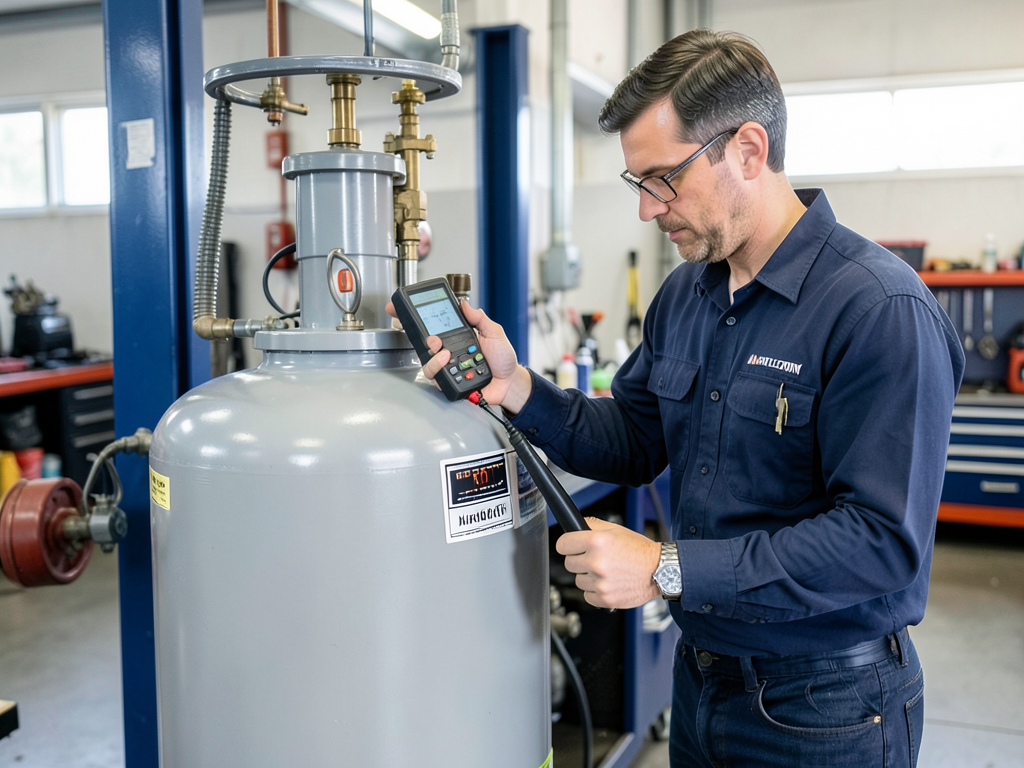
What happens when a well pump or pressure tank leaks in your Mapleton garage When a well pump or pressure…

What happens when a well pump or pressure tank leaks in your Mapleton garage

What happens when a well pump or pressure tank leaks in your Mapleton garage When a well pump or pressure…

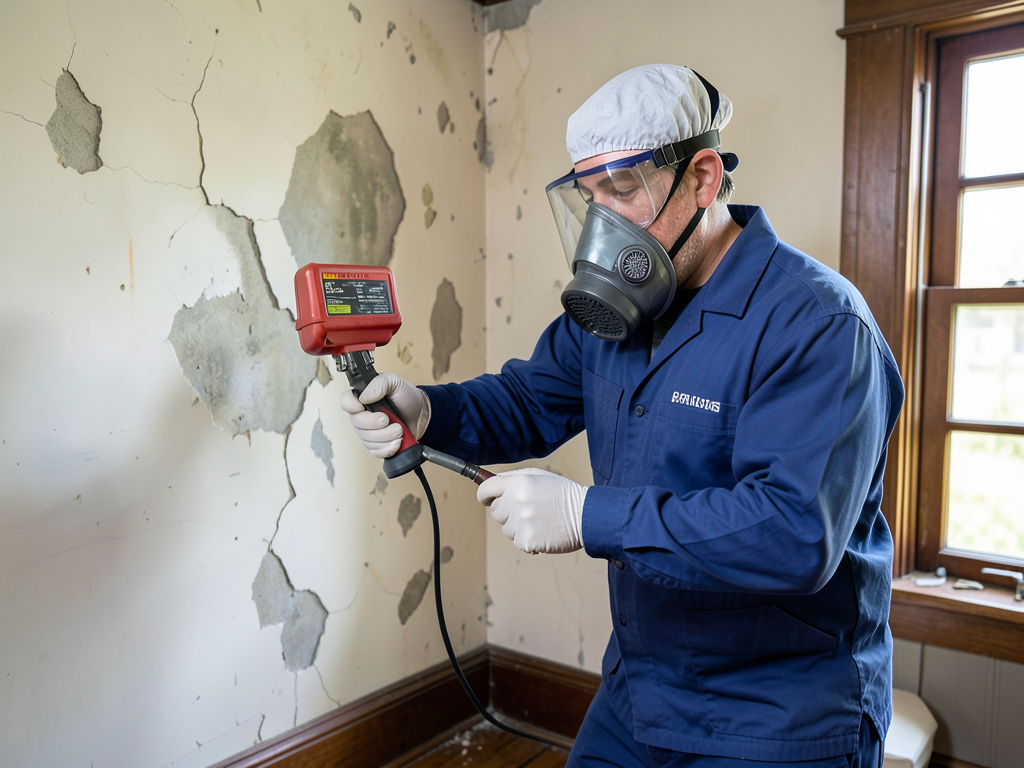
Dealing with lead and asbestos during water damage repairs in older Portland neighborhoods

Dealing with lead and asbestos during water damage repairs in older Portland neighborhoods Portland's historic neighborhoods face unique challenges when…

Why converting your University Park basement into a bedroom requires extra moisture protection

Why converting your University Park basement into a bedroom requires extra moisture protection Portland’s University Park neighborhood, nestled near the…

Contact Us

Water damage escalates rapidly in educational environments. Contact Evergreen Water Damage Restoration Portland at (503) 882-7766 for immediate response. Our teams deploy within 90 minutes to contain damage, document conditions, and begin restoration that keeps your campus operational.