Menu

Commercial Mold Remediation in Portland – Protect Revenue and Minimize Business Downtime

Evergreen Water Damage Restoration Portland delivers industrial-grade commercial mold abatement designed to keep your facility operational, compliant with Oregon health codes, and free from liability exposure.

Slider Image 1
Slider Image 2
Slider Image 3
Slider Image 4
Slider Image 5
Slider Image 7
Slider Image 8
Slider Image 9
Slider Image 10
Slider Image 11

Why Portland's Marine Climate Creates Persistent Mold Risk for Commercial Properties

Portland's proximity to the Willamette River and the Columbia River Gorge creates year-round humidity levels that exceed 70 percent. This moisture saturation drives aggressive mold colonization in commercial buildings, particularly those with flat roofs, HVAC systems running constantly, or poor exterior drainage. Your building envelope absorbs moisture from persistent Pacific rain events, and without active dehumidification or proper vapor barriers, interior spaces become breeding grounds for Stachybotrys, Aspergillus, and Penicillium species.

Commercial mold removal becomes urgent when employees report respiratory symptoms, tenants threaten lease termination, or OSHA flags indoor air quality violations. The problem compounds in older Portland structures built before updated building codes required moisture management systems. Brick facades common in the Pearl District and Northwest Portland absorb water, transferring moisture into interior drywall assemblies. Basement storage areas in buildings near Burnside or along the riverfront see chronic condensation that fuels growth cycles.

Business mold remediation requires containment protocols that prevent cross-contamination into occupied spaces, HEPA filtration to control spore dispersal, and coordination with your operations team to maintain workflow. Commercial mold mitigation is not a surface cleaning job. It demands controlled demolition of affected materials, antimicrobial treatment of structural components, and documentation that satisfies insurance carriers and regulatory agencies. Delay increases your liability exposure and extends downtime. Portland's wet season runs October through May. That gives mold eight months to establish itself if you ignore early warning signs.

Why Portland's Marine Climate Creates Persistent Mold Risk for Commercial Properties
How Industrial-Grade Containment Protects Your Operations During Abatement

How Industrial-Grade Containment Protects Your Operations During Abatement

Commercial mold abatement begins with engineering-grade containment barriers that isolate affected zones from active work areas. We install polyethylene sheeting with sealed seams and create negative air pressure zones using HEPA-rated air scrubbers. This prevents spore migration into clean spaces where employees, customers, or manufacturing processes operate. Containment is not optional. Oregon OSHA requires documented exposure control when mold exceeds 10 square feet of surface area.

Our technicians perform moisture mapping using thermal imaging and capacitance meters to identify hidden saturation behind walls, above ceilings, and within HVAC plenums. Mold grows where water sits. If we miss a moisture reservoir, remediation fails within 72 hours. We document every reading and provide you with a moisture map that your facility manager can use for future maintenance planning.

Material removal follows IICRC S520 standards. We remove drywall, insulation, ceiling tiles, and any porous material that shows active growth or water damage. Non-porous surfaces like steel studs, concrete, and ductwork get HEPA vacuumed and treated with EPA-registered antimicrobials. We do not encapsulate mold in place. That creates future liability when the next leak reactivates dormant spores.

Post-remediation air clearance testing confirms spore counts return to baseline levels. We coordinate with third-party industrial hygienists who analyze air samples using direct microscopy and culture analysis. You receive a clearance report that satisfies insurance requirements and provides documentation if tenants or employees file claims. Commercial mold cleanup is complete only when the data confirms your building is safe for occupancy.

What Happens During Your Commercial Mold Remediation Project

Commercial Mold Remediation in Portland – Protect Revenue and Minimize Business Downtime
01

Emergency Assessment and Containment

We deploy within four hours to assess contamination extent, identify moisture sources, and establish containment barriers. Our team maps affected zones using moisture meters and thermal imaging, then isolates these areas with sealed polyethylene barriers and negative air machines. This prevents spore dispersal into clean areas while your business continues operating in unaffected spaces. You receive a scope of work document outlining materials requiring removal, timeline estimates, and access requirements.
02

Controlled Demolition and Treatment

Technicians wearing respirators remove contaminated materials using HEPA vacuums to control dust. Drywall, insulation, ceiling tiles, and porous materials get bagged and disposed of following Oregon DEQ regulations. Structural components get treated with antimicrobial solutions and dried using commercial dehumidifiers. We coordinate material removal schedules around your operational needs, working nights or weekends if necessary. All waste leaves your facility in sealed containers to prevent environmental contamination.
03

Air Clearance and Documentation

After treatment and drying, third-party industrial hygienists collect air samples from remediated zones and compare them against control samples from unaffected areas. Lab analysis confirms spore counts meet acceptable thresholds before we remove containment barriers. You receive a clearance certificate, photographic documentation of all work phases, and moisture readings showing your building envelope is dry. This documentation protects you from future liability claims and satisfies insurance requirements.

Why Portland Businesses Choose Local Mold Remediation Expertise

Evergreen Water Damage Restoration Portland understands Oregon building codes and OSHA regulations that govern commercial mold mitigation. We know Portland's construction types, from the brick warehouses in the Central Eastside Industrial District to the mixed-use developments along Division Street. This familiarity allows us to anticipate moisture intrusion patterns and design remediation strategies that account for your building's age, envelope design, and mechanical systems.

Our technicians hold IICRC certification in Applied Microbial Remediation and understand the documentation requirements that satisfy commercial insurance carriers. We coordinate with your property manager, tenants, and business operations team to minimize disruption. Night and weekend scheduling keeps your revenue-generating spaces operational during regular business hours. We provide detailed project timelines that account for permitting requirements if structural repairs trigger City of Portland building department review.

Local response time matters when mold threatens business continuity. We dispatch from our Portland facility, not a regional hub in Seattle or Eugene. This means containment barriers go up within hours, not days. Speed reduces your exposure to liability claims from employees or tenants experiencing health symptoms. It also prevents mold from spreading into additional zones that increase remediation costs.

Portland's wet climate requires ongoing moisture management. We provide facility managers with maintenance protocols that prevent future contamination, including HVAC filter schedules, drainage system inspection intervals, and humidity monitoring guidelines. You get actionable intelligence that protects your asset value and reduces operational risk. We know the local building science because we work in Portland's conditions every day. That expertise translates into faster project completion and lower total remediation costs.

What Your Commercial Mold Remediation Project Includes

Rapid Response and Project Timeline

We mobilize within four hours of your call to establish containment and begin assessment. Most commercial projects require three to seven days depending on contamination extent and building access constraints. We provide daily progress updates to your facilities team and adjust schedules to minimize impact on operations. Projects requiring structural repairs or permit approval extend timelines, but we coordinate with contractors and city inspectors to prevent delays. Emergency projects receive priority scheduling. Our team works extended shifts to return your facility to safe operation as quickly as possible without compromising quality or regulatory compliance.

Comprehensive Inspection and Moisture Analysis

Initial assessment includes thermal imaging to detect hidden moisture, capacitance meter readings of wall and ceiling assemblies, and visual inspection of HVAC systems and building envelope penetrations. We identify the water source driving mold growth, whether that is roof leaks, plumbing failures, condensation from poor insulation, or groundwater intrusion. You receive a written report documenting moisture levels, contamination extent, and recommended repairs. This report includes photographic evidence and moisture maps your maintenance team can reference for future facility management. The assessment takes two to four hours depending on building size and complexity.

Certified Remediation and Quality Verification

All work follows IICRC S520 standards and Oregon OSHA guidelines for mold remediation. Technicians use HEPA filtration, antimicrobial treatments, and controlled demolition techniques that prevent cross-contamination. We remove and dispose of affected materials following Oregon DEQ regulations. Post-remediation air quality testing by independent industrial hygienists confirms spore counts return to acceptable levels before we remove containment barriers. You receive lab reports, clearance certificates, and photographic documentation of completed work. This documentation satisfies insurance requirements and provides liability protection if future claims arise from employees or tenants.

Preventive Maintenance Recommendations

After remediation, we provide your facilities team with a moisture management protocol tailored to your building. This includes HVAC maintenance schedules, humidity monitoring guidelines, drainage system inspection intervals, and roof maintenance recommendations. Portland's wet climate requires active moisture control to prevent recurrence. We identify building envelope vulnerabilities that contributed to the original contamination and recommend repairs that reduce future risk. Our team remains available for follow-up inspections and can coordinate with your contractors if structural repairs are needed. Preventive maintenance reduces long-term costs and protects your investment in remediation.

Frequently Asked Questions

You Have Questions,
We Have Answers

What do professionals use for mold remediation? +

Professionals use HEPA air scrubbers to capture airborne spores, antimicrobial solutions to kill mold at the source, and industrial-grade dehumidifiers to control moisture. We deploy containment barriers to prevent cross-contamination during removal. Portland's persistent rain and humidity require specialized drying equipment to address moisture intrusion in commercial buildings. Thermal imaging cameras detect hidden moisture in walls and ceilings. We apply EPA-registered fungicides to affected surfaces and use negative air machines to maintain proper pressure differentials. All contaminated materials are removed following OSHA guidelines. The process protects your building occupants and prevents business disruption.

How much does it cost to professionally get rid of mold? +

Commercial mold remediation in Portland ranges widely based on the extent of contamination and building size. A small office suite might require less investment than a multi-story facility with HVAC involvement. Factors include square footage affected, moisture source complexity, and containment requirements. Portland's older commercial buildings often have hidden moisture issues that expand scope. Cost scales with labor hours, equipment deployment, disposal fees, and post-remediation verification testing. Business continuity requirements affect scheduling and pricing. Material removal, structural repairs, and preventive measures all contribute to the total. Request a detailed assessment to understand your specific situation and liability exposure.

How much does professional mold removal cost? +

Professional mold removal in commercial spaces varies by contamination severity and building specifications. Small isolated areas require less investment than widespread growth affecting multiple zones. Portland's climate creates unique moisture challenges in commercial properties, particularly in older structures with outdated vapor barriers. Scope includes containment setup, HEPA filtration, material removal, antimicrobial treatment, and verification testing. Factors include affected square footage, accessibility, HVAC system involvement, and business continuity needs. Emergency after-hours work carries premium pricing but prevents revenue loss. Material reconstruction and moisture remediation add to totals. A professional assessment identifies your actual exposure and prevention requirements.

Is professional mold removal worth it? +

Professional mold removal is essential for commercial properties. DIY approaches fail to address hidden moisture sources and airborne spore distribution throughout your building. Portland's persistent dampness creates ideal conditions for regrowth without proper remediation. You face liability exposure if occupants develop health issues from mold exposure. Professional remediation protects your business continuity, prevents structural damage, and maintains property values. We use containment protocols that prevent cross-contamination to unaffected areas. Proper remediation addresses root moisture causes, not just visible growth. Insurance requirements and building code compliance demand professional documentation. The ROI includes reduced liability and avoided operational disruption.

What kills mold permanently? +

Nothing kills mold permanently without addressing moisture sources. Professional antimicrobial solutions eliminate existing colonies, but mold returns if water intrusion continues. Portland's climate demands comprehensive moisture control strategies in commercial buildings. We identify and repair leaks, improve ventilation, and control humidity levels below 60 percent. Encapsulation products seal porous surfaces to prevent future growth. HVAC systems require proper maintenance to prevent condensation. Dehumidification equipment maintains appropriate conditions in problem areas. The solution combines immediate remediation with long-term moisture management. Prevention requires ongoing vigilance in Portland's wet environment. Professional moisture mapping identifies vulnerabilities before problems escalate.

How do Japanese bathrooms not get mold? +

Japanese bathrooms resist mold through superior ventilation design and materials engineering. They use non-porous wall panels instead of drywall, eliminating organic food sources for mold. High-capacity exhaust fans maintain negative pressure and rapid moisture removal. Floor drains and sloped surfaces prevent standing water. Portland commercial properties benefit from similar strategies adapted to local building codes. Installing commercial-grade exhaust systems, using moisture-resistant materials, and maintaining proper air circulation prevents growth. Temperature control prevents condensation on cold surfaces. Quick-drying surfaces and regular maintenance protocols reduce mold risk. These engineering solutions work better than reactive remediation in high-moisture environments.

Can black mold be fully remediated? +

Black mold can be fully remediated through professional protocols that remove contaminated materials and treat affected surfaces. Success requires eliminating the moisture source driving growth. Portland's climate makes source control critical for permanent results. We remove porous materials like drywall and insulation that harbor deep colonization. Non-porous surfaces receive antimicrobial treatment after thorough cleaning. Air filtration captures airborne spores during the process. Post-remediation testing verifies successful removal. The key is addressing underlying moisture problems in your building envelope and mechanical systems. Without moisture control, black mold returns. Professional remediation includes verification documentation for liability protection.

Is mold remediation tax deductible? +

Mold remediation may qualify as a tax-deductible business expense for commercial properties. If mold affects business operations or creates liability exposure, remediation costs typically qualify as ordinary and necessary expenses. Portland business owners should consult tax professionals for specific guidance. Preventive measures may be capitalized as building improvements rather than expensed immediately. Documentation requirements include detailed invoices, remediation reports, and business impact statements. Remediation related to rental properties follows different rules than owner-occupied commercial spaces. Insurance reimbursements affect deductibility calculations. Keep comprehensive records of all remediation activities, testing results, and related business interruption costs for tax and legal purposes.

Why is mold remediation so expensive? +

Mold remediation costs reflect the complexity of safe containment, specialized equipment, and liability exposure. Commercial projects require negative air machines, HEPA filtration, containment barriers, and certified disposal to prevent cross-contamination. Portland's building codes mandate strict protocols for occupied commercial spaces. Labor costs include trained technicians following OSHA and EPA guidelines. Testing and verification add necessary expenses. Hidden moisture sources in older Portland buildings expand project scope during remediation. Insurance requirements demand professional documentation. Equipment investment is substantial and specialized. Liability protection and business continuity planning drive pricing. Cutting corners creates health risks and potential lawsuits that far exceed proper remediation costs.

Can you permanently get rid of black mold? +

You can permanently eliminate black mold by removing contaminated materials and controlling moisture. Surface cleaning alone does not work because black mold penetrates porous materials. Professional remediation removes affected drywall, insulation, and other materials that harbor deep growth. Portland's wet climate requires comprehensive moisture control to prevent recurrence. We repair leaks, improve ventilation, and maintain humidity below 60 percent. Encapsulation seals remaining surfaces against future colonization. Success requires addressing roof leaks, foundation moisture, and HVAC condensation issues common in Portland commercial buildings. Post-remediation monitoring verifies long-term success. Prevention through moisture management is the only permanent solution.

How Portland's Willamette Valley Humidity Accelerates Commercial Mold Growth

Portland sits at the convergence of the Willamette River and Columbia River Gorge, creating persistent humidity that commercial HVAC systems struggle to control. Buildings in downtown Portland, the Pearl District, and areas near Tom McCall Waterfront Park experience elevated moisture levels that drive mold colonization in wall cavities, above drop ceilings, and within ductwork. Older commercial structures built before modern vapor barrier requirements absorb water through masonry facades and single-pane windows. Business mold remediation becomes necessary when this chronic moisture exposure creates conditions that support fungal growth. Commercial properties near Forest Park or along the riverfront see particularly aggressive contamination due to elevation and proximity to water sources.

Oregon building codes require specific moisture management protocols for commercial construction, but enforcement varies across jurisdictions. Evergreen Water Damage Restoration Portland maintains relationships with City of Portland building inspectors and understands permit requirements when remediation work requires structural repairs. Our team knows which commercial districts have older infrastructure prone to plumbing failures and which construction types require specialized containment approaches. This local expertise speeds project completion and ensures compliance with municipal codes. Portland businesses need contractors who understand regional building science and can navigate local regulatory requirements without delays.
Water Damage Restoration Services in The Portland Area

Evergreen Water Damage Restoration proudly serves Portland and the surrounding areas, providing rapid and reliable water damage solutions whenever you need us. While our physical office is located conveniently for local operations, our dedicated teams are mobile and ready to deploy across the region. View our service area on the map to understand our reach, or simply call us to confirm if we cover your specific location. We are committed to extending our expert services to every community in need.

Address:
Evergreen Water Damage Restoration Portland, 239 NW 13th Ave, Portland, OR, 97209

Additional Services We Offer

Our news updates

Latest Articles & News from The Blogs

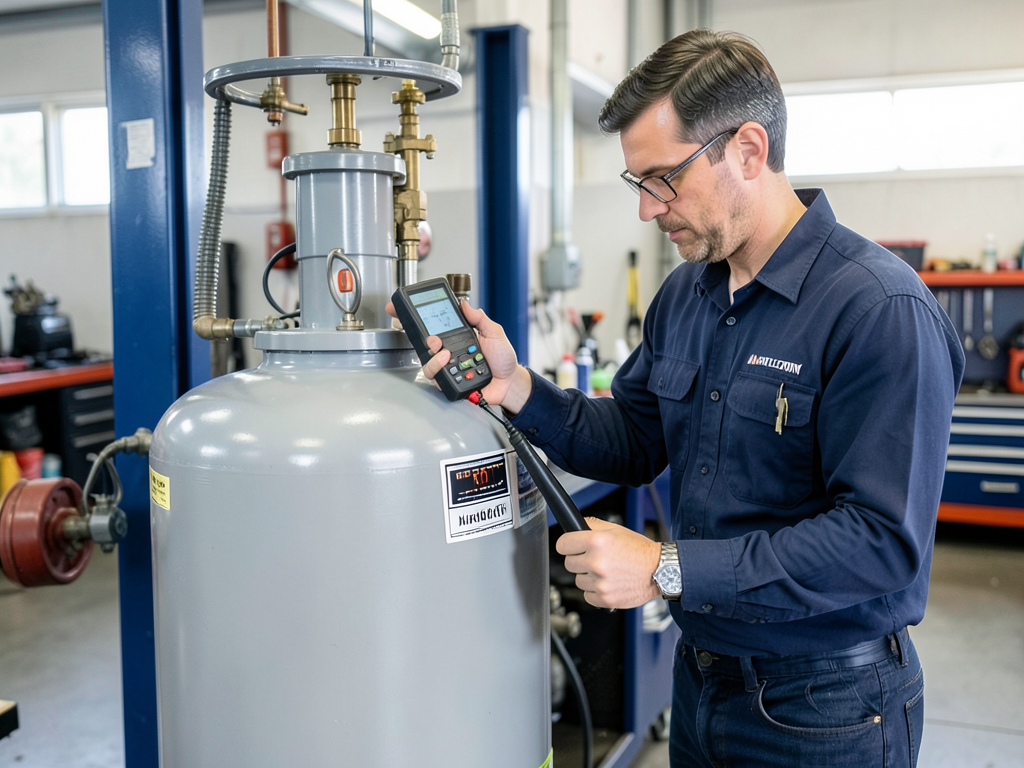
What happens when a well pump or pressure tank leaks in your Mapleton garage When a well pump or pressure…

What happens when a well pump or pressure tank leaks in your Mapleton garage

What happens when a well pump or pressure tank leaks in your Mapleton garage When a well pump or pressure…

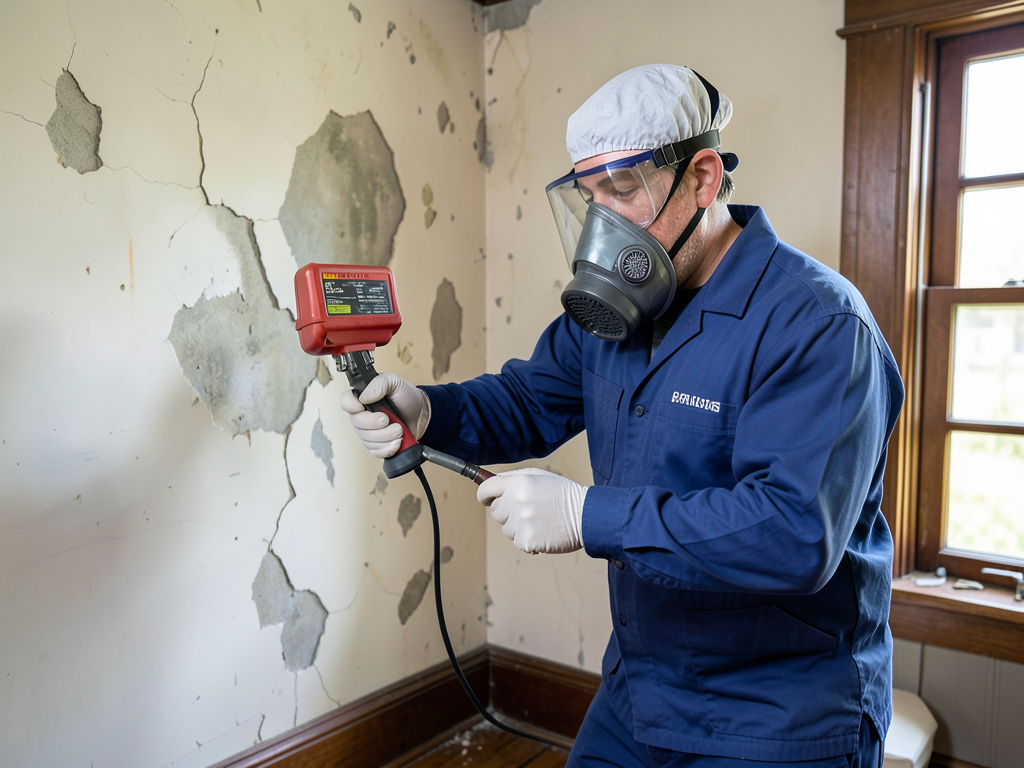
Dealing with lead and asbestos during water damage repairs in older Portland neighborhoods

Dealing with lead and asbestos during water damage repairs in older Portland neighborhoods Portland's historic neighborhoods face unique challenges when…

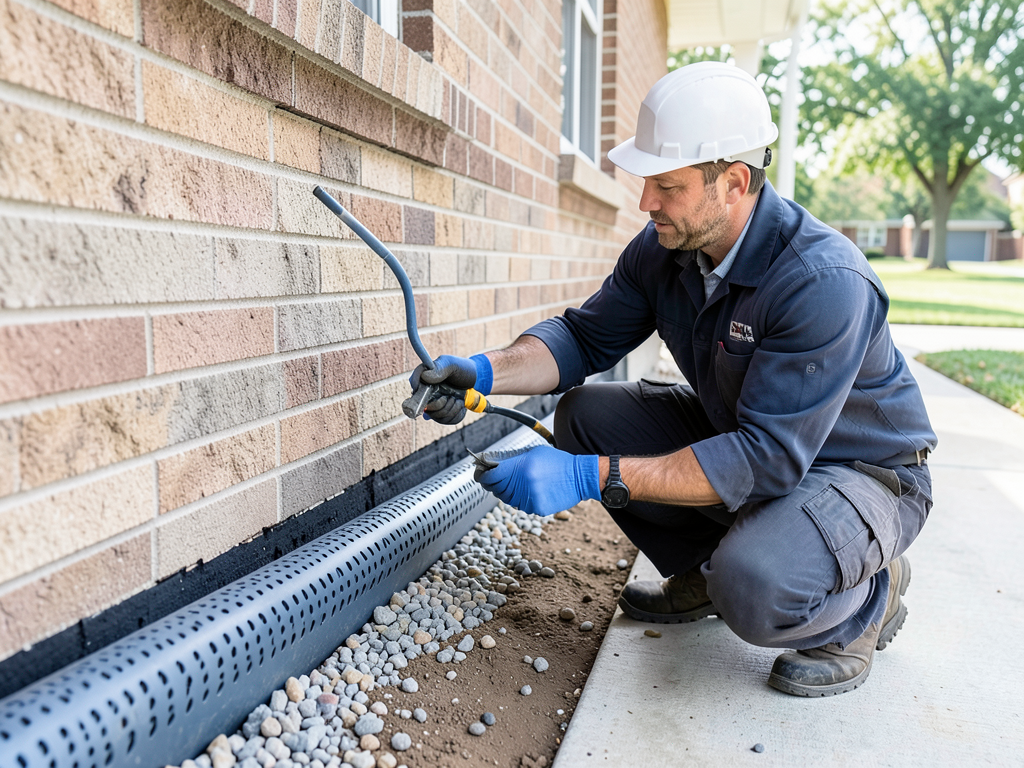
Why converting your University Park basement into a bedroom requires extra moisture protection

Why converting your University Park basement into a bedroom requires extra moisture protection Portland’s University Park neighborhood, nestled near the…

Contact Us

Call (503) 882-7766 now for emergency commercial mold assessment. Evergreen Water Damage Restoration Portland responds within four hours to contain contamination and protect your operations. Every day of delay increases remediation costs and liability exposure.