Menu

Disaster Recovery Planning in Portland – Minimize Downtime and Protect Revenue When Water Damage Strikes Your Facility

Evergreen Water Damage Restoration Portland delivers facility-specific disaster recovery planning that ensures your commercial property has documented response protocols, vendor agreements, and mitigation strategies ready before water damage threatens your operations.

Slider Image 1
Slider Image 2
Slider Image 3
Slider Image 4
Slider Image 5
Slider Image 7
Slider Image 8
Slider Image 9
Slider Image 10
Slider Image 11

Why Portland Facilities Need Pre-Loss Disaster Recovery Planning

Portland's combination of heavy winter rainfall, aging infrastructure, and seismic vulnerability creates a perfect storm for water damage events that can cripple operations. Between November and March, the city receives over 20 inches of rain, overwhelming outdated drainage systems in older commercial districts like the Pearl District and Lloyd Center. Add the Cascadia Subduction Zone risk, and you face potential pipe ruptures, sprinkler system failures, and structural breaches that can halt business for weeks.

Most commercial property managers in Portland operate without documented disaster recovery planning. When a supply line ruptures at 2 AM or storm surge floods your loading dock, the scramble to locate contractors, contact insurance adjusters, and coordinate emergency response costs you critical hours. Business continuity planning removes that chaos. Facilities with pre-loss planning protocols resume operations 60% faster than those improvising during an emergency.

Your disaster recovery planning should address Portland-specific scenarios. Does your plan account for Willamette River flooding during spring melt? Have you mapped which equipment moves first if water enters your server room? Do you have commercial emergency response planning agreements with certified water extractors who can deploy dehumidifiers and air movers within two hours?

Without facility contingency planning, every minute of standing water increases your total loss. Drywall wicks moisture vertically at one inch per hour. Electronics suffer corrosion damage within 48 hours. Mold colonization begins in 72 hours. The cost of recovery compounds exponentially when you lack pre-established protocols and vendor relationships.

Why Portland Facilities Need Pre-Loss Disaster Recovery Planning
How Facility-Specific Disaster Restoration Planning Works

How Facility-Specific Disaster Restoration Planning Works

Effective disaster recovery planning starts with a comprehensive facility assessment. We document your building's water vulnerabilities including roof drainage capacity, below-grade spaces, HVAC condensate systems, and supply line locations. In Portland's mixed-use buildings, this includes mapping tenant separation points and identifying which zones can be isolated during a water event without shutting down entire floors.

We create actionable emergency response protocols specific to your operation. A food processing facility needs different planning than a medical office. Your plan includes contact hierarchies, equipment shutdown sequences, and critical asset relocation procedures. We identify which operations can continue during remediation and which require temporary closure. This level of business continuity planning prevents the expensive decision paralysis that extends downtime.

Your disaster restoration planning includes pre-negotiated vendor agreements. When water damage occurs, you already have extraction crews, structural drying specialists, and contents restoration partners under contract with agreed response times and pricing. In Portland's competitive restoration market, facilities with pre-loss agreements receive priority dispatch while others wait in queue during major storm events.

We integrate your disaster recovery planning with insurance requirements. Many commercial policies in Oregon require documented mitigation efforts within specific timeframes to avoid claim reduction. Your plan includes photo documentation protocols, moisture monitoring procedures, and communication templates that satisfy adjuster requirements. We map which building systems require immediate professional assessment versus in-house stabilization.

The plan includes quarterly updates as your facility changes. New equipment installations, tenant improvements, and seasonal inventory shifts all affect your water damage vulnerabilities. Regular plan reviews ensure your emergency response protocols remain current and executable when crisis hits.

Building Your Commercial Water Damage Response Framework

Disaster Recovery Planning in Portland – Minimize Downtime and Protect Revenue When Water Damage Strikes Your Facility
01

Facility Vulnerability Assessment

We conduct a detailed walkthrough of your Portland facility, documenting every water entry point, high-value asset location, and critical system. This includes thermal imaging to identify hidden moisture risks behind walls and above ceilings. You receive a facility-specific risk map that prioritizes vulnerabilities based on likelihood and potential business impact. This assessment forms the foundation of your facility contingency planning.
02

Protocol Documentation and Training

We create step-by-step response protocols for different water damage scenarios. Your team receives laminated quick-reference guides and digital access to detailed procedures. We conduct tabletop exercises with your management team, walking through decision trees for various emergency situations. This commercial emergency response planning ensures your staff knows exactly who to call, what to document, and which systems to shut down during an actual event.
03

Vendor Network Integration

We establish your pre-loss vendor agreements with certified water damage restoration contractors, equipment rental companies, and emergency service providers. You receive a crisis contact sheet with guaranteed response times. We verify each vendor maintains proper licensing for Portland commercial work and carries adequate liability coverage. These agreements eliminate the costly delay of contractor sourcing during an emergency, ensuring your business continuity planning translates into actual operational resilience.

Why Portland Facilities Trust Our Disaster Recovery Planning Expertise

Portland's commercial building stock presents unique planning challenges that require local knowledge. The city's inventory ranges from historic masonry warehouses in Old Town to modern LEED-certified towers in the South Waterfront. Each building type has different water damage vulnerabilities. Historic structures lack modern vapor barriers and often have concealed pipe routing. Newer buildings rely on complex mechanical systems where a single sensor failure can trigger cascading problems.

We understand Portland's regulatory environment. Commercial water damage work in the city often requires permits for structural drying that penetrates fire-rated assemblies. Our disaster restoration planning accounts for Bureau of Development Services requirements, ensuring your emergency response doesn't create code violations that complicate insurance claims or delay reopening.

Our planning process reflects real Portland conditions. We account for winter storm patterns that can delay equipment delivery. We factor in the reality that major weather events create citywide contractor shortages. Your plan includes backup vendors and alternative equipment sources that function even when primary resources are overcommitted.

Evergreen Water Damage Restoration Portland maintains relationships with local commercial insurance carriers, property management firms, and facility maintenance contractors. This network integration means your disaster recovery planning connects seamlessly with existing property management systems. We speak the same language as your insurance adjuster and understand the documentation requirements that prevent claim disputes.

We focus on business continuity outcomes, not just water removal. Your employees need to know when they can return to work. Your customers need to know whether you can fulfill orders. Your tenants need to know if their spaces remain habitable. Our facility contingency planning addresses these operational questions with concrete timelines and decision criteria. You receive planning that protects revenue and reputation, not just drywall.

What Your Disaster Recovery Planning Engagement Includes

Plan Development Timeline

Initial facility assessment and vulnerability mapping typically requires one full business day for properties under 50,000 square feet. Larger or multi-building facilities require proportionally more time. You receive a preliminary risk assessment within 48 hours, followed by the complete disaster recovery planning document within two weeks. This includes customized response protocols, vendor contact lists, and asset protection priorities. We schedule the plan delivery meeting around your operational calendar to ensure key decision-makers can participate in the final walkthrough and protocol review.

Comprehensive Facility Documentation

Your assessment includes thermal imaging scans of suspect areas, detailed photography of all water system components, and as-built markup showing shutoff valve locations. We document current conditions of high-value spaces, creating the baseline for future insurance claims. In Portland facilities with basement or below-grade spaces, we measure floor elevations and map drainage patterns to predict water flow during flood events. You receive both digital files and physical binders with emergency contact sheets laminated for water resistance. This documentation proves invaluable when adjusters question pre-existing conditions during claim processing.

Actionable Emergency Protocols

Your disaster restoration planning includes scenario-specific response checklists. These cover supply line failures, roof leaks, HVAC condensate overflows, sprinkler system discharges, and external flooding. Each protocol specifies immediate actions, documentation requirements, and notification sequences. We include decision trees that help your team assess whether to evacuate spaces or continue operations during active water intrusion. Portland-specific considerations include protocols for earthquake-triggered water damage and procedures for coordinating with city emergency services during widespread infrastructure failures. These protocols translate planning into executable action during high-stress situations.

Quarterly Plan Updates and Drills

Business continuity planning requires maintenance to remain effective. We provide quarterly plan reviews to incorporate facility changes including new equipment installations, tenant modifications, or inventory shifts. Annual tabletop exercises test your team's familiarity with protocols and identify gaps in the response framework. These drills simulate realistic scenarios like after-hours pipe ruptures or multi-floor water migration, revealing coordination issues before they matter. We update vendor contact information and verify emergency response agreements remain current. This ongoing engagement ensures your disaster recovery planning evolves with your facility rather than becoming an outdated document filed away and forgotten.

Frequently Asked Questions

You Have Questions,
We Have Answers

What are the 5 steps of disaster recovery planning? +

Disaster recovery planning follows five critical steps. First, conduct a risk assessment to identify vulnerabilities specific to your Portland facility, including seismic risks and water intrusion from heavy rainfall. Second, perform a business impact analysis to determine which operations are critical. Third, define recovery objectives with specific timeframes for resuming operations. Fourth, develop detailed response procedures for each disaster scenario. Fifth, test and update the plan regularly through drills and tabletop exercises. Portland businesses must account for local hazards like earthquakes, winter storms, and flooding from the Willamette River when building their recovery framework.

What is disaster and recovery planning? +

Disaster and recovery planning is the systematic process of preparing your business to respond to and recover from disruptive events. It involves identifying potential threats, establishing protocols to protect critical assets, and creating procedures to restore operations quickly. For Portland businesses, this means planning for earthquakes, floods, power outages, and winter weather events. The plan documents roles, responsibilities, communication channels, and recovery steps. It reduces downtime, minimizes financial loss, and protects your reputation. A solid plan ensures business continuity when disaster strikes, allowing you to serve customers and maintain cash flow during and after the crisis.

What should a disaster recovery plan include? +

A complete disaster recovery plan includes several key components. Start with an executive summary outlining objectives and scope. Document all critical business functions and their dependencies. Include contact information for employees, vendors, emergency services, and insurance providers. List all IT systems, equipment, and data backup locations. Define recovery time objectives and recovery point objectives for each critical function. Include step-by-step recovery procedures for various scenarios Portland businesses face, like earthquake damage or water intrusion. Add facility floor plans, equipment inventories, and insurance policy details. The plan must specify command structure, communication protocols, and testing schedules to ensure readiness.

What are the 4 pillars of disaster recovery? +

The four pillars of disaster recovery provide a structural framework for resilience. First, preparedness involves risk assessment, planning, and resource allocation before disaster hits. Second, response covers immediate actions to protect people, contain damage, and activate emergency protocols. Third, recovery focuses on restoring operations, repairing facilities, and resuming critical functions. Fourth, mitigation includes steps to reduce future risk and vulnerability. Portland businesses should emphasize seismic retrofitting and water damage prevention in their mitigation efforts. These pillars work together to create a comprehensive approach. Each pillar requires specific strategies, resources, and testing to ensure your business can withstand disruptions.

What are the 4 C's of disaster recovery? +

The four Cs of disaster recovery guide effective planning and execution. Communication ensures all stakeholders know their roles and receive timely updates during an incident. Coordination aligns response efforts across departments, vendors, and emergency services to avoid duplication or gaps. Continuity maintains critical operations and revenue streams during the disruption. Control establishes command structure and decision-making authority to manage the crisis effectively. Portland businesses benefit from pre-established communication networks that account for potential infrastructure failures. The four Cs create a cohesive framework that reduces confusion, speeds recovery, and protects business interests when disaster strikes your commercial facility.

What should a recovery plan include? +

A recovery plan should include detailed procedures for restoring operations after a disaster. Document critical functions in priority order with specific recovery timeframes. List all necessary resources including equipment, personnel, facilities, and vendor contacts. Include data backup locations, IT restoration procedures, and alternate work sites. Define roles and responsibilities for the recovery team. Add financial considerations like insurance claim procedures and emergency funding sources. For Portland businesses, include protocols for common local hazards like earthquake damage, flooding, and extended power outages. The plan needs communication templates, supply chain alternatives, and customer notification procedures to maintain business relationships during recovery.

What is a disaster recovery plan template? +

A disaster recovery plan template is a pre-structured document that guides businesses through the planning process. It provides sections for risk assessment, contact lists, recovery procedures, and resource inventories. Templates save time by offering a proven framework you can customize for your Portland business. They typically include fillable forms for critical data, checklists for response actions, and flowcharts for decision-making. Good templates prompt you to consider scenarios specific to your industry and location. While templates provide structure, you must tailor content to your actual operations, facilities, and the specific risks your Portland location faces, including seismic and weather-related hazards.

How much does a DRP cost? +

Disaster recovery planning costs vary widely based on business size, complexity, and industry requirements. Small Portland businesses might spend between five and fifteen thousand dollars for basic planning assistance and documentation. Mid-size operations often invest twenty to fifty thousand dollars for comprehensive plans with testing and training. Large enterprises may spend hundreds of thousands on advanced planning, redundant systems, and ongoing maintenance. Costs include consultant fees, technology investments, backup facilities, and staff time. Portland businesses should factor in seismic retrofitting and water mitigation measures. Consider this an operational investment, not an expense. The cost of not having a plan far exceeds planning expenses.

What are DRP best practices? +

Disaster recovery best practices start with regular testing through drills and tabletop exercises. Update your plan annually or after major business changes. Maintain current contact lists and verify backup systems function properly. Store plan copies off-site and ensure key personnel can access them remotely. Establish relationships with Portland emergency services, contractors, and equipment suppliers before you need them. Document everything with photos and detailed inventories for insurance purposes. Train all employees on their roles and communication protocols. Build redundancy into critical systems and supply chains. Review insurance coverage annually. Partner with experienced local restoration professionals who understand Portland building codes and can respond quickly.

How do you write a recovery plan? +

Write a recovery plan by starting with a thorough risk assessment of your Portland facility. Identify critical business functions and establish recovery priorities. Document current resources, including equipment, personnel, technology, and facilities. Define specific recovery time objectives for each critical function. Create detailed procedures for various disaster scenarios common to Portland, like earthquakes and floods. Assign roles and responsibilities to specific team members. List all contacts for employees, vendors, emergency services, and insurance providers. Include facility diagrams, equipment inventories, and data backup protocols. Test the plan through exercises, gather feedback, and revise accordingly. Keep the document accessible and review it regularly.

How Portland's Rain Patterns and Seismic Risk Demand Proactive Disaster Recovery Planning

Portland receives 43 inches of annual rainfall, with 75% concentrated between October and April. This extended wet season stresses aging commercial roofs and exposes drainage system inadequacies. Many Pearl District and Northwest Portland buildings constructed during the 1980s warehouse conversion boom lack modern waterproofing, making them vulnerable to water intrusion during sustained rain events. Add the Cascadia Subduction Zone threat, and Portland facilities face potential simultaneous pipe ruptures across entire buildings when seismic activity strikes. Pre-loss planning becomes essential when your commercial property faces both chronic seasonal threats and catastrophic seismic risk.

Evergreen Water Damage Restoration Portland maintains active relationships with local commercial property management associations and participates in Portland Business Alliance emergency preparedness initiatives. We understand City of Portland Commercial Building Code requirements for water damage remediation and maintain current knowledge of Bureau of Development Services permit procedures. Our team has responded to major Portland water damage events including the 2017 Columbia River Gorge storm impacts and routine Willamette River spring flooding. This local experience informs disaster recovery planning that reflects actual Portland conditions rather than generic templates imported from other markets.
Water Damage Restoration Services in The Portland Area

Evergreen Water Damage Restoration proudly serves Portland and the surrounding areas, providing rapid and reliable water damage solutions whenever you need us. While our physical office is located conveniently for local operations, our dedicated teams are mobile and ready to deploy across the region. View our service area on the map to understand our reach, or simply call us to confirm if we cover your specific location. We are committed to extending our expert services to every community in need.

Address:
Evergreen Water Damage Restoration Portland, 239 NW 13th Ave, Portland, OR, 97209

Additional Services We Offer

Our news updates

Latest Articles & News from The Blogs

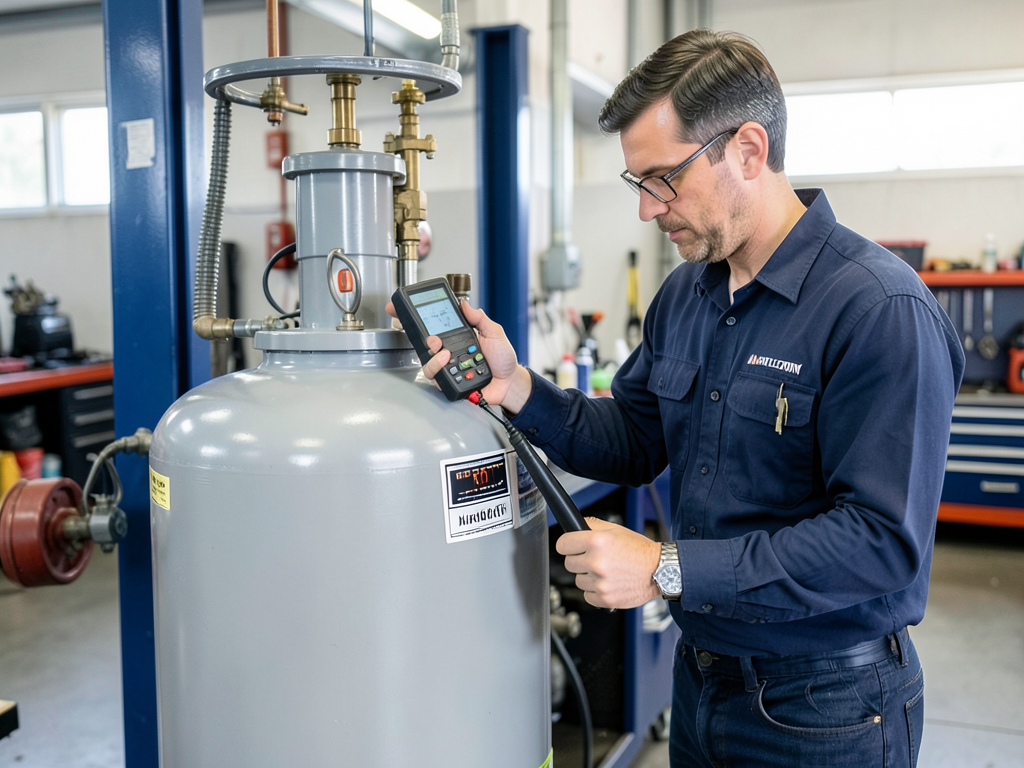
What happens when a well pump or pressure tank leaks in your Mapleton garage When a well pump or pressure…

What happens when a well pump or pressure tank leaks in your Mapleton garage

What happens when a well pump or pressure tank leaks in your Mapleton garage When a well pump or pressure…

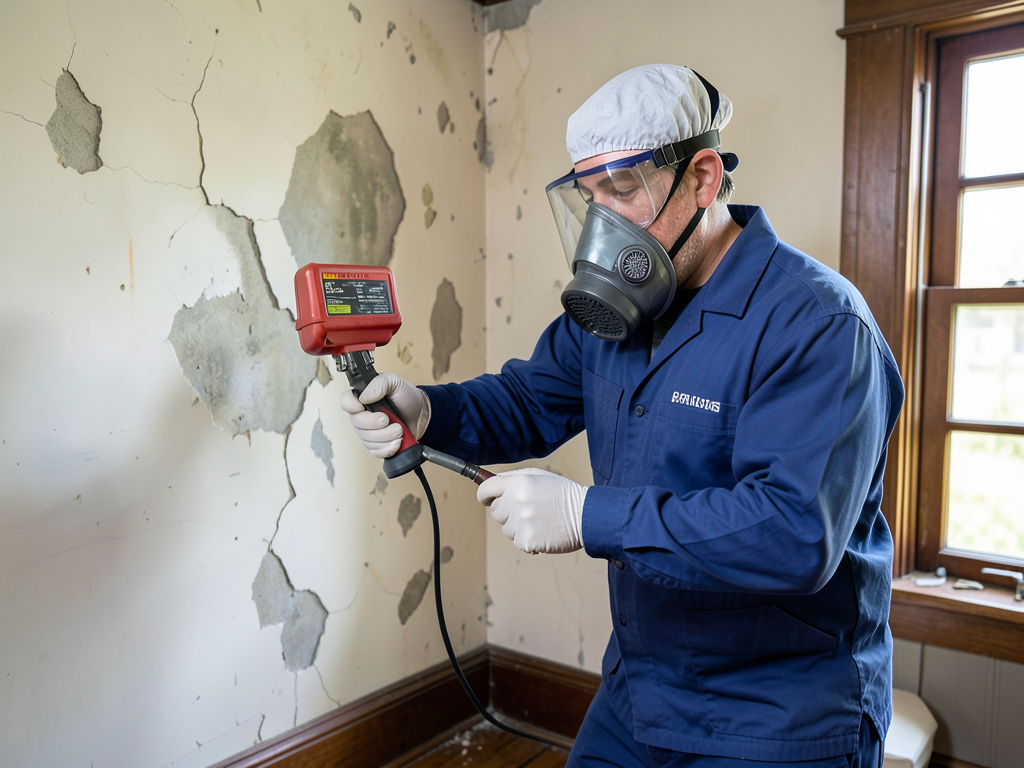
Dealing with lead and asbestos during water damage repairs in older Portland neighborhoods

Dealing with lead and asbestos during water damage repairs in older Portland neighborhoods Portland's historic neighborhoods face unique challenges when…

Why converting your University Park basement into a bedroom requires extra moisture protection

Why converting your University Park basement into a bedroom requires extra moisture protection Portland’s University Park neighborhood, nestled near the…

Contact Us

Every day without disaster recovery planning increases your financial exposure. Call Evergreen Water Damage Restoration Portland at (503) 882-7766 to schedule your facility vulnerability assessment. We deliver actionable business continuity planning that minimizes downtime and protects your commercial investment when water damage strikes.