


Lake Oswego sits in a perfect storm of water damage risk factors that most homeowners underestimate until it's too late. The city's proximity to the Willamette River and Oswego Lake creates elevated groundwater tables that put constant pressure on basement walls and foundation drains. When Oregon's winter rains arrive, that saturated soil has nowhere to go but through cracks in your foundation.
The hillside geography compounds the problem. Homes built on slopes in neighborhoods like Palisades or Mountain Park experience runoff that overwhelms aging drainage systems. Water flows downhill and pools against foundations, seeping through basement walls or crawl spaces. Many Lake Oswego homes were built in the 1960s and 70s with sump pumps and drainage systems now decades past their design life.
The freeze-thaw cycles we experience each winter create another risk. When temperatures drop below freezing, then spike back up, pipes in attics and crawl spaces burst. Homes in First Addition and Old Town with older plumbing face the highest risk. One frozen supply line can dump hundreds of gallons into your home before you even know it's happening.
Lake Oswego's mature tree canopy adds beauty but also drops debris that clogs gutters and downspouts. When rain can't drain properly from your roof, it backs up under shingles and into attics, causing ceiling damage and insulation saturation that breeds mold.
When your basement floods at 2 AM, you don't have time to research companies or wait for callbacks. Evergreen Water Damage Restoration Portland built our reputation on one principle that matters when disaster strikes: we show up fast and fix it right.
Our dispatch system routes the closest available crew to your Lake Oswego address within minutes of your call. We don't make you wait until morning or the next business day. Water damage doubles in severity every hour it sits untreated. Drywall wicks moisture upward, wood floors cup and buckle, and mold spores activate in as little as 24 hours. Speed isn't a luxury in this business. It's the entire job.
We staff certified water remediation technicians throughout the greater Portland metro, which means when you call from Lake Oswego, a truck with industrial extractors, air movers, and dehumidifiers is already close. Not coming from Salem. Not finishing another job first. En route to you.
Our teams carry thermal imaging cameras to find hidden moisture in wall cavities and under flooring. We document everything for your insurance claim with photos, moisture readings, and detailed scope reports. Most homeowners have never filed a water damage claim before. We walk you through the entire process, communicate directly with your adjuster, and make sure you get fair coverage for repairs.
You get honest answers about what needs immediate attention and what can wait. We don't upsell unnecessary demolition or padding estimates. When your home is damaged and you're stressed, you need someone who treats your property like their own and stops the chaos.

Our crews dispatch immediately when you call, with trucks stationed across the Portland metro. We arrive at Lake Oswego properties within 60 minutes on average, even in the middle of the night. When water is actively damaging your home, an hour can mean the difference between drying out drywall and replacing it entirely.

We communicate directly with your insurance adjuster and provide detailed documentation they need to process your claim quickly. Our technicians photograph damage, log moisture readings, and create scope reports that meet carrier requirements. You get an advocate who knows how to navigate the claims process and fight for fair coverage.
Every crew member holds certification from the Institute of Inspection Cleaning and Restoration Certification. They follow strict protocols for water extraction, structural drying, and mold prevention. You get trained professionals who understand moisture science, not just guys with shop vacs. Our certification means insurance companies trust our work and your claim goes smoothly.
We know which neighborhoods flood during heavy rain, which homes have basement seepage issues, and how local soil conditions affect foundation drainage. Our experience with Lake Oswego properties means we anticipate problems before moisture meters find them. We understand the building styles, common failure points, and drainage challenges specific to this area.
Water damage restoration isn't one service. It's a coordinated response that changes based on the source of water, how long it's been sitting, and what materials got wet. A burst pipe in your kitchen requires different equipment and protocols than a sewage backup in your basement. Standing water needs immediate extraction. Hidden moisture in wall cavities demands thermal imaging and invasive monitoring.
Evergreen handles the full spectrum of water damage scenarios Lake Oswego homeowners face. We respond to sudden catastrophic events like supply line failures and appliance malfunctions that dump hundreds of gallons in minutes. We also remediate slow chronic leaks that have been saturating structure for weeks or months, breeding mold and rotting framing.
Our service categories break down by urgency and contamination level. Category 1 water is clean supply line water that poses no immediate health risk but will cause severe structural damage if not extracted quickly. Category 2 gray water from dishwashers or washing machines contains contaminants that require antimicrobial treatment. Category 3 black water from sewage or flooding requires full hazmat protocols and disposal of porous materials.
Each scenario demands specific equipment, drying strategies, and restoration timelines. We assess your situation on site, explain what level of response your property needs, and deploy the right crew with the right tools.
When water is actively flooding your home, extraction is the first priority. Our trucks carry truck-mounted pumps that remove thousands of gallons per hour from basements, crawl spaces, and living areas. We follow extraction with industrial air movers and commercial dehumidifiers positioned strategically to dry structure in days instead of weeks. Moisture meters track progress in floors, walls, and ceilings until readings return to normal. This prevents mold growth and secondary damage.
Sewage backups and toilet overflows require hazmat-level response. Our crews wear protective equipment and follow strict containment protocols to prevent contamination spread. We remove and dispose of porous materials like carpet, pad, and drywall that cannot be salvaged. All surfaces get treated with antimicrobial agents. We coordinate waste disposal per Oregon environmental regulations and restore your home to safe, sanitary conditions. This work requires specialized training and equipment most restoration companies don't carry.
Mold appears when water damage goes untreated or moisture stays trapped in wall cavities and crawl spaces. We use thermal imaging to find hidden saturation, then set up negative air pressure containment to prevent spore spread during removal. Affected materials get bagged and removed. Structure gets treated with antifungal solutions and dried completely. We verify remediation success with post-treatment testing. Many Lake Oswego homes have mold in crawl spaces or attics from chronic moisture issues that need permanent drainage solutions.
Lake Oswego's combination of climate, geography, and housing stock creates predictable water damage patterns we see repeatedly. Understanding these common scenarios helps homeowners recognize warning signs before minor issues become expensive disasters.
The area receives 40 inches of rain annually, concentrated between October and March. This prolonged wet season saturates soil and overwhelms drainage systems that worked fine during summer. Homes built on hillsides experience runoff that pools against foundations. Older properties with clay tile drains see roots infiltrate and block pipes, causing basement seepage.
Many Lake Oswego homes feature finished basements that hide water damage until it's extensive. Carpet stays damp against concrete, breeding mold underneath while looking fine on the surface. By the time you smell musty odors or see staining, moisture has been wicking up walls for months.
The freeze events we experience every few winters cause pipe bursts in attics and crawl spaces. Supply lines that run through unheated spaces split when temperatures drop, then flood homes when they thaw. We see this repeatedly in older homes with minimal insulation in First Addition and Forest Hills.
Groundwater pressure forces moisture through basement walls and floor slabs, especially during winter months. You notice damp spots on concrete, efflorescence on walls, or standing water after heavy rain. This happens when exterior drainage systems fail or were never installed properly. Left untreated, constant moisture damages stored belongings and creates mold growth in finished basement spaces.
Frozen pipes burst in attics, crawl spaces, and exterior walls during cold snaps. Aging galvanized supply lines corrode and fail, flooding homes with hundreds of gallons before the main valve gets shut off. Water sprays into walls, saturates insulation, and damages ceilings in rooms below. Quick response prevents drywall replacement and structural damage from becoming necessary.
Water heaters fail without warning, dumping 40 to 50 gallons across garage or basement floors. Washing machine hoses crack and spray water during fill cycles. Dishwashers leak from failed door gaskets or cracked supply lines. These malfunctions often happen when no one is home, allowing water to spread throughout finished spaces and soak into wood subfloors that cup and require replacement.
Clogged gutters cause water to back up under shingles and into attics. Aging roof penetrations around chimneys and skylights allow water intrusion during storms. You see ceiling stains, peeling paint, or water running down interior walls. Attic insulation gets saturated and loses R-value. Mold grows on roof decking and rafters when moisture persists.
Water damage creates panic. Your home is flooding, possessions are getting ruined, and you don't know who to call or what happens next. When you reach Evergreen, the chaos stops and the solution starts.
Our phone team answers 24/7 and asks specific questions to dispatch the right crew with the right equipment. We need to know the water source if you can identify it, how much standing water you see, and which rooms are affected. This information determines what truck responds and what gear we bring.
You get an estimated arrival time immediately. Our dispatch system routes the closest available crew, and we text you when they're 15 minutes out. No waiting by the phone wondering when help will arrive. You know exactly when to expect our truck.
When crews arrive, they start with damage assessment before touching anything. We document existing conditions with photos and moisture readings for your insurance claim. Then we explain what needs to happen immediately and what can wait. You make informed decisions about scope and cost before work begins.
Throughout the job, we communicate progress. You know when extraction finishes, when drying equipment gets placed, and when moisture levels return to normal. We don't disappear for days leaving you wondering what's happening.
Your call gets answered by a real person who dispatches crews immediately, not a voicemail or answering service. We ask questions to understand your emergency and route the appropriate response. You receive a text with crew arrival time and technician contact information. When they arrive, they introduce themselves, assess damage, and explain the restoration process in plain language. No jargon. No runaround. Just clear answers about what's happening and what comes next.
We photograph damage, measure moisture levels, and create detailed reports before starting work. You receive copies of all documentation for your insurance claim. Our teams communicate directly with your adjuster, providing scope details and answering technical questions about drying protocols and equipment needs. We've worked with every major carrier and know what documentation they require for claim approval. This advocacy takes the burden off you during an already stressful time.
We don't pull equipment until moisture readings confirm structure is completely dry. Our technicians take final measurements in floors, walls, and ceilings, documenting that levels have returned to normal ranges. You receive a completion report showing before and after readings. If reconstruction is needed, we coordinate with qualified contractors or handle it ourselves. Your home gets returned to pre-loss condition, not just dried out and abandoned halfway through recovery.
Water damage restoration follows a specific sequence that can't be rushed or skipped. Each step builds on the previous one to ensure your home dries completely and safely.
You call our 24/7 dispatch line and describe the water damage situation. We ask about the water source, amount of standing water, and affected areas to determine crew and equipment needs. The closest available team receives your address and begins travel immediately. When they arrive, technicians assess damage severity, identify the water category, and take moisture readings throughout affected areas. We photograph conditions and create initial documentation for your insurance claim before touching anything.
Crews remove standing water with truck-mounted extractors or portable pumps depending on volume and location. We extract water from carpets, pads, and flooring using weighted extraction tools. Industrial air movers get positioned to maximize airflow across wet surfaces. Commercial dehumidifiers pull moisture from the air to accelerate drying. We monitor moisture levels daily in floors, walls, and ceilings, adjusting equipment placement as readings drop. This phase typically takes three to five days depending on saturation levels.
Once moisture readings return to normal ranges throughout affected areas, we take final measurements and document completion. Equipment gets removed and your home is ready for reconstruction if needed. We coordinate repairs directly or work with your chosen contractor. You receive final reports showing moisture level progression from initial damage through complete drying. All documentation goes to your insurance company to close out the claim and ensure full coverage of restoration costs.
Water damage restoration isn't about pointing fans at wet carpet. It's applied building science governed by industry standards that determine equipment selection, drying protocols, and safety requirements. The Institute of Inspection Cleaning and Restoration Certification publishes the standards our industry follows, known as the IICRC S500 Standard for Professional Water Damage Restoration.
Water gets classified into three categories based on contamination level. Category 1 is clean water from supply lines, broken pipes, or rain intrusion. It poses no immediate health risk but will cause severe structural damage if not extracted within 24 to 48 hours. Category 2 gray water contains biological or chemical contaminants from sources like dishwashers, washing machines, or sump pump failures. It requires antimicrobial treatment and more aggressive drying. Category 3 black water comes from sewage backups, toilet overflows with feces, or flooding from rivers. It requires full hazmat protocols, disposal of porous materials, and extensive disinfection.
Materials respond differently to water based on porosity. Non-porous materials like glass or metal can be cleaned and dried. Semi-porous materials like wood or concrete absorb moisture but can be dried with proper equipment. Porous materials like insulation, drywall, or carpet pad cannot be fully dried or sanitized once contaminated with Category 2 or 3 water and must be removed.
Drying requires controlling four variables that govern evaporation rates. Temperature affects how much moisture air can hold. Humidity determines how quickly wet materials release moisture. Airflow across surfaces accelerates evaporation. And vapor pressure differential between wet materials and surrounding air drives moisture movement. We manipulate all four variables with heaters, dehumidifiers, and air movers positioned based on psychrometric calculations, not guesswork.
Oregon requires water damage restoration companies to carry proper licensing and insurance. Our technicians maintain IICRC certification through continuing education on evolving standards and new equipment. We document every job with moisture mapping that shows initial readings, daily progress, and final verification that structure has returned to normal moisture content below 15 percent.
The water damage restoration industry follows standards published by the IICRC that dictate assessment procedures, equipment requirements, and drying verification methods. These protocols ensure structure dries completely and prevents mold growth. Insurance companies require contractors to follow S500 standards for claim coverage. Our technicians maintain current certification and apply these protocols on every job, from initial moisture mapping through final verification readings.
Water damage restoration costs depend on water category, affected square footage, materials impacted, and drying time required. Category 3 sewage cleanup costs more than Category 1 clean water due to disposal and disinfection requirements. Finished basements with drywall and carpet cost more to dry than bare concrete. Most homeowner policies cover water damage from sudden failures like burst pipes but exclude gradual seepage or maintenance issues. We provide detailed estimates and work directly with adjusters.
Complete structural drying typically takes three to five days for most residential water damage when addressed immediately. Hardwood floors may require two weeks depending on saturation depth. Attempting to rush drying by pulling equipment early causes mold growth and structural damage weeks later when trapped moisture surfaces. We monitor moisture levels daily with meters and don't remove equipment until readings confirm all affected materials have returned to normal ranges below 15 percent moisture content.
Oregon doesn't require specific state licensing for water damage restoration, but contractors must carry general liability insurance and workers compensation coverage. Many insurance carriers require IICRC certification before approving restoration companies for claim work. Our technicians maintain current certification and participate in ongoing training on building science, moisture detection technology, and updated IICRC standards. This ensures work meets both insurance requirements and industry best practices for your protection.
This video explains emergency water damage restoration services in Lake Oswego, Oregon, including rapid response protocols, water extraction methods, structural drying procedures, and insurance claim coordination. Viewers learn about water damage risks specific to Lake Oswego homes, including groundwater pressure, hillside drainage failures, and aging infrastructure. The video covers IICRC-certified restoration processes, equipment used for water removal and drying, and what homeowners should expect during emergency response and restoration completion.
Evergreen Water Damage Restoration Portland maintains rapid response capability throughout Lake Oswego and the greater Portland metro area. Our service territory covers every neighborhood from the historic homes in First Addition to the hillside properties in Palisades and Mountain Park.
Lake Oswego's geography creates distinct water damage patterns across different areas. Homes near Oswego Lake and the Willamette River face elevated groundwater tables that put constant pressure on foundation drainage systems. Properties in lower elevations like Lakewood and Blue Heron see basement seepage during heavy rain as water tables rise. We've responded to countless sump pump failures and foundation cracks in these neighborhoods where soil saturation overwhelms drainage capacity.
The hillside communities present different challenges. Mountain Park, Palisades, and Forest Hills feature homes built on slopes where runoff flows downhill and pools against foundations. We see repeated water intrusion in downhill-side basements where French drains have failed or were never installed properly. These properties often require more extensive drying and permanent drainage solutions to prevent recurring damage.
First Addition and Old Town contain Lake Oswego's oldest housing stock, with many homes dating to the 1920s and 1930s. These properties feature aging plumbing, minimal crawl space ventilation, and drainage systems decades past their design life. We respond frequently to burst galvanized supply lines and sewer backups in these historic neighborhoods. The architecture requires specialized restoration techniques to preserve original materials while meeting modern drying standards.
Newer developments in areas like Waluga and Lake Grove feature modern construction with better drainage, but we still see appliance failures, water heater malfunctions, and roof leaks from storm damage. These neighborhoods contain numerous two-story homes where second-floor bathroom failures cause extensive ceiling and wall damage to living spaces below.
Our crews know Lake Oswego's street layout, which properties sit in flood-prone areas, and how to navigate the city quickly regardless of traffic conditions on Highway 43 or Kruse Way. We maintain relationships with local plumbers, electricians, and contractors for coordinated response when water damage requires immediate utility shutoff or emergency repairs beyond our scope.
We also serve adjacent communities including West Linn across the Willamette River, Tigard to the west, and Southwest Portland neighborhoods like Multnomah Village and Southwest Hills. Our central dispatch location allows response throughout Clackamas and Washington counties within the same rapid timeframe Lake Oswego residents expect.
Water damage restoration costs in Lake Oswego typically range from a few hundred dollars for minor leak cleanup to several thousand for extensive flooding. Factors include the water category (clean, gray, or black), affected square footage, materials damaged, and duration of exposure. A basement flood in an older Lake Oswego home with hardwood floors costs more than drywall-only damage. Structural drying, mold remediation, and content restoration add to the total. Most insurers cover sudden incidents like burst pipes, but gradual leaks may not qualify. Get a detailed inspection and estimate before work begins to understand your specific situation.
Yes. Professional water damage restoration prevents far costlier problems down the line. Water migrates through Lake Oswego homes quickly, reaching subflooring, wall cavities, and insulation within hours. Without proper extraction and drying, you face mold growth, structural rot, and compromised building materials. A small leak ignored today becomes a major remediation project in weeks. Professional equipment like industrial dehumidifiers and moisture meters ensure thorough drying that household fans cannot achieve. Insurance often requires professional mitigation to avoid claim denial. The upfront cost protects your property value and prevents health hazards from mold exposure.
Lake Oswego ranks among Oregon's most affluent communities. The median household income significantly exceeds both state and national averages. The city features large lakefront properties, upscale neighborhoods like First Addition and Forest Hills, and highly rated schools that attract professionals and executives. Oswego Lake itself is private, accessible only to homeowners in the Lake Oswego Corporation, which adds exclusivity. The area has low crime, excellent amenities, and proximity to Portland's job market without urban density. This combination of factors creates premium real estate values and attracts higher-income residents seeking quality of life.
Water damage restoration costs in Lake Oswego typically range from a few hundred dollars for minor leak cleanup to several thousand for extensive flooding. Factors include the water category (clean, gray, or black), affected square footage, materials damaged, and duration of exposure. A basement flood in an older Lake Oswego home with hardwood floors costs more than drywall-only damage. Structural drying, mold remediation, and content restoration add to the total. Most insurers cover sudden incidents like burst pipes, but gradual leaks may not qualify. Get a detailed inspection and estimate before work begins to understand your specific situation.
Yes. Professional water damage restoration prevents far costlier problems down the line. Water migrates through Lake Oswego homes quickly, reaching subflooring, wall cavities, and insulation within hours. Without proper extraction and drying, you face mold growth, structural rot, and compromised building materials. A small leak ignored today becomes a major remediation project in weeks. Professional equipment like industrial dehumidifiers and moisture meters ensure thorough drying that household fans cannot achieve. Insurance often requires professional mitigation to avoid claim denial. The upfront cost protects your property value and prevents health hazards from mold exposure.
Lake Oswego ranks among Oregon's most affluent communities. The median household income significantly exceeds both state and national averages. The city features large lakefront properties, upscale neighborhoods like First Addition and Forest Hills, and highly rated schools that attract professionals and executives. Oswego Lake itself is private, accessible only to homeowners in the Lake Oswego Corporation, which adds exclusivity. The area has low crime, excellent amenities, and proximity to Portland's job market without urban density. This combination of factors creates premium real estate values and attracts higher-income residents seeking quality of life.
Water damage restoration includes emergency water extraction, structural drying, moisture monitoring, antimicrobial treatment, and content restoration. Technicians first assess the damage category and extent. They remove standing water using pumps and extractors, then place air movers and dehumidifiers to dry affected materials. Moisture meters track progress in walls, floors, and ceilings. In Lake Oswego homes with crawl spaces, technicians check for pooling water and vapor barrier damage. The process includes removing unsalvageable materials like soaked insulation or drywall, cleaning salvageable contents, and documenting everything for insurance. Mold prevention treatments finish the mitigation before reconstruction begins.
Most homeowners insurance policies cover sudden and accidental water damage, like burst pipes, appliance failures, or storm-related leaks. Insurance typically pays for both emergency mitigation and necessary repairs. However, gradual damage from poor maintenance, like a slow leak ignored for months, usually gets denied. Flood damage from natural events requires separate flood insurance. In Lake Oswego, where many homes sit near water features, understanding your coverage matters. Document everything immediately, notify your insurer within 24 hours, and keep all receipts. Insurers often require professional restoration to ensure proper drying and prevent secondary damage claims.
Servpro and similar franchise companies typically respond within hours and complete water extraction within 24 to 48 hours. Full structural drying takes three to seven days depending on damage severity, affected materials, and humidity levels. Lake Oswego's mild, damp climate can extend drying times without proper equipment. Reconstruction scheduling adds more time and varies by contractor availability. While national franchises offer brand recognition, local restoration companies often provide faster response times due to proximity and smaller service areas. Always ask for a projected timeline in writing and daily progress updates to track completion.
The average water damage insurance claim ranges from $2,000 to $10,000 nationally, though costs vary widely. Minor toilet overflows may settle for under $2,000, while basement floods or multi-room damage reach $15,000 or more. In Lake Oswego, where home values exceed regional averages, claims trend higher due to premium materials like hardwood flooring, custom cabinetry, and finished basements. Category 3 water (sewage) increases costs significantly due to contamination protocols. Your actual claim depends on damage extent, water category, materials affected, and how quickly you respond. Fast action reduces claim size substantially.
Mold can begin growing within 24 to 48 hours after water exposure in Lake Oswego's humid climate. Porous materials like drywall, insulation, and carpet provide ideal conditions. Temperature between 60 and 80 degrees accelerates growth. You might not see visible mold for days, but microscopic spores colonize quickly in dark, damp spaces like wall cavities and crawl spaces. This narrow window makes immediate professional drying critical. Once mold establishes, simple water restoration becomes mold remediation, which costs significantly more and requires containment, air filtration, and specialized cleaning. Act within hours, not days, to prevent this escalation.
Call a water restoration company immediately when you discover standing water, saturated materials, or active leaks you cannot stop. Do not wait to assess if damage seems minor. Water spreads rapidly through Lake Oswego homes, especially those with crawl spaces or basement areas. Call for burst pipes, sewage backups, appliance failures, roof leaks during storms, or any situation where water contacts flooring, walls, or belongings. If you feel uncertain, a professional inspection costs far less than delayed damage. Time directly impacts both restoration success and total costs. After-hours emergencies require 24/7 response to prevent mold and structural compromise.
Lake Oswego commands premium prices due to limited housing inventory, top-tier schools, low crime, and exclusive lake access. The city restricts density through zoning, keeping supply tight while demand from Portland professionals remains high. Oswego Lake's private status adds value since only certain homeowners gain access. Mature trees, walkable neighborhoods, and proximity to both nature and urban amenities justify higher costs. The community invests heavily in parks, infrastructure, and public services, reflected in property values. Lakefront and view properties especially command premiums. This combination of scarcity, quality, and location creates one of Oregon's most expensive real estate markets.
Water damage restoration includes emergency water extraction, structural drying, moisture monitoring, antimicrobial treatment, and content restoration. Technicians first assess the damage category and extent. They remove standing water using pumps and extractors, then place air movers and dehumidifiers to dry affected materials. Moisture meters track progress in walls, floors, and ceilings. In Lake Oswego homes with crawl spaces, technicians check for pooling water and vapor barrier damage. The process includes removing unsalvageable materials like soaked insulation or drywall, cleaning salvageable contents, and documenting everything for insurance. Mold prevention treatments finish the mitigation before reconstruction begins.
Most homeowners insurance policies cover sudden and accidental water damage, like burst pipes, appliance failures, or storm-related leaks. Insurance typically pays for both emergency mitigation and necessary repairs. However, gradual damage from poor maintenance, like a slow leak ignored for months, usually gets denied. Flood damage from natural events requires separate flood insurance. In Lake Oswego, where many homes sit near water features, understanding your coverage matters. Document everything immediately, notify your insurer within 24 hours, and keep all receipts. Insurers often require professional restoration to ensure proper drying and prevent secondary damage claims.
Servpro and similar franchise companies typically respond within hours and complete water extraction within 24 to 48 hours. Full structural drying takes three to seven days depending on damage severity, affected materials, and humidity levels. Lake Oswego's mild, damp climate can extend drying times without proper equipment. Reconstruction scheduling adds more time and varies by contractor availability. While national franchises offer brand recognition, local restoration companies often provide faster response times due to proximity and smaller service areas. Always ask for a projected timeline in writing and daily progress updates to track completion.
The average water damage insurance claim ranges from $2,000 to $10,000 nationally, though costs vary widely. Minor toilet overflows may settle for under $2,000, while basement floods or multi-room damage reach $15,000 or more. In Lake Oswego, where home values exceed regional averages, claims trend higher due to premium materials like hardwood flooring, custom cabinetry, and finished basements. Category 3 water (sewage) increases costs significantly due to contamination protocols. Your actual claim depends on damage extent, water category, materials affected, and how quickly you respond. Fast action reduces claim size substantially.
Mold can begin growing within 24 to 48 hours after water exposure in Lake Oswego's humid climate. Porous materials like drywall, insulation, and carpet provide ideal conditions. Temperature between 60 and 80 degrees accelerates growth. You might not see visible mold for days, but microscopic spores colonize quickly in dark, damp spaces like wall cavities and crawl spaces. This narrow window makes immediate professional drying critical. Once mold establishes, simple water restoration becomes mold remediation, which costs significantly more and requires containment, air filtration, and specialized cleaning. Act within hours, not days, to prevent this escalation.
Call a water restoration company immediately when you discover standing water, saturated materials, or active leaks you cannot stop. Do not wait to assess if damage seems minor. Water spreads rapidly through Lake Oswego homes, especially those with crawl spaces or basement areas. Call for burst pipes, sewage backups, appliance failures, roof leaks during storms, or any situation where water contacts flooring, walls, or belongings. If you feel uncertain, a professional inspection costs far less than delayed damage. Time directly impacts both restoration success and total costs. After-hours emergencies require 24/7 response to prevent mold and structural compromise.
Lake Oswego commands premium prices due to limited housing inventory, top-tier schools, low crime, and exclusive lake access. The city restricts density through zoning, keeping supply tight while demand from Portland professionals remains high. Oswego Lake's private status adds value since only certain homeowners gain access. Mature trees, walkable neighborhoods, and proximity to both nature and urban amenities justify higher costs. The community invests heavily in parks, infrastructure, and public services, reflected in property values. Lakefront and view properties especially command premiums. This combination of scarcity, quality, and location creates one of Oregon's most expensive real estate markets.
Evergreen Water Damage Restoration proudly serves Portland and the surrounding areas, providing rapid and reliable water damage solutions whenever you need us. While our physical office is located conveniently for local operations, our dedicated teams are mobile and ready to deploy across the region. View our service area on the map to understand our reach, or simply call us to confirm if we cover your specific location. We are committed to extending our expert services to every community in need.
Address:
Lake Oswego, OR, 97034
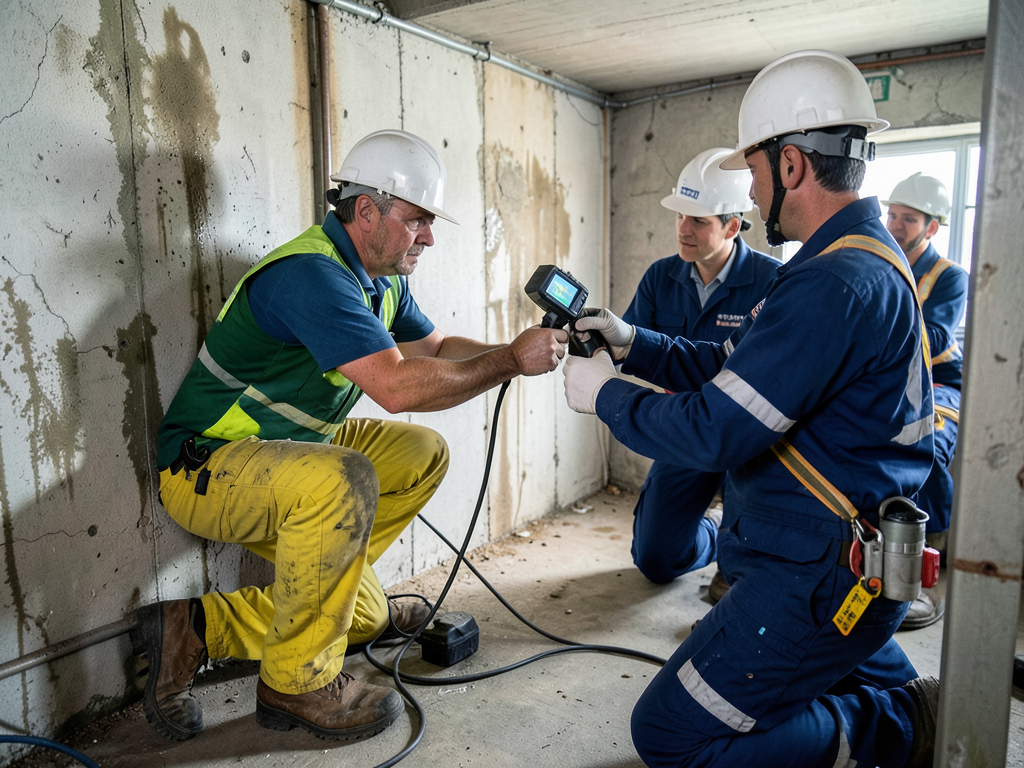
How an atmospheric river affects Portland basement flooding and what you should do When an atmospheric river hits Portland it brings more than heavy rain. These massive bands of moisture from the Pacific can dump…
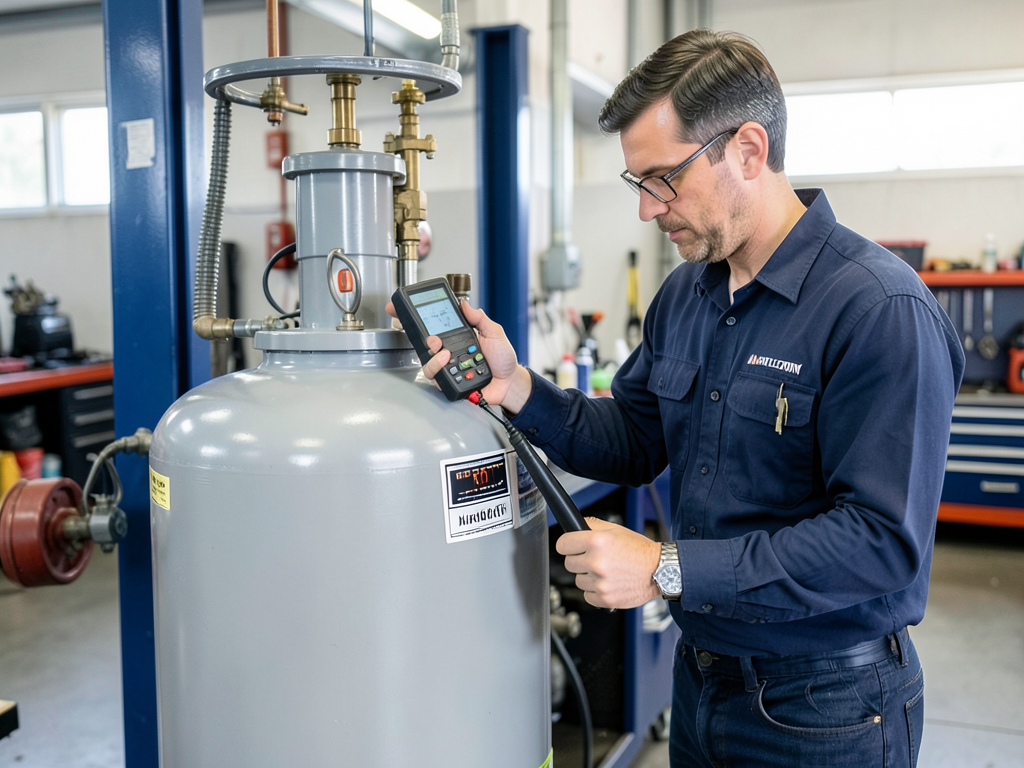
What happens when a well pump or pressure tank leaks in your Mapleton garage When…
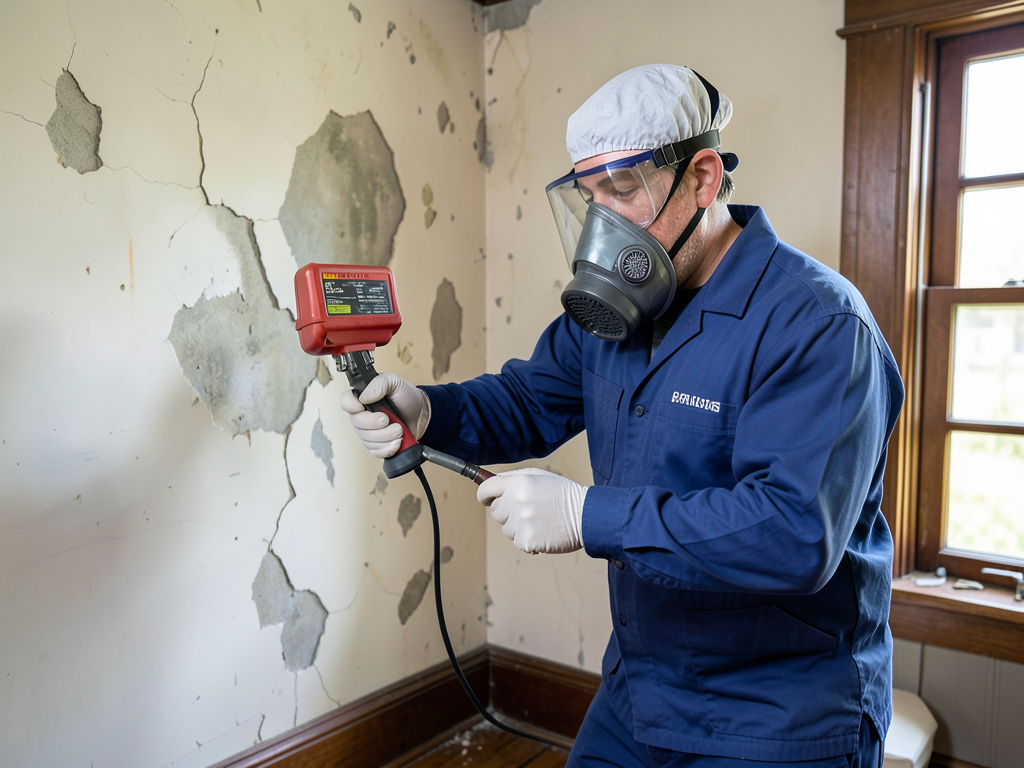
Dealing with lead and asbestos during water damage repairs in older Portland neighborhoods Portland's historic…
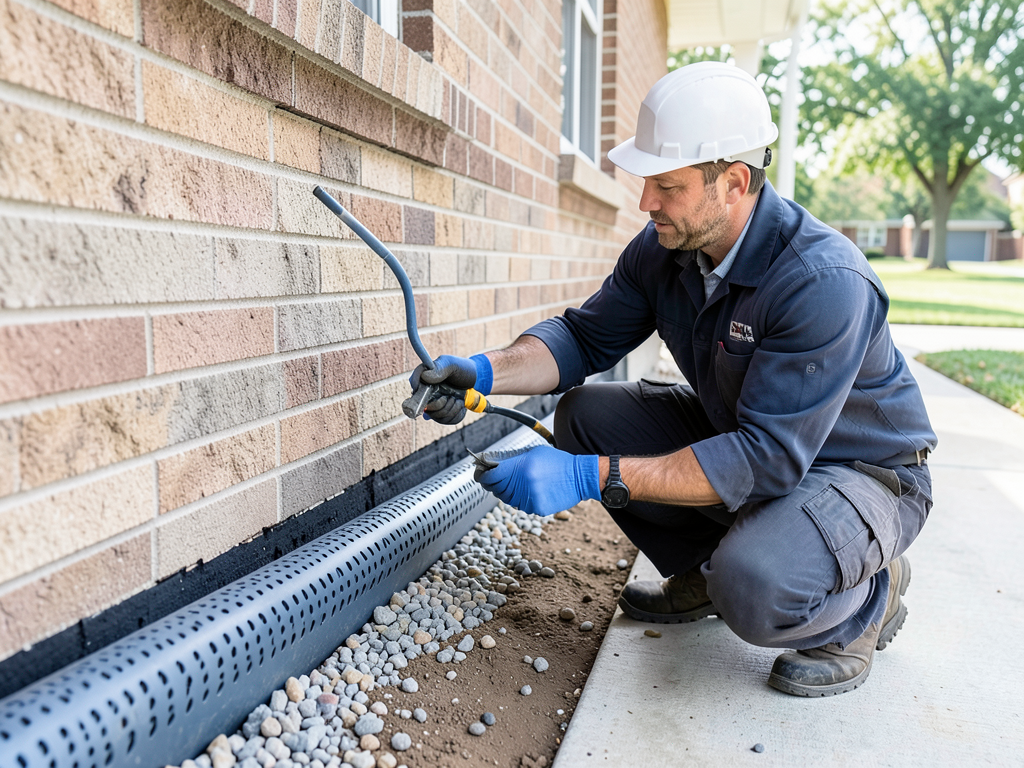
Why converting your University Park basement into a bedroom requires extra moisture protection Portland’s University…
Every hour you wait, water spreads further and damage costs multiply. Our crews are standing by right now with trucks ready to dispatch. Call Evergreen Water Damage Restoration Portland at (503) 882-7766 for immediate response. We answer 24/7 and arrive at Lake Oswego properties in 60 minutes or less.