Menu

High Indoor Humidity Levels in Portland – Expert Diagnosis and Permanent Solutions for Your Home

Portland's persistent rain and mild temperatures create the perfect conditions for elevated home humidity that leads to mold growth, structural damage, and health problems. We identify the root cause and fix it right the first time.

Slider Image 1
Slider Image 2
Slider Image 3
Slider Image 4
Slider Image 5
Slider Image 7
Slider Image 8
Slider Image 9
Slider Image 10
Slider Image 11

Why Portland Homes Struggle with Excessive Indoor Moisture

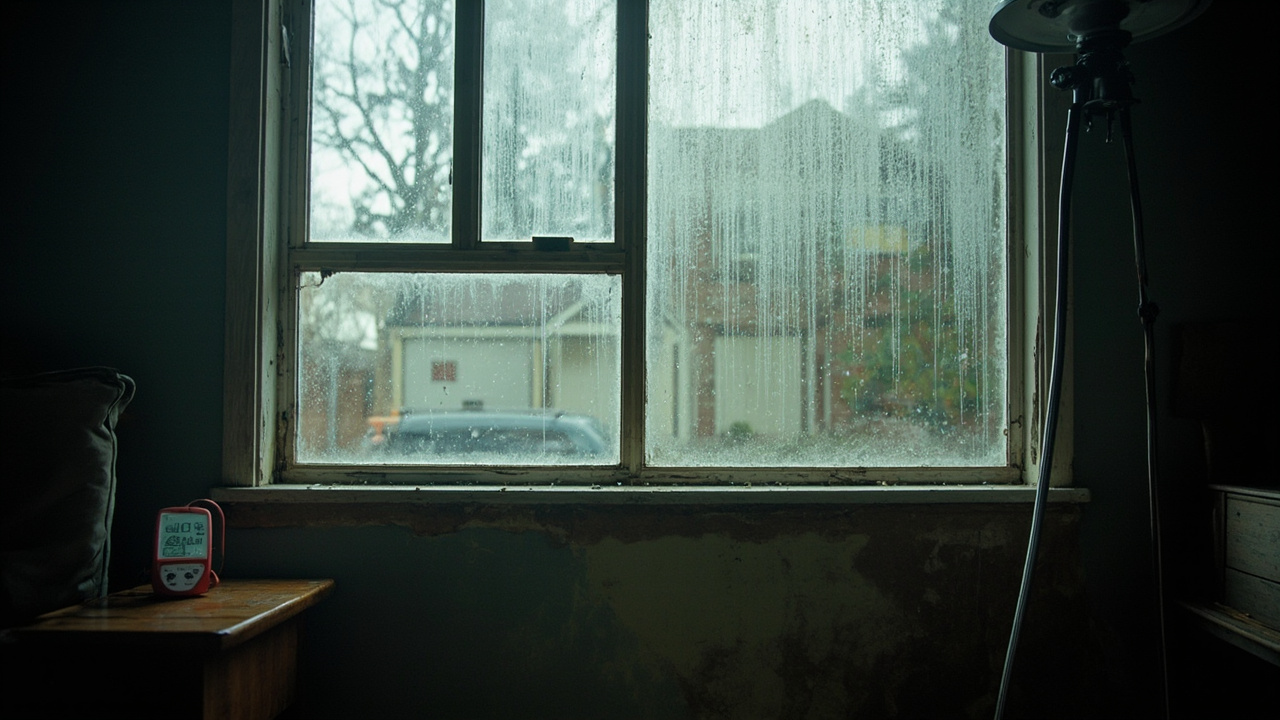
You notice condensation on your windows every morning. Your closets smell musty. The air feels heavy, even when the heat is on. You are dealing with high indoor humidity levels, and in Portland, you are not alone.

Portland's climate creates a perfect storm for indoor moisture problems. We average 43 inches of rain annually, spread across 155 days. The constant drizzle from October through May saturates the ground and raises ambient humidity. When outdoor relative humidity sits at 70 to 90 percent for months, your home absorbs that moisture through foundation walls, crawl spaces, and attics.

Older Portland homes built before 1980 often lack proper vapor barriers in crawl spaces. Many homes in neighborhoods like Laurelhurst, Alameda, and Eastmoreland have basements with porous concrete that wicks groundwater. The result is elevated home humidity that condenses on cold surfaces, promotes mold growth, and damages wood framing.

Modern homes are not immune. Tight construction designed for energy efficiency traps moisture inside when ventilation systems fail or bathroom fans vent into attics instead of outside. Excess humidity in house air condenses in wall cavities, rotting insulation and feeding hidden mold colonies.

High relative humidity indoors also creates health risks. Dust mites thrive above 50 percent humidity. Mold spores become airborne. Respiratory symptoms worsen. You might blame Portland allergies, but the real culprit is often the moisture trapped inside your walls.

The fix requires more than a dehumidifier. You need to identify where the moisture enters, how it moves through your home, and why your building envelope fails to control it.

Why Portland Homes Struggle with Excessive Indoor Moisture
How We Solve Indoor Moisture Problems Permanently

How We Solve Indoor Moisture Problems Permanently

Most contractors treat symptoms. They install a dehumidifier and leave. We find the source.

Our process starts with a comprehensive moisture audit using calibrated hygrometers and thermal imaging cameras. We measure relative humidity in every room and identify cold spots where condensation forms. Infrared cameras reveal hidden moisture behind walls, under floors, and in ceiling cavities. We test crawl space humidity, check foundation drainage, and inspect attic ventilation.

In Portland homes, we commonly find three moisture sources working together. First, groundwater infiltration through foundation cracks or inadequate crawl space vapor barriers. Second, plumbing leaks that go undetected for months because symptoms develop slowly. Third, inadequate ventilation that traps moisture from cooking, showering, and laundry.

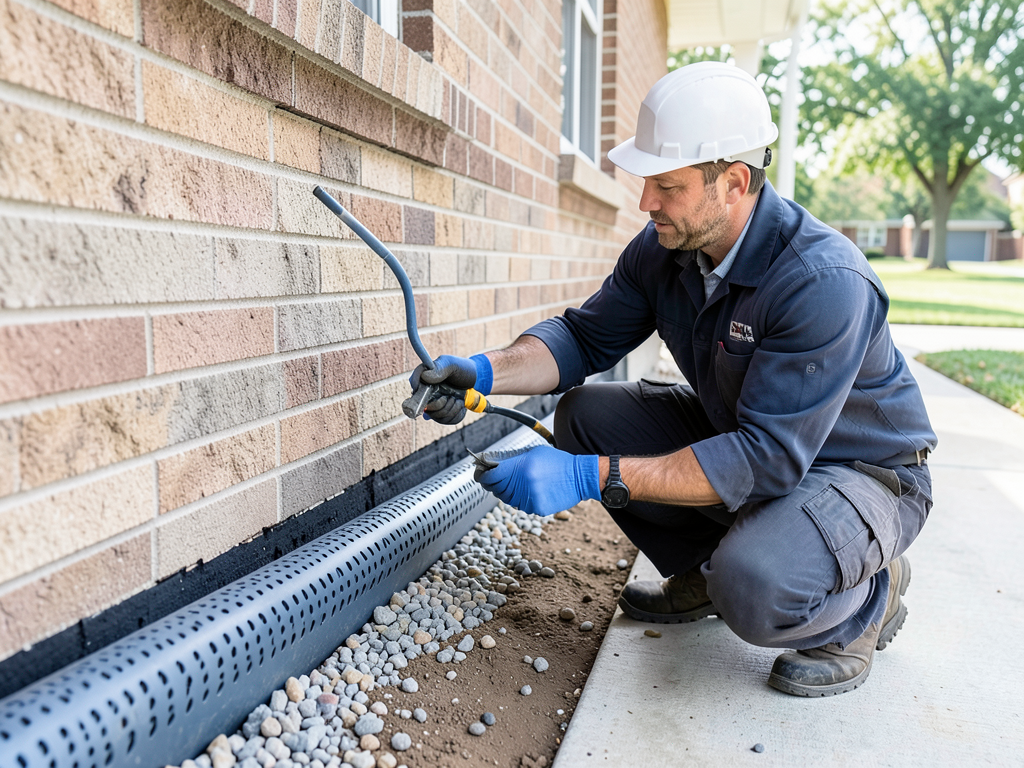
We address all three. For groundwater issues, we install perimeter drainage systems, seal foundation cracks with hydraulic cement or epoxy injection, and install 10 mil polyethylene vapor barriers in crawl spaces. We overlap seams by 12 inches and seal them with acoustic sealant, then tape edges to foundation walls.

For ventilation failures, we verify bathroom fans exhaust outside and move adequate CFM for room size. We install whole-house ventilation systems when natural air exchange is insufficient. In basements, we add mechanical dehumidification sized to the space, not guessed from a big box store.

We also test your HVAC system. Oversized air conditioners short cycle and fail to remove humidity. Undersized returns create negative pressure that pulls humid outdoor air through wall penetrations. We balance airflow and verify refrigerant charge to ensure your system conditions air, not just cools it.

The goal is not to reach a number. The goal is to control moisture at the source so your home stays dry year-round.

What Happens When You Call About High Indoor Humidity

High Indoor Humidity Levels in Portland – Expert Diagnosis and Permanent Solutions for Your Home
01

Moisture Mapping and Testing

We measure relative humidity in every room using calibrated digital hygrometers and document readings above 60 percent, where mold growth accelerates. Thermal imaging identifies cold surfaces where condensation forms. We test crawl space humidity, inspect foundation walls for efflorescence, and check attic ventilation. This diagnostic phase takes 60 to 90 minutes and pinpoints exactly where moisture enters and accumulates in your home.
02

Source Elimination and Remediation

We address the root cause, not the symptom. If groundwater infiltration is the problem, we install perimeter drains and vapor barriers. If plumbing leaks contribute, we coordinate repairs. If ventilation fails, we upgrade bathroom fans and install whole-house systems. We remove wet insulation, treat mold with antimicrobial solutions, and dry structural components to below 16 percent moisture content using commercial dehumidifiers and air movers.
03

Prevention and Monitoring

We install monitoring systems that alert you to humidity spikes before damage occurs. You get recommendations for maintaining humidity between 30 and 50 percent year-round. We verify repairs with follow-up testing after 30 days to ensure humidity levels remain stable. You receive a written report documenting all findings, repairs, and moisture readings. This documentation helps with insurance claims and proves to future buyers that moisture problems were addressed correctly.

Why Portland Homeowners Choose Evergreen Water Damage Restoration Portland

You need someone who understands how Portland homes respond to moisture. We have worked in homes built in every decade from the 1920s craftsman bungalows in Irvington to new construction in Happy Valley. We know that older homes need different solutions than modern builds.

We understand Portland's soil conditions. The clay soil common in West Portland expands when wet and contracts when dry, creating foundation movement that opens cracks. Homes east of 82nd Avenue often sit on more stable soil but face higher water tables. We design solutions based on your specific location and construction type.

We also know Portland's building code requirements. Oregon Residential Specialty Code requires crawl space ventilation or conditioned encapsulation. We ensure repairs meet current code so you do not face problems during home sales or refinancing. Many handyman fixes fail inspection because they ignore these requirements.

Our technicians hold IICRC certifications in water damage restoration and applied structural drying. We follow ANSI-approved standards for moisture testing and remediation. This is not a side business. We specialize in moisture problems and water damage, so we see hundreds of Portland homes every year. That experience tells us what works and what fails.

We also work directly with insurance adjusters. High indoor humidity often results from a covered peril like a plumbing leak or storm damage. We document damage using industry-standard moisture mapping software that adjusters trust. You get a detailed scope of work and moisture readings that support your claim.

You will not get a salesperson at your door. You get a certified technician who explains findings in plain language and gives you options. We do not upsell services you do not need. If a dehumidifier and better ventilation solve the problem, we tell you. If you need foundation work, we tell you that too.

What to Expect When You Work with Us

Response Time and Availability

We respond to calls within two hours during business days and offer weekend appointments for urgent situations. Most diagnostic visits happen within 48 hours of your call. Emergency water damage gets same-day response because every hour of delay increases damage and raises restoration costs. We work around your schedule and arrive in clearly marked vehicles so you know who is at your door. The diagnostic visit takes 60 to 90 minutes. You get preliminary findings before we leave and a written report within 24 hours.

How the Moisture Assessment Works

We test humidity in every room and document readings with calibrated instruments. Thermal imaging scans walls, floors, and ceilings to find hidden moisture. We inspect crawl spaces and attics to identify ventilation failures and water intrusion. Invasive moisture testing using pin meters measures moisture content in wood framing and drywall. You see the readings in real time on our equipment screens. We explain what each reading means and how it affects your home. The assessment includes photos and thermal images that document conditions before repairs begin.

Results You Can Measure

You will notice the difference immediately. Windows stop fogging. That musty smell disappears. Allergy symptoms improve. We verify results with follow-up testing that proves humidity stays in the healthy 30 to 50 percent range. You receive before and after moisture readings in a written report. Structural repairs use materials rated for moisture exposure. We install only commercial-grade dehumidifiers with automatic controls and condensate pumps. No consumer units that fail in two years. Our work stops the problem permanently, not temporarily.

Follow-Up and Maintenance Guidance

We return 30 days after completion to verify humidity levels remain stable. You get maintenance recommendations specific to your home and equipment. We show you how to check crawl space conditions and clean dehumidifier filters. Our office follows up quarterly to confirm systems work correctly. If you install monitoring equipment, we help you interpret alerts and respond quickly to humidity spikes. You also get priority scheduling for future service calls. This ongoing relationship ensures problems stay solved and your home stays protected year-round.

Frequently Asked Questions

You Have Questions,
We Have Answers

Is 70% humidity too high for a house? +

Yes, 70% humidity is too high for indoor spaces in Portland. Ideal indoor humidity ranges between 30% and 50%. When levels reach 70%, you create conditions where mold spores can germinate within 24 to 48 hours. This is a serious problem in Portland homes, especially during our wet fall and winter months. High humidity also makes your HVAC system work harder, increases dust mites, and can warp wood floors or damage drywall. If you measure 70% consistently, you need intervention. A dehumidifier or professional moisture assessment can prevent costly water damage and health issues.

What indoor humidity is too high? +

Indoor humidity becomes problematic above 60%. The sweet spot for Portland homes sits between 30% and 50%. When readings climb past 60%, condensation forms on windows, walls feel damp, and mold growth accelerates. Above 70% is a red flag requiring immediate action. You can measure humidity using an inexpensive hygrometer from any hardware store. Portland's rainy climate makes monitoring critical, especially in basements, crawl spaces, and bathrooms. If you notice musty odors or visible moisture, test your levels immediately. Persistent high readings often signal ventilation problems, plumbing leaks, or foundation moisture intrusion.

Can humidity cause nausea? +

Yes, high humidity can trigger nausea in some people. When indoor air holds excessive moisture, your body struggles to cool itself through evaporation. This can cause overheating, dehydration symptoms, and nausea. Portland residents often experience this during humid summer days when indoor moisture combines with heat. High humidity also amplifies mold spore concentrations, which can cause nausea, headaches, and respiratory irritation in sensitive individuals. If you feel sick in your home but better elsewhere, check your humidity levels. The problem may not be a virus but your indoor environment. Poor ventilation worsens these symptoms by trapping stale, moisture-laden air.

What happens if the humidity is too high in a house? +

Excessive humidity damages your Portland home in multiple ways. Mold and mildew colonize walls, ceilings, and hidden spaces like crawl spaces. Wood floors cup or buckle. Drywall softens and crumbles. Paint peels. You may see condensation streaming down windows. Dust mites thrive, worsening allergies and asthma. Your HVAC system runs constantly but fails to cool effectively. Metal fixtures corrode faster. Stored items like clothing, books, and photographs develop mildew stains. Structural wood can rot over time, compromising framing integrity. In Portland's older homes with poor vapor barriers, unchecked humidity accelerates decay and creates expensive repairs.

What is dangerously humid indoors? +

Indoor humidity above 70% qualifies as dangerously high. At these levels, mold growth is nearly guaranteed within 24 to 48 hours. Readings above 80% create an environment where bacteria and viruses thrive, and structural materials begin absorbing moisture rapidly. For Portland homes, this is especially concerning in basements and crawl spaces where poor ventilation traps moisture. Dangerous humidity also stresses respiratory systems, particularly for children, elderly residents, and anyone with asthma or allergies. If your hygrometer reads above 70% for more than a day, you need professional intervention to identify the moisture source and implement solutions.

Does opening a window reduce humidity? +

Opening windows can reduce humidity, but only if outdoor air is drier than indoor air. In Portland, this works during summer afternoons when outside humidity drops. However, during our rainy fall, winter, and spring months, outdoor air often carries more moisture than indoor air. Opening windows then adds humidity to your home. Check weather conditions before ventilating. Cross-ventilation works best. Open windows on opposite sides to create airflow. This helps during cooking, showering, or laundry activities. For persistent humidity problems, mechanical dehumidification is more reliable than window ventilation, especially in Portland's damp climate.

Do dehumidifiers really work for humidity? +

Yes, dehumidifiers effectively remove excess moisture from indoor air. These units pull humid air across cold coils, causing water vapor to condense and collect in a reservoir or drain line. For Portland homes, dehumidifiers work well in basements, crawl spaces, and bathrooms. Choose a unit sized appropriately for your square footage. Empty the collection tank regularly or install a drain hose. Dehumidifiers work best when combined with proper ventilation and moisture source elimination. They treat symptoms but do not fix underlying problems like plumbing leaks, foundation cracks, or inadequate vapor barriers. Professional assessment ensures you address root causes.

What are signs of high humidity in a home? +

Visible signs of high humidity include condensation on windows, water stains on ceilings or walls, peeling paint or wallpaper, and musty odors. You may notice mold spots in bathrooms, closets, or corners. Wood floors feel soft or show cupping. Metal fixtures develop rust or corrosion. Fabrics smell damp. Portland homeowners often spot these issues in basements first. Less visible signs include allergies worsening indoors, difficulty cooling your home, and increased dust. If your windows fog up regularly or you see dark spots spreading on drywall, test humidity immediately. These symptoms indicate moisture levels above safe thresholds.

Will mold grow at 60 humidity? +

Mold can grow at 60% humidity, though growth rates are slower than at higher levels. Most mold species prefer humidity above 70%, but some varieties begin colonizing at 55% to 60%, especially if temperatures range between 60 and 80 degrees. Portland homes face higher risk because our climate provides ideal temperatures year-round. At 60% humidity, mold growth depends on surface materials, air circulation, and duration of exposure. Porous materials like drywall, wood, and fabric support mold faster than non-porous surfaces. Keeping humidity below 50% prevents most mold issues. Consistent monitoring and ventilation are your best defenses.

Why do I feel awful in humidity? +

High humidity makes you feel awful because it prevents your body from cooling through sweat evaporation. When air is saturated with moisture, perspiration stays on your skin, causing discomfort, fatigue, and irritability. You may experience headaches, difficulty concentrating, and respiratory strain. For Portland residents, indoor humidity combines with our mild temperatures to create a stuffy, oppressive feeling. High moisture also increases airborne mold spores and dust mites, triggering allergies and sinus problems. Your body works harder to regulate temperature, leading to exhaustion. If you feel consistently lousy at home, check humidity levels. The fix may be simpler than you think.

How Portland's Rain Shadow and Microclimate Affect Indoor Humidity

Portland sits in a unique position where the West Hills create a rain shadow effect. Homes west of the hills in areas like Sylvan and Forest Heights receive significantly more rainfall than east side neighborhoods like Gresham and Troutdale. This means moisture problems vary dramatically by neighborhood. West side homes face constant groundwater pressure and saturated soil. East side homes battle higher summer humidity and temperature swings that cause condensation cycles. Homes near the Willamette River deal with elevated groundwater tables that fluctuate seasonally. We adjust our approach based on your specific microclimate because solutions that work in Northwest Portland fail in Milwaukie.

We have worked with hundreds of Portland homeowners across every neighborhood and understand the construction methods common to each era. Homes built during the post-war housing boom used different framing and foundation techniques than modern builds. We know which homes have crawl space vents and which were built with conditioned encapsulation. This local knowledge means we do not waste time diagnosing. We know what to look for based on your home's age and location. That expertise gets you accurate answers faster and keeps costs lower because we do not bill for learning curves.
Water Damage Restoration Services in The Portland Area

Evergreen Water Damage Restoration proudly serves Portland and the surrounding areas, providing rapid and reliable water damage solutions whenever you need us. While our physical office is located conveniently for local operations, our dedicated teams are mobile and ready to deploy across the region. View our service area on the map to understand our reach, or simply call us to confirm if we cover your specific location. We are committed to extending our expert services to every community in need.

Address:
Evergreen Water Damage Restoration Portland, 239 NW 13th Ave, Portland, OR, 97209

Additional Services We Offer

Our news updates

Latest Articles & News from The Blogs

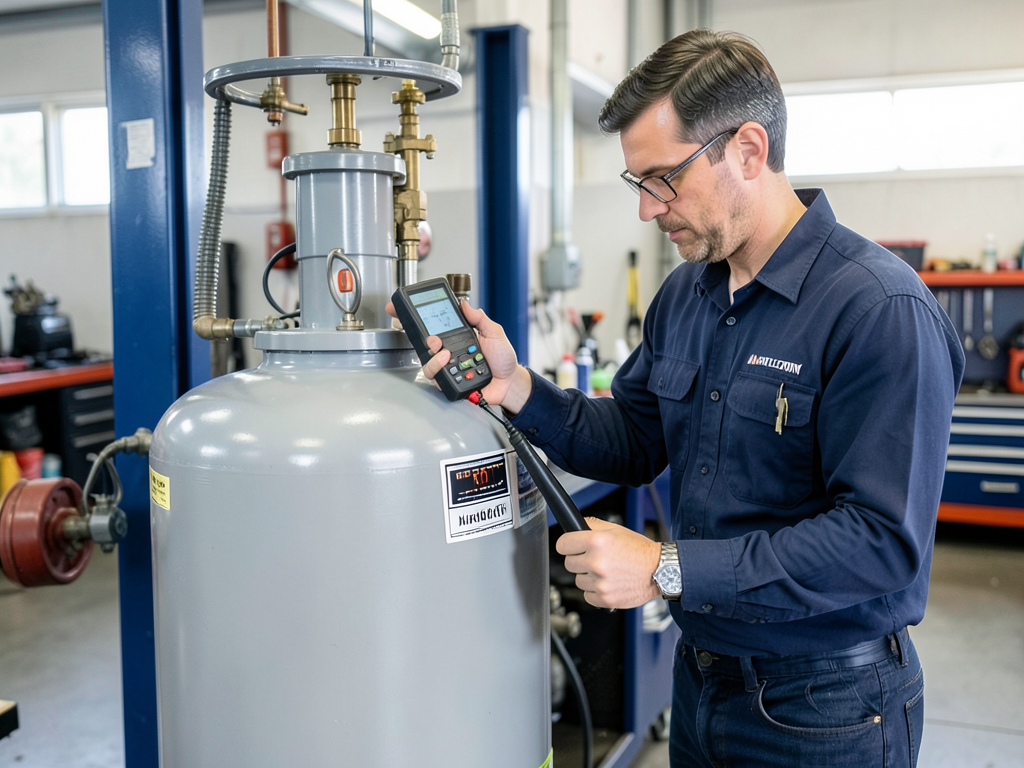
What happens when a well pump or pressure tank leaks in your Mapleton garage When a well pump or pressure…

What happens when a well pump or pressure tank leaks in your Mapleton garage

What happens when a well pump or pressure tank leaks in your Mapleton garage When a well pump or pressure…

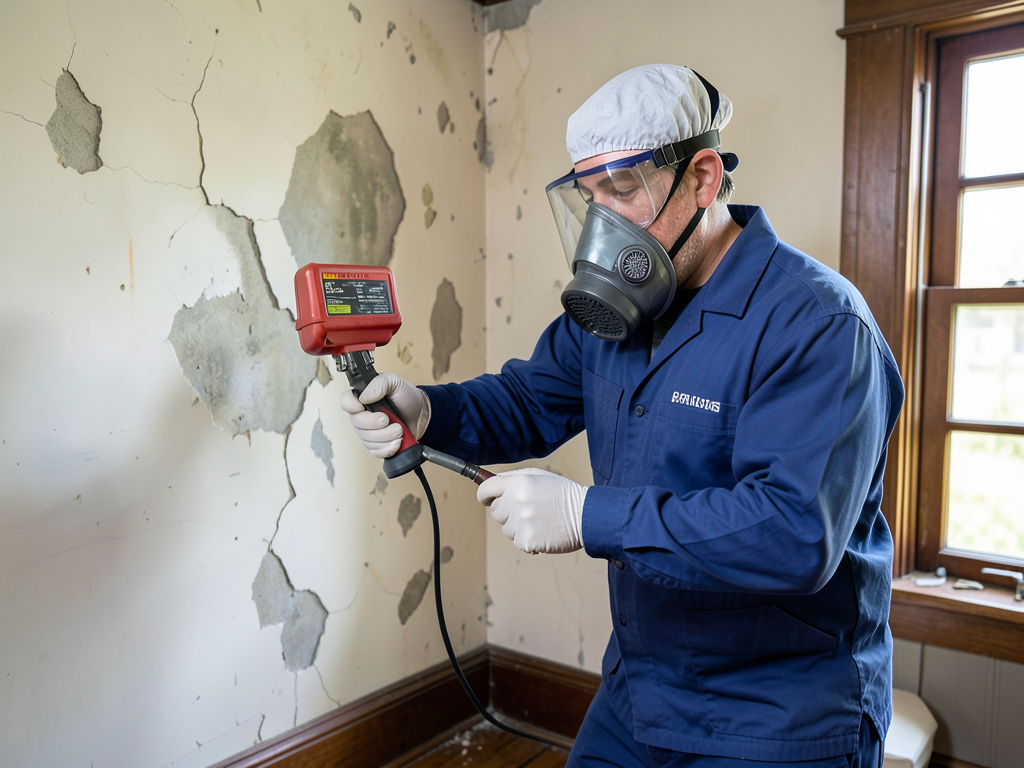
Dealing with lead and asbestos during water damage repairs in older Portland neighborhoods

Dealing with lead and asbestos during water damage repairs in older Portland neighborhoods Portland's historic neighborhoods face unique challenges when…

Why converting your University Park basement into a bedroom requires extra moisture protection

Why converting your University Park basement into a bedroom requires extra moisture protection Portland’s University Park neighborhood, nestled near the…

Contact Us

High indoor humidity damages your home and affects your health. We find the source and fix it permanently. Call (503) 882-7766 now to schedule your moisture assessment. We respond fast and give you answers you can trust.