Menu

Rapid Response Flood Extraction in Portland – Certified Teams Onsite Within 60 Minutes or Less

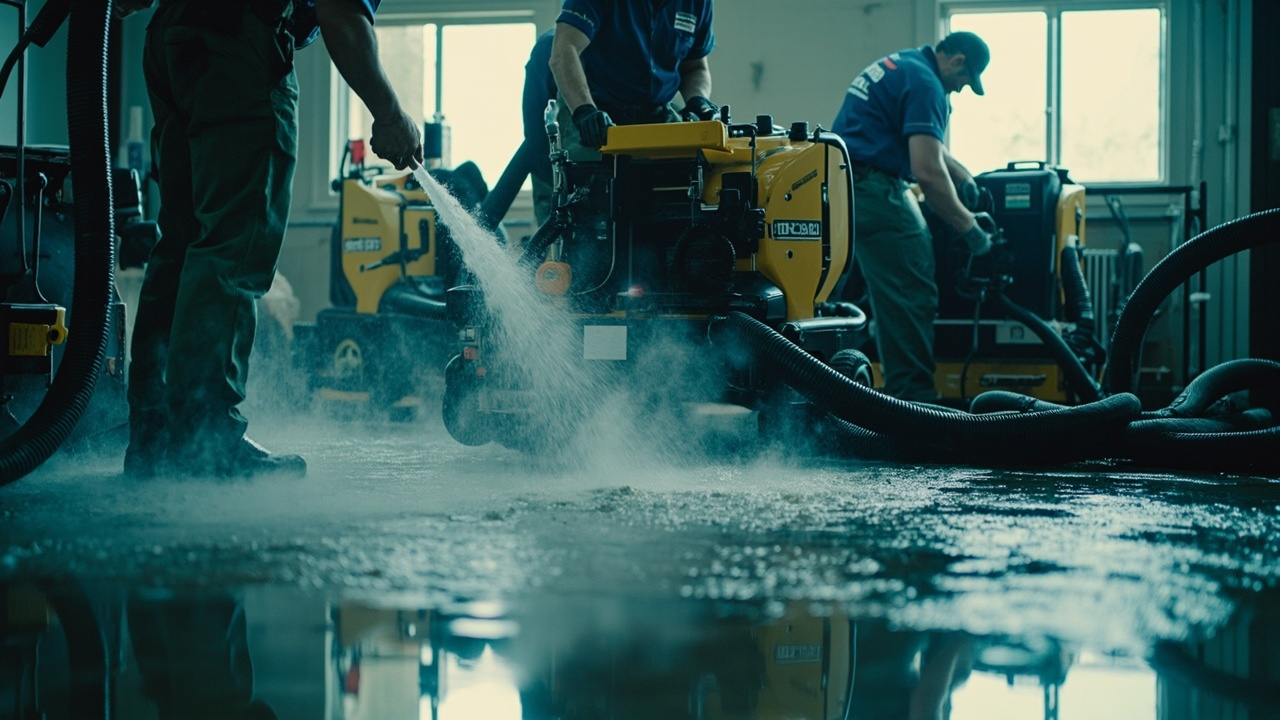
When floodwater invades your home or business, every minute accelerates structural decay and mold colonization. Our rapid response flood extraction crews deploy immediately across Portland with truck-mounted pumps and industrial air movers to stop damage before it compounds.

Slider Image 1
Slider Image 2
Slider Image 3
Slider Image 4
Slider Image 5
Slider Image 7
Slider Image 8
Slider Image 9
Slider Image 10
Slider Image 11

Portland's Rain and River Geography Create High-Risk Flood Conditions Year-Round

Portland sits at the confluence of the Willamette and Columbia Rivers, making flood risk a constant reality for residents in neighborhoods like St. Johns, Cathedral Park, and areas near Johnson Creek. When heavy winter rainfall saturates the ground or spring snowmelt swells the rivers, basements fill fast. Stormwater systems overwhelm easily across the metro area.

Floodwater does not wait for business hours. The first three hours after water intrusion determine whether you face a manageable cleanup or catastrophic structural damage. Standing water seeps into subfloors, wicks up drywall, and creates the anaerobic conditions mold spores need to germinate. By hour six, you are looking at potential Category 2 contamination as the water picks up sewage, chemicals, and organic waste.

Emergency water removal services require industrial extraction equipment most homeowners do not own. A shop vacuum cannot handle three inches of basement flooding. You need truck-mounted pumps capable of moving hundreds of gallons per minute, plus commercial dehumidifiers that pull moisture from structural cavities you cannot see.

Portland's older housing stock, especially homes built before 1950 in areas like Irvington and Alameda, compounds the problem. These properties have crawl spaces and pier-and-beam foundations that trap water and lack modern moisture barriers. When floodwater enters these spaces, it creates hidden saturation zones that rot floor joists and sill plates from below.

Urgent water cleanup is not about mopping up surface water. It is about extracting every gallon from porous materials before microbial growth starts and before your insurance adjuster documents avoidable secondary damage that voids coverage.

Portland's Rain and River Geography Create High-Risk Flood Conditions Year-Round
Our Immediate Flood Pumping Protocol Stops Damage Progression in Real Time

Our Immediate Flood Pumping Protocol Stops Damage Progression in Real Time

We deploy extraction equipment based on water volume and contamination level. For clean water floods from burst supply lines or rainwater intrusion, we use submersible trash pumps rated at 50 to 100 gallons per minute. These units drop directly into standing water and discharge through layflat hoses to the nearest storm drain or sewer cleanout.

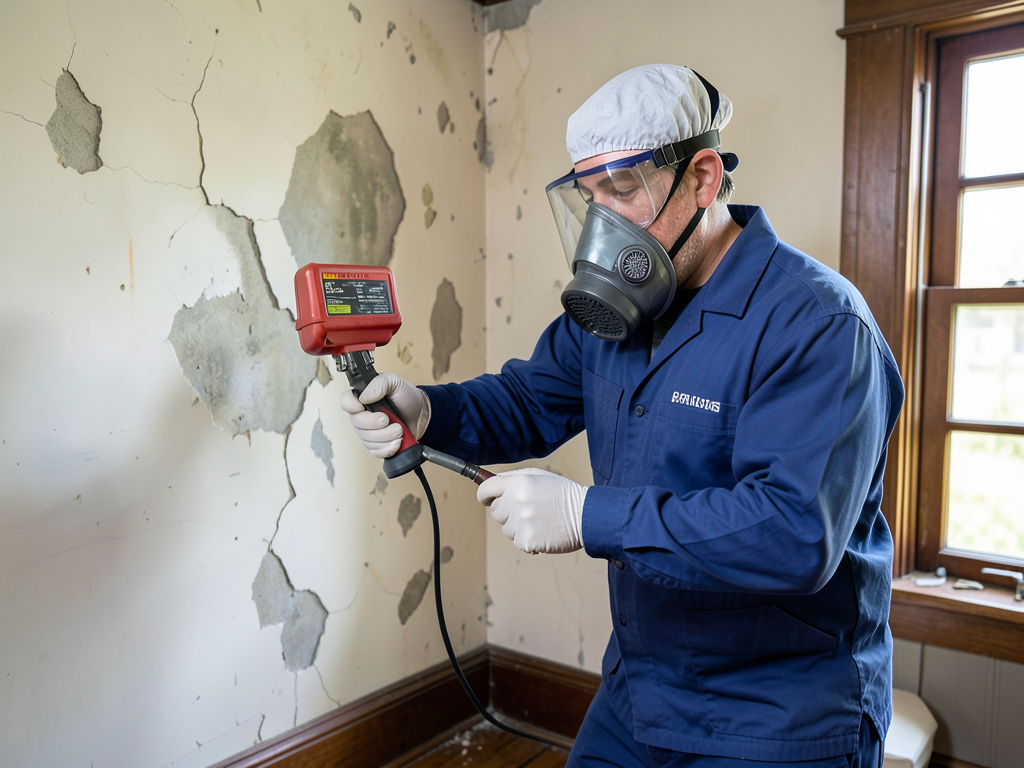
Category 2 and Category 3 floods require different handling. If your floodwater contains sewage backflow, dishwasher overflow, or stormwater that picked up soil and debris, we treat it as contaminated. Our crews wear PPE and use dedicated extraction wands that prevent cross-contamination. We do not run that water through our standard truck-mount systems.

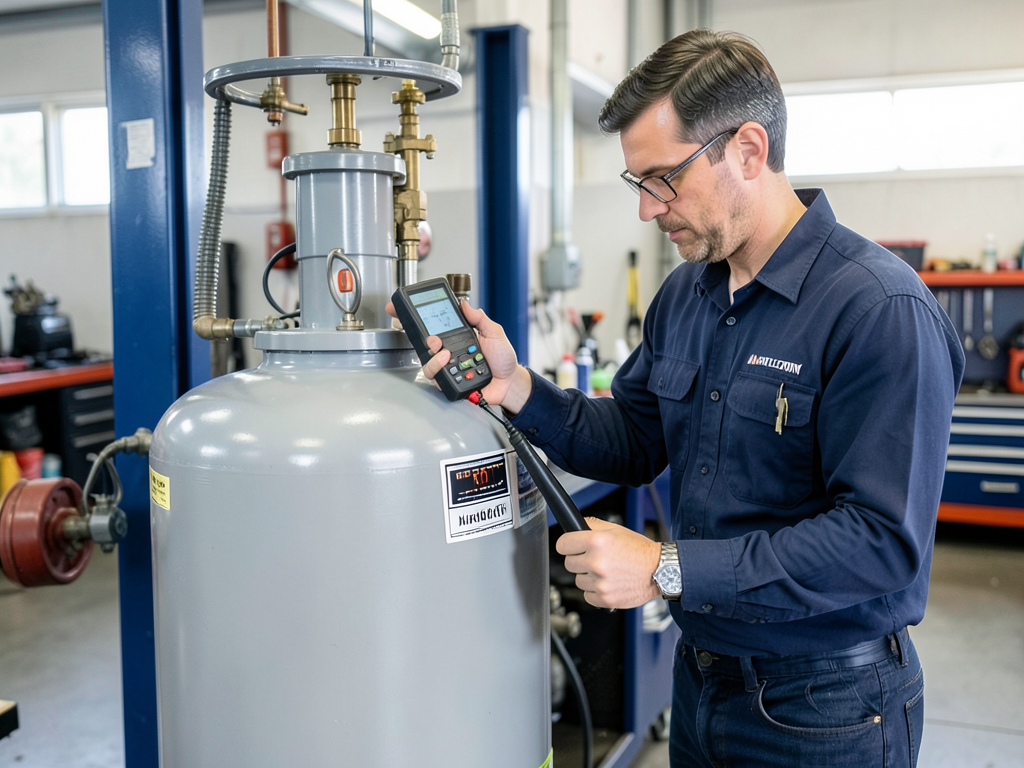
After bulk water removal, we map moisture levels using thermal imaging cameras and pin-type moisture meters. Drywall may look dry on the surface while the bottom plate behind it holds 40 percent moisture content. We document these readings for your insurance claim and mark affected areas for monitoring.

Air movement comes next. We position axial fans to create laminar airflow across wet surfaces, which accelerates evaporation. In enclosed spaces like closets and bathrooms, we use centrifugal blowers that generate higher static pressure to push moisture out of confined areas. Commercial dehumidifiers pull that airborne moisture before it condenses elsewhere.

We do not guess at drying times. We take daily moisture readings and compare them against baseline levels for your specific building materials. Concrete slab foundations dry slower than wood subfloors. We adjust equipment placement and runtime based on these measurements. You get documentation showing exactly when materials returned to dry standard, which your insurance carrier needs to close your claim without dispute.

How Emergency Water Extraction Unfolds From Your First Call to Final Clearance

Rapid Response Flood Extraction in Portland – Certified Teams Onsite Within 60 Minutes or Less
01

Immediate Dispatch and Assessment

When you call our emergency line, dispatch sends the nearest extraction crew to your Portland property immediately. You do not wait for morning or for an appointment slot. Our technician arrives with inspection equipment to determine water source, volume, and contamination category. We identify the shutoff point if water is still actively flowing and establish safe work zones before extraction begins.
02

High-Volume Water Removal

We position truck-mounted pumps or submersible units based on water depth and access points. For basement floods, we run discharge lines out ground-level windows or bulkhead doors. Crawl space extraction requires vapor barriers and remote monitoring because our crews cannot stay in those confined spaces during active pumping. We pull standing water first, then use extraction wands on carpets and upholstery to remove water trapped in fibers and padding.
03

Structural Drying and Documentation

After bulk extraction, we place air movers and dehumidifiers in calculated patterns based on your floor plan and affected material types. We return daily to take moisture readings and adjust equipment. You receive a drying log with timestamped measurements showing moisture levels dropping to acceptable standards. This documentation supports your insurance claim and proves you mitigated damage appropriately, which protects you from claim denials related to delayed action.

Why Portland Property Owners Choose Local Flood Extraction Specialists Over National Chains

Evergreen Water Damage Restoration Portland operates extraction trucks stationed across the metro area, not routed from a regional hub in Seattle or Eugene. When you call at 2 a.m. because your sump pump failed during a rainstorm, our crew drives from Northeast Portland or Beaverton, not from 90 miles away. Response time determines damage scope, and local staging makes 60-minute arrival possible.

We know Portland's housing stock because we work in these homes daily. We understand that Craftsman bungalows in Laurelhurst have plaster walls that absorb water differently than the drywall in 1980s ranch homes in Gresham. We adjust drying protocols for the pier-and-beam crawl spaces common in Eastmoreland versus the poured concrete basements typical in West Linn new construction.

Portland's building codes require specific remediation steps for flood-damaged structures. Oregon Residential Specialty Code Section R323 governs flood-resistant construction, and we document our work to align with these standards. If your property sits in a FEMA-designated flood zone, your insurance carrier will scrutinize whether you followed proper mitigation procedures. We provide the documentation you need to satisfy both code inspectors and insurance adjusters.

Our equipment inventory reflects Portland's climate. We stock enough dehumidifiers to handle the ambient humidity that persists even after extraction. In summer, when relative humidity hovers around 60 percent, structural drying takes longer. We account for this in our equipment deployment and drying timelines, so you get realistic expectations instead of optimistic projections that lead to claim disputes.

You are not hiring a technician reading from a corporate manual. You are hiring crews who extracted floodwater from homes near Kelley Point Park after the 2020 atmospheric river event and who handled commercial flood restoration after pipe failures in the Pearl District during the 2021 freeze. Local experience matters when the stakes are structural integrity and financial recovery.

What Happens During Emergency Flood Extraction and Why Each Step Matters

Arrival Time and Equipment Deployment

Our average emergency response time across Portland is 45 to 60 minutes from your initial call. We arrive in fully stocked extraction trucks carrying submersible pumps, truck-mount vacuum systems, air movers, and moisture detection tools. If you call during peak flood season when multiple properties need service, we prioritize based on water volume and contamination risk. Active sewage backflows and homes with vulnerable occupants move to the front of the queue. You get an honest arrival estimate, not a generic promise we cannot keep during high-demand periods.

Moisture Mapping and Contamination Assessment

Before we start extraction, our technician inspects your property to determine water category and affected materials. We use thermal cameras to identify hidden moisture in wall cavities and under flooring. You see the same screen our technician sees, so you understand exactly where water migrated and why we recommend removing specific materials. We test water for contamination indicators if the source is unclear. This assessment determines our extraction method, safety protocols, and disposal procedures. You receive a written scope outlining what we will extract, what materials require removal, and what areas need monitoring during drying.

Structural Drying Standards and Completion Criteria

We do not remove equipment based on how surfaces feel or look. We follow ANSI/IICRC S500 drying standards, which define acceptable moisture levels for different building materials. Wood framing must reach below 15 percent moisture content. Concrete slabs must drop below 4.5 percent on a calcium chloride test. We document these readings at initial assessment and again at completion. You get a moisture map showing where readings started and where they finished. This documentation proves you dried the structure properly, which protects you if mold appears months later due to a separate moisture source.

Insurance Coordination and Claim Support

We provide detailed documentation your insurance carrier needs to process your claim without delays or disputes. You receive timestamped photos showing water extent, moisture readings at multiple stages, and equipment logs proving we followed industry-standard drying protocols. We communicate directly with your adjuster if they need technical clarification on our scope or methods. Most Portland homeowners carry flood coverage through the National Flood Insurance Program or private carriers that require specific documentation standards. We know these requirements and build our reporting to match. You do not lose coverage because of incomplete paperwork or missing moisture readings.

Frequently Asked Questions

You Have Questions,
We Have Answers

What is the average insurance payout for water damage? +

Insurance payouts for water damage vary widely based on your coverage limits, deductible, and damage extent. Most homeowner policies cover sudden, accidental water damage like burst pipes but exclude flood damage. Average claims range from $2,500 for minor leaks to over $10,000 for extensive damage involving multiple rooms. In Portland, claims often involve crawl space flooding or pipe failures during cold snaps. Your payout depends on documentation quality, so photograph everything and keep all receipts. A public adjuster can help if your insurer undervalues your claim. Always file quickly to avoid denial for delayed reporting.

What is the immediate response to a flood? +

Shut off your water main immediately if the flood source is internal. Cut power at the breaker box to prevent electrocution risk. Move to higher ground if floodwaters are rising. Call a professional extraction team right away. In Portland, our frequent winter storms and basement flooding require fast action to prevent mold growth within 24 to 48 hours. Remove standing water quickly using pumps or wet vacuums. Relocate valuables and furniture to dry areas. Document all damage with photos for insurance. Do not wait. Every minute counts when water saturates drywall, flooring, and insulation.

Who is the largest restoration company? +

Several national franchises dominate the restoration industry, including ServiceMaster, BELFOR, and Paul Davis. These companies operate across multiple states with standardized protocols. However, size does not guarantee quality or speed. Local Portland restoration companies often provide faster response times because they are not routing calls through national dispatch centers. They understand Pacific Northwest construction methods, crawl space moisture issues, and local building codes better than distant franchises. When choosing a provider, prioritize 24/7 availability, IICRC certification, and direct local ownership. Your emergency deserves immediate attention, not a corporate phone tree.

Will insurance cover flash floods? +

Homeowner insurance policies typically exclude flood damage caused by rising water, storm surge, or overflowing rivers. You need a separate flood insurance policy through the National Flood Insurance Program or a private carrier. In Portland, properties near the Willamette River or Columbia Slough face higher flood risk and may require coverage. Flash floods from sudden heavy rain are covered only if you have flood insurance. Even homes outside FEMA flood zones can flood during extreme weather. Policies have a 30-day waiting period, so purchase before storm season. Review your coverage limits annually to match your home's value.

What not to say to a home claims adjuster? +

Never admit fault or speculate about damage causes. Do not exaggerate losses or minimize damage to appear reasonable. Avoid saying your home was already in poor condition or that repairs can wait. Never sign anything without reading it carefully or agree to a settlement before getting repair estimates. In Portland, adjusters may downplay crawl space moisture or attribute mold to maintenance neglect rather than the flood event. Stick to facts. Provide documentation. Do not accept the first offer if it seems low. Hire a public adjuster if your claim is complex or disputed.

How much would it cost a 2500 sq ft homeowner if flood waters 1 inch deep entered a home? +

One inch of water across 2,500 square feet equals roughly 1,300 gallons. Without flood insurance, you pay everything out of pocket. Extraction and drying typically cost $3 to $7 per square foot, totaling $7,500 to $17,500 depending on flooring type, insulation damage, and mold risk. Portland homes with crawl spaces face higher costs because moisture spreads quickly under the structure. Hardwood floors may require replacement. Drywall often needs cutting and removal 12 inches above the waterline. Mold remediation adds thousands if you delay response. Act fast to minimize damage and control costs.

What does flood insurance cover? +

Flood insurance covers direct physical loss from flooding, including structural damage to your home's foundation, walls, electrical systems, plumbing, and HVAC. It pays for flooring, drywall, and built-in appliances. Personal property coverage is separate and optional. Policies exclude basement contents, landscaping, and temporary housing costs. In Portland, coverage protects against Willamette River overflow, urban storm drain backup, and mudslides. Standard policies cap contents at $100,000 and structure at $250,000. Excess flood insurance is available for higher-value homes. Review your policy annually because flood maps change and premiums adjust.

What are the 5 stages of a flood? +

The five flood stages are: 1. Action Stage - water reaches a level requiring monitoring. 2. Minor Flooding - minimal property damage begins. 3. Moderate Flooding - structures face damage and evacuations may start. 4. Major Flooding - extensive inundation with significant property loss and danger. 5. Record Flooding - unprecedented water levels causing catastrophic damage. In Portland, the Willamette River and Columbia River follow these stages during heavy winter rains or snowmelt. Emergency services track river gauges closely. Residents in flood-prone neighborhoods should monitor alerts and evacuate early during rising water events.

What are the 5 elements of an emergency response plan? +

An effective emergency response plan includes: 1. Communication - establish contact protocols and emergency numbers. 2. Evacuation Routes - identify safe exits and rally points. 3. Roles and Responsibilities - assign tasks to family or team members. 4. Resources - stockpile supplies, tools, and backup power. 5. Training - practice drills and review procedures regularly. For Portland homeowners facing flood risk, your plan should include shutoff valve locations, insurance contact information, and a waterproof document kit. Keep a go-bag ready with essentials. Know your elevation relative to nearby waterways. Update your plan after each storm season.

How do restoration companies charge? +

Restoration companies charge by project scope, square footage, equipment usage, and labor hours. Most provide free inspections and estimates before starting work. Billing may be hourly for smaller jobs or fixed-price for complete restoration. Costs include water extraction, structural drying, demolition, mold remediation, and repairs. Equipment rental fees cover industrial dehumidifiers, air movers, and moisture meters. In Portland, companies familiar with crawl space issues and Pacific Northwest moisture patterns deliver more accurate estimates. Many bill insurance directly. Always get a detailed written estimate breaking down materials, labor, and equipment before authorizing work.

Why Portland's Rain-Driven Floods Demand Faster Extraction Response Than Other Regions

Portland averages 43 inches of rain annually, with the majority falling between November and March. Unlike desert flash floods that recede quickly, Portland floods persist because saturated soil cannot absorb additional runoff. When the Willamette River crests or Johnson Creek overflows, water sits in low-lying neighborhoods for hours or days. This sustained contact time allows water to wick higher into wall cavities and saturate insulation that would stay dry in a faster-draining flood. Emergency water removal services in Portland must account for this prolonged exposure, which accelerates material degradation and shortens the window for salvaging structural components.

Water Damage Restoration Services in The Portland Area

Evergreen Water Damage Restoration proudly serves Portland and the surrounding areas, providing rapid and reliable water damage solutions whenever you need us. While our physical office is located conveniently for local operations, our dedicated teams are mobile and ready to deploy across the region. View our service area on the map to understand our reach, or simply call us to confirm if we cover your specific location. We are committed to extending our expert services to every community in need.

Address:
Evergreen Water Damage Restoration Portland, 239 NW 13th Ave, Portland, OR, 97209

Additional Services We Offer

Our news updates

Latest Articles & News from The Blogs

Evaluating the water damage risks of a daylight basement in Bridlemile Daylight basements in Bridlemile face significant water intrusion risks…

Evaluating the water damage risks of a daylight basement in Bridlemile

Evaluating the water damage risks of a daylight basement in Bridlemile Daylight basements in Bridlemile face significant water intrusion risks…

How to identify Category 3 black water and why you shouldn't try to clean it yourself

How to identify Category 3 black water and why you shouldn’t try to clean it yourself When water floods your…

What to ask a restoration contractor before they start work on your historic Ladd's Addition home

What to ask a restoration contractor before they start work on your historic Ladd’s Addition home \n\n Water damage in…

Contact Us

Floodwater does not wait. Call (503) 882-7766 right now for immediate dispatch. Our extraction crews are standing by 24/7 with truck-mounted pumps and industrial drying equipment. Every hour you wait costs you more in damage and claim complications.