


Tigard sits in the Tualatin River watershed where heavy rainfall from October through March combines with shallow groundwater tables to create constant moisture pressure on foundations and crawl spaces. The city's mixed soil composition, ranging from Willamette silt loam in the valley to Cascade clay in elevated areas near Bull Mountain, means water moves unpredictably during storms. Homes in neighborhoods like Greenfield and Summerlake often experience basement seepage when the water table rises, while properties near Fanno Creek face flash flooding risks during heavy winter storms.
Oregon's wet climate keeps relative humidity high for months, creating perfect conditions for hidden mold growth behind walls and under flooring. Many Tigard homes built between 1970 and 1990 have aging plumbing systems where galvanized pipes corrode and burst without warning. Combined with the region's freeze-thaw cycles that crack exterior walls and foundations, Tigard properties face water intrusion from multiple directions. Fast response matters because our climate accelerates secondary damage. Within 24 hours, water begins wicking up drywall and saturating insulation. Within 48 hours, mold spores colonize damp materials. Quick extraction and thorough drying prevent thousands in additional damage.
We run a local operation built for Oregon's water damage realities. Our crews train specifically on crawl space water removal, foundation seepage mitigation, and the moisture management challenges unique to Willamette Valley construction. We understand how Tigard's clay soils affect drainage and why homes near Fanno Creek need different approaches than properties on Bull Mountain slopes.
Our dispatch center tracks weather patterns and flood risks across Washington County. When storms hit, we pre-position equipment and crews in Tigard to cut response times. You get a technician on-site fast, not someone driving from Portland during rush hour on Highway 217.
We invest in commercial-grade equipment that handles Oregon's water damage scale. Our truck-mounted extraction systems pull thousands of gallons from flooded basements. Our desiccant dehumidifiers dry structures in days, not weeks. We use thermal imaging to find hidden moisture in wall cavities and under flooring before it causes mold problems.
Insurance companies know our documentation meets their requirements. We photograph everything, log moisture readings at multiple stages, and provide detailed scopes that adjusters approve without argument. Most customers pay only their deductible because we handle the claim process from first call to final invoice. We bill insurance directly and fight for full coverage.
Our technicians hold IICRC certifications in water damage restoration and applied structural drying. They follow science-based protocols, not guesswork. They know how to dry different materials, when to remove versus save building components, and how to prevent microbial growth. You get trained professionals who solve the problem correctly the first time.

Our Tigard response vehicles carry extraction pumps, air movers, and dehumidifiers ready to deploy immediately. We dispatch within minutes of your call and arrive within an hour to stop water damage progression. Fast response prevents secondary damage and saves thousands in restoration costs.

We handle your insurance claim from documentation through payment. Our estimators use Xactimate software that matches insurance company pricing. We photograph damage, log moisture readings, and provide reports adjusters approve immediately. Most customers pay only their deductible while we manage the rest.
Every crew member holds current certifications in water damage restoration and applied structural drying. They follow industry protocols for moisture mapping, equipment placement, and drying verification. You get trained professionals who understand building science and prevent problems like trapped moisture and mold growth.
We specialize in problems common to Tigard properties including crawl space flooding, foundation seepage, and moisture management in our wet climate. Our crews understand local construction methods, soil conditions, and how Oregon's rainfall patterns affect buildings. This regional knowledge speeds diagnosis and improves outcomes.
Water damage takes many forms in Tigard, from sudden pipe bursts and appliance failures to slow foundation leaks and storm flooding. Each source requires different extraction methods, drying strategies, and restoration approaches. We provide complete water damage remediation that addresses the full scope of damage, not just surface cleanup.
Our services span emergency water removal, structural drying, content restoration, and reconstruction. We handle everything from initial extraction through final repairs so you work with one company instead of coordinating multiple contractors. Our crews arrive with industrial equipment designed for commercial-scale water removal but scaled appropriately for residential properties. We remove standing water, dry building materials to verified moisture levels, treat for microbial growth, and restore damaged areas to pre-loss condition.
We separate our work into three core service categories based on the type and scale of water intrusion. This allows us to deploy the right equipment and expertise for your specific situation. Emergency response requires different resources than planned mitigation work. Residential water damage demands different approaches than commercial flooding.
When pipes burst or appliances fail, standing water damages flooring, walls, and contents every minute it remains. Our emergency crews arrive with truck-mounted extraction pumps and portable units that remove thousands of gallons quickly. We pull water from basements, crawl spaces, and living areas before it spreads or soaks deeper into materials. After extraction, we place air movers and dehumidifiers to begin structural drying immediately. This fast response prevents secondary damage and reduces overall restoration costs.
Removing standing water is just the first step. Moisture absorbed into drywall, insulation, framing, and subfloors must be dried completely to prevent mold growth and material deterioration. We use thermal imaging to map moisture in wall cavities and under flooring. We place commercial dehumidifiers and air movers in scientific configurations based on psychrometric calculations. We monitor drying progress with moisture meters and adjust equipment until all materials reach verified dry standards.
Oregon's humid climate accelerates mold growth after water damage. Within 48 hours, spores colonize damp materials and spread through structures. We apply EPA-registered antimicrobial treatments to affected areas during the drying process. If mold has already developed, we provide complete remediation including containment, removal of affected materials, HEPA air filtration, and post-remediation verification. Our treatments prevent future growth and protect indoor air quality.
Tigard's location in the Tualatin Valley creates specific water damage patterns that affect properties throughout the area. The region's heavy winter rainfall combines with poor soil drainage to stress foundations and crawl spaces. Many homes sit on lots with minimal slope where water pools during storms. Aging infrastructure in established neighborhoods means failing plumbing systems and deteriorating drainage components.
Understanding these local patterns helps identify risks before they become emergencies. Properties in certain areas face predictable problems based on elevation, soil type, and construction era. Homes near waterways deal with different issues than those on hillsides. Newer construction has different vulnerabilities than older homes. These common problems appear throughout Tigard and require professional water damage cleanup to prevent lasting damage.
Tigard's shallow water table causes seasonal groundwater intrusion in crawl spaces, particularly in low-lying areas near Fanno Creek and the Tualatin River. Water pools under homes, saturating insulation, rotting floor joists, and creating humidity that promotes mold growth. Standing water also attracts pests and damages HVAC systems.
Clay-rich soil expands when saturated, pressing against foundation walls and forcing water through cracks and seams. Basement walls develop damp spots, efflorescence, and active leaks during heavy rain. This constant moisture damages stored items, ruins finished basements, and weakens concrete over time.
Many Tigard homes built in the 1970s and 1980s still have original galvanized or polybutylene plumbing that corrodes and fails. Supply lines burst without warning, flooding bathrooms, kitchens, and utility rooms. Water flows under pressure until shut off, quickly saturating flooring, drywall, and cabinetry.
Clogged gutters and failed downspout extensions dump roof runoff directly against foundations. During heavy Pacific storms, this water overwhelms soil absorption capacity and enters basements through wall penetrations and floor cracks. Poor lot grading compounds the problem by directing surface water toward structures instead of away.
Water damage creates stress and uncertainty. Your home is flooded, belongings are soaked, and you need answers fast. We remove that uncertainty with clear communication and proven processes. From the moment you call until final walkthrough, you know what happens next, how long each phase takes, and what the outcome will look like.
Our process combines emergency response speed with methodical restoration work. We stabilize the situation immediately, then systematically dry and restore your property using industry protocols. You work with a dedicated project manager who coordinates all phases and keeps you updated on progress. We handle insurance documentation, content inventory, and contractor scheduling so you focus on getting your life back to normal.
These three commitments define how we serve Tigard customers during water damage emergencies.
When you call our emergency line, we dispatch a crew immediately and give you an estimated arrival time. Our technicians arrive with extraction equipment ready to deploy. They assess the damage source, stop active water flow if possible, and begin emergency water removal. You receive a damage assessment within the first hour explaining what happened, what needs repair, and what the restoration process involves. No waiting days for someone to show up and evaluate the situation.
Your project manager calls with updates on drying progress, insurance approval, and restoration timelines. We explain what equipment we place and why, how long drying takes, and when reconstruction begins. You receive daily moisture readings showing measurable progress. We schedule all work around your availability and answer questions the same day you ask them. No disappearing between visits or leaving you wondering what happens next.
We photograph all damage before beginning work and document every step of restoration. Our moisture logs show baseline readings, daily progress, and final dry verification. We provide detailed estimates in Xactimate format that insurance adjusters recognize and approve. Most customers receive full claim approval because our documentation meets carrier requirements exactly. We handle supplements if additional damage appears during restoration, so you never pay for covered repairs out of pocket.
We follow a proven sequence that prioritizes immediate damage control, then systematically dries and restores your property. This phased approach ensures nothing gets missed and all work meets industry standards.
We extract standing water using truck-mounted pumps and portable extraction units. Crews remove soaked materials that cannot be saved including padding, baseboards, and heavily saturated drywall. We move furniture to dry areas and protect salvageable contents. Technicians map moisture levels in walls, floors, and ceilings using infrared cameras and moisture meters. This initial phase typically takes 4-8 hours depending on flood extent.
We place commercial air movers and dehumidifiers in configurations designed for your specific floor plan and materials. Equipment runs continuously while technicians monitor moisture levels daily. Drying typically takes 3-5 days for standard water damage, longer for deep saturation or humid conditions. We adjust equipment placement and add capacity if readings show slow progress. This phase ends when all materials reach verified dry standards.
Once structures are completely dry, we rebuild damaged areas. Our crews install new drywall, baseboards, flooring, and paint to match existing finishes. We handle everything from minor repairs to complete room reconstruction. You get one invoice covering all phases instead of coordinating separate contractors. The restoration timeline depends on damage extent but most projects complete within 2-3 weeks from initial emergency call.
Professional water damage restoration follows scientific principles based on psychrometrics, material science, and microbiology. The Institute of Inspection Cleaning and Restoration Certification sets industry standards that guide equipment selection, drying protocols, and verification methods. We follow IICRC S500 Standard for water damage restoration which defines four classes of water damage based on evaporation rate and three categories of water contamination based on source.
Class 1 damage affects small areas with minimal absorption into materials. Class 4 involves specialty drying situations like hardwood floors, plaster, or concrete that require advanced techniques. We assess your specific situation and deploy appropriate equipment and methods. A wet carpet requires different treatment than saturated drywall or soaked hardwood.
Water category determines cleaning and safety protocols. Category 1 is clean water from supply lines. Category 2 is gray water from appliances or toilet tanks. Category 3 is black water from sewage or flooding that requires complete removal of affected materials. Understanding these classifications ensures we restore your property safely and completely.
Oregon's humid climate affects drying strategies. Ambient humidity slows evaporation, requiring more aggressive dehumidification than dry climates need. We calculate grain depression, which measures how much moisture our equipment removes from air, and adjust capacity to maintain optimal drying conditions. Temperature also affects drying speed. We monitor both constantly and modify our approach based on real-time conditions.
Moisture mapping identifies hidden damage that visual inspection misses. Water wicks up walls through capillary action, travels along floor joists, and saturates insulation inside cavities. Thermal imaging cameras detect temperature differentials that indicate moisture presence. Pin-type and non-invasive moisture meters quantify water content in different materials. We document these readings to track drying progress and verify completion.
The IICRC S500 Standard defines acceptable moisture levels for various building materials and requires documentation at multiple stages. We follow these protocols exactly, measuring moisture content before drying begins, during daily monitoring, and at completion. This ensures materials reach verified dry standards that prevent future problems.
Restoration costs depend on damage class, water category, affected square footage, and material types involved. Class 4 damage to hardwood floors costs more to dry than Class 1 carpet damage. Category 3 water requires disposal of affected materials while Category 1 allows cleaning and restoration. Insurance typically covers all necessary work.
Complete structural drying typically takes 3-7 days depending on material saturation, ambient humidity, temperature, and airflow. Dense materials like concrete and plaster dry slower than drywall and carpet. Cold temperatures and high humidity extend drying time. We monitor progress daily and adjust equipment to maintain optimal conditions.
Reconstruction work after water damage must meet current Oregon building codes even if original construction predates updated requirements. This can include upgraded electrical, improved insulation, or enhanced ventilation. We handle all permit applications and inspections required by Tigard building department to ensure code compliance.
This video explains the professional water damage restoration process in Tigard, Oregon. Evergreen Water Damage Restoration Portland demonstrates emergency water extraction techniques, structural drying protocols using IICRC standards, and moisture detection methods. The video covers Tigard-specific challenges including foundation seepage, crawl space flooding, and climate factors affecting water damage. Viewers learn the three-phase restoration process, insurance claim documentation requirements, and why rapid response prevents mold growth and secondary damage.
Our service area covers all of Tigard and extends throughout Washington County to provide fast emergency response when water damage strikes. We know every neighborhood from established areas near downtown Tigard to newer developments on Bull Mountain. Our crews regularly work in Greenfield where older homes face plumbing failures and foundation issues. We serve Summerlake properties dealing with seasonal crawl space flooding due to the shallow water table near the Tualatin River. Neighborhoods along Fanno Creek including areas near Cook Park experience flash flooding during heavy storms that require immediate water extraction.
Bull Mountain properties face different challenges than valley floor homes. The elevated terrain provides better drainage but steep slopes can direct runoff toward foundations during storms. We adjust our mitigation strategies based on these geographic differences. Homes in Metzger deal with aging infrastructure where galvanized plumbing and outdated drainage systems fail. Properties near Highway 217 and Interstate 5 require careful logistics for equipment staging and material disposal.
We also serve neighboring communities including Beaverton to the north, Lake Oswego to the east, and Tualatin to the south. Our central location provides quick access to properties throughout the Portland metro area. Washington County's mixed development patterns mean we work on everything from 1960s ranch homes to modern construction. Each era has specific vulnerabilities. Mid-century homes often have failing plumbing and minimal moisture barriers. Newer construction may have installation defects or material failures still under warranty.
Our familiarity with Tigard's neighborhoods speeds diagnosis and improves outcomes. We know which areas face recurring problems, which construction methods were common in different eras, and how local soil conditions affect water intrusion. This regional expertise helps us identify damage sources quickly and design restoration approaches that address root causes, not just symptoms. When you call from anywhere in Tigard or surrounding areas, we dispatch the closest available crew and provide accurate arrival times based on real-time traffic and weather conditions.
Water damage restoration in Tigard takes between three days and two weeks depending on the severity. Minor incidents like small leaks need three to five days. Moderate flooding from burst pipes requires five to seven days. Severe cases involving contaminated water or structural damage extend to two weeks or longer. The process includes water extraction, drying, sanitization, and repairs. Your restoration team monitors moisture levels daily to ensure complete dryness. Factors like humidity levels, affected materials, and room size influence the timeline. Professional teams work efficiently to return your home to normal as quickly as possible.
Water damage restoration pricing in Tigard varies based on water source, affected area size, and damage severity. Small incidents affecting one room typically fall on the lower end of the spectrum. Whole-home flooding or contaminated water requires more extensive work and falls higher. Your restoration company provides a detailed estimate after inspecting your property. The quote includes water extraction, drying equipment, sanitization, and necessary repairs. Insurance often covers much of the expense when the damage results from sudden incidents. Get multiple quotes from local Tigard providers to compare services and pricing structures.
Homeowners insurance in Tigard typically covers sudden and accidental water damage. Burst pipes, appliance malfunctions, and storm-related flooding usually qualify for coverage. Your policy excludes gradual damage from neglected maintenance or long-term leaks. Flood damage from rising groundwater requires separate flood insurance. Review your policy details to understand your specific coverage limits and deductibles. Document all damage with photos before restoration begins. Contact your insurance company immediately after the incident. Your restoration company works directly with your insurer to streamline the claims process and ensure proper documentation.
Water damage restoration in Tigard takes between three days and two weeks depending on the severity. Minor incidents like small leaks need three to five days. Moderate flooding from burst pipes requires five to seven days. Severe cases involving contaminated water or structural damage extend to two weeks or longer. The process includes water extraction, drying, sanitization, and repairs. Your restoration team monitors moisture levels daily to ensure complete dryness. Factors like humidity levels, affected materials, and room size influence the timeline. Professional teams work efficiently to return your home to normal as quickly as possible.
Water damage restoration pricing in Tigard varies based on water source, affected area size, and damage severity. Small incidents affecting one room typically fall on the lower end of the spectrum. Whole-home flooding or contaminated water requires more extensive work and falls higher. Your restoration company provides a detailed estimate after inspecting your property. The quote includes water extraction, drying equipment, sanitization, and necessary repairs. Insurance often covers much of the expense when the damage results from sudden incidents. Get multiple quotes from local Tigard providers to compare services and pricing structures.
Homeowners insurance in Tigard typically covers sudden and accidental water damage. Burst pipes, appliance malfunctions, and storm-related flooding usually qualify for coverage. Your policy excludes gradual damage from neglected maintenance or long-term leaks. Flood damage from rising groundwater requires separate flood insurance. Review your policy details to understand your specific coverage limits and deductibles. Document all damage with photos before restoration begins. Contact your insurance company immediately after the incident. Your restoration company works directly with your insurer to streamline the claims process and ensure proper documentation.
You need professional water damage restoration in Tigard when water affects multiple rooms or soaks into structural materials. Standing water deeper than one inch requires professional extraction equipment. Water from toilets, sewage, or outdoor flooding contains contaminants you should never handle yourself. You need experts if water reaches electrical outlets, beneath flooring, or inside walls. Visible mold growth within 48 hours signals professional intervention. When you smell musty odors or see warped floors and bubbling paint, call specialists. Professionals have moisture detection tools to find hidden water you cannot see.
Hidden water damage in Tigard homes shows through musty smells, especially in basements and crawl spaces. Look for discolored patches on ceilings and walls, often yellow or brown. Warped or buckling hardwood floors indicate moisture beneath the surface. Peeling paint and bubbling wallpaper signal water behind walls. Check for soft spots in drywall when you press gently. Notice increased humidity levels or condensation on windows. Listen for dripping sounds inside walls or ceilings. Watch for unexplained increases in your water bills. Mold spots appearing on walls or in corners confirm moisture problems.
You can often stay in your Tigard home during minor water damage restoration affecting one or two rooms. Technicians isolate the work area with plastic barriers to contain dust and noise. You must leave if the damage involves sewage, significant mold growth, or structural concerns. Extensive work requiring multiple industrial dryers and dehumidifiers creates noise and limits space. Your restoration company assesses safety risks before recommending temporary relocation. If electrical systems are compromised or floors are unstable, you need alternative housing. Ask your restoration team about the expected noise levels and access restrictions.
Call a water damage restoration company in Tigard within the first hour of discovering water damage. Mold begins growing within 24 to 48 hours of water exposure. Wood floors start warping within hours of water contact. Quick action prevents secondary damage and reduces restoration time. Water spreads through porous materials fast, affecting more of your home as time passes. Your homeowner's insurance expects prompt mitigation efforts to minimize claims. Professional teams arrive quickly to extract water and start drying immediately. Delaying even a few hours increases structural damage and health risks significantly.
Water damage restoration companies in Tigard use commercial-grade extraction units to remove standing water quickly. Industrial air movers create airflow to speed evaporation from wet surfaces. Commercial dehumidifiers pull moisture from the air to prevent mold growth. Moisture meters measure water content in walls, floors, and ceilings to track drying progress. Infrared cameras detect hidden moisture behind surfaces you cannot see. Technicians use air scrubbers with HEPA filters to remove airborne contaminants and odors. Antimicrobial treatments sanitize affected areas. Professional equipment works faster and more thoroughly than consumer-grade alternatives.
Prevent mold after water damage in your Tigard home by removing standing water within 24 hours. Run dehumidifiers and fans continuously to dry affected areas completely. Remove wet carpets, padding, and porous materials that stay damp. Clean hard surfaces with antimicrobial solutions to kill mold spores. Keep indoor humidity below 60 percent using dehumidifiers. Ensure proper ventilation by opening windows when weather permits. Monitor previously wet areas for musty smells or discoloration. Professional restoration teams apply antimicrobial treatments to prevent mold growth. Never seal wet materials behind new construction before complete drying.
Professional water damage restoration removes all detectable moisture from your Tigard property when completed properly. Technicians use moisture meters to verify materials reach acceptable dryness levels before finishing. Hidden moisture in wall cavities and subfloors requires several days of drying with specialized equipment. Your restoration team documents moisture readings throughout the process. They establish a drying goal based on industry standards for each material type. Complete moisture removal prevents mold growth and structural problems. Final inspection ensures all affected areas meet dryness standards. Reputable companies provide documentation showing moisture levels returned to normal ranges.
You need professional water damage restoration in Tigard when water affects multiple rooms or soaks into structural materials. Standing water deeper than one inch requires professional extraction equipment. Water from toilets, sewage, or outdoor flooding contains contaminants you should never handle yourself. You need experts if water reaches electrical outlets, beneath flooring, or inside walls. Visible mold growth within 48 hours signals professional intervention. When you smell musty odors or see warped floors and bubbling paint, call specialists. Professionals have moisture detection tools to find hidden water you cannot see.
Hidden water damage in Tigard homes shows through musty smells, especially in basements and crawl spaces. Look for discolored patches on ceilings and walls, often yellow or brown. Warped or buckling hardwood floors indicate moisture beneath the surface. Peeling paint and bubbling wallpaper signal water behind walls. Check for soft spots in drywall when you press gently. Notice increased humidity levels or condensation on windows. Listen for dripping sounds inside walls or ceilings. Watch for unexplained increases in your water bills. Mold spots appearing on walls or in corners confirm moisture problems.
You can often stay in your Tigard home during minor water damage restoration affecting one or two rooms. Technicians isolate the work area with plastic barriers to contain dust and noise. You must leave if the damage involves sewage, significant mold growth, or structural concerns. Extensive work requiring multiple industrial dryers and dehumidifiers creates noise and limits space. Your restoration company assesses safety risks before recommending temporary relocation. If electrical systems are compromised or floors are unstable, you need alternative housing. Ask your restoration team about the expected noise levels and access restrictions.
Call a water damage restoration company in Tigard within the first hour of discovering water damage. Mold begins growing within 24 to 48 hours of water exposure. Wood floors start warping within hours of water contact. Quick action prevents secondary damage and reduces restoration time. Water spreads through porous materials fast, affecting more of your home as time passes. Your homeowner's insurance expects prompt mitigation efforts to minimize claims. Professional teams arrive quickly to extract water and start drying immediately. Delaying even a few hours increases structural damage and health risks significantly.
Water damage restoration companies in Tigard use commercial-grade extraction units to remove standing water quickly. Industrial air movers create airflow to speed evaporation from wet surfaces. Commercial dehumidifiers pull moisture from the air to prevent mold growth. Moisture meters measure water content in walls, floors, and ceilings to track drying progress. Infrared cameras detect hidden moisture behind surfaces you cannot see. Technicians use air scrubbers with HEPA filters to remove airborne contaminants and odors. Antimicrobial treatments sanitize affected areas. Professional equipment works faster and more thoroughly than consumer-grade alternatives.
Prevent mold after water damage in your Tigard home by removing standing water within 24 hours. Run dehumidifiers and fans continuously to dry affected areas completely. Remove wet carpets, padding, and porous materials that stay damp. Clean hard surfaces with antimicrobial solutions to kill mold spores. Keep indoor humidity below 60 percent using dehumidifiers. Ensure proper ventilation by opening windows when weather permits. Monitor previously wet areas for musty smells or discoloration. Professional restoration teams apply antimicrobial treatments to prevent mold growth. Never seal wet materials behind new construction before complete drying.
Professional water damage restoration removes all detectable moisture from your Tigard property when completed properly. Technicians use moisture meters to verify materials reach acceptable dryness levels before finishing. Hidden moisture in wall cavities and subfloors requires several days of drying with specialized equipment. Your restoration team documents moisture readings throughout the process. They establish a drying goal based on industry standards for each material type. Complete moisture removal prevents mold growth and structural problems. Final inspection ensures all affected areas meet dryness standards. Reputable companies provide documentation showing moisture levels returned to normal ranges.
Evergreen Water Damage Restoration proudly serves Portland and the surrounding areas, providing rapid and reliable water damage solutions whenever you need us. While our physical office is located conveniently for local operations, our dedicated teams are mobile and ready to deploy across the region. View our service area on the map to understand our reach, or simply call us to confirm if we cover your specific location. We are committed to extending our expert services to every community in need.
Address:
Tigard, OR, 97223
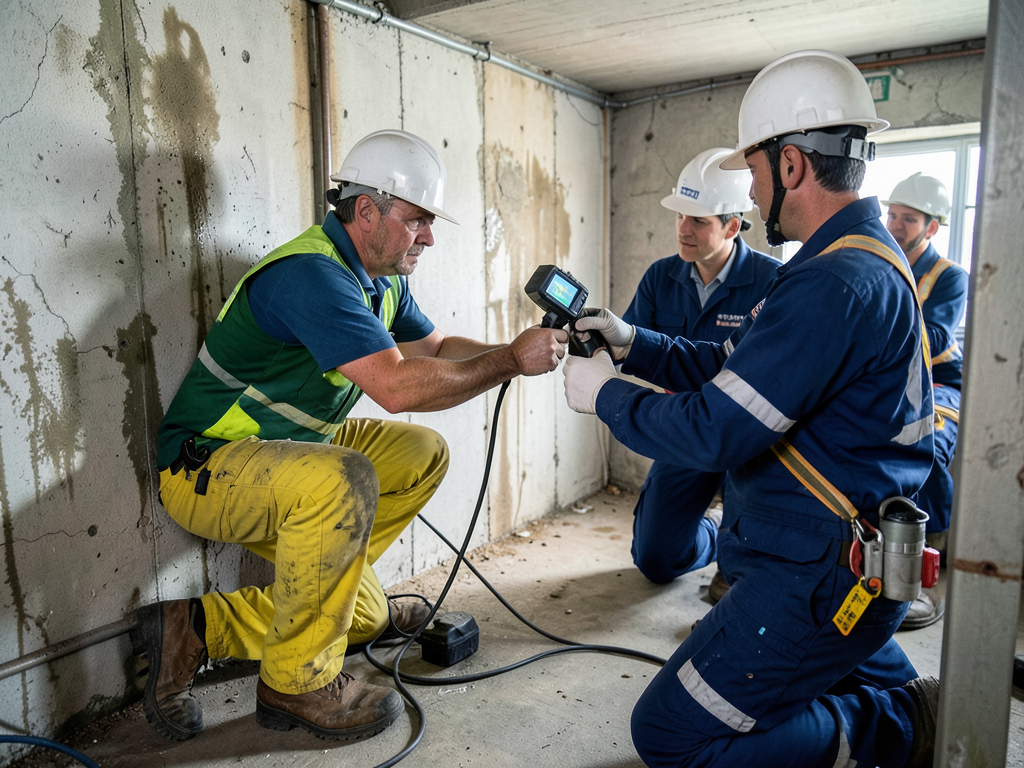
How an atmospheric river affects Portland basement flooding and what you should do When an atmospheric river hits Portland it brings more than heavy rain. These massive bands of moisture from the Pacific can dump…
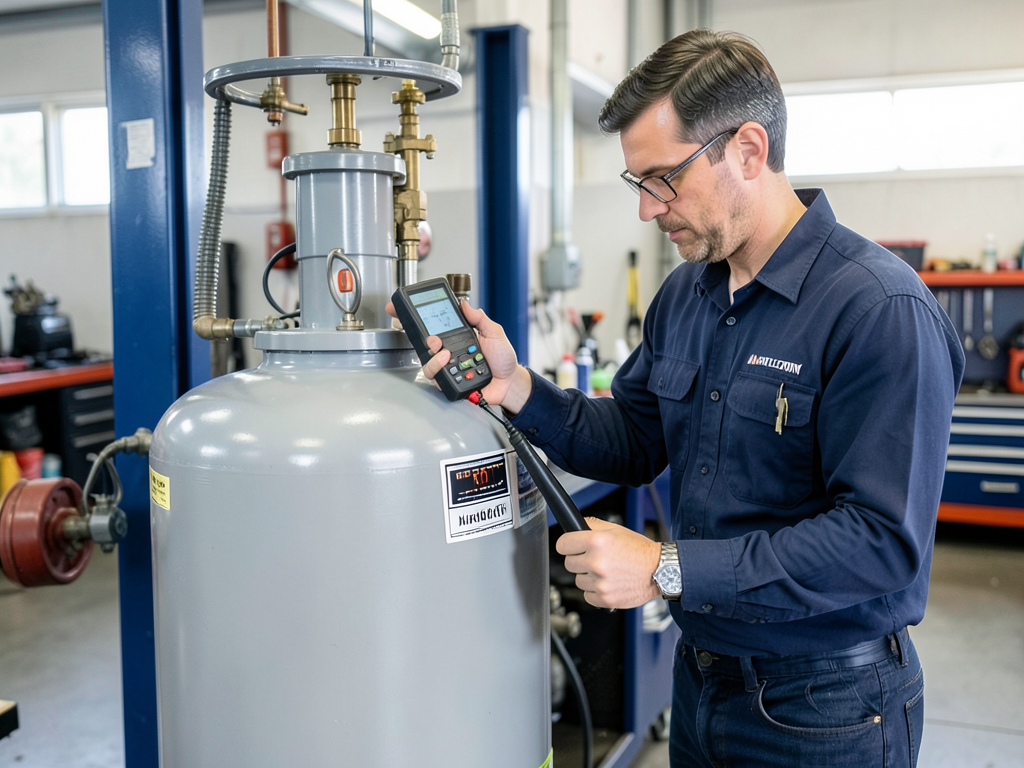
What happens when a well pump or pressure tank leaks in your Mapleton garage When…
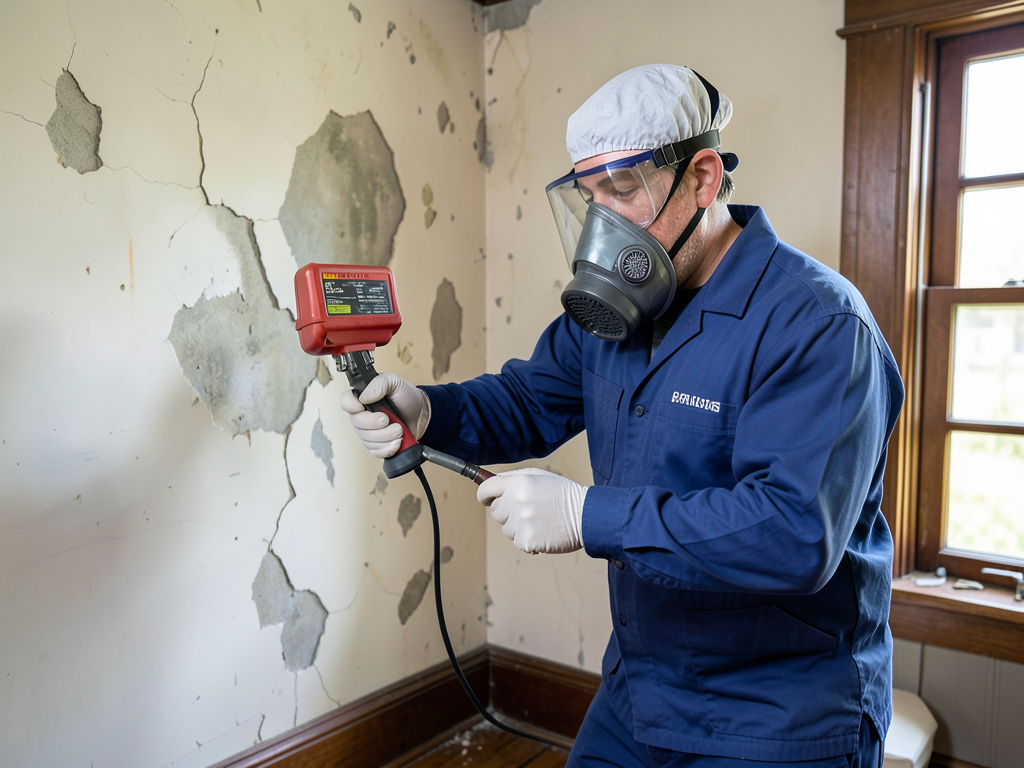
Dealing with lead and asbestos during water damage repairs in older Portland neighborhoods Portland's historic…
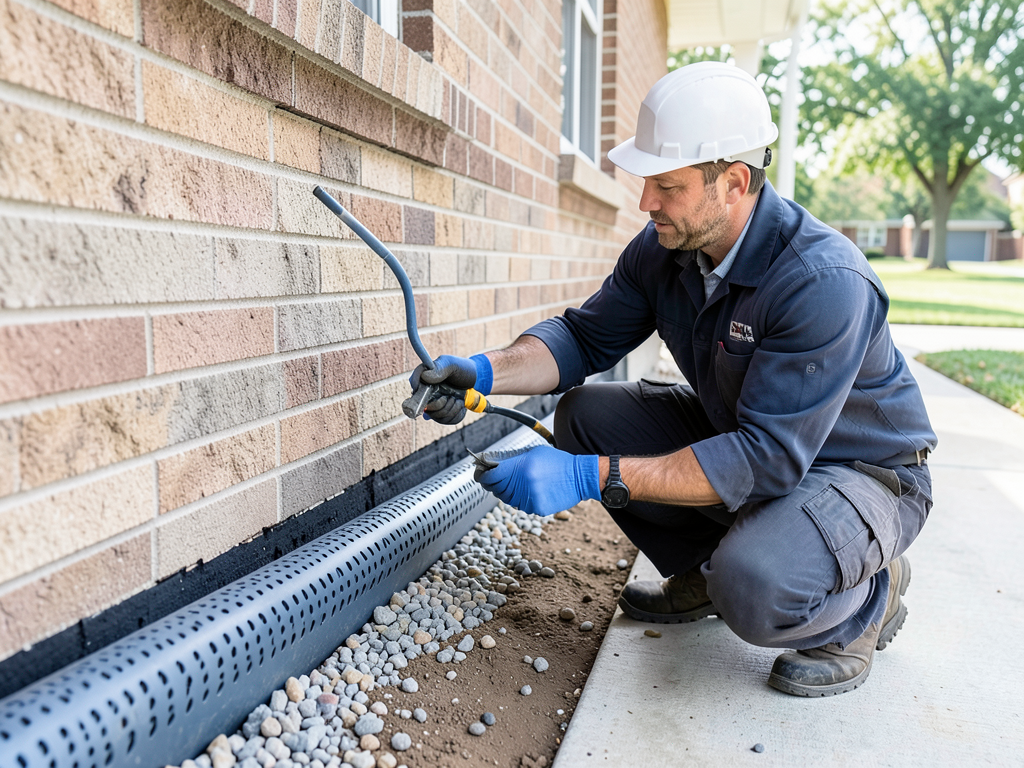
Why converting your University Park basement into a bedroom requires extra moisture protection Portland’s University…
Water damage gets worse every hour. Call Evergreen Water Damage Restoration Portland at (503) 882-7766 right now for immediate dispatch. Our crews arrive within 60 minutes ready to extract water and start drying your property. We bill insurance directly and handle all claim documentation.