


Hillsboro sits in the Tualatin Valley, where heavy rainfall from October through May combines with seasonal flooding from Tualatin River tributaries and Dairy Creek. The area receives 40+ inches of annual precipitation, creating constant pressure on aging infrastructure in older neighborhoods like Orenco Station and historic downtown.
The region's clay-rich soil holds water against foundation walls, saturating crawl spaces and basements during extended wet periods. Homes in North Hillsboro near Jackson Bottom Wetlands face elevated groundwater tables that can breach foundation drainage systems. Properties built in the 1970s and 1980s throughout Tanasbourne often have outdated sump pumps that fail during heavy storms.
Winter freeze-thaw cycles create additional risks. When temperatures drop below freezing in January and February, pipes in unheated crawl spaces and exterior walls can burst overnight. The combination of Pacific Northwest moisture and mild temperatures also creates ideal conditions for mold growth within 24 to 48 hours of water intrusion.
Commercial properties along Cornell Road and Cornelius Pass Road face water damage from roof failures, particularly flat commercial roofs that pool water during sustained rainfall. Understanding these regional factors is essential for effective water damage mitigation in Hillsboro.
We built our reputation in Hillsboro by responding when other companies won't. While national chains route emergency calls through distant call centers, our local dispatch team answers within minutes and has crews on-site within 60 minutes across the Hillsboro metro area. We maintain staging equipment in Washington County specifically to serve Hillsboro, Beaverton, and surrounding communities without delay.
Our technicians hold IICRC Water Damage Restoration certifications and undergo continuous training in thermal imaging, moisture mapping, and structural drying science. We use truck-mounted extraction units that remove standing water faster than portable equipment, and our commercial-grade dehumidifiers create the airflow patterns needed to dry wall cavities and subfloors completely. This prevents the secondary mold damage that happens when restoration companies rush through the drying phase.
We work directly with every major insurance carrier that operates in Oregon. Our estimators use Xactimate software to create documentation your adjuster can approve immediately, eliminating the back-and-forth that delays repairs. We photograph every stage of the restoration process and provide moisture readings that prove structural drying is complete before reconstruction begins.
What separates us is our refusal to cut corners. We pull baseboards to verify wall cavities are dry. We use thermal imaging to find hidden moisture in ceiling spaces. We test crawl spaces for elevated humidity that indicates incomplete drying. When we tell you your property is restored, you can trust the work is done right.

Our dispatch system prioritizes Hillsboro emergency calls for same-hour response. We stage equipment at strategic locations throughout Washington County, putting extraction trucks and restoration crews within minutes of your property when water damage strikes at 2 AM or during weekend storms.

Every crew member holds current Water Damage Restoration certifications from the Institute of Inspection Cleaning and Restoration Certification. We follow IICRC S500 standards for water damage mitigation, ensuring structural drying meets industry protocols that prevent mold growth and secondary damage to your Hillsboro property.
We handle all communication with your insurance company, from initial emergency mitigation authorization through final reconstruction approval. Our estimators use the same Xactimate software as adjusters, creating documentation that expedites claims processing and gets you back to normal faster without payment disputes.
We understand how Hillsboro's clay soil, seasonal flooding patterns, and aging infrastructure create water damage scenarios unique to the Tualatin Valley. This local knowledge informs our extraction strategies, drying protocols, and mold prevention measures for properties throughout the region we serve daily.
Water damage restoration requires specialized equipment and methodical processes to prevent long-term structural damage and mold contamination. We provide comprehensive water removal services that address both immediate flooding and the hidden moisture that causes problems weeks later.
Our service approach divides into three critical phases. Emergency water extraction stops active damage and removes standing water before it saturates building materials. Structural drying uses industrial dehumidifiers and air movers to eliminate moisture from walls, floors, and cavities. Water damage remediation addresses contamination, odor, and any microbial growth that developed before or during the drying process.
Each water damage scenario in Hillsboro requires different equipment and protocols. Clean water from a burst supply line needs faster extraction but simpler treatment than sewage backup from a failed drain. Storm flooding that breaches foundation walls requires different drying strategies than a slow leak behind a washing machine. We assess every situation individually and deploy the appropriate combination of extraction, drying, and remediation services.
Our crews carry moisture meters, thermal imaging cameras, and humidity monitors to every job. This diagnostic equipment locates hidden water in ceiling spaces, wall cavities, and beneath flooring. We map moisture levels throughout your property and track drying progress daily until readings confirm complete structural drying.
When flooding strikes your Hillsboro property, our truck-mounted extraction units remove thousands of gallons per hour from basements, crawl spaces, and living areas. We respond immediately to burst pipes, appliance failures, and storm flooding with industrial pumps and wet vacuums that eliminate standing water before it saturates drywall, insulation, and structural lumber. Our emergency water damage cleanup includes furniture relocation, content protection, and initial antimicrobial treatment to prevent contamination during the extraction phase.
Removing standing water is only the first step. Our structural drying process uses commercial dehumidifiers and high-velocity air movers to extract moisture trapped in walls, subfloors, and ceiling cavities. We monitor humidity levels and material moisture content daily using calibrated meters, adjusting equipment placement to create optimal drying conditions. This prevents the mold growth and wood rot that develop when water damage mitigation stops too early. Complete drying typically requires three to five days depending on materials affected and weather conditions.
Mold spores begin colonizing damp materials within 24 to 48 hours in Hillsboro's humid climate. Our water damage remediation includes EPA-registered antimicrobial treatments on all affected surfaces, preventing fungal growth during the drying process. We remove and dispose of porous materials like insulation and carpet padding that cannot be adequately sanitized. HEPA air scrubbers capture airborne spores released during demolition. For properties where mold has already developed, we provide complete remediation following IICRC S520 mold standards.
Hillsboro's combination of heavy rainfall, aging infrastructure, and clay soil creates water intrusion patterns we see repeatedly throughout the area. Understanding these common failure points helps property owners recognize warning signs before minor leaks become major restoration projects.
Older homes in central Hillsboro and Orenco Station often have galvanized supply pipes that corrode from the inside out. These pipes develop pinhole leaks that spray water inside walls for days before homeowners notice ceiling stains or wet carpet. Crawl space flooding is endemic in North Hillsboro neighborhoods where high groundwater overwhelms perimeter drains during winter storms. Sump pump failures leave basements vulnerable when power outages coincide with heavy rain.
Commercial properties face different challenges. Flat roofs on older retail buildings along Tualatin Valley Highway develop membrane failures that allow water to pool and eventually breach the roof deck. HVAC condensate lines in multi-story office buildings back up and overflow, saturating ceiling tiles and damaging the floor below.
Each of these scenarios requires immediate response to minimize damage. The longer water sits, the more building materials it destroys and the higher the risk of mold contamination.
Supply line failures release hundreds of gallons before homeowners can locate shutoff valves. Water sprays inside walls, saturating insulation and drywall. Frozen pipes in crawl spaces and attics burst when temperatures rise, flooding multiple rooms. We respond immediately to extract water, remove damaged materials, and dry structural components before mold develops in wall cavities.
Hillsboro's clay soil and high water table create chronic crawl space moisture problems. Sump pump failures during storms flood basements within hours. Foundation cracks allow groundwater intrusion that saturates insulation and floor joists. We extract standing water, establish structural drying, and identify the entry point to prevent recurring flooding in your foundation space.
Wind-driven rain finds gaps in roof flashing and deteriorated shingles. Water enters attic spaces, saturating insulation and ceiling drywall before dripping into living areas. Clogged gutters overflow against fascia boards, allowing water behind siding. We contain active leaks with emergency tarping, extract water from affected areas, and document damage for insurance claims.
Water heater ruptures flood garages and utility rooms with 40 to 50 gallons of water. Washing machine supply hoses burst during cycles, releasing water until homeowners return hours later. Dishwasher leaks saturate kitchen cabinets and subflooring. Toilet supply line failures flood bathrooms and seep through ceiling drywall to rooms below. We respond to these common failures with immediate extraction and targeted drying.
Water damage creates panic. You need someone who answers immediately, arrives fast, and takes control of the situation. Our emergency response system is designed to eliminate confusion and start mitigation within the first critical hour.
When you call our emergency line, a live dispatcher answers and collects essential information about your water damage scenario. While you're still on the phone, we're routing the nearest crew to your Hillsboro property. Most customers receive a callback with an estimated arrival time within 10 minutes.
Our crew arrives in clearly marked trucks with all extraction and drying equipment onboard. The crew chief walks your property to assess damage, identify the water source, and explain the mitigation plan before starting work. We document everything with photos and moisture readings for your insurance claim.
You'll know exactly what's happening at every stage. We provide daily updates during the drying process, explain moisture meter readings in plain language, and answer questions about timeline and next steps. Our goal is to remove the stress and uncertainty while we remove the water.
Our emergency line connects you to local dispatch, not an out-of-state call center. We answer 24 hours a day, including holidays and weekends. The moment you describe your water damage situation, we're deploying a crew to your location. Most Hillsboro properties receive service within 60 minutes of the initial call, even during overnight emergencies. We understand that water damage worsens by the hour, so we prioritize immediate response over scheduling convenience.
You'll receive a detailed explanation of our findings, our mitigation plan, and the expected timeline before any work begins. We walk you through moisture readings and show you exactly where water has spread using thermal imaging. During the drying phase, we provide daily updates on progress and explain what the equipment is doing. If we discover additional damage or hidden moisture, we explain the implications and options immediately. No surprises, no technical jargon you can't understand.
We photograph every stage of the restoration process and maintain detailed moisture logs that prove the extent of damage and the effectiveness of our drying protocols. Our estimates use Xactimate software with line items your insurance adjuster recognizes and accepts. We communicate directly with your carrier to obtain emergency mitigation authorization and streamline claims approval. You'll receive copies of all documentation, including before and after photos, moisture readings, and equipment logs that support your claim.
Effective water damage restoration follows a systematic approach. We've refined this process through thousands of jobs to maximize drying efficiency and minimize business interruption or displacement time for Hillsboro property owners.
Our crew arrives and immediately stops the water source if possible. We inspect your property with moisture meters and thermal imaging to map the full extent of water intrusion, including hidden moisture in walls and beneath flooring. We categorize the water source as clean, gray, or black water to determine appropriate safety protocols. Then we deploy truck-mounted extractors and industrial pumps to remove standing water. We relocate furniture and belongings to dry areas and remove unsalvageable materials like soaked carpet padding.
We position commercial dehumidifiers and air movers to create optimal drying conditions throughout affected areas. This equipment runs continuously, pulling moisture from building materials and cycling humid air out of the structure. We monitor progress daily with calibrated moisture meters, adjusting equipment placement as needed. Drying typically requires three to five days depending on materials affected and initial saturation levels. We don't remove equipment until moisture readings confirm all structural components have returned to normal dry standards.
Once structural drying is complete, we clean and sanitize all affected surfaces with antimicrobial treatments. We dispose of materials that cannot be salvaged and prepare the space for reconstruction. Our team coordinates with your insurance adjuster for final approval and can handle rebuild work including drywall replacement, flooring installation, and paint. We perform a final walkthrough to verify all work meets our standards and your expectations before closing out the project.
Professional water damage restoration relies on established industry standards and building science principles. The Institute of Inspection Cleaning and Restoration Certification publishes the IICRC S500 Standard and Reference Guide for Professional Water Damage Restoration, which defines the protocols our technicians follow on every job.
Water is categorized into three classes based on contamination level. Category 1 is clean water from supply lines or rain. Category 2 gray water contains contaminants from appliances or toilets without feces. Category 3 black water contains sewage or other highly contaminated sources. Each category requires different safety equipment and disposal procedures. We test uncertain water sources and treat them according to the highest possible contamination level to protect occupant health.
The IICRC S500 also defines four classes of water intrusion based on evaporation rate and affected materials. Class 1 affects minimal porous materials and evaporates quickly. Class 4 involves specialty drying situations like hardwood floors, plaster, or concrete. We determine the class during initial assessment and design our drying strategy accordingly.
Proper structural drying requires maintaining specific atmospheric conditions. We measure temperature, relative humidity, and material moisture content multiple times daily. Psychrometric calculations determine the optimal dehumidifier capacity and air movement needed to achieve drying within the industry-standard timeline. Oregon's Building Codes Division requires that water-damaged materials be dried within 72 hours or removed to prevent mold growth, though we aim for faster timelines when possible.
Our thermal imaging cameras detect temperature differentials that indicate moisture in wall cavities, beneath flooring, and above ceilings. Moisture meters use electrical resistance or radio frequency to measure water content in wood, drywall, and concrete without destructive testing. We maintain calibration certificates for all diagnostic equipment and train technicians in proper measurement techniques to ensure accurate readings.
Insurance claims for water damage restoration in Oregon must comply with ORS 742.061, which prohibits claim settlement practices that undervalue losses. Our Xactimate estimates include all necessary mitigation and restoration work at prevailing Washington County rates, ensuring full compensation for covered damages.
The IICRC S500 standard establishes moisture content thresholds that define successful drying. Wood framing must reach 15% moisture content or less. Concrete floors must measure below 4.5% on a calcium carbide test. We use calibrated moisture meters to verify compliance before removing drying equipment, ensuring your property meets industry standards that prevent mold growth and structural damage.
Restoration costs depend on water category, affected square footage, materials damaged, and drying class. Emergency extraction and initial mitigation typically cost less than extended structural drying and reconstruction. Category 3 sewage cleanup requires additional safety equipment and disposal fees. Most homeowner policies cover sudden and accidental water damage, though flood insurance is required for rising water events. We provide detailed estimates before beginning work.
Structural drying typically requires three to five days for most residential water damage scenarios. Hardwood floors and plaster walls may need seven to ten days. Concrete foundations can take two weeks. We monitor moisture levels daily and adjust equipment to optimize drying speed without damaging materials. Removing equipment too early leads to mold growth and material failure, so we base completion on meter readings, not arbitrary timelines.
Oregon requires contractors performing water damage restoration to hold appropriate Construction Contractors Board licenses when reconstruction work exceeds specific thresholds. We maintain CCB licensing and general liability insurance that protects your property during restoration. Our technicians hold IICRC certifications that demonstrate competency in water damage restoration techniques, structural drying science, and contamination control protocols required for safe, effective mitigation.
Professional water damage restoration company explains emergency water extraction, structural drying, and mold prevention services for Hillsboro Oregon properties. Video covers IICRC restoration standards, moisture detection technology, insurance coordination, and Pacific Northwest climate factors that affect water damage mitigation timelines. Includes information about common water damage scenarios in Washington County including burst pipes, basement flooding, and storm damage specific to Hillsboro neighborhoods.
Evergreen Water Damage Restoration Portland serves the entire Hillsboro area, from the historic downtown district to the rapidly growing Tanasbourne neighborhood near the Sunset Transit Center. We maintain fast response times throughout North Hillsboro near Jackson Bottom Wetlands and Dawson Creek, where seasonal flooding creates chronic water intrusion challenges for properties built on low-lying land adjacent to natural drainage areas.
Our crews know the Orenco Station neighborhood well, where modern construction and LEED-certified buildings require specialized drying approaches that protect green building materials and advanced HVAC systems. We regularly serve properties along Cornell Road and the Streets of Tanasbourne retail district, responding to commercial water damage from roof failures and plumbing issues in multi-tenant buildings.
The South Hillsboro area near Reedville and the communities along Tualatin Valley Highway present different restoration challenges. Many homes were built in the 1970s and 1980s with crawl space construction vulnerable to groundwater intrusion. We understand how the clay soil in this region holds water against foundation walls and creates the high humidity conditions that lead to mold growth when mitigation is incomplete.
Properties near Evergreen Road and 185th Avenue experience water damage from aging infrastructure, particularly galvanized supply pipes that corrode and fail inside walls. We've restored hundreds of homes in this corridor and understand the plumbing configurations common to the subdivision developments that characterize this part of Hillsboro.
West Hillsboro neighborhoods near Cornelius Pass Road and the communities extending toward North Plains face rural water damage scenarios including well pump failures and septic system backups. Our equipment and expertise extend to these semi-rural properties where city water and sewer services aren't available.
We also serve the Intel Ronler Acres campus area and the commercial properties along Evergreen Parkway, providing rapid response to businesses that cannot afford extended downtime from water damage events. Our commercial restoration experience includes coordination with facility managers, tenant communication, and after-hours work schedules that minimize business interruption.
Whether your property sits in central Hillsboro near the Washington County Courthouse or in the newer developments near Quatama Station along the MAX Blue Line, we provide the same fast response and professional restoration services. We stage equipment throughout Washington County to ensure your call receives priority dispatch regardless of your specific location within our service area.
Water damage restoration pricing in Hillsboro depends on several factors. The extent of damage affects your total expense. A small leak costs less than flooding across multiple rooms. The water source matters too. Clean water from a broken pipe differs from contaminated sewage backup. Restoration professionals assess square footage affected, materials damaged, and time required. Most companies offer free inspections to evaluate your specific situation. They provide detailed estimates before starting work. Your insurance policy often covers part or all of the restoration process. Get multiple quotes from local Hillsboro companies to compare services and pricing structures.
Most water damage restoration projects in Hillsboro take three to seven days. Simple cases with minimal water intrusion finish faster. Complex flooding situations need more time. The timeline depends on water volume, affected areas, and material types. Carpets dry in two to three days. Hardwood floors need five to seven days. Wall cavities require extra drying time. Restoration teams work in phases. Emergency water extraction happens within hours. Drying and dehumidification continue for several days. Final repairs and reconstruction add more time. Your restoration company provides a specific timeline after inspecting your property.
Homeowners insurance in Hillsboro typically covers sudden and accidental water damage. A burst pipe or appliance malfunction usually qualifies for coverage. Your policy pays for restoration services, repairs, and damaged belongings. Insurance does not cover gradual damage from neglect. Slow leaks developing over months get denied. Flood damage requires separate flood insurance. Sewer backup needs additional coverage in most policies. Review your specific policy details before filing a claim. Document all damage with photos and videos. Contact your insurance company immediately after water damage occurs. Many Hillsboro restoration companies work directly with insurers to streamline the claims process.
Water damage restoration pricing in Hillsboro depends on several factors. The extent of damage affects your total expense. A small leak costs less than flooding across multiple rooms. The water source matters too. Clean water from a broken pipe differs from contaminated sewage backup. Restoration professionals assess square footage affected, materials damaged, and time required. Most companies offer free inspections to evaluate your specific situation. They provide detailed estimates before starting work. Your insurance policy often covers part or all of the restoration process. Get multiple quotes from local Hillsboro companies to compare services and pricing structures.
Most water damage restoration projects in Hillsboro take three to seven days. Simple cases with minimal water intrusion finish faster. Complex flooding situations need more time. The timeline depends on water volume, affected areas, and material types. Carpets dry in two to three days. Hardwood floors need five to seven days. Wall cavities require extra drying time. Restoration teams work in phases. Emergency water extraction happens within hours. Drying and dehumidification continue for several days. Final repairs and reconstruction add more time. Your restoration company provides a specific timeline after inspecting your property.
Homeowners insurance in Hillsboro typically covers sudden and accidental water damage. A burst pipe or appliance malfunction usually qualifies for coverage. Your policy pays for restoration services, repairs, and damaged belongings. Insurance does not cover gradual damage from neglect. Slow leaks developing over months get denied. Flood damage requires separate flood insurance. Sewer backup needs additional coverage in most policies. Review your specific policy details before filing a claim. Document all damage with photos and videos. Contact your insurance company immediately after water damage occurs. Many Hillsboro restoration companies work directly with insurers to streamline the claims process.
Hidden water damage in Hillsboro homes shows several warning signs. Musty odors indicate moisture behind walls or under floors. Discolored patches on ceilings and walls signal leaks above. Paint bubbling or peeling suggests trapped moisture. Warped or buckling floors mean water underneath. Increased humidity makes your home feel damp and sticky. Water stains appear as yellow or brown rings. Mold growth develops in corners and along baseboards. Your water bill increases without explanation. Soft spots in walls or floors indicate structural damage. Listen for dripping sounds inside walls. These signs require immediate professional inspection.
Staying in your Hillsboro home during restoration depends on damage severity. Minor water damage affecting one room allows you to remain home. Major flooding requiring extensive work means temporary relocation. Safety concerns determine this decision. Exposed electrical systems pose risks. Mold growth threatens your health. Structural damage creates dangerous conditions. Loud equipment running constantly disrupts daily life. Restoration companies remove furniture and belongings from affected areas. Your team informs you about safety and habitability. Some insurance policies cover temporary housing during major restoration. Discuss your specific situation with your restoration company to make the best decision.
Finding certified water damage restoration companies in Hillsboro requires research. Look for IICRC certification, the industry standard for restoration professionals. Check online reviews on Google and Yelp. Ask neighbors and friends for recommendations. Verify the company operates locally in Hillsboro. Confirm they offer 24/7 emergency services. Request proof of proper credentials before hiring. Check their response time and availability. Local companies understand Hillsboro's specific challenges, including heavy rain and flooding patterns. Interview multiple companies before deciding. Ask about their process, equipment, and experience. A reputable company provides references from past Hillsboro clients.
Water damage mitigation and restoration serve different purposes in Hillsboro. Mitigation happens first as emergency response. Teams remove standing water immediately. They prevent further damage to your property. Mitigation includes water extraction, initial drying, and protection of unaffected areas. This phase stops additional destruction. Restoration comes after mitigation completes. It returns your home to pre-damage condition. Restoration involves repairs, reconstruction, and replacement. Teams fix damaged drywall, flooring, and structures. They restore your home's appearance and function. Most Hillsboro companies provide both services. The entire process moves from emergency mitigation to full restoration seamlessly.
Call for water damage restoration in Hillsboro immediately after discovering water. The first 24 hours are critical for preventing permanent damage. Water spreads rapidly through floors, walls, and belongings. Mold begins growing within 24 to 48 hours. Quick action saves more of your property. Delayed response increases restoration time and expense. Structural damage worsens as materials absorb more water. Many Hillsboro restoration companies offer 24/7 emergency services. They arrive within one to two hours of your call. Even small leaks require prompt attention. Quick response prevents minor problems from becoming major disasters.
Water damage restoration in Hillsboro addresses existing water but mold requires separate treatment. Restoration teams remove water and dry affected areas. This prevents new mold growth. If mold already exists, you need specialized mold remediation services. Some restoration companies offer both services. Others focus only on water damage. Mold remediation involves containment, removal, and prevention. Technicians use antimicrobial treatments and air filtration. They remove contaminated materials safely. Tell your restoration company if you see or smell mold. They assess the situation and recommend appropriate treatment. Quick water removal reduces mold risk significantly.
Water damage restoration companies in Hillsboro use specialized professional equipment. Industrial-grade water extractors remove standing water quickly. Commercial dehumidifiers pull moisture from air and materials. Air movers create airflow to speed drying. Moisture meters measure water content in walls and floors. Infrared cameras detect hidden water behind surfaces. HEPA air scrubbers filter contaminants and mold spores. Submersible pumps handle large water volumes. Hygrometers monitor humidity levels throughout restoration. Injection drying systems target water in wall cavities. This equipment works together to dry your property thoroughly. Professional-grade tools complete the job faster than consumer products.
Hidden water damage in Hillsboro homes shows several warning signs. Musty odors indicate moisture behind walls or under floors. Discolored patches on ceilings and walls signal leaks above. Paint bubbling or peeling suggests trapped moisture. Warped or buckling floors mean water underneath. Increased humidity makes your home feel damp and sticky. Water stains appear as yellow or brown rings. Mold growth develops in corners and along baseboards. Your water bill increases without explanation. Soft spots in walls or floors indicate structural damage. Listen for dripping sounds inside walls. These signs require immediate professional inspection.
Staying in your Hillsboro home during restoration depends on damage severity. Minor water damage affecting one room allows you to remain home. Major flooding requiring extensive work means temporary relocation. Safety concerns determine this decision. Exposed electrical systems pose risks. Mold growth threatens your health. Structural damage creates dangerous conditions. Loud equipment running constantly disrupts daily life. Restoration companies remove furniture and belongings from affected areas. Your team informs you about safety and habitability. Some insurance policies cover temporary housing during major restoration. Discuss your specific situation with your restoration company to make the best decision.
Finding certified water damage restoration companies in Hillsboro requires research. Look for IICRC certification, the industry standard for restoration professionals. Check online reviews on Google and Yelp. Ask neighbors and friends for recommendations. Verify the company operates locally in Hillsboro. Confirm they offer 24/7 emergency services. Request proof of proper credentials before hiring. Check their response time and availability. Local companies understand Hillsboro's specific challenges, including heavy rain and flooding patterns. Interview multiple companies before deciding. Ask about their process, equipment, and experience. A reputable company provides references from past Hillsboro clients.
Water damage mitigation and restoration serve different purposes in Hillsboro. Mitigation happens first as emergency response. Teams remove standing water immediately. They prevent further damage to your property. Mitigation includes water extraction, initial drying, and protection of unaffected areas. This phase stops additional destruction. Restoration comes after mitigation completes. It returns your home to pre-damage condition. Restoration involves repairs, reconstruction, and replacement. Teams fix damaged drywall, flooring, and structures. They restore your home's appearance and function. Most Hillsboro companies provide both services. The entire process moves from emergency mitigation to full restoration seamlessly.
Call for water damage restoration in Hillsboro immediately after discovering water. The first 24 hours are critical for preventing permanent damage. Water spreads rapidly through floors, walls, and belongings. Mold begins growing within 24 to 48 hours. Quick action saves more of your property. Delayed response increases restoration time and expense. Structural damage worsens as materials absorb more water. Many Hillsboro restoration companies offer 24/7 emergency services. They arrive within one to two hours of your call. Even small leaks require prompt attention. Quick response prevents minor problems from becoming major disasters.
Water damage restoration in Hillsboro addresses existing water but mold requires separate treatment. Restoration teams remove water and dry affected areas. This prevents new mold growth. If mold already exists, you need specialized mold remediation services. Some restoration companies offer both services. Others focus only on water damage. Mold remediation involves containment, removal, and prevention. Technicians use antimicrobial treatments and air filtration. They remove contaminated materials safely. Tell your restoration company if you see or smell mold. They assess the situation and recommend appropriate treatment. Quick water removal reduces mold risk significantly.
Water damage restoration companies in Hillsboro use specialized professional equipment. Industrial-grade water extractors remove standing water quickly. Commercial dehumidifiers pull moisture from air and materials. Air movers create airflow to speed drying. Moisture meters measure water content in walls and floors. Infrared cameras detect hidden water behind surfaces. HEPA air scrubbers filter contaminants and mold spores. Submersible pumps handle large water volumes. Hygrometers monitor humidity levels throughout restoration. Injection drying systems target water in wall cavities. This equipment works together to dry your property thoroughly. Professional-grade tools complete the job faster than consumer products.
Evergreen Water Damage Restoration proudly serves Portland and the surrounding areas, providing rapid and reliable water damage solutions whenever you need us. While our physical office is located conveniently for local operations, our dedicated teams are mobile and ready to deploy across the region. View our service area on the map to understand our reach, or simply call us to confirm if we cover your specific location. We are committed to extending our expert services to every community in need.
Address:
Hillsboro, OR, 97123
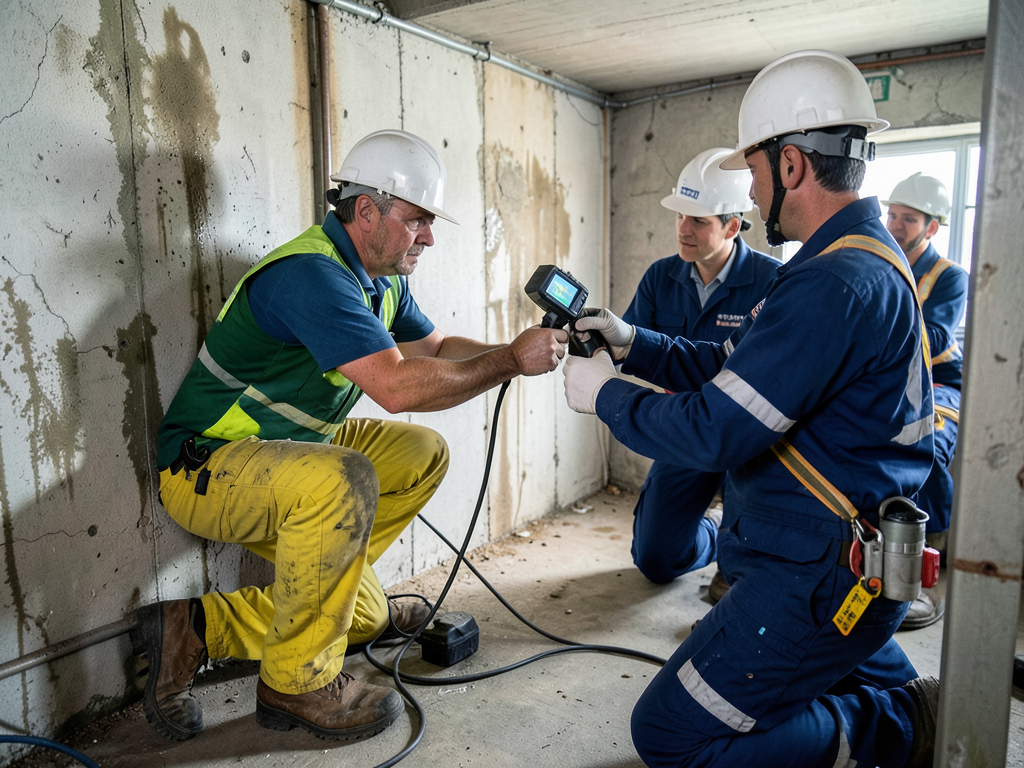
How an atmospheric river affects Portland basement flooding and what you should do When an atmospheric river hits Portland it brings more than heavy rain. These massive bands of moisture from the Pacific can dump…
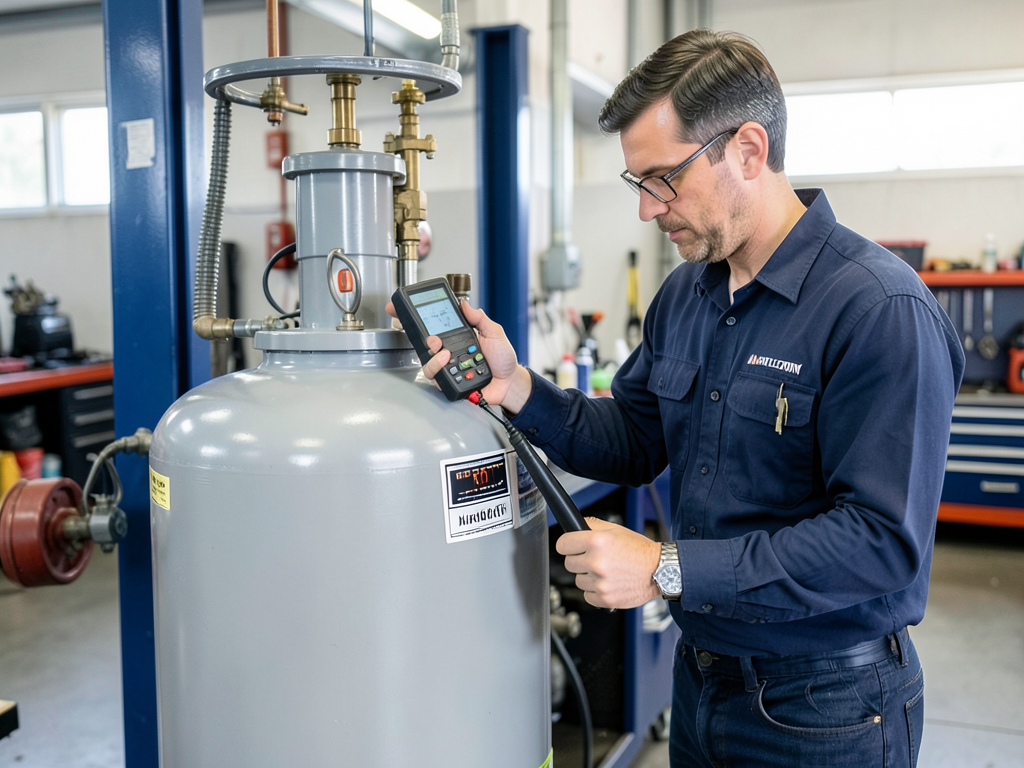
What happens when a well pump or pressure tank leaks in your Mapleton garage When…
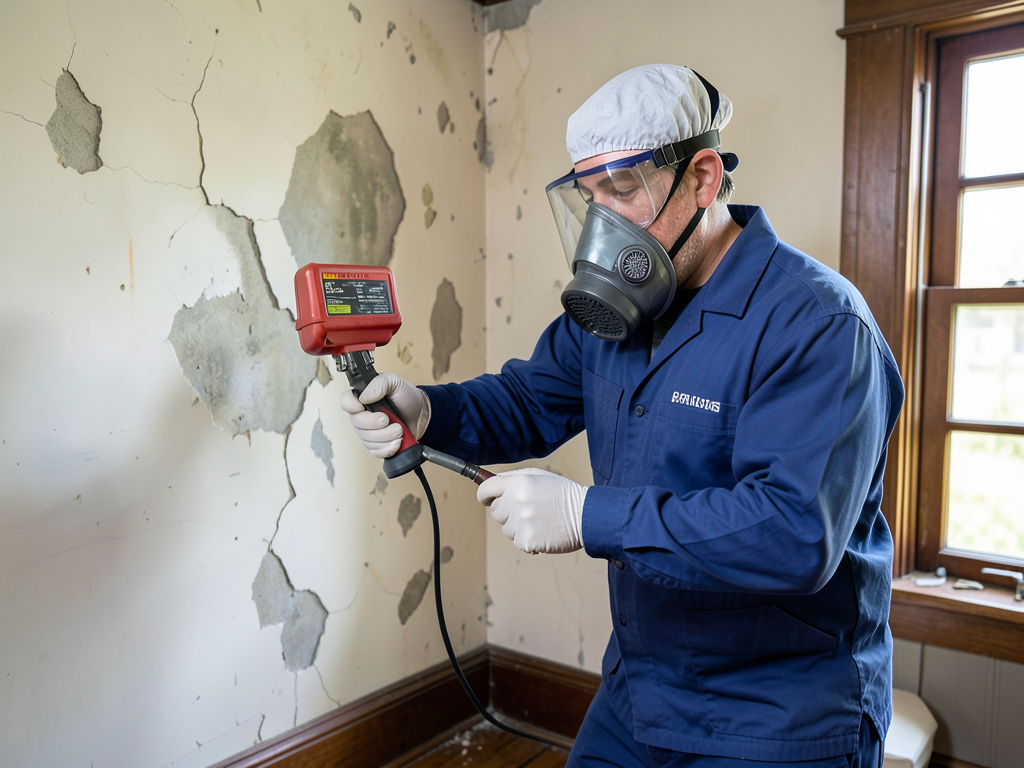
Dealing with lead and asbestos during water damage repairs in older Portland neighborhoods Portland's historic…
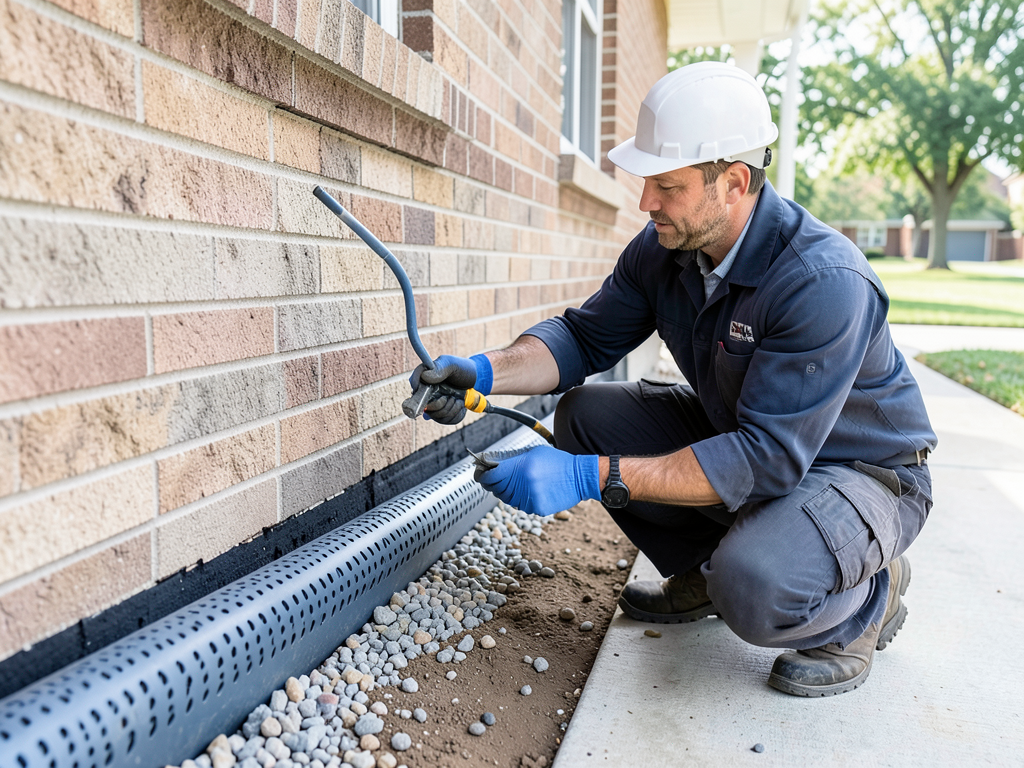
Why converting your University Park basement into a bedroom requires extra moisture protection Portland’s University…
Every minute counts when water floods your property. Our crews are standing by 24/7 to respond to your Hillsboro emergency. Call (503) 882-7766 now for immediate dispatch and expert water damage restoration that stops the damage and prevents mold.