Menu

Warehouse Flood Restoration in Portland – Minimize Downtime With Industrial-Grade Recovery

Evergreen Water Damage Restoration Portland delivers rapid warehouse water mitigation with commercial-scale equipment, protecting your inventory and operational capacity across the Portland metro with minimal business interruption.

Slider Image 1
Slider Image 2
Slider Image 3
Slider Image 4
Slider Image 5
Slider Image 7
Slider Image 8
Slider Image 9
Slider Image 10
Slider Image 11

Portland's Industrial Corridors Face Severe Flood Risks From Willamette River Proximity and Heavy Rainfall

Portland's industrial zones, concentrated near the Willamette River floodplain and Columbia Slough, face elevated flood exposure during Pacific Northwest winter storms. The city averages 42 inches of annual rainfall, with peak volumes from November through March overwhelming aging stormwater infrastructure in commercial districts along Swan Island and Hayden Island. Your warehouse, whether storing electronics or food products, cannot afford extended downtime.

Industrial flood recovery demands more than basic water extraction. You face inventory loss, contamination risks, structural compromise to concrete slab foundations, and potential mold proliferation within 48 hours. Portland's zoning codes for industrial properties require compliant restoration methods that preserve your occupancy permit and prevent costly violations.

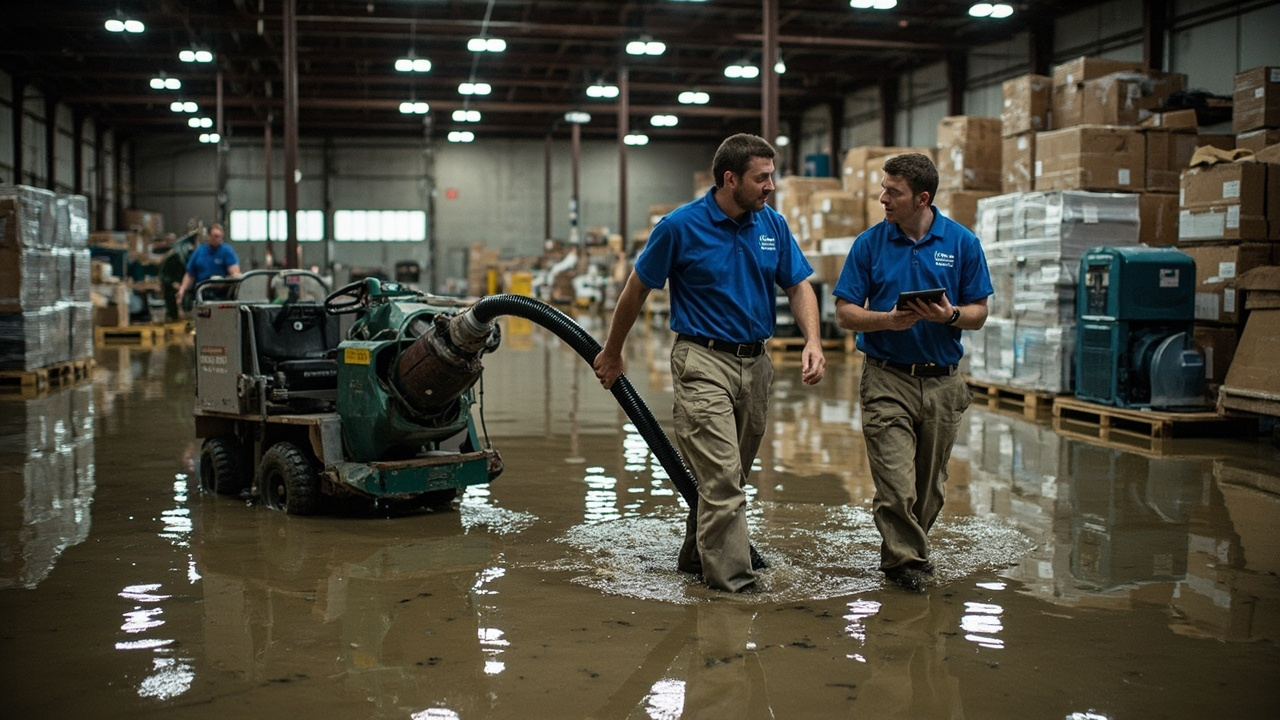
Warehouse water mitigation requires specialized knowledge of commercial building systems. Distribution center water removal involves understanding HVAC ductwork, electrical conduit pathways, and forklift floor load requirements. A flooded 50,000-square-foot facility demands truck-mounted extractors, industrial dehumidifiers, and structural drying protocols that residential equipment cannot handle.

The longer water sits, the worse your liability grows. Contaminated floodwater introduces pathogens. Drywall wicks moisture vertically. Metal racking corrodes. Your insurance adjuster expects documented mitigation efforts within hours, not days. Commercial flood remediation protects your balance sheet by stopping secondary damage before it multiplies your claim and extends your closure timeline.

Portland's Industrial Corridors Face Severe Flood Risks From Willamette River Proximity and Heavy Rainfall
Evergreen Water Damage Restoration Portland Uses Commercial-Grade Extraction and Structural Drying Systems

Evergreen Water Damage Restoration Portland Uses Commercial-Grade Extraction and Structural Drying Systems

We deploy truck-mounted extractors capable of removing thousands of gallons per hour, not the small portable units designed for residential basements. Our industrial water damage cleanup process starts with source isolation, shutting down compromised plumbing or identifying roof membrane failures before extraction begins. We map your facility with thermal imaging cameras to identify trapped moisture in wall cavities and under sealed flooring.

Structural drying for warehouses requires calculated air exchange and dehumidification capacity. We position low-grain refrigerant dehumidifiers that pull moisture from the air faster than it evaporates from concrete and steel. High-velocity air movers create directional airflow across wet surfaces, accelerating evaporation without scattering contaminants. We monitor moisture content with penetrating and non-invasive meters, documenting readings for your insurance carrier and compliance records.

Portland's mild but humid climate slows natural drying. Your warehouse needs active environmental control. We establish drying chambers using containment barriers, concentrating equipment power where water infiltration was heaviest. This approach reduces energy waste and shortens your restoration timeline.

Distribution center water removal includes protecting undamaged inventory. We relocate dry stock, establish clean zones, and coordinate with your logistics team to maintain partial operations when possible. Our project managers communicate directly with your insurance adjuster, providing daily progress documentation and psychrometric data that supports your claim and proves due diligence. You get transparency, not surprises.

How Warehouse Flood Restoration Unfolds at Your Portland Facility

Warehouse Flood Restoration in Portland – Minimize Downtime With Industrial-Grade Recovery
01

Emergency Assessment and Containment

We arrive within two hours of your call, assess the extent of water intrusion, identify source points, and stop active flooding. Our team establishes containment zones to isolate affected areas from operational sections, protecting uncompromised inventory and equipment. We document all damage with photographs and moisture readings, creating the foundation for your insurance claim and our mitigation strategy.
02

Water Extraction and Debris Removal

Truck-mounted extractors remove standing water from floors and loading docks. We extract water from beneath racking systems, inside electrical trenches, and around HVAC plenums. Contaminated materials like soaked cardboard, damaged pallets, and compromised insulation are removed and disposed of per Portland waste management codes. We coordinate dumpster placement to avoid blocking active loading bays or impeding your remaining operations.
03

Structural Drying and Verification

Industrial dehumidifiers and air movers run continuously, monitored by our technicians who adjust equipment placement based on real-time moisture data. We dry concrete slabs, steel columns, drywall, and insulation to industry-standard moisture content levels. Final verification includes third-party testing when required by your insurer. You receive a certificate of completion with full documentation, ensuring your facility meets occupancy standards and your claim closes cleanly.

Portland Businesses Choose Evergreen Water Damage Restoration for Industrial Flood Recovery Expertise

We understand Portland's commercial building stock. Many warehouses near Guild's Lake and the Central Eastside Industrial District were built between 1950 and 1980, featuring tilt-up concrete panels and single-ply membrane roofing. These structures require specific drying techniques because moisture migrates differently through older concrete mixes and insulation materials that lack modern vapor barriers.

Our technicians hold IICRC certifications in commercial water damage restoration, not just residential training. We coordinate with Portland Fire and Rescue when floods involve hazardous materials, and we pull permits when structural repairs require city inspection. You avoid code violations that delay reopening.

We work directly with major commercial insurers and third-party adjusters familiar with Portland's industrial property market. Our documentation meets their standards, reducing claim disputes and expediting payment. You do not chase paperwork while your facility sits idle.

Warehouse water mitigation demands equipment capacity most restoration companies cannot provide. We maintain an inventory of commercial-grade extractors, desiccant dehumidifiers, and power distribution equipment designed for facilities exceeding 20,000 square feet. When your competitor calls a residential-focused company, they get residential equipment and extended timelines.

Portland's business continuity depends on logistics infrastructure. We understand the financial pressure of halted shipping schedules and idled employees. Our project planning prioritizes phased restoration, returning portions of your facility to service while drying continues in isolated zones. You lose days, not weeks.

What Your Portland Warehouse Flood Restoration Project Includes

Rapid Mobilization and 24/7 Availability

Flood damage does not wait for business hours. We dispatch crews immediately, arriving at Portland-area warehouses within two hours of your emergency call. Our teams work around the clock during active extraction and initial containment phases, preventing damage escalation that increases your claim and downtime. You get a dedicated project manager who coordinates with your operations team, adjusting our schedule to accommodate your shipping commitments and employee shifts. Night and weekend work is standard, not an upcharge.

Comprehensive Damage Assessment and Moisture Mapping

We conduct a full facility inspection using thermal imaging and moisture detection equipment to identify all affected areas, including hidden water intrusion behind wall panels and beneath flooring systems. You receive a detailed assessment report with photographs, moisture readings, and a scope of work within 24 hours. This documentation serves as the foundation for your insurance claim and our restoration plan. We identify structural concerns, electrical hazards, and contamination risks, providing the information your risk management team needs to make informed decisions about partial operations and employee safety.

Complete Structural Drying and Contamination Control

Your facility is dried to ANSI and IICRC standards, verified through moisture testing at multiple intervals. We do not rely on timelines. We rely on data. Concrete slabs reach acceptable moisture content levels before we demobilize equipment. If floodwater introduced sewage or chemical contamination, we apply antimicrobial treatments and coordinate third-party testing to ensure your space meets health department standards. You receive certification documentation proving your facility is safe for employees and compliant with Portland commercial occupancy requirements.

Insurance Coordination and Claims Documentation

We communicate directly with your insurance adjuster, providing daily progress reports, moisture logs, and equipment inventories that support your claim. Our documentation includes psychrometric data, drying goals, and industry-standard protocols that justify our work and your payout. You avoid claim delays caused by insufficient documentation or adjuster questions about methodology. We also provide preliminary cost estimates and change order notifications if hidden damage emerges during restoration, keeping your finance team informed and preventing billing surprises. Transparent communication protects your claim and your budget.

Frequently Asked Questions

You Have Questions,
We Have Answers

What is the average cost of remediation? +

Cost depends on the extent of damage, facility size, and contamination level. Category 1 clean water extraction might run lower than Category 3 sewage contamination. Variables include structural drying time, equipment required, mold remediation needs, and material replacement. Portland's climate with heavy winter rains can extend drying time in larger warehouses without climate control. Most companies bill by square footage affected, labor hours, and equipment deployment. You will receive a detailed scope and estimate after inspection. Commercial projects often involve multiple phases with interim billing. Request itemized quotes from multiple firms to compare line items, not just total figures.

What's the difference between restoration and remediation? +

Restoration returns your warehouse to pre-loss condition. This includes water extraction, structural drying, cleaning, sanitizing, and rebuilding damaged areas. Remediation addresses specific hazards like mold, sewage, or chemical contamination. It focuses on removing the threat and preventing health risks. Restoration is the broader process. Remediation is a specialized component within that process when contamination exists. For example, if a pipe burst floods your Portland warehouse, you need restoration. If that water sat for days and mold colonized the drywall, you now need mold remediation before restoration can finish. The terms overlap but have distinct technical meanings in the industry.

How do restoration companies get paid? +

Most restoration companies work directly with your commercial property insurance carrier. They submit estimates, negotiate scope, and often receive payment directly from the insurer after you pay your deductible. Some offer direct billing where you never touch the payment process beyond the deductible. Others require upfront payment, then you file the claim for reimbursement. For uninsured losses, companies typically require a deposit and progress payments tied to milestones. Commercial clients sometimes use purchase orders tied to NET 30 or NET 60 terms. Payment structures vary by company and project size. Clarify billing terms before work begins to avoid surprises.

Is water damage restoration worth it? +

For commercial facilities, absolutely. Unaddressed water damage leads to structural failure, mold proliferation, inventory loss, and business interruption. Portland's humid climate accelerates mold growth within 48 hours. A small leak ignored today becomes a six-figure rebuild tomorrow. Professional restoration prevents secondary damage, documents loss for insurance, and minimizes downtime. Your warehouse contains valuable inventory, equipment, and operational infrastructure. Restoration protects those assets and maintains business continuity. DIY approaches miss hidden moisture in wall cavities and subfloors, creating liability risks. Professional thermal imaging and moisture mapping ensure complete drying. The cost of restoration is always less than the cost of neglect.

Does insurance pay for water restoration? +

Most commercial property policies cover sudden and accidental water damage like burst pipes, roof leaks, or sprinkler malfunctions. Coverage includes extraction, drying, demolition, and reconstruction. Exclusions typically include flood from external sources, which requires separate flood insurance, and gradual damage from poor maintenance. Portland businesses near the Willamette River or Columbia Slough should verify flood coverage separately. Insurance pays for reasonable and necessary restoration costs. Document everything with photos and keep detailed records. Your restoration company should provide documentation that satisfies insurance adjusters. Review your policy exclusions and endorsements before a loss occurs. Deductibles apply.

What are the three types of remediation? +

The three types refer to water contamination categories. Category 1 is clean water from supply lines or rainwater. It poses no immediate health risk. Category 2 is gray water from appliances, containing contaminants that cause discomfort or sickness. Category 3 is black water from sewage, flooding, or prolonged standing water. It contains pathogens and requires specialized disposal and disinfection. Portland warehouses face all three types depending on the source. A roof leak starts as Category 1 but degrades to Category 2 within 48 hours as it contacts building materials. Sewage backups are always Category 3. Each category requires different safety protocols and disposal methods.

What does restoration include? +

Restoration includes emergency water extraction, structural drying using commercial dehumidifiers and air movers, moisture monitoring, antimicrobial treatment, content pack-out and cleaning, demolition of unsalvageable materials, odor removal, HVAC cleaning, and reconstruction. For Portland warehouses, this often means addressing concrete slab moisture, which takes longer to dry than wood framing. Restoration also includes documentation for insurance claims, moisture mapping, thermal imaging, and final clearance testing. The process follows IICRC S500 standards for water damage and S520 for mold remediation. Full restoration returns your facility to operational status with all systems functional and contaminants removed.

What are the 3 R's of recovery? +

The three Rs are Rescue, Recovery, and Reconstruction. Rescue means immediate emergency response to stop water intrusion and extract standing water. This happens within hours to prevent further damage. Recovery involves drying the structure, salvaging contents, and removing unsalvageable materials. This phase includes mold remediation if needed. Reconstruction rebuilds damaged areas to pre-loss condition with new drywall, flooring, and finishes. Portland's moisture-prone climate makes the Recovery phase critical. Incomplete drying leads to mold and rot. Each R has specific timelines and deliverables. The entire process can take days to months depending on warehouse size and damage severity.

What are some successful remediation examples? +

Successful remediation examples include a Southeast Portland warehouse that flooded when a water main broke. The company extracted 40,000 gallons, dried the structure in five days using commercial equipment, and prevented mold. Another case involved a Northwest Portland facility where a roof leak went unnoticed for weeks. Remediation included removing contaminated insulation, treating framing with antimicrobials, and installing a new roof membrane. A third example addressed sewage backup in a distribution center. The team removed contaminated concrete, sanitized the space, and restored operations in ten days. Successful outcomes share common traits such as rapid response, thorough drying, and proper documentation.

What license does a restoration company need? +

Oregon requires a Construction Contractors Board license for restoration work involving structural repairs. Companies need a General Contractor or Specialty Contractor classification depending on scope. The CCB number proves they carry liability insurance and bonded status. IICRC certification is the industry standard but not legally required. It demonstrates technical competency in water damage restoration and mold remediation. Portland restoration firms should carry commercial general liability insurance and workers compensation coverage. Verify CCB license status at oregon.gov before hiring. Ask for proof of insurance and specific IICRC certifications. Unlicensed contractors expose you to liability if workers are injured on your property.

Why Portland's Willamette River Floodplain Makes Warehouse Flood Preparedness Critical

Portland's industrial corridors sit within the FEMA-designated 100-year floodplain along the Willamette River, with warehouse districts on Swan Island, Hayden Island, and the Lower Albina area facing elevated flood risk during winter atmospheric river events. The city's aging combined sewer and stormwater system, portions dating to the early 1900s, struggles to handle peak rainfall volumes exceeding two inches in 24 hours. When stormwater infrastructure fails, warehouses experience backup flooding through floor drains and loading dock areas. Commercial flood remediation in Portland requires understanding these infrastructure vulnerabilities and the rapid response needed to protect inventory before contamination spreads.

Evergreen Water Damage Restoration Portland works with commercial property managers, logistics companies, and industrial building owners across the metro area. We understand Portland's commercial building codes and the permitting requirements that apply when flood damage affects structural elements or electrical systems. Our relationships with local adjusters and third-party engineers streamline your project timeline, ensuring inspections and approvals happen quickly. Choosing a local provider means faster response times, better knowledge of Portland's unique flood risks, and technicians who understand the operational demands of your supply chain and distribution network.
Water Damage Restoration Services in The Portland Area

Evergreen Water Damage Restoration proudly serves Portland and the surrounding areas, providing rapid and reliable water damage solutions whenever you need us. While our physical office is located conveniently for local operations, our dedicated teams are mobile and ready to deploy across the region. View our service area on the map to understand our reach, or simply call us to confirm if we cover your specific location. We are committed to extending our expert services to every community in need.

Address:
Evergreen Water Damage Restoration Portland, 239 NW 13th Ave, Portland, OR, 97209

Additional Services We Offer

Our news updates

Latest Articles & News from The Blogs

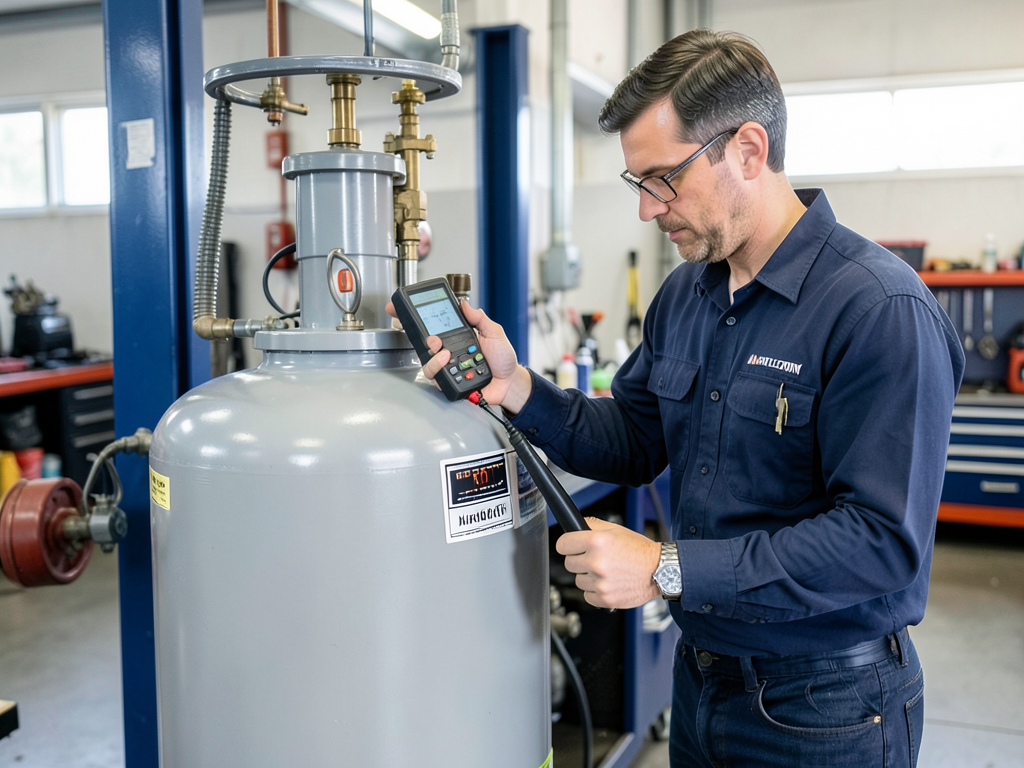
What happens when a well pump or pressure tank leaks in your Mapleton garage When a well pump or pressure…

What happens when a well pump or pressure tank leaks in your Mapleton garage

What happens when a well pump or pressure tank leaks in your Mapleton garage When a well pump or pressure…

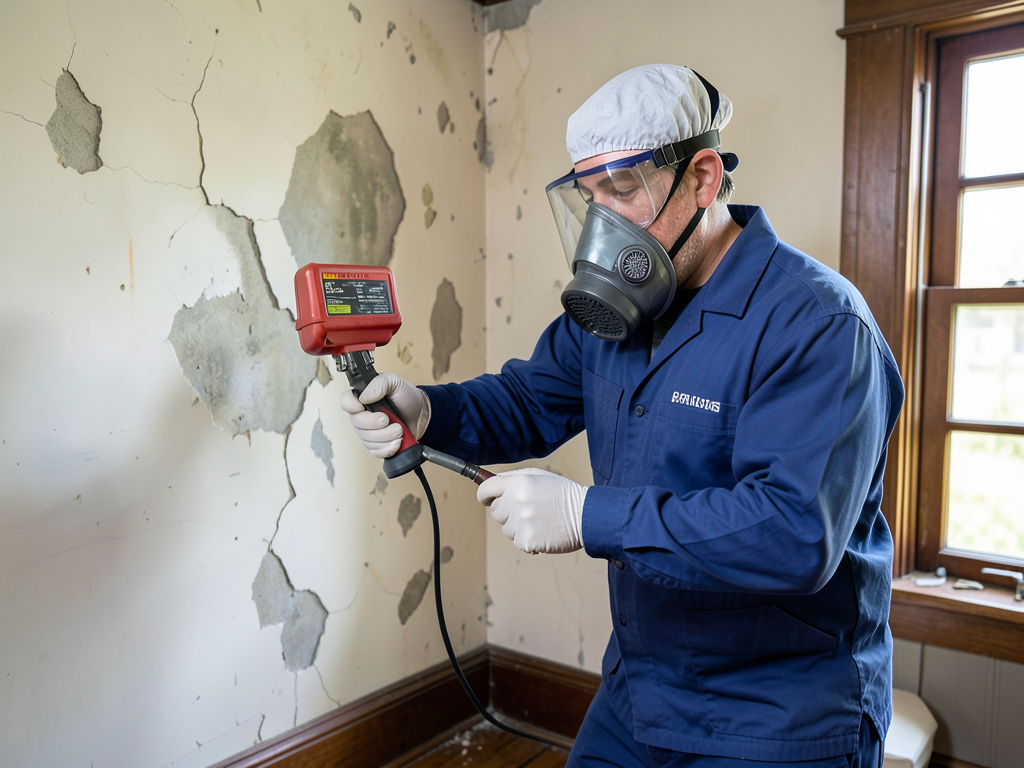
Dealing with lead and asbestos during water damage repairs in older Portland neighborhoods

Dealing with lead and asbestos during water damage repairs in older Portland neighborhoods Portland's historic neighborhoods face unique challenges when…

Why converting your University Park basement into a bedroom requires extra moisture protection

Why converting your University Park basement into a bedroom requires extra moisture protection Portland’s University Park neighborhood, nestled near the…

Contact Us

Flood damage worsens by the hour. Contact Evergreen Water Damage Restoration Portland at (503) 882-7766 for immediate dispatch and industrial-grade restoration. We answer 24/7 and deploy commercial equipment to minimize your business interruption and protect your claim.