Menu

Condensation on Windows & Walls in Portland – Expert Diagnosis & Permanent Moisture Solutions

Our certified water damage technicians identify the root cause of window sweating, interior glass condensation, and damp drywall patches in Portland homes, then eliminate moisture problems before they escalate into mold growth or structural decay.

Slider Image 1
Slider Image 2
Slider Image 3
Slider Image 4
Slider Image 5
Slider Image 7
Slider Image 8
Slider Image 9
Slider Image 10
Slider Image 11

Why Portland Windows and Walls Sweat More Than Most Cities

You wake up to weeping window panes and damp drywall patches spreading across your bedroom wall. This is not a minor annoyance. This is Portland's marine climate telling you there is a moisture imbalance inside your home.

Portland receives over 40 inches of rain annually, and our humidity levels spike during fall and winter. When warm, moist indoor air meets cold exterior walls and single-pane windows, water vapor condenses into liquid droplets. This creates the perfect environment for mold colonization, wood rot, and insulation degradation.

Window sweating is not just cosmetic. It signals one or more serious failures. Your home may have inadequate ventilation, compromised vapor barriers, or thermal bridging through wall studs. Moisture buildup on walls often indicates hidden leaks from aging plumbing or roof penetrations. In Portland's older homes, especially those built before 1980, poor insulation and outdated HVAC systems magnify these issues.

Interior glass condensation might seem harmless until you notice black mold spreading along window sills and baseboards. Damp drywall patches weaken structural integrity and destroy paint finishes. Left untreated, chronic condensation leads to expensive repairs, including studs replacement, drywall removal, and mold remediation.

Portland homeowners face a unique challenge. Our mild, wet winters create sustained humidity without the deep freezes that force homeowners in colder climates to address moisture control. You cannot ignore window and wall condensation. You need a systematic approach that identifies the moisture source, eliminates the infiltration pathway, and restores proper ventilation and insulation.

Why Portland Windows and Walls Sweat More Than Most Cities
How We Fix Moisture Problems at the Source

How We Fix Moisture Problems at the Source

Generic advice tells you to run a dehumidifier and open a window. That is not a solution. That is a Band-Aid on a systemic failure.

We start with a comprehensive moisture audit using thermal imaging cameras and pin-type moisture meters. These tools reveal hidden water intrusion behind walls, under flooring, and within ceiling cavities. We measure relative humidity levels in each room and compare them against psychrometric charts to identify vapor pressure differentials. This data tells us exactly where moisture is entering and why it is condensing.

Next, we inspect your vapor barrier integrity. Portland homes built in the 1960s and 1970s often lack continuous vapor barriers or have torn polyethylene sheeting that allows warm, humid air to migrate into wall cavities. We examine insulation R-values and check for compression or water damage. Wet insulation loses thermal resistance, which accelerates condensation cycles.

We evaluate your HVAC system for proper air exchange rates. Many Portland homes have undersized or poorly balanced ventilation systems. Bathrooms and kitchens generate significant moisture loads, and without adequate exhaust capacity, that moisture disperses throughout the home. We calculate air changes per hour and verify that exhaust fans vent to the exterior, not into attics or crawl spaces.

Our approach addresses thermal bridging. Metal window frames and uninsulated wall studs create cold spots where condensation forms first. We identify these thermal weak points and recommend targeted insulation upgrades or thermal breaks.

After diagnosis, we eliminate the moisture source, repair structural damage, and implement long-term controls. This might involve sealing crawl space vents, installing vapor barriers, upgrading insulation, or replacing single-pane windows with thermally broken alternatives.

What Happens During a Condensation Assessment

Condensation on Windows & Walls in Portland – Expert Diagnosis & Permanent Moisture Solutions
01

Moisture Detection Survey

We arrive with infrared thermal cameras and calibrated moisture meters. Our technicians scan every exterior wall, window frame, and suspect area for temperature anomalies and elevated moisture content. Cold spots and damp readings pinpoint exactly where water vapor is condensing and where hidden leaks may be feeding the problem. This diagnostic phase takes 60 to 90 minutes depending on home size.
02

Ventilation and Insulation Analysis

We measure indoor humidity levels, test exhaust fan flow rates, and inspect attic and crawl space ventilation. Many condensation problems stem from inadequate air exchange or compromised vapor barriers. We check insulation thickness, look for compression or water damage, and identify thermal bridges where cold exterior temperatures penetrate interior spaces. This step reveals systemic issues that generic advice overlooks.
03

Remediation Plan Delivery

You receive a detailed report with photos, moisture readings, and prioritized recommendations. We explain which repairs address immediate moisture threats and which upgrades prevent future condensation. Our plan includes estimated timelines and explains how each intervention works together to eliminate window sweating and damp drywall patches. You get actionable solutions, not vague suggestions to crack a window.

Why Portland Homeowners Trust Evergreen Water Damage Restoration Portland

Portland homes are not like homes in Phoenix or Miami. Our construction styles, climate patterns, and moisture challenges require specialized knowledge. We have spent years working in Portland's historic neighborhoods, from Laurelhurst bungalows to Eastmoreland Tudors. We understand how these homes were built and why they develop condensation problems decades later.

Many Portland homes were constructed before modern building codes mandated continuous vapor barriers and adequate ventilation. Retrofitting these homes requires careful planning to avoid creating new moisture traps or damaging original architectural details. We know how to balance historic preservation with modern moisture control.

Our technicians hold IICRC certifications in water damage restoration and applied structural drying. This means we understand the science behind moisture movement, vapor pressure, and dew point calculations. We do not guess. We measure, analyze, and prescribe solutions based on building science principles.

We have worked with Portland's unique climate for years. We know that fall rains saturate crawl spaces, winter temperature swings create condensation cycles, and spring humidity spikes test ventilation systems. This local experience allows us to anticipate problems before they escalate.

You will not get a generic checklist from us. Every home receives a customized assessment based on its construction type, age, orientation, and specific moisture patterns. We explain our findings in plain language and show you exactly what is happening inside your walls.

Portland homeowners need a restoration company that understands both the technical and practical aspects of moisture control. We coordinate with other trades when necessary, whether that means working alongside HVAC contractors to upgrade ventilation or collaborating with window installers to eliminate thermal bridging. Our goal is a permanent fix, not a temporary patch.

What to Expect When You Call Evergreen Water Damage Restoration Portland

Fast Response Times

Condensation problems worsen daily. Every morning brings new water droplets, more mold spores, and deeper wood rot. We schedule assessments within 24 to 48 hours of your call. Our technicians arrive with diagnostic equipment and conduct the full moisture survey during the first visit. You get results immediately, not after waiting weeks for a follow-up appointment. If active water intrusion is discovered, we can begin emergency mitigation the same day to prevent further damage.

Thorough Diagnostic Process

Our assessment goes beyond looking at wet spots. We measure moisture content in drywall, studs, and insulation. We use thermal imaging to find hidden cold spots and vapor barriers failures. We test relative humidity and calculate dew point temperatures to understand exactly why condensation is forming where it does. This diagnostic rigor separates us from contractors who simply recommend a dehumidifier. You receive a written report with photos, moisture readings, and thermal images that document every finding.

Permanent Moisture Elimination

Our work eliminates condensation at its source. This might involve repairing plumbing leaks, sealing crawl spaces, upgrading insulation, or installing mechanical ventilation. We remove water-damaged materials, treat mold growth, and restore affected areas to pre-loss condition. You will not see window sweating return next winter because we corrected the underlying moisture imbalance. Our solutions account for Portland's climate, your home's construction, and your specific usage patterns to deliver lasting results.

Post-Remediation Monitoring Guidance

After completing repairs, we provide monitoring guidance tailored to your home. You learn what humidity levels to maintain, how to operate ventilation systems effectively, and which warning signs indicate new moisture issues. We explain seasonal adjustments for Portland's wet winters and drier summers. If you have concerns months later, we return to verify that conditions remain stable. Our goal is to give you the knowledge and confidence to maintain a moisture-controlled home long after we finish the project.

Frequently Asked Questions

You Have Questions,
We Have Answers

How to stop condensation on windows and walls? +

Reduce indoor humidity first. Run bathroom and kitchen exhaust fans during showers and cooking. Open windows briefly each day to allow moisture to escape, even in Portland's rainy months. Set thermostats consistently to avoid temperature swings. Upgrade to double-pane windows if you have single-pane glass. Check that dryer vents exhaust outside, not into your attic or crawl space. Use dehumidifiers in basements and laundry rooms. Ensure gutters and downspouts direct water away from your foundation. Seal air leaks around windows and doors with weatherstripping. If condensation persists after these fixes, you may have hidden moisture intrusion that requires professional assessment.

Does condensation always indicate a problem? +

Light condensation on windows during cold mornings is normal in Portland's wet climate. It signals high indoor humidity meeting cold glass. This becomes a problem when condensation appears daily, pools on sills, or forms on interior walls. Persistent moisture leads to mold growth, wood rot, and paint damage. If you see water droplets running down walls or smell mustiness, you have excess moisture that needs correction. Single-pane windows naturally show more condensation than modern double-pane units. Normal condensation evaporates quickly once temperatures equalize. Ongoing wetness means your home cannot manage moisture properly and needs intervention.

Does condensation on windows mean the house is too cold? +

No. Condensation happens when warm, humid indoor air contacts cold surfaces. Your house temperature may be fine, but if humidity is high and windows are cold, moisture appears. Portland homes often run warmer inside during rainy months while exterior glass stays cold. This temperature difference creates condensation regardless of thermostat settings. You can heat your home to 75 degrees and still see window moisture if indoor humidity is excessive. The issue is moisture imbalance, not inadequate heating. Check your humidity levels with an inexpensive hygrometer. Indoor humidity should stay between 30 and 50 percent during winter months.

Should you wipe condensation off windows? +

Wiping condensation temporarily removes moisture but does not fix the cause. Water you wipe just evaporates back into your indoor air, restarting the cycle. If you see heavy condensation pooling on sills, wipe it to prevent wood damage and mold growth on frames. Use towels to dry sills and tracks completely. This is damage control, not a solution. You must reduce indoor humidity and improve ventilation to stop condensation from forming. If you find yourself wiping windows daily, you have a moisture problem that requires source correction. Focus on reducing humidity levels rather than managing symptoms.

What to put on walls to stop condensation? +

Vapor barrier paint creates a moisture-resistant surface on interior walls. Apply it in bathrooms, laundries, and basements where humidity concentrates. Ensure proper ventilation before painting, as trapping moisture behind barriers worsens problems. Insulate exterior walls properly to keep interior surfaces warm and prevent condensation. Add rigid foam insulation in basements and crawl spaces common in Portland homes. Fix the moisture source first. No coating stops condensation if you have plumbing leaks, poor ventilation, or groundwater intrusion. If walls stay wet after improving ventilation and sealing leaks, call a professional to check for hidden water damage or inadequate insulation.

What are signs of excessive condensation? +

Water pooling on window sills signals excessive condensation. Musty odors indicate mold growth from persistent moisture. Black or green spots on walls, ceilings, or window frames show active mold colonies. Peeling paint or wallpaper means moisture has saturated surfaces. Warped baseboards or soft drywall reveal long-term water exposure. Foggy windows that never clear suggest failed seals in double-pane units. Rust on metal window frames or hardware indicates ongoing wetness. Portland homes with poor crawl space ventilation often show these signs in lower levels. If you see multiple symptoms, you have a serious moisture issue requiring professional moisture mapping and remediation.

Does condensation on windows mean poor insulation? +

Sometimes. Condensation on windows may indicate poor insulation, but not always. Single-pane windows condensate easily regardless of wall insulation quality. Cold glass creates moisture when warm air contacts it. If condensation appears on walls, you likely have insulation problems or thermal bridging. Portland homes built before 1980 often lack adequate wall insulation. Check your attic insulation first. Most heat escapes through the roof, creating temperature imbalances. Upgrading to double-pane windows reduces condensation significantly. If condensation persists on interior walls after window upgrades, your insulation needs improvement. A thermal imaging inspection reveals where cold spots allow condensation formation.

How to know if it's condensation or a leak? +

Condensation forms evenly across cold surfaces and disappears when temperatures equalize. Leaks create irregular wet spots, stains, or drip marks in specific locations. Wipe the wet area dry. If moisture returns in the same spot while the surface stays dry elsewhere, you have a leak. Condensation appears during temperature changes, typically mornings or evenings. Leaks persist regardless of time or weather. Check above the wet area for plumbing, roof damage, or exterior wall penetrations. Portland's heavy rain reveals roof leaks quickly. Condensation never causes brown or yellow staining. Discoloration always indicates water intrusion requiring immediate professional investigation.

Will a dehumidifier get rid of condensation? +

Yes, if excess humidity causes the condensation. Dehumidifiers remove moisture from indoor air, reducing condensation on cold surfaces. Place units in basements, laundries, and bathrooms where humidity concentrates. Run them continuously during Portland's wet months when outdoor moisture infiltrates homes. Empty collection tanks daily or use continuous drain options. A dehumidifier cannot fix condensation caused by plumbing leaks, poor ventilation, or failed window seals. It treats symptoms, not sources. Monitor indoor humidity with a hygrometer. Keep levels between 30 and 50 percent. If a dehumidifier runs constantly without reducing condensation, you have a moisture source that requires professional diagnosis.

How Portland's Marine Climate Drives Interior Condensation Problems

Portland sits at the confluence of the Willamette and Columbia Rivers, surrounded by moisture-laden marine air from the Pacific Ocean. Our winters bring sustained humidity levels between 70 and 90 percent, often for weeks without interruption. This constant moisture saturation combines with mild temperatures that rarely drop below freezing. While colder climates force water vapor to freeze, Portland's moderate temperatures allow continuous condensation cycles on windows and walls. Historic homes in neighborhoods like Alameda, Irvington, and Westmoreland face compounded challenges because they were built before vapor barrier requirements existed. Single-pane windows, minimal insulation, and natural ventilation strategies that worked in the 1920s fail in today's tighter, more energy-efficient homes.

Portland's building codes have evolved significantly over the past 40 years, but many homes predate these improvements. Local contractors who understand Portland's specific moisture challenges know how to retrofit older homes without triggering unintended consequences. Sealing a home too tightly without adding mechanical ventilation creates moisture traps. Adding insulation without addressing vapor barriers pushes the dew point into wall cavities. These mistakes lead to hidden mold growth and structural decay. Evergreen Water Damage Restoration Portland has worked throughout the metro area, from Beaverton to Gresham, diagnosing and correcting moisture problems in every housing style Portland offers. Our familiarity with local construction methods and climate patterns ensures your condensation solution works year-round.
Water Damage Restoration Services in The Portland Area

Evergreen Water Damage Restoration proudly serves Portland and the surrounding areas, providing rapid and reliable water damage solutions whenever you need us. While our physical office is located conveniently for local operations, our dedicated teams are mobile and ready to deploy across the region. View our service area on the map to understand our reach, or simply call us to confirm if we cover your specific location. We are committed to extending our expert services to every community in need.

Address:
Evergreen Water Damage Restoration Portland, 239 NW 13th Ave, Portland, OR, 97209

Additional Services We Offer

Our news updates

Latest Articles & News from The Blogs

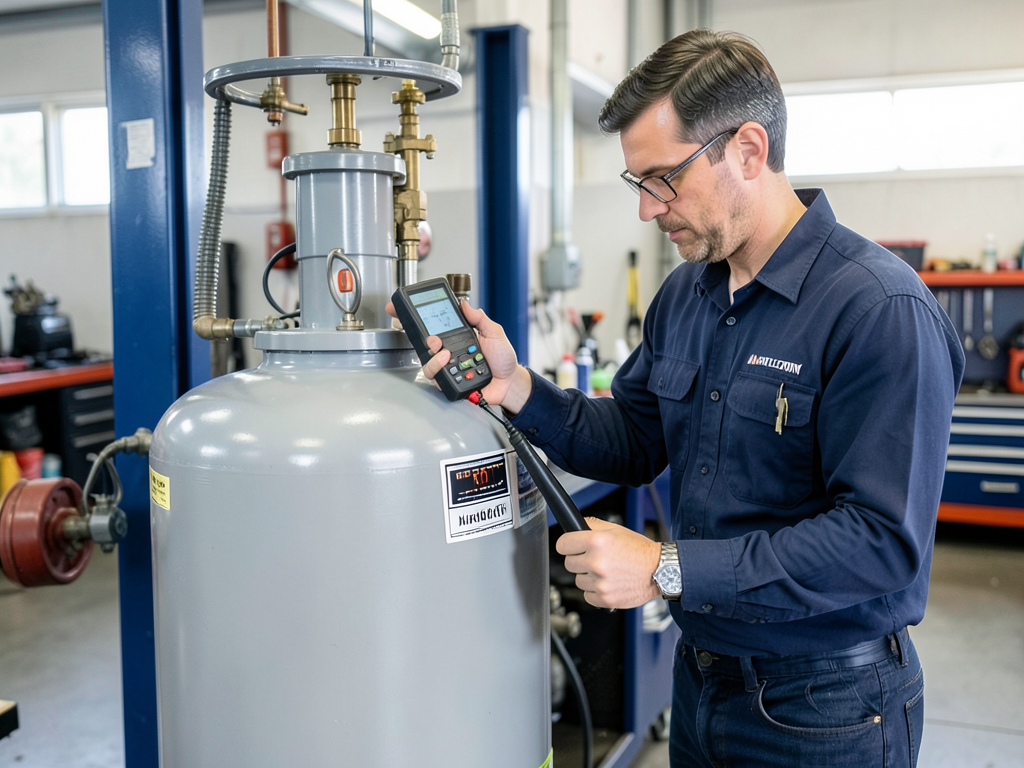
What happens when a well pump or pressure tank leaks in your Mapleton garage When a well pump or pressure…

What happens when a well pump or pressure tank leaks in your Mapleton garage

What happens when a well pump or pressure tank leaks in your Mapleton garage When a well pump or pressure…

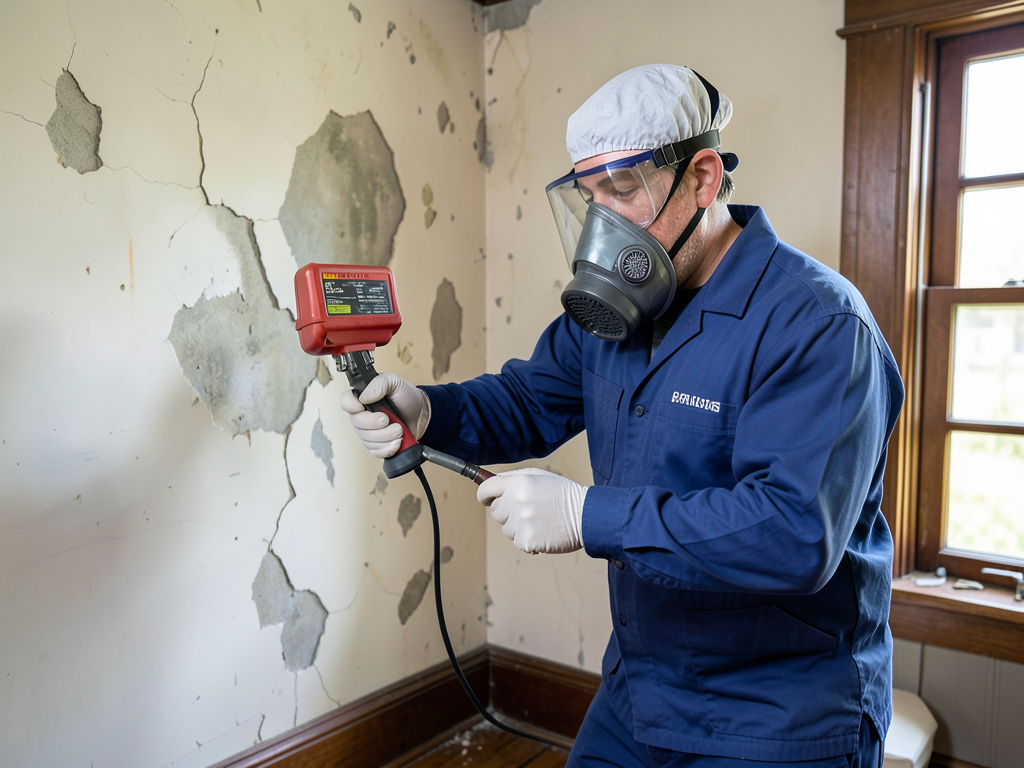
Dealing with lead and asbestos during water damage repairs in older Portland neighborhoods

Dealing with lead and asbestos during water damage repairs in older Portland neighborhoods Portland's historic neighborhoods face unique challenges when…

Why converting your University Park basement into a bedroom requires extra moisture protection

Why converting your University Park basement into a bedroom requires extra moisture protection Portland’s University Park neighborhood, nestled near the…

Contact Us

Window sweating and damp walls are not minor issues. They are warnings of hidden moisture damage. Call Evergreen Water Damage Restoration Portland at (503) 882-7766 today for a comprehensive moisture assessment. We diagnose the problem, eliminate the source, and restore your home to a dry, healthy condition.