Menu

Storm Damage Mitigation in Portland – Expert Response to Pacific Northwest Weather Emergencies

When windstorms, ice, or heavy rain damage your Portland property, storm damage mitigation protects your structure from further destruction while navigating complex insurance claims and regional building requirements.

Slider Image 1
Slider Image 2
Slider Image 3
Slider Image 4
Slider Image 5
Slider Image 7
Slider Image 8
Slider Image 9
Slider Image 10
Slider Image 11

Why Portland Properties Face Unique Storm Damage Risks

Portland sits at the convergence of the Willamette and Columbia Rivers, creating a microclimate that produces intense winter storms with sustained winds exceeding 50 mph and rainfall totals that frequently surpass 40 inches annually. When a Pacific storm system stalls over the metro area, you face three immediate threats: wind damage that compromises roof integrity, rainwater intrusion through compromised building envelopes, and overwhelmed drainage systems that send water into crawlspaces and basements.

The freeze-thaw cycles common in East Portland neighborhoods like Powellhurst-Gilbert and Lents create a secondary problem. Water infiltrates small cracks during a storm, then freezes overnight when temperatures drop. The expansion forces cracks wider, turning minor damage into structural failure within 48 hours.

Storm damage remediation becomes critical when you spot missing shingles after high winds, water stains spreading across ceilings, or pooling water in your basement following heavy rain. The longer water sits inside your structure, the more damage it causes. Drywall absorbs moisture and loses structural integrity. Wood framing begins to rot. Mold colonies establish themselves within 24 to 48 hours.

Storm damage restoration requires immediate action because secondary damage accelerates exponentially. A small roof penetration from a fallen branch becomes a ceiling collapse. A minor gutter overflow becomes foundation erosion. Emergency storm damage services focus on stopping progressive damage before it multiplies your repair costs and displaces you from your property.

Why Portland Properties Face Unique Storm Damage Risks
How Professional Storm Damage Mitigation Protects Your Property

How Professional Storm Damage Mitigation Protects Your Property

Storm damage mitigation follows a specific protocol designed to stabilize your property and prevent cascading failures. When you call Evergreen Water Damage Restoration Portland, we dispatch technicians equipped with moisture detection technology and emergency containment materials within the hour.

We start with a comprehensive damage assessment using thermal imaging cameras to identify hidden moisture intrusion behind walls and above ceilings. Water follows the path of least resistance through your structure, which means visible damage rarely tells the complete story. A wet spot on your second-floor ceiling indicates water traveled through your attic, soaked insulation, and saturated ceiling joists before becoming visible. We trace the water to its source, whether that's a compromised roof valley, failed flashing around a chimney, or a puncture from wind-driven debris.

Emergency tarping and board-up services create a weather-tight envelope around damaged areas. We use reinforced tarps anchored with battens screwed into sound decking, not the lightweight tarps that blow off in the next wind event. For broken windows or damaged siding, we install plywood barriers that secure your property against weather and unauthorized entry.

Storm damage cleanup includes immediate water extraction using truck-mounted pumps and portable extractors. Standing water removal happens first, followed by structural drying with commercial-grade air movers and dehumidifiers. We monitor moisture levels in building materials using pin-type and non-invasive meters, adjusting equipment placement as materials dry to target remaining pockets of moisture.

Storm damage repair addresses both emergency stabilization and permanent restoration. We coordinate with your insurance adjuster to document all damage, providing detailed photo evidence and moisture mapping reports that support your claim.

What Happens During Storm Damage Mitigation

Storm Damage Mitigation in Portland – Expert Response to Pacific Northwest Weather Emergencies
01

Emergency Response Assessment

We arrive within 60 minutes to evaluate structural stability, locate active water intrusion points, and identify immediate safety hazards like compromised electrical systems or unstable building elements. Our technicians use moisture meters and thermal imaging to map hidden damage behind finished surfaces. You receive a documented damage assessment with photos and moisture readings that establishes the scope of work needed and provides critical documentation for insurance claims.
02

Water Removal and Drying

Extraction equipment removes standing water from affected spaces while air movers and dehumidifiers begin the structural drying process. We position equipment based on airflow patterns and moisture concentration, creating optimal drying conditions that prevent mold growth. Antimicrobial treatments go on affected surfaces to inhibit bacterial and fungal growth. We monitor drying progress daily, adjusting equipment and documenting moisture reduction in real time until materials reach acceptable moisture content levels.
03

Permanent Repairs and Restoration

Once drying is complete and materials pass final moisture testing, reconstruction begins. Damaged drywall, insulation, and structural components get replaced using materials that match existing construction. Roof repairs address compromised decking, replace damaged shingles, and restore flashing details. We coordinate with specialized trades for electrical, plumbing, or HVAC systems damaged during the storm. Final cleaning removes all construction debris and restores your property to pre-loss condition, documented with completion photos and material certifications.

Why Portland Property Owners Choose Local Storm Damage Specialists

Storm damage mitigation requires intimate knowledge of Portland's building stock and weather patterns. The city's housing inventory includes everything from 1920s Craftsman bungalows in Irvington to modern construction in the Pearl District. Each building type responds differently to storm damage. Historic homes often lack vapor barriers and use dimensional lumber that modern moisture meters read differently. Mid-century homes in Southeast Portland frequently have composition board sheathing that deteriorates rapidly when wet. Understanding these construction variations determines the correct mitigation approach.

Portland's Residential Structural Specialty Code includes specific requirements for emergency repairs and water damage restoration. Permits are required for structural repairs exceeding specific thresholds, even during emergency response. We maintain current knowledge of Bureau of Development Services requirements and coordinate inspections when your repairs trigger permit obligations. This prevents complications during insurance claim settlement and protects you from code violations that surface during future property transactions.

Our technicians train specifically on Pacific Northwest storm patterns and their effects on building performance. We recognize the difference between wind-driven rain intrusion and groundwater infiltration. We understand how Portland's volcanic soil affects foundation drainage and why proper grading around your perimeter is critical for preventing repeat flooding. This regional expertise produces faster, more accurate damage assessment and prevents the trial-and-error approach that wastes time and increases costs.

Insurance companies require specific documentation standards for storm damage claims. We provide detailed loss documentation that includes moisture mapping, photo evidence of all affected areas, and equipment logs showing our drying progress. Our reports give adjusters the information they need to process claims efficiently, reducing delays in claim settlement and getting you back into your property faster.

What to Expect From Storm Damage Mitigation Services

Response Time and Availability

Emergency storm damage services operate 24 hours a day because storms do not follow business hours. When you call during a weather emergency, you reach a live person who dispatches a crew immediately, not an answering service that returns calls the next business day. Our average response time is 60 minutes for emergency calls within the Portland metro area. We arrive with equipment staged for immediate water extraction and emergency containment. For after-hours calls, you get the same rapid response as daytime emergencies. Storm damage progression does not pause overnight, so neither do we. Each hour of delay increases damage severity and restoration costs.

Comprehensive Damage Assessment

Initial assessment includes detailed inspection of all potentially affected areas, not just obvious damage zones. We check attics, crawlspaces, and wall cavities using moisture meters and thermal imaging cameras that reveal hidden water damage invisible during visual inspection. You receive a written assessment that documents moisture levels, identifies the water source, and outlines required mitigation steps. This assessment serves as the foundation for your insurance claim and guides our restoration plan. We photograph all damage and create detailed moisture maps showing affected areas and moisture concentration levels. For complex damage scenarios, we provide detailed sketches showing water intrusion paths and affected building systems.

Complete Property Restoration

Storm damage repair extends beyond drying out wet materials. We handle the complete restoration process from emergency containment through final reconstruction. Our crews perform selective demolition of materials too damaged to salvage, complete structural drying of all affected building components, and full reconstruction that returns your property to pre-loss condition. You work with a single company throughout the entire process instead of coordinating multiple contractors. We manage all aspects of restoration including drywall replacement, painting, flooring installation, and exterior repairs. Final inspection confirms all materials have reached acceptable moisture levels and all repairs meet code requirements before we consider the job complete.

Post-Restoration Monitoring

Storm damage sometimes reveals underlying problems that contributed to damage severity. After completing restoration, we provide recommendations for improvements that reduce future storm vulnerability. This might include upgrading attic ventilation to prevent moisture accumulation, improving exterior drainage to direct water away from your foundation, or adding kick-out flashing where roof planes meet sidewalls. We do not push unnecessary upgrades, but we do alert you to conditions that increase your risk during the next storm event. For properties with recurring drainage issues, we can coordinate with excavation contractors to install proper foundation drainage systems that prevent future water intrusion.

Frequently Asked Questions

You Have Questions,
We Have Answers

How to mitigate a storm? +

Storm mitigation starts before weather hits. Trim dead branches near your roof and power lines. Secure loose outdoor items like patio furniture and grills. Check your roof for missing shingles or damaged flashing, especially after Portland's winter wind events. Clear gutters and downspouts to prevent water backup. Seal basement windows and install sump pumps if you live in flood-prone neighborhoods near the Willamette River. Board windows if severe wind is forecast. Move vehicles to higher ground. Document your property with photos for insurance claims. Preparation reduces damage and speeds recovery after storms pass.

What to do if your house is damaged by a storm? +

First, ensure everyone is safe and call 911 if needed. Document all damage with photos and video before moving anything. Contact your insurance company immediately to start a claim. Tarp damaged roof areas to prevent further water intrusion, but avoid climbing on wet surfaces. Turn off electricity if water has entered walls or ceilings. Remove standing water quickly to prevent mold growth in Portland's damp climate. Contact a certified restoration company within 24 hours. They will stabilize the structure, extract water, and begin drying. Do not delay, as secondary damage worsens fast.

How could we mitigate the storm? +

Mitigating storm impact requires both preparation and response. Install impact-resistant roofing materials suitable for Portland's wet winters and occasional ice storms. Grade soil away from foundations to redirect water. Install backflow valves in basement drains. Maintain trees and remove weak limbs. During storm season, monitor weather alerts and secure loose objects. After a storm, inspect for roof damage, water intrusion, and structural issues. Address problems immediately. Professional inspections catch hidden damage like compromised roof decking or saturated insulation. Proactive maintenance and fast response minimize long-term costs and protect your investment.

What are the mitigation strategies for thunderstorms? +

Thunderstorm mitigation combines structural upgrades and emergency planning. Install surge protectors to safeguard electronics from lightning strikes. Ensure proper grounding for your electrical system. Trim trees away from structures and power lines, especially important in Portland's tree-dense neighborhoods. Secure outdoor equipment and furniture. Create an emergency kit with flashlights, batteries, and first aid supplies. During storms, stay indoors away from windows. Unplug sensitive electronics. Avoid plumbing fixtures, as lightning can travel through pipes. After the storm, inspect for roof damage, water intrusion, and downed power lines. Report hazards to utility companies immediately.

What is storm mitigation? +

Storm mitigation is the process of reducing damage before, during, and after severe weather events. It includes structural improvements like reinforcing roofs, sealing foundations, and upgrading drainage systems. Mitigation also involves emergency planning, such as creating evacuation routes and securing hazardous materials. In Portland, this means preparing for winter windstorms, heavy rain, and occasional ice events. Effective mitigation reduces repair costs, protects occupants, and speeds recovery. It combines building science with risk assessment. Professional mitigation assessments identify vulnerabilities specific to your property and local weather patterns, creating a customized protection plan.

What are the four steps of mitigation? +

The four mitigation steps are prevention, property protection, public education, and emergency services. Prevention includes land-use planning and building codes that reduce risk. Property protection involves structural modifications like reinforced roofing, storm shutters, and improved drainage. Public education teaches homeowners how to prepare for and respond to storms. Emergency services provide rapid response and rescue operations. For Portland homeowners, this framework means understanding regional weather risks, upgrading vulnerable building components, maintaining emergency supplies, and knowing when to call professionals. Each step builds resilience and reduces overall damage when severe weather strikes your property.

At what point is a house not worth fixing? +

A house becomes economically unfixable when repair costs exceed 50 percent of its post-repair market value. Structural damage to foundations, severe mold throughout framing, or compromised load-bearing walls often push costs beyond this threshold. In Portland's housing market, location matters. A home in a desirable neighborhood may justify extensive repairs, while the same damage elsewhere might not. Insurance adjusters use detailed assessments to determine total loss status. Consider future risk too. If your property floods repeatedly or sits in a high-risk zone, rebuilding may not make financial sense. Consult both contractors and insurance professionals.

How far inland will a 12 foot storm surge go? +

Storm surge distance depends on terrain elevation and slope, not just surge height. Flat coastal areas see surge travel miles inland, while steep terrain limits penetration. A 12-foot surge on a gradual slope might reach one to two miles inland. However, Portland sits roughly 70 miles from the Pacific coast and 50 feet above sea level. Storm surge is not a direct threat here. Your concerns should focus on riverine flooding from the Willamette and Columbia Rivers during heavy rainfall, not coastal surge. Flood zone maps from FEMA show specific risk areas in the Portland metro.

What is the safest spot in your house during a tornado? +

The safest tornado location is a basement or interior room on the lowest floor, away from windows. Choose a small, windowless space like a bathroom or closet. Get under a sturdy table or workbench. Cover yourself with blankets or a mattress to protect against debris. If you lack a basement, which is common in Portland homes due to the water table, move to the center of your home. Avoid corners, as older advice suggested. Stay away from exterior walls and large open rooms. Mobile homes offer no protection. Evacuate to a permanent structure if time allows.

What are the 5 mitigation strategies? +

The five mitigation strategies are avoidance, reduction, spreading, transfer, and acceptance. Avoidance means not building in high-risk areas. Reduction involves structural improvements like reinforced roofs and impact-resistant materials. Spreading distributes risk across multiple properties or locations. Transfer shifts financial risk through insurance policies. Acceptance means acknowledging residual risk after other strategies are applied. For Portland homeowners, reduction and transfer matter most. Upgrade vulnerable components like aging roofs and inadequate drainage. Maintain comprehensive insurance coverage. Combine strategies based on your specific property vulnerabilities and budget. Professional assessments identify which strategies offer the best protection.

How Portland's Winter Storm Season Demands Proactive Mitigation Planning

Portland's position at the western end of the Columbia River Gorge creates a wind tunnel effect during winter storms. East winds can exceed 70 mph in exposed areas of East Portland and Gresham, generating forces that exceed the design limits for older roof systems. These windstorms frequently arrive with subfreezing temperatures that turn rain into ice, adding weight loads that stress roof structures already compromised by wind damage. Properties in the West Hills face different challenges. Steep slopes and clay soils become saturated during prolonged rain events, increasing hydrostatic pressure against foundation walls and overwhelming aging perimeter drains. Storm damage mitigation must account for these location-specific factors to provide effective protection.

Evergreen Water Damage Restoration Portland maintains relationships with local building officials, insurance adjusters, and specialty contractors throughout the metro area. We understand how Multnomah County permit requirements differ from Washington County procedures. We know which insurance carriers require specific documentation formats and which adjusters prefer detailed moisture logs versus summary reports. This local knowledge base eliminates delays that occur when out-of-area restoration companies must learn regional requirements while your property sits damaged. Our familiarity with Portland building stock means we accurately estimate drying times and repair scopes, preventing the scope creep and budget overruns common with contractors unfamiliar with regional construction methods.
Water Damage Restoration Services in The Portland Area

Evergreen Water Damage Restoration proudly serves Portland and the surrounding areas, providing rapid and reliable water damage solutions whenever you need us. While our physical office is located conveniently for local operations, our dedicated teams are mobile and ready to deploy across the region. View our service area on the map to understand our reach, or simply call us to confirm if we cover your specific location. We are committed to extending our expert services to every community in need.

Address:
Evergreen Water Damage Restoration Portland, 239 NW 13th Ave, Portland, OR, 97209

Additional Services We Offer

Our news updates

Latest Articles & News from The Blogs

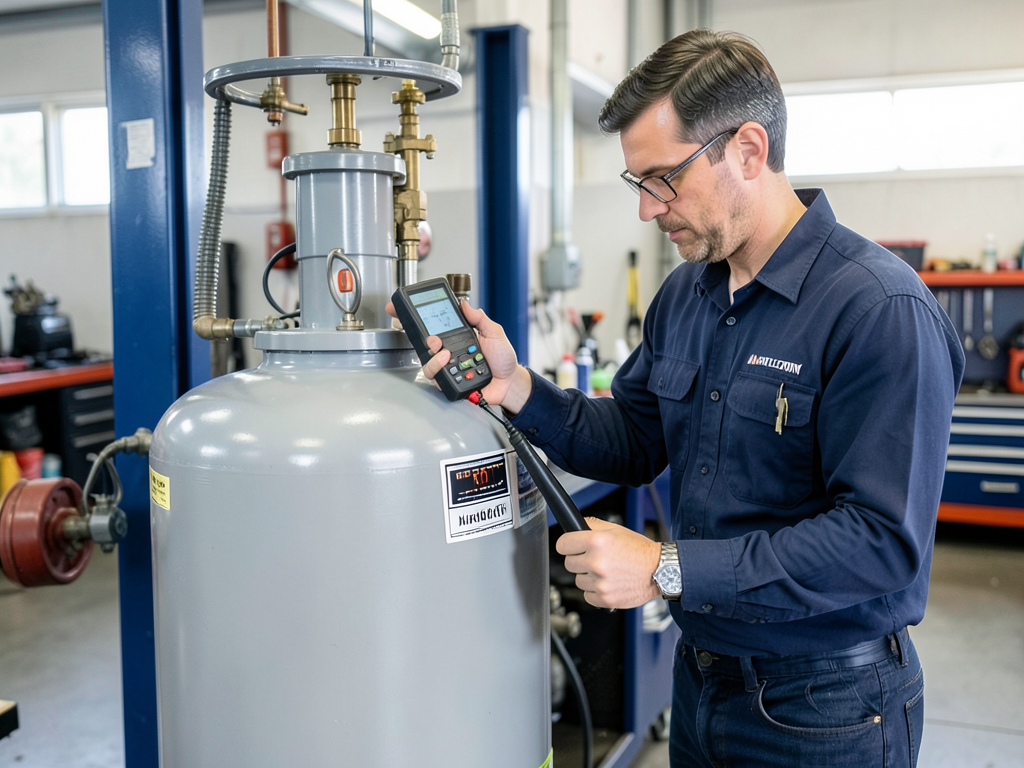
What happens when a well pump or pressure tank leaks in your Mapleton garage When a well pump or pressure…

What happens when a well pump or pressure tank leaks in your Mapleton garage

What happens when a well pump or pressure tank leaks in your Mapleton garage When a well pump or pressure…

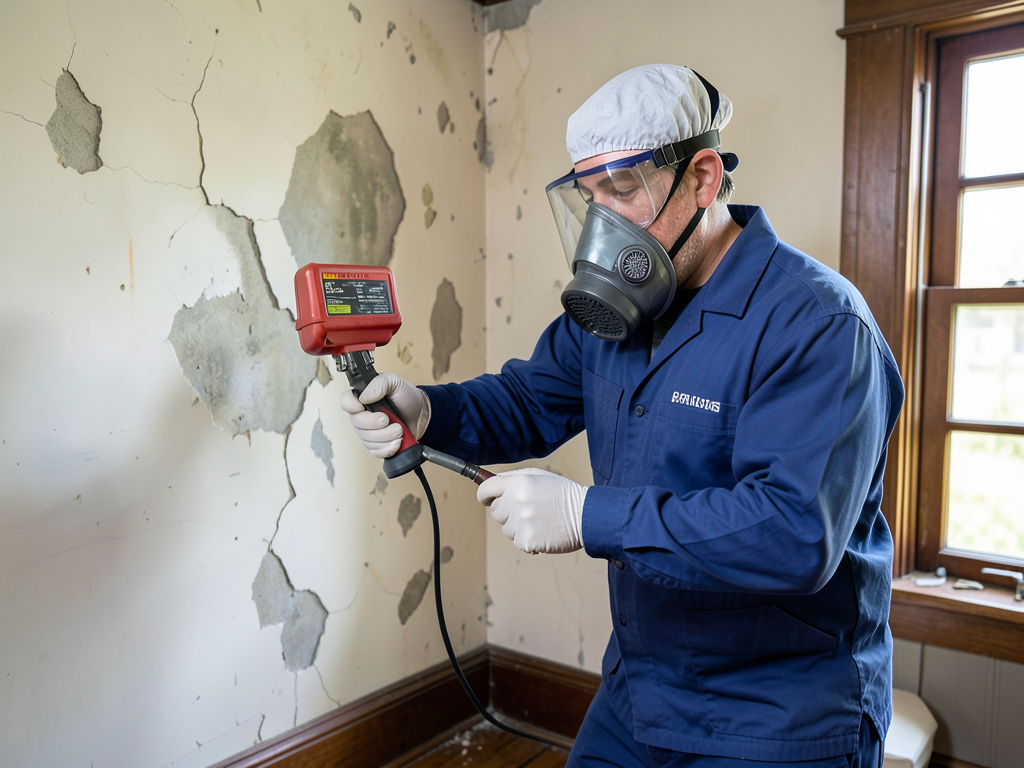
Dealing with lead and asbestos during water damage repairs in older Portland neighborhoods

Dealing with lead and asbestos during water damage repairs in older Portland neighborhoods Portland's historic neighborhoods face unique challenges when…

Why converting your University Park basement into a bedroom requires extra moisture protection

Why converting your University Park basement into a bedroom requires extra moisture protection Portland’s University Park neighborhood, nestled near the…

Contact Us

Storm damage gets worse every hour you wait. Call (503) 882-7766 now for emergency response. Our crews are standing by with equipment ready to protect your property and stop ongoing damage.