Menu

Preventative Waterproofing Tips for Portland Homes – Stop Water Damage Before It Starts

Learn proven DIY waterproofing techniques and moisture control best practices tailored to Portland's rainy climate, so you can protect your home from costly water damage year-round.

Slider Image 1
Slider Image 2
Slider Image 3
Slider Image 4
Slider Image 5
Slider Image 7
Slider Image 8
Slider Image 9
Slider Image 10
Slider Image 11

Why Portland Homes Need Proactive Water Sealing Methods

Portland receives an average of 43 inches of rain annually, with the wettest months running from October through May. This relentless moisture creates constant pressure on your home's exterior envelope. Water finds every crack, every gap in caulking, and every compromised flashing.

The Pacific Northwest climate does not just bring rain. You get freeze-thaw cycles in winter that expand and contract foundation cracks. You get moss and algae growth on roofs that trap moisture. You get saturated soil that pushes hydrostatic pressure against basement walls.

Most homeowners wait until they see staining on ceilings or smell mildew in the crawl space. By then, structural damage has already started. Wood rot spreads through framing. Mold colonies establish themselves in wall cavities. Repair bills climb into the thousands.

A home waterproofing maintenance guide starts with understanding your vulnerabilities. Portland's older homes, especially those built before modern vapor barriers became standard, need extra attention. Newer construction in areas like the West Hills faces different challenges with grading and drainage on sloped lots.

The good news is that proactive water sealing methods work. You can prevent most water intrusion with systematic inspection and targeted maintenance. DIY waterproofing techniques handle 80 percent of common failure points. The remaining 20 percent, like foundation waterproofing or crawl space encapsulation, requires professional intervention.

Your water damage prevention checklist should address five critical zones: roof and gutters, windows and doors, foundation and grading, crawl space or basement, and exterior walls. Each zone has specific failure modes common to Portland's climate.

Why Portland Homes Need Proactive Water Sealing Methods
Moisture Control Best Practices That Work in Portland

Moisture Control Best Practices That Work in Portland

Start with your roof. Portland's rain does not cause leaks. Failed flashing causes leaks. Water enters where roof planes intersect, around chimneys, and at valley transitions. Inspect these areas twice yearly, in spring and fall. Look for cracked sealant, lifted shingles, or gaps in step flashing. Replace any compromised material immediately.

Gutters and downspouts handle enormous water volume during Portland's wet season. A clogged gutter dumps water directly against your foundation. Clean gutters every fall after leaf drop and again in spring. Install gutter guards if you have mature trees overhead. Extend downspouts at least six feet from your foundation. The water needs to drain away from the structure, not pool against it.

Windows and doors fail at the perimeter seal. Check exterior caulking annually. Silicone caulk degrades in UV exposure and becomes brittle after five to seven years. Scrape out old caulk completely before applying new material. Use high-quality polyurethane or silicone caulk rated for exterior use. Pay special attention to the bottom corners where water accumulates.

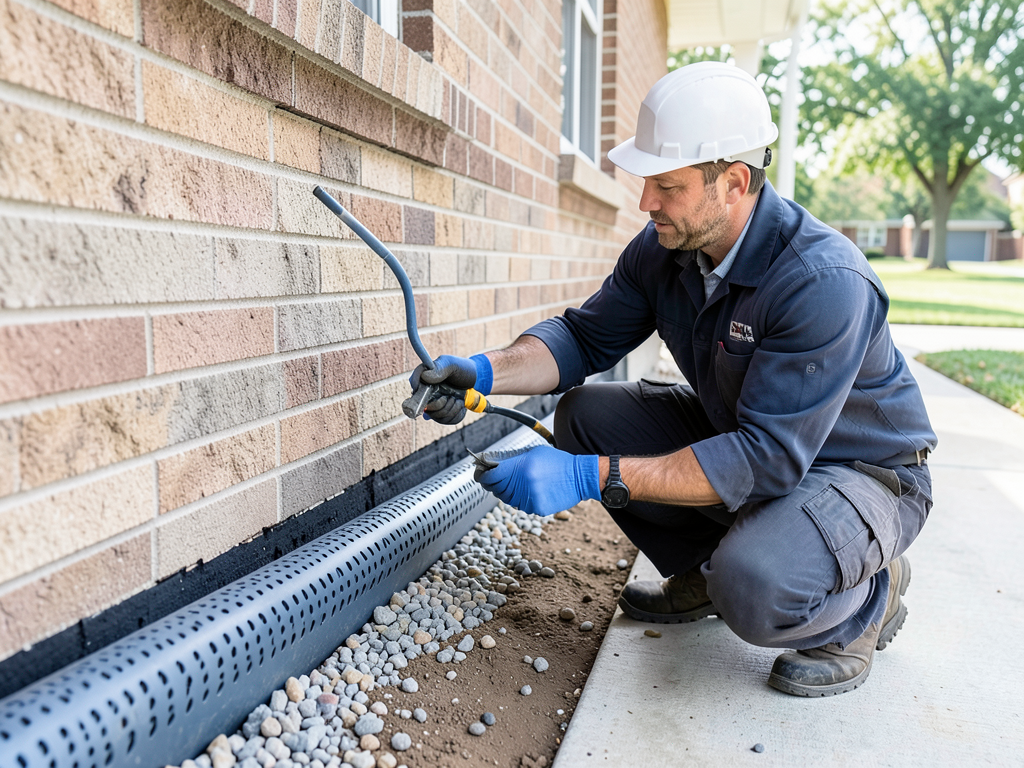
Foundation waterproofing requires both surface treatment and drainage management. Grade soil away from your foundation at a minimum slope of six inches over ten feet. Fill any settlement areas where water pools. Consider applying a foundation coating to exterior walls if you have recurring dampness issues.

Crawl space moisture control prevents problems before they enter your living space. Install a 6-mil vapor barrier over exposed soil. Ensure crawl space vents remain open for cross-ventilation during dry months. Monitor humidity levels and consider a dehumidifier if readings stay above 60 percent. Address any standing water immediately, as it signals a drainage or grading problem.

Your Seasonal Waterproofing Inspection Schedule

Preventative Waterproofing Tips for Portland Homes – Stop Water Damage Before It Starts
01

Spring Assessment

Conduct a comprehensive exterior walk-around after winter weather ends. Check for winter damage to caulking, flashing, and drainage systems. Look for foundation cracks that may have expanded during freeze-thaw cycles. Test gutters and downspouts with a garden hose to verify proper flow. Document any issues with photos and prioritize repairs based on severity and water exposure risk.
02

Fall Preparation

Prepare your home for Portland's wet season before heavy rains arrive. Clean all gutters and downspouts thoroughly. Inspect roof flashing and reseal any questionable areas. Check window and door caulking for gaps or deterioration. Verify that grading still slopes away from your foundation. Clear debris from window wells and drainage areas. This proactive approach prevents 90 percent of seasonal water intrusion.
03

Ongoing Monitoring

Establish monthly quick-checks during wet months. Walk your property after heavy rain events to identify any new drainage issues or water pooling. Monitor interior spaces for signs of moisture intrusion like condensation, musty odors, or staining. Check crawl space or basement humidity levels monthly. Early detection allows you to address small problems before they become structural issues requiring professional water damage restoration.

Why Portland Homeowners Trust Local Waterproofing Expertise

Portland's building environment creates specific challenges that require local knowledge. The marine climate encourages biological growth on exterior surfaces. Moss and algae are not just cosmetic issues. They trap moisture against roofing and siding materials, accelerating deterioration. Homes in neighborhoods with significant tree canopy, like Laurelhurst or Eastmoreland, face constant organic debris and shade that prevents drying.

The city's soil composition varies dramatically. East Portland sits on clay that expands when wet and shrinks when dry. This movement stresses foundations and creates cracks. West side neighborhoods built on hillsides face different issues with surface water runoff and slope stability. Understanding your specific soil type determines appropriate foundation waterproofing strategies.

Portland's older housing stock, particularly homes built between 1900 and 1950, lacks modern moisture barriers and vapor retarders. These homes need targeted retrofits rather than standard waterproofing approaches. Original construction methods used different materials and techniques. Preservation of historic character while improving water resistance requires specialized knowledge.

Local building codes address Portland's wet climate through specific requirements for flashing, vapor barriers, and ventilation. Permits are required for certain foundation repairs and grading changes. Working with professionals who understand city permit requirements saves time and prevents compliance issues.

Evergreen Water Damage Restoration Portland has worked with hundreds of local homeowners to develop effective moisture control strategies. We understand how water moves through Portland homes. We know which products hold up in the Pacific Northwest climate. We recognize the early warning signs that distinguish minor maintenance from serious structural problems.

Our team has seen every variation of water intrusion common to Portland construction. We provide honest assessments and prioritized repair recommendations. Sometimes you need professional intervention. Often, we can show you DIY waterproofing techniques that solve the problem effectively.

What to Expect from a Comprehensive Waterproofing Approach

Inspection Timeline

A thorough exterior inspection takes two to three hours depending on your home's size and complexity. You should conduct this inspection twice yearly, in spring and fall. Focus on high-risk areas first: roof transitions, chimney flashing, window perimeters, foundation-wall junctions, and grading around the structure. Document conditions with photos to track changes over time. Priority repairs should be completed within two weeks of identification. Seasonal preparation work, like gutter cleaning and caulk replacement, should happen before Portland's wet season begins in October. This schedule prevents most emergency water damage situations.

DIY Assessment Process

Start with a systematic exterior walk-around during daylight hours. Bring a flashlight, ladder, and camera. Check every potential water entry point methodically. Look for staining, efflorescence, or biological growth that indicates moisture problems. Test caulking by pressing it with your finger. If it feels hard or brittle, replacement is overdue. Examine flashing for gaps, corrosion, or separation from surfaces. Check grading with a level to verify proper slope. Inside, inspect attics, crawl spaces, and basements for moisture evidence. Note any condensation, rust, or musty odors. This comprehensive assessment identifies both active problems and potential failure points.

Quality Standards

Effective waterproofing delivers long-term protection with minimal maintenance. Properly applied exterior caulking should last seven to ten years in Portland's climate. Gutter systems with quality guards require cleaning only once every two years instead of twice annually. Foundation coatings should remain intact for 15 years or more. Drainage improvements, like extended downspouts and proper grading, function indefinitely once installed correctly. Professional waterproofing work should include documentation of materials used, application methods, and expected service life. You should see measurable results like reduced humidity in crawl spaces, elimination of musty odors, and absence of new water staining.

Ongoing Maintenance Planning

Waterproofing is not a one-time event. It requires ongoing attention to maintain effectiveness. Develop a written maintenance schedule that addresses seasonal tasks. Fall preparation includes gutter cleaning, caulk inspection, and drainage verification. Spring assessment checks for winter damage and verifies that systems survived the wet season. Monthly monitoring during wet months catches new problems early. Keep records of all maintenance activities, repairs, and material replacements. This documentation helps you identify patterns and plan for future work. Budget for routine maintenance annually. Spending a few hundred dollars on preventative measures saves thousands in water damage repairs. Most homeowners find that systematic attention reduces emergency issues by 90 percent.

Frequently Asked Questions

You Have Questions,
We Have Answers

What to do before waterproofing? +

Before waterproofing, inspect your basement or foundation for existing cracks, leaks, or structural damage. Clean all surfaces thoroughly to remove dirt, efflorescence, and loose material. Check grading around your home to ensure water drains away from the foundation. In Portland, verify your gutters and downspouts work properly, as our heavy rain season from October through May puts extra stress on foundations. Test moisture levels with a meter to identify problem areas. Repair any cracks or gaps with hydraulic cement before applying waterproofing products. Address drainage issues first, or waterproofing will fail.

What are common waterproofing mistakes? +

Common waterproofing mistakes include applying products to damp surfaces, which prevents proper bonding. Many homeowners skip surface preparation, leaving dirt or efflorescence that blocks adhesion. Using interior waterproofing alone without fixing exterior drainage creates ongoing pressure against walls. In Portland, neglecting gutter maintenance is a critical error, as clogged downspouts dump thousands of gallons directly against foundations during winter storms. Applying too thin a coat or skipping recommended layers reduces effectiveness. Ignoring grading issues around the foundation allows water to pool. Mixing incompatible products or using the wrong type for your specific foundation material also causes failure.

How much does it cost to waterproof a 1000 sq ft basement? +

Basement waterproofing costs vary based on the method and severity of water intrusion. Interior sealants may run lower, while comprehensive exterior excavation and drainage systems cost significantly more. The scope depends on whether you need simple crack repair, interior drainage, sump pump installation, or full exterior waterproofing. Portland's clay-heavy soil and high water table can increase complexity. Foundation type, accessibility, and existing damage affect pricing. Get multiple quotes from licensed contractors who understand local soil conditions. Most projects require customized solutions rather than one-size-fits-all approaches. Request detailed breakdowns of materials and labor.

Should you prime before waterproofing? +

Priming before waterproofing depends on the product and surface condition. Concrete surfaces often benefit from primer, which improves adhesion and fills minor pores. Masonry primers create a uniform surface for waterproofing membranes to bond properly. Check manufacturer specifications, as some modern waterproofing systems include built-in primers. In Portland, where foundations face constant moisture from rain and humidity, primer helps products penetrate porous concrete and block capillary action. Clean, dry surfaces accept primer better. Skip primer on painted or sealed surfaces unless you strip them first. Always follow product instructions for your specific foundation material and waterproofing system.

What are the four steps to waterproofing? +

The four steps to waterproofing are preparation, crack repair, application, and drainage management. First, clean surfaces and remove loose material, paint, or efflorescence. Second, repair all cracks, gaps, and damaged areas with appropriate patching compounds. Third, apply your chosen waterproofing system in recommended coats, allowing proper cure time between layers. Fourth, address exterior drainage by grading soil away from the foundation, extending downspouts, and installing perimeter drains if needed. In Portland, the drainage step is critical due to our 36 inches of annual rainfall. Each step builds on the previous one. Skip any step and the system fails.

What is the negative side of waterproofing? +

The negative side of waterproofing includes potential moisture trapping if done incorrectly. Interior-only waterproofing can trap water within foundation walls, causing hidden deterioration and mold growth in wall cavities. Some products contain volatile organic compounds that require ventilation during application. Waterproofing adds cost to construction or renovation budgets. In Portland's damp climate, improper waterproofing can create condensation issues if vapor barriers are placed incorrectly. Exterior excavation for waterproofing disrupts landscaping and requires significant labor. Poor application or using the wrong product type can waste money without solving water intrusion. Waterproofing addresses symptoms, not always root drainage problems.

How many coats of waterproofing should I do? +

Most waterproofing products require two coats minimum for effective protection. The first coat seals pores and creates a base layer. The second coat fills any pinholes or thin spots from the first application. Some heavy-duty systems recommend three coats for below-grade applications or high-hydrostatic pressure situations. In Portland, where foundations endure prolonged wet seasons, multiple coats provide better long-term protection. Follow manufacturer specifications for coat thickness and drying time between applications. Rushing the process by applying coats too quickly prevents proper curing. Check coverage rates to ensure adequate thickness. More coats do not compensate for poor surface preparation.

What causes waterproofing to fail? +

Waterproofing fails when hydrostatic pressure exceeds the system's capacity, forcing water through weak points. Poor surface preparation prevents proper bonding, causing membranes to separate. Applying products in cold temperatures, high humidity, or to damp surfaces stops curing. Structural movement from settling or seismic activity creates new cracks. In Portland, freeze-thaw cycles can crack coatings, and our expansive clay soil shifts foundations. Using interior-only solutions without addressing exterior drainage leaves constant pressure against walls. Product degradation over time reduces effectiveness. Skipping recommended coats or spreading products too thin creates gaps. Tree roots and poor grading direct water toward foundations.

What are the three methods of waterproofing? +

The three main waterproofing methods are cementitious, liquid membrane, and sheet membrane systems. Cementitious waterproofing uses cement-based coatings mixed with additives, ideal for below-grade concrete in Portland's wet climate. Liquid membranes apply as a spray or brush-on coating that cures into a flexible rubber-like barrier, conforming to irregular surfaces. Sheet membranes are prefabricated rolls of rubberized or polymer-modified materials applied to foundations during construction or after excavation. Each method suits different applications. Cementitious works for water tanks and basements. Liquid membranes handle complex shapes. Sheet membranes provide reliable protection for new construction and major renovations requiring excavation.

Will insurance pay for basement waterproofing? +

Insurance rarely covers basement waterproofing because carriers consider it preventative maintenance, not sudden damage. Standard homeowners policies exclude gradual water seepage, foundation issues, and maintenance-related problems. Insurance may cover waterproofing only if water damage results from a covered peril like a burst pipe or sudden storm-related flooding. In Portland, where basement water intrusion often stems from seasonal groundwater and poor drainage, claims typically get denied. Some policies cover resulting damage like mold remediation or structural repairs but not the waterproofing itself. Review your policy carefully. Consider flood insurance for areas near the Willamette River or Columbia River.

How Portland's Rain Patterns Make Preventative Waterproofing Critical

Portland receives most of its annual rainfall between October and May, with December and January delivering the heaviest precipitation. This extended wet season means your home's exterior envelope stays saturated for months. Unlike climates with brief rain events and long drying periods, Portland homes rarely dry out completely during winter. Moisture penetrates deeper into materials. Wood stays wet long enough for rot to establish. Caulking and sealants face constant water pressure. The freeze-thaw cycles in January and February expand any cracks, making them worse each winter. This combination of persistent moisture and temperature fluctuation requires proactive water sealing methods that address vulnerabilities before seasonal stress arrives.

Portland's building community has developed specific expertise in moisture management because local conditions demand it. Contractors here understand vapor drive, thermal bridging, and the importance of drainage planes in wall assemblies. This knowledge matters because generic waterproofing advice from other climates often fails in the Pacific Northwest. For example, foundation coatings that work in dry climates can trap moisture in Portland's wet soil conditions. Local professionals know which products and methods succeed in your specific environment. Evergreen Water Damage Restoration Portland brings this regional expertise to every consultation, helping homeowners implement moisture control best practices that actually work in your neighborhood's specific conditions.
Water Damage Restoration Services in The Portland Area

Evergreen Water Damage Restoration proudly serves Portland and the surrounding areas, providing rapid and reliable water damage solutions whenever you need us. While our physical office is located conveniently for local operations, our dedicated teams are mobile and ready to deploy across the region. View our service area on the map to understand our reach, or simply call us to confirm if we cover your specific location. We are committed to extending our expert services to every community in need.

Address:
Evergreen Water Damage Restoration Portland, 239 NW 13th Ave, Portland, OR, 97209

Additional Services We Offer

Our news updates

Latest Articles & News from The Blogs

What happens when a well pump or pressure tank leaks in your Mapleton garage When a well pump or pressure…

What happens when a well pump or pressure tank leaks in your Mapleton garage

What happens when a well pump or pressure tank leaks in your Mapleton garage When a well pump or pressure…

Dealing with lead and asbestos during water damage repairs in older Portland neighborhoods

Dealing with lead and asbestos during water damage repairs in older Portland neighborhoods Portland's historic neighborhoods face unique challenges when…

Why converting your University Park basement into a bedroom requires extra moisture protection

Why converting your University Park basement into a bedroom requires extra moisture protection Portland’s University Park neighborhood, nestled near the…

Contact Us

Do not wait for water damage to force your hand. Get a professional assessment of your home's waterproofing vulnerabilities. Call Evergreen Water Damage Restoration Portland at (503) 882-7766 today for expert guidance on protecting your investment.