Menu

Flood Cleanup & Extraction in Portland – 24/7 Response Teams Deployed Within 60 Minutes

Expert flood damage restoration services across the Portland metro, from basement water removal to commercial property mitigation, with rapid extraction equipment and certified technicians on standby around the clock.

Slider Image 1
Slider Image 2
Slider Image 3
Slider Image 4
Slider Image 5
Slider Image 7
Slider Image 8
Slider Image 9
Slider Image 10
Slider Image 11

Why Portland Properties Face Unique Flood Risks Year-Round

Portland sits at the confluence of the Willamette and Columbia Rivers, creating a flood-prone landscape that catches property owners off guard. The Pacific Northwest's relentless winter rains saturate soil quickly, overwhelming aging stormwater systems in neighborhoods like Alberta and Richmond. When the Willamette swells beyond its banks, basements in low-lying areas near Sellwood and St. Johns fill fast.

Your property faces three distinct flood threats in Portland. Atmospheric rivers dump inches of rain in hours, overloading gutters and foundation drains. Snowmelt from Mount Hood rushes down Johnson Creek, flooding properties along its path through East Portland. Aging sewer systems in historic districts back up during heavy storms, pushing contaminated water into finished basements.

Emergency water extraction becomes critical within the first 24 hours. Standing water wicks into drywall, wood framing, and insulation, creating conditions for mold growth that begins in 48 to 72 hours. Portland's moderate temperatures and high humidity accelerate microbial colonization. Water mitigation services must start immediately to prevent secondary damage that costs three times more than the initial flood cleanup.

The clay-heavy soil common in West Portland compounds the problem. Water pools against foundations instead of draining away, creating hydrostatic pressure that forces moisture through basement walls. Water removal services must address both standing water and moisture vapor to protect your property's structural integrity. Flood damage restoration requires understanding Portland's unique geology and weather patterns, not just running extraction equipment.

Why Portland Properties Face Unique Flood Risks Year-Round
Our Rapid-Response Extraction and Structural Drying Protocol

Our Rapid-Response Extraction and Structural Drying Protocol

Effective flood cleanup starts with immediate water extraction using truck-mounted pumps that remove thousands of gallons per hour. We deploy submersible pumps for standing water deeper than two inches, extracting from the lowest point to prevent lateral wicking. Portable extraction units handle residual moisture in carpet, padding, and subflooring that submersibles miss.

After bulk water removal, we measure moisture content in structural materials using penetrating and non-penetrating meters. Drywall should read below 1 percent moisture content. Wood framing must drop below 15 percent to prevent rot and mold colonization. We document these readings to establish drying benchmarks and prove completion to insurance adjusters.

Our structural drying system uses commercial-grade air movers positioned at precise angles to create airflow across wet surfaces. We place one air mover per 15 to 20 feet of affected area, adjusting placement based on material type and saturation levels. Low-grain refrigerant dehumidifiers pull moisture from the air, maintaining relative humidity below 50 percent to accelerate evaporation. We calculate the specific equipment density needed for your property's cubic footage and moisture load.

Water damage cleanup includes antimicrobial application on all affected surfaces before drying begins. Portland's moderate climate creates ideal conditions for bacterial growth in flood water. We apply EPA-registered antimicrobials to studs, subfloors, and concrete before reconstruction. This prevents hidden microbial growth inside wall cavities that becomes a health hazard months later.

We monitor drying progress twice daily, adjusting equipment placement and dehumidification capacity based on moisture readings. Most properties reach drying goals in three to five days, but Portland's humidity can extend timelines. We never call a job complete until all materials meet industry drying standards.

What Happens When You Call for Emergency Flood Extraction

Flood Cleanup & Extraction in Portland – 24/7 Response Teams Deployed Within 60 Minutes
01

Immediate Dispatch and Assessment

Our dispatch center answers your call and sends the nearest extraction team, typically arriving within 60 minutes across the Portland metro. The team leader performs a visual inspection to identify water sources, assess contamination levels, and determine extraction requirements. We document pre-existing damage with photos and moisture readings, then provide an initial scope of work before equipment deployment. You receive a written plan outlining extraction methods, estimated drying time, and equipment placement.
02

Extraction and Containment

Technicians extract standing water using truck-mounted pumps or submersibles, removing bulk water in 30 to 90 minutes depending on volume. We remove saturated materials that cannot be saved, including carpet padding, baseboards, and drywall with wicking above 24 inches. Containment barriers prevent cross-contamination in unaffected areas. Air scrubbers with HEPA filtration remove airborne particulates and odors. We establish negative air pressure in affected zones to prevent moisture migration into dry areas of your property.
03

Monitored Structural Drying

Air movers and dehumidifiers run continuously, with technicians checking equipment function and moisture levels twice daily. We adjust equipment placement based on drying progress and provide daily updates on remaining timeline. Once all materials reach acceptable moisture content, we document completion with final readings and photographs. You receive a certificate of drying completion for insurance purposes. The site is ready for reconstruction, with all affected areas returned to pre-loss moisture levels and sanitized against microbial growth.

Why Portland Property Owners Choose Local Flood Restoration Experts

Evergreen Water Damage Restoration Portland maintains response teams stationed across the metro to reach properties in Beaverton, Gresham, and Lake Oswego within the critical first hour. We know which neighborhoods flood first when Johnson Creek overflows and which streets become impassable during atmospheric river events. This local knowledge means we arrive prepared with the right equipment for your specific situation.

Our technicians understand Portland's building stock. We regularly work on Craftsman bungalows in Laurelhurst with old-growth fir framing that requires careful drying to prevent warping. We extract water from mid-century ramblers in Eastmoreland with post-tension concrete slabs that trap moisture. We handle flood cleanup in Pearl District lofts with exposed brick that wicks water vertically. Each building type requires different extraction techniques and drying protocols.

We work directly with Portland's major insurance carriers and understand their documentation requirements. Our moisture mapping and daily logs meet the evidence standards that prevent claim disputes. We photograph every stage of the water removal process and provide detailed equipment logs showing placement and runtime. This documentation protects you from claim denials based on insufficient mitigation efforts.

Portland's building codes require specific procedures for water-damaged structures. We follow Oregon OSHA guidelines for contaminated water exposure and obtain necessary permits for structural demolition. Our work meets the standards that city inspectors expect, preventing red flags during reconstruction inspections. We coordinate with your contractor to ensure the dried structure is ready for immediate rebuilding without delays.

You need a flood restoration company that responds fast and finishes the job correctly the first time. We extract water thoroughly, dry structures completely, and document everything insurance adjusters need to approve your claim.

What to Expect During Professional Flood Cleanup Services

Immediate Availability and Response Time

We answer emergency calls 24 hours a day, 365 days a year, including holidays when flooding happens most. Dispatch connects you with a team leader who asks specific questions about water depth, source, and affected areas. This information determines equipment load-out before trucks leave the yard. Our average response time across Portland is 60 minutes, with faster response to life-safety situations involving electrical hazards or structural instability. You receive the team leader's direct mobile number for updates during transit. We arrive with extraction equipment, moisture meters, and safety gear ready to start work immediately upon your approval.

Comprehensive Property Assessment and Documentation

The initial assessment takes 30 to 45 minutes and covers every potentially affected space. We use thermal imaging cameras to detect hidden moisture in wall cavities and beneath flooring. Moisture meters provide numerical readings that establish baseline saturation levels for comparison during drying. We photograph damage from multiple angles and create floor plans showing water migration patterns. This documentation includes pre-existing conditions that prevent future disputes about what the flood damaged versus prior issues. You receive a written scope of work explaining what materials require removal, expected drying timeline, and equipment deployment plan before any work begins.

Thorough Extraction and Verified Dry-Out

Water extraction removes 95 percent of moisture in the first two hours. The remaining moisture requires controlled evaporation using air movement and dehumidification. We aim for complete structural drying in three to five days under normal conditions, though high humidity or dense materials can extend this timeline. You can remain in unaffected portions of your property during drying, though equipment noise and airflow may cause temporary inconvenience. We never remove equipment based on timelines alone. Drying continues until moisture meters confirm all materials meet industry standards for reconstruction readiness. Final documentation includes comparison photos and moisture readings proving dry-out completion.

Post-Extraction Monitoring and Recommendations

Once equipment is removed, we provide recommendations for preventing future flood damage specific to your property. This might include foundation grading corrections, sump pump installation, or backwater valve upgrades. We return 48 hours after equipment removal to verify moisture levels remain stable and no hidden saturation is emerging. If you proceed with reconstruction, we coordinate with your contractor to answer questions about the dried structure and confirm readiness for insulation and drywall. Our documentation package includes all moisture readings, equipment logs, and photographs needed for insurance claims or future property disclosures.

Frequently Asked Questions

You Have Questions,
We Have Answers

How much does flood removal cost? +

Flood removal costs vary based on water volume, contamination level, and structural damage. Minor basement flooding might run a few thousand dollars, while whole-home flooding with Category 3 water can climb significantly higher. Portland homes with crawl spaces or older foundations may face additional costs if structural drying or mold prevention is needed. Water classification matters. Clean water extraction costs less than sewage contamination cleanup. Your final bill depends on square footage affected, equipment needed, and drying time. Most restoration companies offer free inspections and work directly with insurance to document damage and streamline claims.

What is the average cost of remediation? +

Remediation costs depend on contamination type and extent. Mold remediation in Portland typically involves containment, air filtration, material removal, and antimicrobial treatment. Small areas may cost less, while whole-home mold requiring wall removal and HVAC cleaning costs more. Water damage remediation includes extraction, structural drying, and monitoring. Portland's damp climate means longer drying times if humidity isn't controlled properly. Sewage remediation requires specialized disinfection and disposal, which increases costs. Every project needs moisture mapping and thermal imaging to find hidden water pockets behind walls or under flooring. Costs scale with square footage and severity.

How long does water extraction take? +

Water extraction time depends on water volume and access. Portable extractors can remove standing water from a single room in two to four hours. Truck-mounted extraction units work faster for large-scale flooding, often clearing hundreds of gallons per hour. Portland homes with crawl spaces or finished basements may need additional time for hard-to-reach areas. Extraction is just the first step. Structural drying with air movers and dehumidifiers follows and typically runs three to five days. Technicians monitor moisture levels daily using meters. High humidity or poor ventilation extends drying time. Fast extraction prevents secondary damage and mold growth.

Does flood insurance pay for clean up? +

Flood insurance typically covers structural damage, contents, and necessary cleanup from flooding caused by external water sources like rivers, storm surge, or heavy rainfall. Standard flood policies through NFIP cover cleanup costs to restore your home to pre-loss condition, including water extraction, drying, and debris removal. Portland homeowners near the Willamette River or Columbia Slough should verify coverage limits and exclusions. Flood policies do not cover mold remediation if you delay mitigation. Document everything immediately with photos. Your restoration company can provide detailed estimates and work directly with your flood insurance adjuster to justify necessary cleanup and repair work.

Is flood damage covered under homeowners insurance? +

Standard homeowners insurance does not cover flood damage from external water sources. Flooding from rivers, storm surge, or ground saturation requires separate flood insurance through NFIP or private carriers. However, homeowners insurance typically covers sudden internal water damage from burst pipes, appliance failures, or roof leaks caused by wind or hail. Portland homes face risk from both. Winter storms can overwhelm drainage systems, while aging plumbing causes internal leaks. If a pipe bursts, your homeowners policy usually covers extraction and drying. If the Willamette overflows and enters your home, you need flood insurance. Read your policy exclusions carefully and consider both coverages.

How much does it cost to lift a house in a flood zone? +

House lifting in Portland flood zones involves engineering assessments, permits, foundation work, and hydraulic jacking systems. Costs vary widely based on home size, foundation type, and elevation requirements. Single-story homes cost less than multi-story structures. Pier and beam foundations lift easier than slab foundations, which may require cutting and reinforcement. Portland's seismic requirements add engineering complexity. You must also factor in disconnecting and reconnecting utilities, temporary housing during the lift, and potential FEMA elevation certificate costs. Many homeowners pursue lifting to reduce flood insurance premiums in high-risk zones. Consult structural engineers familiar with Portland building codes before starting.

Does home insurance cover remediation? +

Homeowners insurance covers water damage remediation from sudden, accidental internal failures like burst pipes, water heater ruptures, or washing machine overflows. Coverage includes water extraction, structural drying, and mold prevention if mitigation starts immediately. Portland homes with older plumbing or crawl space moisture issues may face claim denials if damage results from long-term neglect or maintenance failures. Insurance does not cover gradual leaks, seepage, or flood damage from external sources. You must mitigate damage quickly to maintain coverage. Most policies require professional remediation within 48 to 72 hours. Document everything, keep receipts, and communicate with your adjuster throughout the process.

What are the three types of remediation? +

The three contamination categories guide remediation protocols. Category 1 is clean water from supply lines or rain before it contacts surfaces. Extraction and drying usually suffice. Category 2 is gray water from appliances, containing chemicals or biological contaminants. It requires disinfection and careful handling. Category 3 is black water from sewage, rivers, or toilets, containing pathogens and toxins. Black water demands full PPE, antimicrobial treatment, and disposal of porous materials like drywall and insulation. Portland flooding from the Willamette or combined sewer overflows typically qualifies as Category 3. Technicians test water, contain affected areas, and follow IICRC S500 standards for safe remediation.

How much does it cost to remove water from a basement? +

Basement water removal costs depend on water depth, contamination level, and access. Minor groundwater seepage might cost less if extraction is straightforward and drying is quick. Significant flooding from sewer backups or storm events requiring Category 3 protocols costs more due to disinfection and material disposal. Portland basements with finished living spaces face higher costs if drywall, flooring, or insulation needs removal. Crawl space flooding adds access challenges. Costs include extraction equipment, air movers, dehumidifiers, antimicrobial treatment, and moisture monitoring over several days. Emergency service rates apply for after-hours calls. Most companies provide free inspections and work with insurance to document damage.

What are the disadvantages of water extraction? +

Water extraction without proper drying creates hidden problems. Moisture trapped in wall cavities, subfloors, or insulation leads to mold growth within 24 to 48 hours. Portland's damp climate accelerates this risk. Incomplete extraction leaves standing water in crawl spaces or under flooring, causing wood rot and structural damage. Rapid extraction can also disturb settled contaminants in Category 2 or 3 water, spreading bacteria if containment fails. DIY extraction misses moisture pockets that professional meters and thermal imaging detect. The main disadvantage is false confidence. Homeowners assume surface drying means the problem is solved, but hidden moisture causes long-term damage, health risks, and costly repairs later.

How Portland's Wet Climate and River Geography Demand Specialized Flood Response

Portland receives 36 inches of rain annually, concentrated in winter months when atmospheric rivers stall over the Cascade foothills. This creates sustained rainfall that saturates ground faster than it can drain, particularly in the clay-heavy soils west of the Willamette River. Properties near Johnson Creek, the Columbia Slough, and Fanno Creek face regular inundation during peak rain events. The combination of river flooding, stormwater overflow, and groundwater seepage requires flood damage restoration techniques that address multiple water sources simultaneously. Standard extraction removes surface water but fails to address hydrostatic pressure forcing moisture through basement walls and slab foundations.

Evergreen Water Damage Restoration Portland maintains relationships with local insurance adjusters, plumbing contractors, and building inspectors who understand the city's unique flood challenges. We follow Oregon's specific guidelines for contaminated water handling when sewer backups mix with flood water. Our technicians are familiar with Portland's historic building stock, from Alberta bungalows to Pearl District industrial conversions, and adjust water removal protocols based on construction methods and materials. This local expertise prevents the mistakes that out-of-area restoration companies make, like over-drying old-growth lumber or using excessive heat that damages hardwood floors common in Portland homes.
Water Damage Restoration Services in The Portland Area

Evergreen Water Damage Restoration proudly serves Portland and the surrounding areas, providing rapid and reliable water damage solutions whenever you need us. While our physical office is located conveniently for local operations, our dedicated teams are mobile and ready to deploy across the region. View our service area on the map to understand our reach, or simply call us to confirm if we cover your specific location. We are committed to extending our expert services to every community in need.

Address:
Evergreen Water Damage Restoration Portland, 239 NW 13th Ave, Portland, OR, 97209

Additional Services We Offer

Our news updates

Latest Articles & News from The Blogs

What happens when a well pump or pressure tank leaks in your Mapleton garage When a well pump or pressure…

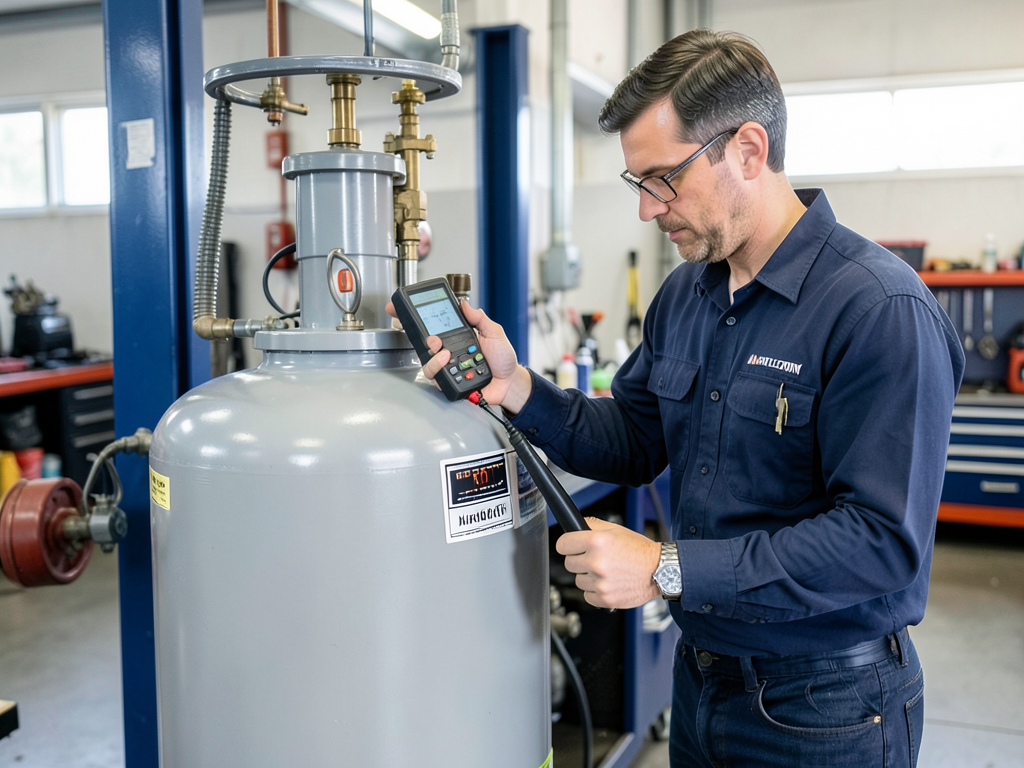
What happens when a well pump or pressure tank leaks in your Mapleton garage

What happens when a well pump or pressure tank leaks in your Mapleton garage When a well pump or pressure…

Dealing with lead and asbestos during water damage repairs in older Portland neighborhoods

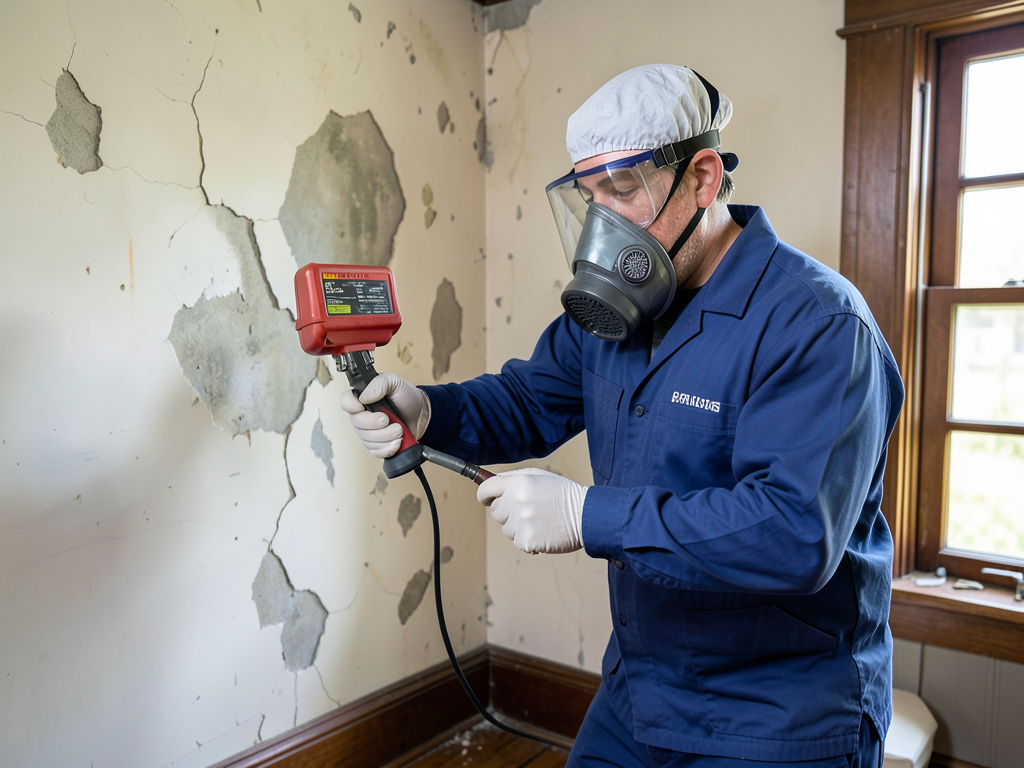
Dealing with lead and asbestos during water damage repairs in older Portland neighborhoods Portland's historic neighborhoods face unique challenges when…

Why converting your University Park basement into a bedroom requires extra moisture protection

Why converting your University Park basement into a bedroom requires extra moisture protection Portland’s University Park neighborhood, nestled near the…

Contact Us

Every minute of delay increases flood damage and restoration costs. Call (503) 882-7766 now to dispatch extraction teams to your Portland property. Our specialists answer immediately and arrive within 60 minutes with industrial pumps and drying equipment ready to start water removal.