Menu

Understanding Mold Toxicity in Portland – Essential Health Resources for Protecting Your Family from Mycotoxin Exposure

Get the facts about mold illness symptoms, black mold health risks, and signs of mold poisoning affecting Portland residents so you can identify exposure early and protect your family's health.

Slider Image 1
Slider Image 2
Slider Image 3
Slider Image 4
Slider Image 5
Slider Image 7
Slider Image 8
Slider Image 9
Slider Image 10
Slider Image 11

Portland's Climate Creates Perfect Conditions for Toxic Mold Growth

Portland receives an average of 43 inches of rain annually, concentrated between October and May. This persistent moisture, combined with moderate temperatures and humid air flowing in from the Pacific, creates ideal conditions for mold growth inside homes and buildings.

You might notice mold illness symptoms developing gradually. Chronic fatigue, brain fog, respiratory irritation, and unexplained headaches are common signs of mold poisoning that Portland residents often dismiss as seasonal allergies or stress. The truth is different. When water intrusion goes unaddressed in Portland's damp climate, mold colonies establish themselves inside wall cavities, under flooring, and within HVAC systems.

Black mold health risks are real. Stachybotrys chartarum produces mycotoxins that affect the respiratory system, immune function, and neurological health. Effects of mold exposure vary based on duration and concentration, but vulnerable populations including children, elderly residents, and those with compromised immune systems face heightened risks.

Portland's older housing stock compounds this problem. Homes built before modern moisture barriers became standard practice lack proper vapor barriers and drainage systems. Crawl spaces in the Laurelhurst, Irvington, and Alameda neighborhoods often show chronic moisture issues. Basement apartments in Southeast Portland frequently develop persistent dampness.

When you smell that musty odor or see discoloration on walls, mold has already established a significant presence. Mycotoxin illness develops from prolonged exposure to these hidden colonies, not just surface growth you can see.

Understanding the connection between Portland's climate patterns and mold growth helps you recognize warning signs before health effects become severe.

Portland's Climate Creates Perfect Conditions for Toxic Mold Growth
How Toxic Mold Affects Your Body and Home

How Toxic Mold Affects Your Body and Home

Mold toxicity occurs when you inhale or contact mycotoxins produced by certain mold species. These toxic compounds interfere with cellular function, triggering inflammatory responses throughout your body. The effects are cumulative, meaning repeated exposure causes increasingly severe symptoms.

Respiratory symptoms appear first. You might experience persistent coughing, wheezing, throat irritation, or nasal congestion that does not respond to typical allergy medications. These signs of mold poisoning indicate your airways are reacting to airborne spores and mycotoxin particles circulating through your home's air.

Neurological effects follow with continued exposure. Brain fog, memory problems, difficulty concentrating, and mood changes result from mycotoxins crossing the blood-brain barrier. Portland residents often report feeling worse at home and better when away for extended periods, a classic indicator of environmental illness.

Physical symptoms include chronic fatigue, joint pain, skin rashes, and digestive issues. Your immune system remains in a constant state of alert, depleting energy reserves and leaving you vulnerable to other infections.

Behind your walls, mold colonies consume building materials. Drywall, wood framing, and insulation become structurally compromised as mold digests organic compounds. You might notice buckling floors, warped baseboards, or ceiling stains indicating active water intrusion and mold growth.

The moisture source must be identified and eliminated before mold can be properly remediated. Simply cleaning visible mold does not address the underlying water problem or hidden growth within building assemblies.

Professional assessment using moisture meters, thermal imaging, and air quality testing reveals the full extent of contamination. Surface sampling identifies specific mold species present, determining whether toxic varieties require specialized remediation protocols.

Evergreen Water Damage Restoration Portland uses EPA-approved methods to safely contain and remove mold colonies while protecting your home from cross-contamination during the remediation process.

How to Identify and Address Mold Toxicity in Your Portland Home

Understanding Mold Toxicity in Portland – Essential Health Resources for Protecting Your Family from Mycotoxin Exposure
01

Recognize Warning Signs

Start by documenting unexplained health symptoms that improve when you leave home. Take note of musty odors, visible mold growth, water stains, or condensation on windows. Check crawl spaces, basements, and areas around plumbing fixtures for moisture. Portland's high humidity makes bathrooms, kitchens, and poorly ventilated spaces particularly vulnerable. Early identification prevents extensive contamination and reduces health risks from prolonged mycotoxin exposure.
02

Get Professional Testing

Schedule comprehensive mold inspection including air quality sampling, surface testing, and moisture mapping. Qualified inspectors use thermal imaging cameras to detect hidden moisture in walls and ceilings without destructive investigation. Lab analysis identifies specific mold species and spore concentrations, determining whether remediation is necessary. This data provides clear documentation for insurance claims and establishes baseline conditions for post-remediation verification testing required by industry standards.
03

Implement Proper Remediation

Professional remediation follows IICRC S520 standards, beginning with containment to prevent spore dispersal during removal. HEPA filtration maintains negative air pressure while contaminated materials are safely removed and disposed of. Source moisture problems are corrected simultaneously. Antimicrobial treatments are applied to affected surfaces, followed by verification testing confirming successful remediation. Documentation of the entire process provides you with proof that your home is safe for occupancy.

Why Portland Residents Trust Local Mold Remediation Expertise

Portland's specific environmental conditions require specialized knowledge that national chains simply do not possess. Evergreen Water Damage Restoration Portland understands how moisture behaves in homes built on the city's volcanic soil base, how seasonal rain patterns affect building envelopes, and which neighborhoods face the highest risk for chronic water intrusion.

Local building codes in Portland mandate specific moisture barrier requirements and ventilation standards that have evolved to address the region's climate challenges. Remediation work must comply with these requirements to pass inspection and maintain your home's insurability. We navigate these regulations daily, ensuring your remediation project meets all local standards without delays or compliance issues.

Portland's older housing stock requires particular expertise. Homes in the Alameda Ridge, Laurelhurst, and Eastmoreland neighborhoods feature construction techniques and materials that respond differently to moisture than modern buildings. We understand how to work with plaster walls, old-growth framing, and vintage foundation systems without causing additional damage during remediation.

Insurance claims for mold remediation in Portland require specific documentation and often involve disputes over coverage. Our familiarity with local insurance adjusters and their requirements helps you navigate claims more effectively. We provide detailed moisture mapping, photographic documentation, and scope reports that meet carrier standards for reimbursement eligibility.

The Pacific Northwest hosts unique mold species adapted to this climate. Testing protocols and remediation methods must account for these regional variations. Our technicians receive ongoing training specific to mold issues prevalent in Portland, ensuring we identify and address the actual contamination present in your home.

Response time matters when dealing with water damage and mold growth. As a local company, we reach Portland properties quickly, often within hours of your call. This speed minimizes damage progression and reduces overall remediation costs compared to delayed response from distant providers.

You deserve expertise rooted in Portland's specific challenges, not generic solutions applied everywhere regardless of local conditions.

What to Expect During Mold Assessment and Remediation

Rapid Response Timeline

We dispatch assessment teams to Portland properties within 2-4 hours of your call during business hours, with emergency response available 24/7 for active water damage situations. Initial inspection typically takes 1-3 hours depending on property size and contamination extent. Lab results from air and surface sampling return within 3-5 business days. Remediation scheduling begins immediately upon confirmation of results, with most residential projects completed within 3-7 days. Commercial properties require longer timelines based on square footage and business operations coordination. We work around your schedule to minimize disruption while maintaining proper safety protocols throughout the process.

Comprehensive Health Assessment

Our inspection begins with a detailed interview about health symptoms, moisture history, and previous water damage events. We use calibrated moisture meters to measure material moisture content in walls, floors, and ceilings, identifying areas with elevated readings. Thermal imaging reveals temperature differentials indicating hidden moisture or air leaks. Air sampling captures airborne spore concentrations in multiple rooms, establishing contamination levels throughout your home. Surface samples from visible growth confirm species identification. Photographic documentation creates a complete record of conditions. You receive a written report explaining findings in clear language, including moisture maps, test results, and recommended remediation scope.

Safe, Effective Removal

Remediation follows strict containment protocols to protect unaffected areas from cross-contamination. We seal off work zones with polyethylene barriers and install HEPA-filtered negative air machines maintaining proper pressure differentials. Contaminated materials are carefully removed and double-bagged for disposal at approved facilities. Non-porous surfaces receive HEPA vacuuming followed by antimicrobial treatment. All work follows IICRC S520 standards and Portland building codes. Air scrubbers run continuously during remediation, capturing airborne particles before they spread. Post-remediation verification testing confirms successful removal, with lab results documenting safe spore levels. Your home receives thorough cleaning before we consider the project complete.

Prevention and Monitoring

After remediation, we provide specific recommendations for preventing recurrence based on your property's vulnerabilities. This includes moisture control strategies, ventilation improvements, and maintenance protocols. We can install humidity monitors in high-risk areas, alerting you to conditions that support mold growth before colonies establish. Follow-up inspections verify that moisture problems remain resolved and no new growth has developed. We document all post-remediation conditions, providing you with ongoing records of your home's environmental health. Portland's climate requires vigilance, and we help you maintain a healthy indoor environment long after initial remediation is complete.

Frequently Asked Questions

You Have Questions,
We Have Answers

What are the 10 warning signs of mold toxicity? +

Common warning signs include persistent fatigue, brain fog, headaches, respiratory issues like coughing or wheezing, sinus congestion, skin rashes, joint pain, digestive problems, sensitivity to light, and mood changes. Portland's damp climate increases mold exposure risk, especially in older homes with poor ventilation. If you experience multiple symptoms that worsen indoors or after rain, mold toxicity may be the cause. Track when symptoms appear and where you spend time. Professional mold testing identifies hidden growth behind walls or under flooring, common in Portland's rainy season.

How do you know if you have mold toxicity in your body? +

You know through symptom patterns and medical testing. Mold toxicity often presents as chronic fatigue, cognitive issues, respiratory distress, and unexplained allergic reactions that persist despite treatment. Your doctor can order urine mycotoxin tests, blood tests for mold antibodies, or environmental relative moldiness index assessments. Portland residents should consider testing if symptoms started after water damage events or worsen during our wet months. Keep a symptom journal noting when issues flare. If symptoms improve when you leave your home or office, indoor mold exposure is likely.

Can mold cause heartburn? +

Yes, mold exposure can trigger heartburn and acid reflux. Mycotoxins cause systemic inflammation that disrupts gut function and weakens the lower esophageal sphincter, allowing stomach acid to rise. Mold also triggers histamine responses that increase acid production. Portland's high indoor humidity creates ideal mold conditions in kitchens and bathrooms where moisture accumulates. If heartburn medications provide minimal relief and you live in an older Portland home with ventilation issues, mold toxicity may be contributing. Address the source through professional remediation while treating symptoms with your healthcare provider.

Can mold cause migraines? +

Mold exposure frequently triggers migraines and severe headaches. Mycotoxins cause neuroinflammation, constrict blood vessels, and activate immune responses in sensitive individuals. Volatile organic compounds released by mold colonies irritate the trigeminal nerve, triggering migraine pathways. Portland's damp climate means basements, crawl spaces, and attics become mold reservoirs. If migraines worsen at home, after rain, or in specific rooms, mold is a likely culprit. Track headache patterns against weather and location. Professional mold inspection identifies hidden growth in wall cavities or HVAC systems common in Portland's older housing stock.

How do I test myself for mold toxicity? +

Start with a home mold inspection to identify exposure sources. Professional testing detects airborne spore counts and hidden growth behind walls. For body burden assessment, request a urine mycotoxin test from your doctor, which measures specific mold toxins in your system. Blood tests check for mold-specific antibodies indicating immune response. Visual Contrast Sensitivity testing assesses neurological impact. Portland residents should test after water damage, during persistent symptoms, or in homes older than 30 years. Combine environmental testing with medical evaluation for complete assessment. Do not attempt DIY mold testing for health decisions.

What kills mold permanently? +

Professional remediation kills mold permanently by eliminating moisture sources and removing contaminated materials. EPA-registered antimicrobial treatments and HEPA filtration remove spores. The key is controlling humidity below 50 percent and fixing water intrusion. In Portland's rainy climate, this means proper ventilation, dehumidifiers, and addressing roof leaks or foundation issues promptly. Bleach only kills surface mold temporarily and does not penetrate porous materials. Professionals remove drywall, insulation, and structural materials where mold roots deep. Without fixing the moisture problem, mold returns. Prevention requires ongoing humidity control and regular inspections in Portland's wet months.

How to flush mold out of your system? +

Flushing mold toxins requires a multi-step approach under medical supervision. Increase water intake to support kidney filtration. Eat fiber-rich foods and binders like activated charcoal or bentonite clay to trap mycotoxins in the digestive tract. Support liver detoxification with glutathione precursors and antioxidants. Infrared sauna sessions promote toxin release through sweat. Address gut health with probiotics since mold damages intestinal barriers. Portland residents must simultaneously eliminate mold exposure sources through professional remediation. Detoxification without removing environmental mold provides temporary relief only. Work with a healthcare provider experienced in mold toxicity for safe, effective protocols.

What does mold in a house make you feel like? +

Mold exposure makes you feel chronically fatigued, mentally foggy, and physically drained. You may experience persistent sinus congestion, scratchy throat, headaches, and skin irritation. Many Portland residents describe feeling worse on rainy days or in specific rooms. Cognitive symptoms include difficulty concentrating, memory problems, and mood swings. Physical symptoms range from joint pain and muscle aches to digestive upset and unexplained allergic reactions. You may feel better when away from home. Portland's damp climate means basements and crawl spaces harbor hidden mold, creating constant low-level exposure that wears down your immune system over time.

Can air purifiers remove mold spores? +

Air purifiers with true HEPA filters capture airborne mold spores effectively, removing 99.97 percent of particles 0.3 microns or larger. However, they do not eliminate mold growth on surfaces or inside walls. In Portland's humid climate, air purifiers reduce spore circulation but must work alongside source removal and humidity control. Place units in bedrooms and main living areas. Change filters regularly, as mold-contaminated filters become secondary contamination sources. Air purifiers provide symptom relief but are not standalone solutions. Professional remediation addresses root causes while purifiers manage air quality during and after treatment.

Can mold mess up your gut? +

Mold significantly disrupts gut health by damaging intestinal lining, causing leaky gut syndrome, and altering microbiome balance. Mycotoxins trigger inflammation, reduce beneficial bacteria, and allow harmful organisms to proliferate. This leads to digestive symptoms like bloating, diarrhea, constipation, and food sensitivities. Portland's mold exposure risk from damp conditions means gut issues often stem from indoor air quality problems. If you experience unexplained digestive problems alongside respiratory or neurological symptoms, mold toxicity may be the underlying cause. Healing requires eliminating mold exposure, restoring gut barrier integrity, and rebalancing your microbiome with targeted probiotics and anti-inflammatory support.

How Portland's Wet Climate Amplifies Mold Health Risks for Residents

Portland's extended wet season from October through June keeps relative humidity levels consistently above 70%, often reaching 85-90% during winter months. This persistent moisture means building materials never fully dry out between rain events. Crawl spaces in Portland homes frequently show condensation and standing water throughout winter, creating perfect conditions for mold colonization. The Willamette Valley's temperature inversions trap moisture-laden air close to the ground, preventing adequate drying. Homes in low-lying areas near the Willamette River, Columbia Slough, or Johnson Creek face even higher moisture exposure. Understanding these specific local conditions helps you recognize why mold problems develop more quickly in Portland than in drier climates, and why signs of mold poisoning appear more frequently among residents in certain neighborhoods.

Portland's commitment to environmental health and indoor air quality standards means local remediation companies must meet rigorous requirements. The city's emphasis on green building practices and healthy homes initiatives has raised awareness about mycotoxin illness among healthcare providers and building professionals. We work regularly with Portland-area physicians who specialize in environmental medicine, providing documentation they need to support patient treatment plans. Our familiarity with Multnomah County health department protocols and Oregon OSHA requirements ensures compliance throughout remediation projects. This local expertise matters because mold health effects require coordinated response between remediation professionals and healthcare providers who understand how Portland's climate contributes to chronic exposure patterns affecting families across the metro area.
Water Damage Restoration Services in The Portland Area

Evergreen Water Damage Restoration proudly serves Portland and the surrounding areas, providing rapid and reliable water damage solutions whenever you need us. While our physical office is located conveniently for local operations, our dedicated teams are mobile and ready to deploy across the region. View our service area on the map to understand our reach, or simply call us to confirm if we cover your specific location. We are committed to extending our expert services to every community in need.

Address:
Evergreen Water Damage Restoration Portland, 239 NW 13th Ave, Portland, OR, 97209

Additional Services We Offer

Our news updates

Latest Articles & News from The Blogs

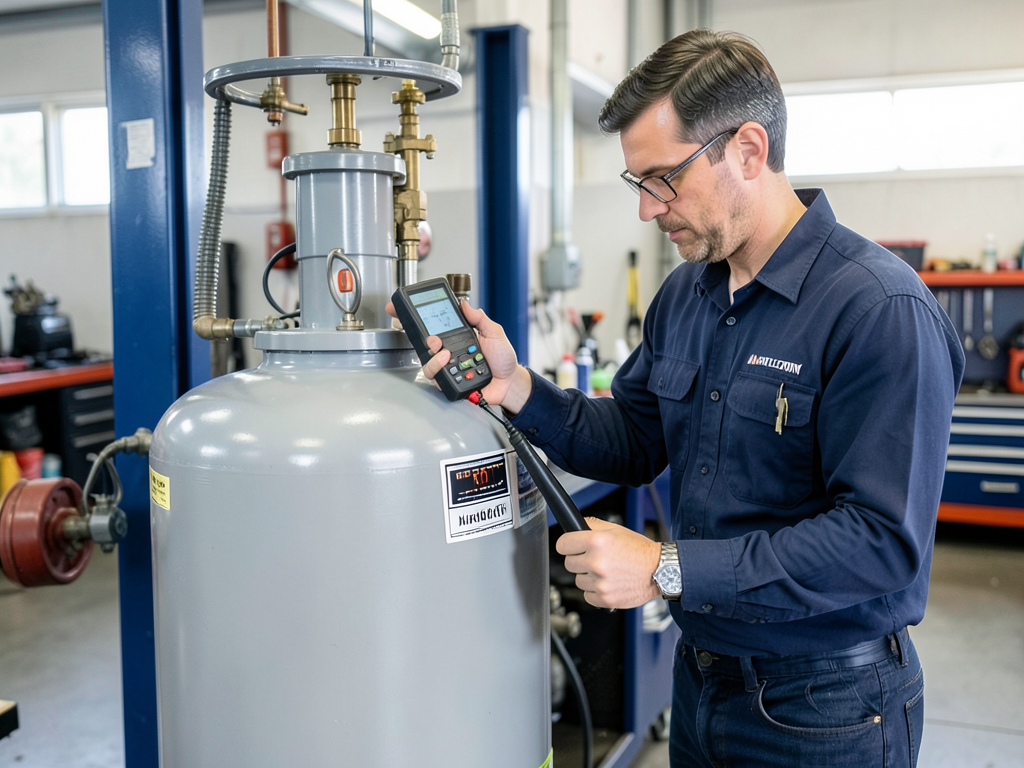
What happens when a well pump or pressure tank leaks in your Mapleton garage When a well pump or pressure…

What happens when a well pump or pressure tank leaks in your Mapleton garage

What happens when a well pump or pressure tank leaks in your Mapleton garage When a well pump or pressure…

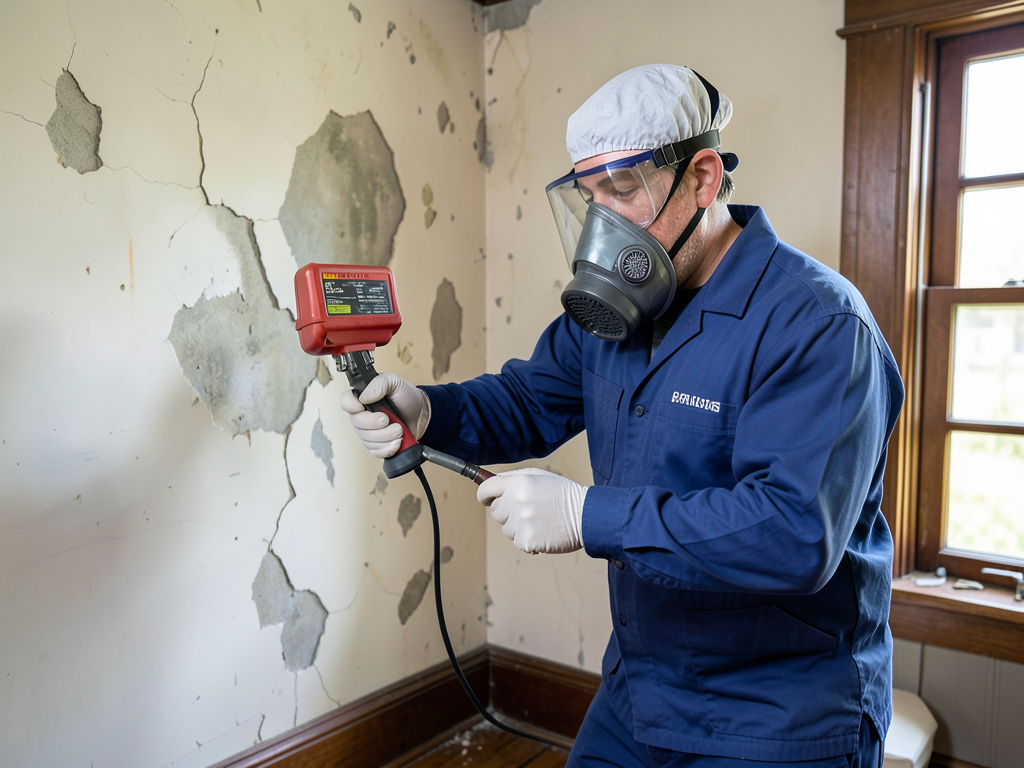
Dealing with lead and asbestos during water damage repairs in older Portland neighborhoods

Dealing with lead and asbestos during water damage repairs in older Portland neighborhoods Portland's historic neighborhoods face unique challenges when…

Why converting your University Park basement into a bedroom requires extra moisture protection

Why converting your University Park basement into a bedroom requires extra moisture protection Portland’s University Park neighborhood, nestled near the…

Contact Us

Do not let uncertainty about mold toxicity put your family's health at risk. Call Evergreen Water Damage Restoration Portland at (503) 882-7766 now for professional assessment. We will identify contamination sources, explain your specific health risks, and provide clear solutions for creating a safe home environment.