Menu

Carpet Water Extraction in Portland – Fast Response to Stop Mold and Save Your Floors

Professional carpet water removal across Portland metro addresses water damage within hours, preventing permanent structural damage and dangerous mold growth that thrives in our Pacific Northwest climate.

Slider Image 1
Slider Image 2
Slider Image 3
Slider Image 4
Slider Image 5
Slider Image 7
Slider Image 8
Slider Image 9
Slider Image 10
Slider Image 11

Why Wet Carpets in Portland Homes Create Urgent Problems

Portland's climate creates the perfect environment for water damage to spiral out of control. Our 36 inches of annual rainfall combined with cool temperatures means wet carpets rarely dry on their own. The moisture seeps through carpet fibers into padding and subfloors, creating conditions where mold colonies establish in 24 to 48 hours.

When water sits in carpet, you face three immediate threats. First, the padding acts like a sponge, holding moisture against wood subfloors and causing warping or rot. Second, Oregon's humidity levels keep that moisture trapped, even if the surface feels dry. Third, contaminated water from burst pipes or sewage backups introduces bacteria that multiply rapidly in damp carpet fibers.

Many Portland homeowners try shop vacuums or fans for flooded carpet extraction. These methods pull surface water but leave 80 to 90 percent of moisture deep in padding layers. Within days, you smell the musty odor that signals mold growth. By the time you see visible staining on walls or baseboards, spores have already colonized hidden spaces.

Professional wet carpet extraction removes water from all layers using truck-mounted equipment that generates suction 10 times stronger than portable units. The process includes padding removal when saturation exceeds salvage thresholds, antimicrobial treatment, and structural drying that brings moisture levels back to normal ranges. Emergency carpet water removal prevents the cascade of problems that turn a manageable incident into a gut-and-rebuild scenario.

Your carpet represents significant investment. More important, the structure beneath it determines whether you face a cleaning job or a construction project.

Why Wet Carpets in Portland Homes Create Urgent Problems
How Professional Water Damage Carpet Extraction Works

How Professional Water Damage Carpet Extraction Works

Effective carpet water removal requires understanding moisture migration patterns and material science. Water follows gravity and capillary action, moving horizontally through carpet backing and vertically into subfloors. Standard extraction misses this three-dimensional spread.

We deploy truck-mounted extraction units that pull 400 to 600 cubic feet per minute. This industrial suction removes water from carpet face, backing, and padding in a single pass. Technicians use weighted wands that compress carpet against the pad, forcing trapped water to the surface where extraction heads capture it. For severe flooding, we remove padding entirely because once saturated beyond 50 percent, it becomes a permanent moisture source that prevents drying.

Moisture meters guide the process. We measure relative humidity in carpet, padding, and subfloor at multiple points. Readings above 15 percent in wood or concrete indicate saturation that requires intervention. Thermal imaging cameras identify hidden water pockets that visual inspection misses, particularly where carpet meets walls or under furniture.

Air movers position strategically across affected rooms create directional airflow that carries moisture away from materials. These are not household fans. Commercial air movers push 2,000 to 3,000 cubic feet per minute in focused streams that accelerate evaporation rates by 50 to 70 percent. Dehumidifiers extract moisture from air, preventing it from redepositing on surfaces.

The process includes antimicrobial application. Even clean water develops bacterial growth within hours. We apply EPA-registered treatments that eliminate existing contamination and inhibit future growth during the drying period.

Evergreen Water Damage Restoration Portland coordinates this multi-phase approach based on water category, carpet type, and structural conditions specific to your property.

What Happens During Emergency Carpet Water Removal

Carpet Water Extraction in Portland – Fast Response to Stop Mold and Save Your Floors
01

Immediate Assessment and Extraction

Technicians arrive and identify the water source, stopping active flooding before extraction begins. Moisture meters establish baseline readings across affected areas. Truck-mounted extraction units remove standing water from carpet and padding using high-velocity suction. This initial phase removes 90 percent of extractable water, typically within 45 to 90 minutes depending on square footage and saturation depth.
02

Structural Drying Setup

Air movers position to create circular airflow patterns across wet carpet. Dehumidifiers extract moisture from ambient air. Technicians monitor temperature and humidity levels, adjusting equipment placement as readings change. Padding may require removal if moisture content exceeds salvage thresholds. This phase typically runs 48 to 72 hours with daily monitoring to track drying progress and prevent secondary damage.
03

Verification and Restoration

Final moisture readings confirm carpet, padding, and subfloors return to normal ranges below 12 percent. Antimicrobial treatment protects against delayed mold growth. Carpet receives professional cleaning to remove residual contamination. Technicians document the entire process with photos and moisture logs for insurance claims. Your space returns to pre-loss condition with verified dryness that prevents future problems.

Why Portland Residents Choose Local Water Damage Specialists

Portland's building stock presents unique challenges for water damage restoration. Homes in neighborhoods like Laurelhurst, Alameda, and Eastmoreland feature original hardwood subfloors from the 1920s and 1930s. These old-growth fir boards warp irreversibly if moisture sits for more than 48 hours. Newer construction in areas like Bethany and Happy Valley uses engineered lumber products that delaminate rapidly when wet. Understanding these material differences determines extraction approach and equipment selection.

Our Pacific Northwest climate demands different protocols than national restoration chains follow. The cool, damp conditions mean evaporation rates run 30 to 40 percent slower than dry climates. Standard drying times don't apply here. We adjust equipment density and runtime based on Portland's typical 70 to 80 percent ambient humidity, not textbook formulas designed for desert regions.

Local expertise extends to insurance processes specific to Oregon carriers. We document claims according to requirements from Safeco, State Farm, and regional providers common in Portland markets. This knowledge streamlines approval and prevents the back-and-forth delays that extend your displacement time.

Evergreen Water Damage Restoration Portland maintains relationships with local contractors for reconstruction needs that exceed carpet restoration. When water damage affects walls, electrical, or plumbing, we coordinate with trades familiar with Portland building codes and permit requirements. You get a single point of contact rather than managing multiple vendors during an already stressful situation.

Response time matters critically in water damage scenarios. Our Portland location means technicians arrive in 60 to 90 minutes across metro areas from Lake Oswego to Gresham, Vancouver to Tigard. National chains dispatch from regional hubs that add hours to response time, during which damage compounds exponentially.

What to Expect During the Carpet Water Extraction Process

Emergency Response Timeline

We answer calls 24 hours daily, including weekends and holidays. Dispatch confirms your location and sends the nearest crew immediately. Most Portland metro residents see technicians arrive within 60 to 90 minutes of the initial call. Night and weekend response carries no premium charges. The faster we extract water, the more we save in materials and prevent mold establishment. Equipment arrives ready to work. No waiting for rental units or return trips for supplies. Technicians carry moisture meters, extraction equipment, and drying gear on every truck.

Initial Evaluation and Planning

The lead technician walks through affected areas with you, explaining findings in plain language. Moisture meters quantify saturation levels in carpet, padding, and subfloors. Thermal imaging identifies hidden moisture spread. You receive a written scope detailing extraction approach, equipment needed, and estimated drying time. This assessment takes 20 to 30 minutes. We photograph conditions for insurance documentation and explain what your policy typically covers. No surprise charges or upsells. The initial quote reflects actual work required based on measurable moisture levels, not worst-case scenarios.

Verified Drying Results

We don't remove equipment based on timelines. Moisture meters determine when drying completes. Readings must show carpet and structural materials return to normal ranges specific to your property's baseline. You receive documentation showing moisture content before extraction and after drying completion. This verification protects you from callbacks for mold issues caused by premature equipment removal. Carpet returns clean, dry, and treated against microbial growth. Subfloors show no warping or elevated moisture. The restoration either meets measurable standards or we continue drying at no additional charge.

Post-Extraction Monitoring

You receive a follow-up call one week after equipment removal to confirm no new issues developed. We provide guidance on monitoring for delayed problems like musty odors or soft spots in carpet. If concerns arise within 30 days of service completion, we return to reassess at no charge. This follow-up catches rare cases where hidden moisture pockets dried slower than surrounding areas. The documentation package includes photos, moisture logs, and equipment placement diagrams. These records support insurance claims and provide verification if you sell the property that water damage was professionally mitigated.

Frequently Asked Questions

You Have Questions,
We Have Answers

How to extract water from carpet? +

Start by removing standing water with a wet vacuum or shop vac. Blot the area with clean towels, applying pressure to absorb moisture from the carpet fibers and padding. Lift the carpet if possible to dry the subfloor beneath. Use fans and dehumidifiers to circulate air and pull moisture from the space. In Portland's humid climate, mold can develop within 24-48 hours, so speed matters. For large-scale flooding or sewage backups, professional truck-mounted extraction equipment pulls water more effectively than consumer tools and prevents permanent damage to your flooring.

How much does it cost to get water out of carpet? +

For minor water incidents, DIY extraction with rented equipment costs around $30-60 per day. Professional carpet water extraction pricing varies based on the affected square footage, water source (clean, gray, or black water), and damage severity. Portland homeowners typically face additional considerations due to our older housing stock and frequent rain-related moisture issues. Most restoration companies offer free assessments and work directly with insurance carriers. The cost of improper drying far exceeds professional extraction when you factor in mold remediation, subfloor replacement, and health risks.

What draws urine out of carpet? +

Pet urine requires enzymatic cleaners that break down uric acid crystals embedded in carpet fibers and padding. Apply the enzyme solution liberally, allowing it to penetrate deeply where urine has soaked through. Blot with clean towels and repeat as needed. For severe contamination, professional extraction with antimicrobial treatments addresses both the surface and subfloor. Portland's moisture levels can intensify odor problems as humidity reactivates dried urine salts. In cases where padding is saturated, replacement is often necessary because urine penetrates backing materials that cleaners cannot fully reach.

How much is carpet extraction? +

Carpet extraction costs depend on the water volume, contamination level, and affected area size. Professional services typically charge per square foot or room, with emergency response carrying premium rates. Portland's aging infrastructure and frequent winter storms create unique challenges that affect pricing. Clean water extraction differs from sewage-contaminated situations, which require specialized handling and disposal. Insurance often covers water damage extraction when the loss is sudden and accidental. Request detailed estimates that include moisture testing, antimicrobial treatment, and drying equipment placement to understand the full scope of restoration work.

How Portland's Rain Patterns Increase Carpet Water Damage Risk

Portland receives steady rainfall from October through May, creating persistent humidity that prevents natural drying even when rain stops. Unlike regions with intense but brief storms, our drizzle pattern means homes rarely experience the dry periods that reset moisture levels. Carpets exposed to leaks during this wet season stay damp indefinitely without mechanical extraction and dehumidification. Basements in older Portland neighborhoods near Johnson Creek, the Willamette River, and Columbia Slough face additional groundwater intrusion through foundation walls. These areas see chronic moisture issues where carpet water extraction becomes necessary multiple times over a home's life.

Portland water damage restoration requires familiarity with local construction methods and materials. Many homes feature crawl spaces rather than basements, creating vapor transmission challenges where ground moisture migrates upward into floor systems. Technicians who understand this regional construction detail adjust drying strategies accordingly. Local expertise also means understanding Portland's permit requirements when water damage necessitates subfloor replacement or structural repairs. Restoration work that complies with city building codes prevents complications during future home sales or refinancing. Evergreen Water Damage Restoration Portland maintains these local relationships and knowledge that national chains simply cannot replicate.
Water Damage Restoration Services in The Portland Area

Evergreen Water Damage Restoration proudly serves Portland and the surrounding areas, providing rapid and reliable water damage solutions whenever you need us. While our physical office is located conveniently for local operations, our dedicated teams are mobile and ready to deploy across the region. View our service area on the map to understand our reach, or simply call us to confirm if we cover your specific location. We are committed to extending our expert services to every community in need.

Address:
Evergreen Water Damage Restoration Portland, 239 NW 13th Ave, Portland, OR, 97209

Additional Services We Offer

Our news updates

Latest Articles & News from The Blogs

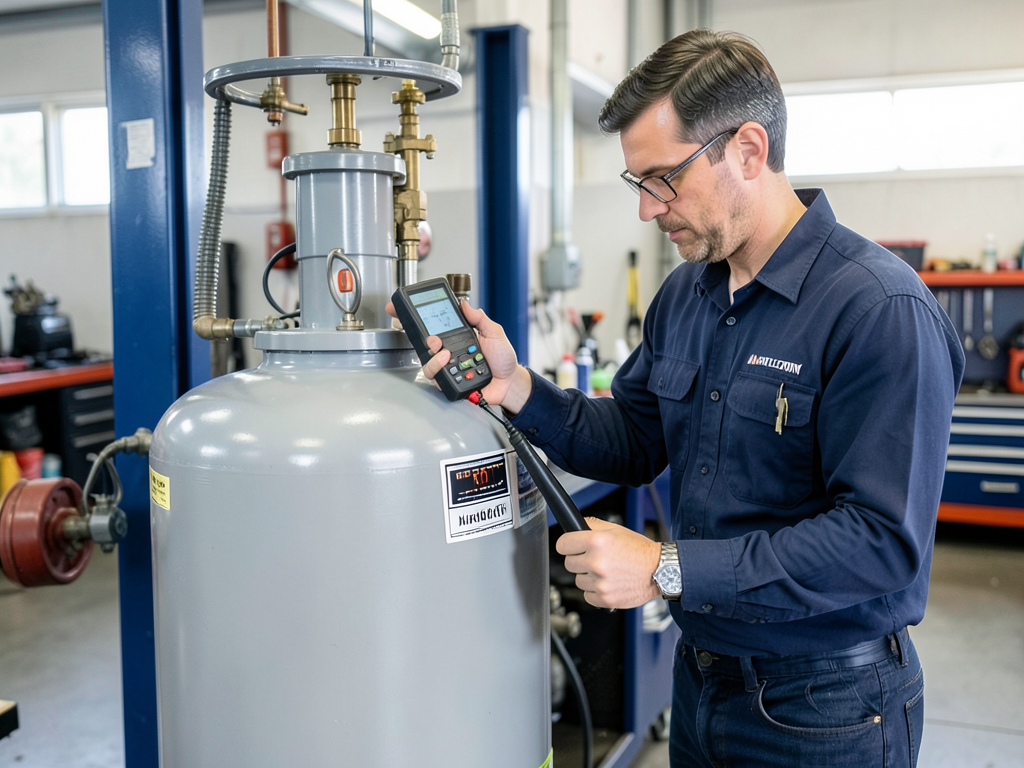
What happens when a well pump or pressure tank leaks in your Mapleton garage When a well pump or pressure…

What happens when a well pump or pressure tank leaks in your Mapleton garage

What happens when a well pump or pressure tank leaks in your Mapleton garage When a well pump or pressure…

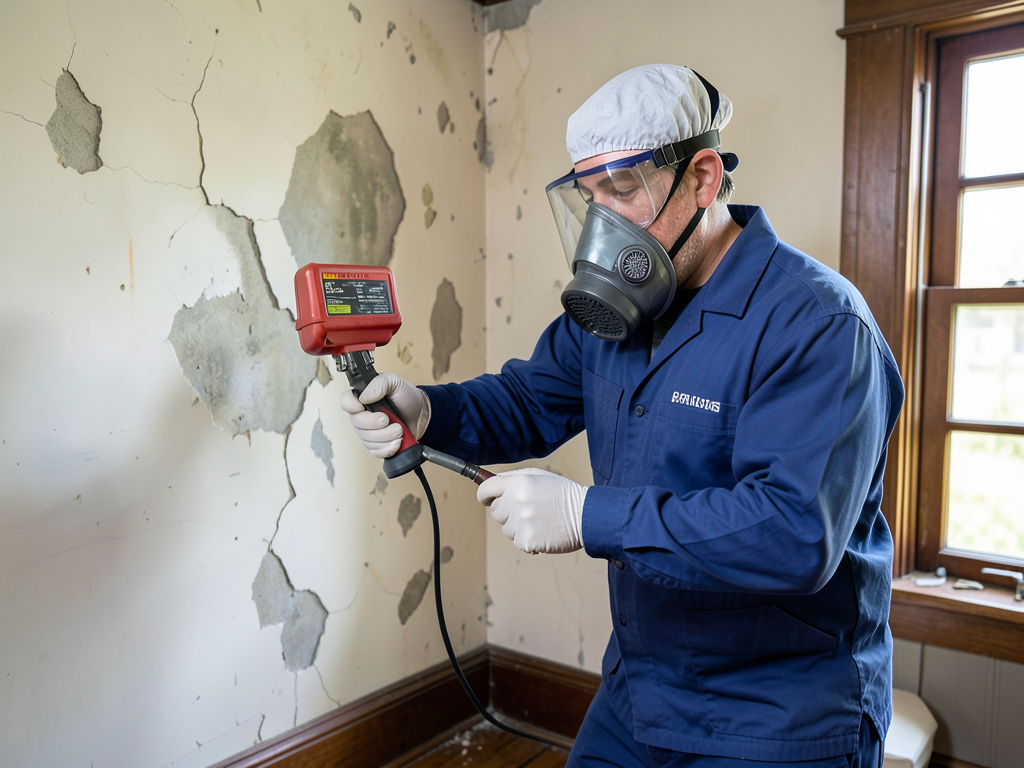
Dealing with lead and asbestos during water damage repairs in older Portland neighborhoods

Dealing with lead and asbestos during water damage repairs in older Portland neighborhoods Portland's historic neighborhoods face unique challenges when…

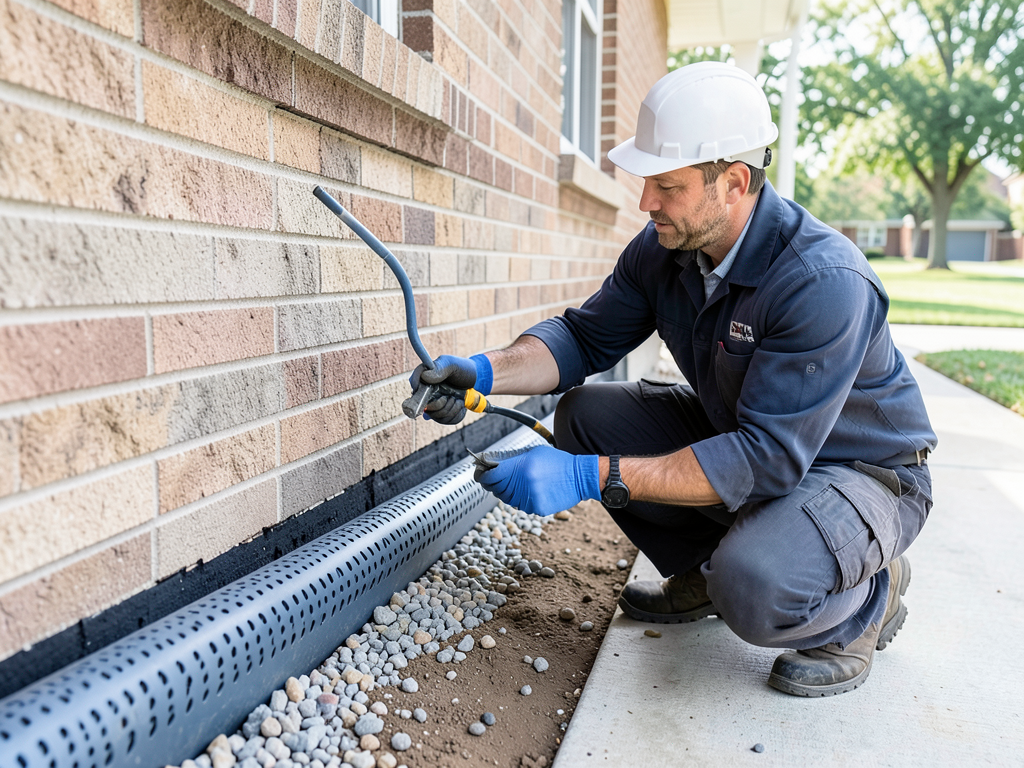
Why converting your University Park basement into a bedroom requires extra moisture protection

Why converting your University Park basement into a bedroom requires extra moisture protection Portland’s University Park neighborhood, nestled near the…

Contact Us

Water damage worsens every hour. Call (503) 882-7766 now for emergency carpet water removal across Portland metro. Our crews deploy immediately with industrial extraction equipment that stops damage progression and saves your floors.