Menu

Basement Flood Cleanup in Portland – Fast Water Extraction and Complete Structural Drying

When your basement floods, every minute counts. Our certified basement flood cleanup teams deploy across Portland with industrial extraction equipment and thermal imaging technology to remove standing water and prevent hidden moisture damage before mold takes hold.

Slider Image 1
Slider Image 2
Slider Image 3
Slider Image 4
Slider Image 5
Slider Image 7
Slider Image 8
Slider Image 9
Slider Image 10
Slider Image 11

Why Portland Basements Flood More Often Than You Think

Portland sits in the Willamette Valley, where seasonal rainfall averages 42 inches per year and the water table sits dangerously high in neighborhoods near the Willamette River and Columbia Slough. Your basement is under constant hydrostatic pressure from groundwater, especially during winter storms from November through March.

Most Portland homes were built before modern waterproofing standards. Foundation walls made of unreinforced concrete or stone allow groundwater to seep through cracks. Aging sump pumps fail during storms when you need them most. Downspouts drain too close to the foundation, saturating the soil. Sewer backups from overwhelmed municipal systems during heavy rain send contaminated water straight into your lowest level.

When your basement floods, you face three immediate threats. Standing water destroys furnaces, water heaters, and stored belongings. Hidden moisture trapped in wall cavities and beneath flooring creates mold growth within 24 to 48 hours. Structural damage weakens floor joists and foundation integrity, threatening your home's stability.

Flooded basement water removal is not just pumping out visible water. Effective basement water extraction requires removing moisture from concrete, identifying hidden saturation points, and addressing the source. Flooded basement remediation means treating contaminated materials properly and preventing cross-contamination. Basement flood restoration requires structural drying to target moisture levels, not surface drying. Flooded basement pumping is only step one. The real work happens after the water disappears.

You need a response team that understands Portland's unique flooding patterns and arrives with the right equipment.

Why Portland Basements Flood More Often Than You Think
How We Remove Water and Restore Your Basement Completely

How We Remove Water and Restore Your Basement Completely

We deploy truck-mounted extraction units capable of removing thousands of gallons per hour, far beyond what portable pumps can handle. Our crews arrive with submersible pumps for deep standing water, weighted extraction wands for carpeting, and specialized tools for tile and concrete surfaces.

After visible water removal, we use thermal imaging cameras to map hidden moisture in walls, beneath flooring, and inside rim joists. Moisture meters measure saturation levels in wood framing and concrete to within 0.1 percent accuracy. We document moisture maps to track drying progress and prove when your basement reaches safe levels.

Our industrial dehumidifiers pull 20 to 30 gallons of moisture daily from the air, far more than residential units. We position air movers to create controlled airflow across wet surfaces, accelerating evaporation without spreading contaminants. Negative air machines equipped with HEPA filters prevent cross-contamination when dealing with sewage backups or contaminated floodwater.

We inject drying equipment into wall cavities through small access holes, targeting moisture you cannot see. Drying mats placed beneath flooring extract water without removing the floor itself when possible. We monitor humidity levels continuously, adjusting equipment placement to eliminate microclimates where mold thrives.

If your flood involved sewage or contaminated water, we follow IICRC S500 protocols for category 2 and category 3 water damage. Porous materials like drywall and insulation get removed to prevent bacterial growth. Non-porous surfaces receive antimicrobial treatment.

Evergreen Water Damage Restoration Portland responds within 90 minutes across the greater Portland metro because timing determines whether you face a cleanup project or a full reconstruction. We handle insurance documentation, moisture monitoring, and structural drying so your basement returns to safe, dry conditions.

What Happens During Your Basement Flood Recovery

Basement Flood Cleanup in Portland – Fast Water Extraction and Complete Structural Drying
01

Emergency Water Extraction

We arrive with truck-mounted pumps and submersible units to remove standing water immediately. Our team extracts water from carpet, concrete, and tile using weighted tools that pull moisture from deep within materials. We pump contaminated water directly into our trucks for proper disposal, not into your yard or storm drains. Initial extraction typically removes 95 percent of standing water within the first two hours.
02

Moisture Detection and Monitoring

Thermal imaging cameras reveal moisture hidden behind walls, beneath flooring, and inside structural cavities. We take moisture readings at multiple points throughout your basement, documenting saturation levels in wood, concrete, and drywall. These measurements establish a baseline so we can track drying progress daily. We identify which materials can be saved and which require removal to prevent mold contamination.
03

Structural Drying and Restoration

Industrial dehumidifiers and air movers run continuously, precisely positioned to target wet areas. We inject warm, dry air into wall cavities and beneath flooring using specialized drying systems. Daily moisture readings confirm when your basement reaches safe levels below 15 percent moisture content. Our team removes damaged materials, treats surfaces with antimicrobial solutions when needed, and prepares your space for repairs. You receive a complete moisture log proving your basement is dry.

Why Portland Property Owners Choose Our Flood Cleanup Team

Portland's building codes require specific moisture management standards for below-grade spaces. We follow Title 24 of Portland's building code and Oregon Residential Specialty Code requirements for basement waterproofing and moisture control. Our technicians hold IICRC certifications in water damage restoration and applied structural drying, meaning we follow industry protocols that insurance companies and building inspectors recognize.

We know Portland's neighborhoods. Homes in Sellwood and Woodstock built on floodplain soils flood differently than newer construction in Bethany or Cedar Mill. Historic homes in Irvington and Alameda have stone foundations that absorb water, requiring different drying strategies than poured concrete. Properties near Johnson Creek face seasonal flooding that demands permanent waterproofing solutions, not just cleanup.

Our response time matters because Portland's humidity levels create mold growth faster than drier climates. Winter storms bring cold, wet conditions where basements stay damp for weeks without proper drying equipment. Summer humidity above 60 percent accelerates microbial growth even after water removal. We understand these local conditions and adjust our drying protocols accordingly.

We work directly with Portland-area insurance adjusters who trust our documentation. Our moisture reports include thermal images, daily readings, and equipment logs that satisfy claim requirements. We provide detailed scope documents that outline exactly what needs repair, preventing disputes over coverage.

Evergreen Water Damage Restoration Portland maintains relationships with local plumbers, electricians, and foundation specialists when your flood damage requires repairs beyond water removal. We coordinate trades so you work with one team, not five different contractors.

You get technicians who live in Portland, respond from Portland, and understand Portland's unique flooding challenges. We are not a national franchise dispatching crews from Seattle. We know your neighborhood because we work in it every day.

What to Expect When We Restore Your Flooded Basement

Response Time and Availability

We dispatch crews within 90 minutes across Portland, Beaverton, Gresham, and Lake Oswego. Our teams work 24 hours a day, including weekends and holidays, because floods do not wait for business hours. You reach a live person when you call, not an answering service. We arrive with industrial extraction equipment already loaded, ready to start water removal immediately. Most emergency extractions begin within two hours of your call, preventing additional damage while you wait.

Initial Assessment and Inspection

Our lead technician walks your basement with you, explaining what happened and what needs to happen next. We identify the water source, whether it is groundwater seepage, sewer backup, or plumbing failure. Thermal imaging reveals the full extent of water migration, including areas that appear dry. We test moisture levels in flooring, walls, and structural members to determine saturation depth. You receive a written scope outlining our restoration plan, expected timeline, and what materials require removal. We photograph everything for insurance documentation before starting work.

Completion Standards and Results

Your basement is dry when moisture readings consistently measure below 15 percent in wood framing and below 4 percent in concrete for three consecutive days. We do not pull equipment early to move to the next job. Drying takes as long as it takes, typically three to seven days depending on saturation levels and basement size. You receive final moisture documentation proving your space meets industry drying standards. All contaminated materials get removed and disposed of properly. Surfaces are treated, cleaned, and ready for reconstruction. Your basement smells clean, not musty.

Post-Restoration Support and Prevention

After restoration, we provide recommendations to prevent future flooding based on what caused your damage. This might include sump pump upgrades, downspout extensions, foundation waterproofing, or improved drainage systems. We connect you with trusted contractors when repairs require licensed plumbers or foundation specialists. Our documentation package includes all photos, moisture logs, and scope details your insurance company needs. If you have questions weeks later about moisture, odors, or concerns, you call the same team that did your work. We follow up to confirm your basement stays dry.

Frequently Asked Questions

You Have Questions,
We Have Answers

How to clean up after a flooded basement? +

Start by shutting off electricity to the basement. Remove standing water using a submersible pump or wet vacuum. Pull out wet furniture, boxes, and belongings immediately. Strip water-damaged drywall and insulation to prevent mold. Portland's high humidity makes thorough drying essential. Set up commercial dehumidifiers and air movers to circulate air. Disinfect all surfaces with antimicrobial solutions. Document everything with photos for insurance. If you had sewage backup or more than two inches of water, call a professional. Your basement structure may need inspection for foundation damage common in Pacific Northwest soil conditions.

How much does it cost to clean up a flooded basement? +

Basement flood cleanup in Portland typically ranges based on water volume, contamination level, and damage extent. Minor flooding with clean water starts lower, while sewage backups or deep flooding costs more. Factors include water extraction needs, structural drying time, mold remediation, damaged materials like drywall or flooring, and labor hours. Portland's older home stock often means additional complications like knob-and-tube wiring or asbestos materials. Insurance coverage affects your out-of-pocket expense. Most restoration companies offer free inspections and work directly with your insurance adjuster to document losses and justify necessary work for your claim.

How much does Servpro cost to clean a basement? +

Servpro pricing varies by job scope, water category, and local franchise rates. They charge based on water extraction volume, equipment deployment, drying time, and material removal. Portland Servpro locations may price differently than national averages. Like most restoration companies, they do not publish fixed rates because every flood situation differs. Your specific costs depend on basement size, contamination type, structural damage, and insurance coverage. Get multiple estimates from local Portland water damage companies. Compare scope of work, not just bottom line numbers. Ask about hidden fees and ensure estimates include antimicrobial treatment and final moisture testing.

What type of professional fixes flooded basements? +

Water damage restoration specialists handle flooded basements. These professionals combine plumbing knowledge, structural drying expertise, and mold remediation skills. They hold certifications from the Institute of Inspection Cleaning and Restoration Certification. Look for companies with experience in Portland's specific challenges, including high water tables near the Willamette River and Columbia River flooding patterns. Many restoration companies also coordinate with plumbers to fix broken pipes, electricians to restore power safely, and contractors for reconstruction. Choose a company licensed in Oregon, insured for water damage work, and experienced with both residential claims and commercial properties throughout the Portland metro area.

How do I prevent mold after a basement flood? +

Act within 24 hours. Remove all standing water immediately using pumps and wet vacuums. Strip wet drywall, insulation, and carpeting that cannot be dried quickly. Portland's mild, damp climate accelerates mold growth. Run commercial dehumidifiers continuously until moisture meters show readings below 15 percent. Increase air circulation with fans. Apply antimicrobial treatments to all affected surfaces. Disinfect with bleach solutions or professional-grade fungicides. Monitor humidity levels daily. Do not seal or paint over wet materials. If you smell musty odors or see discoloration, mold has started. Professional inspection ensures hidden moisture in wall cavities gets addressed before reconstruction.

How long does it take for mold to grow after flooding? +

Mold begins growing within 24 to 48 hours after flooding. Portland's year-round humidity shortens this window. Invisible mold spores activate immediately when materials stay wet. You may not see visible growth for several days, but microscopic colonization starts fast. Porous materials like drywall, insulation, and carpet absorb water quickly and hold moisture longer. Basements with poor ventilation or existing dampness problems grow mold faster. Temperature matters too. Warmer conditions speed growth. This tight timeframe makes emergency response critical. Professional water extraction and structural drying within the first day significantly reduces mold risk and protects your home's indoor air quality.

Will insurance pay for a flooded basement? +

It depends on your policy and flood cause. Homeowners insurance typically covers sudden internal failures like burst pipes, water heater leaks, or sewer backups with proper endorsements. Groundwater seepage, sump pump failures, and rainfall flooding through windows usually need separate flood insurance through the National Flood Insurance Program. Portland sits in flood zones near the Willamette River and Columbia River. Review your policy declarations page. Document damage immediately with photos and videos. Contact your agent within 24 hours. Professional restoration companies work directly with adjusters and understand Oregon insurance requirements. They help maximize your claim and ensure proper documentation.

How long does it take to dry out a basement after a flood? +

Professional drying takes three to seven days for most Portland basements. Variables include water volume, humidity levels, materials affected, and ventilation. Concrete foundations absorb water and release it slowly. Drywall dries faster than hardwood or tile on concrete. Portland's damp climate extends drying time compared to arid regions. Professionals use moisture meters to track progress in walls, floors, and structural materials. Air movers and commercial dehumidifiers run continuously. Rushing the process traps moisture and guarantees mold growth. Never start reconstruction until moisture readings reach normal levels. Proper drying prevents callback issues and protects your investment in repairs.

What is the most expensive part of finishing a basement? +

This question addresses basement finishing, not flood cleanup. The most expensive element typically involves fixing water damage first. For finishing work, bathroom plumbing and electrical upgrades cost the most. Egress windows required by Oregon building code add expense. Waterproofing systems prevent future flooding. However, if you are asking about flood restoration costs, structural drying equipment rental and mold remediation consume the largest portion. Labor-intensive water extraction and material removal drive expenses up. Portland's older homes often reveal hidden issues like foundation cracks or inadequate drainage during cleanup. Address moisture problems before finishing any basement to avoid repeating costly flood repairs.

How much does it cost to finish a 2000 sq ft basement? +

This question asks about finishing square footage, not flood cleanup costs. Finishing a 2000 square foot basement as living space ranges significantly based on finishes, bathrooms, kitchens, and egress requirements under Oregon building code. However, if you experienced flooding and need restoration first, expect costs based on damage extent, not square footage alone. Water damage pricing depends on contamination category, affected materials, and drying time. A 2000 square foot flooded basement with sewage backup costs more than clean water from a broken pipe. Get a professional assessment. Restoration must happen before any finishing work. Skipping proper flood cleanup guarantees mold and structural problems.

How Portland's High Water Table Affects Basement Flood Recovery

The Willamette Valley's groundwater table rises during Portland's wet season, creating hydrostatic pressure against foundation walls from October through April. Basements in neighborhoods near the Willamette River, including Sellwood, Milwaukie, and St. Johns, sit just feet above the water table during peak rainfall. This constant pressure forces water through foundation cracks, cold joints, and porous concrete even without heavy storms. Effective flooded basement remediation in Portland requires understanding that you are drying a space under continuous moisture pressure. Standard drying equipment alone will not work if groundwater keeps migrating through your foundation. Basement flood restoration must include identifying entry points and preventing recontamination while structural drying progresses.

Portland's building codes evolved after significant flooding in 1996 and 2012, establishing stricter requirements for basement waterproofing and sump systems. Properties built before these updates often lack proper drainage systems, making professional basement water extraction critical when flooding occurs. Our teams train specifically on Portland's soil conditions, foundation types common to different construction eras, and local code requirements that affect restoration work. Insurance adjusters in the Portland metro recognize our documentation because we follow protocols they see across hundreds of claims annually. Choosing a local restoration company means working with technicians who understand your neighborhood's flooding patterns and have restored basements on your street before.
Water Damage Restoration Services in The Portland Area

Evergreen Water Damage Restoration proudly serves Portland and the surrounding areas, providing rapid and reliable water damage solutions whenever you need us. While our physical office is located conveniently for local operations, our dedicated teams are mobile and ready to deploy across the region. View our service area on the map to understand our reach, or simply call us to confirm if we cover your specific location. We are committed to extending our expert services to every community in need.

Address:
Evergreen Water Damage Restoration Portland, 239 NW 13th Ave, Portland, OR, 97209

Additional Services We Offer

Our news updates

Latest Articles & News from The Blogs

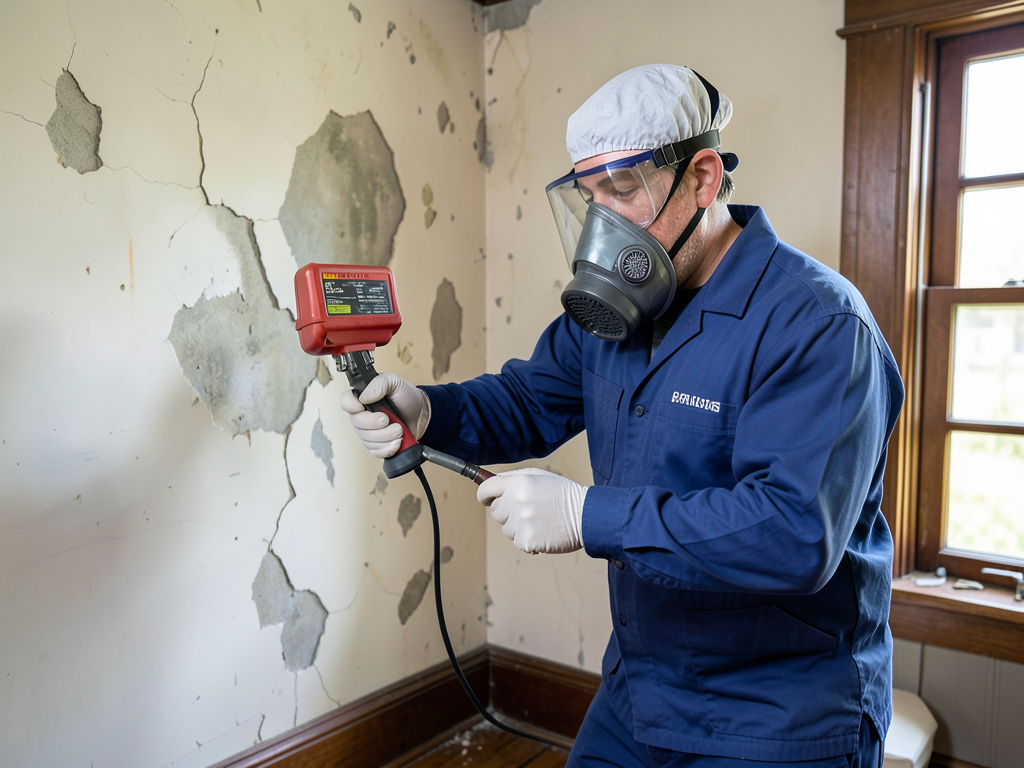
What happens when a well pump or pressure tank leaks in your Mapleton garage When a well pump or pressure…

What happens when a well pump or pressure tank leaks in your Mapleton garage

What happens when a well pump or pressure tank leaks in your Mapleton garage When a well pump or pressure…

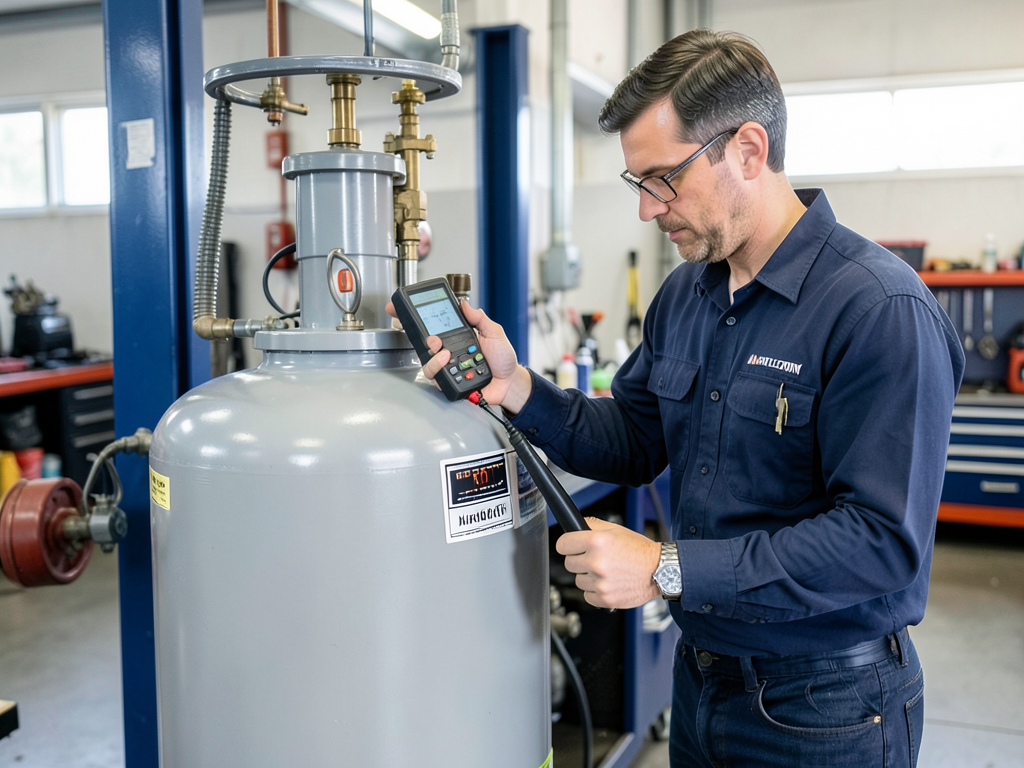
Dealing with lead and asbestos during water damage repairs in older Portland neighborhoods

Dealing with lead and asbestos during water damage repairs in older Portland neighborhoods Portland's historic neighborhoods face unique challenges when…

Why converting your University Park basement into a bedroom requires extra moisture protection

Why converting your University Park basement into a bedroom requires extra moisture protection Portland’s University Park neighborhood, nestled near the…

Contact Us

Standing water and hidden moisture cause permanent damage every hour you wait. Our crews are ready now with industrial extraction and drying equipment. Call (503) 882-7766 for immediate dispatch across Portland. We arrive fast, work thoroughly, and get your basement dry.