Menu

Visible Mold Growth on Walls in Portland – Expert Diagnosis and Complete Remediation

Stop guessing about those black mold spots on drywall and fungal growth on wall surfaces. Get a professional moisture assessment, containment protocol, and targeted visible mold growth on walls removal that protects your Portland home from recurring contamination.

Slider Image 1
Slider Image 2
Slider Image 3
Slider Image 4
Slider Image 5
Slider Image 7
Slider Image 8
Slider Image 9
Slider Image 10
Slider Image 11

Why Portland Walls Show Mold Faster Than Most Cities

You walked past that corner in your hallway for weeks before you noticed it. A dark patch. Maybe green. Maybe black. Now you see mold patches on sheetrock in the bathroom, visible mildew on painted walls near the window, and you wonder how long this has been growing.

Portland gets 43 inches of rain per year. That moisture does not just stay outside. It seeps into wall cavities through aging window seals, roof valleys, and foundation cracks. When exterior walls stay damp for days after a storm, the drywall paper becomes a food source. Add Portland's mild winters where homes cycle between heating and no heating, and you create the perfect temperature range for spore colonization.

The black mold spots on drywall you see are surface indicators. The real problem hides behind the paint. Fungal growth on wall surfaces spreads laterally through porous materials. By the time you notice a visible wall mold infestation, the contamination often extends 2 to 3 feet beyond what you can see. This happens faster in Portland because our homes were built for rain defense, not vapor management. Older homes in neighborhoods like Laurelhurst and Irvington lack vapor barriers entirely.

You did not cause this. Portland's climate did. But ignoring visible mold growth on walls allows spores to spread into HVAC ducts, carpets, and furniture. Respiratory irritation, headaches, and allergic reactions follow. The fix requires more than bleach and a sponge. It requires identifying the moisture source, removing contaminated materials, and treating the structure so mold cannot return.

Why Portland Walls Show Mold Faster Than Most Cities
How We Remove Mold Without Spreading Spores

How We Remove Mold Without Spreading Spores

Most homeowners make the problem worse by scrubbing mold with a rag. That releases millions of airborne spores into your living space. Professional remediation starts with containment.

We establish negative air pressure zones using HEPA-filtered air scrubbers. This prevents cross-contamination to unaffected rooms. We seal doorways with polyethylene sheeting and run exhaust directly outside. Before we touch a single mold patch, the environment is controlled.

Next, we locate the moisture source. Mold is a symptom, not the disease. We use thermal imaging cameras to identify temperature differentials in wall cavities. Cold spots indicate moisture intrusion. We check for leaking supply lines, condensation on cold water pipes, exterior water penetration through failed caulking, and vapor drive from basements or crawlspaces. If we do not fix the water problem, the mold returns in 6 months.

Removal depends on contamination depth. Surface mold on non-porous materials like tile or glass gets cleaned with antimicrobial agents. But drywall is porous. Once fungal growth penetrates the paper face and gypsum core, the material must be cut out and discarded. We remove affected sections 2 feet beyond visible contamination to ensure complete elimination.

After demolition, we treat framing with EPA-registered fungicides. Then we dry the cavity to below 16 percent moisture content using commercial dehumidifiers and air movers. Only then do we rebuild. We install mold-resistant drywall in high-risk areas and apply vapor barriers where none existed. The goal is not just removal. The goal is prevention.

What Happens During Your Mold Inspection and Removal

Visible Mold Growth on Walls in Portland – Expert Diagnosis and Complete Remediation
01

Moisture Mapping and Containment

We measure moisture levels in all affected walls using pin and pinless meters. Readings above 17 percent confirm active water intrusion. Thermal imaging reveals hidden moisture pockets behind baseboards and inside wall cavities. We then seal off the work area with plastic barriers and set up negative air machines to capture airborne spores before demolition begins.
02

Contaminated Material Removal

We cut out drywall sections 24 inches beyond visible mold growth to eliminate hidden contamination. Insulation gets bagged and removed if moisture penetrated the wall cavity. Framing members get wire-brushed and treated with fungicide. All materials go into sealed bags and leave through the containment exit to prevent spore spread. HEPA vacuums clean studs and subfloors before reconstruction.
03

Structural Drying and Rebuild

We dry the exposed framing to below 16 percent moisture using targeted airflow and dehumidification. This takes 48 to 72 hours depending on initial moisture levels. Once verified dry, we install mold-resistant drywall, apply primer, and finish to match your existing walls. We provide post-remediation moisture readings and document the water source repair to confirm the problem is solved.

Why Portland Homeowners Choose Evergreen Water Damage Restoration Portland

You need someone who understands how Portland homes fail. Roof valleys clog with Douglas fir needles and moss. Gutters overflow during November storms. Crawlspace vents stay open year-round, pumping humid air into floor cavities. These are not problems you read about in a manual. These are problems you learn by working in Portland for years.

We know that homes in the West Hills deal with hillside water runoff that saturates foundation walls. We know that eastside homes built in the 1950s have galvanized pipes that corrode and leak inside walls. We know that condos near the Willamette River fight elevated humidity every spring when the water level rises.

When we inspect your mold problem, we are not just looking at the wall. We are looking at your roof age, your gutter capacity, your crawlspace ventilation, and your bathroom exhaust routing. We ask how long you run your shower. We check if your dryer vents outside or into the attic. These details matter because mold does not grow without a reason.

Our team holds IICRC certifications in water damage restoration and applied microbial remediation. We follow ANSI/IICRC S520 standards for mold remediation, which means controlled demolition, proper containment, and thorough drying before rebuild. We coordinate with your insurance adjuster and provide detailed moisture logs and photo documentation for your claim.

You will not get a pressure sales pitch. You will get an honest assessment. If the mold is minor and you can clean it yourself, we will tell you. If it requires professional containment and removal, we will explain why. We work in Portland homes every day. We have seen what happens when mold gets ignored, and we have seen what works to stop it permanently.

What to Expect During Mold Remediation

Response Time and Scheduling

We schedule inspections within 24 hours of your call. Mold does not wait, and neither should you. The inspection takes 60 to 90 minutes depending on the size of your home. We provide a written scope of work and moisture map before we start any demolition. Most residential mold jobs take 3 to 5 days from containment setup to final rebuild. Larger infestations or homes with multiple moisture sources take longer. We give you a realistic timeline upfront so you can plan accordingly.

The Inspection and Assessment Process

We walk through your home with moisture meters, thermal cameras, and visual inspection tools. We document every area of concern with photos and moisture readings. You get a detailed report that shows where moisture is entering, how far contamination has spread, and what materials need removal. We explain the difference between surface mold and structural contamination so you understand what needs to happen. If you want third-party mold testing, we can coordinate that, but most jobs do not require it. Visible mold is enough to warrant removal.

The Quality of the Final Result

When we finish, your walls look like the mold never existed. We match texture and paint sheen to blend repairs with existing surfaces. More importantly, the moisture source gets fixed. We provide post-remediation moisture readings that confirm the structure is dry. You get documentation showing we followed IICRC S520 standards, which protects your home value and satisfies insurance requirements. We do not hide problems. We solve them. If we find additional issues during demolition, we stop and discuss options before proceeding.

Ongoing Monitoring and Prevention

Mold remediation only works if the water problem stays fixed. We provide a post-job checklist that explains how to monitor humidity levels, when to run exhaust fans, and what to watch for. We recommend checking moisture levels in previously affected areas every 6 months using an inexpensive pin meter. If you see moisture levels climbing above 16 percent, you call us before mold returns. We also offer annual moisture inspections for clients who want ongoing monitoring. Prevention costs less than remediation.

Frequently Asked Questions

You Have Questions,
We Have Answers

What to do if I see mold on my wall? +

Stop touching it. Mold spores spread when disturbed. Open windows to ventilate if weather allows, then document the area with photos. Check for moisture sources like roof leaks, plumbing issues, or condensation from Portland's wet winters. Small patches under 10 square feet can be surface-cleaned with detergent, but visible mold often signals hidden growth behind drywall. If the patch is larger than a dinner plate, or if you smell musty odors elsewhere, call a certified mold remediation specialist. Portland's humidity keeps mold active year-round, so address the moisture source immediately or it returns.

Can mold make a baby cough? +

Yes. Infants exposed to mold spores can develop respiratory symptoms including persistent coughing, wheezing, and congestion. Babies have underdeveloped immune systems and smaller airways, making them vulnerable to airborne irritants. Portland's damp climate creates ideal conditions for mold growth in homes, especially in poorly ventilated nurseries or older buildings. If your baby coughs without other illness signs, inspect walls, windows, and closets for visible growth or musty smells. Remove the baby from the affected room immediately. Consult your pediatrician to rule out other causes, then address the mold problem with professional testing and remediation.

Can mold cause twitching? +

Mold exposure can trigger neurological symptoms in sensitive individuals, including muscle twitching or tremors. Mycotoxins from certain mold species affect the nervous system, causing involuntary movements, difficulty concentrating, and coordination problems. However, twitching has many causes. If you notice mold in your Portland home and experience unexplained twitching, see a doctor first to rule out other conditions. Document your symptoms and when they occur. If multiple household members show similar neurological signs, suspect environmental factors. Professional mold testing identifies species and toxin levels. Remove yourself from exposure while investigating the root cause.

What does toxic mold look like on walls? +

Toxic black mold, often Stachybotrys chartarum, appears dark greenish-black with a slimy or wet texture. It grows on cellulose materials like drywall, wood, and insulation after water damage. The surface looks slightly fuzzy or velvety. Portland homes with past flooding, roof leaks, or crawl space moisture are at higher risk. However, color alone does not confirm toxicity. White, green, or brown molds can also produce harmful mycotoxins. If you see dark patches with a musty smell, assume it requires professional assessment. Never scrape or disturb suspected toxic mold without containment, as airborne spores spread quickly.

What kills mold permanently on walls? +

Nothing kills mold permanently if moisture remains. Surface mold dies when treated with EPA-registered fungicides, hydrogen peroxide, or concrobium, but spores regrow within days if humidity stays above 60 percent. Portland's rainy climate makes moisture control critical. You must fix leaks, improve ventilation, and reduce indoor humidity with dehumidifiers. For porous materials like drywall or insulation, removal is often the only permanent solution since mold roots penetrate deep. Hard surfaces can be cleaned and treated if caught early. Professional remediation includes containment, HEPA filtration, antimicrobial application, and moisture barrier installation to prevent recurrence.

Will mold go away if it dries out? +

No. Mold becomes dormant when dry but does not die. Spores remain viable for years, reactivating immediately when moisture returns. Portland homes experience seasonal humidity swings, so mold that dries out in summer can regrow during fall rains. Dead mold also poses health risks because spores and mycotoxin fragments remain allergenic and toxic even without active growth. Drying out a moldy area without proper cleaning and remediation leaves contamination in place. You must remove affected materials, treat surfaces with antimicrobial solutions, and control moisture long-term. Dormant mold is still dangerous mold.

What are the first signs of mold sickness? +

Early mold sickness mimics allergies or a cold. Watch for persistent sneezing, runny nose, itchy eyes, and throat irritation that worsens at home but improves when you leave. You may notice chronic fatigue, headaches, or sinus pressure. Portland residents often mistake mold symptoms for seasonal allergies due to the damp climate. Skin rashes, coughing, and difficulty breathing indicate more serious exposure. If multiple household members experience unexplained symptoms simultaneously, inspect your home for visible growth or musty odors. Track symptom patterns. Mold sickness escalates with prolonged exposure, so investigate and remediate quickly.

How do I tell if mold is in my lungs? +

You cannot self-diagnose a lung mold infection. Pulmonary symptoms like persistent cough, chest tightness, shortness of breath, or wheezing suggest possible fungal exposure, but these mimic asthma, pneumonia, or bronchitis. People with compromised immune systems, chronic lung disease, or severe allergies face higher risk of fungal lung infections like aspergillosis. If you have respiratory symptoms and confirmed mold exposure in your Portland home, see a pulmonologist. Diagnosis requires chest imaging, sputum cultures, or bronchoscopy. Remove yourself from mold exposure immediately. Medical treatment and environmental remediation must happen together for recovery.

Can I clean up mold myself? +

You can clean small surface mold patches under 10 square feet yourself if you are healthy and the mold has not penetrated porous materials. Use detergent and water or diluted hydrogen peroxide. Wear an N95 mask, gloves, and eye protection. Never mix cleaning products. If mold covers drywall, insulation, or wood framing, or if it resulted from sewage or flooding, hire professionals. Portland homes often have hidden mold behind walls due to rain intrusion. DIY cleaning does not address root moisture problems or hidden colonies. If anyone in your household has asthma, allergies, or immune issues, avoid DIY mold work entirely.

What are the mental symptoms of mold poisoning? +

Mold exposure can cause brain fog, memory problems, difficulty concentrating, anxiety, and depression. Mycotoxins disrupt neurotransmitter function and trigger inflammatory responses affecting mood and cognition. Some people report mood swings, irritability, or confusion after prolonged exposure. Portland's wet climate creates year-round mold risk in poorly ventilated homes, especially older buildings. Mental symptoms often develop gradually, making the connection hard to recognize. If you experience unexplained cognitive or emotional changes alongside physical symptoms like headaches or fatigue, inspect your home for mold. Consult a doctor to rule out other causes. Professional remediation and removal from exposure improve symptoms.

How Portland's Year-Round Humidity Fuels Wall Mold Growth

Portland averages 75 percent relative humidity from October through May. Indoor humidity should stay below 50 percent to prevent mold growth. When exterior humidity pushes through wall cavities via air leaks or vapor diffusion, the drywall absorbs moisture. Older Portland homes lack continuous exterior insulation, so cold exterior sheathing creates a condensation plane when warm indoor air contacts it. This is why black mold spots on drywall appear most often on north-facing walls and in corners where airflow is limited. Homes in the Pearl District, Hawthorne, and Sellwood face higher mold risk because older construction methods did not account for vapor management. The climate has not changed, but building science has.

We have worked in Portland homes since 2015. We understand how local building codes evolved and what older homes lack. We know which neighborhoods deal with high water tables and which subdivisions used substandard vapor barriers during the 1980s building boom. When you call a national franchise, you get a technician reading from a manual. When you call Evergreen Water Damage Restoration Portland, you get someone who has pulled drywall in hundreds of local homes and knows what to expect before the first cut. That experience means fewer surprises, accurate quotes, and repairs that last.
Water Damage Restoration Services in The Portland Area

Evergreen Water Damage Restoration proudly serves Portland and the surrounding areas, providing rapid and reliable water damage solutions whenever you need us. While our physical office is located conveniently for local operations, our dedicated teams are mobile and ready to deploy across the region. View our service area on the map to understand our reach, or simply call us to confirm if we cover your specific location. We are committed to extending our expert services to every community in need.

Address:
Evergreen Water Damage Restoration Portland, 239 NW 13th Ave, Portland, OR, 97209

Additional Services We Offer

Our news updates

Latest Articles & News from The Blogs

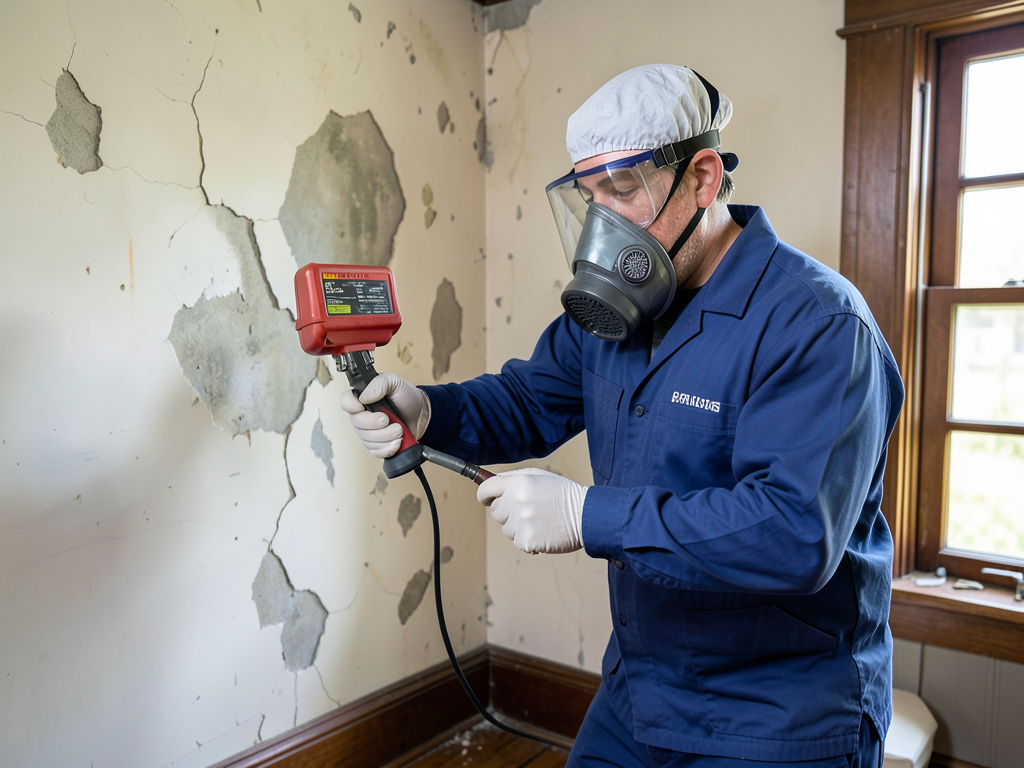
What happens when a well pump or pressure tank leaks in your Mapleton garage When a well pump or pressure…

What happens when a well pump or pressure tank leaks in your Mapleton garage

What happens when a well pump or pressure tank leaks in your Mapleton garage When a well pump or pressure…

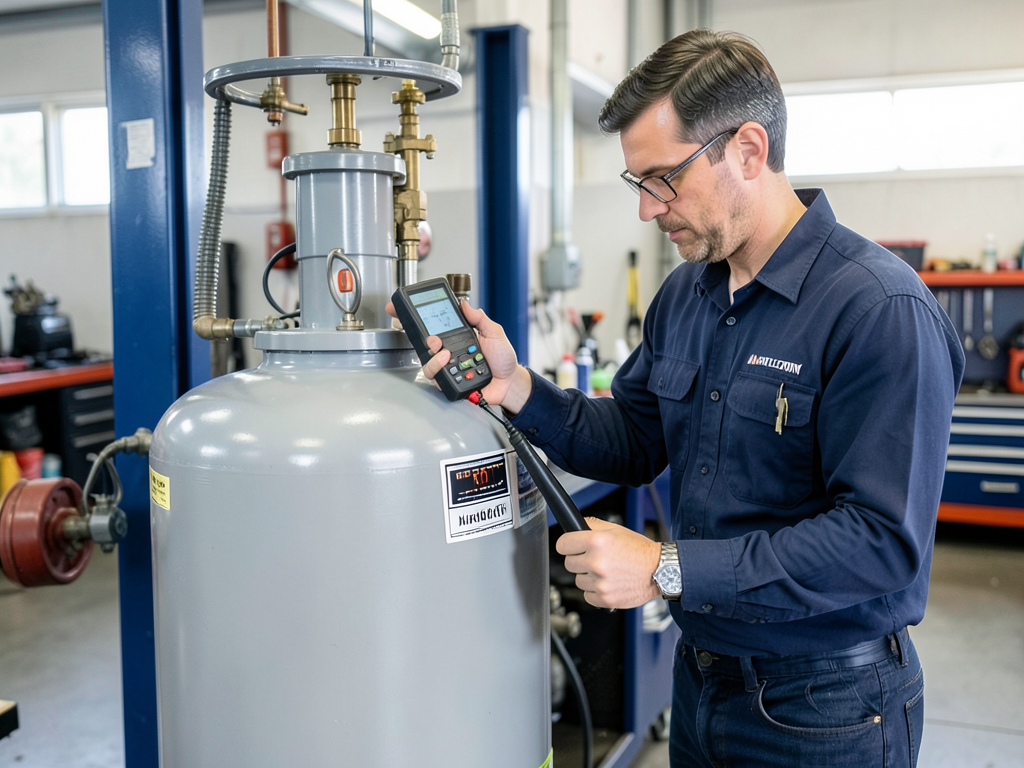
Dealing with lead and asbestos during water damage repairs in older Portland neighborhoods

Dealing with lead and asbestos during water damage repairs in older Portland neighborhoods Portland's historic neighborhoods face unique challenges when…

Why converting your University Park basement into a bedroom requires extra moisture protection

Why converting your University Park basement into a bedroom requires extra moisture protection Portland’s University Park neighborhood, nestled near the…

Contact Us

Do not wait for the problem to spread. Call Evergreen Water Damage Restoration Portland at (503) 882-7766 for a detailed moisture assessment and mold remediation plan. We provide honest answers and proven solutions for Portland homeowners.