Menu

Mold Remediation & Removal in Portland – Certified Protocols for Pacific Northwest Moisture Challenges

Professional mold remediation & removal services designed for Portland's unique climate, using IICRC-certified protocols to eliminate mold contamination, restore indoor air quality, and protect your property from recurring growth.

Slider Image 1
Slider Image 2
Slider Image 3
Slider Image 4
Slider Image 5
Slider Image 7
Slider Image 8
Slider Image 9
Slider Image 10
Slider Image 11

Why Portland Properties Face Persistent Mold Threats

Portland's marine climate creates ideal conditions for mold proliferation. With average annual rainfall exceeding 42 inches and relative humidity consistently above 70 percent during fall and winter months, mold spores find abundant moisture to colonize building materials. The Willamette Valley's geographic bowl traps moisture-laden air, and temperature inversions keep dampness pressed against structures for extended periods.

Older Portland homes, particularly those in Irvington, Laurelhurst, and Alameda, were built before modern vapor barriers became standard practice. These structures absorb moisture through foundation walls, crawl spaces, and attics. Modern construction in areas like Pearl District and South Waterfront face different challenges. Tight building envelopes, while energy-efficient, trap humidity from cooking, bathing, and breathing, creating condensation points where mold colonizes.

Mold mitigation requires understanding which species you face. Stachybotrys chartarum (black mold) thrives in Portland's damp conditions and produces mycotoxins that affect respiratory health. Aspergillus and Penicillium species colonize water-damaged drywall and insulation. Professional mold removal identifies the contamination extent through air sampling and surface testing before containment begins.

Hidden mold growth behind walls, under flooring, and above ceilings poses the greatest risk. You smell the musty odor or notice discoloration, but the contamination extends far beyond visible signs. Mold decontamination addresses both surface growth and airborne spore concentrations that continuously recontaminate cleaned areas without proper remediation protocols.

Why Portland Properties Face Persistent Mold Threats
Our IICRC-Certified Mold Abatement Process

Our IICRC-Certified Mold Abatement Process

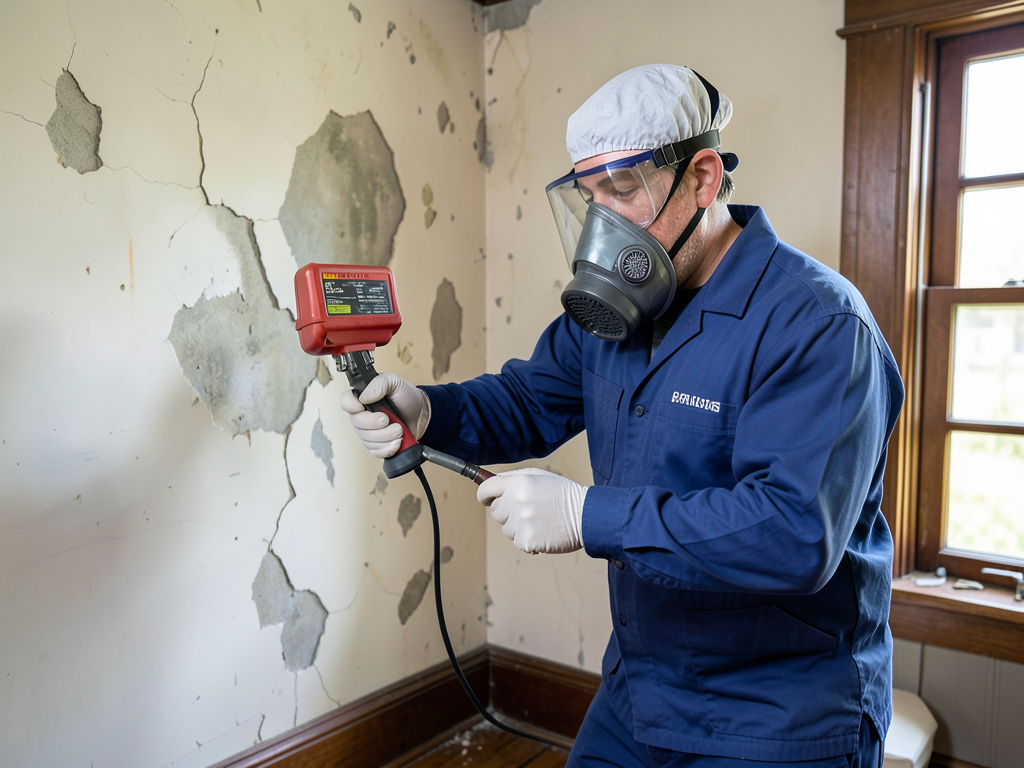
Effective mold remediation begins with containment engineering. We establish negative air pressure chambers using polyethylene barriers and HEPA-filtered air scrubbers that create pressure differentials preventing spore migration to clean areas. This containment protects unaffected rooms during aggressive removal procedures.

Moisture mapping with thermal imaging cameras and pin-type meters identifies water sources feeding mold growth. We trace moisture intrusion pathways through building cavities, often finding multiple entry points. Portland's seasonal rain patterns create distinct moisture signatures. Winter leaks from ice dams on north-facing roofs. Spring groundwater infiltration through foundation cracks. Summer condensation in poorly ventilated crawl spaces beneath homes in Mount Tabor and Eastmoreland neighborhoods.

Mold cleanup services follow strict removal hierarchies. Porous materials like drywall, insulation, and carpet padding that absorbed mold growth get removed and bagged in six-mil polyethylene before leaving containment. Semi-porous materials like wood framing get wire-brushed, HEPA-vacuumed, and treated with antimicrobial solutions. Non-porous surfaces undergo detergent washing and disinfection.

HEPA filtration captures 99.97 percent of particles 0.3 microns and larger, removing airborne mold spores during demolition. We run air scrubbers continuously, exchanging containment air 4-6 times per hour. After material removal, we fog containment areas with EPA-registered antimicrobials, then conduct post-remediation verification testing. Clearance testing by third-party industrial hygienists confirms spore counts returned to normal background levels before reconstruction begins.

Air quality restoration requires addressing the moisture source permanently, whether upgrading gutters, installing vapor barriers, or improving mechanical ventilation systems.

What Happens During Your Mold Remediation Project

Mold Remediation & Removal in Portland – Certified Protocols for Pacific Northwest Moisture Challenges
01

Assessment and Testing

We inspect your property with moisture meters and thermal cameras to map contamination extent. Air sampling and surface swabs identify mold species and spore concentrations. You receive a detailed scope of work explaining affected materials, removal requirements, and the containment plan. We document conditions with photographs and diagrams showing exactly where mold colonized building assemblies. This assessment determines whether you face a localized problem or systemic contamination requiring extensive demolition.
02

Containment and Removal

We seal off affected areas with polyethylene barriers and create negative air pressure using HEPA air scrubbers. Contaminated materials get removed following IICRC S520 standards. Porous materials soaked with mold get bagged and disposed of. Structural elements get cleaned with wire brushes, HEPA-vacuumed, and treated with antimicrobial solutions. Throughout removal, air scrubbers continuously filter airborne spores. We maintain containment integrity until post-remediation testing confirms successful decontamination.
03

Verification and Prevention

Independent industrial hygienists conduct clearance testing, collecting air samples from remediated areas and comparing spore counts to outdoor baseline levels. You receive lab reports confirming your property meets safe reoccupancy standards. We identify the moisture source that caused mold growth and recommend permanent corrections, whether improving drainage, upgrading ventilation, or repairing building envelope failures. Our documentation satisfies insurance requirements and provides records for future property transactions. You know exactly what was done and why.

Why Portland Property Owners Choose Evergreen Water Damage Restoration Portland

Portland's building stock presents unique mold challenges that generic restoration companies mishandle. We understand how balloon framing in Southeast Portland bungalows allows mold migration between floors. We know which crawl space vapor barrier systems work in Portland's clay soils versus which create trapped condensation. Our technicians recognize the difference between cosmetic mildew on bathroom grout and dangerous hidden contamination in wall cavities.

Local code compliance matters during mold remediation. Portland requires permits for work exceeding certain square footage thresholds. We handle permit applications and coordinate required inspections. Our remediation plans satisfy insurance adjusters familiar with Oregon claim documentation requirements. We communicate with your insurance carrier throughout the project, providing necessary testing data and progress updates that keep your claim moving forward.

You need a company familiar with Portland's seasonal moisture patterns. Winter atmospheric rivers drop inches of rain in 48-hour periods, overwhelming aging gutter systems and creating sudden flooding. Spring snowmelt in the West Hills sends groundwater through basement walls. Understanding these patterns helps us identify root causes that other companies miss. We have worked in Eastmoreland's historic homes, Pearl District condominiums, and industrial properties along the Columbia Corridor. Each building type presents distinct mold risks requiring adapted remediation strategies.

Third-party verification protects you from inadequate cleanup. We coordinate post-remediation testing with independent certified industrial hygienists who have no financial interest in our work. You receive unbiased confirmation that your property is safe. Our documentation includes chain-of-custody records for samples, laboratory analysis, and clearance letters. This thorough approach prevents recurring mold problems and gives you confidence the job was completed correctly.

What to Expect During Mold Remediation in Portland

Response Time and Project Duration

We begin assessment within 24 hours of your call and start containment setup within 48 hours for urgent situations. Small mold remediation projects affecting single rooms typically complete in 2-4 days. Larger contamination events requiring extensive demolition take 5-10 days depending on material removal scope and drying time requirements. Post-remediation testing adds 2-3 days for laboratory analysis. We maintain containment and run air scrubbers continuously until clearance testing confirms safe conditions. Timeline depends on contamination extent, affected materials, and the time required to eliminate moisture sources feeding mold growth.

Initial Assessment and Testing Procedures

Your assessment includes visual inspection, moisture mapping with thermal cameras, and air quality sampling. We collect surface samples from visible mold and air samples from affected rooms. Samples go to accredited laboratories for species identification and spore quantification. You receive a written report explaining contamination extent, affected building materials, and recommended remediation scope. We photograph conditions and create diagrams showing where mold colonized your property. This documentation helps you understand the problem severity and make informed decisions about remediation scope. Insurance claims require this detailed assessment for adjuster review and claim approval.

Results You Can Measure

Successful mold remediation eliminates visible contamination, removes musty odors, and reduces airborne spore concentrations to normal background levels. You receive clearance testing reports from independent industrial hygienists showing your indoor air quality meets safe reoccupancy standards. Affected areas undergo reconstruction with mold-resistant materials. Walls get rebuilt with mold-resistant drywall and paint containing antimicrobial additives. We document moisture corrections that prevent recurrence, whether improved drainage, upgraded ventilation, or building envelope repairs. Your property value is protected, and you have documentation for future buyers showing professional remediation was completed correctly.

Post-Remediation Support

You receive detailed recommendations for preventing future mold growth, including humidity control strategies, ventilation improvements, and seasonal maintenance tasks. We provide guidance on optimal dehumidifier placement for Portland's climate and explain which crawl space encapsulation systems work in local soil conditions. Our documentation includes moisture source corrections completed during remediation and suggestions for long-term building envelope improvements. You can contact us with questions after project completion. We explain how to monitor for early warning signs and when to schedule follow-up air quality testing. This ongoing support helps you maintain healthy indoor air quality.

Frequently Asked Questions

You Have Questions,
We Have Answers

How much does it cost to remove mold? +

Mold removal costs in Portland range based on contamination size, location, and structural damage. Small areas under 10 square feet may run a few hundred dollars. Larger jobs involving crawl spaces, attics, or wall cavities affected by Portland's wet climate typically cost more due to containment needs, HEPA filtration, and moisture control. Hidden mold behind drywall or under flooring increases expense. Costs also factor in testing, antimicrobial treatments, and repairs to prevent recurrence. Each project is unique. A professional assessment identifies the scope and gives you an accurate estimate based on your home's specific conditions.

What is the difference between mold removal and mold remediation? +

Mold removal means physically scrubbing or wiping visible mold off surfaces. Mold remediation is a comprehensive process that eliminates the mold, identifies moisture sources, and prevents future growth. Remediation includes containment, air filtration, removal of contaminated materials, antimicrobial application, and drying. In Portland, where rain and humidity fuel mold growth in crawl spaces and attics, remediation addresses the root cause. Removal alone is a temporary fix. Remediation restores your home to safe levels and stops the cycle. Professional remediation protects your health and your investment long term.

How much should it cost to remove mold? +

Expect mold removal in Portland to vary widely. Small, surface-level jobs may cost a few hundred dollars. Moderate contamination in bathrooms or basements can run higher. Extensive mold affecting structural components, HVAC systems, or multiple rooms increases costs due to labor, containment, specialized equipment, and material replacement. Portland's damp climate often means mold hides in crawl spaces or behind walls, requiring invasive work. Testing, moisture remediation, and post-treatment verification add to the total. The price reflects the complexity of the job. Professional estimates consider your home's unique situation and ensure thorough, safe remediation.

Is professional mold removal worth it? +

Yes. Professional mold removal is worth it. Mold spreads rapidly in Portland's wet climate and releases spores that damage respiratory health. Professionals use containment barriers, HEPA filtration, and antimicrobial treatments to eliminate mold safely without cross-contamination. They identify hidden moisture sources in crawl spaces, attics, and wall cavities that you cannot see. DIY attempts often spread spores and miss the root cause, leading to recurrence. Professionals also document the work for insurance and resale purposes. The investment protects your family's health, prevents structural damage, and saves you money by stopping mold from returning.

What kills mold permanently? +

Nothing kills mold permanently without addressing moisture. Antimicrobial solutions, EPA-registered fungicides, and encapsulants eliminate existing mold. HEPA vacuuming removes spores. Removing porous materials like drywall or insulation is often necessary. However, mold returns if the moisture source remains. In Portland, fix leaks, improve ventilation, install vapor barriers in crawl spaces, and control humidity with dehumidifiers. Mold needs water to survive. Professional remediation combines antimicrobial treatments with moisture control and structural repairs. This dual approach stops mold from coming back. Address the cause and the symptom, or you waste your time and money.

What are signs of mold exposure? +

Mold exposure symptoms include persistent coughing, sneezing, itchy eyes, skin rashes, headaches, and fatigue. You may notice a musty odor in bathrooms, basements, or crawl spaces. Respiratory issues worsen in damp environments common in Portland homes. People with asthma or allergies react more severely. Chronic exposure can cause sinus infections and difficulty breathing. If symptoms improve when you leave the house, mold is likely present. Black or green patches on walls, ceilings, or grout are visible signs. Do not ignore these warnings. Testing and professional remediation protect your health and prevent long-term complications.

Can I remediate mold myself? +

You can tackle small mold patches under 10 square feet using proper safety gear. Wear an N95 mask, gloves, and goggles. Scrub non-porous surfaces with detergent and water, then dry completely. However, mold in Portland homes often hides in crawl spaces, attics, or behind walls due to persistent moisture. DIY work risks spreading spores and missing hidden growth. You also cannot identify the moisture source without experience. If you have health issues, extensive contamination, or mold in HVAC systems, hire a professional. Remediation requires containment, HEPA filtration, and antimicrobial treatments you cannot replicate safely at home.

Why is mold remediation so expensive? +

Mold remediation costs reflect the complexity and risk involved. Professionals use containment barriers, negative air machines, HEPA filtration, and antimicrobial treatments to prevent spore spread. Portland's damp climate means mold often penetrates wall cavities, crawl spaces, and insulation, requiring removal and replacement. Labor-intensive work includes moisture detection, structural drying, and post-remediation testing. Technicians wear protective gear and follow strict safety protocols. Insurance, certifications, and specialized equipment add to overhead. Cheap shortcuts spread mold and endanger health. You pay for expertise, thoroughness, and prevention. Quality remediation saves you from repeated infestations and costly structural damage down the line.

How long should you stay out of house after mold remediation? +

Most remediation projects allow re-entry within 24 to 48 hours after completion. This depends on the contamination level, ventilation, and drying time. Professionals perform clearance testing to verify air quality and mold spore counts are safe. In Portland, high humidity can slow drying, especially in basements or crawl spaces. If antimicrobial treatments or sealants were applied, allow extra time for fumes to dissipate. Follow the technician's guidance. Do not rush back in. Re-entering too soon risks exposure to residual spores or chemicals. Proper ventilation and confirmation testing ensure your home is safe for your family.

Can a house with mold be saved? +

Yes. Most homes with mold can be saved through professional remediation. Mold grows on surfaces and within materials, but proper containment, removal, and drying restore safety. In Portland, even homes with crawl space or attic infestations respond well to treatment. Severely damaged structural components may require replacement, but the building itself remains sound. Early intervention prevents costly repairs. Prolonged neglect can compromise framing and subflooring, but remediation still works. The key is addressing moisture sources and removing contaminated materials. Professional assessment determines the extent of damage and the best remediation plan. Your home is salvageable with the right approach.

Portland's Marine Climate and Mold Growth Patterns

Portland sits at the convergence of the Willamette and Columbia Rivers, creating elevated humidity levels that promote mold proliferation. The city's location in the Willamette Valley creates a natural moisture trap where marine air from the Pacific Ocean meets cooler inland temperatures. This geographic positioning generates consistent humidity above 70 percent from October through May. Older neighborhoods like Sellwood and Multnomah Village contain homes built before 1970, when vapor barriers and adequate ventilation were not standard construction practice. These structures absorb moisture through crawl spaces and poorly insulated attics, creating ideal conditions for hidden mold colonies. Professional mold abatement services must account for this persistent moisture exposure when designing remediation strategies.

Portland's building codes have evolved to address moisture management, but older properties require retrofitting to prevent recurring mold problems. The city requires proper ventilation systems and moisture barriers for new construction, but existing homes need upgrades. We work with Portland properties daily and understand which moisture control strategies succeed in local conditions. Our familiarity with area contractors, building inspectors, and insurance adjusters streamlines the remediation process. You benefit from our relationships with local industrial hygienists who conduct third-party clearance testing. Choosing a local mold remediation company means working with technicians who understand Portland's specific challenges and have proven solutions that prevent mold from returning.
Water Damage Restoration Services in The Portland Area

Evergreen Water Damage Restoration proudly serves Portland and the surrounding areas, providing rapid and reliable water damage solutions whenever you need us. While our physical office is located conveniently for local operations, our dedicated teams are mobile and ready to deploy across the region. View our service area on the map to understand our reach, or simply call us to confirm if we cover your specific location. We are committed to extending our expert services to every community in need.

Address:
Evergreen Water Damage Restoration Portland, 239 NW 13th Ave, Portland, OR, 97209

Additional Services We Offer

Our news updates

Latest Articles & News from The Blogs

What happens when a well pump or pressure tank leaks in your Mapleton garage When a well pump or pressure…

What happens when a well pump or pressure tank leaks in your Mapleton garage

What happens when a well pump or pressure tank leaks in your Mapleton garage When a well pump or pressure…

Dealing with lead and asbestos during water damage repairs in older Portland neighborhoods

Dealing with lead and asbestos during water damage repairs in older Portland neighborhoods Portland's historic neighborhoods face unique challenges when…

Why converting your University Park basement into a bedroom requires extra moisture protection

Why converting your University Park basement into a bedroom requires extra moisture protection Portland’s University Park neighborhood, nestled near the…

Contact Us

Mold contamination worsens every day you wait. Call (503) 882-7766 now to schedule your property assessment. Our certified technicians will identify contamination extent, test air quality, and provide a detailed remediation plan. We respond quickly to protect your property and health.