Menu

Risks of DIY Water Cleanup in Portland – Why Amateur Water Removal Can Cost You Thousands

Portland's wet climate and older housing stock make amateur water damage restoration dangerous and expensive. Learn why the hidden risks of self-managed water mitigation can turn a manageable incident into structural disaster and health hazards.

Slider Image 1
Slider Image 2
Slider Image 3
Slider Image 4
Slider Image 5
Slider Image 7
Slider Image 8
Slider Image 9
Slider Image 10
Slider Image 11

Why DIY Water Cleanup Fails in Portland Homes

You see water on your floor and think you can handle it. You grab towels, rent a shop vac from the hardware store, and run a few fans. The surface dries. Problem solved, right?

Wrong. Portland's climate creates hidden dangers that make amateur water cleanup a gamble you cannot afford.

Our city gets 36 inches of rain annually, which means humidity stays high even after you think you have dried things out. That moisture you cannot see soaks into wall cavities, under subflooring, and behind baseboards. Portland homes built before 1970 often have minimal vapor barriers and poor attic ventilation, which traps moisture inside structural cavities for weeks.

The consequences of amateur water cleanup start within 24 to 48 hours. Mold spores, which thrive in Portland's temperate climate, colonize damp drywall and insulation. You cannot see it happening, but it spreads behind walls and under floors. By the time you smell it or see discoloration, the contamination has spread to multiple rooms.

The hazards of do-it-yourself water removal extend beyond mold. Water wicks through wood framing, compromising structural integrity. In Portland's Historic Districts, where many homes feature original fir flooring and plaster walls, moisture causes irreversible damage to materials you cannot replace. Insurance adjusters see these situations constantly. They deny claims when policyholders attempt DIY mitigation, then file weeks later after discovering the real scope of damage.

The pitfalls of DIY water extraction include electrical hazards, sewage contamination risks, and inadequate drying that leads to rot. Evergreen Water Damage Restoration Portland sees these outcomes every week. Homeowners spend hundreds on rental equipment, then thousands more fixing problems they created by waiting.

Why DIY Water Cleanup Fails in Portland Homes
Professional Water Mitigation vs. DIY Attempts

Professional Water Mitigation vs. DIY Attempts

Professional water damage restoration follows a structured protocol that DIY methods cannot replicate. The difference determines whether your home recovers or deteriorates.

Moisture mapping comes first. We use thermal imaging cameras and penetrating moisture meters to measure water content in materials you cannot see or touch. Drywall may feel dry on the surface but hold 40 percent moisture content two inches deep. Subfloors may look fine but have absorbed water that will cause cupping and mold growth within days. These tools cost thousands of dollars and require training to interpret correctly.

Extraction equipment makes the next difference. Commercial truck-mounted extractors pull water from carpet and pad at rates a shop vac cannot approach. We remove water before it migrates deeper into flooring systems. For hardwood floors common in Portland homes, we use specialty drying mats that create negative pressure zones, pulling moisture from wood without causing the cupping that occurs when you just run fans.

Drying science separates amateurs from professionals. We calculate grain depression, which measures the difference between actual humidity and maximum humidity air can hold at a given temperature. This tells us whether materials are drying or just redistributing moisture. We place commercial dehumidifiers that remove 10 to 20 times more moisture per day than consumer units. We position air movers to create proper airflow patterns, not just blow air randomly around a room.

Antimicrobial treatment prevents microbial growth before it starts. We apply EPA-registered disinfectants to affected materials after extraction. This step, which DIY attempts skip entirely, stops mold colonization during the drying period.

Documentation protects your insurance claim. We photograph moisture readings, maintain daily drying logs, and provide reports your insurance company requires. DIY attempts leave no paper trail, which gives adjusters reason to deny coverage.

What Happens When You Choose Professional Water Cleanup

Risks of DIY Water Cleanup in Portland – Why Amateur Water Removal Can Cost You Thousands
01

Emergency Response and Assessment

We arrive within 60 minutes of your call and immediately stop water at the source. Our technicians perform a room-by-room moisture assessment using thermal imaging and moisture meters, documenting baseline readings in all affected materials. We classify water contamination level, identify safety hazards, and create a drying plan specific to your home's construction and the extent of saturation. This assessment takes 30 to 45 minutes and determines everything that follows.
02

Water Extraction and Containment

Truck-mounted extractors remove standing water from carpets, pads, and hard surfaces. We pull baseboards to access wall cavities, remove saturated insulation, and extract water from subfloor systems. Air movers and commercial dehumidifiers get positioned based on psychrometric calculations, not guesswork. We seal off affected areas with plastic sheeting to control humidity and prevent cross-contamination to unaffected spaces. Extraction typically completes within four to six hours for residential water damage.
03

Monitoring and Verification

We take daily moisture readings in floors, walls, and structural materials until readings match unaffected areas. Drying takes three to five days for most Portland homes, longer for plaster walls or hardwood floors. When materials reach acceptable moisture content, we document final readings and provide a completion certificate. This documentation protects your insurance claim and proves your home is safe from hidden moisture damage. We coordinate with your insurance adjuster throughout the process.

Why Portland Homeowners Trust Evergreen Water Damage Restoration Portland

Portland's housing stock presents water damage challenges that require local knowledge. Homes in neighborhoods like Laurelhurst, Irvington, and Ladd's Addition feature construction details you will not find in newer developments. Original fir flooring, horsehair plaster walls, and basement foundations built before modern waterproofing standards require specialized drying techniques. We work in these homes weekly and understand how water behaves in structures built 80 to 100 years ago.

Portland's climate complicates water damage restoration. High humidity from October through May slows evaporation rates and increases mold risk. We adjust drying strategies based on seasonal conditions, using more aggressive dehumidification during wet months when ambient humidity stays above 70 percent. This local knowledge prevents the extended drying times and mold growth that occur when companies apply generic protocols without considering Portland's weather patterns.

Insurance companies operating in Oregon have specific documentation requirements. We provide the moisture readings, drying logs, and photographic evidence adjusters need to approve claims quickly. Our technicians understand Oregon insurance law and work directly with your adjuster to prevent claim denials that result from incomplete documentation or improper mitigation procedures.

We respond to Portland emergencies 24 hours a day, seven days a week. When a pipe bursts at 2 AM or your water heater fails on Sunday morning, you cannot wait for business hours. Water damage worsens by the hour. Our trucks carry everything needed to start mitigation immediately, not schedule a follow-up visit after assessing damage.

Evergreen Water Damage Restoration Portland focuses exclusively on water damage restoration. We do not spread attention across multiple trades. This specialization means our technicians have handled thousands of water damage scenarios in Portland homes and know how to solve problems quickly and completely.

What to Expect During Professional Water Cleanup

Response Time and Availability

We dispatch crews within 60 minutes of your call, 24 hours a day. Our trucks stay stocked with extraction equipment, air movers, dehumidifiers, and moisture detection tools. When you call at 3 AM because a pipe burst, we start mitigation immediately, not the next morning. This speed matters because water damage doubles in severity during the first 24 hours. By the time most homeowners realize their DIY attempt failed, damage has spread to structural materials and mold colonization has started. Professional response stops this progression before it starts.

Initial Assessment and Documentation

Assessment takes 30 to 45 minutes and covers every room in your home, not just obviously wet areas. We use thermal imaging cameras to identify hidden moisture in walls and ceilings. Moisture meters give exact readings in wood, drywall, and concrete. We photograph everything and create a moisture map that shows saturation levels throughout your home. This documentation protects your insurance claim and creates a baseline we use to verify complete drying. You receive a copy of all readings and photos, which proves to your insurance company that damage required professional mitigation.

Drying Results and Timeframes

Most Portland homes reach acceptable moisture levels within three to five days. Hardwood floors and plaster walls take longer, sometimes seven to ten days, because these materials hold moisture deep in their structure. We take daily moisture readings and adjust equipment placement based on what the data shows. When moisture content in affected materials matches readings in dry areas of your home, drying is complete. We provide a completion certificate with final moisture readings. This documentation proves your home is safe and prevents insurance disputes about whether mitigation was adequate.

Post-Mitigation Support and Rebuilding

After drying completes, you may need reconstruction services to replace drywall, flooring, or other materials removed during mitigation. We coordinate with licensed contractors who specialize in water damage reconstruction and understand Portland building codes. We also provide mold clearance testing if requested by your insurance company or for your peace of mind. Our documentation package includes everything your insurance adjuster needs to close your claim quickly. If your adjuster has questions, we communicate directly to resolve issues without putting you in the middle.

Frequently Asked Questions

You Have Questions,
We Have Answers

Can mold from water damage make you sick? +

Yes. Mold exposure causes respiratory problems, headaches, skin irritation, and worsens asthma. Black mold (Stachybotrys) releases mycotoxins that trigger severe reactions in vulnerable people. Portland's damp climate accelerates mold growth after water damage, especially in poorly ventilated crawl spaces and basements. Symptoms include chronic coughing, fatigue, and sinus congestion. If you smell musty odors or see discoloration after a leak or flood, assume mold is present. DIY cleanup often misses hidden colonies inside wall cavities and under flooring. Professional remediation with containment barriers and HEPA filtration prevents spores from spreading. Do not delay treatment.

How long can drywall be wet before mold? +

Mold begins growing on wet drywall within 24 to 48 hours. Portland's humidity and mild temperatures create ideal conditions for rapid colonization. Once drywall absorbs water, it wicks moisture upward and outward, feeding mold even after the surface feels dry. Porous materials like drywall paper provide nutrients for spores. If drywall stays wet beyond 72 hours, replacement is usually necessary. Fans and dehumidifiers alone do not penetrate deeply enough to stop microbial growth. Professional moisture meters detect hidden saturation levels. Cutting out affected sections and treating studs prevents structural damage and protects indoor air quality.

How long does it take for water to damage foundation? +

Water damages foundations immediately, but structural failure develops over weeks or months. In Portland, clay-rich soil expands when saturated, exerting lateral pressure on basement walls. Pooling water erodes footings and creates voids beneath slabs. Cracks appear within days if drainage systems fail. Freeze-thaw cycles worsen damage during winter months. Continuous exposure weakens concrete, causing spalling and rebar corrosion. Crawl space flooding in older Portland homes undermines pier stability. Check for settlement cracks, tilting walls, and door misalignment. French drains and sump pumps prevent hydrostatic pressure buildup. Address drainage issues before foundation repair becomes necessary.

How likely is mold after water damage? +

Mold is nearly certain after water damage if conditions favor growth. Portland's average relative humidity exceeds 70 percent, providing the moisture mold needs. If water is not extracted within 24 hours and materials dry completely within 48 hours, mold colonization is likely. Porous surfaces like carpet padding, insulation, and ceiling tiles trap moisture and grow mold fastest. Even small leaks behind appliances or inside walls create hidden colonies. Temperature between 60 and 80 degrees accelerates growth. Professional extraction, demolition of saturated materials, and antimicrobial treatment reduce risk. Monitoring humidity levels below 60 percent prevents recurrence.

What are the 10 warning signs of mold toxicity? +

The 10 warning signs of mold toxicity include chronic fatigue, brain fog, headaches, respiratory issues, sinus congestion, skin rashes, joint pain, digestive problems, sensitivity to light, and mood changes. Mycotoxins from prolonged exposure disrupt immune function and neurological health. Portland residents living in older homes with poor ventilation face higher risk. Symptoms worsen in damp basements or after flooding events. Not everyone reacts the same way. Children, elderly adults, and people with asthma or allergies show symptoms first. If multiple signs appear after water damage, test for mold and remediate immediately. Avoid DIY removal, which spreads spores.

How long after mold exposure do you get sick? +

Symptoms appear within hours to days for sensitive individuals, but chronic exposure takes weeks or months to produce noticeable effects. Immediate reactions include sneezing, coughing, watery eyes, and throat irritation. People with asthma experience attacks within hours. Mycotoxin poisoning develops gradually, causing fatigue, cognitive issues, and immune suppression after repeated exposure. Portland's damp climate means mold spores are always present outdoors, but indoor colonies concentrate toxins. If you disturb mold during DIY cleanup, you inhale concentrated spores. Symptoms may not connect to water damage until testing confirms contamination. Professional containment prevents exposure during remediation.

Does running the AC help with mold? +

Running AC alone does not eliminate mold but helps control humidity. Air conditioning removes moisture from indoor air, slowing mold growth if humidity stays below 60 percent. However, AC systems recirculate spores if ducts are contaminated. Portland's moderate summers mean many homes lack central air, relying on ventilation instead. If mold colonizes evaporator coils or drain pans, the system spreads spores throughout the home. Dehumidifiers paired with HEPA air scrubbers work better after water damage. Clean or replace AC filters frequently. Address the moisture source first. Cooling air does not kill existing mold or remove mycotoxins from surfaces.

Do you have to throw away everything after mold? +

No. Hard, non-porous items like metal, glass, and solid wood can be cleaned and disinfected. Porous materials like carpet, upholstery, drywall, insulation, and ceiling tiles usually require disposal if mold penetrates deeply. Portland's humidity makes salvage harder because moisture wicks into materials quickly. If mold covers less than 10 square feet and contamination is surface-level, cleaning with antimicrobial solutions works. Extensive growth or hidden colonies behind walls demand professional assessment. Document losses for insurance claims. Electronics and sentimental items need specialized restoration. Do not keep items that smell musty, even if mold is not visible.

How to tell if mold is growing behind drywall? +

Signs include musty odors, discolored patches, bubbling paint, warping, and visible water stains. Mold grows behind drywall if roof leaks, plumbing failures, or condensation create hidden moisture. Portland homes with poor attic ventilation or crawl space vapor barriers trap humidity inside walls. Use a moisture meter to detect elevated readings above 16 percent. Thermal imaging cameras reveal temperature differences caused by wet insulation. Tap the wall and listen for hollow sounds indicating detachment. Small test cuts confirm contamination before demolition. Black or green staining on wallpaper or baseboards signals mold spread. Professional inspections prevent guesswork and unnecessary tear-out.

What is the 10/20/30/40 rule when making concrete? +

The 10/20/30/40 rule guides concrete strength testing. Test 10 percent of the ultimate strength at one day, 20 percent at three days, 30 percent at seven days, and 40 percent at 14 days. This helps predict 28-day compressive strength without waiting a full month. Portland contractors use this rule for foundation pours during rainy seasons when cure times matter. Proper curing prevents cracking and water infiltration. If water damages fresh concrete before it reaches full strength, structural integrity suffers. Monitor moisture levels during the curing process. Cold Portland winters slow hydration, requiring heated enclosures or blankets to maintain proper temperatures.

How Portland's Rain and Older Homes Make DIY Water Cleanup Dangerous

Portland receives more than 150 days of measurable precipitation annually, which keeps ambient humidity high even during summer months. This moisture loads the air and slows evaporation from wet building materials. When you attempt DIY water cleanup with consumer-grade fans and dehumidifiers, you cannot generate the air changes per hour needed to dry materials in Portland's humid climate. Water that seems dry on the surface remains trapped in wall cavities and under flooring. Homes built before 1980, which make up the majority of housing stock in neighborhoods east of I-205 and throughout inner Southeast Portland, lack the vapor barriers and ventilation systems that help modern homes manage moisture. These older structures absorb water deeply and release it slowly, creating perfect conditions for hidden mold growth and wood rot that amateur drying methods cannot prevent.

Oregon administrative rules require specific moisture content levels before water-damaged materials are considered dry and safe. Professional water damage restoration companies follow these standards and document compliance, which protects homeowners during insurance claims. DIY water cleanup leaves no documentation trail and often fails to meet drying standards, which gives insurance adjusters grounds to deny claims or reduce payouts. Portland building inspectors may require professional drying certificates before issuing permits for reconstruction work after significant water damage. Evergreen Water Damage Restoration Portland maintains relationships with local insurance adjusters, understands Oregon restoration standards, and provides the documentation homeowners need to protect their investment.
Water Damage Restoration Services in The Portland Area

Evergreen Water Damage Restoration proudly serves Portland and the surrounding areas, providing rapid and reliable water damage solutions whenever you need us. While our physical office is located conveniently for local operations, our dedicated teams are mobile and ready to deploy across the region. View our service area on the map to understand our reach, or simply call us to confirm if we cover your specific location. We are committed to extending our expert services to every community in need.

Address:
Evergreen Water Damage Restoration Portland, 239 NW 13th Ave, Portland, OR, 97209

Additional Services We Offer

Our news updates

Latest Articles & News from The Blogs

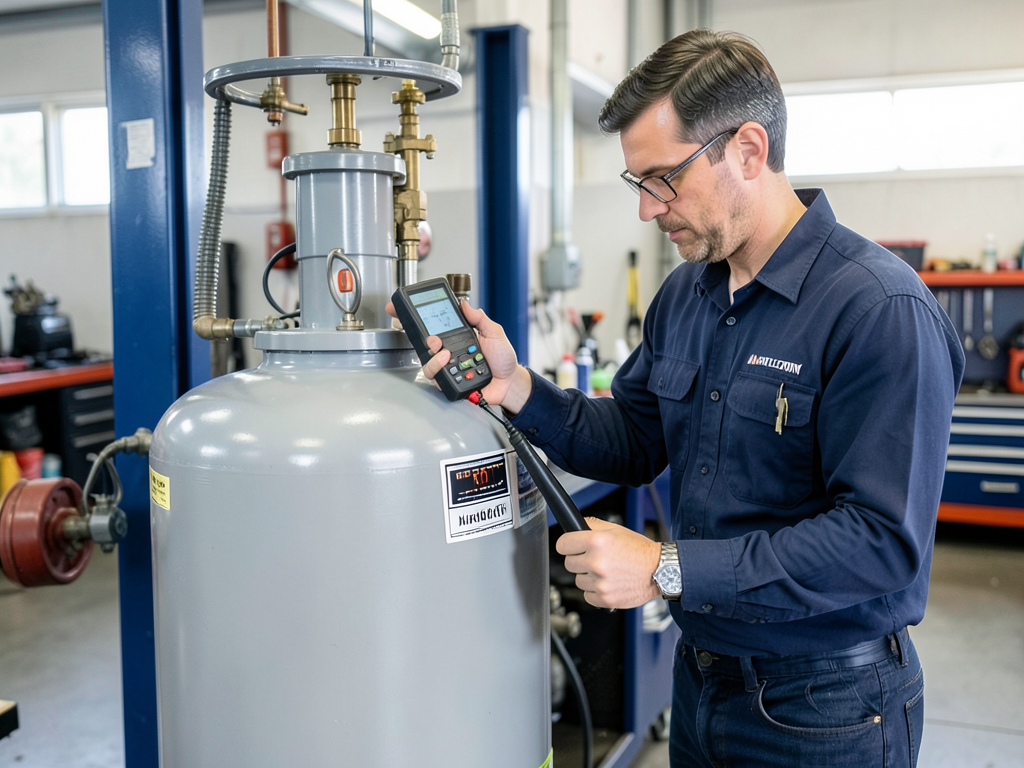
What happens when a well pump or pressure tank leaks in your Mapleton garage When a well pump or pressure…

What happens when a well pump or pressure tank leaks in your Mapleton garage

What happens when a well pump or pressure tank leaks in your Mapleton garage When a well pump or pressure…

Dealing with lead and asbestos during water damage repairs in older Portland neighborhoods

Dealing with lead and asbestos during water damage repairs in older Portland neighborhoods Portland's historic neighborhoods face unique challenges when…

Why converting your University Park basement into a bedroom requires extra moisture protection

Why converting your University Park basement into a bedroom requires extra moisture protection Portland’s University Park neighborhood, nestled near the…

Contact Us

Every hour you wait gives water more time to damage your home. Call Evergreen Water Damage Restoration Portland now at (503) 882-7766. Our crews respond 24/7 and start mitigation immediately. We handle insurance paperwork and document everything. Protect your home and your investment today.