Menu

Water Stains on Drywall in Portland – Expert Diagnosis and Permanent Moisture Solutions

Stop guessing about those brown water spots on walls and yellow stains on drywall. Get a professional moisture assessment that identifies the true source and prevents hidden mold growth behind your sheetrock.

Slider Image 1
Slider Image 2
Slider Image 3
Slider Image 4
Slider Image 5
Slider Image 7
Slider Image 8
Slider Image 9
Slider Image 10
Slider Image 11

Why Portland Homes Get More Water Stains Than You Think

You see a brown water spot on the wall or ceiling. You hope it is old. You touch it and the drywall feels soft. That means the leak is active.

Portland gets 36 inches of rain annually, and most of it falls between October and May. The constant precipitation combined with older housing stock in neighborhoods like Irvington, Laurelhurst, and Sellwood creates perfect conditions for moisture intrusion. When water finds a path through aging flashing, deteriorated chimney caps, or failing plumbing connections, it spreads laterally through wall cavities before showing up as moisture discoloration on sheetrock.

The yellow stains on drywall you see today likely started weeks or months ago. Water follows the path of least resistance. It runs down studs, pools on top plates, and wicks through paper backing. By the time wet patches on plasterboard become visible, the hidden damage is usually three times larger than what you can see.

Portland's temperate climate means condensation issues complicate diagnosis. Is that water mark on ceiling from a roof leak or attic condensation? Is the brown spot from a plumbing failure or HVAC condensate overflow? Without moisture meters and thermal imaging, you are guessing.

The longer moisture sits in wall cavities, the higher the mold risk. Oregon's indoor humidity levels hover between 50 and 70 percent in winter. Add a hidden water source and you create an incubation chamber. Most homeowners wait too long. They assume a small stain is cosmetic. Then they open the wall and find black mold on studs and insulation.

Why Portland Homes Get More Water Stains Than You Think
How We Find and Fix the Real Problem

How We Find and Fix the Real Problem

Water stains are symptoms. We treat the disease.

Our technicians use calibrated moisture meters to map moisture content in drywall, studs, and insulation. We do not guess. We measure. A reading above 16 percent moisture content in wood framing indicates active water intrusion. Anything above 20 percent means you have a mold risk.

Thermal imaging cameras reveal temperature differentials behind walls. Wet insulation shows up as a cold signature. We trace the moisture path back to the entry point, whether it is failed roof flashing, a leaking shower pan, or a pinhole leak in copper supply lines.

Once we identify the source, we stop it. If it is a roof penetration, we coordinate with roofers to address flashing around chimneys or skylights. If it is plumbing, we isolate the failed component. We do not dry out drywall until we eliminate the water source. Drying wet sheetrock with an active leak is pointless.

After source control, we set up commercial dehumidifiers and air movers. We measure airflow in cubic feet per minute and adjust equipment placement based on room geometry. The goal is to drop moisture content below 12 percent within 72 hours. Slower drying increases mold colonization risk.

We remove damaged materials selectively. If drywall is discolored but structurally intact and we caught it early, we can often dry in place. If the paper backing is delaminated or the gypsum core is crumbling, we cut it out. We remove insulation if it shows visible mold or smells musty.

Evergreen Water Damage Restoration Portland uses EPA-registered antimicrobial treatments on framing members after drying. We do not encapsulate mold. We remove the conditions that allow it to grow.

What Happens When You Call About Water Stains

Water Stains on Drywall in Portland – Expert Diagnosis and Permanent Moisture Solutions
01

Immediate Moisture Assessment

We arrive with moisture detection equipment and document baseline readings in affected areas and adjacent spaces. Our technicians use pin-type and non-invasive meters to measure moisture content in drywall, ceiling texture, and structural framing. We photograph all visible staining and create a moisture map. This data determines whether you need emergency drying or if the stain is inactive and cosmetic.
02

Source Identification and Containment

We trace the moisture path using thermal imaging to locate temperature anomalies behind finished surfaces. We check attic spaces, crawl spaces, and plumbing chases. Once we identify the entry point, we stop the water source before starting mitigation. This may involve temporary roof tarping, shutting off water supply lines, or isolating HVAC drainage issues. We do not move forward until the leak is controlled.
03

Controlled Drying and Restoration

We install commercial drying equipment calibrated to your specific moisture load and room size. Air movers create airflow across wet surfaces while dehumidifiers extract moisture from the air. We monitor daily and adjust equipment placement based on moisture readings. Once materials reach safe moisture levels, we remove damaged drywall, treat framing, and coordinate repairs. You get documentation for insurance and a dry structure.

Why Portland Homeowners Choose Evergreen for Water Stains

Water damage in Portland is different than water damage in Phoenix or Miami. The seasonal rain, older housing stock, and specific construction methods common to the Pacific Northwest require local knowledge.

Many Portland homes were built between 1920 and 1960. These homes have plaster walls, knob-and-tube wiring, and galvanized plumbing. When you open a wall in a Craftsman bungalow in Hawthorne, you find different framing, different insulation, and different challenges than a 1990s subdivision home in Beaverton. We understand how water moves through these structures because we work in them every day.

We know Portland building codes. We know what the City of Portland requires for mold remediation. We know which materials need removal and which can be salvaged. When we rebuild drywall, we match textures common to Portland homes, whether it is smooth finish, orange peel, or knockdown.

Insurance companies in Oregon have specific documentation requirements. We provide the moisture readings, photo documentation, and equipment logs adjusters expect. We work with local insurance agents who know our reputation. That makes your claim process faster.

Our technicians are not sales reps. They are trained in psychrometry, building science, and moisture dynamics. They understand vapor pressure, dew point, and relative humidity. When they explain why your wall is wet, they use data, not fear.

We do not upsell. If your water stain is old and dry, we tell you. If you need a roofer instead of a restoration company, we refer you. We have been in Portland long enough to care about reputation over short-term profit.

You can find cheaper services. You will not find more thorough diagnosis or better documentation.

What to Expect When You Work With Us

Response Time and Availability

We answer calls seven days a week. If you call before 3 PM, we can usually schedule same-day assessment. Emergency water intrusion gets prioritized. For non-emergency stains, we schedule within 24 to 48 hours. Our initial assessment takes 45 to 90 minutes depending on the size of your home and the extent of visible damage. We do not rush diagnosis. Accurate moisture mapping on the first visit saves you money and prevents callbacks.

The Diagnostic Process

Our technician will ask when you first noticed the stain, whether it has grown, and if you have had recent roof work or plumbing issues. We inspect attics, crawl spaces, and mechanical rooms. We use moisture meters on all suspect areas and adjacent walls to determine the extent of saturation. Thermal imaging identifies hidden moisture pockets. You get a written report with photos, moisture readings, and our recommended scope of work. We explain what needs immediate attention and what can wait.

The Final Result

Your walls and ceilings will be dry, treated, and ready for finishing. We remove all damaged materials and ensure moisture levels are below 12 percent before we leave. You receive final moisture readings, photos of completed work, and a timeline of our daily monitoring. If reconstruction is needed, we coordinate drywall installation, texture matching, and paint prep. The goal is to return your home to pre-loss condition with zero hidden moisture. You should not smell must. You should not see new stains.

Post-Mitigation Follow-Up

We provide a 30-day moisture check at no charge. If you notice any new discoloration or musty odors within 30 days, we return and re-measure. This is not a warranty on your roof or plumbing. This is our commitment that we dried your structure correctly. We also provide referrals to trusted roofers, plumbers, and painters in Portland. Most insurance policies do not cover cosmetic repairs like painting, but we can guide you to contractors who understand water damage restoration timelines and will wait for final clearance before sealing walls.

Frequently Asked Questions

You Have Questions,
We Have Answers

How do you get water stains out of drywall? +

First, fix the leak source. Water stains do not disappear on their own. Once the area is completely dry, spray the stain with a bleach solution (1 part bleach to 3 parts water) to kill mold spores. Let it dry for 24 hours. Next, apply a stain-blocking primer like Kilz or Zinsser BIN. This seals the stain and prevents bleed-through. Finally, repaint with two coats of interior paint. Portland's wet climate means drying can take longer, especially in winter months. If the stain keeps reappearing, the leak is still active or moisture is trapped inside.

Can I paint over water stained drywall? +

No. Painting directly over water stains causes the stain to bleed through your fresh paint within days. Water stains contain tannins, minerals, and dissolved drywall material that regular paint cannot seal. You must apply a stain-blocking primer first. Use oil-based or shellac-based primers like Kilz Original or Zinsser BIN. These create a vapor barrier that locks in the stain. After priming, you can paint with standard latex paint. Skipping this step wastes time and money. In Portland's damp environment, untreated water stains often return during rainy seasons when humidity rises inside walls.

How to tell if water is leaking behind drywall? +

Look for discoloration, usually yellow or brown rings on drywall surfaces. Feel the wall. If it is soft, spongy, or cooler than surrounding areas, water is present. Check for bubbling or peeling paint. Smell for musty odors, which indicate hidden moisture and mold growth. Use a moisture meter to confirm. Readings above 16 percent mean active water intrusion. In Portland homes, especially older structures with poor vapor barriers, leaks often hide behind walls for weeks before visible stains appear. Check areas under windows, around plumbing fixtures, and below roof valleys during heavy rain periods.

Do I need to replace water stained drywall? +

It depends on saturation level and contamination type. If drywall stayed wet for over 48 hours, replacement is safer. Drywall loses structural integrity when saturated, and mold colonizes porous materials quickly. If the water source was clean (supply line) and the drywall dried within 24 hours, you may salvage it. But if sewage or floodwater touched the drywall, remove it immediately. Portland's humidity slows drying times, which increases mold risk. When in doubt, cut out the damaged section. Trying to save compromised drywall often leads to bigger problems like hidden mold growth behind walls.

Is drywall ruined once it gets wet? +

Not always. Drywall can recover if it dries completely within 24 to 48 hours and the water source was clean. The paper facing may wrinkle or bubble, but the gypsum core can remain sound. Test by pressing firmly on the dried area. If it feels solid and the surface is not delaminating, it may be salvageable. Sand down any rough spots, prime, and repaint. But if the drywall feels soft, crumbles, or smells musty, it is compromised. Portland's persistent rain and indoor humidity mean wet drywall rarely dries fast enough without professional extraction equipment and dehumidifiers.

What do water stains on drywall look like? +

Water stains appear as discolored patches, ranging from light yellow to dark brown, depending on the water source and minerals present. Fresh stains look wet and darker. Old stains fade to tan or rust colored rings. You may see concentric circles where water spread outward. Severe stains show texture changes like bubbling, sagging, or crumbling drywall. In Portland homes, water stains often appear on ceilings below bathrooms, around window frames after windblown rain, or on exterior walls facing west where weather hits hardest. Stains from roof leaks typically show up in corners or along seams between ceiling panels.

Can water stains be removed from walls? +

Surface stains can be removed, but the underlying damage determines success. Clean the stain with a bleach solution to kill mold and lighten discoloration. Let it dry completely. Apply stain-blocking primer to seal residual tannins. Then repaint. This works if the drywall itself is not compromised. But if moisture penetrated deep into the gypsum core, the stain will return. Portland's climate makes complete drying difficult without mechanical help. If stains reappear after treatment, moisture is still migrating through the wall. At that point, removal and replacement is the only permanent fix.

Can you fix water damaged drywall? +

Yes, if you catch it early. Small areas with minor water exposure can be repaired by cutting out the damaged section, replacing it with a new drywall patch, taping seams, applying joint compound, sanding smooth, priming, and painting. This works for contained damage like a small roof leak or minor plumbing drip. For widespread saturation or sewage exposure, full panel replacement is necessary. Portland homes with older plaster walls or multiple layers of drywall require extra care during repairs. If mold is present or the framing is wet, you need professional water damage restoration before cosmetic repairs.

Does Kilz cover water stains? +

Yes, but only specific Kilz products work. Use Kilz Original (oil-based) or Kilz Max (water-based stain blocker) for water stains. Regular Kilz 2 primer is not strong enough and allows bleed-through. Kilz Original provides the best seal for severe stains and odors. Apply two coats if the stain is dark. Let each coat dry fully. In Portland's damp climate, oil-based primers dry slower but create a stronger moisture barrier. Shellac-based primers like Zinsser BIN also work well. Never use standard latex primer on water stains. It will fail within weeks, especially during wet seasons.

How long can drywall be wet before mold? +

Mold can begin growing on wet drywall within 24 to 48 hours under the right conditions. Portland's mild temperatures and high humidity create ideal mold conditions year-round. Once drywall is wet, the clock starts. Mold spores are always present in the air. They just need moisture, warmth, and organic material (the paper facing on drywall) to colonize. If drywall stays wet for over 48 hours, assume mold is growing even if you cannot see it yet. Professional water extraction, dehumidification, and air movement are critical to prevent mold in saturated drywall.

How Portland's Rain Season Accelerates Water Stains on Drywall

Portland receives 80 percent of its annual rainfall between October and April. This prolonged wet season saturates roofing materials, taxes aging gutter systems, and exposes every weak point in your building envelope. Homes in the West Hills face wind-driven rain that forces water behind siding. Homes near the Willamette River deal with elevated groundwater that pressurizes foundation cracks. When water finds entry, it spreads through wall cavities and shows up as brown water spots on walls weeks after the actual intrusion. The delay between leak and visible stain makes source identification difficult without proper equipment.

Oregon has specific mold disclosure requirements for real estate transactions. If you are selling a home in Portland, undisclosed water damage can derail a sale or lead to legal complications. Local home inspectors flag moisture stains and request documentation. Working with a restoration company familiar with Portland building codes and insurance practices protects your investment. We provide the documentation buyers, agents, and lenders expect. Our reports meet Oregon standards and hold up under scrutiny during closing.
Water Damage Restoration Services in The Portland Area

Evergreen Water Damage Restoration proudly serves Portland and the surrounding areas, providing rapid and reliable water damage solutions whenever you need us. While our physical office is located conveniently for local operations, our dedicated teams are mobile and ready to deploy across the region. View our service area on the map to understand our reach, or simply call us to confirm if we cover your specific location. We are committed to extending our expert services to every community in need.

Address:
Evergreen Water Damage Restoration Portland, 239 NW 13th Ave, Portland, OR, 97209

Additional Services We Offer

Our news updates

Latest Articles & News from The Blogs

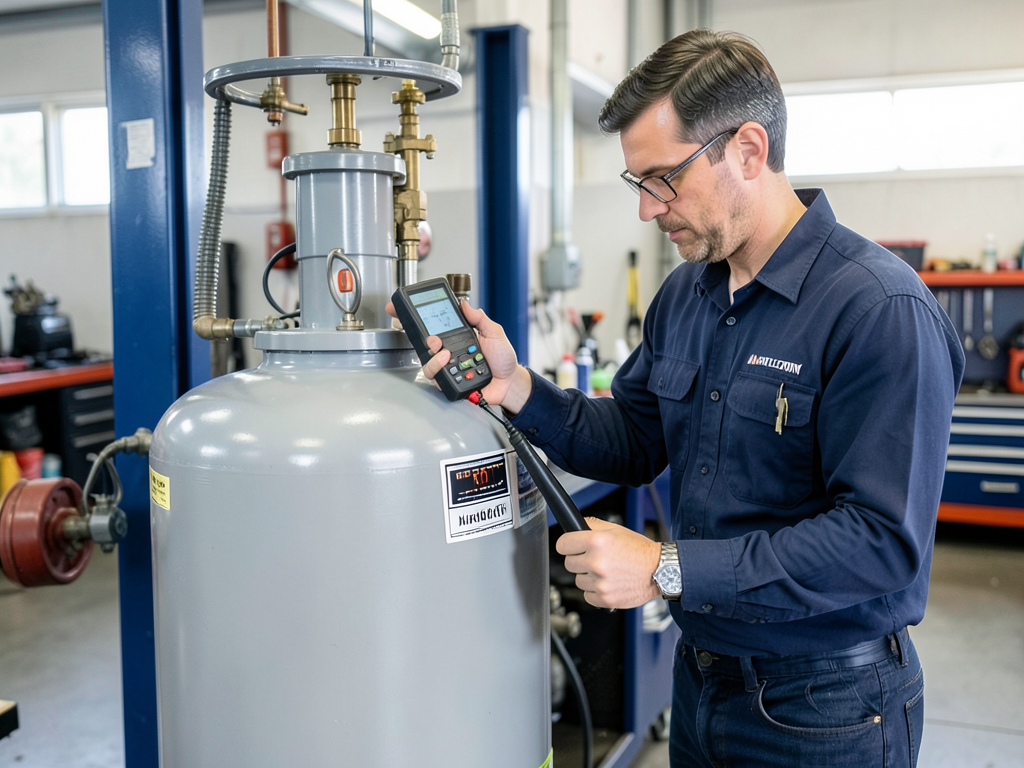
What happens when a well pump or pressure tank leaks in your Mapleton garage When a well pump or pressure…

What happens when a well pump or pressure tank leaks in your Mapleton garage

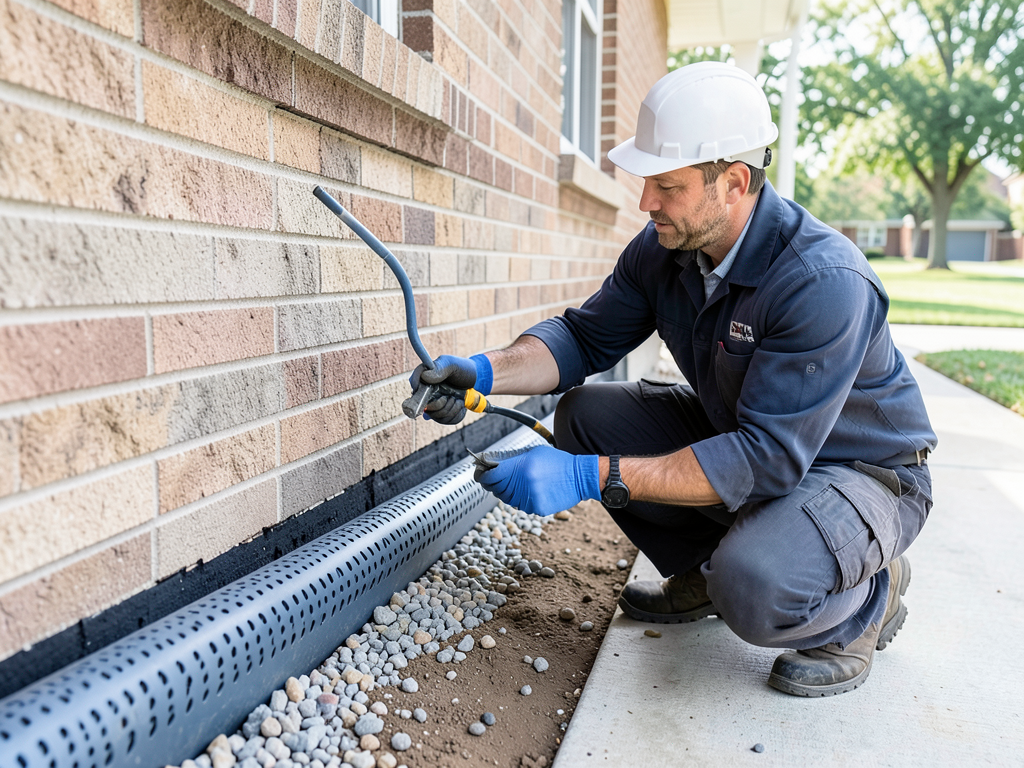
What happens when a well pump or pressure tank leaks in your Mapleton garage When a well pump or pressure…

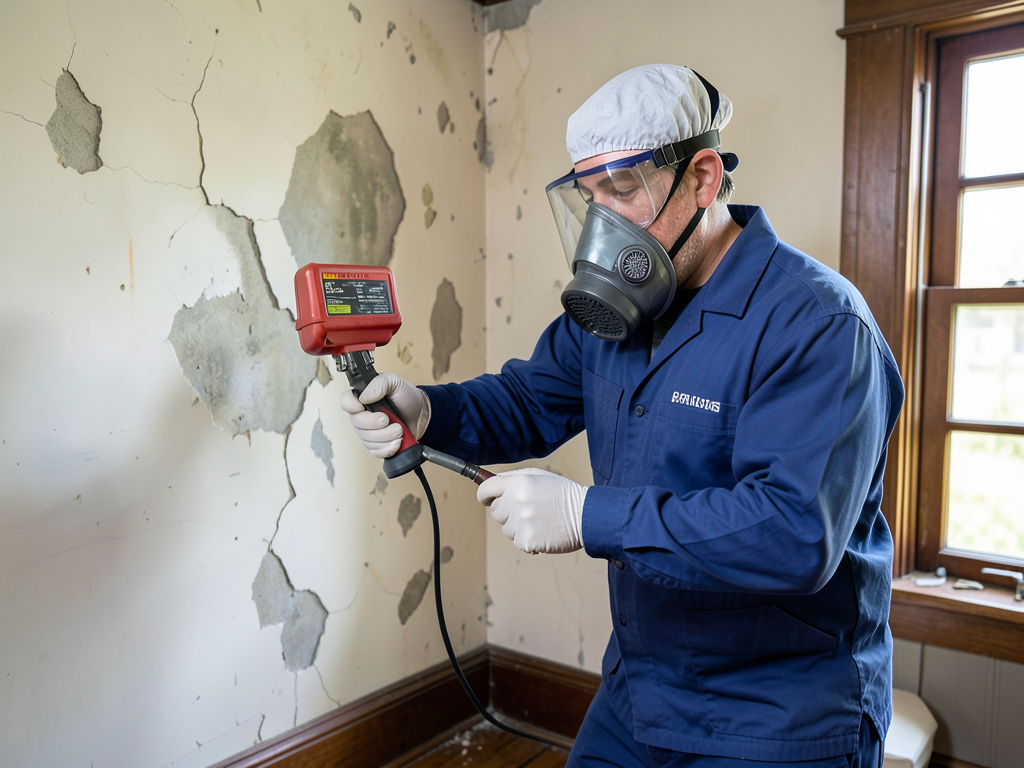
Dealing with lead and asbestos during water damage repairs in older Portland neighborhoods

Dealing with lead and asbestos during water damage repairs in older Portland neighborhoods Portland's historic neighborhoods face unique challenges when…

Why converting your University Park basement into a bedroom requires extra moisture protection

Why converting your University Park basement into a bedroom requires extra moisture protection Portland’s University Park neighborhood, nestled near the…

Contact Us

Do not ignore water stains. Call Evergreen Water Damage Restoration Portland at (503) 882-7766. We will measure moisture levels, identify the source, and give you a clear plan. Same-day assessments available for Portland metro area homes.