Menu

Hardwood Floor Water Damage in Portland | Expert Repair for Wood Floors Hit by Leaks and Flooding

We restore water damaged wood floors across Portland's wet climate zone with specialized drying equipment and structural moisture mapping to stop cupping, warping, and subfloor rot before replacement becomes your only option.

Slider Image 1
Slider Image 2
Slider Image 3
Slider Image 4
Slider Image 5
Slider Image 7
Slider Image 8
Slider Image 9
Slider Image 10
Slider Image 11

Why Portland's Rain and Humidity Make Hardwood Floors Vulnerable

Portland receives over 43 inches of rain annually. That constant moisture seeps through rooflines, window seals, and foundation cracks in older homes throughout Hawthorne, Alberta, and Eastmoreland. When water reaches your hardwood floors, the damage accelerates faster than you think.

Wet hardwood flooring absorbs moisture within hours. The wood swells, pushing boards upward in a process called cupping. If you wait too long, the subfloor beneath starts rotting. By day three, mold spores colonize the damp wood fibers. By week two, you are looking at full replacement instead of repair.

Portland's high humidity keeps those floors damp longer. Homes built before 1980 often lack vapor barriers under the slab or crawlspace venting. Water gets trapped under the floorboards with nowhere to evaporate. You might see buckling in one room and think it is contained, but moisture wicks horizontally through tongue-and-groove joints, spreading the damage into adjacent spaces.

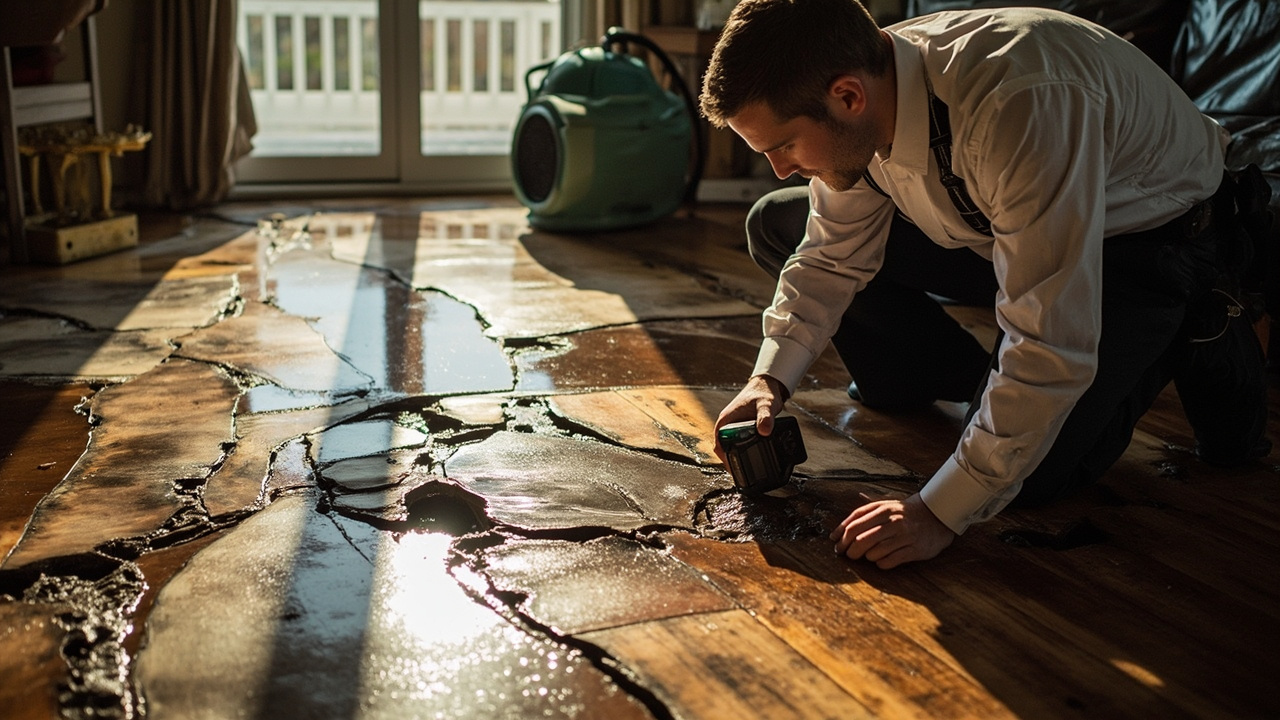
Hardwood floor cupping is not cosmetic. It signals structural saturation. If you see raised edges or a wavy surface after a leak, the moisture content inside that wood is above 12 percent. At 16 percent, the boards lose dimensional stability. At 20 percent, fungal decay begins. Drying hardwood floors requires industrial dehumidifiers and subfloor air movers running continuously for days, not box fans and open windows.

Wood floor water damage repair is time-sensitive. The longer water sits, the deeper it penetrates. Evergreen Water Damage Restoration Portland uses thermal imaging to map hidden moisture pockets and moisture meters to track drying progress in real time.

Why Portland's Rain and Humidity Make Hardwood Floors Vulnerable
Our Hardwood Floor Drying and Restoration Methodology

Our Hardwood Floor Drying and Restoration Methodology

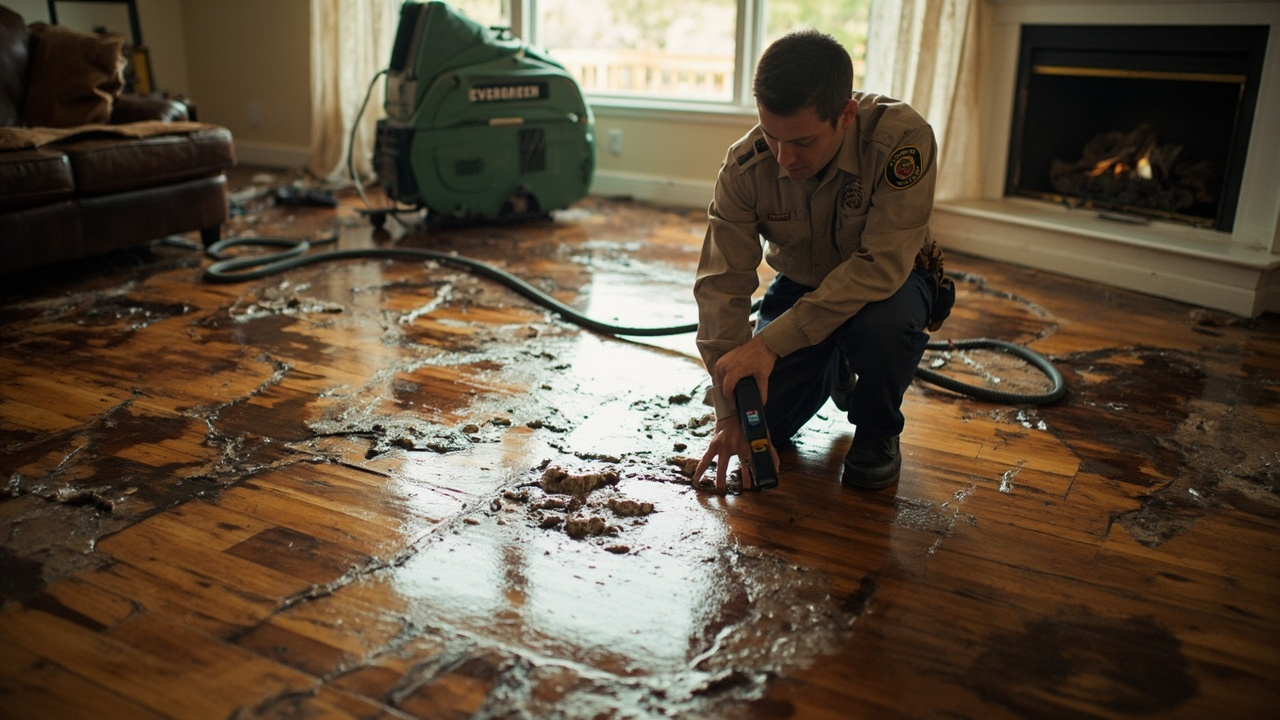
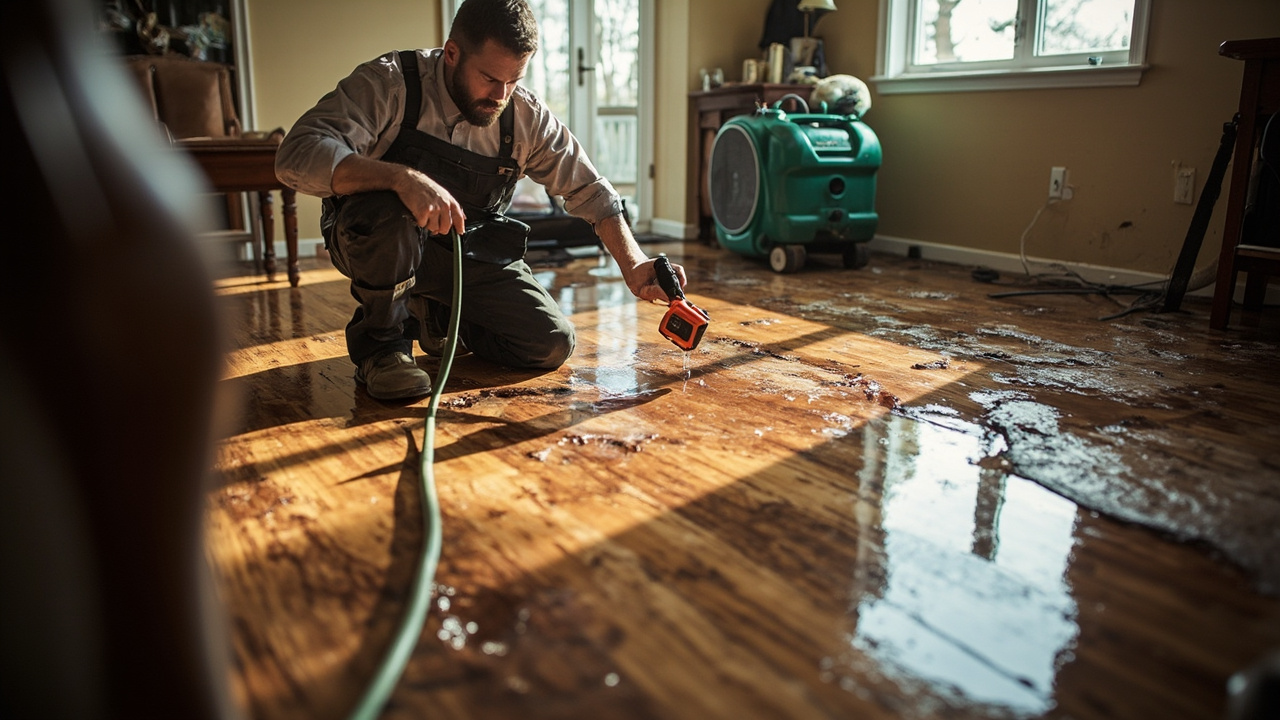
We do not guess. We measure. Every water damaged wood floor project starts with a moisture survey using pin-type and pinless meters. We test the surface, mid-depth, and subfloor to establish a moisture gradient. This tells us whether the water came from above (roof leak, burst pipe) or below (crawlspace condensation, slab wicking).

Next, we calculate the drying capacity needed. Portland's 75 percent average humidity means standard ventilation will not cut it. We deploy low-grain refrigerant (LGR) dehumidifiers that pull moisture from the air faster than it can re-enter the wood. Air movers create laminar airflow across the floor surface, accelerating evaporation without over-drying and cracking the boards.

For subfloor saturation, we use injecti-dry systems. These pump heated air into the cavity between the hardwood and the subfloor, targeting moisture you cannot see. If the subfloor is plywood, we monitor for delamination. If it is OSB, we watch for swelling and edge swell, which can push nails up and create tripping hazards.

We check moisture levels every 12 hours. Hardwood should return to 6 to 9 percent moisture content to match Portland's ambient conditions. Anything higher and the boards will continue moving. Anything lower and they shrink, creating gaps.

Once dry, we assess whether the floors need sanding and refinishing or if replacement is required. Minor cupping can often be sanded flat after acclimation. Severe buckling or twist means the boards are permanently deformed. We give you the honest answer, not the profitable one.

Evergreen Water Damage Restoration Portland coordinates with your insurance adjuster and documents every phase with photos and moisture logs. That paper trail protects your claim.

What Happens When You Call Us for Wet Hardwood Flooring

Hardwood Floor Water Damage in Portland | Expert Repair for Wood Floors Hit by Leaks and Flooding
01

Emergency Water Extraction

We arrive within two hours for active flooding. Our truck-mounted extractors pull standing water off the floor surface and out of gaps between boards. We use weighted wands to apply pressure and extract water from the tongue-and-groove joints. Every gallon removed now is one less gallon your subfloor absorbs. We also pull baseboards to check for wicking up the drywall and to improve airflow.
02

Structural Drying Setup

We position LGR dehumidifiers and air movers based on the room's cubic footage and the moisture load. For hardwood floor cupping, we angle air movers to push air across the boards without blasting them directly, which can cause surface checking. We monitor temperature and relative humidity with data loggers that record conditions every 15 minutes. This creates a verifiable drying timeline for your insurance carrier.
03

Final Moisture Verification

Drying hardwood floors takes three to seven days depending on species, thickness, and saturation depth. We take final moisture readings in multiple spots per room and compare them to a control area that was never wet. Only when the readings match do we pull equipment. We provide a certificate of drying that documents your floors are safe for refinishing or reinstallation of furniture.

Why Portland Homeowners Trust Us with Their Hardwood Floors

Portland's housing stock is old. Over 60 percent of homes in Sellwood, Alameda, and Laurelhurst were built before 1960. Many have original fir or oak flooring. You cannot replace that character with modern pre-finished planks. When those floors get hit with water, you need someone who understands how old-growth wood behaves.

We have restored floors in Craftsman bungalows, mid-century ranches, and Victorian row houses across the metro. We know that quarter-sawn oak dries differently than flat-sawn fir. We know that homes without crawlspace encapsulation will re-wet if the drying equipment is pulled too soon. We know that Portland's building codes require vapor barriers under new hardwood installations, and we verify that detail if subfloor replacement is needed.

Evergreen Water Damage Restoration Portland is not a carpet cleaning company that dabbled in water damage. We are IICRC-certified in water damage restoration and applied structural drying. Our technicians carry moisture meters on every job, not just when the insurance adjuster shows up. We document everything because we know claims get disputed.

We also understand Portland's insurance market. Many carriers here require mitigation within 48 hours to avoid coverage denials. We work directly with adjusters from State Farm, Allstate, Farmers, and regional carriers. We know what documentation they need and how to code line items so you get paid.

You will not get an inflated estimate from us. We bill for the equipment we actually deploy and the labor hours we actually work. Our pricing is transparent. If your floors can be saved, we will save them. If they cannot, we will tell you before you waste money on drying equipment.

What to Expect When We Restore Your Water Damaged Wood Floors

Response Time and Availability

We dispatch within two hours for emergency calls across Portland, Beaverton, Gresham, and Lake Oswego. Our trucks carry extraction equipment, air movers, and dehumidifiers so we can start mitigation immediately. You do not wait for a follow-up appointment. For non-emergency hardwood floor water damage repair, we schedule assessments within 24 hours. We work evenings and weekends because water does not wait for business hours. Once equipment is placed, we check it daily until drying is complete.

Moisture Assessment and Documentation

Our initial assessment takes 45 to 90 minutes depending on the affected area. We use thermal cameras to trace moisture paths through walls and subfloors. We take moisture readings at chest height, baseboard level, and floor level to establish the full scope. You get a written mitigation plan that breaks down equipment placement, estimated drying time, and daily monitoring protocols. We photograph everything and provide those images to your insurer within four hours. This front-end documentation prevents disputes later when the adjuster questions line items.

The Quality of the Final Outcome

Your floors should look and feel dry when we finish. No spongy spots. No musty odor. No visible cupping or crowning. We aim to restore hardwood to its pre-loss condition whenever possible. If sanding and refinishing is required, we coordinate with trusted local contractors who specialize in historic wood floors. If replacement is necessary, we provide detailed removal and disposal documentation for your insurance claim. Our goal is to return your home to a safe, livable state without hidden moisture that will cause problems six months later.

Post-Restoration Monitoring and Guidance

We provide a final moisture report that includes before-and-after readings for every affected area. This document proves to your insurance carrier that mitigation was successful. We also give you guidance on when it is safe to replace furniture, reinstall baseboards, or schedule refinishing. If your floors were severely cupped, we recommend waiting two weeks after drying to see if they naturally flatten as they acclimate. We follow up 30 days later to verify no moisture has returned. That follow-up is included in your original service, not billed separately.

Frequently Asked Questions

You Have Questions,
We Have Answers

Will a swollen wood floor go back to normal? +

Sometimes, but not always. Minor surface moisture may allow wood to dry and return to its original shape if addressed within hours. Portland's high humidity can slow drying and complicate recovery. Once wood fibers absorb water deeply, they expand and distort. Even after drying, cupping, crowning, or buckling often remains. The subfloor condition matters too. If water sat for more than 24 hours or penetrated the subfloor, permanent warping is likely. Professional moisture testing determines if boards will stabilize or need replacement. Do not wait and hope.

What happens if hardwood floors get wet? +

Water infiltrates the wood grain, causing immediate swelling and expansion. Within hours, boards begin to cup, lifting at the edges. If water reaches the subfloor, mold spores activate within 24 to 48 hours. Portland's dampness accelerates this timeline. Finish coatings blister and peel. Wood darkens or stains as tannins leach out. Prolonged exposure leads to structural rot and weakening of tongue-and-groove joints. The longer water sits, the more extensive the damage. Even clean water creates problems. Quick extraction and drying are critical to limit permanent harm.

How to flatten a wood floor after water damage? +

You cannot flatten water-damaged hardwood by sanding or pressing alone. First, extract all standing water using wet vacuums or pumps. Set up commercial dehumidifiers and air movers to pull moisture from the wood and subfloor. This process takes several days to weeks, depending on saturation. After drying, assess the boards. If cupping or crowning persists, light sanding may level minor imperfections once moisture content drops below 12 percent. Severe buckling or warping requires board replacement. Portland's climate means moisture meters are essential to confirm wood has stabilized before refinishing.

Will insurance pay for water damage to a wood floor? +

Coverage depends on your policy and the water source. Sudden events like burst pipes, appliance failures, or storm-related roof leaks typically qualify under homeowner policies. Gradual leaks, neglect, or flooding from outside sources usually do not. Portland homes with older plumbing or roof systems face higher claim scrutiny. Insurers require documentation of the event, moisture readings, and repair estimates. Some policies exclude subfloor replacement or mold remediation. Review your declaration page and file claims quickly. A restoration company can help document damage and communicate directly with adjusters to maximize reimbursement.

Can you fix water damaged hardwood floors? +

Yes, but the scope depends on damage severity and timing. Light surface water caught early may only need drying and refinishing. Moderate cupping or crowning can sometimes be sanded flat after thorough drying, though boards may remain unstable. Deep saturation, structural buckling, or mold growth requires board replacement. Portland's wet climate means hidden subfloor damage is common, complicating repairs. Professionals use moisture meters to test wood and subflooring before deciding on repair versus replacement. Attempting DIY fixes without proper drying equipment often worsens the problem. Always address the moisture source first.

How to unswell a wooden floor? +

You cannot force wood to unswell. Swelling reverses only through controlled drying. Remove all standing water immediately using wet vacuums. Position commercial dehumidifiers and high-velocity air movers to circulate air across and beneath the floor. Open windows if outdoor humidity is lower than indoor levels, though Portland's damp climate often makes this impractical. Monitor moisture content daily with a meter. Drying takes days to weeks depending on saturation depth. Once wood reaches equilibrium moisture content, minor swelling may retract. Severe swelling leaves permanent deformation. Patience and proper equipment are required.

How much does it cost to repair a water damaged hardwood floor? +

Costs vary widely based on damage extent, wood species, and subfloor condition. Drying and minor refinishing may run a few hundred dollars per room. Replacing individual boards costs more due to labor and matching existing wood, which can be challenging in Portland's older homes with unique flooring. Full room replacements escalate quickly depending on square footage and material quality. Subfloor repairs, mold remediation, and moisture barrier installation add to the total. Insurance may cover portions if the damage qualifies. Get multiple estimates and insist on moisture testing before approving any work.

What do water damaged hardwood floors look like? +

Water-damaged hardwood shows visible distortion and discoloration. Cupping creates edges that lift higher than board centers. Crowning does the opposite, with centers rising above edges. Buckling means boards separate from the subfloor, creating peaks or ridges. Finish coatings turn cloudy, blister, or peel. Wood darkens into gray or black stains as tannins react with moisture. White spots indicate finish failure. In Portland homes, you may also see mold growth along seams or underneath boards. Musty odors confirm hidden moisture. These signs demand immediate professional assessment to prevent further deterioration.

What pulls moisture out of wood floors? +

Professional-grade dehumidifiers and air movers are the most effective tools. Dehumidifiers lower ambient humidity, allowing wood to release absorbed moisture into the air. Air movers increase evaporation rates by circulating air across floor surfaces and into subfloor cavities. Desiccant systems work faster in cold conditions, common during Portland winters. Moisture meters track progress by measuring wood moisture content. Household fans and space heaters are too weak for serious water damage. Do not rely on natural air drying in Portland's humid climate. Commercial restoration equipment accelerates drying and prevents mold colonization during the critical first 48 hours.

How long can water sit on hardwood floors? +

Water should never sit on hardwood floors. Damage begins within minutes as moisture penetrates finish coatings. After two to four hours, wood starts to swell and expand. By 24 hours, cupping and discoloration are likely. Mold spores germinate within 24 to 48 hours, especially in Portland's moisture-rich environment. After 72 hours, structural damage and rot become probable. Even small amounts of standing water compromise floor integrity. Immediate extraction is critical. The faster you remove water and begin drying, the better your chances of salvaging the flooring without costly replacement.

How Portland's Seasonal Rain Patterns Increase Hardwood Floor Water Damage Risk

Portland's wet season runs from October through May, with December and January averaging over five inches of rain each. That prolonged exposure overwhelms aging gutters, downspouts, and foundation drainage systems in neighborhoods like Eastmoreland and Irvington. Water pools against foundations, seeps through basement walls, and migrates under slab foundations in homes without proper grading. Homes in the West Hills face additional risk from surface runoff that saturates crawlspaces and wicks up through floor joists into hardwood subfloors. Drying hardwood floors in Portland requires equipment powerful enough to overcome ambient humidity that hovers near 80 percent for months.

Evergreen Water Damage Restoration Portland understands the specific vulnerabilities of the region's housing stock. We work with adjusters who know that wet hardwood flooring claims here often involve crawlspace moisture intrusion, not just burst pipes. We document pre-existing conditions so you are not blamed for deferred maintenance. Our team knows Portland's residential building codes and can identify whether your home meets current moisture barrier requirements. That local knowledge protects your claim and ensures the restoration meets code if subfloor replacement is required.
Water Damage Restoration Services in The Portland Area

Evergreen Water Damage Restoration proudly serves Portland and the surrounding areas, providing rapid and reliable water damage solutions whenever you need us. While our physical office is located conveniently for local operations, our dedicated teams are mobile and ready to deploy across the region. View our service area on the map to understand our reach, or simply call us to confirm if we cover your specific location. We are committed to extending our expert services to every community in need.

Address:
Evergreen Water Damage Restoration Portland, 239 NW 13th Ave, Portland, OR, 97209

Additional Services We Offer

Our news updates

Latest Articles & News from The Blogs

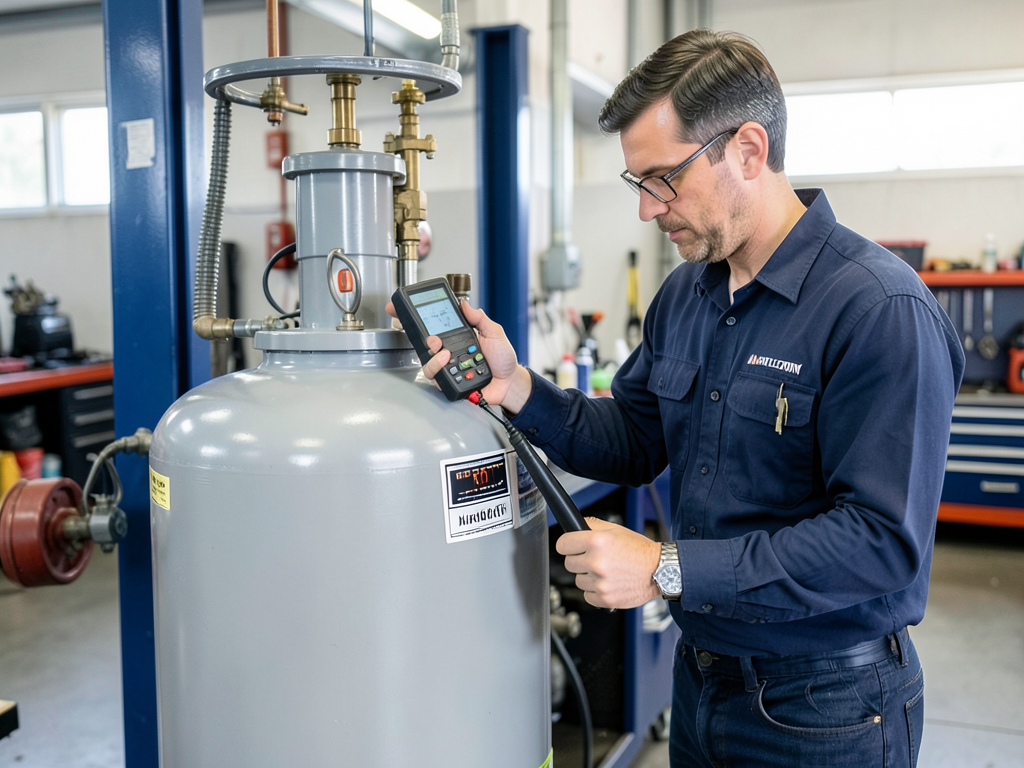
What happens when a well pump or pressure tank leaks in your Mapleton garage When a well pump or pressure…

What happens when a well pump or pressure tank leaks in your Mapleton garage

What happens when a well pump or pressure tank leaks in your Mapleton garage When a well pump or pressure…

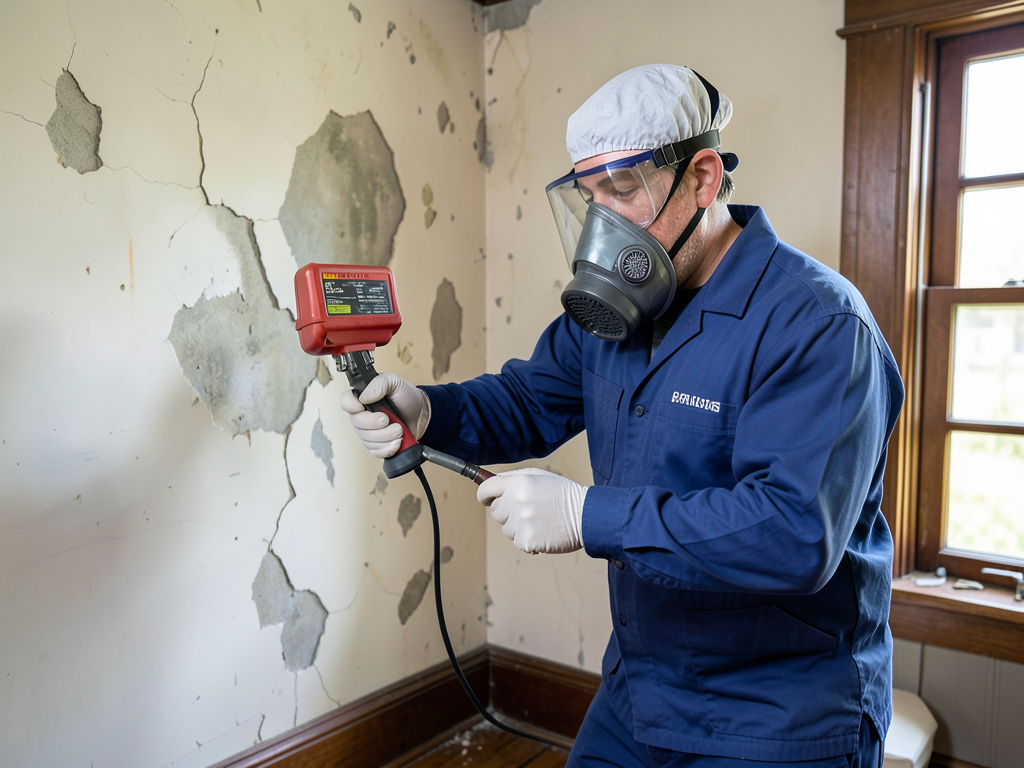
Dealing with lead and asbestos during water damage repairs in older Portland neighborhoods

Dealing with lead and asbestos during water damage repairs in older Portland neighborhoods Portland's historic neighborhoods face unique challenges when…

Why converting your University Park basement into a bedroom requires extra moisture protection

Why converting your University Park basement into a bedroom requires extra moisture protection Portland’s University Park neighborhood, nestled near the…

Contact Us

Water moves fast. Mold grows faster. Call Evergreen Water Damage Restoration Portland now at (503) 882-7766. We dispatch immediately, extract standing water, and start drying your floors before cupping becomes permanent. Do not wait until replacement is your only option.