


Milwaukie sits where the Willamette River meets Johnson Creek, creating a natural drainage challenge that puts homes and commercial buildings at constant risk. The seasonal rain from October through May dumps over 40 inches of water across the metro area, overwhelming gutters, saturating soil, and pushing groundwater through basement walls. Properties near Johnson Creek in the Ardenwald and Island Station neighborhoods flood when the creek overtops during heavy rain events. The older homes around Historic Milwaukie were built before modern waterproofing standards existed, leaving crawl spaces and basements vulnerable to seepage.
The clay-heavy soil throughout Clackamas County does not drain well. Water pools around foundations, creating hydrostatic pressure that forces moisture through concrete and into living spaces. Homes near McLoughlin Boulevard and the downtown core often have aging cast iron pipes that corrode and burst without warning. The freeze-thaw cycles we experience during winter cold snaps crack pipes in attics and crawl spaces. When temperatures drop below freezing for several days then rapidly warm up, the expansion and contraction splits copper and PVC lines. Water erupts into walls and ceilings, soaking insulation and drywall. Without immediate extraction and drying, mold colonizes damp materials within 48 hours, turning a plumbing failure into a health hazard.
We built our reputation in the Portland metro area by showing up when other companies make excuses. Water damage happens at 2 AM on holidays, during ice storms, and when you are least prepared. Evergreen Water Damage Restoration Portland maintains a full crew on call 24 hours a day, seven days a week, with fully equipped trucks ready to deploy to any Milwaukie address within an hour. We do not ask you to wait until morning or next business day. We come now, extract the water, and start drying your property before structural damage compounds.
Our technicians hold IICRC certifications in water damage restoration and applied structural drying. This training teaches the science of moisture movement through building materials. We use thermal imaging cameras to find hidden water in wall cavities and under flooring. We place commercial-grade dehumidifiers and air movers in strategic positions to pull moisture from the air and materials faster than ambient evaporation allows. We monitor the drying process with moisture meters, documenting readings at multiple points throughout the structure. This data proves to insurance adjusters that we followed industry protocols and achieved complete drying.
Insurance coordination separates professional restoration companies from amateurs who leave you to fight with your carrier alone. We document every aspect of damage with photos, moisture readings, and detailed scope notes. We communicate directly with adjusters and provide the technical evidence they need to approve claims. We know what insurance companies require because we work with them on hundreds of claims every year. Our goal is to remove the administrative burden from you during an already stressful situation.
Milwaukie is not just another service area on a map. Many of our technicians live here, shop at Bob's Red Mill, and take their kids to the farmers market on Main Street. We understand how Johnson Creek floods, which neighborhoods have older plumbing, and where foundation issues are common. This local knowledge helps us assess damage faster and recommend the right solutions. When you call Evergreen Water Damage Restoration Portland, you get a crew that knows your street and understands your home.

We dispatch technicians to your Milwaukie property within one hour of your call, any time of day or night. Our trucks carry industrial water extractors, dehumidifiers, and air movers so we start mitigation immediately. Fast response prevents secondary damage that turns a manageable situation into a total loss. We stop water from spreading through your home before it destroys more materials.

Every crew member holds current certification from the Institute of Inspection Cleaning and Restoration Certification. This training covers moisture science, structural drying principles, and contamination protocols. We follow national standards for water damage restoration, not guesswork. Our certifications mean we understand how water moves through buildings and how to remove it properly without causing additional damage.
We communicate directly with your insurance adjuster and provide the documentation they require to process your claim. Our detailed moisture readings, thermal images, and scope notes meet industry standards for claim substantiation. We know what carriers expect because we work with them daily. This coordination removes the administrative burden from you and speeds up approval so restoration work proceeds without delay.
Our technicians know how Johnson Creek floods, which neighborhoods have older plumbing systems, and where clay soil causes foundation moisture problems. We understand the specific challenges Milwaukie properties face because we serve this community every day. Local knowledge means faster damage assessment, better solutions, and crews who understand your home's construction and your neighborhood's vulnerabilities.
Water damage is not a single problem with a single solution. A burst pipe in your kitchen requires different mitigation than sewage backing up through your basement drain or rain flooding your crawl space. Evergreen Water Damage Restoration Portland provides comprehensive water damage remediation tailored to the specific source, contamination level, and affected materials in your property. We handle everything from initial emergency water extraction through final reconstruction.
Our restoration process starts with source containment and water removal. We extract standing water with truck-mounted pumps and portable extractors, removing thousands of gallons from flooded basements and saturated carpets. Then we assess moisture penetration in walls, subfloors, and structural elements using thermal imaging and moisture meters. We place commercial dehumidifiers and air movers to create optimal drying conditions, monitoring progress daily until materials reach acceptable moisture content. We remove unsalvageable materials like soaked drywall and insulation, treat affected areas with antimicrobial solutions, and coordinate reconstruction once drying is complete.
Different water sources require different protocols. Clean water from supply line breaks is category one. Gray water from appliance overflows or toilet tanks is category two. Black water from sewage backups or flood water is category three and requires extensive decontamination. We follow IICRC S500 standards for water damage restoration, adjusting our mitigation strategy based on contamination level and material type. Our goal is to restore your property to pre-loss condition while protecting your health and safety throughout the process.
Standing water continues destroying your property every minute it remains in contact with building materials. Our emergency extraction service deploys within 60 minutes to pump out flooded basements, extract water from soaked carpets, and remove moisture from hardwood floors before they buckle. We use truck-mounted pumps for high-volume flooding and portable extractors for targeted water removal from specific areas. Fast extraction stops ongoing damage and prepares your property for structural drying. We work through the night if necessary because water does not wait for convenient timing.
Removing standing water is only the first step. Moisture soaks deep into drywall, insulation, framing lumber, and concrete. Without proper drying, this hidden moisture causes mold growth, wood rot, and structural deterioration. We place commercial-grade dehumidifiers and high-velocity air movers throughout affected areas to create optimal drying conditions. We monitor moisture levels in walls, floors, and ceilings with calibrated meters, documenting daily readings until materials reach safe moisture content. Our applied structural drying process follows IICRC standards and provides the documentation insurance adjusters require.
Mold colonizes damp building materials within 48 hours of water exposure. If water damage was not addressed immediately, or if hidden moisture went undetected, mold growth becomes a serious concern. Our mold remediation service identifies all affected areas, contains the work zone to prevent spore spread, removes contaminated materials, treats surfaces with antimicrobial solutions, and verifies clearance before reconstruction. We address the moisture source that allowed mold growth to prevent recurrence. Proper mold remediation protects your indoor air quality and prevents long-term health problems for your family.
Milwaukie's climate, geography, and housing stock create specific water damage vulnerabilities that property owners should understand. The extended rainy season from October through May keeps soil saturated for months, putting continuous pressure on foundation waterproofing. Homes built before 1980 often lack proper crawl space vapor barriers, allowing ground moisture to evaporate into floor joists and subfloors. The freeze-thaw cycles during winter cold snaps crack pipes that seemed fine days earlier. Johnson Creek floods into yards and basements during atmospheric river events that dump several inches of rain in 24 hours.
Many Milwaukie homes have aging plumbing systems that fail without warning. Cast iron drain lines corrode from the inside, developing pinhole leaks or complete ruptures that flood finished basements. Water heaters installed in attics drip onto ceilings when tanks rust through or pressure relief valves fail. Appliance supply lines crack and spray hundreds of gallons into kitchens and laundry rooms. These failures happen suddenly, often when homeowners are away at work or on vacation. The resulting damage compounds hourly until someone discovers the problem and calls for emergency water extraction. Understanding these common failure points helps property owners recognize signs of trouble before minor issues become catastrophic losses.
Properties near Johnson Creek in Ardenwald and Island Station flood when heavy rain overwhelms the creek's capacity. Stormwater backs up through yard drains and seeps into basements and crawl spaces. This flood water carries sediment, debris, and contaminants that require category three decontamination protocols. Homeowners need rapid water extraction and structural drying before mold colonizes wet materials. Creek flooding is predictable during atmospheric river events but still causes extensive damage to vulnerable properties.
Supply line failures dump hundreds of gallons per hour into homes, flooding multiple rooms before homeowners discover the problem. Copper pipes crack during freeze-thaw cycles. PVC lines split at joints when water pressure spikes. Old galvanized steel pipes corrode through completely. The sudden water release soaks walls, ceilings, insulation, and flooring. Without immediate extraction, the water spreads throughout the structure, causing damage far from the initial failure point. Emergency response within the first hour dramatically reduces total loss.
Clay soil throughout Clackamas County does not drain well, keeping water pooled against foundations for weeks after rain stops. Hydrostatic pressure forces moisture through concrete walls and up through floor slabs. Crawl spaces flood when groundwater rises during wet months. Older homes lack modern waterproofing systems, making them especially vulnerable. Chronic foundation moisture leads to wood rot in floor joists, mold growth in rim joists, and musty odors throughout the home. Proper mitigation requires water extraction, structural drying, and often improvements to foundation drainage.
Water heaters, washing machines, and dishwashers fail without warning, releasing water that floods laundry rooms, kitchens, and adjacent spaces. Water heater tanks rust through after 10-15 years of service. Washing machine supply hoses crack and spray water across rooms. Dishwasher door seals leak onto hardwood floors. These failures often happen when homeowners are away, allowing water to run for hours before discovery. The resulting damage affects flooring, cabinets, drywall, and sometimes even structural elements if water drips between floors.
Water damage creates panic. Your home is flooding, your belongings are getting destroyed, and you do not know what to do first. When you call Evergreen Water Damage Restoration Portland, you immediately connect with someone who understands the urgency and knows exactly how to help. We answer phones 24 hours a day because water emergencies do not respect business hours. The person who answers is trained to assess your situation, provide immediate guidance on protecting yourself and minimizing damage, and dispatch a crew to your location.
You will not wait hours wondering when help will arrive. We commit to a specific arrival window and we keep that commitment. Our technicians call when they are on the way so you know exactly when to expect them. They arrive with everything needed to start work immediately, not to just look at the problem and schedule future work. We extract water, move furniture to dry areas, and begin the drying process during the first visit. You see immediate progress because we treat your emergency like the urgent situation it is. Throughout the restoration process, you will have a dedicated project manager who coordinates all work, communicates with your insurance company, and keeps you informed of progress and timelines.
When you call our emergency line, a trained professional answers immediately, any hour of the day or night. They ask specific questions to understand the water source, affected areas, and safety concerns. They provide immediate advice on shutting off water, protecting electronics, and staying safe. Within minutes of hanging up, a fully equipped crew receives dispatch orders with your address and situation details. You receive a call back with an estimated arrival time, and the crew calls again when they are 10 minutes away so you know exactly when to expect them.
We document everything with photos, moisture readings, and detailed notes about affected materials and necessary work. You receive copies of all documentation. We explain what we are doing and why, using plain language instead of technical jargon designed to confuse. When we communicate with your insurance adjuster, we copy you on correspondence so you always know the status of your claim. Your project manager provides daily updates during active drying and remains available to answer questions throughout the restoration process.
We do not just dry your property and disappear. We coordinate all reconstruction work needed to return your home to pre-loss condition. We replace drywall, paint walls, reinstall trim, and handle any finishing work the restoration requires. Our work is guaranteed, and we stand behind our quality. If you discover a problem after we finish, we come back and make it right. We consider the job complete only when you are satisfied with the results and your home is fully restored.
Water damage restoration follows a specific sequence designed to stop ongoing damage, remove all moisture, prevent mold growth, and restore your property to pre-loss condition. This process cannot be rushed without compromising results, but it also cannot drag on unnecessarily. We follow IICRC standards that define each phase and the objective measurements required before moving to the next step.
We assess the water source, contamination level, and extent of damage throughout your property. We use thermal imaging cameras to find hidden moisture in walls and under flooring. We document everything with photos and moisture meter readings for insurance purposes. Then we extract all standing water using truck-mounted pumps and portable extractors. We remove soaked contents to dry areas and protect furniture that can be saved. This phase happens during the emergency response visit and takes several hours depending on the volume of water and size of affected area.
We place commercial dehumidifiers and air movers throughout affected areas to create optimal drying conditions. We position equipment based on moisture readings and airflow patterns, not just convenience. We monitor moisture levels daily in walls, floors, and structural elements, documenting readings until materials reach safe moisture content below 15 percent. Drying takes three to seven days depending on the amount of moisture, materials affected, and ambient conditions. We adjust equipment positioning as needed to ensure complete drying, not just surface drying that leaves hidden moisture.
Once all materials reach safe moisture levels, we remove unsalvageable items like soaked drywall, insulation, and trim. We treat all affected areas with antimicrobial solutions to prevent mold growth. Then we coordinate reconstruction work, replacing drywall, repainting walls, reinstalling baseboards, and completing any finishing work required. We handle permits if structural work is needed. We communicate with you throughout reconstruction and address any concerns before considering the job complete. Your property is restored to pre-loss condition with quality workmanship guaranteed.
Professional water damage restoration follows specific industry standards that define proper procedures for assessment, drying, and reconstruction. The Institute of Inspection Cleaning and Restoration Certification publishes the ANSI/IICRC S500 Standard for Professional Water Damage Restoration, which establishes protocols for every aspect of water damage mitigation. This standard defines water categories based on contamination level, material classification based on porosity and drying difficulty, and acceptable final moisture content before reconstruction begins.
Oregon does not require state licensing for water damage restoration contractors, which means property owners must verify that companies follow industry standards and employ properly trained technicians. IICRC certification demonstrates that technicians completed formal training in water damage restoration principles and passed written examinations on moisture science, drying techniques, and contamination protocols. Certified technicians understand psychrometry, the science of moisture in air and materials. They know how to calculate grain depression and adjust dehumidifier placement to create optimal drying conditions.
Insurance companies base claim approvals on IICRC standards. Adjusters expect to see documentation of moisture readings taken at multiple points throughout affected areas, daily monitoring logs showing drying progress, and verification that materials reached acceptable moisture content before reconstruction. Thermal imaging provides evidence of moisture migration in wall cavities and under flooring. Moisture meters calibrated for different material types give objective measurements that prove complete drying. Without this documentation, adjusters may question whether proper procedures were followed and dispute claim amounts.
Category three water damage from sewage backups or flood water requires extensive decontamination protocols beyond simple drying. Oregon Administrative Rules 333-019 governs sewage system regulations and establishes minimum standards for sewage cleanup. Category three restoration requires removal of all porous materials that contacted contaminated water, antimicrobial treatment of structural elements, and often replacement of drywall to a height above the waterline. Trying to save contaminated materials creates health hazards and violates industry standards. Professional restoration companies know when materials must be removed versus when they can be properly decontaminated and saved.
The restoration process must address the moisture source, not just the damage symptoms. A flooded basement from foundation seepage will flood again unless drainage improvements redirect water away from the foundation. Burst pipes indicate plumbing problems that may affect other supply lines. Johnson Creek flooding requires flood mitigation strategies for vulnerable properties. Proper restoration identifies why water damage occurred and recommends solutions to prevent recurrence, not just drying the current damage and hoping it never happens again.
IICRC Water Damage Restoration Technician certification requires completion of a 14-hour training course covering water damage principles, drying science, equipment operation, and safety procedures. Technicians must pass a written examination testing their knowledge of moisture behavior, material classification, and restoration standards. Applied Structural Drying certification adds advanced training in psychrometry, moisture measurement, and drying system design. These certifications ensure technicians understand the science behind water damage restoration, not just equipment operation.
Restoration costs depend on water volume, affected area size, contamination category, and materials damaged. Emergency water extraction and equipment placement typically cost less than ongoing structural drying that requires daily monitoring for a week. Category three sewage cleanup costs more than clean water mitigation because of decontamination requirements and material removal. Hardwood floor drying costs more than carpet extraction because wood requires careful moisture monitoring to prevent permanent damage. Insurance typically covers water damage from sudden failures like burst pipes but may exclude damage from long-term seepage or deferred maintenance.
Complete structural drying takes three to seven days depending on moisture volume, affected materials, and ambient conditions. Drywall dries faster than hardwood floors. Small affected areas dry faster than whole-house flooding. Summer drying proceeds faster than winter drying because warmer air holds more moisture. Dehumidifiers must run continuously, not just during business hours. Proper drying cannot be rushed without risking hidden moisture that causes mold growth and structural damage weeks after restoration appears complete. Moisture meter readings prove drying completion, not arbitrary timelines.
Reconstruction work following water damage restoration must comply with current Oregon Residential Specialty Code. If structural elements like floor joists or wall studs suffered damage, repairs require building permits and inspection by Clackamas County building officials. Electrical work requires licensed electricians and separate electrical permits. Plumbing repairs require licensed plumbers and plumbing permits. Professional restoration companies coordinate all permit requirements and schedule required inspections. Unpermitted work creates liability issues and complications when selling your property. Proper restoration follows all applicable codes and regulations.
Professional explanation of water damage restoration services in Milwaukie, Oregon, covering emergency water extraction procedures, structural drying protocols, mold prevention strategies, and insurance coordination. Video discusses specific water damage risks facing Milwaukie properties including Johnson Creek flooding, burst pipes, and foundation seepage. Covers IICRC restoration standards, proper drying timelines, moisture measurement techniques, and complete reconstruction processes. Provides guidance for homeowners on selecting qualified water damage restoration contractors and understanding what proper mitigation requires.
Evergreen Water Damage Restoration Portland provides emergency water damage services throughout Milwaukie and the greater Clackamas County area. We respond to properties in Historic Milwaukie near Main Street and 21st Avenue, where older homes built in the early 1900s have aging plumbing systems and limited crawl space access that complicates water damage mitigation. The Ardenwald neighborhood south of McLoughlin Boulevard faces unique challenges from Johnson Creek flooding during heavy rain events. Properties near the creek require rapid response when water overtops the banks and floods yards, basements, and crawl spaces with contaminated water.
The Island Station area between McLoughlin Boulevard and the Willamette River includes newer construction with modern waterproofing but remains vulnerable to creek flooding and groundwater seepage during extended rainy periods. Homes in the Hector Campbell neighborhood east of 32nd Avenue often have finished basements that suffer extensive damage when sump pumps fail or foundation waterproofing deteriorates. The Lewelling neighborhood near Roethe Road and Highway 224 includes a mix of older and newer homes, each with specific water damage vulnerabilities based on age, foundation type, and drainage conditions.
We serve commercial properties along McLoughlin Boulevard and near the downtown core, responding to flooding from roof leaks, plumbing failures, and fire sprinkler activations. Businesses cannot afford extended downtime while waiting for water damage cleanup. Our crews work around your operating schedule to minimize business interruption while properly mitigating water damage and preventing mold growth. We understand that commercial properties require faster turnaround and coordination with tenants, property managers, and insurance carriers.
Properties in unincorporated Clackamas County near Oak Grove and Jennings Lodge receive the same rapid response we provide to addresses within Milwaukie city limits. Water damage does not respect jurisdictional boundaries, and neither do we. If you are in our service area and need emergency water extraction, structural drying, or flood cleanup, we respond with the same urgency regardless of your specific address. We know every neighborhood in the Milwaukie area, understand local water damage challenges, and maintain the equipment capacity to handle multiple simultaneous emergencies during major storm events.
Our service area extends throughout the Portland metro region, but Milwaukie remains a core focus because of the concentration of older homes, proximity to Johnson Creek and the Willamette River, and the community relationships we have built over years of providing reliable emergency restoration services. When you call for help, you get a crew that knows your neighborhood, understands the water damage risks specific to your area, and responds fast because we are based nearby, not dispatched from across the metro area.
Water damage restoration costs in Milwaukie vary widely based on the extent of damage, water category, and affected materials. Minor repairs for a small leak might run a few hundred dollars, while extensive flooding requiring structural drying, flooring replacement, and mold remediation can reach several thousand. Category 3 water (sewage) costs more due to hazardous material handling. Most Milwaukie insurers cover sudden, accidental damage like burst pipes but not gradual leaks or maintenance issues. Request an inspection to get an accurate estimate based on moisture readings and damage assessment before work begins.
Water damage restoration is absolutely worth it in Milwaukie. Untreated water leads to structural rot, mold growth within 24 to 48 hours, and decreased property value. Oregon's damp climate accelerates deterioration, making quick action critical. Professional restoration uses moisture meters and industrial dehumidifiers to prevent hidden damage inside walls and subfloors. Without proper drying, you risk foundation issues, electrical hazards, and health problems from mold exposure. The cost of restoration is far less than replacing structural framing, treating widespread mold contamination, or dealing with insurance claim denials due to neglect.
Water damage restoration includes emergency water extraction, structural drying, moisture detection, dehumidification, sanitization, and reconstruction. Technicians first assess the damage category and locate all affected areas using thermal imaging and moisture meters. They remove standing water with pumps and extractors, then place air movers and dehumidifiers to dry framing, insulation, and subfloors. Antimicrobial treatments prevent mold growth. Contents may be packed out for cleaning or storage. Final steps include replacing drywall, flooring, and trim. In Milwaukie, restoration also addresses crawl space moisture common in older homes.
Water damage restoration costs in Milwaukie vary widely based on the extent of damage, water category, and affected materials. Minor repairs for a small leak might run a few hundred dollars, while extensive flooding requiring structural drying, flooring replacement, and mold remediation can reach several thousand. Category 3 water (sewage) costs more due to hazardous material handling. Most Milwaukie insurers cover sudden, accidental damage like burst pipes but not gradual leaks or maintenance issues. Request an inspection to get an accurate estimate based on moisture readings and damage assessment before work begins.
Water damage restoration is absolutely worth it in Milwaukie. Untreated water leads to structural rot, mold growth within 24 to 48 hours, and decreased property value. Oregon's damp climate accelerates deterioration, making quick action critical. Professional restoration uses moisture meters and industrial dehumidifiers to prevent hidden damage inside walls and subfloors. Without proper drying, you risk foundation issues, electrical hazards, and health problems from mold exposure. The cost of restoration is far less than replacing structural framing, treating widespread mold contamination, or dealing with insurance claim denials due to neglect.
Water damage restoration includes emergency water extraction, structural drying, moisture detection, dehumidification, sanitization, and reconstruction. Technicians first assess the damage category and locate all affected areas using thermal imaging and moisture meters. They remove standing water with pumps and extractors, then place air movers and dehumidifiers to dry framing, insulation, and subfloors. Antimicrobial treatments prevent mold growth. Contents may be packed out for cleaning or storage. Final steps include replacing drywall, flooring, and trim. In Milwaukie, restoration also addresses crawl space moisture common in older homes.
Stop the water source immediately if safe to do so. Shut off the main water valve for plumbing failures or turn off power to affected areas to prevent electrical shock. Move valuables and furniture to dry areas. Take photos for your insurance claim. Contact a Milwaukie water damage restoration company within the first hour. Do not use a household vacuum to remove water. Open windows if weather permits to increase ventilation. Remove standing water with towels or a wet/dry shop vac. Avoid walking on soaked carpet, which can spread contamination and damage padding underneath.
Most homeowner policies in Milwaukie cover water restoration from sudden, accidental events like burst pipes, appliance failures, or storm damage. They typically exclude gradual leaks, maintenance issues, flooding from natural disasters (requires separate flood insurance), and sewer backups unless you have an endorsement. Review your policy for coverage limits, deductibles, and exclusions. Document everything with photos and detailed notes. A restoration company can work directly with your adjuster and provide detailed moisture reports and damage assessments that support your claim and speed up approval.
Response times vary by company and availability. Many water damage companies in Milwaukie, including larger franchises, aim for arrival within one to four hours of your call for emergency situations. The actual restoration timeline depends on damage severity. Minor water events might take three to five days for drying and repairs. Extensive flooding requiring demolition, structural drying, mold remediation, and reconstruction can take two to four weeks. Drying alone typically requires three to seven days with professional equipment. Always confirm response times and project timelines upfront when selecting a restoration provider.
The average water damage insurance claim in the United States ranges from several thousand dollars to over ten thousand, depending on severity and affected square footage. In Milwaukie, claims vary based on home age, construction type, and damage category. A toilet overflow affecting one bathroom might result in a smaller claim, while a water heater failure flooding multiple rooms costs significantly more. Category 3 water events involving sewage increase costs due to specialized cleaning protocols. Your actual claim depends on your deductible, policy limits, coverage exclusions, and documentation quality.
Mold can begin growing within 24 to 48 hours after water intrusion in Milwaukie's humid climate. Spores are always present in the air and only need moisture, organic material like drywall or wood, and warmth to colonize. Oregon's mild, damp conditions accelerate this timeline. Hidden moisture inside wall cavities, under flooring, or in crawl spaces creates ideal mold environments you cannot see. This is why immediate professional drying with moisture meters and thermal imaging is critical. Waiting even two days dramatically increases mold risk and restoration costs.
Call a water restoration company immediately for any water intrusion beyond a small, easily managed spill. Contact professionals within the first hour for burst pipes, appliance failures, sewage backups, roof leaks, or flooding. Even minor leaks that soak drywall or flooring require professional drying to prevent mold. In Milwaukie, do not wait to see if materials dry on their own. Our climate keeps moisture trapped in building materials longer. If you detect musty odors, see discoloration, or notice buckling floors after water exposure, you already have hidden damage requiring professional extraction and drying equipment.
Insurance typically pays for water damage from sudden, accidental events like pipe bursts, appliance malfunctions, or storm-related roof leaks. Milwaukie policies usually exclude gradual damage from poor maintenance, flooding from rivers or groundwater (requires separate flood insurance), and sometimes sewer backups without additional coverage. Filing promptly with thorough documentation improves approval odds. Work with a restoration company experienced in insurance claims who can provide moisture readings, photos, and detailed scopes of work. Your adjuster needs proof the damage was sudden and covered under your policy terms to authorize payment.
Stop the water source immediately if safe to do so. Shut off the main water valve for plumbing failures or turn off power to affected areas to prevent electrical shock. Move valuables and furniture to dry areas. Take photos for your insurance claim. Contact a Milwaukie water damage restoration company within the first hour. Do not use a household vacuum to remove water. Open windows if weather permits to increase ventilation. Remove standing water with towels or a wet/dry shop vac. Avoid walking on soaked carpet, which can spread contamination and damage padding underneath.
Most homeowner policies in Milwaukie cover water restoration from sudden, accidental events like burst pipes, appliance failures, or storm damage. They typically exclude gradual leaks, maintenance issues, flooding from natural disasters (requires separate flood insurance), and sewer backups unless you have an endorsement. Review your policy for coverage limits, deductibles, and exclusions. Document everything with photos and detailed notes. A restoration company can work directly with your adjuster and provide detailed moisture reports and damage assessments that support your claim and speed up approval.
Response times vary by company and availability. Many water damage companies in Milwaukie, including larger franchises, aim for arrival within one to four hours of your call for emergency situations. The actual restoration timeline depends on damage severity. Minor water events might take three to five days for drying and repairs. Extensive flooding requiring demolition, structural drying, mold remediation, and reconstruction can take two to four weeks. Drying alone typically requires three to seven days with professional equipment. Always confirm response times and project timelines upfront when selecting a restoration provider.
The average water damage insurance claim in the United States ranges from several thousand dollars to over ten thousand, depending on severity and affected square footage. In Milwaukie, claims vary based on home age, construction type, and damage category. A toilet overflow affecting one bathroom might result in a smaller claim, while a water heater failure flooding multiple rooms costs significantly more. Category 3 water events involving sewage increase costs due to specialized cleaning protocols. Your actual claim depends on your deductible, policy limits, coverage exclusions, and documentation quality.
Mold can begin growing within 24 to 48 hours after water intrusion in Milwaukie's humid climate. Spores are always present in the air and only need moisture, organic material like drywall or wood, and warmth to colonize. Oregon's mild, damp conditions accelerate this timeline. Hidden moisture inside wall cavities, under flooring, or in crawl spaces creates ideal mold environments you cannot see. This is why immediate professional drying with moisture meters and thermal imaging is critical. Waiting even two days dramatically increases mold risk and restoration costs.
Call a water restoration company immediately for any water intrusion beyond a small, easily managed spill. Contact professionals within the first hour for burst pipes, appliance failures, sewage backups, roof leaks, or flooding. Even minor leaks that soak drywall or flooring require professional drying to prevent mold. In Milwaukie, do not wait to see if materials dry on their own. Our climate keeps moisture trapped in building materials longer. If you detect musty odors, see discoloration, or notice buckling floors after water exposure, you already have hidden damage requiring professional extraction and drying equipment.
Insurance typically pays for water damage from sudden, accidental events like pipe bursts, appliance malfunctions, or storm-related roof leaks. Milwaukie policies usually exclude gradual damage from poor maintenance, flooding from rivers or groundwater (requires separate flood insurance), and sometimes sewer backups without additional coverage. Filing promptly with thorough documentation improves approval odds. Work with a restoration company experienced in insurance claims who can provide moisture readings, photos, and detailed scopes of work. Your adjuster needs proof the damage was sudden and covered under your policy terms to authorize payment.
Evergreen Water Damage Restoration proudly serves Portland and the surrounding areas, providing rapid and reliable water damage solutions whenever you need us. While our physical office is located conveniently for local operations, our dedicated teams are mobile and ready to deploy across the region. View our service area on the map to understand our reach, or simply call us to confirm if we cover your specific location. We are committed to extending our expert services to every community in need.
Address:
Milwaukie, OR, 97034
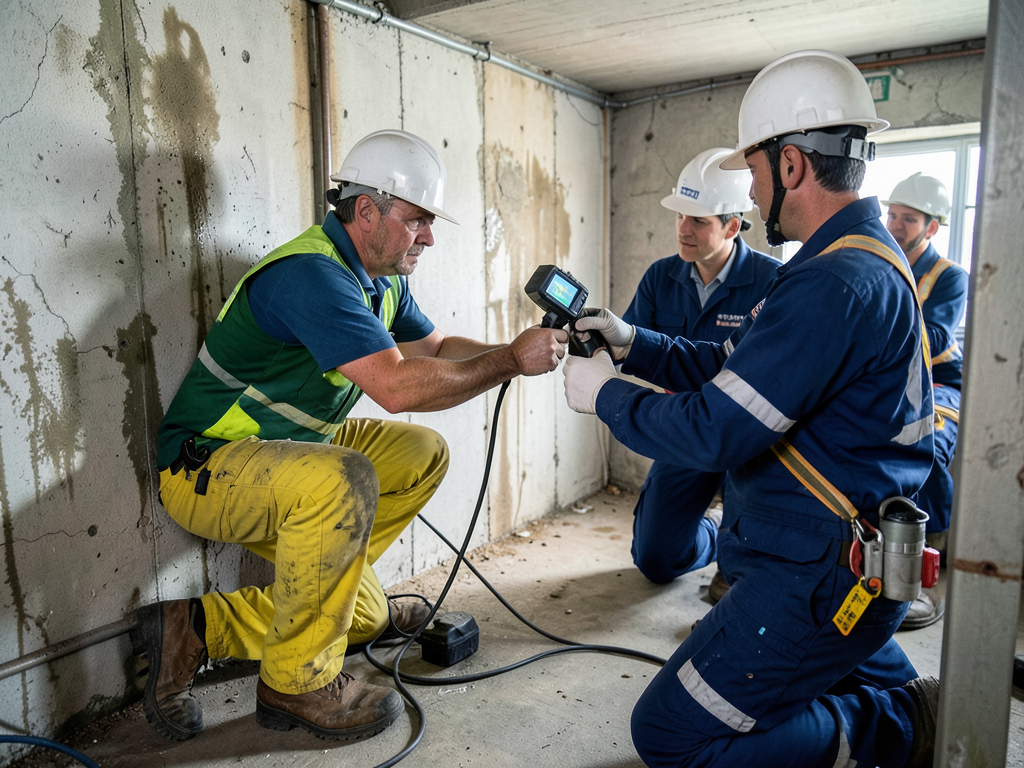
How an atmospheric river affects Portland basement flooding and what you should do When an atmospheric river hits Portland it brings more than heavy rain. These massive bands of moisture from the Pacific can dump…
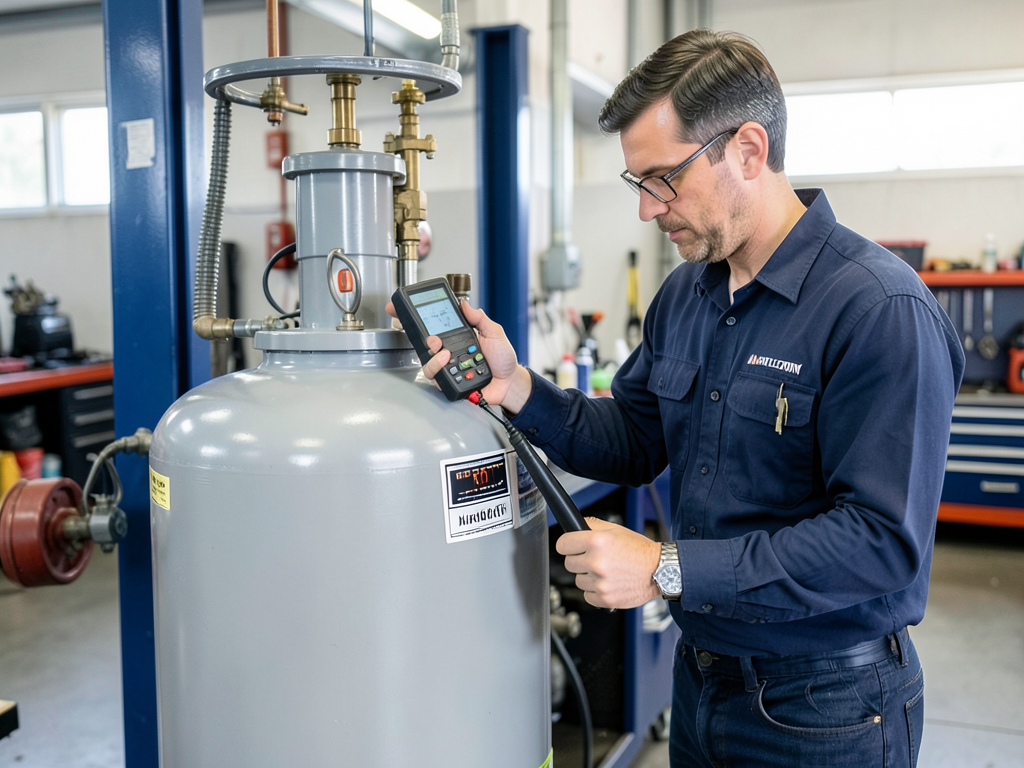
What happens when a well pump or pressure tank leaks in your Mapleton garage When…
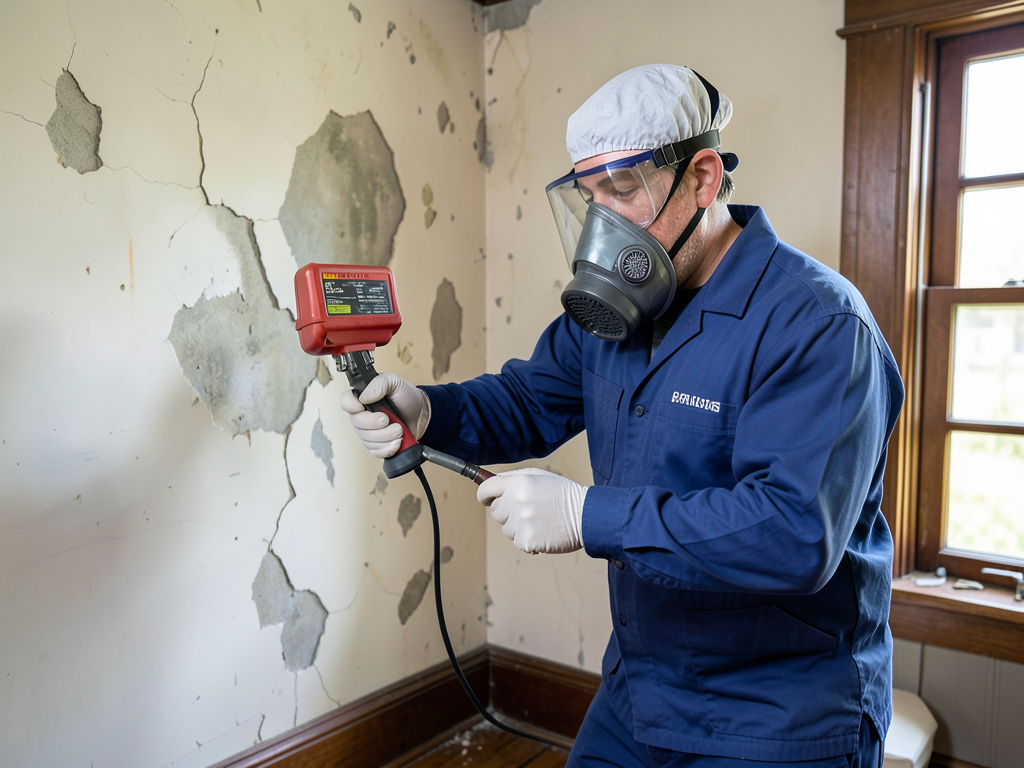
Dealing with lead and asbestos during water damage repairs in older Portland neighborhoods Portland's historic…
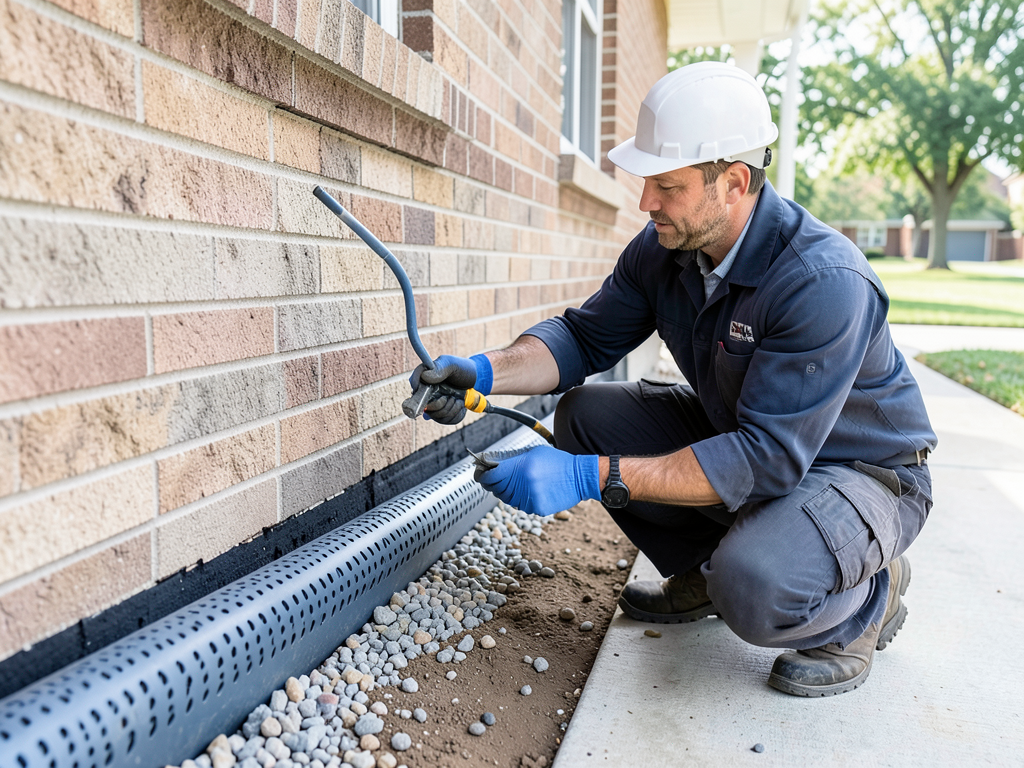
Why converting your University Park basement into a bedroom requires extra moisture protection Portland’s University…
Every minute counts when water is flooding your Milwaukie property. Call Evergreen Water Damage Restoration Portland now at (503) 882-7766 for emergency water extraction and structural drying. We answer 24/7 and dispatch crews within 60 minutes to stop damage before it spreads through your home.