


West Linn sits on steep hillsides above the Willamette River, creating drainage challenges that catch homeowners off guard. Heavy winter rains combine with clay-heavy soil that doesn't absorb water. Runoff pools against foundations in neighborhoods like Bolton and Willamette, seeping into basements and crawlspaces. Homes built into the bluffs along River Road face groundwater pressure during spring thaws. The Tualatin River floods low-lying areas near the I-205 corridor when snowmelt rushes down from the Cascades.
Older homes in the historic district near Willamette Falls lack modern vapor barriers. Newer construction on the hillsides above Highway 43 uses slab foundations that crack under soil movement, letting water migrate through concrete. West Linn's microclimate brings more precipitation than Portland proper, with fog from the river adding moisture year-round. Pipes freeze in unheated crawlspaces during January cold snaps, then burst when temperatures spike. Water heaters in garages fail without warning, flooding finished basements in split-level homes common to the Robinwood and Sunset neighborhoods. These conditions make rapid water extraction critical before mold colonizes your walls.
We've pulled water from hundreds of West Linn basements, attics, and crawlspaces since establishing our operation in the Portland metro. Our crews know the difference between a burst supply line in a 1970s ranch and groundwater intrusion in a hillside walkout basement. That knowledge changes everything about how we extract, dry, and restore your home.
When you call our dispatch at 3 AM because your water heater failed, a technician answers the phone, not a recording. We ask specific questions about your home's construction, water source, and affected areas. Within 60 minutes, our truck arrives with truck-mounted extractors that pull thousands of gallons per hour. We don't subcontract. Every technician works directly for Evergreen Water Damage Restoration Portland and carries IICRC certification in water damage restoration.
Our approach starts with stopping the source, then moves to extraction, structural drying, and monitoring. We place commercial dehumidifiers and air movers based on moisture meter readings, not guesswork. Thermal imaging cameras find hidden water in wall cavities before it rots your framing. We pull baseboards, drill weep holes in drywall, and document the entire process with photos your insurance adjuster needs.
Most water damage companies disappear after extraction. We monitor your property daily with moisture meters until readings confirm complete drying. Our project managers speak directly with your insurance carrier, provide detailed estimates, and handle the paperwork that overwhelms most homeowners. We return calls the same day because we understand you're displaced, stressed, and need answers. West Linn families choose us because we treat water damage like the emergency it is.

Our trucks stage across the Portland metro with equipment ready to deploy. When water invades your West Linn home, we arrive within an hour, day or night. Fast response prevents secondary damage that turns a cleanup into a reconstruction project. We dispatch immediately because the first three hours determine whether you're facing a cleanup or a total loss.

We document every square foot of damage with photos, moisture readings, and detailed estimates your carrier accepts. Our project managers communicate directly with adjusters, eliminating the back-and-forth that delays your claim. We know what insurers cover for sudden water damage versus deferred maintenance. This expertise gets your claim approved and your home restored without fighting your policy.
Every crew member holds certification from the Institute of Inspection, Cleaning and Restoration Certification. This training covers water classification, structural drying science, and antimicrobial application. Certification means we follow industry standards that protect your home and health. Uncertified crews guess at drying times and miss hidden moisture that grows mold in your walls six months later.
We've restored homes from Sunset Neighborhood to the Willamette shore. Our technicians know which streets flood during heavy rain, which subdivisions have clay soil drainage issues, and which builders used substandard vapor barriers. Local knowledge speeds diagnosis and prevents mistakes. We understand your home because we've worked in hundreds just like it across West Linn's hillsides and river corridors.
Water damage restoration splits into three critical phases, each requiring specialized equipment and expertise. Emergency extraction stops ongoing damage and prevents your hardwood from cupping or your drywall from disintegrating. Structural drying removes moisture trapped in framing, insulation, and subfloors where you can't see it. Restoration rebuilds what water destroyed, from replacing drywall to refinishing floors.
We handle all three phases under one contract. You don't coordinate multiple contractors or wait for a restoration crew to finish what the extraction team started. Our project managers oversee your job from the emergency call through final walkthrough. This integrated approach cuts your timeline in half and eliminates the finger-pointing that happens when extraction and restoration companies blame each other for problems.
West Linn homes need different approaches based on construction type and water source. A burst pipe in a finished basement requires different equipment than groundwater seepage in a crawlspace. Sewage backups demand antimicrobial treatment and material removal that clean water floods don't. Our crews assess your specific situation and deploy the right combination of extraction, drying, and restoration services.
When water floods your home, immediate extraction prevents catastrophic damage. Our truck-mounted pumps remove thousands of gallons per hour from basements, crawlspaces, and living areas. We extract standing water, then use commercial dehumidifiers and air movers to pull moisture from carpets, padding, and subflooring. Rapid mitigation stops your hardwood from warping, your drywall from crumbling, and mold from colonizing damp materials. We respond 24/7 because water damage accelerates every hour you wait.
Visible water represents only part of your problem. Moisture hides in wall cavities, insulation, and framing where it rots wood and grows mold. We use thermal imaging cameras to map hidden moisture, then place dehumidifiers and air movers based on scientific drying calculations. Moisture meters track progress daily until readings confirm complete drying. This monitoring prevents the mold growth that happens when crews remove equipment too early. Proper structural drying protects your home's integrity and your family's health.
After extraction and drying, your home needs rebuilding. We replace water-damaged drywall, insulation, baseboards, and flooring. Our carpenters match existing trim and textures so repairs blend invisibly. Painters use premium products that resist future moisture. We coordinate electrical and plumbing repairs when water damages systems. This complete restoration approach means you deal with one company, one timeline, and one warranty. Your home returns to pre-loss condition without the hassle of managing multiple contractors.
West Linn's topography and climate create predictable water damage patterns. Homes built on hillsides face groundwater pressure during winter rains. Clay soil doesn't drain, forcing water against foundation walls until it finds entry through cracks or aging waterproofing. River proximity brings humidity that condenses in attics and crawlspaces. Freeze-thaw cycles stress plumbing in unheated spaces, leading to burst pipes when temperatures drop below freezing then spike back above 40 degrees.
The age and construction style of West Linn homes matter. Split-level designs popular in the 1970s and 1980s create multiple entry points for water. Basement walkouts built into hillsides leak where concrete meets soil. Older homes near downtown lack proper vapor barriers, letting moisture migrate through foundation walls. New construction on steep lots sometimes has inadequate drainage systems that dump roof runoff against foundations. Understanding these local patterns helps us diagnose your specific water damage source and prevent recurrence.
Heavy winter rains saturate clay soil faster than it drains. Hydrostatic pressure forces water through foundation cracks, cold joints, and aging sealant. Basements in Bolton and Willamette neighborhoods flood repeatedly during December through March storms. Water wicks up drywall, damages flooring, and creates perfect conditions for mold growth. Proper extraction and waterproofing recommendations prevent recurring floods.
Pipes in crawlspaces and garages freeze during January cold snaps. When temperatures rise, ice melts and water sprays through split copper or burst PEX lines. A single burst supply line releases hundreds of gallons before you discover the damage. Water floods finished basements, ruins stored belongings, and saturates insulation. Fast shutoff and extraction minimize damage, but complete structural drying prevents hidden mold growth.
Water heaters in garages or basements fail without warning after 10-15 years of service. Corrosion weakens the tank until it ruptures, releasing 40-50 gallons across your floor. Water spreads under walls into adjacent rooms, soaking drywall and carpeting. Garage installations flood into finished spaces below in split-level homes. Immediate extraction and drying prevent permanent damage to flooring and framing that supports your home's structure.
Washing machine hoses, dishwasher connections, and refrigerator supply lines develop pinhole leaks or fail at connections. These slow leaks run for days before you notice water stains or soft flooring. By then, moisture has saturated subflooring and migrated into wall cavities. Kitchens and laundry rooms suffer the worst damage because leaks happen behind appliances where you can't see them until damage spreads.
The moment you discover water damage, panic sets in. Your belongings are soaking, water keeps spreading, and you don't know where to start. Our intake process brings order to chaos. When you call our emergency line, a technician answers with specific questions about your situation. We ask about the water source, affected areas, and how long water has been present. These questions help us dispatch the right equipment and crew size for your specific emergency.
Our dispatcher provides immediate guidance while the crew drives to your West Linn home. We walk you through shutting off water sources if safe to do so. We explain what to move and what to leave for documentation. This phone support calms the situation and prevents additional damage while help is on the way. You're not alone trying to figure out what to do next.
From arrival through project completion, you work with the same project manager. This person oversees extraction, coordinates with your insurance, schedules restoration work, and answers your questions. No passing you between departments or playing phone tag with different staff. One point of contact who knows your property and your situation. This consistency eliminates confusion and keeps your project moving forward without delays or miscommunication.
Our crew arrives within 60 minutes with extraction equipment ready to deploy. We assess the water source, affected areas, and damage severity. Thermal imaging cameras map moisture you can't see. We explain our findings in plain language and outline the extraction and drying plan. You receive a detailed scope of work before we start, so you understand the timeline and process. This transparency eliminates surprises and lets you make informed decisions about your property and insurance claim.
Water damage restoration takes days, not hours. We visit your property daily to check moisture levels, adjust equipment, and monitor drying progress. Your project manager calls with updates and answers questions as they arise. We don't disappear after extraction and show up weeks later for restoration. Constant monitoring ensures proper drying and catches problems before they become expensive failures. You know exactly where your project stands every single day.
We photograph damage before extraction, document moisture readings throughout drying, and provide detailed estimates for restoration work. Your insurance adjuster receives professional documentation that supports your claim. We handle communication with your carrier, answer their questions, and provide additional information they request. This takes the burden off you during an already stressful time. Our expertise with insurance claims gets your damage covered and your restoration approved without fighting your policy.
Water damage restoration follows a proven sequence. Each phase builds on the previous one, and skipping steps leads to failed drying or hidden mold growth. We start with emergency stabilization and end with complete restoration that returns your home to pre-loss condition.
Call our 24/7 emergency line at (503) 882-7766 the moment you discover water damage. Our technician gathers details about your situation and dispatches a crew immediately. We provide phone guidance while the truck drives to your West Linn home. Within 60 minutes, our crew arrives with truck-mounted extractors, dehumidifiers, air movers, and moisture detection equipment. We assess damage severity, identify the water source, and begin extraction to stop ongoing damage.
Truck-mounted pumps remove standing water from all affected areas. We extract water from carpets, padding, and porous materials, then position commercial dehumidifiers and air movers based on moisture meter readings. Thermal imaging locates hidden moisture in walls and ceilings. We monitor your property daily, adjusting equipment and tracking drying progress with moisture meters. Drying continues until readings confirm all materials have returned to normal moisture content. This typically takes three to five days depending on damage severity.
After complete structural drying, our carpenters and contractors rebuild damaged areas. We replace drywall, insulation, baseboards, and flooring destroyed by water. Painters match existing colors and textures. We coordinate any necessary electrical or plumbing repairs. Your project manager conducts a final walkthrough, ensuring every detail meets your approval. You sign off on completed work only when your home has returned to pre-loss condition and you're completely satisfied with the restoration.
Water damage restoration relies on psychrometrics, the science of air and moisture interaction. Successful drying requires understanding moisture content, relative humidity, temperature, and airflow. Amateur crews place equipment randomly and hope for the best. Professional restoration uses calculations and monitoring to achieve complete drying in the shortest safe timeframe.
The Institute of Inspection, Cleaning and Restoration Certification establishes industry standards for water damage restoration. IICRC S500 Standard and Reference Guide for Professional Water Damage Restoration defines proper procedures for assessment, extraction, drying, and monitoring. This standard categorizes water by contamination level and building materials by porosity, then prescribes specific drying approaches for each combination. Following S500 protocols prevents the mold growth and structural damage that results from improper drying.
Water falls into three categories. Category 1 is clean water from supply lines or rain. Category 2 is grey water from appliances, containing some contamination. Category 3 is black water from sewage or flooding, requiring antimicrobial treatment and material removal. The category determines our safety protocols, disposal procedures, and restoration approach. We test questionable water sources and treat them as the higher category to protect your family's health.
Structural materials have different drying requirements based on porosity. Class 1 damage affects materials with low porosity like concrete or plywood. Class 2 involves entire rooms with wet carpet and walls wicked up 12-24 inches. Class 3 describes water from overhead affecting walls, ceilings, insulation, and subfloors. Class 4 requires specialty drying for low-porosity materials like hardwood or plaster that release moisture slowly. We classify your damage accurately and deploy equipment suited to your specific material types and saturation levels.
Dehumidification works by condensing moisture from air, lowering relative humidity so wet materials release moisture faster. We calculate the required dehumidification capacity based on affected square footage, material types, and outdoor conditions. Air movers create airflow across wet surfaces, speeding evaporation into the air that dehumidifiers process. The combination of dehumidification and airflow creates optimal drying conditions. We adjust equipment placement and settings based on daily moisture readings, not fixed timelines. This scientific approach ensures complete drying without over-drying or under-drying your home's structural materials.
The Institute of Inspection, Cleaning and Restoration Certification trains technicians in water damage science, safety protocols, and restoration standards. Certification requires classroom training, written exams, and continuing education. IICRC-certified firms follow the S500 standard for assessment, extraction, drying, and monitoring. This certification ensures your restoration crew understands psychrometrics, moisture mapping, and antimicrobial treatment. Uncertified companies skip critical steps that lead to mold growth and structural failure months after they leave.
Water damage restoration costs depend on water category, affected square footage, material types, and damage severity. Category 3 sewage requires antimicrobial treatment and material disposal that clean water doesn't. Hardwood floors need specialty drying that costs more than carpet extraction. Damage to multiple floors or finished basements increases equipment needs and labor time. Insurance typically covers sudden damage from burst pipes or appliance failures. Gradual leaks or deferred maintenance may not be covered. We provide detailed estimates your adjuster can evaluate.
Complete structural drying takes three to seven days for most water damage situations. Variables include affected materials, saturation depth, humidity levels, and airflow restrictions. Concrete and hardwood dry slower than drywall and carpet. Winter humidity extends drying time compared to summer conditions. We monitor moisture daily with pin and pinless meters, removing equipment only when readings confirm complete drying. Rushing this process leaves hidden moisture that grows mold. Proper drying timelines protect your investment and your family's health.
Category 2 and 3 water requires antimicrobial treatment to eliminate bacteria, viruses, and pathogens. We apply EPA-registered disinfectants to all affected surfaces after extraction. Porous materials like drywall and insulation that contacted sewage require removal and disposal per IICRC standards. Non-porous surfaces can be treated and salvaged. Our antimicrobial protocols follow manufacturer guidelines for contact time, dilution rates, and application methods. This treatment protects your family from biological hazards that survive in damp materials.
This video explains professional water damage restoration procedures for West Linn homeowners. Evergreen Water Damage Restoration Portland demonstrates emergency water extraction, structural drying science, moisture monitoring techniques, and insurance documentation requirements. The video covers common West Linn water damage sources including burst pipes, groundwater seepage, and appliance failures. Viewers learn IICRC restoration standards, proper drying timelines, and antimicrobial treatment protocols. The presentation includes geographic factors affecting West Linn properties and complete restoration processes from emergency response through final completion.
Evergreen Water Damage Restoration Portland serves every neighborhood across West Linn, from the historic homes near Willamette Falls to new construction on the hillsides above Highway 43. We know the water damage patterns that affect different parts of the city because we've restored properties in each area.
The Sunset neighborhood and Robinwood area feature split-level homes built in the 1970s and 1980s. These designs create multiple entry points for water, and finished basements flood when pipes burst or groundwater seeps through foundation walls. We've extracted water from dozens of these homes and understand their unique drainage challenges. The hillside lots in these neighborhoods shed water during heavy rain, but clay soil prevents absorption. Water pools against foundations until it finds entry through cracks or aging waterproofing.
Bolton and Willamette sit closer to the river, where groundwater levels rise during winter storms. Basements in these older neighborhoods lack modern vapor barriers and waterproofing systems. We've worked with homeowners in these areas to not only extract water and dry structures but also recommend drainage improvements that prevent recurring floods. The proximity to the Willamette River brings humidity that accelerates mold growth if water damage isn't dried properly.
Homes along River Road and near the bluffs overlooking the Willamette face unique challenges. These properties built into hillsides experience hydrostatic pressure from groundwater moving downslope. Walkout basements leak where concrete meets soil, especially during spring snowmelt. We've restored numerous riverfront properties where scenic locations come with water intrusion risks. Understanding these geographic factors helps us recommend both immediate restoration and long-term waterproofing solutions.
The newer subdivisions on the western edge of West Linn near Rosemont and the areas approaching Lake Oswego feature modern construction with better drainage systems. Water damage in these homes typically comes from plumbing failures rather than groundwater. Burst supply lines, failed water heaters, and appliance leaks cause most calls we receive from these neighborhoods. The homes are newer, but water still destroys flooring, drywall, and belongings when pipes fail.
We also serve properties near the I-205 corridor and along Salamo Road where commercial and residential areas mix. Water damage in these locations often involves larger square footage and multiple floors. Our commercial extraction equipment handles these bigger jobs efficiently. We stage equipment across the Portland metro area, so response times to West Linn stay under 60 minutes regardless of which neighborhood you're in. From the riverfront to the hillsides, from downtown to the western subdivisions, we've restored homes throughout West Linn and understand the specific water damage risks your location faces.
Water damage restoration in West Linn addresses flooding, leaks, and moisture problems in homes and businesses. Professionals extract standing water, dry affected areas, and prevent mold growth. The process typically includes inspection, water removal, dehumidification, cleaning, and repairs. West Linn's wet climate and proximity to the Willamette River make properties vulnerable to water intrusion. Quick response matters because damage worsens within 24-48 hours. Restoration teams use industrial equipment like air movers and dehumidifiers to salvage your property. Most services work directly with insurance companies to streamline claims.
West Linn faces unique water damage risks due to heavy rainfall, aging infrastructure, and river proximity. Basements and crawl spaces flood during winter storms. Burst pipes happen during cold snaps when temperatures drop unexpectedly. Roof leaks develop from moss growth and debris buildup. Older homes in neighborhoods like Willamette and Bolton often have outdated plumbing systems prone to failure. The area's clay-heavy soil retains moisture, creating foundation drainage issues. Understanding these local factors helps you protect your property and respond quickly when water damage occurs.
Professional water damage restoration follows a systematic approach. Technicians first assess the extent of damage using moisture meters and thermal imaging cameras. They categorize water as clean, gray, or black based on contamination level. Equipment placement comes next with strategic positioning of extractors, air movers, and dehumidifiers. Daily monitoring tracks drying progress until moisture levels return to normal. Antimicrobial treatments prevent mold and bacteria growth. The final phase includes repairs to drywall, flooring, and other damaged materials. Documentation throughout supports your insurance claim.
Water damage restoration in West Linn addresses flooding, leaks, and moisture problems in homes and businesses. Professionals extract standing water, dry affected areas, and prevent mold growth. The process typically includes inspection, water removal, dehumidification, cleaning, and repairs. West Linn's wet climate and proximity to the Willamette River make properties vulnerable to water intrusion. Quick response matters because damage worsens within 24-48 hours. Restoration teams use industrial equipment like air movers and dehumidifiers to salvage your property. Most services work directly with insurance companies to streamline claims.
West Linn faces unique water damage risks due to heavy rainfall, aging infrastructure, and river proximity. Basements and crawl spaces flood during winter storms. Burst pipes happen during cold snaps when temperatures drop unexpectedly. Roof leaks develop from moss growth and debris buildup. Older homes in neighborhoods like Willamette and Bolton often have outdated plumbing systems prone to failure. The area's clay-heavy soil retains moisture, creating foundation drainage issues. Understanding these local factors helps you protect your property and respond quickly when water damage occurs.
Professional water damage restoration follows a systematic approach. Technicians first assess the extent of damage using moisture meters and thermal imaging cameras. They categorize water as clean, gray, or black based on contamination level. Equipment placement comes next with strategic positioning of extractors, air movers, and dehumidifiers. Daily monitoring tracks drying progress until moisture levels return to normal. Antimicrobial treatments prevent mold and bacteria growth. The final phase includes repairs to drywall, flooring, and other damaged materials. Documentation throughout supports your insurance claim.
Time is your biggest enemy with water damage. Mold spores begin growing within 24-48 hours in damp conditions. Wood warps and swells, often becoming unsalvageable after prolonged exposure. Wet insulation loses effectiveness and requires replacement. Standing water seeps deeper into structural materials with each passing hour. Electrical systems face increased safety hazards when saturated. Immediate action saves money and prevents health risks. Turn off water sources, move valuables to dry areas, and contact restoration professionals right away. Delay transforms minor damage into major reconstruction projects.
West Linn restoration companies use specialized equipment unavailable to homeowners. Truck-mounted extractors remove thousands of gallons quickly. Commercial dehumidifiers pull moisture from air and materials at high capacity. Air movers create airflow patterns for optimal drying. Moisture detection tools identify hidden water in walls and subfloors. HEPA filtration systems clean air during restoration. Technicians understand proper equipment placement for maximum effectiveness. They monitor humidity levels and adjust equipment as conditions change. This professional approach prevents secondary damage and accelerates recovery time significantly.
Your homeowner's insurance typically covers sudden and accidental water damage. Burst pipes, appliance malfunctions, and storm-related flooding usually qualify for coverage. Gradual damage from poor maintenance gets denied. Flood insurance through FEMA is separate from standard policies and covers natural flooding events. Review your policy details before damage occurs. Document everything with photos and videos. Keep damaged items until adjusters inspect them. Restoration companies often handle insurance communication and provide detailed reports. Understanding your coverage helps you make informed decisions during stressful situations.
You face serious health risks if you ignore water damage. Mold releases spores that trigger respiratory problems, allergies, and asthma attacks. Contaminated water carries bacteria, viruses, and parasites. Structural weakening creates physical hazards like ceiling collapses. Wet environments attract pests including rodents and insects. Standing water breeds mosquitoes. Children and elderly people face greater vulnerability to these dangers. Professional restoration includes proper safety protocols, protective equipment, and sanitization procedures. Addressing water damage quickly protects your family's health and maintains a safe living environment.
Prevention saves you from restoration costs and stress. Inspect your roof twice yearly for damaged shingles and flashing. Clean gutters and downspouts to direct water away from foundations. Install a sump pump in basements and crawl spaces. Insulate pipes in unheated areas before winter. Replace washing machine hoses every five years. Monitor water pressure to prevent pipe stress. Seal foundation cracks and install proper drainage systems. Know where your main water shutoff valve is located. Regular maintenance catches small problems before they become major water damage events.
Choose a restoration company with IICRC certification and local experience in West Linn. Check online reviews and ask neighbors for recommendations. Verify they offer 24/7 emergency response since water damage requires immediate attention. Ask about their drying methods, equipment quality, and typical project timelines. Confirm they work with your insurance provider. Request references from recent projects. Avoid companies requiring large upfront payments or offering suspiciously low estimates. Reputable professionals provide detailed written estimates and clearly explain their restoration process. Your choice affects recovery speed and final results.
Water damage restoration in West Linn takes anywhere from three days to several weeks. Minor leaks with limited affected areas dry within 3-5 days. Moderate damage involving multiple rooms takes 1-2 weeks. Extensive flooding requiring structural repairs extends to 3-4 weeks or longer. Factors affecting timeline include water source, contamination level, building materials, and weather conditions. Humidity slows drying progress. Professional monitoring ensures complete drying before reconstruction begins. Rushing the process leads to mold problems later. Your restoration team provides timeline estimates based on your specific situation.
Time is your biggest enemy with water damage. Mold spores begin growing within 24-48 hours in damp conditions. Wood warps and swells, often becoming unsalvageable after prolonged exposure. Wet insulation loses effectiveness and requires replacement. Standing water seeps deeper into structural materials with each passing hour. Electrical systems face increased safety hazards when saturated. Immediate action saves money and prevents health risks. Turn off water sources, move valuables to dry areas, and contact restoration professionals right away. Delay transforms minor damage into major reconstruction projects.
West Linn restoration companies use specialized equipment unavailable to homeowners. Truck-mounted extractors remove thousands of gallons quickly. Commercial dehumidifiers pull moisture from air and materials at high capacity. Air movers create airflow patterns for optimal drying. Moisture detection tools identify hidden water in walls and subfloors. HEPA filtration systems clean air during restoration. Technicians understand proper equipment placement for maximum effectiveness. They monitor humidity levels and adjust equipment as conditions change. This professional approach prevents secondary damage and accelerates recovery time significantly.
Your homeowner's insurance typically covers sudden and accidental water damage. Burst pipes, appliance malfunctions, and storm-related flooding usually qualify for coverage. Gradual damage from poor maintenance gets denied. Flood insurance through FEMA is separate from standard policies and covers natural flooding events. Review your policy details before damage occurs. Document everything with photos and videos. Keep damaged items until adjusters inspect them. Restoration companies often handle insurance communication and provide detailed reports. Understanding your coverage helps you make informed decisions during stressful situations.
You face serious health risks if you ignore water damage. Mold releases spores that trigger respiratory problems, allergies, and asthma attacks. Contaminated water carries bacteria, viruses, and parasites. Structural weakening creates physical hazards like ceiling collapses. Wet environments attract pests including rodents and insects. Standing water breeds mosquitoes. Children and elderly people face greater vulnerability to these dangers. Professional restoration includes proper safety protocols, protective equipment, and sanitization procedures. Addressing water damage quickly protects your family's health and maintains a safe living environment.
Prevention saves you from restoration costs and stress. Inspect your roof twice yearly for damaged shingles and flashing. Clean gutters and downspouts to direct water away from foundations. Install a sump pump in basements and crawl spaces. Insulate pipes in unheated areas before winter. Replace washing machine hoses every five years. Monitor water pressure to prevent pipe stress. Seal foundation cracks and install proper drainage systems. Know where your main water shutoff valve is located. Regular maintenance catches small problems before they become major water damage events.
Choose a restoration company with IICRC certification and local experience in West Linn. Check online reviews and ask neighbors for recommendations. Verify they offer 24/7 emergency response since water damage requires immediate attention. Ask about their drying methods, equipment quality, and typical project timelines. Confirm they work with your insurance provider. Request references from recent projects. Avoid companies requiring large upfront payments or offering suspiciously low estimates. Reputable professionals provide detailed written estimates and clearly explain their restoration process. Your choice affects recovery speed and final results.
Water damage restoration in West Linn takes anywhere from three days to several weeks. Minor leaks with limited affected areas dry within 3-5 days. Moderate damage involving multiple rooms takes 1-2 weeks. Extensive flooding requiring structural repairs extends to 3-4 weeks or longer. Factors affecting timeline include water source, contamination level, building materials, and weather conditions. Humidity slows drying progress. Professional monitoring ensures complete drying before reconstruction begins. Rushing the process leads to mold problems later. Your restoration team provides timeline estimates based on your specific situation.
Evergreen Water Damage Restoration proudly serves Portland and the surrounding areas, providing rapid and reliable water damage solutions whenever you need us. While our physical office is located conveniently for local operations, our dedicated teams are mobile and ready to deploy across the region. View our service area on the map to understand our reach, or simply call us to confirm if we cover your specific location. We are committed to extending our expert services to every community in need.
Address:
West Linn, OR, 97068
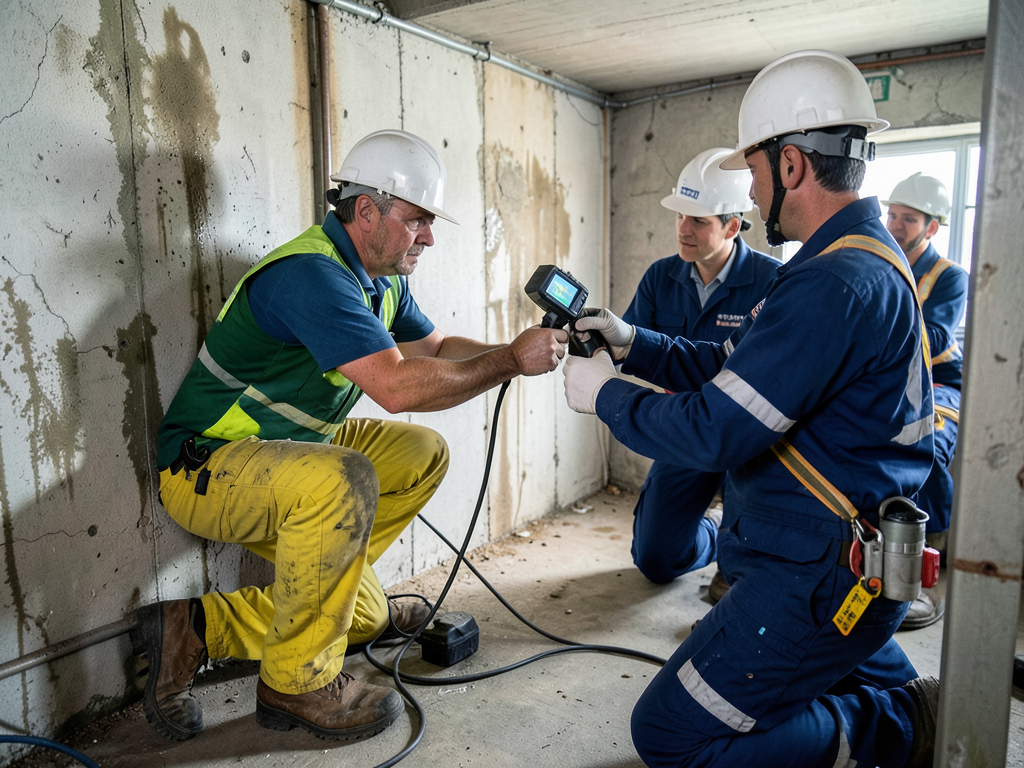
How an atmospheric river affects Portland basement flooding and what you should do When an atmospheric river hits Portland it brings more than heavy rain. These massive bands of moisture from the Pacific can dump…
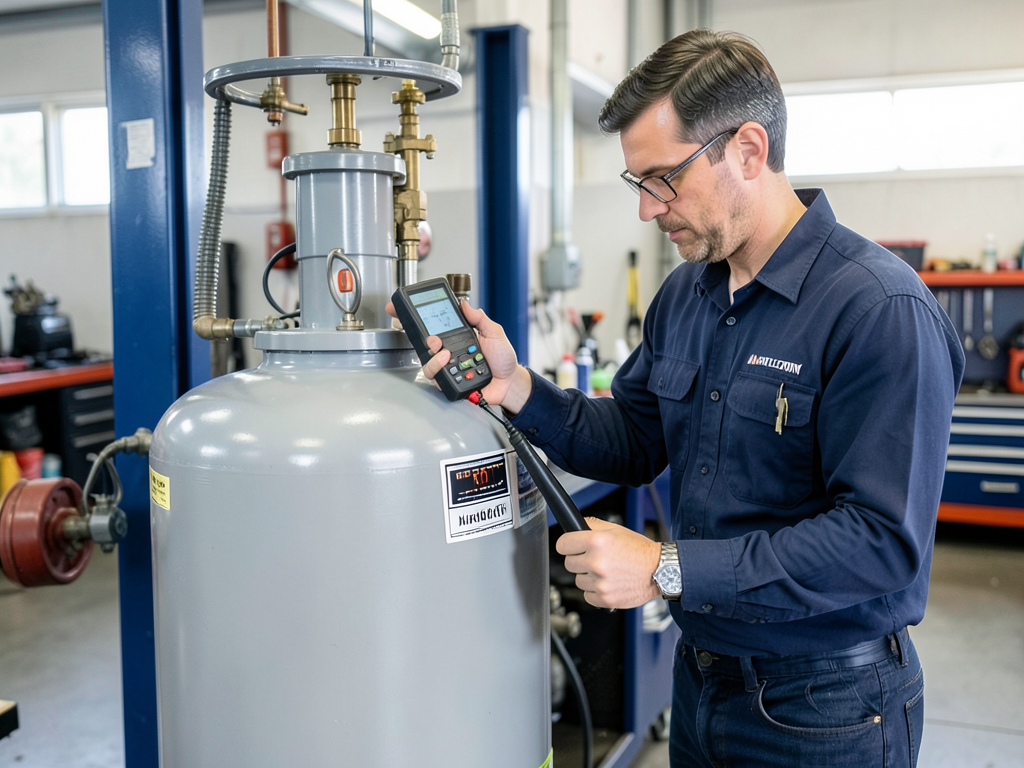
What happens when a well pump or pressure tank leaks in your Mapleton garage When…
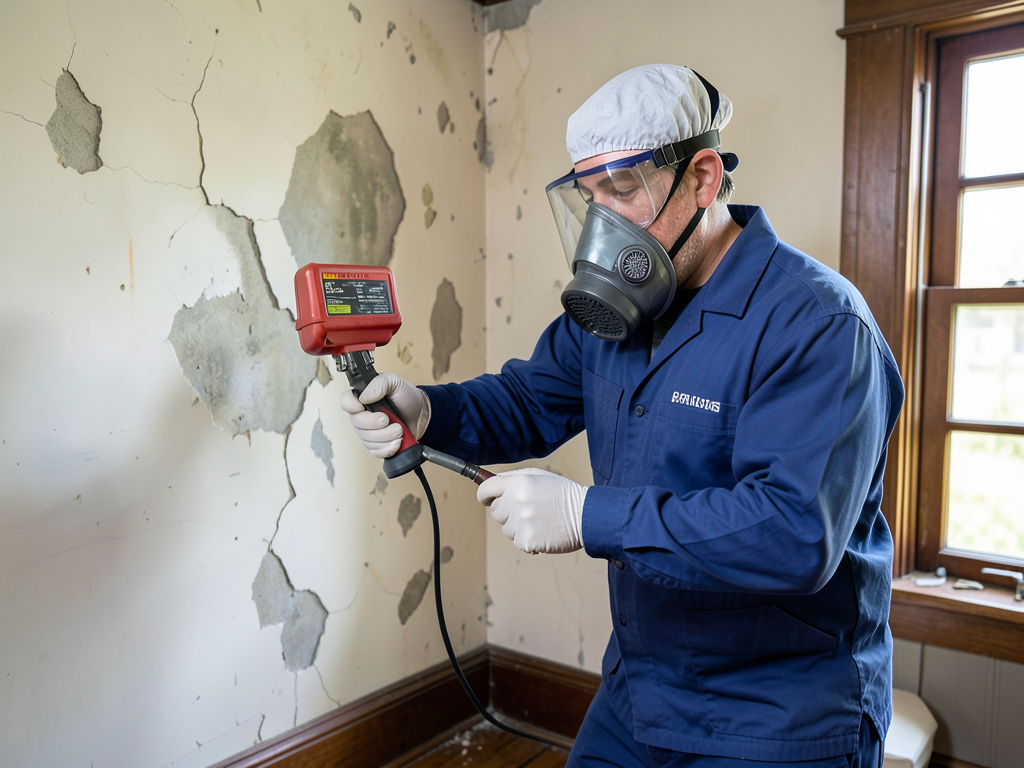
Dealing with lead and asbestos during water damage repairs in older Portland neighborhoods Portland's historic…
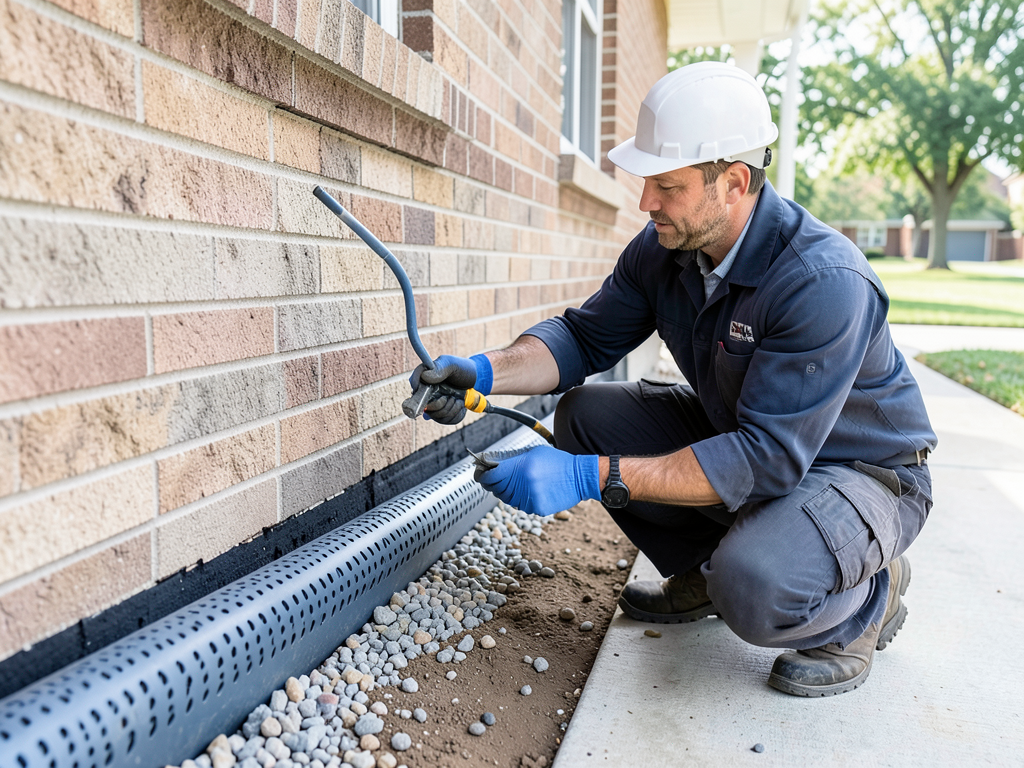
Why converting your University Park basement into a bedroom requires extra moisture protection Portland’s University…
Every hour you wait allows water to cause more damage. Call Evergreen Water Damage Restoration Portland now at (503) 882-7766 for 24/7 emergency response. Our crews arrive within 60 minutes with equipment ready to extract water and start drying your West Linn home.