Menu

Musty Smells & Odor Removal in Portland – Permanent Solutions for Hidden Moisture Problems

Expert musty smell and odor removal that targets moisture at the source, not just surface symptoms, restoring clean air quality to Portland homes and businesses affected by water damage.

Slider Image 1
Slider Image 2
Slider Image 3
Slider Image 4
Slider Image 5
Slider Image 7
Slider Image 8
Slider Image 9
Slider Image 10
Slider Image 11

Why Portland Homes Develop Persistent Musty Odors

That damp, earthy smell in your basement or crawl space is not normal. Portland's unique climate creates perfect conditions for musty odors. We get over 40 inches of rain annually, concentrated in fall through spring. This relentless moisture combined with our mild winters means buildings rarely get a chance to fully dry out.

The result is chronic dampness in areas you cannot see. Your crawl space, wall cavities, and subfloor spaces absorb moisture all winter. When temperatures rise in summer, that trapped moisture releases as vapor, carrying the unmistakable smell of mildew and decay. The odor is not the problem. It is the symptom.

Portland's older housing stock makes this worse. Many homes built before 1980 lack proper vapor barriers or adequate ventilation. Homes in neighborhoods like Eastmoreland, Laurelhurst, and Alberta Arts District often have fieldstone foundations that wick groundwater directly into crawl spaces. New construction in areas like Happy Valley faces different challenges. Poor grading on hillside lots sends runoff straight toward foundations.

That musty smell means active microbial growth somewhere in your structure. You are breathing spores every day. Mildew odor elimination requires more than air fresheners or dehumidifiers. You need to find the moisture source, eliminate it, and then neutralize the contamination it created.

Ignoring the smell leads to worse problems. Wood rot, structural damage, and health issues develop slowly but compound over time. The longer moisture remains trapped in your building envelope, the more expensive the fix becomes.

Why Portland Homes Develop Persistent Musty Odors
How Professional Odor Remediation Differs from Masking Techniques

How Professional Odor Remediation Differs from Masking Techniques

Most homeowners try the wrong approach first. They buy deodorizers, run fans, or place bowls of baking soda around the house. These methods mask odor temporarily but never address the actual problem. Professional damp smell remediation follows a systematic protocol that eliminates the source.

We start with moisture mapping using thermal imaging cameras and hygrometers. These tools identify exactly where moisture hides. In Portland homes, we commonly find elevated moisture readings behind bathroom tiles, under kitchen sinks, in exterior wall cavities on north-facing walls, and throughout crawl spaces with inadequate ventilation.

Once we map the moisture, we trace it to the entry point. Is it a plumbing leak, roof penetration, failed window flashing, or hydrostatic pressure from saturated soil? Each source requires a different remedy. We do not start removing moldy scents until we stop new moisture from entering.

After we eliminate the moisture source, we focus on contaminated materials. Porous materials like drywall, insulation, and subflooring cannot be saved if they have been wet for more than 48 hours. We remove and dispose of these materials following EPA protocols. Non-porous surfaces like concrete and framing lumber get treated with antimicrobial solutions.

The final phase involves air scrubbing and neutralizing musty odors at the molecular level. We use hydroxyl generators and HEPA filtration systems to process every cubic foot of air in the affected space. These machines break down odor-causing compounds rather than covering them up. We run them continuously until air quality testing confirms the space is clean.

This is not a quick fix. Proper eradicating water damage smells takes days, not hours. But when we finish, the smell is gone permanently because the cause is gone.

What Happens During Your Odor Removal Service

Musty Smells & Odor Removal in Portland – Permanent Solutions for Hidden Moisture Problems
01

Initial Moisture Assessment

We arrive with professional moisture detection equipment and begin systematic testing throughout your property. Thermal imaging reveals temperature differentials that indicate trapped moisture behind surfaces. Pin-type and non-invasive moisture meters give us exact readings in wood framing, drywall, and concrete. We document every finding with photos and data logs, creating a moisture map that guides all remediation work. This diagnostic phase typically takes 60 to 90 minutes.
02

Source Elimination and Containment

We set up negative air pressure containment to prevent cross-contamination to clean areas of your home. Then we address the moisture source, whether that means repairing plumbing, improving drainage, or sealing foundation cracks. Contaminated materials get removed and bagged for proper disposal. We apply antimicrobial treatments to all affected surfaces. This phase varies in duration based on the extent of damage but typically requires one to three days of active work.
03

Air Purification and Verification

Industrial air scrubbers and hydroxyl generators run continuously to process contaminated air. We monitor air quality improvement using particle counters and odor assessment protocols. Once readings meet acceptable standards, we perform final verification testing. You receive documentation showing before and after moisture levels, photos of all work performed, and recommendations for preventing future issues. The air purification phase usually runs for two to four days depending on square footage and contamination severity.

Why Portland Property Owners Choose Evergreen Water Damage Restoration

Portland has unique building challenges that require local knowledge. We understand how the Tualatin Mountains create microclimates that trap moisture in West Hills homes. We know which neighborhoods have high water tables that cause chronic crawl space issues. We have worked in hundreds of Portland homes and understand the specific construction methods used across different eras.

Our technicians train specifically on Pacific Northwest moisture problems. We know that removing moldy scents in a 1920s bungalow in Sellwood requires a different approach than treating a 1990s split-level in Beaverton. Historic homes often have plaster walls, balloon framing, and no vapor barriers. Modern homes have oriented strand board sheathing that holds moisture differently than old-growth lumber.

We also understand Portland's regulatory environment. If your odor problem involves extensive mold remediation, we follow Oregon Health Authority guidelines and can coordinate with certified industrial hygienists when needed. We know which situations require professional assessment and which ones we can handle with standard protocols.

Equipment matters in this work. We maintain a full inventory of professional-grade moisture meters, thermal cameras, hydroxyl generators, HEPA air scrubbers, and dehumidifiers. We do not rent equipment or show up unprepared. Every truck carries the tools needed to handle any moisture situation we encounter.

You also get straight answers. If your problem has a simple fix, we tell you. If you need extensive remediation, we explain exactly why and what happens if you delay. We have seen too many homeowners waste money on partial fixes that fail within months. Our goal is permanent mildew odor elimination, not temporary relief.

Evergreen Water Damage Restoration Portland has built our reputation on solving problems other companies miss. When you call us, you get technicians who understand building science and treat your property with the care it deserves.

What to Expect When You Call for Odor Removal

Response Time and Scheduling

We answer calls seven days a week and can schedule most assessments within 24 to 48 hours. Emergency situations involving active water intrusion get same-day response. We understand that musty smells often indicate ongoing problems that worsen with time, so we prioritize scheduling to prevent further damage. Initial assessments typically take 90 minutes to two hours depending on property size. We provide detailed written estimates before starting any remediation work, breaking down every cost so you understand exactly what you are paying for and why each step matters.

Comprehensive Moisture Investigation

Our assessment goes far beyond sniffing around and guessing. We use calibrated moisture meters to take readings in multiple locations throughout affected areas. Thermal imaging cameras reveal hidden moisture patterns behind walls and under floors. We inspect plumbing connections, roof penetrations, foundation walls, crawl spaces, and any other potential moisture entry points. You receive a detailed moisture map showing exactly where problems exist and what caused them. This diagnostic thoroughness eliminates guesswork and prevents incomplete repairs that fail. We test air quality and take humidity readings to establish baseline data for comparison after remediation.

The Quality of Completed Work

When we finish, your space smells clean because it is clean. We do not cover up odors or leave hidden moisture that will cause problems later. Every surface gets properly dried, treated, or replaced depending on contamination level. Air quality testing confirms that spore counts and volatile organic compounds have returned to acceptable levels. We provide complete documentation including photos of work performed, final moisture readings, and air quality results. You get written recommendations for preventing future moisture problems specific to your property. The difference between our work and quick fixes becomes obvious within the first week when the smell stays gone.

Ongoing Prevention and Maintenance

We provide guidance on maintaining the improvements we make. This includes recommendations for dehumidifier placement, ventilation improvements, and seasonal maintenance tasks that prevent moisture accumulation. For properties with chronic moisture challenges, we can establish monitoring schedules to catch problems before they create new odors. We remain available for questions and follow-up inspections to verify that solutions remain effective. If you later discover additional moisture issues in other areas, we already have baseline data about your property and can diagnose new problems efficiently. Our goal is long-term resolution, not repeat business from recurring failures.

Frequently Asked Questions

You Have Questions,
We Have Answers

How to get rid of a strong musty smell? +

Start by identifying the source. Strong musty smells come from moisture buildup, hidden mold, or poor ventilation. Check your crawl space, attic, and basement. Portland's wet climate makes these areas prone to dampness. Open windows to increase airflow, run a dehumidifier to lower humidity below 50%, and clean soft surfaces like carpets and curtains. If the smell persists after drying out the space, you need professional moisture detection and mold remediation. Surface cleaning won't fix hidden microbial growth behind walls or under flooring. The odor is a symptom, not the problem itself.

Will DampRid get rid of musty smell? +

DampRid absorbs excess moisture in small, enclosed spaces like closets or cabinets. It helps with minor humidity issues but cannot eliminate whole-house mustiness caused by mold, wet building materials, or crawl space moisture. Portland homes need more than passive moisture traps to address chronic dampness from our rainy winters. If you smell mustiness throughout your home, you need active dehumidification and source removal. DampRid treats symptoms in limited areas but does not address structural moisture intrusion or existing microbial contamination that causes persistent odors.

How to get rid of old lady smell in house? +

This smell comes from stale air, accumulated fabric oils, mothballs, or long-term moisture in carpet and upholstery. Start by washing all textiles, including curtains and bedding. Steam clean carpets and furniture. Replace HVAC filters and increase ventilation by opening windows when weather permits. In Portland's damp climate, run a dehumidifier to prevent moisture accumulation. Check for hidden mold in closets or under furniture where airflow is limited. If the smell lingers after cleaning, you may have absorbed odors in drywall or subflooring that require professional remediation and odor encapsulation.

What is the hardest smell to get rid of in a house? +

Smoke and biological odors are the most stubborn. Cigarette smoke penetrates drywall, insulation, and HVAC systems. Decomposition, sewage, and mold release volatile organic compounds that bond to porous materials. Surface cleaning does not remove these embedded molecules. You need thermal fogging, hydroxyl generators, or ozone treatment combined with material removal in severe cases. Portland's moisture can reactivate dormant odors in porous surfaces. Professional remediation includes identifying contaminated materials, treating salvageable surfaces with specialized sealers, and replacing unsalvageable components. DIY methods only mask these smells temporarily.

What is the most powerful odor eliminator? +

Hydroxyl generators and ozone machines are the most effective for severe odors, but require proper training and safety protocols. For homeowner use, activated charcoal and enzymatic cleaners work well for organic odors like pet urine or mildew. Commercial products with oxidizing agents break down odor molecules rather than masking them. Portland homeowners should address moisture first because no eliminator works if the source keeps producing new odors. Professional restoration uses thermal fogging and vapor treatments that penetrate porous materials. The right solution depends on odor type and contamination extent, not product marketing claims.

What does a musty smell indicate? +

A musty smell signals active microbial growth or decaying organic matter. Mold, mildew, and bacteria release volatile organic compounds as they digest cellulose in wood, drywall, or fabric. The odor means moisture levels are high enough to support growth, even if you cannot see visible colonies. In Portland, this happens in crawl spaces, basements, and attics where ventilation is poor and humidity stays elevated. The smell is an early warning that conditions favor ongoing damage. You need moisture testing and inspection to locate the source before the problem spreads and causes structural deterioration or health concerns.

Why does my house smell musty but I can't find mold? +

Hidden mold grows in wall cavities, under flooring, above ceilings, and inside HVAC ducts where you cannot see it. Portland's frequent rain and high humidity create perfect conditions for concealed growth. Check for roof leaks, plumbing leaks, condensation on pipes, or poor crawl space ventilation. Mold needs only moisture and organic material to thrive. Use a moisture meter to scan walls and floors for elevated readings. If you detect moisture without visible mold, you need professional inspection with thermal imaging or borescope cameras to identify hidden colonies before they spread.

Is DampRid better than a dehumidifier? +

They serve different purposes. Dehumidifiers actively remove moisture from the air and work continuously to maintain target humidity levels throughout your home. DampRid is a passive desiccant for small spaces like closets. For Portland homes dealing with seasonal dampness, a dehumidifier provides consistent moisture control and prevents new mold growth. DampRid cannot handle the moisture load from our wet winters or address whole-house humidity. If you have ongoing mustiness, invest in a quality dehumidifier rated for your square footage and empty it regularly or connect it to a drain line.

How long does it take a dehumidifier to remove musty smell? +

It depends on humidity levels, space size, and odor source. A properly sized dehumidifier can lower humidity to safe levels within 24 to 48 hours in a dry structure. But if wet materials are still present, the smell persists until you remove or dry contaminated items. Musty odors from mold growth require remediation, not just dehumidification. Portland homes with crawl space moisture may see improvement in days, but full odor removal needs source correction. If the smell remains after a week of dehumidifier use, you have hidden moisture or microbial growth that requires professional evaluation.

What causes old people to smell in a house? +

This smell comes from reduced housekeeping activity, poor ventilation, incontinence issues, medication odors, or accumulated dust and skin cells. Aging adults often keep homes warmer with windows closed, reducing fresh air circulation. In Portland's damp climate, this traps moisture and allows mildew to develop in fabrics and carpets. Addressing it requires increased ventilation, regular deep cleaning of soft surfaces, HVAC filter changes, and humidity control. If the smell is strong or musty, check for hidden moisture problems or mold growth in bathrooms and bedrooms where humidity accumulates from daily activities.

How Portland's Rain Patterns Create Chronic Indoor Moisture Problems

Portland receives most of its annual rainfall between October and April in steady, persistent precipitation rather than dramatic storms. This pattern keeps building materials in a constant state of elevated moisture for months at a time. Exterior cladding, roof sheathing, and foundation walls absorb moisture throughout winter and rarely get extended dry periods to fully release it. The problem becomes severe in homes with poor attic ventilation or inadequate crawl space vapor barriers. When spring arrives, that trapped moisture moves into your living space as vapor, bringing musty odors with it. This cycle repeats annually, creating chronic mildew problems that require source-level intervention, not temporary fixes.

Our work throughout the greater Portland metro area has taught us the specific moisture patterns in different neighborhoods. Homes near the Willamette River face different challenges than hillside properties in the West Hills. Areas with clay soil like parts of Beaverton and Hillsboro experience seasonal foundation movement that creates new cracks for water entry. We understand these local variables because we encounter them daily. When you choose a local water damage restoration company with years of Portland-specific experience, you get solutions designed for your exact situation. We know which fixes work in our climate and which ones fail within a season.
Water Damage Restoration Services in The Portland Area

Evergreen Water Damage Restoration proudly serves Portland and the surrounding areas, providing rapid and reliable water damage solutions whenever you need us. While our physical office is located conveniently for local operations, our dedicated teams are mobile and ready to deploy across the region. View our service area on the map to understand our reach, or simply call us to confirm if we cover your specific location. We are committed to extending our expert services to every community in need.

Address:
Evergreen Water Damage Restoration Portland, 239 NW 13th Ave, Portland, OR, 97209

Additional Services We Offer

Our news updates

Latest Articles & News from The Blogs

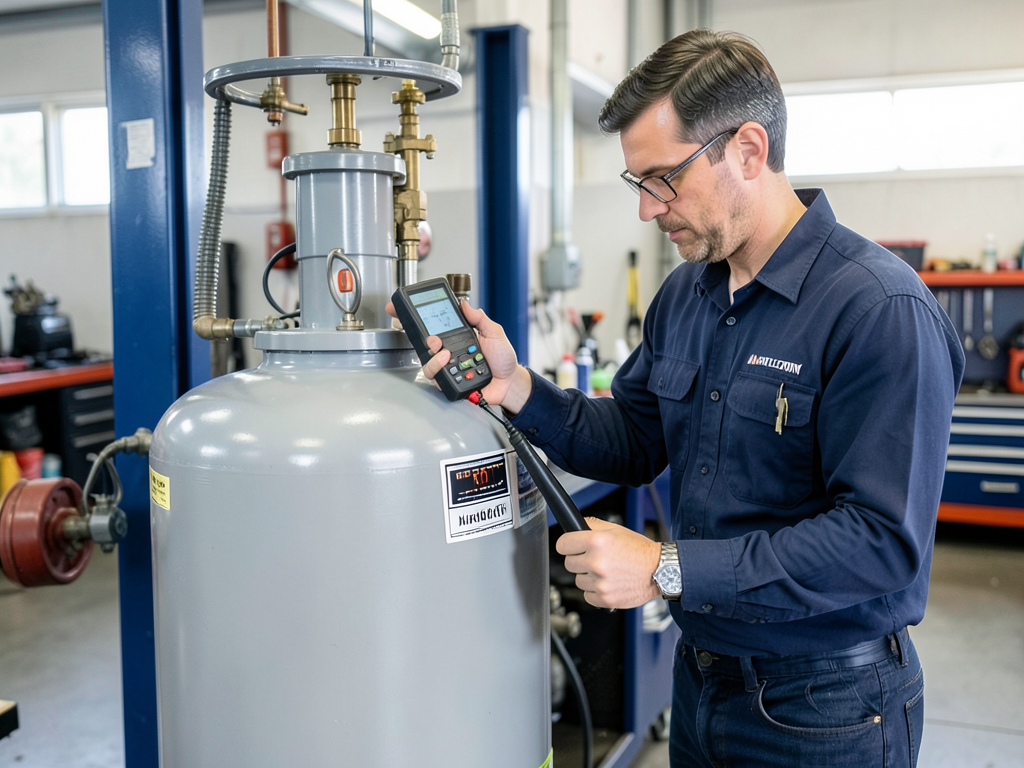
What happens when a well pump or pressure tank leaks in your Mapleton garage When a well pump or pressure…

What happens when a well pump or pressure tank leaks in your Mapleton garage

What happens when a well pump or pressure tank leaks in your Mapleton garage When a well pump or pressure…

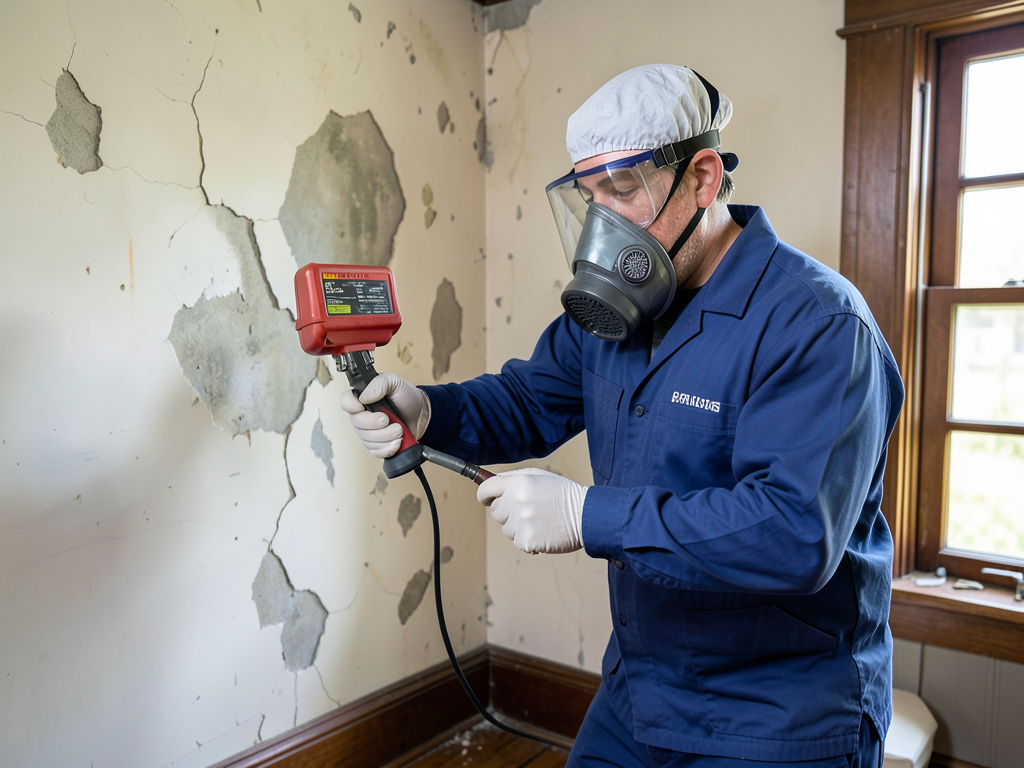
Dealing with lead and asbestos during water damage repairs in older Portland neighborhoods

Dealing with lead and asbestos during water damage repairs in older Portland neighborhoods Portland's historic neighborhoods face unique challenges when…

Why converting your University Park basement into a bedroom requires extra moisture protection

Why converting your University Park basement into a bedroom requires extra moisture protection Portland’s University Park neighborhood, nestled near the…

Contact Us

Call Evergreen Water Damage Restoration Portland at (503) 882-7766 today for a professional moisture assessment. We will find the source, explain your options, and provide a detailed estimate. The smell is telling you something is wrong. Let us fix it permanently.