Menu

Cupping or Buckling Wood Floors in Portland – Expert Diagnosis and Permanent Moisture Remediation

When hardwood warps, swells, or lifts, you need more than surface fixes. Evergreen Water Damage Restoration Portland identifies the moisture source, dries structural cavities, and restores floorboards to prevent repeat failure.

Slider Image 1
Slider Image 2
Slider Image 3
Slider Image 4
Slider Image 5
Slider Image 7
Slider Image 8
Slider Image 9
Slider Image 10
Slider Image 11

Why Portland Hardwood Floors Warp, Cup, and Buckle

Portland's rain-heavy climate and elevated groundwater levels create ideal conditions for wood moisture intrusion. When water migrates through crawl spaces, foundation cracks, or roof leaks, it soaks subfloors and joists before you see visible damage on the surface. Hardwood absorbs moisture unevenly. The bottom of the plank swells faster than the top, causing cupping. The edges rise while the center stays flat. If moisture continues, planks buckle entirely, creating peaking hardwood joints and lifting floorboards that crack underfoot.

Swollen wood planks are not cosmetic issues. They signal active moisture infiltration, often from broken supply lines, failed vapor barriers, or hydrostatic pressure pushing groundwater through basement slabs. In Portland's Eastmoreland and Laurelhurst neighborhoods, older homes with crawl spaces experience seasonal moisture cycles that worsen over time. You might notice warped hardwood flooring near sliding glass doors, under kitchen sinks, or along exterior walls where condensation collects. The longer moisture remains, the more the wood degrades. Tannins leach out, adhesive fails, and subfloor plywood delaminates. Surface refinishing will not fix structural saturation.

Raised wood floor edges tell you the subfloor is compromised. Drying the surface without addressing the source guarantees recurrence. You need extraction, structural drying, and verified moisture content readings before any repair begins.

Why Portland Hardwood Floors Warp, Cup, and Buckle
How We Identify and Eliminate Moisture at the Source

How We Identify and Eliminate Moisture at the Source

Evergreen Water Damage Restoration Portland does not sand and refinish over wet subfloors. We use penetrating moisture meters to map saturation through the entire floor assembly, including joists, subflooring, and underlayment. Wood should register below 12 percent moisture content before repair. Anything above that threshold means active moisture migration. We trace the source using thermal imaging cameras to detect temperature differentials that indicate water intrusion pathways. Common culprits include failed wax rings under toilets, pinhole leaks in radiant heating lines, or compromised crawl space vapor barriers.

Once we identify the entry point, we isolate the affected zone and deploy air movers and dehumidifiers calibrated to Portland's ambient humidity levels. We create negative air pressure to pull moisture out of cavities, not just surface layers. Hardwood requires slow, controlled drying. Rapid heat application causes additional cupping and splitting. We monitor daily moisture readings and adjust airflow based on wood species, plank thickness, and subfloor composition. Oak and maple respond differently than fir or bamboo. Each requires tailored drying protocols.

If subfloor plywood has delaminated or joists show microbial growth, we remove and replace damaged sections before reinstalling flooring. We verify final moisture content with pin-type and pinless meters, cross-referencing readings to ensure equilibrium. Only then do we approve reinstallation or repair. This prevents callbacks and ensures the floor remains stable through Portland's wet winters and dry summers.

What Happens During Wood Floor Water Damage Restoration

Cupping or Buckling Wood Floors in Portland – Expert Diagnosis and Permanent Moisture Remediation
01

Moisture Mapping and Documentation

We begin by photographing the affected area and taking baseline moisture readings at multiple depths using calibrated meters. We document the extent of warped hardwood flooring, noting cupping severity, plank displacement, and subfloor condition. We test adjacent rooms and vertical surfaces to trace moisture migration patterns. This data informs the drying strategy and provides documentation for insurance claims if applicable.
02

Controlled Structural Drying

We place air movers at floor level to accelerate evaporation while industrial dehumidifiers extract airborne moisture. We monitor temperature and relative humidity every 24 hours, adjusting equipment placement to prevent overdrying or uneven moisture removal. Hardwood requires gradual equilibration. We dry the subfloor assembly first, then allow the surface planks to acclimate slowly. This minimizes additional warping and prevents brittle wood fibers.
03

Final Verification and Repair

Once moisture content drops below 12 percent and stabilizes for 48 hours, we reassess plank condition. Minor cupping often self-corrects after drying. Severe buckling requires plank replacement. We inspect subfloor integrity, replace damaged sections, and ensure the vapor barrier is intact. We provide final moisture readings and repair documentation. Your floor is stable, dry, and ready for refinishing or reinstallation.

Why Portland Homeowners Trust Local Water Damage Expertise

Portland's building stock includes pre-1950 homes with minimal crawl space ventilation, modern condos with radiant floor heating, and mid-century ranches with concrete slab foundations. Each construction type requires different moisture management strategies. Evergreen Water Damage Restoration Portland has worked in Irvington bungalows, Pearl District lofts, and Sellwood Craftsman homes. We understand how moisture behaves in basements below the Willamette River floodplain versus elevated West Hills properties.

We work with local flooring contractors, structural engineers, and insurance adjusters who know Portland's unique moisture challenges. When we tell an adjuster that a crawl space vapor barrier failed due to seasonal groundwater rise, they understand immediately. When we explain that a subfloor needs replacement because of microbial growth from slow-drip condensation, they trust our assessment. That credibility comes from years of site-specific knowledge, not generic checklists.

We also navigate Portland's strict building codes for moisture barriers and ventilation requirements. If your floor repair requires subfloor replacement, we ensure compliance with Oregon Residential Specialty Code provisions for moisture protection. We coordinate with city inspectors when permits are required. You do not get callbacks because we cut corners. You get floors that stay flat through Portland's 37 inches of annual rainfall and summer humidity swings. Local expertise means we anticipate problems before they happen, not after your floor buckles a second time.

What to Expect When You Call for Cupping or Buckling Floors

Response Time and Availability

We respond to Portland floor emergencies within hours, not days. Water damage worsens by the hour. The longer moisture sits in subfloors, the more extensive the microbial growth and structural degradation. We arrive with moisture meters, thermal cameras, and extraction equipment ready to deploy. We work evenings and weekends because water does not wait for business hours. Our goal is containment first, then methodical drying. You will have a clear timeline within the first visit, including expected drying duration and repair scope. We do not leave you waiting while your floor deteriorates.

Inspection and Moisture Assessment

Our technicians conduct a comprehensive floor assembly inspection, including hardwood surface, underlayment, subfloor plywood, and floor joists. We use pin-type meters to penetrate planks and measure internal moisture content. We use pinless meters to scan large areas without damaging finished surfaces. We check adjacent walls, baseboards, and crawl spaces for hidden saturation. We photograph all findings and explain what each reading means. You will understand the moisture source, the extent of damage, and why specific areas require focused drying. No guessing, no upselling unnecessary services.

Drying Results and Floor Stability

Properly dried hardwood returns to near-original flatness if caught early. Mild cupping often resolves without plank replacement. Severe buckling requires selective board removal and subfloor repair. We provide before-and-after moisture readings so you see measurable progress. We verify equilibrium moisture content, meaning the wood has stabilized and will not reabsorb ambient moisture. Your floor will be ready for refinishing, and the subfloor will be structurally sound. We do not declare a floor dry based on surface appearance. We prove it with data.

Post-Drying Recommendations and Prevention

After drying, we provide written recommendations for preventing future moisture intrusion. This might include crawl space encapsulation, improved gutter drainage, or dehumidifier installation in basements. We explain maintenance practices like monitoring indoor humidity levels and inspecting plumbing fixtures regularly. If your floor required subfloor replacement, we document the new materials and moisture barrier installation. You receive a moisture report for your records and insurance documentation. Our goal is long-term stability, not temporary fixes that fail in Portland's next rainy season.

Frequently Asked Questions

You Have Questions,
We Have Answers

What is the difference between cupping and buckling floors? +

Cupping happens when the edges of wood planks rise higher than the center, creating a concave shape. Moisture absorbs into the bottom of the board faster than the top, causing uneven expansion. Buckling is more severe. The entire plank lifts away from the subfloor, creating gaps or raised sections. Buckling typically results from prolonged water exposure, like Portland basement flooding or plumbing leaks. Both issues stem from moisture imbalance, but buckling indicates structural damage requiring immediate professional assessment. Cupping may reverse with proper drying, while buckling often demands board replacement and subfloor repair.

Will cupped hardwood floors flatten out? +

Cupped floors can flatten if you address the moisture source quickly. In Portland's damp climate, you must eliminate the water intrusion first, whether from a leak, humidity, or foundation moisture. The drying process takes weeks or months. You cannot rush it. Run dehumidifiers, improve ventilation, and monitor moisture levels with a meter. If the wood was not soaked for too long, the fibers may relax back to flat as they dry evenly. If cupping persists after complete drying, the boards may need sanding or replacement. Professional moisture assessment prevents guesswork.

What does a buckled hardwood floor look like? +

A buckled floor shows dramatic lifting or warping. You will see planks pushing upward from the subfloor, creating peaks or tent-like formations. Gaps appear between boards and the underlayment. Sometimes entire sections rise several inches, especially near water sources like bathrooms or exterior walls. In Portland homes with crawl space moisture issues, buckling often starts along perimeter walls. The wood looks warped, twisted, or crowned. Unlike minor cupping, you cannot miss buckling. It changes your floor profile and creates trip hazards. This level of damage requires professional extraction, subfloor inspection, and board replacement.

Can wood floor cupping be fixed? +

Yes, but success depends on severity and response time. Mild cupping from humidity spikes or small leaks can reverse with proper drying. You must locate and stop the moisture source immediately. Extract standing water, remove wet materials, and dry the space thoroughly using commercial dehumidifiers and air movers. Monitor subfloor moisture levels daily. Portland's high humidity complicates drying, so professional equipment speeds recovery. If boards flatten after drying, you may only need light sanding. Severe cupping that remains after drying requires board replacement. Waiting too long allows permanent wood fiber damage and mold growth underneath.

Will buckled hardwood floors go back to normal? +

Buckled floors rarely return to normal without intervention. The level of moisture exposure that causes buckling damages wood fibers and adhesives permanently. In Portland, buckling from pipe bursts or winter flooding requires immediate water extraction and controlled drying. Even with professional drying, the subfloor often needs repair or replacement. Buckled boards lose structural integrity and must be removed. You cannot sand or press buckled wood back into place. The surrounding boards may stabilize if dried quickly, but the affected sections need replacement. Subfloor moisture testing determines if the foundation or crawl space contributed to the failure.

How to stop hardwood from cupping? +

Control indoor humidity and eliminate moisture sources. Keep relative humidity between 30 and 50 percent year-round. In Portland, that means running dehumidifiers during wet months and ensuring proper crawl space ventilation. Fix plumbing leaks immediately. Install vapor barriers in basements and crawl spaces to block ground moisture. Avoid wet mopping hardwood. Use wood-safe cleaners sparingly. Check appliances like dishwashers and water heaters for slow leaks. Ensure gutters drain away from your foundation. Maintain consistent indoor temperatures. Seasonal humidity swings cause expansion and contraction, so stable conditions protect your investment.

Can you reverse hardwood floor cupping? +

You can reverse mild to moderate cupping if you act fast. Stop the moisture source, extract any standing water, and dry the area completely. Use dehumidifiers and air movers to pull moisture from the wood and subfloor. This takes weeks, not days. Portland's climate means moisture hides in crawl spaces and wall cavities, so check those areas too. Once the wood reaches normal moisture content, minor cupping may flatten on its own. Severe cupping or long-term moisture damage may leave permanent fiber distortion. Professional moisture mapping identifies hidden water pockets that slow drying.

How much does it cost to repair cupping wood floors? +

Repair costs vary based on damage extent, wood type, and subfloor condition. Minor cupping repair with sanding and refinishing costs less than replacing boards. If you need board replacement, costs increase with square footage and wood species. Portland homes with crawl space moisture issues may require vapor barrier installation, adding to the total. Water extraction, drying equipment, and subfloor repairs add labor and materials. Most cupping repairs range from a few hundred to several thousand dollars. Get a professional assessment before committing to work. Insurance may cover water damage if you document the loss quickly.

Will a dehumidifier pull water from under the floor? +

A dehumidifier removes airborne moisture but does not pull water directly from under flooring. It lowers humidity, which allows trapped moisture to evaporate into the air, where the dehumidifier captures it. This process works slowly. For standing water or saturated subfloors, you need extraction equipment and air movers first. In Portland, crawl space dehumidifiers help prevent ongoing moisture problems but will not solve acute flooding. Professional drying equipment creates airflow beneath floors using specialty tools. Relying only on a consumer dehumidifier after water damage leaves moisture trapped, leading to mold and permanent wood damage.

How much does it cost to fix a buckled floor? +

Buckled floor repair costs depend on affected area size, subfloor damage, and wood replacement needs. Small sections may cost less, while whole-room buckling requires extensive work. You will pay for water extraction, drying equipment, subfloor inspection and repair, board replacement, and refinishing. Portland homes with foundation or crawl space moisture issues may need additional waterproofing or vapor barriers. Costs range from hundreds to thousands of dollars. Professional assessment determines the full scope. Insurance coverage depends on your policy and the water source. Document damage immediately and get multiple estimates before starting work.

How Portland's High Groundwater and Crawl Space Humidity Cause Hardwood Floor Damage

Portland sits at the confluence of the Willamette and Columbia Rivers, creating elevated water tables throughout the metro area. Homes in neighborhoods like Woodstock, Lents, and St. Johns experience seasonal groundwater rise during winter months. Crawl spaces without proper vapor barriers absorb moisture from saturated soil, creating relative humidity levels above 70 percent. That moisture migrates upward through subfloors and into hardwood planks, causing swollen wood planks and lifting floorboards. The problem intensifies in older homes with inadequate foundation ventilation. Portland's clay-heavy soil compounds the issue by trapping water and preventing natural drainage. This makes crawl space moisture management critical for preventing warped hardwood flooring.

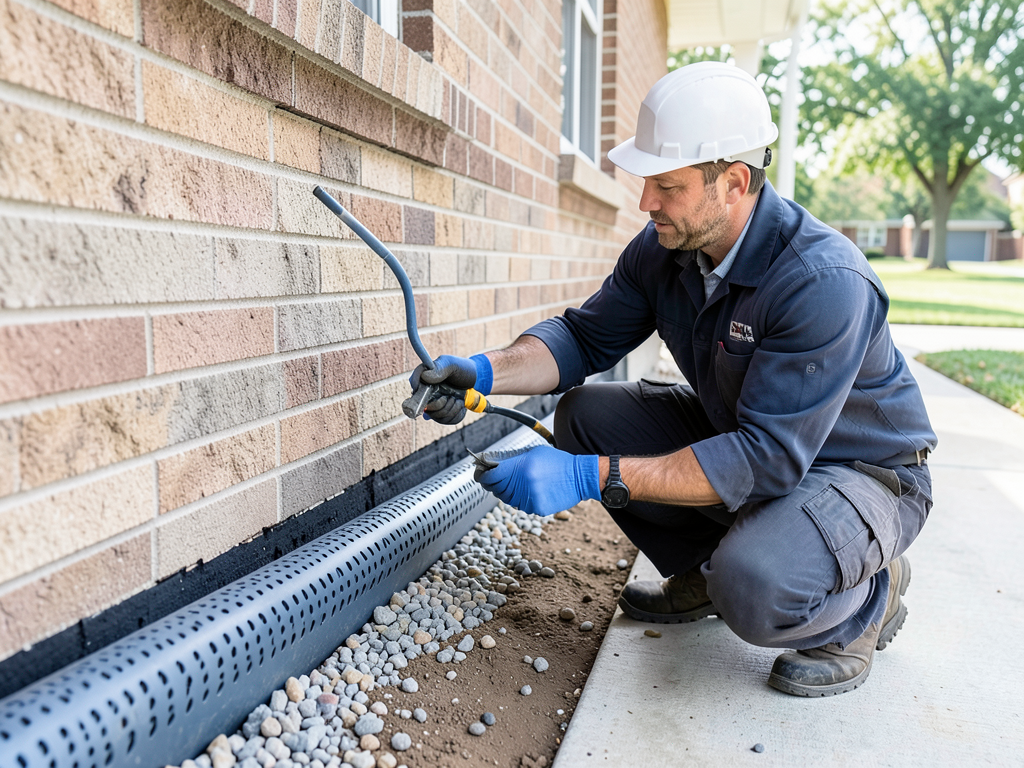
Evergreen Water Damage Restoration Portland has worked with local foundation specialists and crawl space contractors to develop moisture mitigation strategies specific to Portland's soil composition and rainfall patterns. We understand that basement floors in Northwest Portland behave differently than crawl spaces in Southeast Portland due to elevation and soil drainage differences. We work with insurance adjusters familiar with Portland's water damage claim patterns, which expedites approvals for necessary subfloor repairs. Choosing a local provider means you get solutions designed for Portland's climate, not generic protocols that ignore regional moisture dynamics.
Water Damage Restoration Services in The Portland Area

Evergreen Water Damage Restoration proudly serves Portland and the surrounding areas, providing rapid and reliable water damage solutions whenever you need us. While our physical office is located conveniently for local operations, our dedicated teams are mobile and ready to deploy across the region. View our service area on the map to understand our reach, or simply call us to confirm if we cover your specific location. We are committed to extending our expert services to every community in need.

Address:
Evergreen Water Damage Restoration Portland, 239 NW 13th Ave, Portland, OR, 97209

Additional Services We Offer

Our news updates

Latest Articles & News from The Blogs

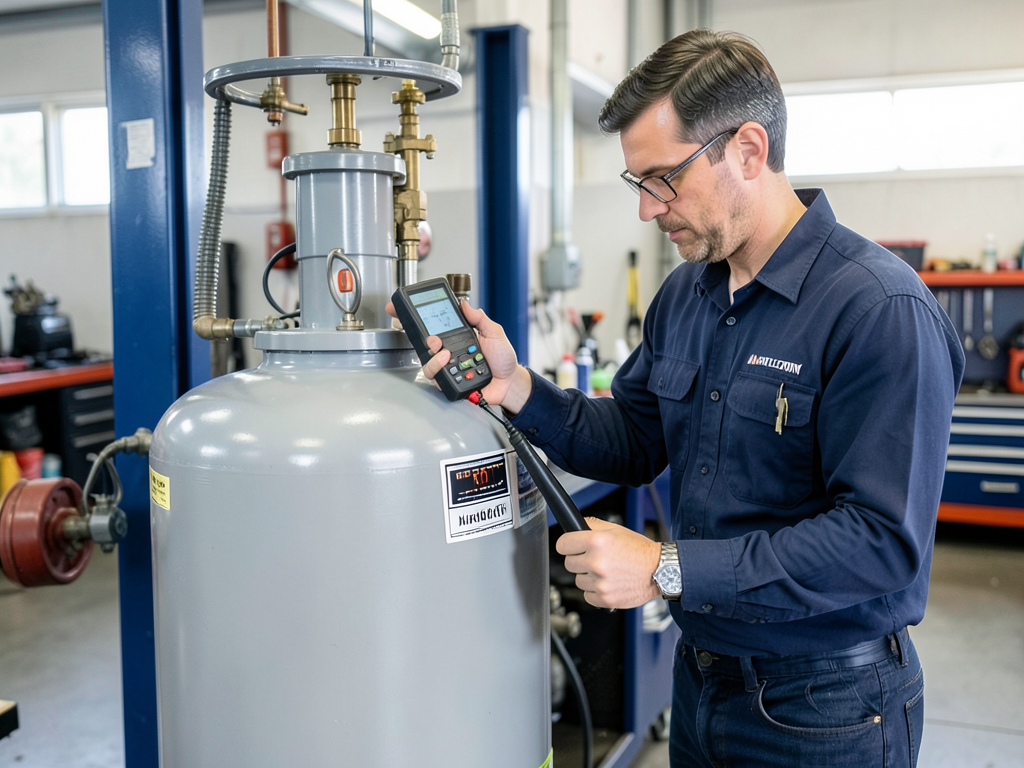
What happens when a well pump or pressure tank leaks in your Mapleton garage When a well pump or pressure…

What happens when a well pump or pressure tank leaks in your Mapleton garage

What happens when a well pump or pressure tank leaks in your Mapleton garage When a well pump or pressure…

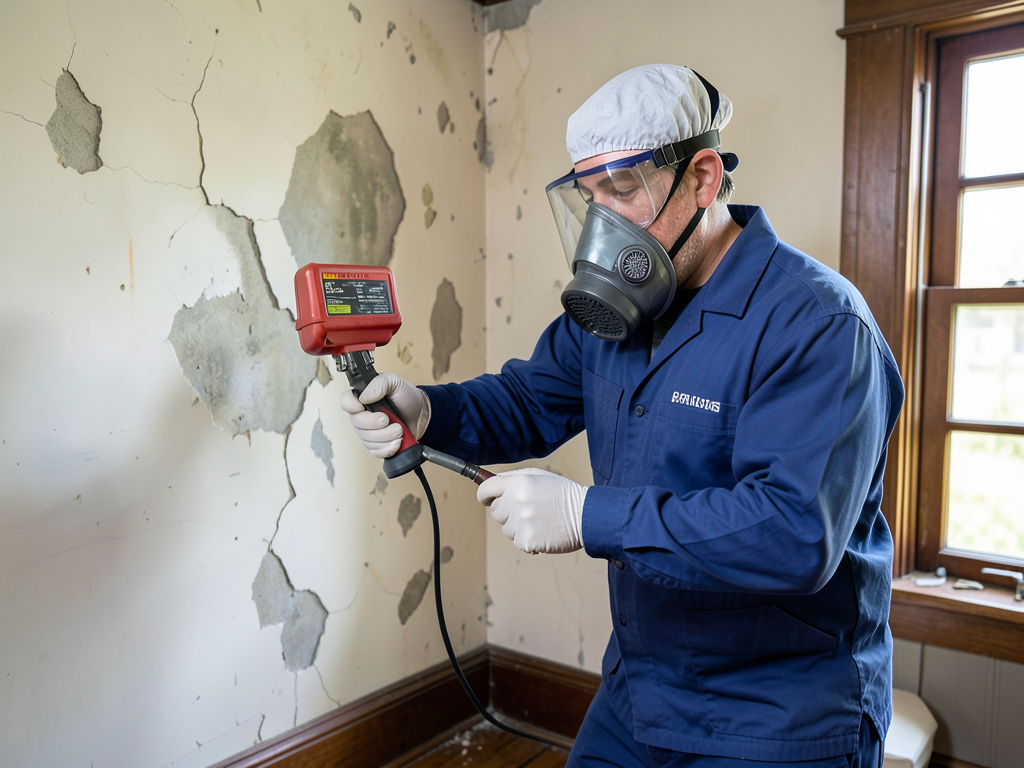
Dealing with lead and asbestos during water damage repairs in older Portland neighborhoods

Dealing with lead and asbestos during water damage repairs in older Portland neighborhoods Portland's historic neighborhoods face unique challenges when…

Why converting your University Park basement into a bedroom requires extra moisture protection

Why converting your University Park basement into a bedroom requires extra moisture protection Portland’s University Park neighborhood, nestled near the…

Contact Us

Warped hardwood gets worse every day moisture remains. Call Evergreen Water Damage Restoration Portland at (503) 882-7766 for same-day moisture assessment and structural drying. We stop the damage and restore your floors permanently.