


Tualatin sits in the Tualatin River Valley, where seasonal flooding, high water tables, and clay-heavy soil create persistent moisture challenges. Homes near the Tualatin River, Lake of the Commons, and wetland areas face elevated flood risk during winter storms when the Tualatin River swells. The region's clay soil drains poorly, causing water to pool around foundations and seep into crawl spaces, particularly in older neighborhoods like Ibach and areas near Southwest Cipole Road.
Winter freeze-thaw cycles damage pipes in unheated spaces. When temperatures drop below freezing, water lines in crawl spaces and attics burst, flooding homes before residents notice. Spring rains compound the problem, overwhelming storm drains and causing backup through basement floor drains. Properties near Nyberg Woods and along Southwest Nyberg Street see frequent groundwater intrusion during heavy precipitation.
Tualatin's mix of older construction and newer developments means varying degrees of waterproofing. Homes built before modern building codes lack proper vapor barriers and drainage systems, making them vulnerable to chronic moisture problems that lead to structural damage and toxic mold growth.
When water floods your Tualatin home, you need a crew that shows up fast and knows how to stop damage from spreading. Evergreen Water Damage Restoration Portland has served the greater Portland metro for years, building a reputation for rapid response and complete restoration work that protects your investment.
Our technicians hold IICRC certifications in water damage restoration and applied structural drying. We use thermal imaging cameras to find hidden moisture in walls and ceilings, industrial-grade extractors to remove standing water, and commercial dehumidifiers to dry structures before mold takes hold. We monitor moisture levels daily until your property returns to dry standard, typically 3-5 days depending on severity.
We understand Tualatin's insurance landscape. Most water damage claims get denied because homeowners wait too long or fail to document properly. Our crews photograph damage, measure moisture levels, and create detailed reports your insurance adjuster needs to approve your claim. We communicate directly with carriers like State Farm, Farmers, and Allstate to expedite processing while you focus on your family.
Our dispatch center operates around the clock because water emergencies do not wait for business hours. Burst pipes at 2 AM get the same fast response as storm flooding on Sunday afternoon. We arrive in marked vehicles with extraction equipment ready to deploy, not to provide estimates. Every hour of delay increases damage exponentially, so we start mitigation immediately.

Our Tualatin crews dispatch within one hour of your call, arriving with truck-mounted extractors and drying equipment ready to work. We start water removal immediately to prevent secondary damage like warped floors, destroyed drywall, and mold contamination. Fast response saves thousands in repair costs.

We document every phase of restoration with photos, moisture readings, and detailed scope reports your insurance company requires. Our team communicates directly with adjusters to answer technical questions and justify necessary work, increasing approval rates and reducing out-of-pocket costs for Tualatin homeowners.
Every technician on our crews holds current certification from the Institute of Inspection, Cleaning and Restoration Certification. We follow industry standards for water extraction, structural drying, and microbial remediation. Our training ensures we use proper techniques that prevent recurring problems and protect your property value.
We know the water damage patterns specific to Tualatin properties. Clay soil drainage problems, Tualatin River flooding risks, and freeze-thaw pipe failures require local expertise. Our crews understand how moisture behaves in crawl spaces common to this area and adjust drying strategies for optimal results.
Water emergencies come in many forms, each requiring specific equipment and techniques. Evergreen Water Damage Restoration Portland handles everything from sudden catastrophic flooding to slow hidden leaks that compromise structures over time. Our service range covers emergency water removal, structural drying, mold remediation, and full reconstruction.
We divide our water damage restoration work into three main categories based on urgency and scope. Emergency mitigation stops active damage and prevents further harm. Structural drying and dehumidification return your property to safe moisture levels. Complete restoration rebuilds damaged areas to pre-loss condition. Most jobs require all three phases, though we customize our approach based on damage severity and your insurance coverage.
Our equipment inventory includes truck-mounted extractors that remove thousands of gallons per hour, low-grain refrigerant dehumidifiers for efficient moisture removal, and air movers positioned to create optimal airflow patterns. We use moisture meters and thermal cameras to track progress and verify complete drying before reconstruction begins.
When your Tualatin property floods, immediate water extraction prevents extensive secondary damage. Our truck-mounted pumps remove standing water from basements, crawl spaces, and living areas within hours. We extract water from carpets, pad, and subfloors before saturation reaches wall cavities. Submersible pumps handle deep flooding while portable extractors target specific areas. We remove damaged materials that cannot be saved, including soaked drywall, insulation, and baseboards. Fast extraction reduces drying time and limits mold risk.
Removing standing water is just the first step. Moisture trapped in framing, subfloors, and wall cavities causes rot, warping, and mold growth if not properly dried. We deploy commercial dehumidifiers and air movers to create controlled drying environments. Our technicians monitor moisture levels in wood framing and concrete using penetrating meters, adjusting equipment placement until readings reach dry standard. We track progress with daily logs your insurance adjuster can verify. Proper structural drying typically takes three to five days.
Mold begins growing within 24 to 48 hours in wet environments. If water damage goes untreated or drying is incomplete, mold colonizes drywall, insulation, and framing. Our certified mold remediation teams contain affected areas with physical barriers and negative air pressure, remove contaminated materials, and treat surfaces with antimicrobial solutions. We verify complete remediation with post-testing before reconstruction. Prevention focuses on eliminating moisture sources and maintaining proper humidity levels below 60 percent to inhibit future growth.
Tualatin's climate and geography create specific water damage scenarios that repeat across the community. Heavy winter rainfall overwhelms drainage systems, freeze-thaw cycles burst pipes in unprotected spaces, and high water tables push moisture through foundation walls. Understanding these common problems helps property owners recognize warning signs before minor issues become expensive disasters.
Clay soil throughout the Tualatin Valley drains slowly, causing water to pool around foundations during storms. Homes without proper grading or functional gutters experience chronic moisture intrusion through basement walls and floor slabs. Older properties near the Tualatin River lack modern waterproofing, making them vulnerable during seasonal flooding. Even newer construction faces risks from improperly installed drainage systems or settling that creates low spots where water collects.
Tualatin sees multiple hard freezes each winter. Water lines in crawl spaces, attics, and exterior walls freeze and rupture, releasing hundreds of gallons before homeowners shut off the main valve. Insulation and heat tape prevent most freeze damage, but many older homes lack proper protection. Burst pipe flooding requires immediate extraction to prevent floor collapse and mold growth.
Properties near the Tualatin River and wetland areas flood during heavy winter storms when the river overflows its banks. Storm surge pushes contaminated water into basements and crawl spaces, requiring specialized cleanup protocols. Flood water contains sewage, chemicals, and debris that create health hazards. Proper remediation includes disinfection and removal of all porous materials contacted by floodwater.
When Tualatin's storm drains overflow during heavy rain, sewage backs up through basement floor drains and low-lying plumbing fixtures. This Category 3 water damage requires complete removal of contaminated materials and thorough disinfection. Sewer backup creates immediate health risks and destroys anything it contacts. Backflow preventers installed on drain lines stop most backup incidents.
Water heaters, washing machines, and dishwashers fail without warning. A ruptured water heater tank releases 40 to 80 gallons instantly, flooding rooms before anyone notices. Washing machine supply hoses burst under constant pressure, spraying water for hours when homes are empty. These sudden failures cause extensive damage to flooring, cabinets, and drywall if not discovered quickly and extracted immediately.
Water emergencies create stress and confusion. You need a restoration company that communicates clearly, arrives when promised, and explains every step of the process. Evergreen Water Damage Restoration Portland operates with complete transparency from your first call through final reconstruction.
When you contact our 24-hour dispatch center, we gather essential information about your water emergency while crews prepare to roll. We ask about water source, affected areas, and immediate safety concerns. Our dispatcher provides an estimated arrival time and explains what to do while you wait, like shutting off water mains or moving valuables from wet areas.
Our marked trucks arrive with all necessary equipment to start mitigation immediately. The crew chief walks your property to assess damage severity, identify safety hazards, and explain the restoration process. We answer your questions about timeline, insurance coverage, and what to expect during drying. You receive daily updates on moisture levels and drying progress until your property is completely restored.
Our crews arrive within 60 minutes for Tualatin emergencies, often faster depending on current location. The team chief inspects all affected areas with moisture meters and thermal cameras to map water migration patterns. We identify hidden damage in wall cavities, subfloors, and ceiling spaces that untrained eyes miss. You receive a complete damage assessment with photos and moisture readings before work begins, creating documentation your insurance company requires for claim approval.
We explain exactly what we are doing and why at each phase of restoration. You receive daily updates on drying progress with moisture meter readings that show measurable improvement. Our project manager remains your single point of contact, available by phone to answer questions about timeline, costs, or insurance matters. We coordinate directly with your insurance adjuster and send documentation they request, eliminating confusion and reducing claim processing time.
We do not leave your property until moisture readings verify complete drying to industry standards. Our technicians monitor progress daily and adjust equipment placement for optimal results. Once drying is complete, our reconstruction crews rebuild damaged areas to match existing finishes. We guarantee our work and stand behind the quality of materials and craftsmanship. Your Tualatin property will be fully restored to pre-loss condition.
We break water damage restoration into clear phases that build on each other. This systematic approach ensures nothing gets missed and your property dries completely before reconstruction begins.
Our crews arrive with truck-mounted extractors and portable pumps to remove standing water immediately. We extract water from carpets, flooring, and furnishings before saturation spreads. Submersible pumps handle deep flooding in basements and crawl spaces. We remove unsalvageable materials like soaked drywall, insulation, and padding. This emergency mitigation phase stops damage from spreading and prepares your property for structural drying. Most extraction work completes within the first 24 hours.
We deploy commercial dehumidifiers and air movers to create controlled drying environments. Equipment runs continuously while our technicians monitor moisture levels in framing, subfloors, and wall cavities twice daily. Thermal cameras identify hidden moisture pockets that need targeted drying. We adjust equipment placement based on readings and track progress with detailed logs. Drying typically requires three to five days depending on materials affected and saturation levels. We continue monitoring until all readings reach dry standard.
Once your property is completely dry, our reconstruction crews rebuild damaged areas. We replace drywall, insulation, flooring, baseboards, and any other materials removed during mitigation. Our carpenters and painters match existing finishes so repairs blend seamlessly. We coordinate with electricians and plumbers if systems need repair. The goal is returning your Tualatin home or business to exactly how it looked before water damage occurred.
Professional water damage restoration follows strict industry standards established by the Institute of Inspection, Cleaning and Restoration Certification. These protocols ensure proper drying, prevent microbial growth, and protect structural integrity. Evergreen Water Damage Restoration Portland adheres to IICRC S500 standards for water damage restoration and S520 standards for mold remediation.
Water damage divides into three categories based on contamination level. Category 1 involves clean water from supply lines or rain. Category 2 includes gray water from appliances or toilet overflows without feces. Category 3 is black water containing sewage, chemicals, or floodwater from rivers. Each category requires different handling protocols and safety equipment. Category 3 water demands complete removal of all porous materials and thorough disinfection of affected areas.
Structural drying follows psychrometric principles that govern how moisture moves through materials and air. We measure temperature, humidity, and moisture content to calculate vapor pressure and create optimal drying conditions. Commercial dehumidifiers remove moisture from air while air movers increase evaporation rates from wet surfaces. The goal is reaching equilibrium moisture content where materials stabilize at normal levels for the local climate.
Oregon building codes require permits for reconstruction work exceeding certain thresholds. We pull necessary permits and schedule inspections to ensure compliance with Tualatin building department requirements. Our work meets or exceeds code minimums for structural repairs, electrical systems, and plumbing installations. Proper permitting protects your property value and prevents issues when you sell.
Insurance claims require detailed documentation showing the scope of damage, mitigation steps taken, and drying progress. We photograph damage before starting work, maintain daily moisture logs, and provide detailed estimates breaking down labor and materials. This documentation gives adjusters the information they need to approve claims quickly and fairly compensate for necessary restoration work.
Our technicians maintain current IICRC certification in water damage restoration and applied structural drying. This training covers psychrometry, moisture detection, equipment operation, and documentation protocols. We follow IICRC S500 standards that define proper extraction techniques, drying goals, and antimicrobial treatment. Certification ensures we use proven methods that insurance companies and building officials recognize as acceptable practice.
Water damage restoration costs depend on affected square footage, contamination category, materials involved, and drying time required. Category 3 sewage backup costs more than clean water because it requires disposal of all porous materials. Hardwood floors cost more to dry than carpet. Extensive demolition and reconstruction increase total project cost. Most insurance policies cover sudden water damage from burst pipes or appliance failures but exclude gradual leaks and flood damage.
Structural drying takes three to five days for most residential water damage when proper equipment runs continuously. Concrete foundations and hardwood floors require longer drying periods than drywall and framing. We cannot rush the process without risking incomplete drying and mold growth. Weather affects drying time because outdoor humidity impacts equipment efficiency. Cold temperatures slow evaporation rates. We monitor until moisture readings confirm complete drying regardless of timeline.
Oregon requires contractors performing restoration work to carry proper licensing and insurance. We maintain current Oregon CCB licensing, general liability coverage, and workers compensation insurance. Reconstruction work requires building permits when structural repairs exceed minor patch and paint. We pull permits through the Tualatin building department and schedule required inspections. Code compliance protects your investment and prevents issues during future property sales.
Professional water damage restoration guide for Tualatin homeowners. Explains emergency water extraction, structural drying techniques, moisture monitoring, and mold prevention protocols. Shows how IICRC certified technicians stop water damage from spreading and restore properties to pre-loss condition. Covers the complete restoration process from initial response through final reconstruction, plus insurance claim documentation requirements.
Evergreen Water Damage Restoration Portland serves all of Tualatin and the surrounding greater Portland metro area. Our central location allows rapid response to water emergencies throughout the region, with crews reaching most Tualatin addresses within 60 minutes of dispatch.
We respond regularly to properties near Lake of the Commons and the Tualatin Commons shopping district, where commercial and residential buildings face water damage from roof leaks, plumbing failures, and storm flooding. The neighborhoods around Southwest Cipole Road and Ibach Park include many older homes vulnerable to crawl space flooding during heavy rain. Properties near the Tualatin River and Hedges Creek face elevated flood risk during winter storms when waterways overflow.
The newer developments near Nyberg Woods and along Southwest Nyberg Street generally have better drainage systems, but we still handle calls for burst pipes, water heater failures, and appliance leaks. These subdivisions include many two-story homes where second-floor bathroom leaks cause extensive ceiling damage to first-floor living spaces. The Bridgeport Village area combines retail, office, and residential properties that require fast commercial water damage response.
Homes near Tualatin High School and the residential areas south of Southwest Boones Ferry Road represent a mix of construction ages and styles. Older properties in these neighborhoods face chronic moisture problems from inadequate crawl space ventilation and outdated drainage systems. The clay soil common throughout Tualatin drains poorly, causing water to pool around foundations and seep through basement walls during prolonged rain.
We also serve properties in adjacent communities including Tigard, Lake Oswego, West Linn, Wilsonville, and Sherwood. Washington County and Clackamas County properties receive the same rapid response and quality restoration work as Tualatin addresses. Our coverage area extends throughout the southern Portland metro, ensuring help arrives quickly regardless of your exact location.
Whether you own property near the Tualatin River Wildlife Refuge, along Interstate 5, or in the residential neighborhoods between Highway 99W and Interstate 205, Evergreen Water Damage Restoration Portland responds fast when water damage strikes. We understand the unique characteristics of different Tualatin areas and adjust our restoration approach based on local construction styles, soil conditions, and flood risk factors.
Water damage restoration costs in Tualatin typically range from $1,500 to $5,000 for moderate jobs, but pricing depends on the extent of damage, water category, and affected materials. A flooded basement costs more than a leaking toilet. Your restoration company will assess contamination level, square footage, and structural impact. Costs include extraction, drying equipment, antimicrobial treatment, and repairs. Insurance often covers sudden incidents like burst pipes. Get a detailed estimate upfront that breaks down extraction, drying, demolition, and reconstruction so you understand where your money goes.
Water damage restoration is worth it when you consider the alternative. Ignoring water damage in Tualatin's humid climate leads to mold growth within 24 to 48 hours, structural rot, and plummeting property value. Professional restoration stops secondary damage, preserves your foundation, and prevents health hazards. A $3,000 restoration bill beats a $15,000 mold remediation project or replacing floor joists. Insurance typically covers sudden water events, making professional help financially smart. Delaying restoration compounds damage exponentially. Fast action protects your investment and keeps your family safe.
Water damage restoration includes emergency water extraction, moisture detection using thermal imaging, structural drying with industrial dehumidifiers and air movers, antimicrobial treatment to prevent mold, content pack-out and storage if needed, and repairs to drywall, flooring, and framing. In Tualatin homes, technicians check crawl spaces and subflooring for hidden moisture. The process also includes documentation for insurance claims with photos and moisture readings. Complete restoration means returning your property to pre-loss condition, which can involve plumbing repairs, carpet replacement, and repainting once everything is dry.
Water damage restoration costs in Tualatin typically range from $1,500 to $5,000 for moderate jobs, but pricing depends on the extent of damage, water category, and affected materials. A flooded basement costs more than a leaking toilet. Your restoration company will assess contamination level, square footage, and structural impact. Costs include extraction, drying equipment, antimicrobial treatment, and repairs. Insurance often covers sudden incidents like burst pipes. Get a detailed estimate upfront that breaks down extraction, drying, demolition, and reconstruction so you understand where your money goes.
Water damage restoration is worth it when you consider the alternative. Ignoring water damage in Tualatin's humid climate leads to mold growth within 24 to 48 hours, structural rot, and plummeting property value. Professional restoration stops secondary damage, preserves your foundation, and prevents health hazards. A $3,000 restoration bill beats a $15,000 mold remediation project or replacing floor joists. Insurance typically covers sudden water events, making professional help financially smart. Delaying restoration compounds damage exponentially. Fast action protects your investment and keeps your family safe.
Water damage restoration includes emergency water extraction, moisture detection using thermal imaging, structural drying with industrial dehumidifiers and air movers, antimicrobial treatment to prevent mold, content pack-out and storage if needed, and repairs to drywall, flooring, and framing. In Tualatin homes, technicians check crawl spaces and subflooring for hidden moisture. The process also includes documentation for insurance claims with photos and moisture readings. Complete restoration means returning your property to pre-loss condition, which can involve plumbing repairs, carpet replacement, and repainting once everything is dry.
Servpro is a national franchise, and response times vary by location and workload. Most water damage companies in Tualatin aim for arrival within one to four hours for emergencies. Drying itself takes three to five days depending on materials affected and humidity levels. You are not limited to one company. Local restoration firms often provide faster response because they serve a smaller geographic area. Compare response guarantees, equipment availability, and customer reviews. What matters is certified technicians, proper drying equipment, and proven local experience, not just brand recognition.
Insurance pays for water restoration when damage results from a sudden, accidental event like burst pipes, appliance malfunctions, or storm-related leaks. Standard homeowner policies in Tualatin cover these incidents minus your deductible. Insurance does not cover neglect, gradual leaks, or flood damage, which requires separate flood insurance. Your restoration company should document everything with photos and moisture logs to support your claim. Review your policy exclusions and file claims immediately. Most insurers require prompt mitigation to prevent secondary damage. Professional restoration companies handle claims paperwork daily and know how to navigate the process.
A wet subfloor is not automatically ruined, but time is critical. Plywood and OSB subfloors absorb water quickly. If dried within 48 hours using professional equipment, subfloors often survive without replacement. However, prolonged exposure in Tualatin's moisture-prone climate causes swelling, delamination, and mold growth between layers. Technicians use moisture meters to check levels. Readings above 20 percent typically require replacement. Particle board subfloors are less forgiving than plywood. Cupping, soft spots, or visible mold mean replacement is necessary. Fast extraction and drying save subfloors and thousands in repair costs.
The average water damage insurance claim in the United States runs between $7,000 and $11,000, but Tualatin claims vary widely based on damage severity. A small supply line leak might cost $2,500, while a flooded basement exceeds $15,000. Claims include extraction, drying, repairs, and content restoration. Oregon's wet climate means crawl space flooding and roof leaks are common claim triggers. Your actual payout depends on your deductible, coverage limits, and policy exclusions. Document everything immediately, mitigate damage fast, and work with your restoration company to provide thorough evidence for your adjuster.
Mold begins growing within 24 to 48 hours after water exposure in Tualatin's humid conditions. Spores are always present but need moisture to colonize. Porous materials like drywall, insulation, and carpet provide perfect growing environments. Temperature between 60 and 80 degrees accelerates growth. Visible mold often appears within three to five days, but hidden growth behind walls or under flooring starts earlier. This tight timeline makes immediate water extraction and drying critical. Once mold establishes, you face separate remediation costs. Professional restoration prevents mold by removing moisture before spores activate.
Call a water restoration company immediately when you discover standing water, saturated flooring, ceiling stains, or burst pipes. Do not wait to see if it dries on its own. In Tualatin, call for sewage backups, flooded crawl spaces, appliance overflows, or storm damage. Speed matters because mold starts within 24 hours and structural damage worsens hourly. Restoration companies operate 24/7 for emergencies. They extract water, stop secondary damage, and document everything for insurance. If you smell mustiness, see water stains, or notice buckling floors, you already have a problem requiring professional help.
Insurance pays for water damage when the cause is sudden and accidental, like a burst washing machine hose, broken pipe, or roof leak from storm damage. Your Tualatin homeowner policy covers these events minus your deductible. Insurance does not pay for gradual leaks, maintenance issues, or flood damage, which requires separate federal flood insurance. Sewer backups may need endorsement coverage. File claims immediately and document everything with photos. Professional restoration companies provide detailed moisture reports and damage assessments that strengthen your claim. Read your policy exclusions carefully and maintain your plumbing to avoid denial.
Servpro is a national franchise, and response times vary by location and workload. Most water damage companies in Tualatin aim for arrival within one to four hours for emergencies. Drying itself takes three to five days depending on materials affected and humidity levels. You are not limited to one company. Local restoration firms often provide faster response because they serve a smaller geographic area. Compare response guarantees, equipment availability, and customer reviews. What matters is certified technicians, proper drying equipment, and proven local experience, not just brand recognition.
Insurance pays for water restoration when damage results from a sudden, accidental event like burst pipes, appliance malfunctions, or storm-related leaks. Standard homeowner policies in Tualatin cover these incidents minus your deductible. Insurance does not cover neglect, gradual leaks, or flood damage, which requires separate flood insurance. Your restoration company should document everything with photos and moisture logs to support your claim. Review your policy exclusions and file claims immediately. Most insurers require prompt mitigation to prevent secondary damage. Professional restoration companies handle claims paperwork daily and know how to navigate the process.
A wet subfloor is not automatically ruined, but time is critical. Plywood and OSB subfloors absorb water quickly. If dried within 48 hours using professional equipment, subfloors often survive without replacement. However, prolonged exposure in Tualatin's moisture-prone climate causes swelling, delamination, and mold growth between layers. Technicians use moisture meters to check levels. Readings above 20 percent typically require replacement. Particle board subfloors are less forgiving than plywood. Cupping, soft spots, or visible mold mean replacement is necessary. Fast extraction and drying save subfloors and thousands in repair costs.
The average water damage insurance claim in the United States runs between $7,000 and $11,000, but Tualatin claims vary widely based on damage severity. A small supply line leak might cost $2,500, while a flooded basement exceeds $15,000. Claims include extraction, drying, repairs, and content restoration. Oregon's wet climate means crawl space flooding and roof leaks are common claim triggers. Your actual payout depends on your deductible, coverage limits, and policy exclusions. Document everything immediately, mitigate damage fast, and work with your restoration company to provide thorough evidence for your adjuster.
Mold begins growing within 24 to 48 hours after water exposure in Tualatin's humid conditions. Spores are always present but need moisture to colonize. Porous materials like drywall, insulation, and carpet provide perfect growing environments. Temperature between 60 and 80 degrees accelerates growth. Visible mold often appears within three to five days, but hidden growth behind walls or under flooring starts earlier. This tight timeline makes immediate water extraction and drying critical. Once mold establishes, you face separate remediation costs. Professional restoration prevents mold by removing moisture before spores activate.
Call a water restoration company immediately when you discover standing water, saturated flooring, ceiling stains, or burst pipes. Do not wait to see if it dries on its own. In Tualatin, call for sewage backups, flooded crawl spaces, appliance overflows, or storm damage. Speed matters because mold starts within 24 hours and structural damage worsens hourly. Restoration companies operate 24/7 for emergencies. They extract water, stop secondary damage, and document everything for insurance. If you smell mustiness, see water stains, or notice buckling floors, you already have a problem requiring professional help.
Insurance pays for water damage when the cause is sudden and accidental, like a burst washing machine hose, broken pipe, or roof leak from storm damage. Your Tualatin homeowner policy covers these events minus your deductible. Insurance does not pay for gradual leaks, maintenance issues, or flood damage, which requires separate federal flood insurance. Sewer backups may need endorsement coverage. File claims immediately and document everything with photos. Professional restoration companies provide detailed moisture reports and damage assessments that strengthen your claim. Read your policy exclusions carefully and maintain your plumbing to avoid denial.
Evergreen Water Damage Restoration proudly serves Portland and the surrounding areas, providing rapid and reliable water damage solutions whenever you need us. While our physical office is located conveniently for local operations, our dedicated teams are mobile and ready to deploy across the region. View our service area on the map to understand our reach, or simply call us to confirm if we cover your specific location. We are committed to extending our expert services to every community in need.
Address:
Tualatin, OR, 97062
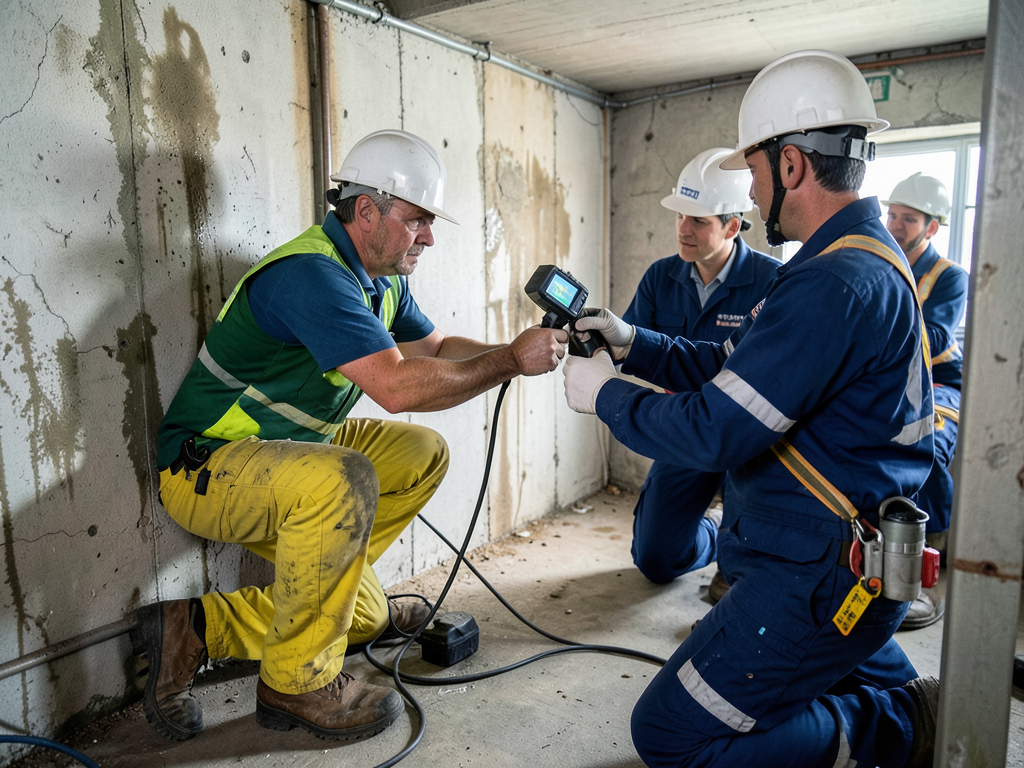
How an atmospheric river affects Portland basement flooding and what you should do When an atmospheric river hits Portland it brings more than heavy rain. These massive bands of moisture from the Pacific can dump…
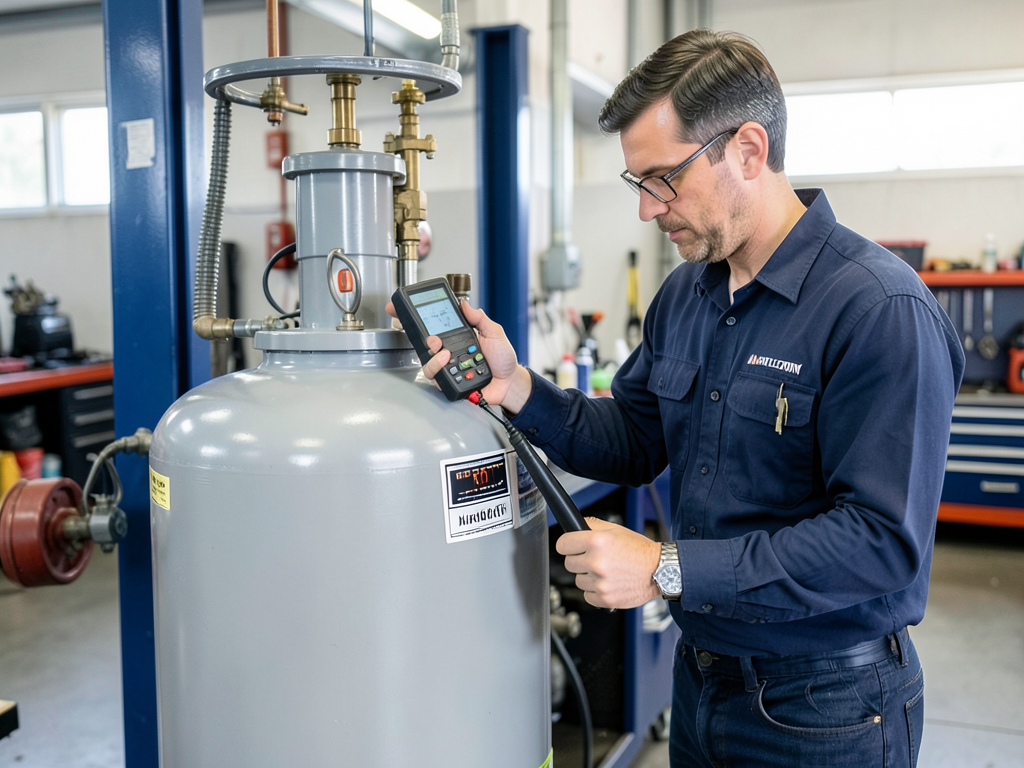
What happens when a well pump or pressure tank leaks in your Mapleton garage When…
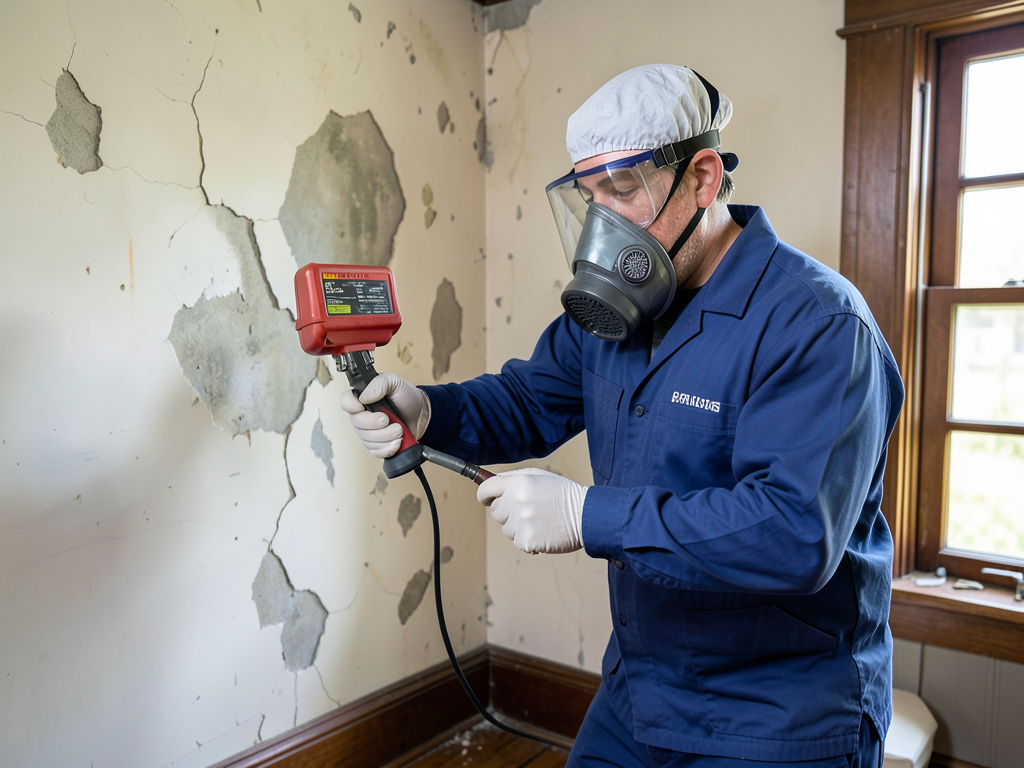
Dealing with lead and asbestos during water damage repairs in older Portland neighborhoods Portland's historic…
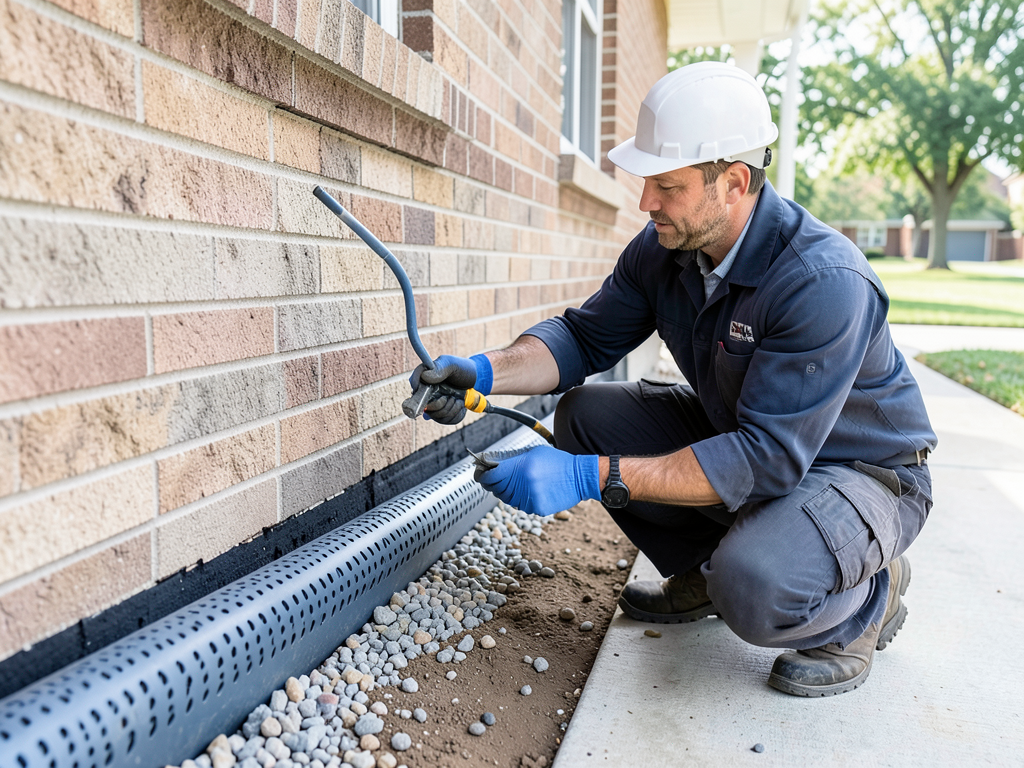
Why converting your University Park basement into a bedroom requires extra moisture protection Portland’s University…
Water damage spreads every minute you wait. Call Evergreen Water Damage Restoration Portland at (503) 882-7766 right now for immediate dispatch. Our crews are standing by 24/7 to stop damage and start restoration.