


Troutdale sits at the confluence of the Sandy River and Columbia River Gorge, creating a microclimate that punishes properties. Winter storms funnel through the Gorge with sustained 40 mph winds that drive rain horizontally into siding, windows, and roof penetrations. Moisture finds every gap. The volcanic soil beneath Troutdale drains poorly, creating hydrostatic pressure against foundations during the October through April wet season. Crawl spaces flood. Sump pumps fail.
The Sandy River delta raises the water table across Historic Troutdale and areas near Glenn Otto Park, making basement seepage common after heavy rain. Properties near the Troutdale Airport and along the I-84 corridor face additional risk from aging infrastructure. Cast iron drain pipes installed in the 1960s and 1970s corrode from the inside out, rupturing without warning. Polybutylene supply lines, common in homes built before 1995, fail at connection points. One minute you have water pressure, the next you have a geyser flooding your utility room.
Troutdale receives 43 inches of rain annually, concentrated in six months. That sustained moisture intrusion causes mold growth within 48 hours if water is not fully extracted and surfaces properly dried. Your property needs rapid response, not someone showing up tomorrow when the damage has spread into wall cavities and subflooring.
We have responded to water damage emergencies across Troutdale for over 15 years, from flooded crawl spaces in Edgefield to burst supply lines in the Beaver Creek neighborhood. Our dispatch center operates 24 hours, every day. When you call, you speak directly to a technician who knows Troutdale geography, not an answering service routing calls to contractors three counties away.
Our rapid response commitment means we arrive at your Troutdale property in under 90 minutes with truck-mounted extraction units, industrial dehumidifiers, and thermal imaging cameras that detect hidden moisture in walls and ceilings. We do not subcontract. Every technician carries IICRC Water Damage Restoration certification and knows how to handle Troutdale's specific challenges like high water tables near the Sandy River and poor drainage in volcanic soils.
We work directly with every major insurance carrier operating in Multnomah County. While we extract water and place drying equipment, we document everything with photos, moisture readings, and detailed loss reports your adjuster needs. We handle the paperwork. You get one bill, not separate invoices from six different contractors.
Our approach focuses on damage mitigation first, restoration second. Stop the water. Extract standing water. Dry structural materials before mold starts. Then we assess what needs replacement versus what can be saved. Homeowners appreciate that we are not incentivized to rip out materials that can be properly dried and salvaged. We fix the problem without inflating the scope.

Our technicians dispatch immediately to any Troutdale address with truck-mounted extraction equipment and commercial dehumidifiers. We arrive in under 90 minutes, assess damage, and begin water removal while we walk you through the insurance claim process. Every hour matters when water is spreading through your property.

We work with your insurance carrier from first contact through final payment. Our technicians document moisture readings, take detailed photos, and provide loss reports adjusters require. You receive one comprehensive bill, not fragmented invoices. We know what State Farm, Farmers, and Allstate require because we handle their claims weekly.
Every technician carries Water Damage Restoration certification from the Institute of Inspection Cleaning and Restoration Certification. We follow ANSI S500 drying standards, use calibrated moisture meters, and document every phase. Your insurance company trusts our work because we follow industry protocols, not guesswork.
We have responded to hundreds of water emergencies across Historic Troutdale, the Beaver Creek area, and properties near Glenn Otto Park. We know which neighborhoods face high water tables, where cast iron drain pipes commonly fail, and how the Gorge wind patterns drive water intrusion. Local knowledge prevents repeat problems.
Water damage restoration requires three distinct capabilities: emergency water removal, structural drying, and contamination remediation. Most companies excel at one, subcontract the others. We handle all three phases with our own certified technicians and equipment.
Emergency water removal means arriving with truck-mounted extractors that pull thousands of gallons from carpets, padding, and subflooring in hours. Structural drying requires industrial dehumidifiers, air movers, and daily moisture monitoring until materials reach dry standard. Contamination remediation addresses sewage backups, Category 3 flooding, and mold growth with antimicrobial treatments and HEPA filtration.
Troutdale properties experience different water damage scenarios. A sump pump fails during a rainstorm and floods your basement with groundwater. A supply line ruptures and sprays pressurized water across two rooms. A sewer lateral backs up and pushes black water through floor drains. Each scenario requires different equipment, safety protocols, and drying strategies. We handle all of them because we invested in comprehensive training and specialized equipment. You make one call, we solve the entire problem.
Standing water destroys flooring, wicks into drywall, and creates structural damage every hour it remains. We arrive with truck-mounted extraction units that remove thousands of gallons through high-powered vacuum systems. Submersible pumps handle deep basement flooding. Weighted extraction tools pull water from carpet and padding. We document pre-loss conditions, photograph damage, and begin moisture mapping while equipment runs. Your property is stabilized and water removal is underway within two hours of your call.
Water extraction removes visible water, but moisture remains trapped in subflooring, wall cavities, and framing lumber. We place commercial dehumidifiers that process hundreds of pints daily and position air movers to create rapid evaporation. Thermal imaging cameras detect hidden moisture. We monitor readings twice daily using calibrated moisture meters and adjust equipment placement until all materials reach ANSI S500 dry standards. This prevents mold growth and preserves structural integrity. Drying typically requires three to five days depending on materials affected and saturation levels.
Sewage backups and toilet overflows introduce pathogens that require specialized cleaning protocols. We remove contaminated materials following IICRC S500 standards for Category 3 water, treat affected surfaces with EPA-registered antimicrobials, and use HEPA air scrubbers during demolition. Technicians wear protective equipment and establish containment barriers to prevent cross-contamination. We dispose of unsalvageable materials properly and document the remediation process for insurance claims. Your property is safe for occupancy only after contaminated materials are removed and surfaces are properly disinfected.
Troutdale's position at the western end of the Columbia River Gorge creates relentless moisture exposure. Winter storms deliver sustained rain while easterly Gorge winds drive water into building envelopes. The Sandy River raises the water table across low-lying areas. Aging plumbing infrastructure fails without warning. These factors combine to create predictable damage patterns.
Properties built before 1990 face the highest risk. Cast iron drain pipes corrode internally and rupture. Polybutylene supply lines crack at fittings. Crawl space vapor barriers deteriorate and allow ground moisture to saturate floor joists. Homes near the Historic Troutdale district and along the Sandy River delta deal with seasonal groundwater intrusion that overwhelms perimeter drains and floods crawl spaces. Newer construction near the Troutdale Airport faces different challenges like HVAC condensate line failures and water heater ruptures that go undetected until tenants notice ceiling stains or carpet saturation. Every neighborhood has vulnerabilities.
Troutdale's high water table and volcanic soil create hydrostatic pressure against foundations during heavy rain. Perimeter drains clog with sediment. Sump pumps fail during power outages. Groundwater floods crawl spaces and basements, saturating insulation and floor joists. Mold starts within 48 hours if moisture is not extracted and materials dried properly.
Pressurized water supply lines rupture without warning, flooding multiple rooms in minutes. Polybutylene pipes installed before 1995 fail at connection points. Copper pipes corrode from acidic well water. Washing machine hoses burst when rubber deteriorates. A single supply line failure can discharge hundreds of gallons before you locate the shutoff valve.
Main sewer laterals clog with tree roots, grease buildup, and sediment. When the line blocks completely, sewage backs up through floor drains and toilets. Category 3 contaminated water floods basements and ground floors with pathogens requiring antimicrobial treatment and material removal. Normal cleaning does not eliminate health hazards from sewage contamination.
Gorge winds drive rain horizontally into siding, windows, and roof penetrations. Flashing fails around chimneys and skylights. Gutters overflow and dump water against foundations. Ice dams form during freezes and force meltwater under shingles. Storm water finds every gap and saturates wall cavities, insulation, and ceilings before you notice interior damage.
Water damage creates panic. You discover flooding and need help immediately. Our process eliminates confusion and gets work started fast. When you call, you speak directly to a certified technician, not an answering service. We ask targeted questions about water source, affected areas, and safety hazards. We dispatch immediately and arrive at your Troutdale property in under 90 minutes.
Our technician assesses damage, identifies the water source, and begins extraction while explaining every step. You receive a detailed scope of work before equipment placement. We document everything with photos and moisture readings your insurance adjuster requires. No surprises, no upselling, no delays. We focus on damage mitigation first because every hour matters when water is spreading through your property. You stay informed through daily updates until your property is completely dry and restored.
Your call triggers immediate technician dispatch with confirmation of arrival time. We provide the technician's name, truck number, and direct contact information. You receive text updates as we travel to your Troutdale address. Our technician calls when five minutes away. We value your time and understand you need certainty during an emergency. Arrival windows are tight, not four-hour ranges.
Our technician inspects all affected areas, uses thermal imaging to detect hidden moisture, and creates a moisture map showing saturation levels in floors, walls, and ceilings. You receive a written scope detailing equipment needed, estimated drying time, and total cost before work begins. We explain what insurance typically covers. No surprise charges appear later. The estimate we provide is the bill you receive.
We check moisture levels twice daily using calibrated meters and document readings in a drying log your adjuster receives. You get daily updates on progress. When materials reach dry standard, we verify with final measurements, photograph results, and remove equipment. You receive a completion certificate showing before and after moisture readings. Your property is documented dry, not just visually inspected.
Water damage restoration follows three critical phases: emergency response, structural drying, and restoration. Each phase requires specific equipment and expertise. We handle all three with certified technicians and commercial-grade tools.
We arrive in under 90 minutes and immediately assess water source, affected areas, and safety hazards. Our technician stops active water intrusion, then begins extraction using truck-mounted vacuum systems and submersible pumps. We remove standing water from carpets, padding, and hard surfaces while documenting damage with photos and moisture readings. Equipment placement begins immediately. You receive a written scope and cost estimate before we leave.
Commercial dehumidifiers and air movers run continuously to remove moisture trapped in subflooring, wall cavities, and framing. We monitor progress twice daily using calibrated moisture meters and thermal imaging. Readings are logged and compared against ANSI S500 dry standards. Equipment is repositioned as needed to ensure complete moisture removal. Drying typically takes three to five days depending on materials and saturation depth.
When moisture readings meet dry standards, we document final measurements and photograph results. Equipment is removed and your property is returned to pre-loss condition. You receive a completion certificate with before and after readings. Any necessary reconstruction like drywall replacement, flooring installation, or paint work is coordinated through our licensed restoration team. One company handles everything from emergency response to final walkthrough.
Water damage restoration is regulated by specific industry standards that define proper methodology, safety protocols, and drying benchmarks. The Institute of Inspection Cleaning and Restoration Certification publishes the IICRC S500 Standard and Reference Guide for Professional Water Damage Restoration. This document establishes the scientific principles governing moisture removal, categorizes water contamination levels, and defines when materials must be removed versus dried in place.
Water is classified into three categories based on contamination. Category 1 is clean water from supply lines or rainwater. Category 2 is gray water containing contaminants like washing machine discharge or toilet overflow without feces. Category 3 is black water from sewage backups, flooding from rivers or streams, or any water that has contacted sewage. Each category requires different handling protocols and safety equipment.
The ANSI S500 standard defines dry standards for different building materials. Wood framing must reach 15 percent moisture content or less. Concrete must drop below 5 percent surface moisture. Gypsum drywall cannot exceed 12 percent. These are not arbitrary numbers. They represent moisture levels where mold growth cannot occur and structural integrity is maintained. We measure materials twice daily using pin-type and pinless moisture meters calibrated to manufacturer specifications.
Oregon requires water damage restoration contractors to carry proper licensing for any work involving plumbing repairs or electrical systems affected by water. We maintain plumbing and electrical licenses through the Oregon Building Codes Division. Insurance carriers require IICRC certification, liability coverage, and workers compensation before approving vendors. We carry two million dollars in general liability coverage and maintain active workers compensation policies for all technicians. Your insurance company verifies these credentials before we begin work.
The IICRC S500 standard defines moisture content levels where building materials are considered dry. Wood framing must reach 15 percent, concrete below 5 percent surface moisture, and drywall under 12 percent. We measure materials twice daily using calibrated meters and document progress in drying logs your insurance adjuster reviews. Materials are not dry when they feel dry, they are dry when measurements confirm it.
Water damage restoration costs depend on water category, affected square footage, materials saturated, and drying time required. Category 3 sewage cleanup costs more than clean water extraction because contaminated materials must be removed and disposed of properly. Hardwood floors require more drying time than carpet. Extensive demolition increases cost. Insurance typically covers emergency water removal and drying, with your deductible applied.
Structural drying takes three to five days for most residential water damage. Concrete slab foundations dry slower than raised crawl space construction. Saturated hardwood flooring requires extended drying to prevent cupping and crowning. We cannot accelerate drying beyond what physics allows. Running more equipment does not make materials dry faster, proper equipment placement and airflow management does. Daily monitoring ensures efficient progress.
Water damage restoration involving plumbing or electrical repairs requires proper Oregon licensing through the Building Codes Division. We maintain active plumbing and electrical licenses, general liability insurance, and workers compensation coverage. Insurance carriers verify credentials before approving restoration vendors. Our licenses, certifications, and insurance policies are current and available for verification before work begins on your Troutdale property.
This video explains water damage restoration services in Troutdale, Oregon, provided by Evergreen Water Damage Restoration Portland. Topics covered include emergency water extraction procedures, structural drying standards, contamination cleanup protocols, and insurance claim coordination. Viewers learn about water damage risks specific to Troutdale properties including Sandy River flooding, Gorge wind patterns, and high water tables. The video details response times, IICRC certification requirements, and the three-phase restoration process from emergency assessment through final verification.
Evergreen Water Damage Restoration Portland responds to water emergencies throughout Troutdale and the greater East Multnomah County area. We know the geographic challenges specific to each neighborhood because we have worked in these communities for over 15 years.
Historic Troutdale, bounded by the Sandy River to the east and I-84 to the north, contains the city's oldest residential properties. Homes built in the 1920s through 1950s sit on raised foundations with crawl spaces vulnerable to groundwater intrusion. The proximity to the Sandy River delta raises the water table during winter storms, overwhelming perimeter drains and flooding crawl spaces. We respond to multiple sump pump failures each season in this area. Cast iron drain pipes installed decades ago corrode from the inside and rupture without warning, flooding basements with sewage backups that require Category 3 contamination cleanup.
The Beaver Creek neighborhood, located south of Halsey Street near 257th Avenue, features newer construction from the 1980s and 1990s. These properties face different challenges. Polybutylene supply lines installed during this era fail at connection fittings, rupturing and flooding utility rooms, kitchens, and bathrooms with pressurized water. We see frequent water heater failures in this area because many original units are reaching end of service life. The Beaver Creek area drains better than Historic Troutdale, but properties built on slabs face longer drying times when flooding occurs because moisture cannot escape downward.
Properties near the Troutdale Airport and along the I-84 corridor deal with a mix of residential and light commercial water damage. Warehouse conversions and live-work spaces have flat roofs that pond water during heavy rain. Roof drains clog with debris, causing water to back up and leak through roof membranes. We have extracted thousands of gallons from these properties during winter storms. The industrial infrastructure in this area means larger diameter supply lines. When these fail, water volume is massive and damage spreads rapidly across large open floor plans.
The Glenn Otto Park area and neighborhoods along the Sandy River face seasonal flooding risk when the river rises during spring snowmelt. Properties with basements near the riverfront install sump pumps and backflow preventers, but equipment fails. We respond to flooded basements in this area every spring. The sandy soil drains quickly once flooding recedes, but basements require complete water extraction and structural drying to prevent mold growth in wall cavities and floor joists.
We also serve Fairview, Wood Village, and unincorporated areas of East Multnomah County near Troutdale. Our 90-minute response commitment covers the entire region. Geographic knowledge matters because water damage patterns vary by neighborhood, soil type, building age, and proximity to waterways. We understand these variables and bring appropriate equipment to each location.
Water damage restoration in Troutdale takes 3 to 7 days for most residential properties. Small water incidents need 2 to 3 days for drying and cleanup. Larger floods or extensive damage require 5 to 7 days or longer. The timeline depends on the water source, affected area size, and materials involved. Carpet and drywall dry faster than hardwood floors or structural wood. Your restoration team will assess your property and provide a specific timeframe. They monitor moisture levels daily to ensure complete drying before repairs begin.
Water damage restoration expenses in Troutdale vary based on damage extent and water category. Clean water from supply lines costs less to address than sewage backups. Small bathroom floods affect your budget differently than whole-home flooding. Room size, affected materials, and drying time influence final totals. Most restoration companies offer free inspections and estimates before starting work. Your insurance coverage determines your out-of-pocket expenses. Get multiple quotes from local Troutdale companies. Ask for detailed breakdowns of water extraction, drying equipment, cleaning, and repair services.
Most homeowners insurance policies in Troutdale cover sudden and accidental water damage. Burst pipes, appliance malfunctions, and storm damage typically qualify for coverage. Flood damage requires separate flood insurance through FEMA or private insurers. Insurance does not cover gradual damage from neglected maintenance or long-term leaks. Review your policy to understand your deductible and coverage limits. Document all damage with photos before cleanup begins. Contact your insurance agent immediately after discovering water damage to start your claim process.
Water damage restoration in Troutdale takes 3 to 7 days for most residential properties. Small water incidents need 2 to 3 days for drying and cleanup. Larger floods or extensive damage require 5 to 7 days or longer. The timeline depends on the water source, affected area size, and materials involved. Carpet and drywall dry faster than hardwood floors or structural wood. Your restoration team will assess your property and provide a specific timeframe. They monitor moisture levels daily to ensure complete drying before repairs begin.
Water damage restoration expenses in Troutdale vary based on damage extent and water category. Clean water from supply lines costs less to address than sewage backups. Small bathroom floods affect your budget differently than whole-home flooding. Room size, affected materials, and drying time influence final totals. Most restoration companies offer free inspections and estimates before starting work. Your insurance coverage determines your out-of-pocket expenses. Get multiple quotes from local Troutdale companies. Ask for detailed breakdowns of water extraction, drying equipment, cleaning, and repair services.
Most homeowners insurance policies in Troutdale cover sudden and accidental water damage. Burst pipes, appliance malfunctions, and storm damage typically qualify for coverage. Flood damage requires separate flood insurance through FEMA or private insurers. Insurance does not cover gradual damage from neglected maintenance or long-term leaks. Review your policy to understand your deductible and coverage limits. Document all damage with photos before cleanup begins. Contact your insurance agent immediately after discovering water damage to start your claim process.
You need water damage restoration services when you see standing water, wet walls, or ceiling stains in your Troutdale home. Musty odors indicate hidden moisture and mold growth. Warped flooring, bubbling paint, and soft drywall signal water intrusion. Check for wet insulation in your attic or crawl space. Water stains on baseboards or carpet padding mean moisture has penetrated deep. Trust your senses. If something looks, smells, or feels wrong after a water event, call professionals. Early intervention prevents structural damage and mold contamination.
Troutdale homes experience water damage from multiple sources. Heavy winter rains and spring flooding affect properties near the Sandy River and Columbia River Gorge. Burst pipes occur during freezing temperatures. Failing water heaters and washing machine hoses leak without warning. Clogged gutters cause roof leaks and foundation seepage. Sewer backups happen during heavy storms when systems overload. Older homes face risks from outdated plumbing. Poor grading around your foundation directs rainwater toward your home instead of away from it. Regular maintenance reduces these risks.
You might stay in your Troutdale home during minor water damage restoration. Small, contained incidents allow you to remain if unaffected rooms stay dry and safe. Extensive flooding requires temporary relocation for your health and safety. Black water contamination from sewage demands evacuation. You need alternative housing when restoration equipment blocks access to kitchens and bathrooms. Large industrial dehumidifiers create noise and heat. Exposed electrical systems pose safety hazards. Your restoration team will advise whether staying is safe based on damage severity and affected areas.
Troutdale water damage restoration companies use thermal imaging cameras to detect hidden moisture behind walls and under floors. These cameras show temperature differences that indicate wet areas. Moisture meters measure water content in wood, drywall, and concrete. Pin-type meters penetrate surfaces for precise readings. Non-invasive meters scan without creating holes. Hygrometers measure humidity levels in air and materials. Technicians check inside wall cavities and beneath flooring materials. They inspect crawl spaces and attics where water travels. Professional equipment finds moisture your eyes cannot see.
Ignoring water damage in your Troutdale property leads to expensive structural problems. Mold grows within 24 to 48 hours in wet conditions. Mold spores spread through your HVAC system and affect indoor air quality. Wood rot weakens floor joists, wall studs, and roof decking. Your foundation develops cracks when saturated soil expands. Wet insulation loses effectiveness and stays damp for months. Metal fixtures and fasteners rust. Lingering moisture attracts termites and carpenter ants. Repairs become more extensive and expensive. Property values decline. Address water damage immediately.
Yes, Troutdale water damage restoration companies work directly with insurance adjusters. They document damage with photos and detailed reports. Experienced teams understand insurance terminology and claim requirements. They provide estimates that match insurance industry standards. Many companies bill insurance directly after you pay your deductible. They attend adjuster inspections and explain necessary repairs. This partnership speeds up your claim process and reduces paperwork stress. Choose restoration companies familiar with major insurance carriers. Ask if they handle insurance communication before hiring them.
Call for water damage restoration in Troutdale immediately after discovering flood damage. Contact professionals within the first hour if possible. Water spreads quickly through porous materials and into structural components. Mold begins growing in 24 hours under wet conditions. Fast response limits damage spread and reduces restoration time. Most Troutdale companies offer 24-hour emergency services. They arrive quickly to extract standing water and start drying. Every hour of delay increases damage severity and restoration expenses. Save emergency contact numbers before disasters strike.
You need water damage restoration services when you see standing water, wet walls, or ceiling stains in your Troutdale home. Musty odors indicate hidden moisture and mold growth. Warped flooring, bubbling paint, and soft drywall signal water intrusion. Check for wet insulation in your attic or crawl space. Water stains on baseboards or carpet padding mean moisture has penetrated deep. Trust your senses. If something looks, smells, or feels wrong after a water event, call professionals. Early intervention prevents structural damage and mold contamination.
Troutdale homes experience water damage from multiple sources. Heavy winter rains and spring flooding affect properties near the Sandy River and Columbia River Gorge. Burst pipes occur during freezing temperatures. Failing water heaters and washing machine hoses leak without warning. Clogged gutters cause roof leaks and foundation seepage. Sewer backups happen during heavy storms when systems overload. Older homes face risks from outdated plumbing. Poor grading around your foundation directs rainwater toward your home instead of away from it. Regular maintenance reduces these risks.
You might stay in your Troutdale home during minor water damage restoration. Small, contained incidents allow you to remain if unaffected rooms stay dry and safe. Extensive flooding requires temporary relocation for your health and safety. Black water contamination from sewage demands evacuation. You need alternative housing when restoration equipment blocks access to kitchens and bathrooms. Large industrial dehumidifiers create noise and heat. Exposed electrical systems pose safety hazards. Your restoration team will advise whether staying is safe based on damage severity and affected areas.
Troutdale water damage restoration companies use thermal imaging cameras to detect hidden moisture behind walls and under floors. These cameras show temperature differences that indicate wet areas. Moisture meters measure water content in wood, drywall, and concrete. Pin-type meters penetrate surfaces for precise readings. Non-invasive meters scan without creating holes. Hygrometers measure humidity levels in air and materials. Technicians check inside wall cavities and beneath flooring materials. They inspect crawl spaces and attics where water travels. Professional equipment finds moisture your eyes cannot see.
Ignoring water damage in your Troutdale property leads to expensive structural problems. Mold grows within 24 to 48 hours in wet conditions. Mold spores spread through your HVAC system and affect indoor air quality. Wood rot weakens floor joists, wall studs, and roof decking. Your foundation develops cracks when saturated soil expands. Wet insulation loses effectiveness and stays damp for months. Metal fixtures and fasteners rust. Lingering moisture attracts termites and carpenter ants. Repairs become more extensive and expensive. Property values decline. Address water damage immediately.
Yes, Troutdale water damage restoration companies work directly with insurance adjusters. They document damage with photos and detailed reports. Experienced teams understand insurance terminology and claim requirements. They provide estimates that match insurance industry standards. Many companies bill insurance directly after you pay your deductible. They attend adjuster inspections and explain necessary repairs. This partnership speeds up your claim process and reduces paperwork stress. Choose restoration companies familiar with major insurance carriers. Ask if they handle insurance communication before hiring them.
Call for water damage restoration in Troutdale immediately after discovering flood damage. Contact professionals within the first hour if possible. Water spreads quickly through porous materials and into structural components. Mold begins growing in 24 hours under wet conditions. Fast response limits damage spread and reduces restoration time. Most Troutdale companies offer 24-hour emergency services. They arrive quickly to extract standing water and start drying. Every hour of delay increases damage severity and restoration expenses. Save emergency contact numbers before disasters strike.
Evergreen Water Damage Restoration proudly serves Portland and the surrounding areas, providing rapid and reliable water damage solutions whenever you need us. While our physical office is located conveniently for local operations, our dedicated teams are mobile and ready to deploy across the region. View our service area on the map to understand our reach, or simply call us to confirm if we cover your specific location. We are committed to extending our expert services to every community in need.
Address:
Troutdale, OR, 97060
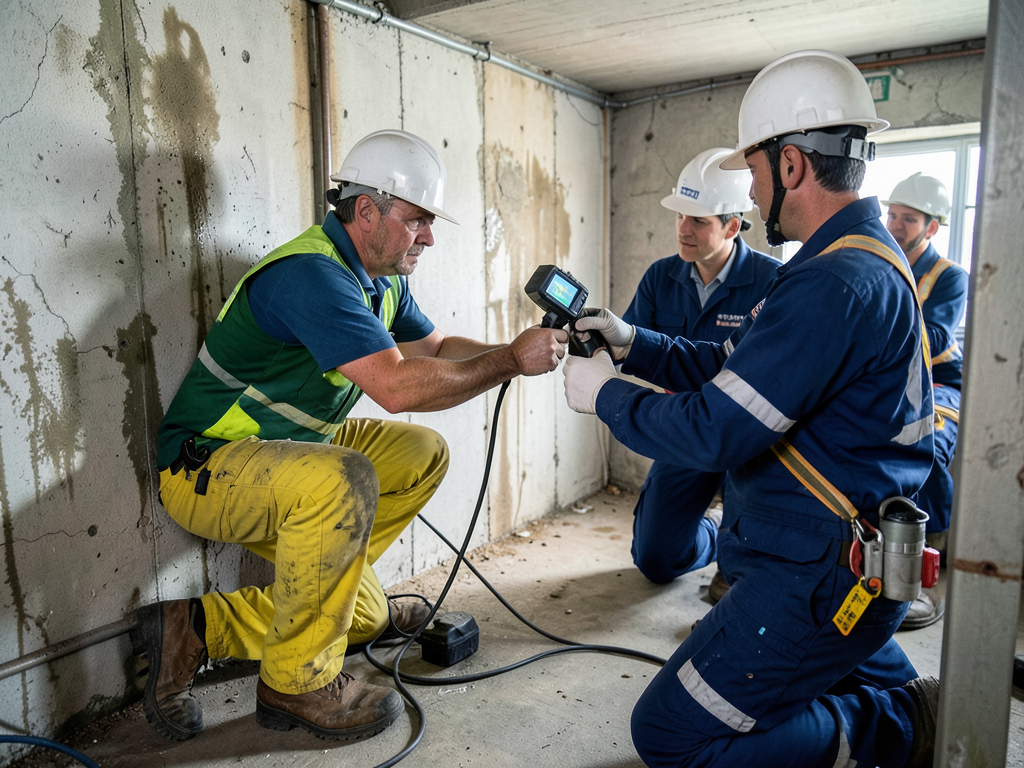
How an atmospheric river affects Portland basement flooding and what you should do When an atmospheric river hits Portland it brings more than heavy rain. These massive bands of moisture from the Pacific can dump…
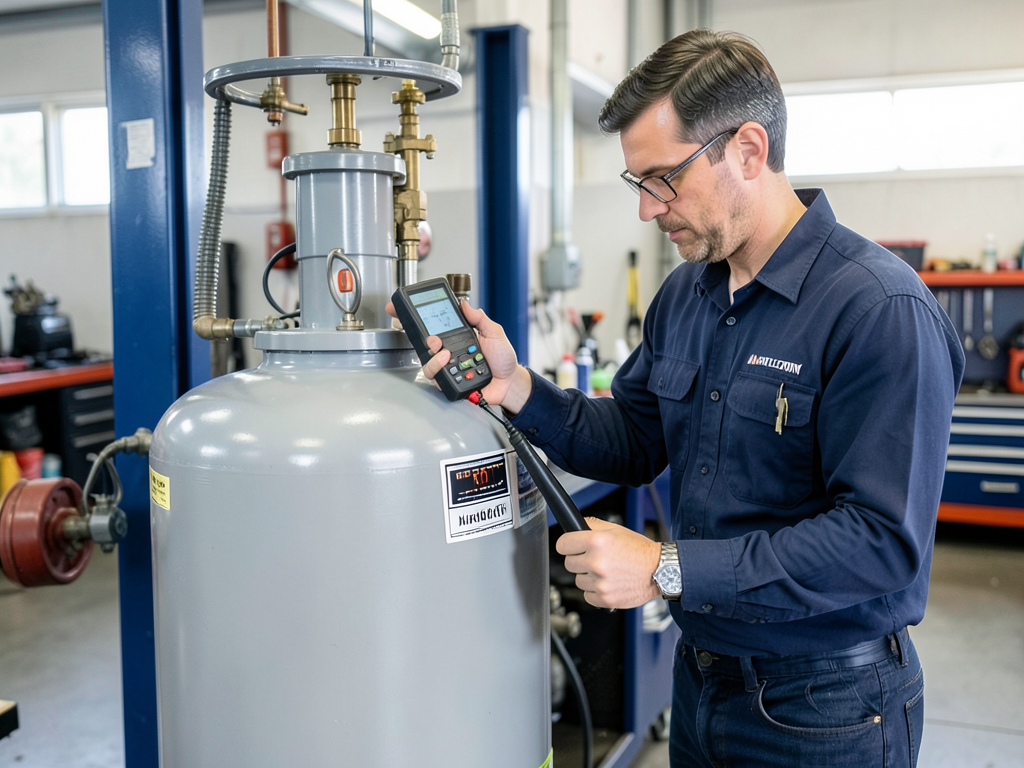
What happens when a well pump or pressure tank leaks in your Mapleton garage When…
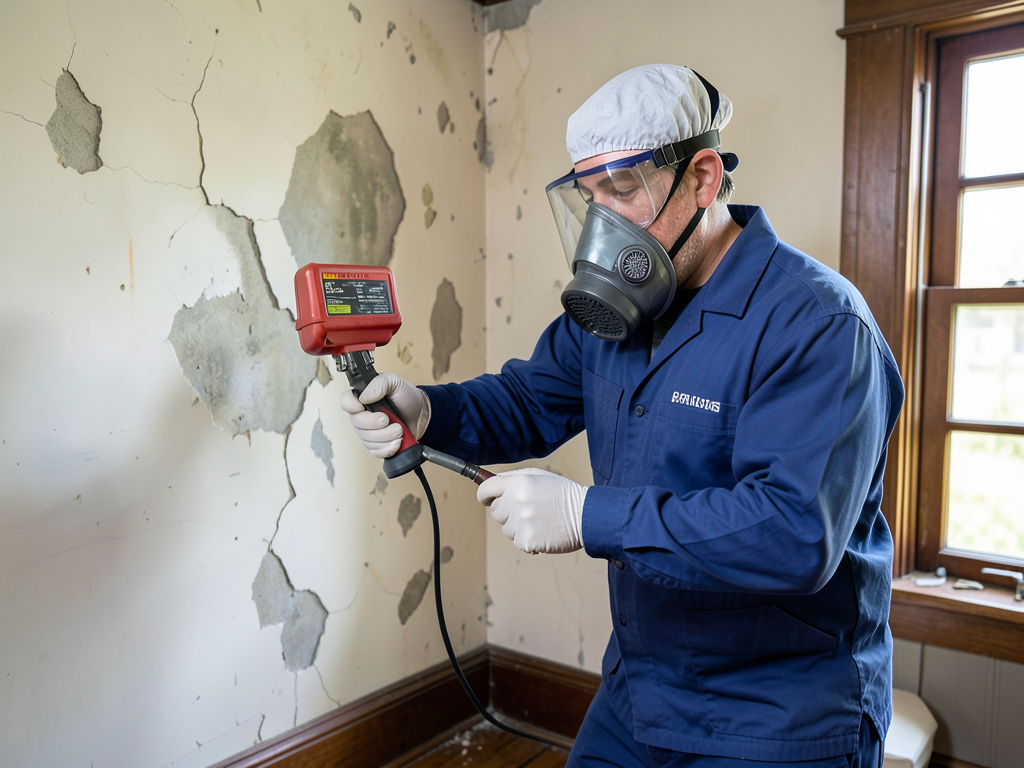
Dealing with lead and asbestos during water damage repairs in older Portland neighborhoods Portland's historic…
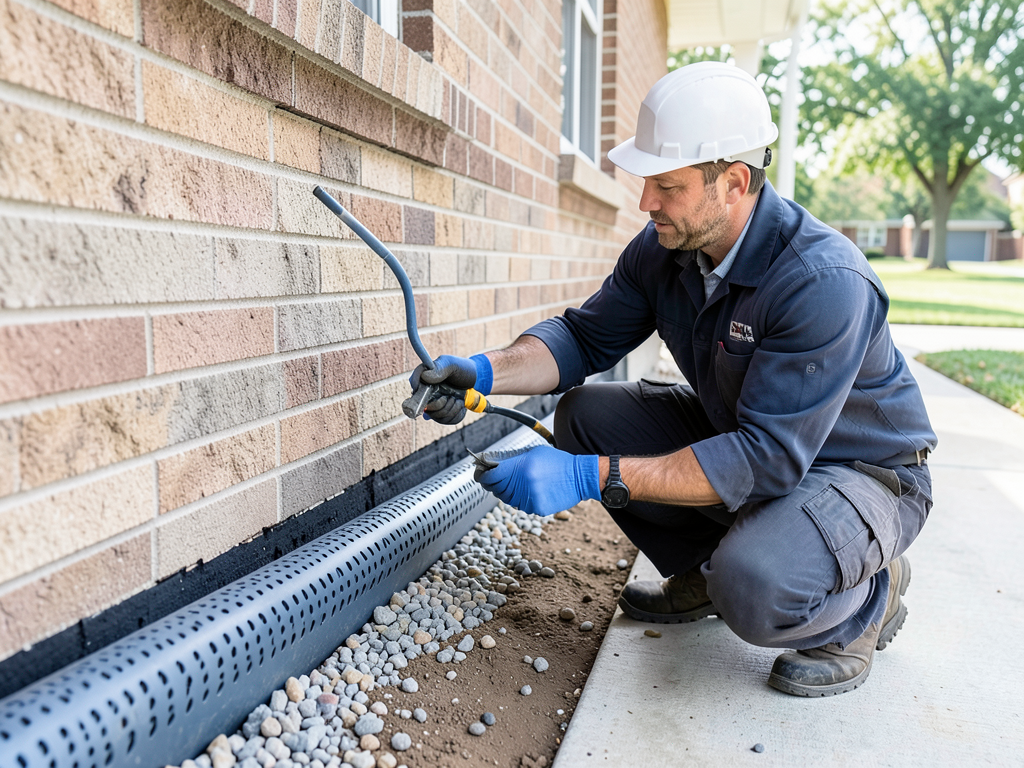
Why converting your University Park basement into a bedroom requires extra moisture protection Portland’s University…
Water damage spreads every hour. Call Evergreen Water Damage Restoration Portland now at (503) 882-7766 for immediate dispatch. Our certified technicians arrive in under 90 minutes with extraction equipment and begin stopping damage while coordinating your insurance claim. We answer 24 hours, every day.