


Wilsonville sits in a flood zone where the Willamette River meets Corral Creek, creating persistent moisture challenges for homes and businesses. The city's mix of older neighborhoods near the Memorial Park area and newer developments around Charbonneau face different threats. Older properties often have outdated plumbing and inadequate foundation waterproofing, while newer construction in low-lying areas near Boones Ferry Road can experience seasonal groundwater intrusion.
Oregon's wet season dumps 40 inches of rain between October and March. This prolonged moisture exposure saturates soil around foundations, overwhelms aging sump pumps, and causes basement seepage in homes throughout the Stafford area. The region's clay-heavy soil doesn't drain well, creating hydrostatic pressure against foundation walls that forces water through cracks and joints.
Wilsonville's position near the confluence of waterways also means properties face elevated risk during atmospheric river events. When heavy rainfall combines with snowmelt from the Cascade foothills, flash flooding can impact lower elevations quickly. Businesses in the Old Town district and residential areas near Muratalla Street have experienced rapid water accumulation during these weather events. Properties require immediate extraction and drying to prevent structural damage and microbial growth in wall cavities.
We've been extracting water and drying structures in Wilsonville since our founding, building relationships with property managers, insurance agents, and homeowners who need reliable emergency response. Our technicians live and work in the greater Portland metro area, which means we understand local construction methods, common failure points in regional building materials, and the specific moisture patterns that affect properties near the Willamette River.
When you call Evergreen Water Damage Restoration Portland, you reach a real person, not an answering service. Our dispatch coordinates with the closest available crew to get technicians on-site within an hour. We arrive with truck-mounted extraction equipment, industrial dehumidifiers, air movers, and moisture detection tools to assess damage accurately and begin mitigation immediately.
Our restoration process follows IICRC S500 standards for water damage restoration. Every technician holds current certifications in water damage restoration and applied structural drying. We document every phase of the drying process with thermal imaging and moisture readings, creating the detailed records insurance companies require for claims processing. This documentation protects you from claim denials and ensures you receive full coverage for restoration costs.
We handle both residential and commercial properties throughout Wilsonville. From single-family homes in Villebois to multi-tenant office buildings along Wilsonville Road, our crews have the equipment and expertise to dry structures of any size. We coordinate with plumbers, electricians, and general contractors when repairs extend beyond water extraction and drying, managing the entire restoration process so you deal with one company instead of juggling multiple vendors.

We dispatch crews to Wilsonville properties within one hour of your emergency call. Our technicians arrive with truck-mounted extraction equipment and begin water removal immediately. Fast response prevents secondary damage like subfloor swelling, drywall saturation, and microbial contamination that develop when water sits for hours.

Our estimators work directly with adjusters from every major insurance carrier. We provide detailed damage assessments, moisture mapping, and photographic documentation that insurance companies accept without dispute. This streamlines your claim and gets approval faster, so restoration work begins without payment delays.
Every crew member holds current certifications in water damage restoration and applied structural drying from the Institute of Inspection, Cleaning and Restoration Certification. We follow industry standards for extraction, dehumidification, and antimicrobial treatment. This certification ensures your property gets restored correctly, preventing future mold and structural issues.
Our teams understand construction methods common to Wilsonville neighborhoods and the moisture challenges properties face near the Willamette River. We know which homes have crawl space ventilation issues, which commercial buildings have flat roof drainage problems, and how seasonal flooding affects properties in different areas.
Water damage takes many forms, from burst pipes flooding finished basements to roof leaks saturating insulation in attic spaces. Evergreen Water Damage Restoration Portland handles every category of water intrusion, using specialized equipment and proven techniques to restore properties completely. Our service range covers emergency water removal, structural drying, dehumidification, content restoration, and antimicrobial treatment.
We categorize our water damage remediation services by urgency and contamination level. Clean water extraction from supply line failures requires different protocols than sewage backup cleanup. Storm flooding that introduces groundwater and debris needs more aggressive sanitization than a leaking water heater. Our technicians assess contamination levels, identify moisture penetration patterns, and create site-specific drying plans that address your property's unique damage.
Each restoration project gets customized equipment placement based on moisture readings and airflow patterns. We position air movers to create convection drying, place dehumidifiers to extract moisture from the air, and use injectidry systems to dry wall cavities without demolition. This targeted approach removes moisture efficiently while minimizing reconstruction costs. Whether you need rapid response for active flooding or scheduled mitigation for chronic moisture problems, our teams have the training and tools to restore your Wilsonville property correctly.
When water floods your property, immediate extraction prevents secondary damage to flooring, drywall, and structural components. Our crews arrive with truck-mounted pumps capable of removing thousands of gallons per hour from basements, crawl spaces, and commercial spaces. We extract standing water, remove saturated materials like padding and insulation, and begin airflow drying within the first hour on-site. This rapid response stops water from wicking up walls and penetrating subfloors.
After extraction, moisture remains trapped in framing, subfloors, and wall cavities. We use industrial dehumidifiers, air movers, and moisture meters to track drying progress in real time. Our technicians monitor humidity levels, adjust equipment placement, and document moisture readings daily until all materials reach normal levels. This controlled drying process prevents warping, swelling, and microbial growth. We dry structures completely before reconstruction begins, eliminating future mold problems.
Sewage backups and toilet overflows require specialized cleanup protocols to eliminate health hazards. Our crews wear protective equipment, remove contaminated materials, and apply EPA-registered antimicrobial treatments to affected surfaces. We dispose of unsalvageable items according to Oregon health regulations and sanitize salvageable contents in controlled environments. After remediation, we verify bacterial levels meet safety standards before returning spaces to use.
Wilsonville's climate and geography create specific moisture challenges for residential and commercial properties. The extended rainy season from October through April keeps soil saturated around foundations, increasing hydrostatic pressure and groundwater intrusion. Properties built in the 1970s and 1980s often lack proper foundation waterproofing, making basements and crawl spaces vulnerable to seepage during heavy rainfall.
The area's clay soil compounds drainage problems. Unlike sandy or loamy soil that absorbs water, clay becomes impermeable when saturated, forcing water to pool around foundations and flow toward lowest points. This creates chronic dampness in crawl spaces and basements throughout neighborhoods near Advance Road and Parkway Avenue. Without proper perimeter drainage and sump pump systems, these properties experience repeated moisture intrusion that damages stored items, promotes mold growth, and weakens structural components over time.
Commercial buildings face different challenges. Flat roofs common on retail centers and office buildings along Boones Ferry Road develop ponding when drains clog with debris. This standing water eventually finds penetration points through roofing membranes, causing ceiling stains and insulation saturation. The longer water sits undetected, the more extensive the damage becomes to ceiling tiles, light fixtures, and inventory stored below.
Older Wilsonville homes experience groundwater intrusion through foundation cracks and floor-wall joints during prolonged rain. Water seeps through concrete, saturates carpeting and drywall, and creates damp conditions perfect for mold growth. Without proper drainage correction and interior waterproofing, basements remain chronically wet throughout winter months.
Supply line failures dump hundreds of gallons into living spaces within minutes. Copper pipes in homes built before 2000 develop pinhole leaks from corrosion. PEX connections can fail when improper installation methods create stress points. These failures flood finished spaces rapidly, requiring immediate extraction to prevent subfloor damage and electrical hazards.
Inadequate vapor barriers and poor ventilation create humid conditions in crawl spaces beneath Wilsonville homes. Moisture from saturated soil evaporates into the crawl space, condensing on floor joists and subfloors. This persistent dampness rots wood framing, attracts wood-destroying organisms, and allows mold to colonize insulation and structural members.
During heavy rainfall events, municipal storm systems can overwhelm and back up into properties through floor drains and sump pits. This introduces contaminated water containing street debris, chemicals, and bacteria into basements. These backups require immediate extraction and antimicrobial treatment to prevent health hazards and permanent damage to finished spaces.
Water damage creates stress and uncertainty. You need clear answers about response time, restoration process, and costs. When you contact Evergreen Water Damage Restoration Portland, our process removes confusion and gets your property stabilized quickly.
Your call reaches a trained dispatcher who asks specific questions about the water source, affected areas, and safety concerns. This information helps us send the right equipment and determine crew size. We provide an accurate arrival window and contact information for the responding crew chief. If you're dealing with active flooding, we give immediate guidance on safety steps like shutting off water sources and avoiding electrical hazards.
Our technicians arrive in marked vehicles with all necessary extraction and drying equipment. The crew chief introduces the team, performs a visual inspection, and explains the proposed mitigation plan before starting work. We answer questions about the drying timeline, equipment noise levels, and access requirements. This upfront communication ensures you understand what's happening and why each step matters.
Throughout the restoration process, we document everything with photos, moisture readings, and detailed notes. This documentation serves two purposes. It creates the evidence your insurance company needs to approve the claim, and it provides you with a clear record of work performed. We update you on drying progress and adjust equipment as needed until moisture levels return to normal.
Our crews arrive within 60 minutes to assess damage severity and identify safety hazards. We check for electrical risks, structural compromise, and contamination levels. After confirming the area is safe to work, we begin water extraction immediately. You receive a verbal overview of the damage extent and estimated drying timeline before equipment deployment starts. This assessment takes 15 to 20 minutes and gives you clear expectations about restoration scope.
We provide daily updates on moisture levels and drying progress. Our technicians explain equipment adjustments and answer questions about timeline or coverage concerns. You receive copies of all moisture readings and documentation as work progresses. If we discover additional damage during demolition or drying, we notify you immediately with photos and revised estimates. No surprises, no hidden damage revealed after the fact.
Our estimators prepare detailed loss documentation that insurance adjusters accept without dispute. We photograph all damaged materials, map moisture penetration with thermal imaging, and itemize affected contents. This documentation package goes directly to your insurance company with our estimate. We communicate with adjusters throughout the claim process, providing additional information as requested. Our goal is claim approval without delays or disputes.
Every restoration follows a proven sequence designed to remove moisture completely while minimizing demolition and reconstruction costs. This systematic approach ensures thorough drying and prevents future mold problems.
We identify the water source, stop active intrusion, and classify contamination levels. Our technicians use moisture meters and thermal imaging to map water penetration in floors, walls, and ceilings. After documenting damage extent, we extract standing water with truck-mounted pumps and portable extractors. Saturated materials like carpet padding and insulation get removed to expose structural components. This phase typically takes two to four hours depending on property size and water volume.
We position air movers to create airflow across wet surfaces and place dehumidifiers to extract moisture from the air. Equipment runs continuously, creating controlled drying conditions. Our technicians visit daily to record moisture readings, adjust equipment placement, and empty dehumidifier reservoirs. We track progress with moisture meters, testing wood framing, subfloors, and drywall until readings reach normal levels. Drying typically requires three to five days for standard flooding.
Once all materials reach acceptable moisture levels, we remove drying equipment and verify readings one final time. We apply antimicrobial treatment to affected surfaces and seal materials as needed. Our final report includes all moisture readings, equipment logs, and photographic documentation of completed drying. At this point, your property is ready for reconstruction. We can coordinate with contractors or return your property ready for your own renovation teams.
Professional water damage restoration follows strict protocols established by the Institute of Inspection, Cleaning and Restoration Certification. The IICRC S500 Standard for Water Damage Restoration defines procedures for water classification, category determination, and material drying based on scientific principles and field-tested methods.
Water damage gets classified by contamination level. Category 1 water comes from sanitary sources like supply lines and poses minimal health risk. Category 2 water contains chemical or biological contamination that can cause discomfort or illness. Category 3 water, also called black water, contains pathogenic organisms from sewage or flood water and requires specialized handling and disposal protocols. Each category demands different safety equipment, containment procedures, and antimicrobial treatments.
We also classify materials by drying difficulty. Class 1 damage affects materials with low absorption rates and requires minimal drying time. Class 4 damage involves specialty materials like hardwood, plaster, and stone that require extended drying with specialized equipment. Proper classification determines equipment type, drying time, and whether materials can be salvaged or require replacement.
Oregon building codes require compliance with these standards for insurance claims and occupancy permits. Properties cannot receive final inspection approval until moisture content meets acceptable levels defined by IICRC standards. We use calibrated moisture meters that measure moisture content as a percentage of material weight. Wood framing must dry to below 15 percent moisture content, while gypsum drywall must reach below 1 percent to prevent microbial growth. These measurements ensure complete drying and protect property owners from future mold problems and structural damage.
Our restoration process also addresses psychrometric conditions in affected spaces. We measure temperature, relative humidity, and dew point to calculate vapor pressure gradients that drive moisture movement. By controlling these variables with dehumidification and airflow, we create optimal drying conditions that remove moisture from materials efficiently. This scientific approach speeds drying time and prevents secondary damage.
IICRC standards categorize water by contamination level to determine safety protocols and disposal requirements. Category 1 clean water needs standard extraction and drying. Category 2 gray water requires antimicrobial treatment. Category 3 black water demands protective equipment, specialized sanitization, and regulated disposal of contaminated materials. Proper classification protects occupants and ensures compliant restoration.
Restoration costs depend on water volume, contamination category, and material types affected. Clean water extraction costs less than sewage remediation due to disposal and sanitization requirements. Hardwood floor drying requires specialty equipment and extended time compared to concrete slab drying. Square footage, demolition extent, and equipment rental duration all influence final costs. Insurance typically covers sudden damage but excludes maintenance-related failures.
Standard water damage requires three to five days of continuous drying under controlled conditions. Class 4 damage to hardwood or plaster may need seven to ten days. Drying time depends on material porosity, initial moisture content, and environmental conditions. We monitor progress with daily moisture readings and adjust equipment until materials reach acceptable levels. Rushing the process or removing equipment early causes incomplete drying and future mold growth.
All Evergreen Water Damage Restoration Portland technicians hold current IICRC certifications in Water Damage Restoration and Applied Structural Drying. These credentials require ongoing education and testing to maintain. We follow Oregon building codes for moisture content limits and ventilation requirements. Our documentation meets insurance industry standards for claims processing. This compliance protects your investment and ensures approved coverage.
This video explains professional water damage restoration procedures for Wilsonville properties. Topics include emergency water extraction methods, structural drying protocols, IICRC classification standards, insurance documentation requirements, and common causes of residential water damage. Viewers learn why immediate response prevents secondary damage and mold growth, what equipment professionals use for complete moisture removal, and how certified technicians determine when materials are dry enough for reconstruction. The video covers water damage mitigation services including sewage cleanup, basement flooding response, and crawl space moisture remediation.
Evergreen Water Damage Restoration Portland provides emergency response throughout Wilsonville and surrounding areas. Our crews know local streets, construction patterns, and the unique moisture challenges different neighborhoods face. This local knowledge helps us respond faster and address problems specific to your area.
Properties in the Charbonneau community face different water damage risks than homes in Willamette West. Charbonneau's golf course community sits in a lower elevation near the Willamette River, making properties vulnerable to groundwater intrusion during spring runoff and heavy rain events. Many homes in this area have finished basements that require immediate extraction when seepage occurs. The neighborhood's mature trees also contribute to root intrusion in sewer lines, creating backup risks during storms.
The Villebois master-planned community features newer construction with modern building codes and better foundation waterproofing. However, these properties still experience water damage from appliance failures, supply line breaks, and roof leaks. The neighborhood's density means water damage in townhomes and condominiums can affect multiple units, requiring coordination between property managers and affected residents.
Old Town Wilsonville near Boones Ferry Road contains the city's oldest homes, many built in the 1960s and 1970s. These properties often have outdated plumbing systems, inadequate crawl space ventilation, and aging roofs that develop leaks. Foundation waterproofing in these homes typically doesn't meet current standards, making basements prone to seepage during winter months. We've restored numerous properties in this area and understand the common failure points in these older building systems.
Commercial properties along Wilsonville Road and in the Coffee Creek industrial area experience different challenges. Flat roofs on warehouses and office buildings develop ponding that eventually penetrates roofing membranes. HVAC condensate lines in multi-story buildings can clog and overflow, causing ceiling damage on lower floors. We've handled water damage in retail centers, medical offices, and industrial facilities throughout these commercial districts.
Our service area extends beyond Wilsonville city limits to include unincorporated areas near Stafford and properties along Advance Road. We serve residential and commercial customers in Sherwood, Tualatin, and West Linn when they need rapid response water damage restoration. Whether your property sits near Memorial Park, along Parkway Avenue, or in the newer developments near Boeckman Road, our crews reach you quickly with the equipment needed to stop damage and begin restoration immediately.
Water damage restoration in Wilsonville takes 3 to 7 days for most residential projects. The timeline depends on the extent of damage, affected materials, and water category. Small leaks affecting one room finish faster than whole-home flooding. Professionals need time for water extraction, drying, sanitizing, and rebuilding damaged areas. Expect delays if materials like hardwood floors or drywall require replacement. Your restoration company will provide a specific timeline after inspection. Humidity levels and ventilation in your home also affect drying speed.
Water damage restoration expenses in Wilsonville depend on damage severity, affected square footage, water category, and required services. Small leaks affecting limited areas typically run less than major flooding events. Clean water incidents tend to require less intensive treatment than sewage backups. Professionals assess your specific situation during inspection and provide detailed estimates. Most homeowners insurance policies cover sudden water damage events. Get multiple quotes from local restoration companies. Ask about emergency service fees and additional charges for mold remediation or structural repairs if needed.
Most Wilsonville homeowners insurance policies cover sudden and accidental water damage like burst pipes, appliance failures, and storm damage. Insurance typically excludes gradual damage from maintenance neglect, flooding from natural disasters, and sewer backups without specific riders. Read your policy carefully or contact your insurance agent to understand your coverage limits. Document all damage with photos before restoration begins. Your restoration company works with insurance adjusters to streamline the claims process. Keep all receipts and communication records for reimbursement purposes.
Water damage restoration in Wilsonville takes 3 to 7 days for most residential projects. The timeline depends on the extent of damage, affected materials, and water category. Small leaks affecting one room finish faster than whole-home flooding. Professionals need time for water extraction, drying, sanitizing, and rebuilding damaged areas. Expect delays if materials like hardwood floors or drywall require replacement. Your restoration company will provide a specific timeline after inspection. Humidity levels and ventilation in your home also affect drying speed.
Water damage restoration expenses in Wilsonville depend on damage severity, affected square footage, water category, and required services. Small leaks affecting limited areas typically run less than major flooding events. Clean water incidents tend to require less intensive treatment than sewage backups. Professionals assess your specific situation during inspection and provide detailed estimates. Most homeowners insurance policies cover sudden water damage events. Get multiple quotes from local restoration companies. Ask about emergency service fees and additional charges for mold remediation or structural repairs if needed.
Most Wilsonville homeowners insurance policies cover sudden and accidental water damage like burst pipes, appliance failures, and storm damage. Insurance typically excludes gradual damage from maintenance neglect, flooding from natural disasters, and sewer backups without specific riders. Read your policy carefully or contact your insurance agent to understand your coverage limits. Document all damage with photos before restoration begins. Your restoration company works with insurance adjusters to streamline the claims process. Keep all receipts and communication records for reimbursement purposes.
You need professional water damage restoration in Wilsonville when water affects multiple rooms, soaks into walls or ceilings, comes from contaminated sources, or sits for more than 24 hours. Visible signs include warped floors, bubbling paint, persistent musty odors, or standing water you cannot remove yourself. Hidden moisture inside walls or under flooring requires professional detection equipment. Category 2 or 3 water from sewage or flooding demands professional sanitization. Quick professional response prevents mold growth and structural damage.
Water damage restoration in Wilsonville follows five steps. First, professionals inspect your property to assess damage and create a restoration plan. Second, they extract standing water using pumps and vacuums. Third, technicians position industrial dehumidifiers and air movers to dry affected areas. Fourth, they clean and sanitize surfaces to prevent mold and bacteria growth. Fifth, restoration teams repair or rebuild damaged structures like drywall, flooring, and cabinets. Throughout the process, professionals monitor moisture levels to ensure complete drying before reconstruction begins.
You might stay in your Wilsonville home during minor water damage restoration affecting one room. Extensive damage requiring whole-home drying equipment, multiple rooms, or contaminated water typically requires temporary relocation. Loud equipment runs 24/7 during the drying phase, making sleep difficult. Your safety depends on water category and structural integrity. Professionals advise evacuation for sewage backups or compromised floors and ceilings. Ask your restoration company about expected noise levels and safety concerns. Most projects require 3 to 7 days of intensive work.
Call a water damage restoration company in Wilsonville immediately after discovering water damage. Every hour of delay increases damage severity and restoration expenses. Mold begins growing within 24 to 48 hours in wet conditions. Water spreads quickly through porous materials like drywall, insulation, and carpet. Quick response prevents secondary damage to unaffected areas. Professional restoration companies in Wilsonville offer 24/7 emergency response for urgent situations. While waiting for help, stop the water source if safe and remove valuables from affected areas.
Water damage restoration companies in Wilsonville use industrial-grade equipment including truck-mounted extraction units, submersible pumps, commercial dehumidifiers, and high-velocity air movers. Moisture meters detect hidden water inside walls and floors. Infrared cameras identify wet areas invisible to the eye. Air scrubbers filter contaminants during sewage cleanup. Professionals also use injection drying systems for hardwood floors and specialty drying equipment for documents and electronics. This equipment works faster and more thoroughly than consumer-grade fans and dehumidifiers available at hardware stores.
Choose a water damage restoration company in Wilsonville with 24/7 emergency availability, local presence, and certified technicians. Verify the company holds proper certifications from organizations like the IICRC. Read recent customer reviews on multiple platforms. Ask about response time and equipment capabilities. Request detailed written estimates before work begins. Confirm the company works with your insurance provider. Choose companies offering comprehensive services from initial water extraction through final reconstruction. Ask for references from recent Wilsonville clients with similar damage types.
Mold grows in Wilsonville homes after water damage when moisture, oxygen, and organic materials combine in temperatures between 60 and 80 degrees. Mold spores, always present in air, colonize wet surfaces within 24 to 48 hours. Porous materials like drywall, carpet, and insulation provide ideal growth environments. Insufficient drying after water damage leaves hidden moisture inside walls and under flooring. High humidity from Oregon weather slows evaporation. Professional restoration prevents mold by extracting water quickly, drying thoroughly, and monitoring moisture levels throughout the process.
You need professional water damage restoration in Wilsonville when water affects multiple rooms, soaks into walls or ceilings, comes from contaminated sources, or sits for more than 24 hours. Visible signs include warped floors, bubbling paint, persistent musty odors, or standing water you cannot remove yourself. Hidden moisture inside walls or under flooring requires professional detection equipment. Category 2 or 3 water from sewage or flooding demands professional sanitization. Quick professional response prevents mold growth and structural damage.
Water damage restoration in Wilsonville follows five steps. First, professionals inspect your property to assess damage and create a restoration plan. Second, they extract standing water using pumps and vacuums. Third, technicians position industrial dehumidifiers and air movers to dry affected areas. Fourth, they clean and sanitize surfaces to prevent mold and bacteria growth. Fifth, restoration teams repair or rebuild damaged structures like drywall, flooring, and cabinets. Throughout the process, professionals monitor moisture levels to ensure complete drying before reconstruction begins.
You might stay in your Wilsonville home during minor water damage restoration affecting one room. Extensive damage requiring whole-home drying equipment, multiple rooms, or contaminated water typically requires temporary relocation. Loud equipment runs 24/7 during the drying phase, making sleep difficult. Your safety depends on water category and structural integrity. Professionals advise evacuation for sewage backups or compromised floors and ceilings. Ask your restoration company about expected noise levels and safety concerns. Most projects require 3 to 7 days of intensive work.
Call a water damage restoration company in Wilsonville immediately after discovering water damage. Every hour of delay increases damage severity and restoration expenses. Mold begins growing within 24 to 48 hours in wet conditions. Water spreads quickly through porous materials like drywall, insulation, and carpet. Quick response prevents secondary damage to unaffected areas. Professional restoration companies in Wilsonville offer 24/7 emergency response for urgent situations. While waiting for help, stop the water source if safe and remove valuables from affected areas.
Water damage restoration companies in Wilsonville use industrial-grade equipment including truck-mounted extraction units, submersible pumps, commercial dehumidifiers, and high-velocity air movers. Moisture meters detect hidden water inside walls and floors. Infrared cameras identify wet areas invisible to the eye. Air scrubbers filter contaminants during sewage cleanup. Professionals also use injection drying systems for hardwood floors and specialty drying equipment for documents and electronics. This equipment works faster and more thoroughly than consumer-grade fans and dehumidifiers available at hardware stores.
Choose a water damage restoration company in Wilsonville with 24/7 emergency availability, local presence, and certified technicians. Verify the company holds proper certifications from organizations like the IICRC. Read recent customer reviews on multiple platforms. Ask about response time and equipment capabilities. Request detailed written estimates before work begins. Confirm the company works with your insurance provider. Choose companies offering comprehensive services from initial water extraction through final reconstruction. Ask for references from recent Wilsonville clients with similar damage types.
Mold grows in Wilsonville homes after water damage when moisture, oxygen, and organic materials combine in temperatures between 60 and 80 degrees. Mold spores, always present in air, colonize wet surfaces within 24 to 48 hours. Porous materials like drywall, carpet, and insulation provide ideal growth environments. Insufficient drying after water damage leaves hidden moisture inside walls and under flooring. High humidity from Oregon weather slows evaporation. Professional restoration prevents mold by extracting water quickly, drying thoroughly, and monitoring moisture levels throughout the process.
Evergreen Water Damage Restoration proudly serves Portland and the surrounding areas, providing rapid and reliable water damage solutions whenever you need us. While our physical office is located conveniently for local operations, our dedicated teams are mobile and ready to deploy across the region. View our service area on the map to understand our reach, or simply call us to confirm if we cover your specific location. We are committed to extending our expert services to every community in need.
Address:
Wilsonville, OR, 97070
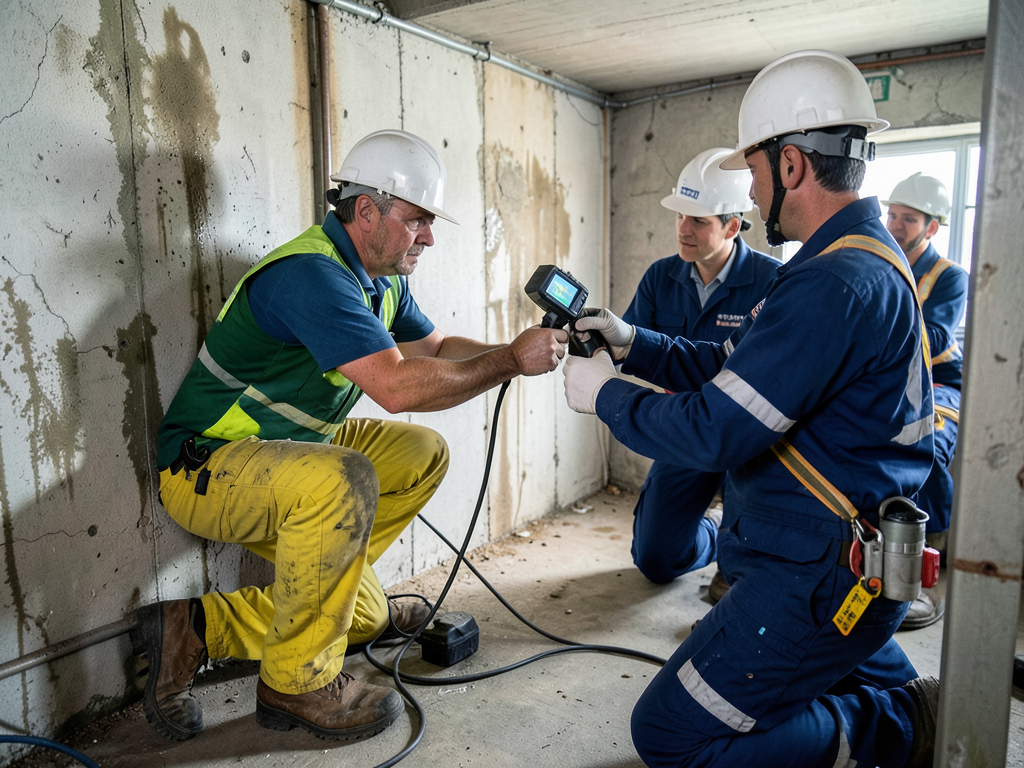
How an atmospheric river affects Portland basement flooding and what you should do When an atmospheric river hits Portland it brings more than heavy rain. These massive bands of moisture from the Pacific can dump…
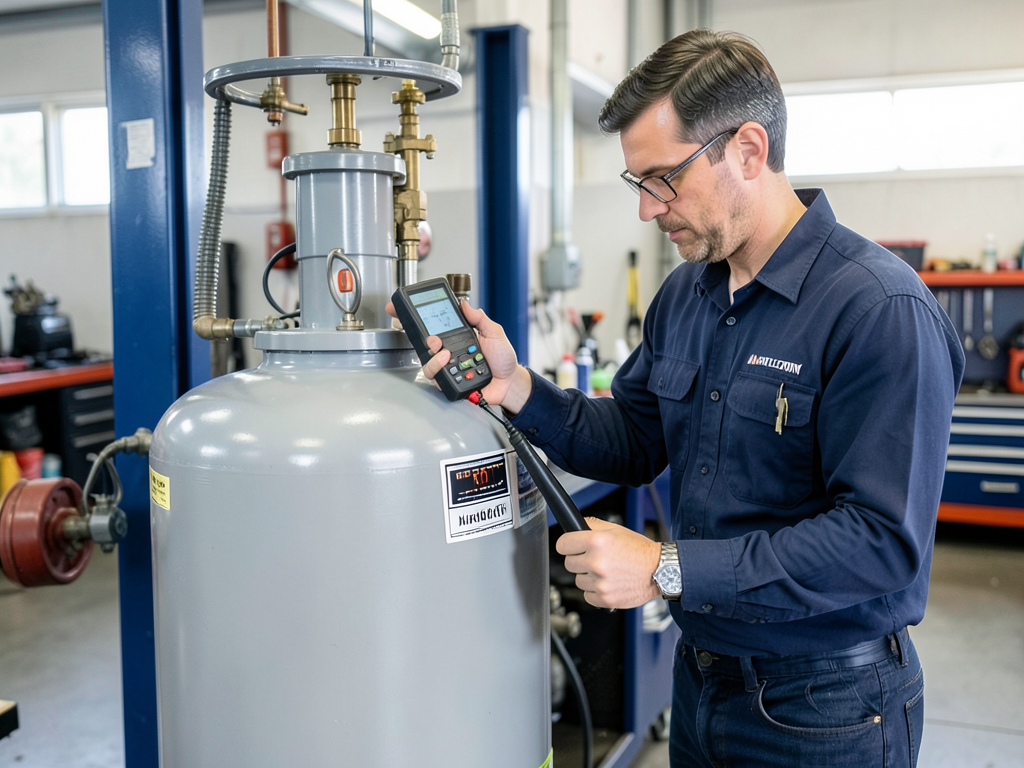
What happens when a well pump or pressure tank leaks in your Mapleton garage When…
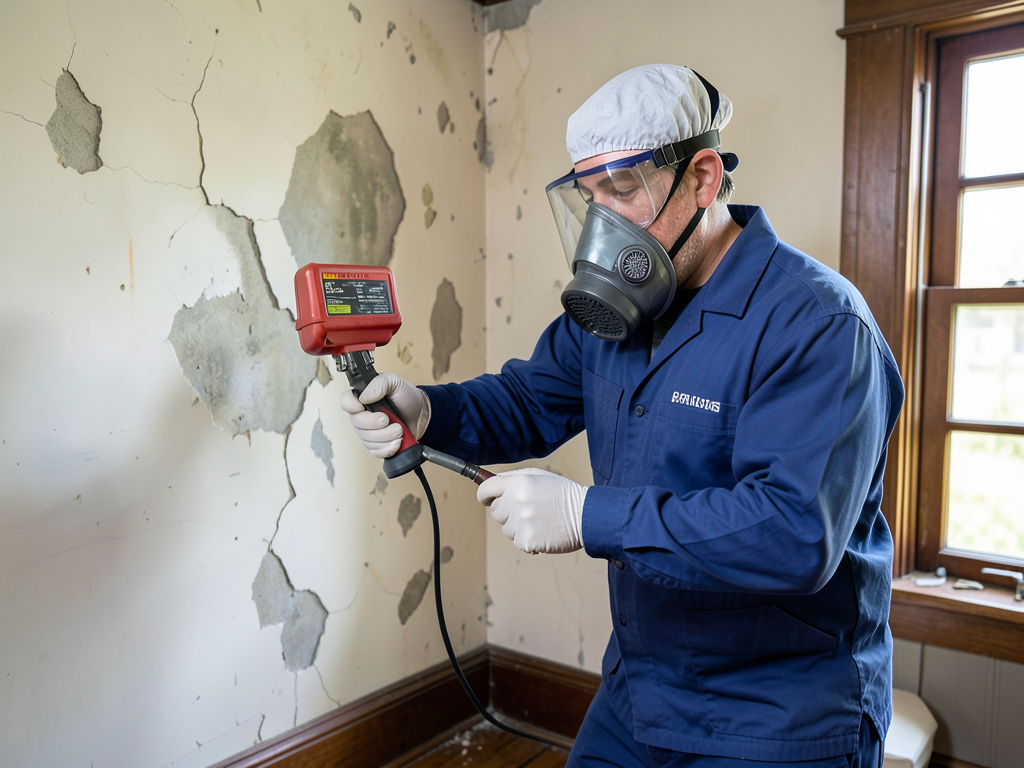
Dealing with lead and asbestos during water damage repairs in older Portland neighborhoods Portland's historic…
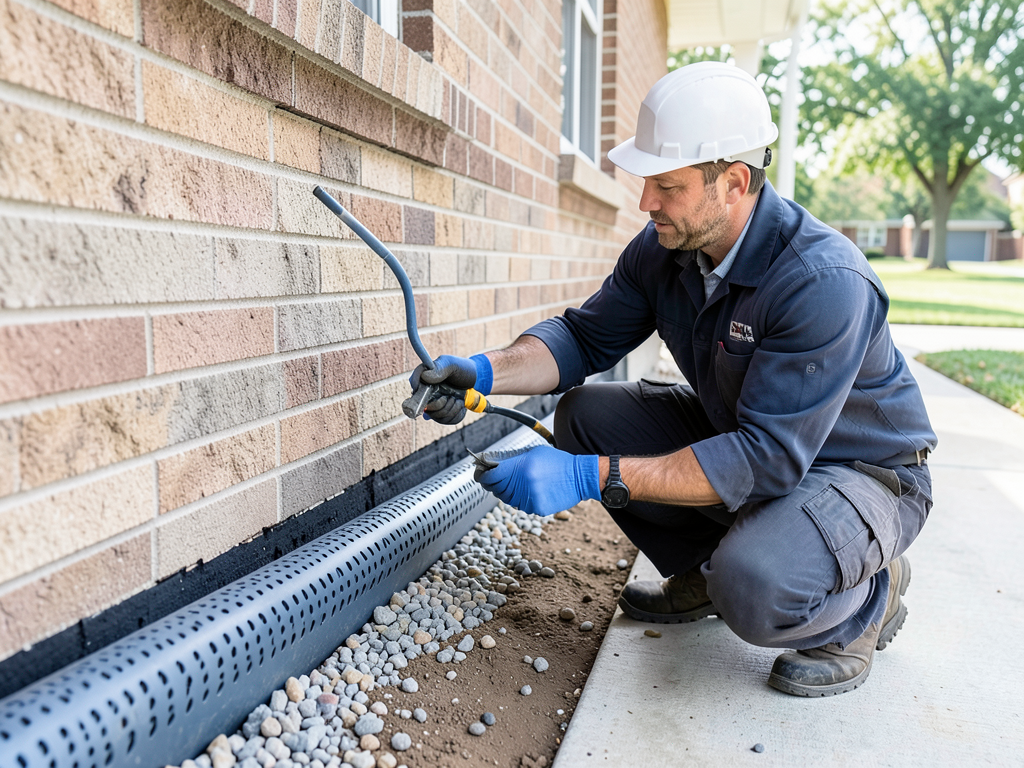
Why converting your University Park basement into a bedroom requires extra moisture protection Portland’s University…
Every hour you wait allows water to penetrate deeper into floors, walls, and structural components. Our crews are standing by to respond to your Wilsonville property within 60 minutes. Call Evergreen Water Damage Restoration Portland at (503) 882-7766 now for immediate dispatch and expert water damage restoration.