

Menu

Allergic Reactions in Home in Portland – Expert Mold Diagnosis and Water Damage Remediation

If you're experiencing unexplained sneezing, coughing, or respiratory issues at home, hidden mold from water damage could be the culprit. Evergreen Water Damage Restoration Portland identifies and eliminates mold sources caused by Portland's damp climate to restore healthy indoor air quality.

Slider Image 1
Slider Image 2
Slider Image 3
Slider Image 4
Slider Image 5
Slider Image 7
Slider Image 8
Slider Image 9
Slider Image 10
Slider Image 11

Why Portland Homes Breed Hidden Mold and Allergy Triggers

You wake up congested. Your eyes itch. The kids cough more at night than at school. You blame seasonal allergies, but the symptoms never leave.

The real problem is often invisible. Portland's persistent rain and humidity create ideal conditions for household mold allergies to flourish behind walls, under floors, and inside crawl spaces. The Pacific Northwest sees an average of 36 inches of rain annually. That moisture seeps into homes through foundation cracks, failed roof flashing, and aging window seals.

When water intrusion goes unnoticed, even for 48 hours, mold colonies establish themselves on drywall, insulation, and framing lumber. These colonies release spores into your air supply. You breathe them constantly. Indoor mold symptoms manifest as chronic sinus pressure, throat irritation, skin rashes, and persistent fatigue.

Many Portland homeowners mistake these water damage allergy triggers for pollen or pet dander. They buy air purifiers and antihistamines. The symptoms persist because the source remains untreated.

Mildew allergic reactions worsen in homes with poor ventilation, a common issue in older Portland neighborhoods like Laurelhurst and Irvington where craftsman homes were built before modern HVAC systems. Basements and crawl spaces in these homes trap moisture year-round.

Mold exposure symptoms are not just uncomfortable. Prolonged exposure leads to chronic respiratory conditions, especially in children and elderly residents. The mold you cannot see causes the symptoms you cannot ignore. Identifying the moisture source is the only way to stop the cycle.

If your symptoms improve when you leave home and return when you come back, you have a moisture problem inside your walls.

Why Portland Homes Breed Hidden Mold and Allergy Triggers
How We Eliminate Mold at the Source, Not Just the Surface

How We Eliminate Mold at the Source, Not Just the Surface

Surface cleaning does not fix mold problems. Bleach and spray bottles address visible growth but ignore the colonization happening inside structural cavities. Evergreen Water Damage Restoration Portland uses thermal imaging cameras and moisture meters to map water intrusion patterns before we cut a single section of drywall.

We start with a comprehensive moisture audit. Our technicians scan exterior walls, check subfloor moisture content, and inspect HVAC ductwork for condensation buildup. Portland homes often develop mold in rim joists where foundation meets framing, a detail most general contractors miss.

Once we locate the active moisture source, we isolate the contaminated zone with negative air pressure containment. This prevents cross-contamination to clean areas during remediation. We remove all porous materials that have been colonized, including drywall, insulation batts, and carpet padding. Non-porous materials like framing studs are treated with antimicrobial solutions and dried to below 15 percent moisture content using commercial dehumidifiers and air movers.

We do not guess. We verify dryness with calibrated hygrometers before reconstruction begins. This is critical in Portland's climate where relative humidity hovers between 70 and 85 percent for six months of the year.

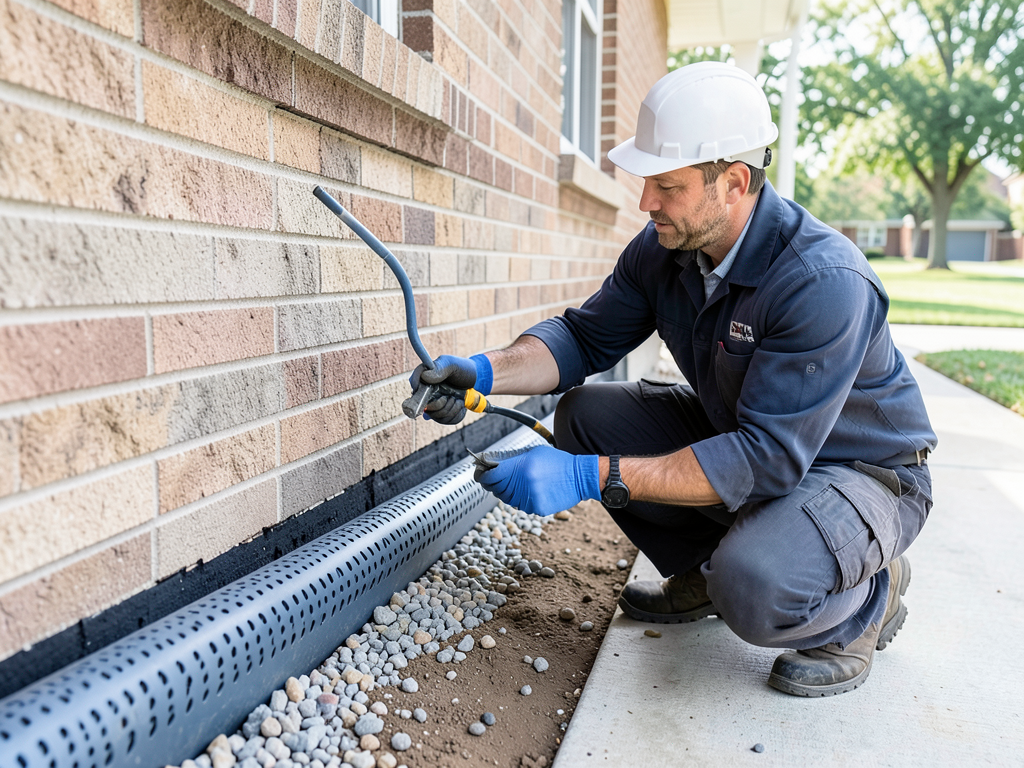
After remediation, we address the entry point. This might involve repairing a failed gutter downspout, sealing foundation cracks with hydraulic cement, or replacing deteriorated flashing around chimney penetrations. If the water source is not corrected, mold will return within weeks.

Our process follows IICRC S520 standards for mold remediation. We document every phase with photo evidence and moisture readings. This documentation is often required by insurance carriers for claim processing.

You get a home where the air does not make you sick. That is the standard.

What Happens During Your Mold Inspection and Remediation

Allergic Reactions in Home in Portland – Expert Mold Diagnosis and Water Damage Remediation
01

Initial Moisture Assessment

We arrive with thermal imaging equipment and pin-type moisture meters. Our technicians inspect all suspected areas, including crawl spaces, attics, and behind bathroom fixtures. We identify active leaks, condensation points, and hidden water damage. You receive a detailed map showing moisture levels throughout your home. This assessment typically takes 60 to 90 minutes depending on home size and the extent of visible symptoms.
02

Containment and Removal

We establish plastic sheeting barriers and negative air machines to prevent spore migration during demo work. All contaminated materials are bagged and removed according to EPA guidelines. We treat structural elements with antimicrobial agents and dry them using industrial-grade dehumidifiers. Air scrubbers with HEPA filtration run continuously to capture airborne particulates. This phase lasts two to five days depending on the severity of colonization and drying conditions.
03

Verification and Prevention

Before we leave, we conduct post-remediation moisture verification. All surfaces must register below 15 percent moisture content. We perform a final air quality check to confirm spore counts have returned to normal ambient levels. You receive documentation of all readings and recommendations for preventing future moisture intrusion. This includes gutter maintenance, crawl space encapsulation options, and ventilation improvements specific to your home's construction and Portland's climate challenges.

Why Portland Homeowners Choose Evergreen Water Damage Restoration

Portland's building stock is unique. Homes built before 1950 lack vapor barriers and modern weatherproofing. Homes built in the 1970s and 1980s often have inadequate crawl space ventilation. Each era has specific vulnerabilities to water intrusion.

Evergreen Water Damage Restoration Portland has remediated mold in over 1,200 local homes. We understand how water moves through Portland's clay-heavy soil and into your foundation. We know which neighborhoods experience chronic groundwater issues, like Lents and parts of East Portland where the water table sits high year-round.

We also understand local building codes. Portland requires specific ventilation standards for crawl spaces and attics. Our remediation work complies with Title 24 energy codes and IICRC remediation protocols. This matters when you sell your home or file an insurance claim.

Our technicians are trained in both water damage restoration and mold remediation. This dual expertise is critical because mold is always a secondary issue. The primary issue is water. Fixing mold without fixing water is a waste of money.

We work directly with your insurance carrier. We know which documentation adjusters require and how to present moisture readings and remediation scope to maximize your claim approval. Many homeowners do not realize their policy covers mold remediation when it results from a covered peril like a failed supply line or storm-related roof leak.

You also get honest assessments. If your mold problem is minor and can be addressed with improved ventilation and a small drywall repair, we tell you that. We do not upsell unnecessary demolition.

Portland's damp climate does not change. Your home needs a restoration partner who understands how moisture and mold interact in this specific environment. We are that partner.

What to Expect When You Call Evergreen Water Damage Restoration Portland

Response Time and Availability

We answer calls seven days a week. If you contact us in the morning, we can typically schedule an inspection within 24 hours. Emergency water intrusion situations receive same-day response because the window to prevent mold growth closes fast. Our inspection appointments last between one and two hours. We do not rush. You receive a written assessment with moisture readings, photo documentation, and a detailed scope of work before any remediation begins. There is no pressure to commit immediately.

Comprehensive Property Assessment

Our initial consultation includes thermal imaging scans of all exterior walls, moisture testing of subfloors and framing, and visual inspection of attics, crawl spaces, and mechanical rooms. We check for condensation on HVAC ductwork, failed vapor barriers, and improperly vented bathroom exhausts. You receive a detailed report identifying every moisture source, even if it is not currently causing visible mold. This assessment helps you prioritize repairs and understand the full scope of your home's vulnerabilities. Many clients discover issues they had no idea existed.

Restoration Quality and Standards

Every remediation project follows IICRC S520 protocols. We remove all colonized materials, not just surface growth. Structural elements are treated with antimicrobial solutions and dried to verified moisture content below 15 percent. We use HEPA-filtered air scrubbers during all demolition work to protect unaffected areas. Post-remediation air quality testing confirms spore counts have returned to normal levels. You receive before and after moisture readings, photo documentation, and a certificate of completion. This documentation is often required for real estate transactions or insurance claims.

Post-Remediation Support and Prevention

After remediation is complete, we provide written recommendations for preventing future moisture intrusion. This includes gutter maintenance schedules, crawl space vapor barrier installation, and mechanical ventilation upgrades. We do not perform all these services ourselves, but we connect you with trusted local contractors who specialize in each area. If you experience any concerns after we finish, we return for a follow-up inspection at no charge within 30 days. We also offer annual moisture audits for clients who want ongoing monitoring, especially beneficial for homes with chronic groundwater issues.

Frequently Asked Questions

You Have Questions,
We Have Answers

What in my house is giving me allergies? +

Common culprits include dust mites in bedding and upholstery, mold spores from Portland's high humidity and rain, pet dander, and pollen tracked indoors. Older Portland homes often harbor hidden mold in crawl spaces or attics due to moisture intrusion. Check HVAC filters, bathroom exhaust fans, and areas with poor ventilation. Carpets trap allergens easily. Portland's damp climate creates ideal conditions for mold growth, especially in basements and under sinks. If you notice musty odors or water stains, you may have a moisture problem feeding allergen sources.

How do I find out what I'm allergic to in my house? +

Start with an allergy test from your doctor. Skin prick tests or blood work identify specific triggers. At home, eliminate one potential allergen at a time. Wash bedding in hot water weekly, vacuum with a HEPA filter, and remove carpets to test for dust mites. Check for visible mold in bathrooms, basements, and crawl spaces. Portland's wet season exacerbates mold issues. Monitor symptoms when you change air filters or clean specific rooms. An allergist can provide targeted testing. For suspected mold, professional inspection reveals hidden growth behind walls or under flooring.

How to treat allergy cough? +

Remove the allergen source first. Use saline nasal rinses to clear irritants. Over-the-counter antihistamines reduce histamine response. A humidifier helps if air is too dry, but avoid over-humidifying in Portland's already moist climate. Honey may soothe throat irritation. Sleep with your head elevated. If coughing persists beyond two weeks or worsens, see a doctor. Persistent coughs can signal mold exposure, especially in older Portland homes with hidden water damage. Avoid cough suppressants initially, they prevent your body from clearing allergens. Drink plenty of fluids to thin mucus.

Why do I suddenly have allergies in my home? +

New allergies can develop after changes in your home environment. Recent water damage from Portland's heavy rains creates mold growth. New furniture or carpets release volatile organic compounds. Seasonal changes bring different pollen levels indoors. Your HVAC system may circulate trapped allergens if filters are dirty. Aging homes develop moisture problems as seals deteriorate. Portland's wet winters and humid summers create year-round mold risk. Recent renovations can disturb hidden mold or dust. Your immune system can also change over time, making you sensitive to previously tolerated substances. Pet dander accumulates gradually.

What is the most common indoor allergy? +

Dust mites top the list. These microscopic creatures thrive in bedding, upholstered furniture, and carpets. They feed on dead skin cells and flourish in Portland's moderate indoor humidity. Mold spores rank second, especially in Pacific Northwest homes where rain and moisture are constant. Pet dander affects many households. Cockroach droppings trigger reactions in some Portland neighborhoods. Pollen enters through windows and on clothing. Dust mites cause more chronic issues than seasonal allergens. They live year-round in mattresses and pillows. Encasing bedding in allergen-proof covers helps, as does maintaining indoor humidity below 50 percent.

What are the symptoms of being allergic to mold? +

Mold allergy symptoms include sneezing, runny nose, itchy eyes, and coughing. Some people experience wheezing or shortness of breath. Skin rashes can develop from direct contact. Chronic exposure causes persistent fatigue and headaches. Portland residents often mistake mold symptoms for seasonal allergies due to overlapping signs. Black mold produces more severe reactions, including chest tightness and fever. You may notice symptoms worsen in specific rooms or after rain when mold spores release. Musty odors accompany growth. If symptoms improve when you leave home, mold is likely. Asthma patients experience increased attacks around mold.

Can I test my house for allergies? +

Yes. DIY mold test kits are available at hardware stores but offer limited accuracy. Professional indoor air quality testing provides comprehensive allergen analysis. Inspectors sample air and surfaces for mold spores, dust mites, and other triggers. In Portland, moisture meters detect hidden water problems that feed mold growth. Professionals check crawl spaces, attics, and behind walls where DIY tests cannot reach. HVAC duct inspection reveals circulating allergens. Testing costs less than ongoing medical treatment for allergies. Results pinpoint exact problems rather than guessing. For suspected mold after water damage, professional testing is critical.

What are the symptoms of house dust mite allergy? +

Dust mite allergies cause sneezing, runny or stuffy nose, and itchy, watery eyes. Postnasal drip leads to coughing, especially at night. You may experience facial pressure and difficulty sleeping. Asthma patients wheeze or feel chest tightness. Symptoms worsen when making beds or vacuuming because activity stirs allergens airborne. Eczema flares up with dust mite exposure. Morning symptoms are common since you spend hours in bedding where mites concentrate. Portland's indoor humidity during rainy months creates ideal conditions for dust mite populations. If you wake congested daily, dust mites are likely contributors.

Do air purifiers help with allergies? +

Yes, when used correctly. HEPA filters trap 99.97 percent of particles, including pollen, dust mites, and mold spores. Place purifiers in bedrooms where you spend the most time. Size the unit to your room square footage. Run continuously for best results. Air purifiers do not eliminate moisture problems that cause mold growth in Portland homes. They reduce airborne allergens but cannot replace fixing leaks or improving ventilation. Change filters regularly. Purifiers work best alongside source removal, like washing bedding and controlling humidity. They provide relief but are not a complete solution for severe mold contamination.

How to tell if it's an allergy cough? +

Allergy coughs are typically dry and persistent, triggered by postnasal drip or throat irritation. They worsen around specific triggers like dust or pets. You may notice itchy throat or eyes alongside coughing. Allergy coughs rarely produce thick, colored mucus. They persist for weeks without fever. Symptoms improve with antihistamines. Coughs from colds include body aches and fever. In Portland, mold-related allergy coughs often correlate with rainy seasons or time spent in damp basements. If coughing stops when you leave home, allergens are likely. Track when symptoms occur to identify patterns pointing to environmental triggers.

How Portland's Year-Round Rain Creates Persistent Mold Risks in Homes

Portland receives measurable precipitation 150 days per year on average. This constant moisture exposure overwhelms homes with poor drainage, inadequate gutter systems, or compromised exterior cladding. Neighborhoods near the Willamette River and Columbia Slough experience additional groundwater pressure during winter months. Crawl spaces in these areas often flood seasonally. When water sits against foundation walls or beneath floor joists for extended periods, mold colonization is inevitable. The damp climate also slows drying times after water intrusion events, giving spores more time to establish colonies before homeowners notice visible growth.

Evergreen Water Damage Restoration Portland has served the greater Portland metro for over a decade. We understand the specific challenges posed by local soil conditions, building code requirements, and the age of housing stock in neighborhoods from Sellwood to St. Johns. Our technicians are trained to identify moisture vulnerabilities common to Pacific Northwest construction methods. We work with local insurance adjusters regularly and know how to document claims for optimal coverage approval. When you choose a local restoration company, you get expertise tuned to Portland's unique environmental challenges, not generic advice from a national franchise.
Water Damage Restoration Services in The Portland Area

Evergreen Water Damage Restoration proudly serves Portland and the surrounding areas, providing rapid and reliable water damage solutions whenever you need us. While our physical office is located conveniently for local operations, our dedicated teams are mobile and ready to deploy across the region. View our service area on the map to understand our reach, or simply call us to confirm if we cover your specific location. We are committed to extending our expert services to every community in need.

Address:
Evergreen Water Damage Restoration Portland, 239 NW 13th Ave, Portland, OR, 97209

Additional Services We Offer

Our news updates

Latest Articles & News from The Blogs

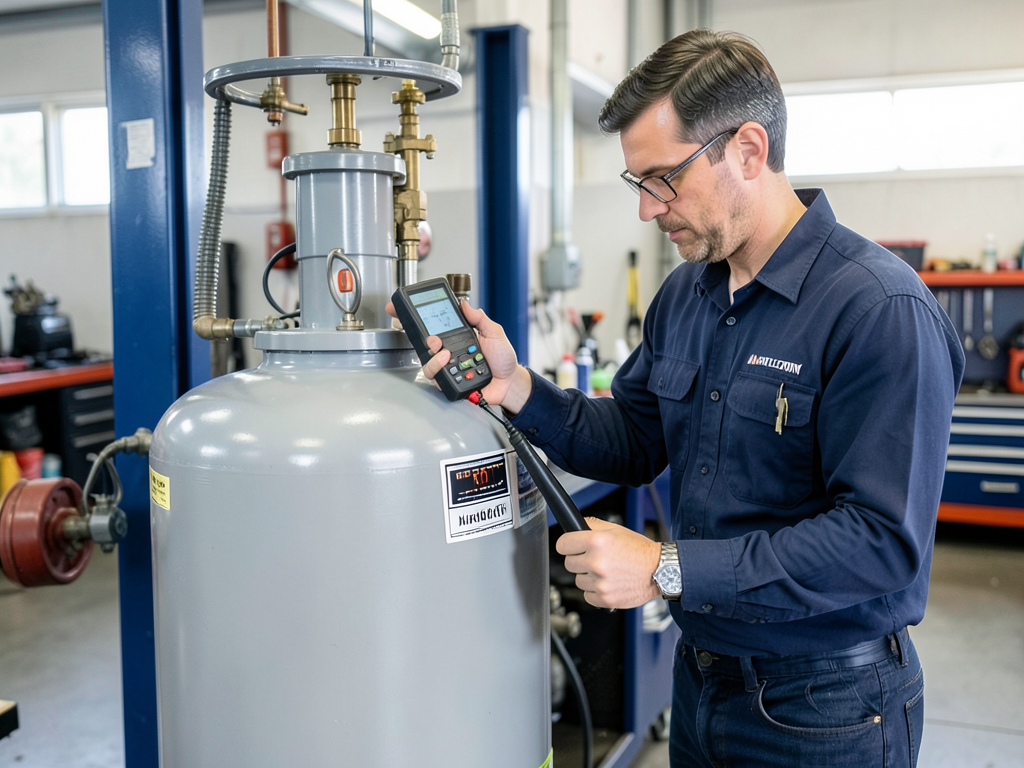
What happens when a well pump or pressure tank leaks in your Mapleton garage When a well pump or pressure…

What happens when a well pump or pressure tank leaks in your Mapleton garage

What happens when a well pump or pressure tank leaks in your Mapleton garage When a well pump or pressure…

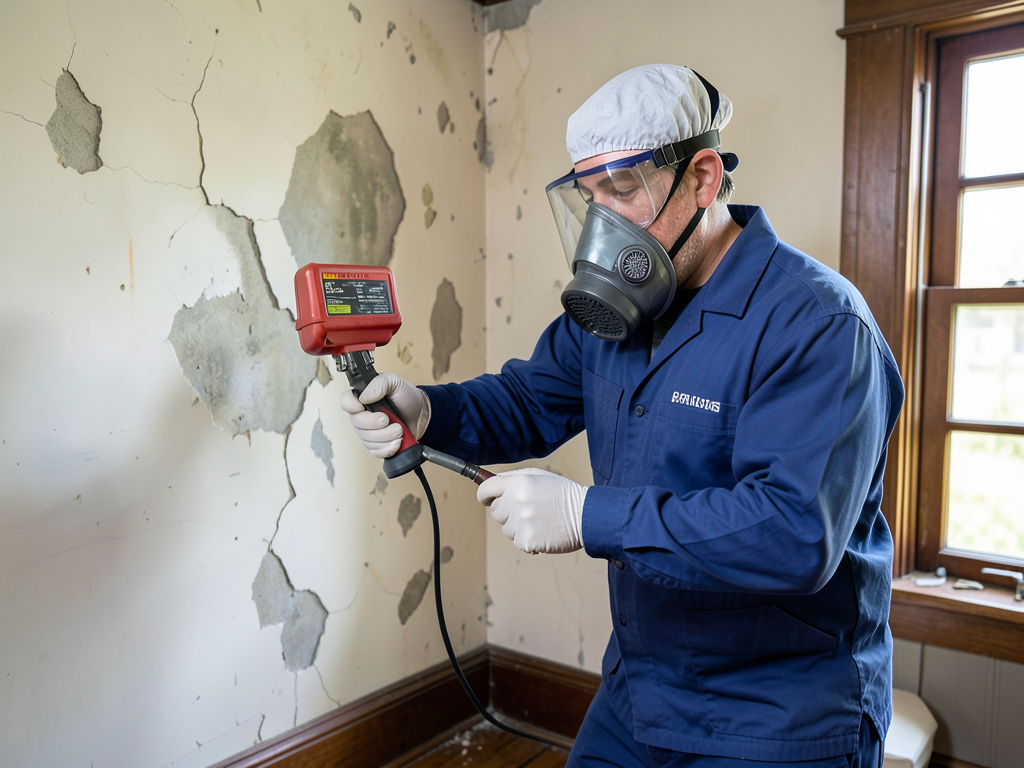
Dealing with lead and asbestos during water damage repairs in older Portland neighborhoods

Dealing with lead and asbestos during water damage repairs in older Portland neighborhoods Portland's historic neighborhoods face unique challenges when…

Why converting your University Park basement into a bedroom requires extra moisture protection

Why converting your University Park basement into a bedroom requires extra moisture protection Portland’s University Park neighborhood, nestled near the…

Contact Us

Your home should not make you sick. Call Evergreen Water Damage Restoration Portland at (503) 882-7766 today. We will schedule a comprehensive moisture assessment and identify the source of your indoor air quality problems. Do not wait for symptoms to worsen.