

Menu

How to Handle Insurance Claims in Portland – Get Every Dollar You Deserve from Your Water Damage Policy

Portland homeowners face constant water threats from Pacific storms and aging infrastructure. Learn the exact steps to document damage, communicate with adjusters, and navigate the water damage insurance claim process without leaving money on the table.

Slider Image 1
Slider Image 2
Slider Image 3
Slider Image 4
Slider Image 5
Slider Image 7
Slider Image 8
Slider Image 9
Slider Image 10
Slider Image 11

Why Portland Water Damage Claims Get Denied or Underpaid

Portland's relentless rain season dumps over 36 inches annually, and that water finds every weak point in your home. Moss-covered roofs, clogged gutters, and failing window seals turn routine storms into insurance nightmares. You discover ceiling stains, warped floors, or mold growth, and you assume your policy covers it. Then the adjuster shows up and starts asking questions about maintenance records.

Most Portland homeowners lose thousands because they do not understand what their policy actually covers. Water damage insurance claim process rules separate "sudden and accidental" events from gradual deterioration. That leaking pipe you noticed last month but did not fix? The adjuster calls it maintenance neglect. The basement flooding from last week's atmospheric river? That might fall under flood exclusions if groundwater seeped through foundation cracks.

Filing a water damage claim requires precise documentation from the moment you discover moisture. Adjusters look for reasons to reduce payouts. They question whether the damage happened before your policy started, whether you maintained your property, and whether the source qualifies as covered peril. Portland's older housing stock, especially in neighborhoods like Laurelhurst and Irvington, complicates claims because aging systems blur the line between sudden failure and deferred maintenance.

The difference between a fair settlement and a lowball offer comes down to how you present evidence, what restoration companies you hire, and how well you understand policy language. Navigating water restoration claims means knowing which moisture readings matter, which drying methods adjusters accept, and which documentation protects your interests when the insurance company pushes back.

Why Portland Water Damage Claims Get Denied or Underpaid
The Insurance Claim Process That Actually Gets Results

The Insurance Claim Process That Actually Gets Results

Managing water mitigation claims starts before you even call your insurance company. You need to stop additional damage immediately. Shut off the water source if possible, move valuables to dry areas, and document everything with photos and video. Portland adjusters expect you to mitigate further loss. If you let water sit for days without taking action, they will deny coverage for secondary damage like mold growth or structural rot.

Call a professional water damage restoration company before you notify your carrier. Companies like Evergreen Water Damage Restoration Portland understand what adjusters look for. We use moisture meters to document exact readings, thermal imaging to map hidden saturation, and detailed photo logs that establish the extent of loss. This evidence becomes your proof when the adjuster questions the scope of work.

When you file your claim, be factual and specific. State what happened, when you discovered it, and what immediate steps you took. Do not speculate about causes or admit to maintenance lapses. The adjuster will inspect within 24 to 72 hours in most cases. They will take their own photos, ask about the property's history, and review your policy exclusions. This is not a friendly conversation. They work for the insurance company, not you.

Tips for water damage insurance claims include getting your own estimates from qualified restoration contractors. Adjusters often use software that underestimates drying time, overlooks hidden damage, and applies depreciation that reduces your payout. A detailed scope of work from a certified technician counters their lowball initial offer. You have the right to negotiate, request re-inspection, and challenge depreciation calculations. Most Portland homeowners accept the first number because they do not know the process allows pushback.

Your Water Damage Claim Roadmap

How to Handle Insurance Claims in Portland – Get Every Dollar You Deserve from Your Water Damage Policy
01

Immediate Documentation and Mitigation

The first 24 hours determine your claim outcome. Stop the water source, photograph everything from multiple angles, and record video walkthroughs showing the full extent of visible damage. Note the date and time. Document moisture readings if possible. Portland adjusters scrutinize whether you took reasonable steps to prevent additional loss. Place fans, open windows if weather permits, and move furniture to dry areas. Save receipts for any emergency supplies you purchase.
02

Professional Assessment and Estimate

Hire a water damage restoration company before filing your claim. We provide detailed moisture mapping, thermal imaging reports, and itemized estimates that match industry standards for drying, demolition, and reconstruction. These documents carry more weight than your phone photos. The adjuster will compare their assessment to ours. Having professional documentation from the start puts you in a stronger negotiating position when the insurance company presents their initial offer.
03

Negotiation and Settlement

Review the adjuster's estimate line by line. Challenge any depreciation that seems excessive. Question any scope items they excluded. Request a re-inspection if they missed hidden damage behind walls or under flooring. Portland homes often have moisture trapped in wall cavities that only shows up after initial drying begins. You can request a desk review, demand additional testing, or escalate to the insurance company's appeals process. Most carriers increase their offer when you present professional evidence.

Why Portland Homeowners Choose Local Restoration Experts for Claims

Portland's insurance adjusters know the local housing stock. They know that homes in Eastmoreland sit in clay soil that shifts with seasonal moisture. They know that Pearl District condos have different plumbing systems than Craftsman bungalows in Sellwood. They use this knowledge to question your claim. You need a restoration company that knows the same details and can speak their language.

Evergreen Water Damage Restoration Portland has worked with every major carrier operating in Multnomah County. We know which adjusters approve thermal imaging as proof of hidden moisture and which ones require invasive inspection. We understand Oregon's building codes for moisture barriers and ventilation requirements. When an adjuster claims your crawl space damage resulted from pre-existing conditions, we pull permit records and construction timelines that prove sudden failure.

Local expertise matters because Portland's climate creates unique documentation requirements. Adjusters expect you to prove that roof leaks resulted from storm damage rather than deferred maintenance. In a city where moss grows year-round and gutters clog constantly, that distinction determines whether you get a check or a denial letter. We photograph moss patterns, gutter conditions, and roof material age to establish that your leak came from an acute event, not gradual deterioration.

Out-of-state restoration franchises do not understand Portland's specific challenges. They submit generic estimates that adjusters pick apart. They do not know that Portland adjusters scrutinize crawl space vapor barriers differently than basements. They miss the details that separate approved claims from disputed ones. We document water intrusion paths, photograph source points, and provide evidence that satisfies local adjusters' specific requirements for filing a water damage claim.

What You Get When You Work with Professional Claim Support

Rapid Emergency Response

Portland water damage does not wait for business hours. We answer calls 24 hours a day because insurance companies expect immediate mitigation. Our teams arrive within two hours for emergency situations, equipped with moisture meters, thermal cameras, and extraction equipment. We begin documentation while stabilizing your property. This dual approach satisfies your policy's requirement to prevent further damage while building the evidence foundation for your claim. Quick response protects both your property value and your claim eligibility. Delays give adjusters ammunition to reduce payouts.

Comprehensive Damage Assessment

We perform room-by-room moisture mapping using calibrated meters that measure material saturation levels. Thermal imaging reveals hidden water behind walls, under flooring, and in ceiling cavities that visual inspection misses. We document ambient humidity, temperature, and airflow patterns. These readings create a baseline that proves the extent of damage when adjusters question whether affected areas actually need restoration. Our reports include timestamps, equipment readings, and photo documentation that insurance companies accept as legitimate proof. Portland adjusters trust data more than descriptions.

Industry-Standard Restoration Execution

We follow IICRC S500 standards for water damage restoration. This certification matters because adjusters only approve work that meets industry protocols. Our drying process includes daily moisture readings, equipment logs, and progress photos that document the restoration timeline. We do not over-dry or under-dry. We use the right equipment for the material type, whether that is hardwood floors, drywall, or insulation. The final result meets Portland building codes and satisfies insurance company requirements for proper restoration. You get a home returned to pre-loss condition.

Ongoing Claim Advocacy

We communicate directly with adjusters throughout the restoration process. When they request additional documentation, we provide it immediately. When they question line items in our estimate, we explain the technical reasons each step is necessary. We attend on-site inspections and walk adjusters through the damage. This advocacy prevents the back-and-forth delays that stretch claims for months. Portland homeowners tell us that having a professional handle adjuster communications reduces stress and speeds settlements. We speak their technical language so you do not have to.

Frequently Asked Questions

You Have Questions,
We Have Answers

How do you handle insurance claims? +

Start by documenting all damage immediately with photos and video. Contact your insurance company within 24 hours to file your claim. In Portland, winter storms and heavy rain often cause multiple claims at once, so act fast. Take detailed notes during every conversation with your adjuster, including dates and names. Save all receipts for emergency repairs or temporary housing. Do not make permanent repairs before the adjuster inspects the damage. Keep damaged items until your claim is settled. Work with a local restoration company familiar with Oregon insurance requirements to ensure accurate estimates and proper documentation for your claim.

What are the 3 D's of insurance claims? +

The three D's are documentation, diligence, and detail. Documentation means photographing every inch of damage before cleanup begins. Diligence requires following up consistently with your adjuster and meeting all deadlines. Detail involves providing thorough information about damaged items, including age, condition, and replacement cost. Portland homeowners often deal with water damage from failed sump pumps or roof leaks during our rainy season. Each D becomes critical when multiple claims flood adjusters during storm events. Missing any D can delay your settlement or reduce your payout. These principles apply whether you face fire, water, or mold damage.

What not to say during an insurance claim? +

Never say the damage is your fault or admit negligence. Avoid phrases like "I should have fixed that sooner" or "I knew that pipe was old." Do not exaggerate damage or make false statements. Never say you are not sure about something if you actually know the facts. Do not speculate about what caused the damage if you lack evidence. Avoid accepting the first settlement offer immediately without review. In Portland, where old home foundations and aging plumbing are common, resist blaming yourself for normal wear and tear. Stick to factual descriptions and let the investigation determine cause.

What is the 80% rule in insurance? +

The 80% rule means you must insure your home for at least 80% of its replacement cost to receive full reimbursement for partial losses. If you insure for less, you become a co-insurer and share the loss. Portland home values have risen sharply, making this rule critical. Example: Your home costs $500,000 to rebuild. You insure it for $300,000 (only 60%). You suffer $50,000 in damage. The insurer pays only $37,500 because you failed to meet the 80% threshold ($400,000). Review your coverage annually to match rising construction costs in the Portland metro area.

What are the 5 P's of insurance? +

The five P's are policy, peril, proof, process, and payment. Policy is your insurance contract defining coverage limits and exclusions. Peril is the specific event causing damage, like fire or flood. Proof involves documenting your loss with photos, receipts, and estimates. Process means following claim procedures and deadlines correctly. Payment is the final settlement or reimbursement. Portland homeowners must understand these principles when dealing with water damage, earthquake risk, or wildfire smoke damage. Each P builds on the previous one. Missing one step can derail your entire claim and leave you undercompensated for legitimate losses.

What are the 4 phases of the claim process? +

Phase one is reporting the loss to your insurer immediately. Phase two involves the adjuster inspecting damage and assessing coverage. Phase three is negotiation, where you submit documentation, estimates, and any disputes. Phase four is settlement and payment once you agree on compensation. In Portland, winter storms often trigger multiple claims simultaneously, slowing each phase. Your adjuster may handle 50 cases at once during peak season. Stay proactive by documenting thoroughly and following up weekly. Restoration work should align with these phases to avoid conflicts. Never start permanent repairs before completing phase two without written approval.

What not to say to an insurance claim adjuster? +

Never admit fault or speculate about causes you cannot prove. Do not say "I think" or "maybe" when you know facts. Avoid discussing previous claims or unrelated home issues. Never agree the damage is less severe than it appears. Do not accept a settlement on the spot without reviewing it carefully. Avoid complaining about your premium costs during the claim. In Portland, where moisture intrusion and foundation issues are common, adjusters may try minimizing damage. Provide only factual, documented information. Request everything in writing. Bring a contractor to the inspection for accurate damage assessment and professional perspective.

What are the three most common mistakes on a claim that will cause denials? +

First, incomplete documentation means no photos, receipts, or proof of loss. Adjusters deny claims they cannot verify. Second, missing deadlines for filing or submitting documents voids your claim rights. Third, failing to mitigate further damage violates your policy duty. Portland homeowners who delay tarping a leaking roof or extracting standing water face denials for secondary damage. Other mistakes include exaggerating losses, which triggers fraud investigations, or making permanent repairs before inspection. Read your policy carefully. Oregon law gives you specific rights, but you must follow procedures exactly. Small errors create big problems when insurers look for denial reasons.

How long should an insurance company take to settle a claim? +

Oregon law requires insurers to acknowledge claims within 10 days and make payment decisions within 30 days after receiving all required documentation. Complex claims involving structural damage or disputes can take 60 to 90 days. In Portland, winter storm surges and widespread damage events slow processing across the metro. If your insurer delays unreasonably, Oregon's unfair claims practices laws protect you. Document every interaction and deadline missed. You can file a complaint with the Oregon Division of Financial Regulation. Large commercial claims take longer than residential water damage claims. Push for updates every two weeks to keep your claim moving forward.

What insurance adjusters won't tell you? +

Adjusters will not volunteer that you can negotiate settlements or hire a public adjuster. They will not tell you Oregon law requires bad faith penalties if they deny valid claims. They will not mention you can dispute their damage estimates with independent contractors. Portland adjusters will not disclose that moisture damage often hides behind walls, requiring invasive inspection. They will not explain depreciation calculations or replacement cost coverage differences unless you ask directly. They avoid discussing policy maximums or additional living expense benefits. Read your entire policy. Ask specific questions. Get multiple repair estimates. Understand your rights under Oregon insurance regulations before accepting any settlement offer.

How Portland's Climate and Housing Stock Complicate Water Damage Insurance Claims

Portland receives consistent rainfall from October through May, creating constant moisture pressure on building envelopes. The city's older homes, many built between 1900 and 1950, lack modern moisture barriers and weatherproofing systems. When atmospheric rivers dump multiple inches in 24 hours, this housing stock fails in predictable patterns. Adjusters know this. They scrutinize whether your roof leak resulted from the storm or from moss accumulation that compromised shingle integrity over months. Filing a water damage claim in Portland requires proving that the precipitation event exceeded your home's maintenance condition. That distinction determines approval or denial.

Evergreen Water Damage Restoration Portland maintains relationships with local adjusters, public adjusters, and insurance agents throughout Multnomah, Washington, and Clackamas counties. We understand how different carriers interpret Oregon's insurance regulations. We know which companies fight crawl space claims and which ones approve them with proper documentation. This local knowledge helps Portland homeowners navigate water restoration claims without the trial-and-error that costs time and money. When you work with a restoration company that adjusters recognize and respect, your claim moves faster and settles higher.
Water Damage Restoration Services in The Portland Area

Evergreen Water Damage Restoration proudly serves Portland and the surrounding areas, providing rapid and reliable water damage solutions whenever you need us. While our physical office is located conveniently for local operations, our dedicated teams are mobile and ready to deploy across the region. View our service area on the map to understand our reach, or simply call us to confirm if we cover your specific location. We are committed to extending our expert services to every community in need.

Address:
Evergreen Water Damage Restoration Portland, 239 NW 13th Ave, Portland, OR, 97209

Additional Services We Offer

Our news updates

Latest Articles & News from The Blogs

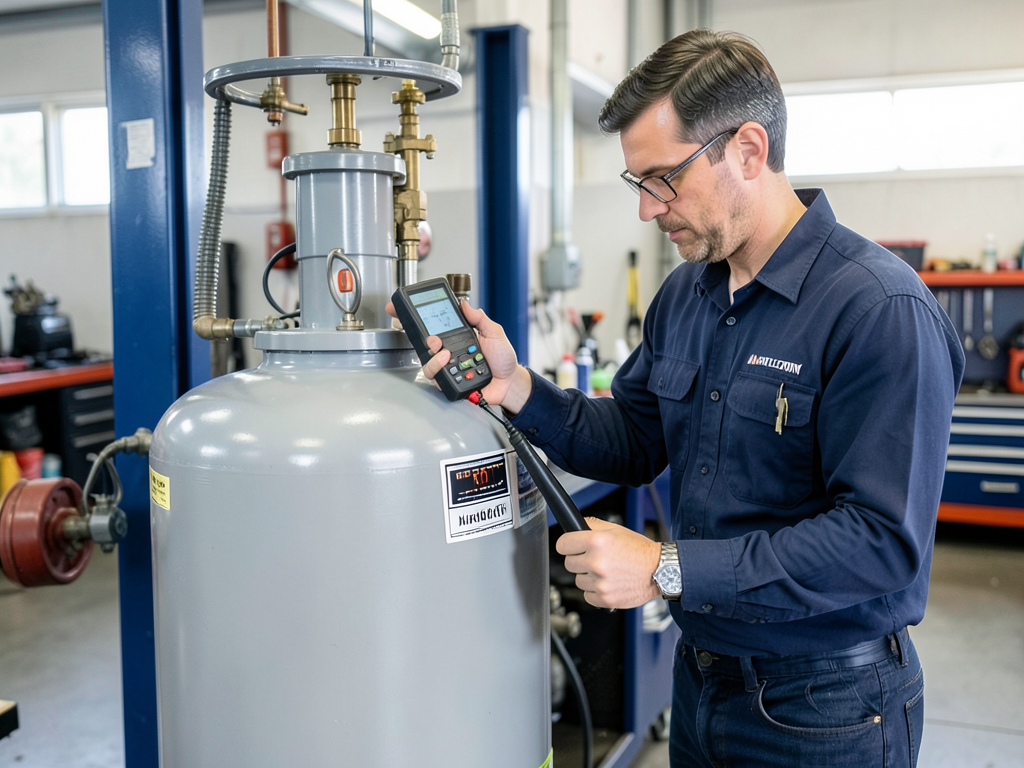
What happens when a well pump or pressure tank leaks in your Mapleton garage When a well pump or pressure…

What happens when a well pump or pressure tank leaks in your Mapleton garage

What happens when a well pump or pressure tank leaks in your Mapleton garage When a well pump or pressure…

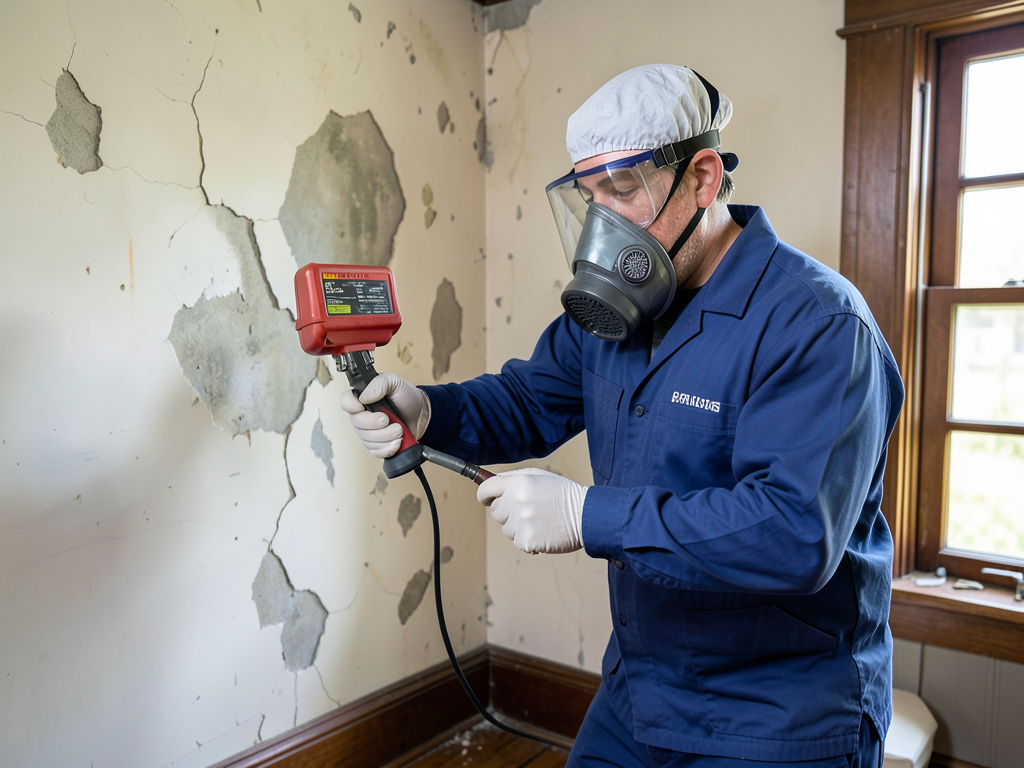
Dealing with lead and asbestos during water damage repairs in older Portland neighborhoods

Dealing with lead and asbestos during water damage repairs in older Portland neighborhoods Portland's historic neighborhoods face unique challenges when…

Why converting your University Park basement into a bedroom requires extra moisture protection

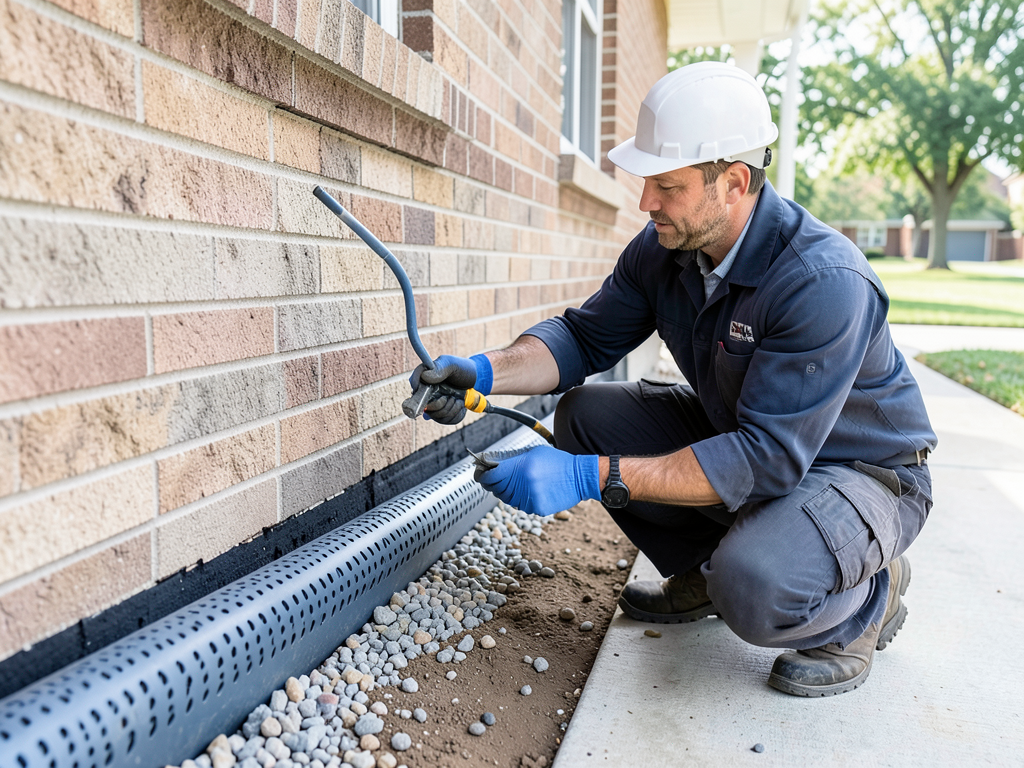
Why converting your University Park basement into a bedroom requires extra moisture protection Portland’s University Park neighborhood, nestled near the…

Contact Us

Do not let insurance companies minimize your water damage loss. Call Evergreen Water Damage Restoration Portland at (503) 882-7766 right now. We will document your damage, communicate with your adjuster, and fight for the settlement you deserve.