Menu

Signs of Hidden Mold in Portland – Expert Detection and Air Quality Protection

Evergreen Water Damage Restoration Portland uses thermal imaging and moisture mapping to find concealed mold growth before it compromises your indoor air quality or structural integrity.

Slider Image 1
Slider Image 2
Slider Image 3
Slider Image 4
Slider Image 5
Slider Image 7
Slider Image 8
Slider Image 9
Slider Image 10
Slider Image 11

Portland's Climate Creates Perfect Conditions for Hidden Mold Growth

Portland's rainy season runs from October through May, dumping over 36 inches of precipitation annually. This persistent moisture creates ideal conditions for mold colonization in crawl spaces, attics, and wall cavities where you cannot see it developing.

Symptoms of concealed mold often appear as respiratory irritation, persistent coughing, or unexplained allergies that worsen indoors. You might notice a musty odor in specific rooms but see no visible growth on surfaces. These indicators of invisible mold signal active colonies thriving behind drywall, under flooring, or within insulation.

Portland's older housing stock compounds the problem. Many homes in neighborhoods like Laurelhurst, Irvington, and Eastmoreland were built before modern vapor barriers became standard. The balloon framing common in these historic properties creates vertical channels where moisture migrates freely between floors, spreading mold spores throughout the structure.

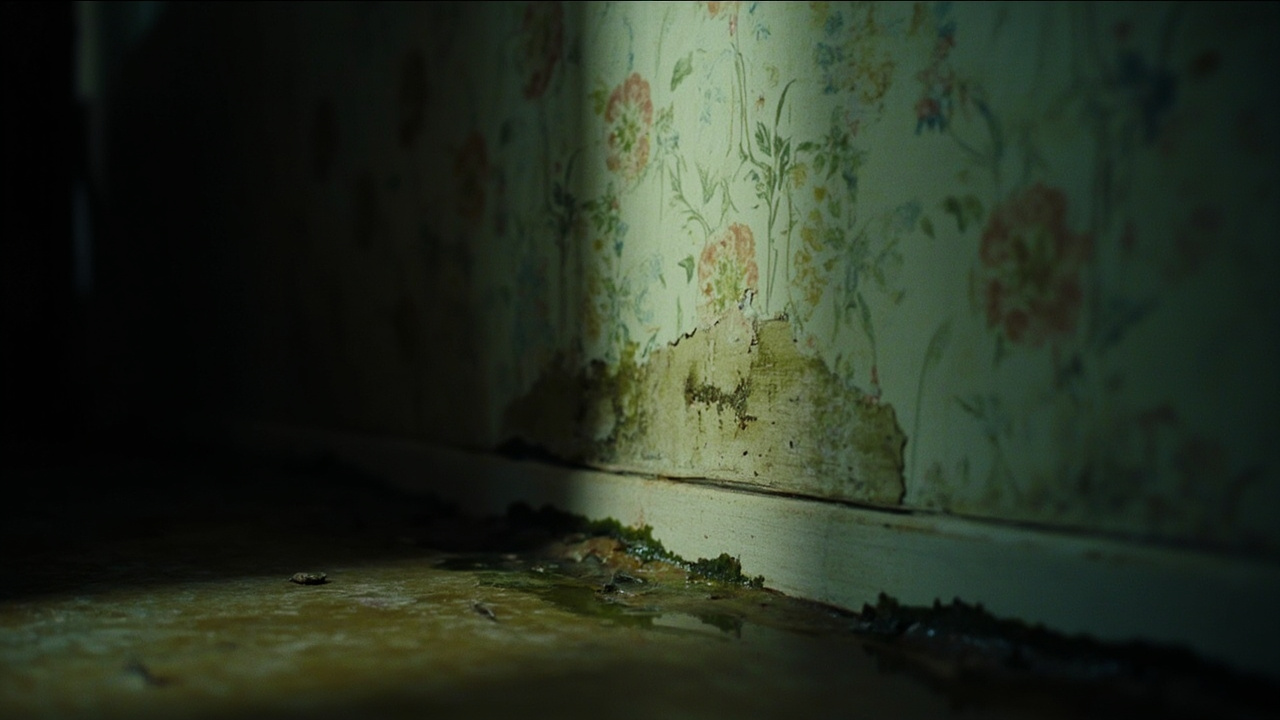
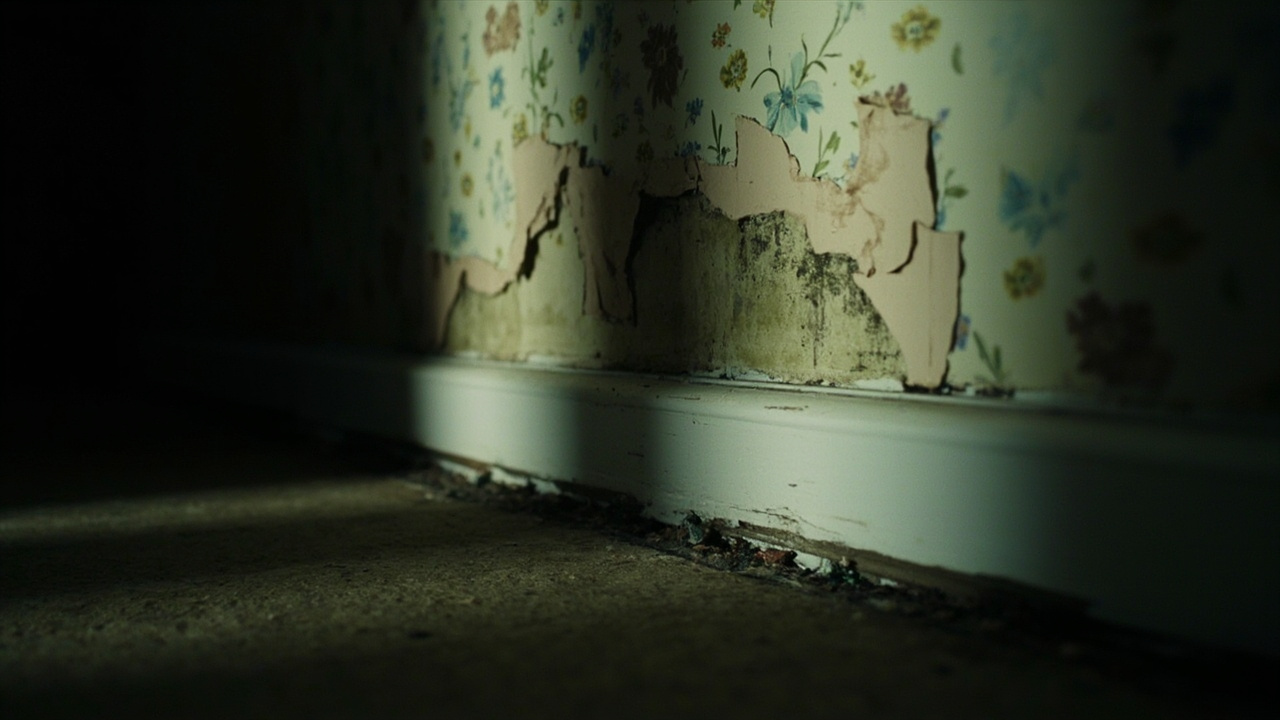
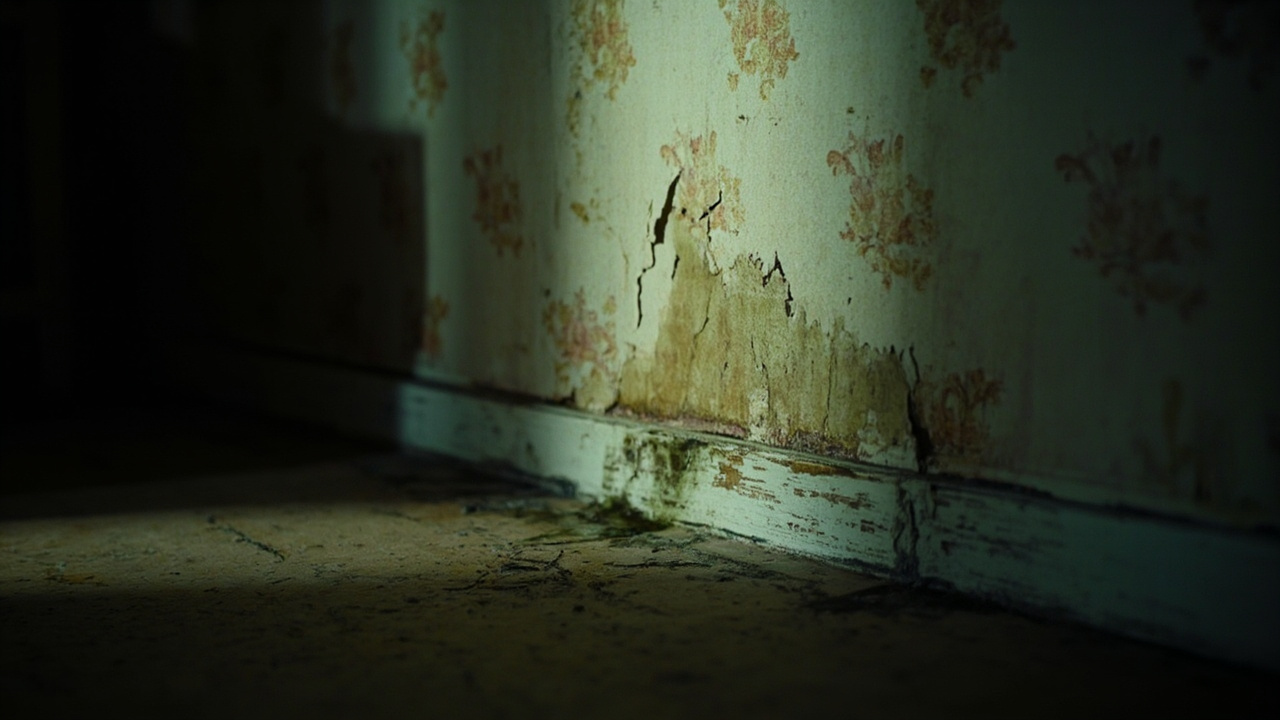
Evidence of unseen mold includes warped baseboards, peeling paint near floor lines, or ceiling discoloration that appears faint but keeps returning after cleaning. Water intrusion from failed flashing around chimneys or poorly sealed window wells seeps into wall cavities where it feeds mold growth for months before you detect any surface signs.

Detecting hidden mold requires more than visual inspection. Thermal imaging reveals temperature differentials that indicate trapped moisture. Moisture meters measure water content inside building materials. Air sampling identifies elevated spore counts that confirm active colonization even when you cannot see the source. These diagnostic tools provide the data needed to locate every affected area before remediation begins.

Portland's Climate Creates Perfect Conditions for Hidden Mold Growth
How We Locate Mold Growth Others Miss

How We Locate Mold Growth Others Miss

Evergreen Water Damage Restoration Portland uses a systematic approach that goes beyond surface assessment. We start with a detailed moisture audit using FLIR thermal cameras that detect temperature variations as small as 0.1 degrees Fahrenheit. Cold spots on interior walls indicate moisture accumulation where mold likely grows.

We measure humidity levels in every room using digital hygrometers, comparing readings against ASHRAE standards for indoor air quality. Readings above 60 percent relative humidity create conditions for active mold growth. We map these zones to identify where moisture sources originate.

Our technicians drill small pilot holes in non-structural locations to insert borescope cameras into wall cavities and ceiling voids. This direct visualization confirms the extent of growth and identifies the specific mold species present. Different species require different remediation protocols. Stachybotrys chartarum, commonly called black mold, produces mycotoxins that demand containment procedures beyond standard removal techniques.

We conduct air sampling using spore trap cassettes that capture airborne particles for laboratory analysis. Samples from affected areas are compared against outdoor baseline readings. Elevated indoor spore counts prove active mold colonization. The lab report identifies genus and species, providing the data your insurance adjuster needs to approve remediation coverage.

Moisture mapping creates a complete picture of where water intrusion occurs. We use pin-type and pinless moisture meters to test drywall, subflooring, and framing lumber. Readings above 16 percent moisture content in wood indicate conditions that support mold growth. This documentation guides our remediation plan and establishes pre-treatment baselines for clearance testing after work completes.

What Happens During a Mold Detection Inspection

Signs of Hidden Mold in Portland – Expert Detection and Air Quality Protection
01

Initial Assessment and Moisture Audit

Our technician arrives with thermal imaging equipment, moisture meters, and air sampling devices. We interview you about any water damage history, odors, or health symptoms you have noticed. We inspect common problem areas including crawl spaces, attics, bathrooms, and basements. We document humidity levels and photograph any visible indicators. This initial walkthrough typically takes 60 to 90 minutes depending on your home's size and complexity.
02

Invasive Testing and Lab Analysis

When thermal imaging reveals suspicious moisture patterns, we perform minimally invasive testing using borescope cameras inserted through small access holes. We collect air samples and surface swabs for laboratory analysis. The lab processes samples within 48 to 72 hours, providing genus-level identification and spore concentration data. This scientific evidence confirms whether remediation is necessary and guides our treatment protocol. We repair access holes with matching materials before leaving your property.
03

Written Report and Remediation Plan

You receive a comprehensive written report that includes thermal images, moisture readings, lab results, and our professional recommendations. We explain which areas require remediation, what caused the moisture intrusion, and how to prevent recurrence. The report provides the documentation your insurance company needs to process your claim. We answer all your questions and provide a detailed estimate for remediation services if mold colonization is confirmed.

Why Portland Property Owners Trust Our Mold Detection Expertise

Evergreen Water Damage Restoration Portland has investigated mold complaints throughout Multnomah County for years. We understand how Portland's specific climate patterns affect different construction types. We know that homes in the West Hills face different moisture challenges than properties in the Jade District or St. Johns.

Our technicians receive ongoing training in building science, moisture dynamics, and mold ecology. We stay current with industry standards set by the Institute of Inspection, Cleaning and Restoration Certification. This education ensures we apply the most effective detection methods for Portland's unique housing stock.

We maintain relationships with certified microbiology laboratories that specialize in fungal identification. These partnerships ensure fast turnaround times on air samples and surface swabs. You receive accurate species identification, not generic mold assessments that lack scientific backing.

Portland building codes have evolved significantly over the decades. A craftsman bungalow built in 1920 has different ventilation characteristics than a ranch home from 1960 or new construction built to current energy codes. We adjust our inspection protocols based on your home's age, construction method, and architectural style. This customized approach finds problems that generic checklists miss.

We provide transparent reporting that gives you actionable information. Our written assessments explain the science behind our findings in clear language. You understand what we found, why it matters, and what comes next. This clarity helps you make informed decisions about remediation without pressure or confusion.

Many property owners discover mold during real estate transactions. We provide pre-purchase inspections for buyers and pre-listing assessments for sellers. Our documentation satisfies due diligence requirements and prevents surprises during escrow.

What You Can Expect from Our Mold Detection Service

Response Time and Scheduling Flexibility

We schedule mold inspections within 24 to 48 hours of your initial call. Most assessments take place during normal business hours, but we accommodate evening and weekend appointments when your schedule demands it. Our technicians arrive within the scheduled window and complete most residential inspections in two to three hours. Larger properties or complex investigations may require additional time. We communicate clearly about timeline expectations before starting any work. Emergency situations involving active water intrusion receive priority scheduling. You get answers quickly without compromising inspection quality.

Comprehensive Inspection Protocol

Our inspection covers every area where mold typically develops in Portland homes. We examine crawl spaces for groundwater seepage and inadequate vapor barriers. We inspect attics for roof leaks and condensation from inadequate ventilation. We check bathrooms for failed grout and leaking fixtures. We assess basements for foundation cracks and poor drainage. We use moisture meters on all suspect materials and thermal imaging to detect hidden water intrusion. We document everything with digital photography. You receive a complete picture of your property's condition, not a surface-level assessment that misses critical problems.

Detailed Documentation and Lab Results

Your written report includes thermal images with annotations explaining what the temperature patterns reveal. Moisture readings are documented room by room with specific measurements for each tested material. Lab results provide genus-level mold identification with spore concentration data compared against outdoor baselines. We explain which findings require immediate action and which represent normal background levels. This documentation satisfies insurance requirements and provides the evidence needed for informed decision-making. You own this report and can share it with contractors, real estate agents, or insurance adjusters as needed.

Follow-Up Support and Remediation Coordination

After delivering your inspection report, we remain available to answer questions and clarify findings. If remediation is necessary, we coordinate the work to minimize disruption to your daily routine. We handle insurance communication and provide documentation adjusters require. After remediation completes, we conduct post-remediation clearance testing to verify successful mold removal. Air samples confirm spore counts have returned to normal background levels. This final verification protects your investment and provides peace of mind. We also identify the moisture sources that caused the problem and recommend permanent solutions to prevent recurrence.

Frequently Asked Questions

You Have Questions,
We Have Answers

How do I tell if my house has hidden mold? +

Look for musty odors that persist even after cleaning. Check areas prone to moisture like crawl spaces, attics, and behind appliances. Portland's wet climate creates ideal conditions for mold growth in hidden cavities. Inspect walls and ceilings for discoloration, peeling paint, or warping. Notice increased allergy symptoms when inside your home. Examine HVAC ducts and under sinks for water stains. Feel walls for dampness or temperature differences. Condensation on windows signals high indoor humidity. Check baseboards for separation from walls. If you experienced previous water damage or leaks, mold likely developed in concealed spaces even after surface drying.

What are signs of mold sickness? +

Chronic respiratory issues like coughing, wheezing, and sinus congestion indicate mold exposure. You may experience persistent headaches, fatigue, and difficulty concentrating. Skin rashes or irritation appear without clear cause. Eye irritation, redness, and watering occur frequently indoors. Some people develop increased asthma symptoms or breathing difficulty. Nausea and digestive issues can signal mold sensitivity. Joint pain and muscle aches persist without explanation. Memory problems and brain fog worsen when spending time at home. Symptoms typically improve when you leave the affected environment. Portland's damp conditions increase exposure risk. Consult a physician if you suspect mold-related illness.

Can mold make a baby cough? +

Yes. Mold spores trigger respiratory irritation in infants and young children. Babies have developing immune systems and smaller airways, making them vulnerable to mold exposure. A persistent cough without other cold symptoms may indicate mold in your home. Wheezing, difficulty breathing, or increased congestion alongside coughing raises concern. Portland homes built before modern moisture barriers often harbor hidden mold in walls and crawl spaces. Babies spending time in affected rooms show worsening symptoms. Check nurseries, play areas, and bedrooms for musty odors or visible moisture issues. Remove the baby from the environment and consult a pediatrician immediately if symptoms persist.

Can mold cause twitching? +

Mold exposure can cause neurological symptoms in sensitive individuals, including muscle twitching. Mycotoxins from certain mold species affect the nervous system. Twitching may accompany other symptoms like tremors, numbness, or tingling. Not everyone exposed to mold experiences neurological effects. The severity depends on mold type, exposure duration, and individual sensitivity. Portland's high moisture levels allow toxic mold species to thrive in water-damaged buildings. If you notice unexplained muscle twitching alongside respiratory issues, headaches, or cognitive problems in your home, investigate for hidden mold. Consult a neurologist and consider environmental testing to identify the root cause.

How can I test my home for hidden mold? +

Hire a certified mold inspector to conduct air sampling and surface testing. Professionals use moisture meters to detect dampness behind walls and under floors. They collect samples for lab analysis to identify mold species and spore concentrations. Inspectors check crawl spaces, attics, and HVAC systems where Portland's rain-driven moisture accumulates. Thermal imaging cameras reveal temperature variations indicating hidden water intrusion. Professional testing costs less than addressing health issues or structural damage from undetected mold. DIY test kits provide limited information compared to comprehensive professional assessments. Choose inspectors familiar with Portland's climate challenges and building construction methods for accurate results.

Is there a way to test for hidden mold? +

Professional mold testing offers the most reliable results. Certified inspectors use specialized equipment like borescopes to examine wall cavities without demolition. Air quality testing measures airborne spore levels throughout your home. Surface sampling identifies mold species on materials. Moisture mapping locates water sources feeding hidden growth. Portland's older housing stock often conceals mold behind plaster walls and in basements. Home test kits detect surface mold but miss hidden colonies. Professional assessment includes detailed reporting and remediation recommendations. Inspectors familiar with local construction understand where moisture migrates in Portland homes. Invest in expert testing when buying property or after water damage.

What kills mold permanently? +

Nothing kills mold permanently without addressing the moisture source. Professionals use antimicrobial treatments and HEPA vacuuming to remove mold colonies. They encapsulate affected materials with specialized coatings. The key is eliminating water intrusion and controlling humidity below 60 percent. Portland's rainfall requires proper drainage systems, functioning gutters, and vapor barriers in crawl spaces. Remove porous materials like drywall and insulation with heavy contamination. Hard surfaces can be treated with EPA-registered fungicides. Fix leaks immediately. Improve ventilation in bathrooms and kitchens. Without moisture control, mold returns regardless of treatment method. Prevention through moisture management provides permanent protection.

How do I test myself for mold toxicity? +

Consult a physician experienced in environmental medicine. Blood tests measure antibodies and immune response to mold exposure. Urine mycotoxin tests detect specific toxins from mold metabolism. Some doctors use visual contrast sensitivity tests to assess neurological impact. No single test definitively diagnoses mold toxicity. Physicians evaluate symptoms alongside environmental history. Document when and where symptoms worsen. Portland's wet climate increases mold exposure risk. Remove yourself from the suspected environment and monitor symptom changes. Standard allergy tests may show mold sensitivity. Work with medical professionals who understand mold illness rather than attempting self-diagnosis. Environmental testing of your home supports medical evaluation.

Can air purifiers remove mold spores? +

Air purifiers with true HEPA filters capture mold spores from air. They reduce airborne spore concentrations but do not eliminate mold colonies growing on surfaces. Purifiers help manage exposure while addressing the source. Choose units rated for your room size. HEPA filters trap particles down to 0.3 microns, including most mold spores. Portland's damp air carries more spores during fall and winter. Air purifiers provide temporary relief but cannot replace proper mold remediation. They work best alongside humidity control and source removal. Replace filters regularly for effectiveness. Purifiers help sensitive individuals but do not solve underlying moisture problems causing mold growth.

How do I tell if mold is in my lungs? +

Only a physician can diagnose pulmonary mold infection through medical imaging and lab tests. Symptoms include persistent cough, chest pain, and difficulty breathing. You may cough up mucus or blood. Fever and chills accompany respiratory distress. Wheezing worsens despite treatment. People with compromised immune systems face higher risk. Aspergillosis is the most common lung infection from mold. Chest X-rays or CT scans reveal fungal masses. Sputum cultures identify specific mold species. Blood tests measure antibodies. Do not attempt self-diagnosis. Seek immediate medical attention for severe respiratory symptoms. Environmental mold exposure does not always cause lung infections, but requires professional evaluation.

How Portland's Rain Belt Location Makes Professional Mold Detection Essential

Portland sits in the Pacific Northwest rain belt where marine air masses dump moisture throughout fall, winter, and spring. The persistent drizzle keeps outdoor relative humidity above 80 percent for months. This exterior moisture drives vapor through building envelopes, condensing inside wall cavities where temperature differentials exist. Older homes in historic districts like Alameda and Concordia lack the continuous air barriers modern building codes require. Mold colonies establish behind plaster walls and tongue-and-groove subflooring where traditional visual inspections cannot detect growth until structural damage becomes severe.

Evergreen Water Damage Restoration Portland understands the specific moisture dynamics that affect properties throughout the metro area. We know how homes in the Willamette River floodplain face different challenges than hillside properties in Council Crest. We recognize that properties near Forest Park deal with elevated humidity from tree canopy cover. This local knowledge guides our inspection protocols. We focus on the building envelope details most likely to fail under Portland's climatic conditions. Our documentation meets the standards local insurance adjusters expect and provides the technical detail remediation contractors need to develop accurate bids.
Water Damage Restoration Services in The Portland Area

Evergreen Water Damage Restoration proudly serves Portland and the surrounding areas, providing rapid and reliable water damage solutions whenever you need us. While our physical office is located conveniently for local operations, our dedicated teams are mobile and ready to deploy across the region. View our service area on the map to understand our reach, or simply call us to confirm if we cover your specific location. We are committed to extending our expert services to every community in need.

Address:
Evergreen Water Damage Restoration Portland, 239 NW 13th Ave, Portland, OR, 97209

Additional Services We Offer

Our news updates

Latest Articles & News from The Blogs

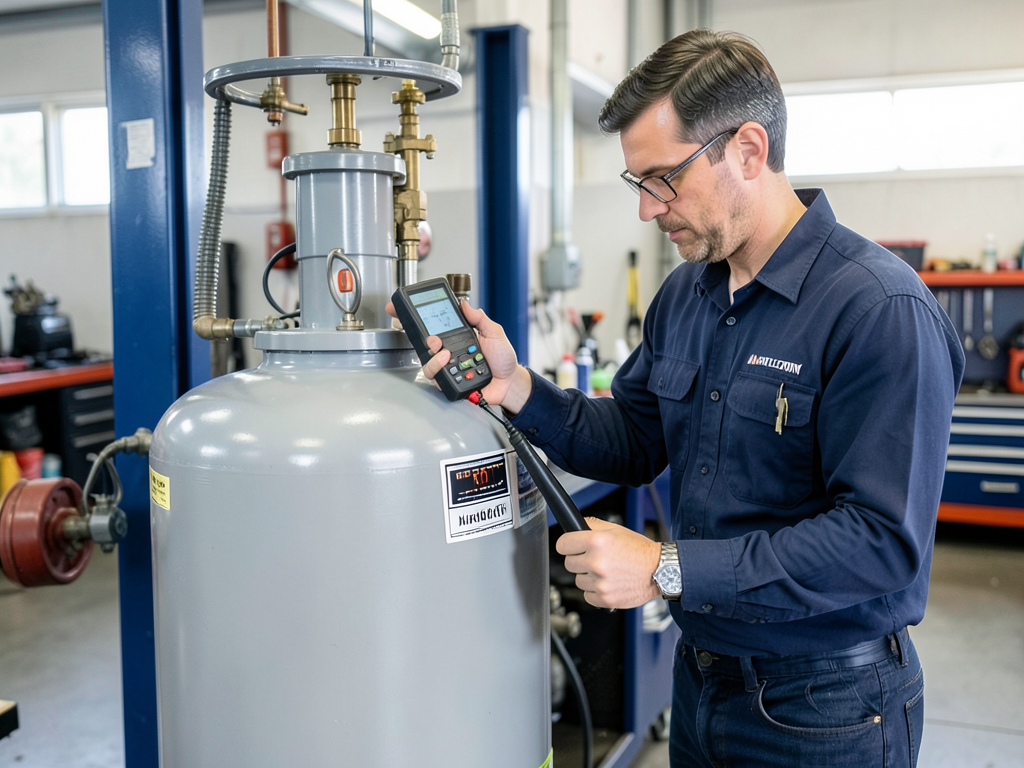
What happens when a well pump or pressure tank leaks in your Mapleton garage When a well pump or pressure…

What happens when a well pump or pressure tank leaks in your Mapleton garage

What happens when a well pump or pressure tank leaks in your Mapleton garage When a well pump or pressure…

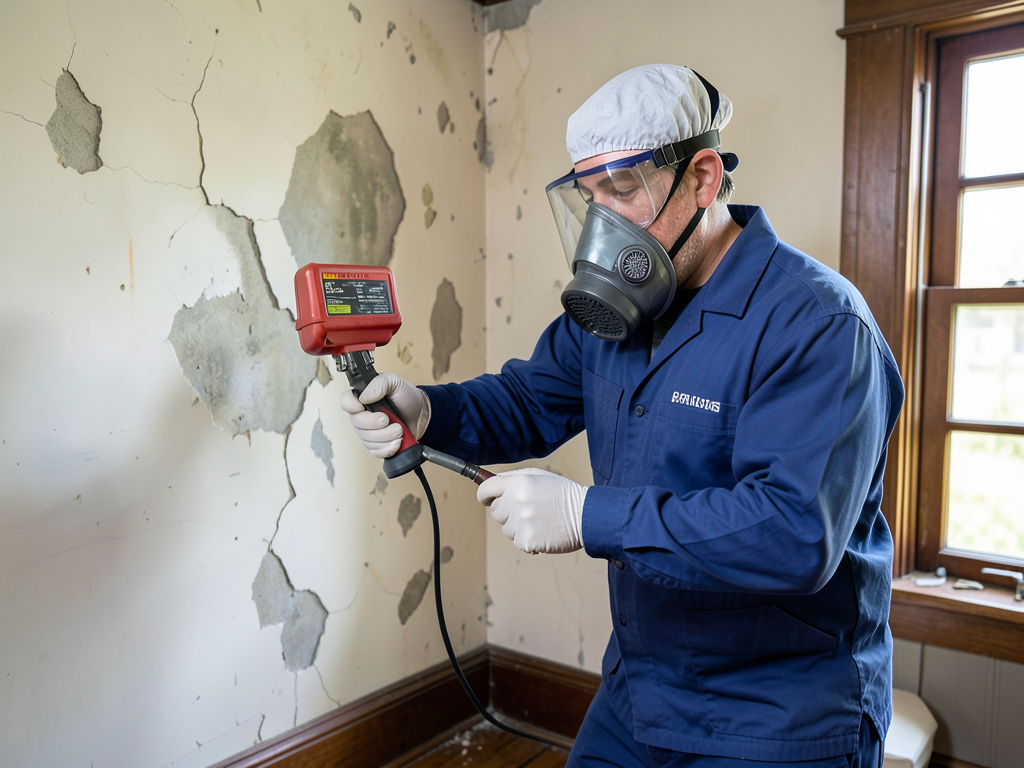
Dealing with lead and asbestos during water damage repairs in older Portland neighborhoods

Dealing with lead and asbestos during water damage repairs in older Portland neighborhoods Portland's historic neighborhoods face unique challenges when…

Why converting your University Park basement into a bedroom requires extra moisture protection

Why converting your University Park basement into a bedroom requires extra moisture protection Portland’s University Park neighborhood, nestled near the…

Contact Us

Do not let hidden mold compromise your indoor air quality or property value. Call Evergreen Water Damage Restoration Portland at (503) 882-7766 for a comprehensive mold detection inspection. We provide same-week scheduling and deliver lab-backed results you can trust.