
Restoring plaster walls vs drywall in an Irvington historic home
When water damage strikes an Irvington historic home the repair process looks very different than it would for a modern drywall installation. Portland’s humid climate and the unique construction of plaster and lath systems create specific challenges that require specialized knowledge and techniques. EPA Lead-Safe RRP practices.
Plaster walls in Irvington homes built before 1940 consist of wood or metal lath covered with multiple layers of plaster. Unlike drywall’s single gypsum core these walls can be 3/4 to 1 inch thick and contain horsehair or other fibers for reinforcement. When water penetrates this system the damage extends beyond the surface creating potential for structural failure and hidden mold growth behind the wall. Water damage restoration for Hillsboro offices and commercial spaces.
The first step in any restoration is identifying whether the plaster can be saved or if full replacement is necessary. Small surface cracks or bubbling from minor leaks can often be repaired but when the ‘keys’ that lock the plaster into the lath break away the wall loses its structural integrity. In Irvington’s older homes this is a common failure pattern especially around window sills and door frames where water intrusion is frequent. Emergency water damage restoration in Portland that arrives in under an hour.
Portland’s climate adds another layer of complexity. The Willamette Valley’s high humidity means plaster takes significantly longer to dry than drywall. Standard drying times for drywall might be 24-48 hours but plaster walls can require 72 hours or more with commercial dehumidifiers and air movers. This extended drying period increases the risk of mold growth making professional moisture mapping essential. Professional mold removal and remediation for Beaverton homeowners.
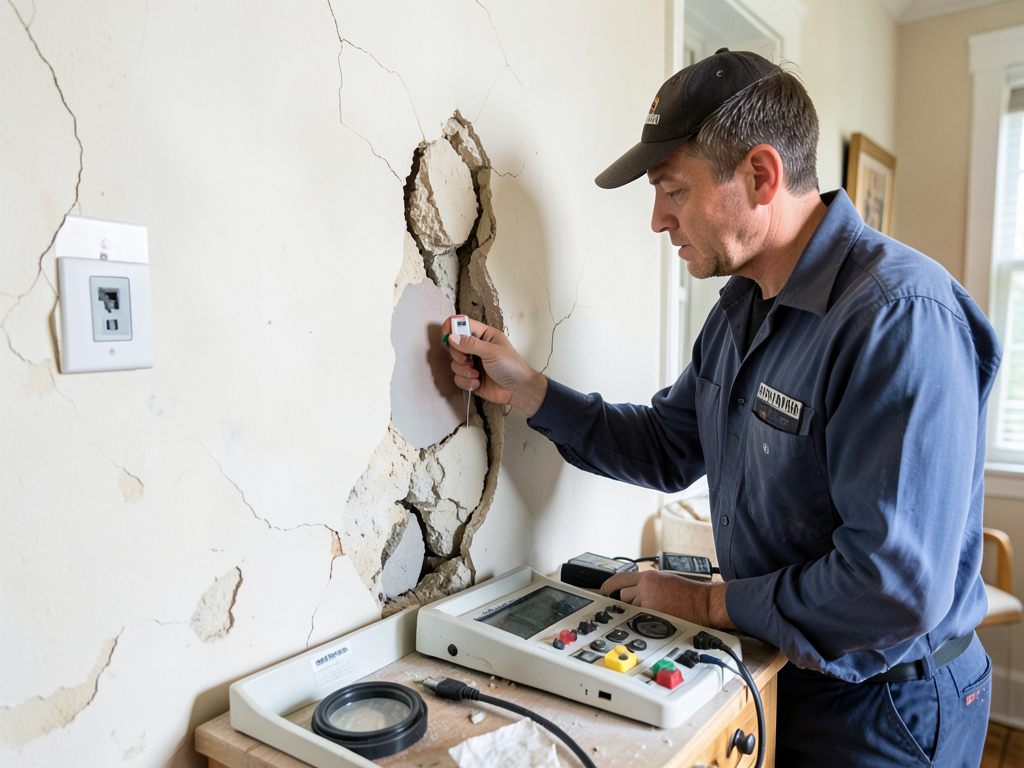
Professional restoration follows a specific process. After water extraction technicians use infrared cameras and moisture meters to map the extent of damage. They then stabilize any loose plaster using specialized adhesives or by re-keying the material to the lath. The drying phase uses LGR (low grain refrigerant) dehumidifiers and HEPA air scrubbers to remove moisture without damaging the historic material. Once dry any damaged sections are repaired using materials that match the original texture and composition. Document Drying & Restoration.
The cost difference between plaster and drywall restoration is significant. While drywall repair might cost $1-2 per square foot plaster restoration in an Irvington home typically runs $3-5 per square foot due to the labor intensive process and specialized materials. However the investment preserves the historic character and structural integrity of these valuable properties.. Read more about Protecting historic Laurelhurst homes from long-term water damage.
For Irvington homeowners insurance coverage often depends on whether the damage is from a ‘sudden and accidental’ event versus long-term neglect. Professional documentation of the damage source and restoration process is crucial for successful claims. Many restoration companies offer direct insurance billing to simplify this process.. Read more about Common water damage risks for newer homes in Camas.
The decision between restoration and replacement ultimately comes down to the extent of damage the age of the home and the homeowner’s goals. In Irvington’s historic district preserving original plaster maintains property value and architectural authenticity. However in cases of severe structural damage or lead paint concerns (common in pre-1978 homes) replacement with modern materials might be the safer option.
Understanding these differences helps homeowners make informed decisions when facing water damage. While plaster restoration requires more expertise and investment it offers the best path to preserving Irvington’s historic character while ensuring a safe and durable repair.
Key differences between plaster and drywall water damage
Plaster and drywall respond very differently to water exposure. These fundamental differences drive the entire restoration approach.
| Characteristic | Plaster Walls | Standard Drywall |
|---|---|---|
| Material Composition | Gypsum plaster over wood or metal lath | Gypsum core between paper facings |
| Typical Thickness | 3/4″ to 1″ | 1/2″ standard |
| Drying Time | 72+ hours with equipment | 24-48 hours |
| Mold Risk | High in Portland’s humidity | Moderate |
| Structural Failure | Can lose ‘keys’ to lath | Softens but stays intact |
Common water damage patterns in Irvington plaster
Irvington’s historic homes show specific water damage patterns tied to their construction era and Portland’s climate. Understanding these patterns helps identify problems early.
Window and door frames are the most vulnerable points. The original wood sills and frames often lack proper flashing allowing water to seep into the plaster corners. This creates dark staining and bubbling that appears first at these junctions. In many cases the damage extends 12-18 inches beyond what’s visible on the surface.
Second floor ceilings show a distinct failure pattern. Original flat roofs with minimal slope combined with Portland’s heavy winter rains create ponding that eventually finds its way through the roofing material. The water travels along the ceiling joists before dripping onto the plaster below. This results in circular brown stains with concentric rings indicating repeated wet-dry cycles.. Read more about How to stop bathroom ceiling mold from coming back in your Montavilla bungalow.
Bathroom walls in pre-1940 homes present unique challenges. Original tile installations often used cement mortar directly on plaster without modern waterproofing membranes. When shower pans fail or grout deteriorates water migrates into the plaster creating soft spots that feel spongy to the touch. The moisture gets trapped between the tile and plaster creating ideal conditions for mold growth.
Foundation issues in Irvington’s older homes contribute to water damage patterns. Many homes sit on shallow crawl spaces with minimal vapor barriers. Portland’s high water table and seasonal rainfall create persistent moisture that wicks up through the foundation into the bottom few inches of plaster walls. This manifests as dark horizontal staining along the baseboard line.
Professional assessment uses specific diagnostic tools to identify these patterns. A moisture meter set to the appropriate depth setting can detect elevated readings in plaster that would be normal for drywall. Infrared cameras reveal temperature differences that indicate moisture behind the surface. These tools are essential because visual inspection alone misses the extent of damage in plaster systems.
Professional restoration process for historic plaster
Restoring water damaged plaster requires a systematic approach that addresses both immediate damage and underlying causes. The process differs significantly from drywall repair and requires specialized training.
The first phase involves damage assessment and moisture mapping. Technicians use pinless moisture meters calibrated for plaster to create a moisture map of the affected area. This reveals not just visible damage but also hidden moisture pockets that could lead to future problems. The mapping process typically takes 1-2 hours for a standard room.
Structural stabilization comes next. When plaster loses its keys to the lath it becomes unstable. Technicians inject specialized adhesives through small holes to reattach loose sections. For severely damaged areas they may install plaster buttons or washers to pull the surface back to the lath. This process requires matching the original plaster composition to ensure proper adhesion and appearance.
The drying phase uses commercial-grade equipment. LGR dehumidifiers remove moisture more effectively than standard units. Air movers create circulation without damaging the plaster surface. HEPA air scrubbers filter mold spores and other contaminants. The equipment runs continuously for 3-5 days depending on the extent of saturation and Portland’s ambient humidity levels.
Once dry the repair phase begins. Technicians patch damaged areas using materials that match the original plaster’s composition and texture. For smooth walls they apply multiple skim coats sanding between each layer. For textured walls they use specialized tools to recreate the original finish. This might include using a brush to create stippling or a trowel for a smooth sand finish.
The final phase involves sealing and painting. A breathable primer allows any residual moisture to escape while preventing new stains from showing through. The paint selection considers the historic nature of the home with many Irvington homeowners choosing period-appropriate colors and finishes.
Throughout the process technicians follow EPA Lead-Safe RRP (Renovation Repair and Painting) practices for homes built before 1978. This includes containment barriers, HEPA vacuuming, and proper disposal of debris. These practices protect both the occupants and workers from lead exposure during the restoration process.
When replacement makes more sense than restoration
While restoration preserves historic character there are situations where replacement becomes the better option. Understanding these scenarios helps homeowners make cost-effective decisions.
Structural failure represents the primary reason for replacement. When plaster loses its keys to the lath over large areas the wall becomes unstable. Patching these areas often leads to future failures as the remaining plaster continues to deteriorate. Replacement with new drywall provides a stable surface that will last decades without similar issues.
Extensive mold contamination requires replacement in many cases. While surface mold can be cleaned deep contamination in plaster creates health hazards that are difficult to fully remediate. The Portland area’s high humidity creates ideal conditions for mold growth behind water damaged plaster. When contamination exceeds 10 square feet replacement is often more cost-effective than extensive remediation.
Modernization needs drive replacement decisions. Many Irvington homeowners updating electrical or plumbing systems find that cutting access holes in plaster creates more damage than it solves. Running new wiring or pipes through existing walls often requires removing large sections of plaster. In these cases replacing entire walls with drywall during the renovation makes sense.
Cost considerations play a role. While plaster restoration costs $3-5 per square foot extensive damage across multiple rooms can quickly exceed replacement costs. New drywall installation including taping and texturing typically costs $2-3 per square foot. For whole-house projects the cost difference can justify replacement.
Energy efficiency improvements favor replacement in some cases. Original plaster walls often lack modern insulation. When addressing water damage homeowners can add insulation and vapor barriers during replacement. This improves comfort and reduces heating costs in Portland’s climate while meeting current building codes.
Lead paint concerns influence decisions for pre-1978 homes. The extensive work required for plaster restoration disturbs more painted surfaces than drywall replacement. When lead testing shows high levels in the existing paint replacement with lead-free materials eliminates future exposure risks.
The decision ultimately balances historic preservation goals with practical considerations. Many Irvington homeowners choose a hybrid approach restoring key architectural features while replacing less visible areas with modern materials.
Preventing future water damage in historic homes
Prevention is always more cost-effective than restoration. Several strategies help protect Irvington’s historic plaster from future water damage.
Roof maintenance prevents the most common source of water damage. Portland’s heavy winter rains test roofing systems especially on older homes. Annual inspections identify missing or damaged shingles before leaks develop. Special attention to flashing around chimneys and vent pipes prevents water intrusion at these vulnerable points.
Gutter and downspout systems require regular maintenance. Clogged gutters cause water to back up under roof edges and overflow behind fascia boards. Cleaning gutters twice yearly and ensuring downspouts direct water at least 5 feet from the foundation prevents water from saturating exterior walls.
Plumbing inspections identify potential failures before they cause damage. Supply lines to toilets and washing machines have a typical lifespan of 8-10 years. Replacing these before failure prevents the sudden flooding that damages plaster walls and ceilings. Installing water sensors near water heaters and under sinks provides early leak detection. Washing Machine Overflow Cleanup.
Foundation drainage improvements protect against rising moisture. Irvington’s older homes often lack proper drainage systems. Installing French drains or improving grading directs water away from the foundation. This prevents the wicking action that causes the characteristic baseboard staining in plaster walls.
Window and door maintenance prevents the most visible plaster damage. Regular caulking and weatherstripping maintains the water barrier these openings provide. For historic windows restoration specialists can install interior storm windows that improve energy efficiency without altering the exterior appearance.
Humidity control inside the home prevents condensation damage. Portland’s high outdoor humidity combined with indoor moisture sources creates conditions for condensation on cold surfaces. Using exhaust fans in bathrooms and kitchens and maintaining indoor humidity between 30-50% reduces this risk.
Professional inspections every 2-3 years identify developing problems. Restoration specialists can spot early signs of water damage that homeowners miss. Early intervention often means simple repairs rather than extensive restoration or replacement.
Insurance coverage requires proactive maintenance. Most policies exclude damage from neglected maintenance. Documenting regular maintenance and repairs provides evidence of proper care if a claim becomes necessary.
These prevention strategies protect the investment in both the home and its restoration. The cost of prevention typically runs 10-15% of what restoration would cost, making it an excellent return on investment.
Cost factors for plaster restoration in Irvington
Several factors influence the cost of plaster restoration in Irvington’s historic homes. Understanding these helps homeowners budget appropriately for this specialized work.
Square footage drives the base cost. Restoration companies typically charge $3-5 per square foot for plaster repair. This includes damage assessment, stabilization, drying, and finishing. A standard 12×12 foot room with moderate damage might cost $1,000-1,500 to restore.
Damage extent significantly affects pricing. Surface bubbling from minor leaks costs less to repair than walls where the plaster has separated from the lath. Extensive damage requiring complete wall stabilization can double or triple the per-square-foot cost. The difference between $3 and $9 per square foot reflects this variation.
Age of the home influences costs through lead paint considerations. Homes built before 1978 require EPA Lead-Safe practices adding 15-25% to restoration costs. This covers containment, specialized cleaning, and disposal fees. For a $3,000 restoration project this adds $450-750 in lead-safe practices.
Accessibility affects labor costs. Second floor or ceiling repairs require scaffolding or ladders increasing labor time. Hard-to-reach areas behind radiators or built-in cabinets require more time to access and repair. These factors can add 20-40% to the base restoration cost.
Matching original textures adds complexity and cost. Smooth walls cost less to restore than textured surfaces requiring specialized tools and techniques. Recreating original sand float, stippled, or swirled textures requires additional time and materials. This can add 15-30% to restoration costs depending on the complexity.
Insurance coverage influences out-of-pocket costs. Many homeowner policies cover sudden water damage from burst pipes or appliance failures. However they typically exclude damage from long-term leaks or lack of maintenance. Restoration companies familiar with insurance processes can help document damage and file claims.
Direct insurance billing simplifies the process for homeowners. Many restoration companies work directly with insurance adjusters handling paperwork and negotiations. This service typically costs nothing extra but can significantly reduce the homeowner’s administrative burden during a stressful time.
Timing affects availability and pricing. Emergency restoration services during rainy season may cost 10-15% more due to high demand. Scheduling non-emergency work during slower periods can reduce costs. Many companies offer winter discounts when demand for restoration services decreases.
DIY limitations should factor into cost decisions. While handy homeowners can handle minor drywall repairs plaster restoration requires specialized skills and tools. Attempting DIY repairs often leads to poor results requiring professional correction, ultimately costing more than professional restoration from the start.
Understanding these cost factors helps homeowners make informed decisions about restoration versus replacement. The investment in professional plaster restoration preserves historic character while ensuring a durable repair.
Frequently Asked Questions
How can I tell if my plaster walls have water damage?
Look for bubbling or peeling paint, dark staining, soft spots when pressed, and areas where the surface feels cold to touch. A moisture meter reading above 15% indicates active moisture problems requiring professional assessment.
Is it cheaper to replace plaster with drywall?
Initial replacement costs may be slightly lower at $2-3 per square foot versus $3-5 for restoration. However replacement eliminates historic character and may reduce home value in Irvington’s historic district. Restoration preserves architectural authenticity while addressing the damage.
How long does plaster restoration take?
Most single-room restorations take 5-7 days including assessment, stabilization, drying, and finishing. The drying phase typically requires 3-5 days with commercial equipment. Portland’s high humidity can extend these timeframes.
Will my insurance cover plaster restoration?
Most policies cover sudden and accidental water damage but exclude long-term leaks or lack of maintenance. Professional documentation of the damage source and restoration process is crucial for successful claims. Many restoration companies offer direct insurance billing.
Can I stay in my home during restoration?
For single-room restoration most homeowners can remain in the home. The work area will be contained with plastic barriers. For whole-house restoration or extensive mold contamination temporary relocation may be necessary for safety.
What’s the difference between restoration and repair?
Repair addresses visible damage with patching and painting. Restoration addresses the entire system including hidden moisture, structural stability, and matching original materials and textures. Restoration provides a complete solution that prevents future failures.
Do I need permits for plaster restoration?
Minor restoration typically doesn’t require permits. However extensive work or changes to the building structure may require permits from the City of Portland. Professional restoration companies handle permit requirements as part of the project.
Protecting your Irvington home’s historic character
Irvington’s historic homes represent Portland’s architectural heritage. When water damage occurs the restoration approach should balance preservation with modern building science.
Professional restoration companies understand this balance. They use techniques that preserve original materials when possible while incorporating modern moisture management strategies. This might include adding vapor barriers behind restored plaster or installing drainage improvements that prevent future water intrusion.
The investment in proper restoration pays dividends beyond the immediate repair. Preserved historic plaster maintains the home’s architectural integrity and market value. Professional restoration using period-appropriate materials and techniques ensures the repair will last for decades without the recurring problems common with quick fixes.
For Irvington homeowners facing water damage understanding these restoration principles helps make informed decisions. While the process requires more expertise and investment than drywall repair it offers the best path to preserving both the home’s historic character and its structural integrity.
When water damage strikes in your Irvington home don’t wait for the problem to worsen. Call (503) 882-7766 today to schedule your professional assessment. Our restoration specialists understand the unique challenges of Portland’s historic plaster and will provide the expert care your home deserves.
Early intervention prevents minor damage from becoming major restoration. Pick up the phone and call (503) 882-7766 before the next storm hits. Our team is ready to protect your Irvington home’s historic character with professional plaster restoration services. For more information, visit IICRC S500 water damage restoration standards.
{
“@context”: “https://schema.org”,
“@type”: “BlogPosting”,
“headline”: “Restoring plaster walls vs drywall in an Irvington historic home”,
“description”: “Discover the key differences between restoring plaster walls and drywall in Irvington’s historic homes. Learn when to repair vs. replace, drying techniques, and Portland’s unique restoration standards.”,
“wordCount”: 3001,
“datePublished”: “2026-03-12T13:53:00.000Z”,
“dateModified”: “2026-03-12T13:53:00.000Z”,
“inLanguage”: “en-US”,
“mainEntityOfPage”: {
“@type”: “WebPage”,
“@id”: “https://evergreenwaterdamagerestorationportland.com”
},
“publisher”: {
“@type”: “LocalBusiness”,
“name”: “Evergreen Water Damage Restoration Portland”,
“url”: “https://evergreenwaterdamagerestorationportland.com”
},
“author”: {
“@type”: “Organization”,
“name”: “Evergreen Water Damage Restoration Portland”,
“url”: “https://evergreenwaterdamagerestorationportland.com”
},
“image”: {
“@type”: “ImageObject”,
“url”: “https://evergreenwaterdamagerestorationportland.com/wp-content/uploads/2026/03/restoring-plaster-walls-vs-drywall-in-an-irvington-1.png”
}
}
{
“@context”: “https://schema.org”,
“@type”: “LocalBusiness”,
“name”: “Evergreen Water Damage Restoration Portland”,
“url”: “https://evergreenwaterdamagerestorationportland.com”,
“address”: {
“@type”: “PostalAddress”,
“addressLocality”: “Portland”
},
“areaServed”: {
“@type”: “City”,
“name”: “Portland”
}
}
{
“@context”: “https://schema.org”,
“@type”: “FAQPage”,
“mainEntity”: [
{
“@type”: “Question”,
“name”: “How can I tell if my plaster walls have water damage?”,
“acceptedAnswer”: {
“@type”: “Answer”,
“text”: “Look for bubbling or peeling paint, dark staining, soft spots when pressed, and areas where the surface feels cold to touch. A moisture meter reading above 15% indicates active moisture problems requiring professional assessment.”
}
},
{
“@type”: “Question”,
“name”: “Is it cheaper to replace plaster with drywall?”,
“acceptedAnswer”: {
“@type”: “Answer”,
“text”: “Initial replacement costs may be slightly lower at $2-3 per square foot versus $3-5 for restoration. However replacement eliminates historic character and may reduce home value in Irvington’s historic district. Restoration preserves architectural authenticity while addressing the damage.”
}
},
{
“@type”: “Question”,
“name”: “How long does plaster restoration take?”,
“acceptedAnswer”: {
“@type”: “Answer”,
“text”: “Most single-room restorations take 5-7 days including assessment, stabilization, drying, and finishing. The drying phase typically requires 3-5 days with commercial equipment. Portland’s high humidity can extend these timeframes.”
}
},
{
“@type”: “Question”,
“name”: “Will my insurance cover plaster restoration?”,
“acceptedAnswer”: {
“@type”: “Answer”,
“text”: “Most policies cover sudden and accidental water damage but exclude long-term leaks or lack of maintenance. Professional documentation of the damage source and restoration process is crucial for successful claims. Many restoration companies offer direct insurance billing.”
}
},
{
“@type”: “Question”,
“name”: “Can I stay in my home during restoration?”,
“acceptedAnswer”: {
“@type”: “Answer”,
“text”: “For single-room restoration most homeowners can remain in the home. The work area will be contained with plastic barriers. For whole-house restoration or extensive mold contamination temporary relocation may be necessary for safety.”
}
},
{
“@type”: “Question”,
“name”: “What’s the difference between restoration and repair?”,
“acceptedAnswer”: {
“@type”: “Answer”,
“text”: “Repair addresses visible damage with patching and painting. Restoration addresses the entire system including hidden moisture, structural stability, and matching original materials and textures. Restoration provides a complete solution that prevents future failures.”
}
},
{
“@type”: “Question”,
“name”: “Do I need permits for plaster restoration?”,
“acceptedAnswer”: {
“@type”: “Answer”,
“text”: “Minor restoration typically doesn’t require permits. However extensive work or changes to the building structure may require permits from the City of Portland. Professional restoration companies handle permit requirements as part of the project.”
}
}
]
}
{
“@context”: “https://schema.org”,
“@type”: “BreadcrumbList”,
“itemListElement”: [
{
“@type”: “ListItem”,
“position”: 1,
“name”: “Home”,
“item”: “https://evergreenwaterdamagerestorationportland.com”
},
{
“@type”: “ListItem”,
“position”: 2,
“name”: “Blog”,
“item”: “https://evergreenwaterdamagerestorationportland.com/blog”
},
{
“@type”: “ListItem”,
“position”: 3,
“name”: “Restoring plaster walls vs drywall in an Irvington historic home”
}
]
}
{
“@context”: “https://schema.org”,
“@type”: “Service”,
“serviceType”: “Water Damage Restoration”,
“provider”: {
“@type”: “LocalBusiness”,
“name”: “Evergreen Water Damage Restoration Portland”,
“url”: “https://evergreenwaterdamagerestorationportland.com”
},
“areaServed”: {
“@type”: “City”,
“name”: “Portland”
},
“description”: “Discover the key differences between restoring plaster walls and drywall in Irvington’s historic homes. Learn when to repair vs. replace, drying techniques, and Portland’s unique restoration standards.”
}